Monday, April 20, 2026
91.4 F
Lagos
More
    Home Blog Page 497

    L’accord de compensation conclu par le Zimbabwe avec les fermiers blancs : Une voie prometteuse vers la réconciliation et la reprise économique.

    0
    Read Time:2 Minute, 27 Second

    HARARE, 24 février (African Boulevard Mews) Percée historique vers la réconciliation et la relance économique

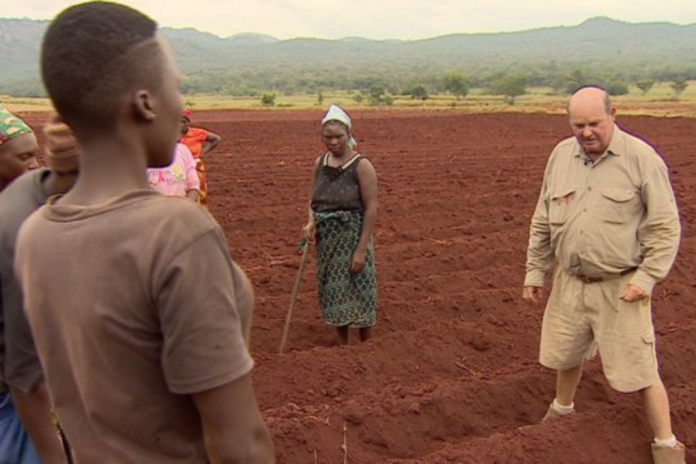
    Le Zimbabwe a récemment fait une avancée historique sur la voie de la réconciliation et du redressement économique en signant un accord de compensation avec les fermiers blancs qui ont perdu leurs terres lors du programme de réforme agraire violent et chaotique qui a débuté en 2000. L’accord, signé en juillet 2020, promet de verser 3,5 milliards de dollars de compensation à environ 3 500 agriculteurs blancs qui en ont fait la demande.

    Progrès vers la réalisation de l’accord de compensation

    Malgré les difficultés rencontrées par le gouvernement pour lever des fonds, un total d’un million de dollars a été versé aux agriculteurs grâce aux dons des sympathisants. Le gouvernement travaille actuellement sur un plan de financement à long terme, comprenant l’émission d’obligations et une approche conjointe des donateurs internationaux avec les agriculteurs, afin de tenir sa promesse de compenser le montant restant.

    Une voie vers la réconciliation et la justice

    L’accord de compensation est un symbole de bonne volonté du président Emmerson Mnangagwa, qui est arrivé au pouvoir après avoir chassé son prédécesseur Robert Mugabe par un coup d’État militaire en 2017. Il vise à rétablir les relations du Zimbabwe avec l’Occident, qui avait imposé des sanctions au pays en raison de ses violations des droits de l’homme et de ses déficits démocratiques. L’accord a été salué comme une voie de réconciliation, de justice et de clôture pour de nombreux agriculteurs concernés.

    Une opportunité pour la croissance économique et les investissements étrangers

    L’accord de compensation a également donné au Zimbabwe l’occasion de renforcer son économie en attirant des investisseurs étrangers et en rétablissant ses relations avec l’Occident. L’engagement du gouvernement à résoudre ce problème de longue date envoie un message positif aux investisseurs potentiels et pourrait contribuer au redressement du pays.

    Un signe prometteur de progrès et de réconciliation

    Alors que le pays est confronté à une crise économique de plus en plus profonde, l’accord de compensation est une lueur d’espoir à la fois pour les agriculteurs blancs et pour le pays dans son ensemble. Malgré la résistance de certains partisans de la ligne dure au sein du gouvernement, qui s’opposent à toute concession aux fermiers blancs ou aux puissances occidentales, l’engagement du gouvernement à indemniser les fermiers est un signe prometteur de progrès et de réconciliation.

    Un espoir de justice et de clôture

    La promesse d’indemnisation faite par le gouvernement, bien que difficile à tenir, permet d’espérer que justice sera rendue et que le pays pourra s’engager dans un avenir plus radieux. Certains agriculteurs blancs ont déjà repris le cours de leur vie, soit en quittant le Zimbabwe pour d’autres pays où ils pourront à nouveau cultiver la terre, soit en poursuivant d’autres carrières. Néanmoins, de nombreuses autres personnes espèrent toujours obtenir justice et tourner la page après avoir perdu leurs maisons et leurs fermes il y a vingt ans.

    Zimbabwe’s compensation deal with white farmers: A promising path towards reconciliation and economic recovery.

    0
    Zimbabwe's White Farmers
    Zimbabwe's White Farmers to receive compensation for their lost farms in government's land reform program
    Read Time:2 Minute, 5 Second

    HARARE, Feb 24 (African Boulevard Mews) Historic breakthrough towards reconciliation and economic recovery

    Zimbabwe has recently made a historic breakthrough towards reconciliation and economic recovery by signing a compensation deal with white farmers who lost their land during the violent and chaotic land reform programme that began in 2000. The deal, signed in July 2020, promises to pay $3.5 billion in compensation to about 3,500 white farmers who applied for it.

    Progress towards fulfilling the compensation deal

    Despite the challenges the government faces in raising funds, a total of $1 million has been paid to the farmers through donations from well-wishers and sympathizers. The government is currently working on a long-term funding plan, including the issuance of bonds and a joint approach to international donors with the farmers, to fulfill its promise of compensating the remaining amount.

    A path towards reconciliation and justice

    The compensation deal is a symbol of goodwill by President Emmerson Mnangagwa, who came to power after ousting his predecessor Robert Mugabe in a military coup in 2017. It aims to restore Zimbabwe’s relations with the West, which had imposed sanctions on the country over its human rights violations and democratic deficits. The deal has been hailed as a path towards reconciliation, justice, and closure for many of the affected farmers.

    An opportunity for economic growth and foreign investment

    The compensation deal has also created an opportunity for Zimbabwe to strengthen its economy by attracting foreign investors and rebuilding relationships with the West. The government’s commitment to resolving this longstanding issue sends a positive message to potential investors and could contribute to the country’s recovery.

    A promising sign of progress and reconciliation

    As the country faces a deepening economic crisis, the compensation deal is a glimmer of hope for both the white farmers and the country as a whole. Despite resistance from some hardliners within the government, who oppose any concessions to white farmers or Western powers, the government’s commitment to compensating the farmers is a promising sign of progress and reconciliation.

    A hope for justice and closure

    The government’s promise of compensation, although challenging to fulfill, offers hope that justice will be served and that the country can move towards a brighter future. Some white farmers have already moved on with their lives, either by leaving Zimbabwe for other countries where they can farm again or by pursuing other careers. Nevertheless, many others are still hoping for justice and closure after losing their homes and farms two decades ago.

    Les sombres histoires des espoirs présidentiels du Nigeria : Choisir le moindre des trois maux.

    0
    Read Time:2 Minute, 56 Second

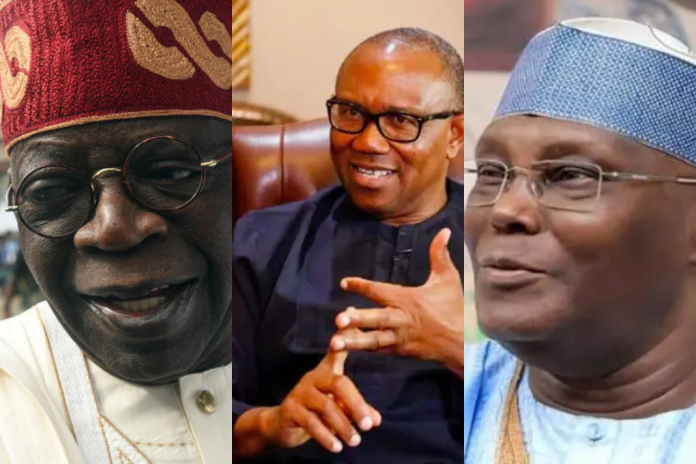
    Nigeria, Abuja – (African Boulevar News) – Alors que le Nigeria se prépare à son élection présidentielle, les électeurs sont confrontés à une décision difficile. Les trois principaux candidats, Bola Tinubu, Atiku Abubakar et Peter Obi, ont tous été associés à des activités controversées par le passé.

    Atiku Abubakar : une richesse construite sur des bases fragiles

    Atiku Abubakar, le candidat du parti d’opposition People’s Democratic Party, a eu une longue et fructueuse carrière dans le secteur privé, avec des intérêts allant de l’import-export au pétrole, à l’agriculture et aux télécommunications. Cependant, il a été accusé d’utiliser son influence politique au profit de ses intérêts commerciaux.

    Par exemple, son ancien patron, Olusegun Obasanjo, l’a accusé d’avoir détourné 145 millions de dollars destinés au Petroleum Technology Development Fund. En outre, un rapport du Sénat américain affirme que l’une des épouses d’Abubakar l’a aidé à rapatrier plus de 40 millions de dollars de fonds suspects aux États-Unis par le biais de comptes offshore.

    Bien que M. Abubakar n’ait jamais fait l’objet de poursuites judiciaires, que ce soit au Nigeria ou aux États-Unis, ces accusations ont suscité des doutes quant à son aptitude à exercer ses fonctions.

    Peter Obi : Un politicien au passé fiscal douteux

    Peter Obi, le candidat outsider du parti travailliste, est réputé pour sa réputation de modèle de bonne gestion et de transparence. Cependant, il a été mêlé à une controverse concernant des allégations d’évasion fiscale.

    Les documents Pandora ont révélé qu’alors qu’il était gouverneur de l’État d’Anambra, M. Obi a créé une société dans les îles Vierges britanniques au nom de sa fille afin d’échapper aux impôts. Il a également été accusé d’injecter des fonds publics dans une brasserie dans laquelle ses proches détenaient des parts, ce qui a donné lieu à des accusations de conflit d’intérêts.

    Bien que M. Obi ait nié tout acte répréhensible, ces allégations ont jeté le trouble sur sa candidature.

    Bola Tinubu : un homme politique riche et un scandale de trafic de drogue

    Bola Tinubu, le candidat du parti au pouvoir, le All Progressives Congress, est un ancien gouverneur de Lagos et l’un des hommes les plus riches du Nigeria. Cependant, sa fortune a fait l’objet d’un examen approfondi, avec des allégations de fraude et de détournement de fonds.

    À la fin des années 1980, près de 2 millions de dollars provenant d’un réseau de trafic d’héroïne auraient transité par des comptes liés à Tinubu. Bien qu’il ait nié toute implication dans le trafic de drogue, il a conclu un accord avec les autorités américaines qui a abouti à la confiscation de 460 000 dollars sur ses comptes.

    Tinubu a également été accusé d’avoir détourné des fonds publics par l’intermédiaire d’Alpha Beta Consulting, une société chargée de collecter les impôts dans l’État de Lagos dans laquelle il détenait des parts. Ces allégations ont donné lieu à un long bras de fer avec un ancien collaborateur, qui a finalement été résolu par un accord à l’amiable en juin 2022.

    Réflexions finales

    Les controverses entourant ces candidats font qu’il est difficile pour les électeurs nigérians de faire un choix éclairé. Les allégations formulées à leur encontre soulèvent de sérieuses questions quant à leur aptitude à exercer leurs fonctions et à leur engagement en faveur de la transparence et de la responsabilité.

    Le Nigeria se trouve à un moment critique de son histoire, et ses citoyens ont besoin de dirigeants honnêtes, dignes de confiance et engagés pour le bien de tous. C’est aux électeurs de décider quel candidat peut fournir ce type de leadership.

    The Dark Histories of Nigeria’s Presidential Hopefuls: Choosing the Lesser of Three Evils.

    0
    Nigerian presidential hopefuls
    Bola Tinubu, Peter Obi, Atiku Abubakar will face each other at the polls on Saturday, February 25 in Nigerian Presidential elections
    Read Time:3 Minute, 18 Second

    Nigeria, Abuja – (African Boulevar News) – As Nigeria prepares for its presidential election, voters are faced with a difficult decision. The three main candidates, Bola Tinubu, Atiku Abubakar, and Peter Obi, have all been associated with controversial activities in the past.

    Atiku Abubakar: Wealth Built on Shaky Ground

    Atiku Abubakar

    Atiku Abubakar, the candidate of the opposition People’s Democratic Party, has had a long and successful career in the private sector, with interests ranging from import-export to oil, agriculture, and telecommunications. However, he has been accused of using his political influence to benefit his business interests.

    For example, his former boss, Olusegun Obasanjo, has accused him of embezzling $145 million intended for the Petroleum Technology Development Fund. Additionally, a US Senate report alleges that one of Abubakar’s wives helped him repatriate more than $40 million in suspicious funds to the US through offshore accounts.

    While Abubakar has never faced prosecution in either Nigeria or the US, these accusations have led to doubts about his fitness for office.

    Peter Obi: A Politician with a Dubious Tax History

    Peter Obi

    Peter Obi, the outsider candidate of the Labor Party, is renowned for his reputation as a model of good management and transparency. However, he has been embroiled in controversy over allegations of tax evasion.

    The Pandora Papers revealed that while serving as governor of Anambra State, Obi set up a company in the British Virgin Islands in his daughter’s name in order to evade taxes. He has also been accused of injecting public money into a brewery in which his relatives held shares, leading to charges of conflict of interest.

    While Obi has denied any wrongdoing, these allegations have created a cloud over his candidacy.

    However, Amidst this politically charged atmosphere of Nigeria’s upcoming election, the 61-year-old businessman has emerged as a surprising contender. With soaring speeches that some hail as fresh and unifying, and others decry as merely populist, this candidate has captured the imagination of Nigeria’s youth. And it’s no wonder, given that 60 percent of the country’s population is under the age of 25.

    fan Peter Obi 30 years old female supporter of Peter Obi, standing in front of his poster at a campain Rally that has picked up momentum the final days of the campaing”

    But can this candidate really deliver on his promises of change? Or is he simply playing on the hopes and fears of a generation that is all too familiar with broken promises and dashed dreams? As the election draws closer, Nigerians must decide for themselves whether to take a chance on this enigmatic figure or to stick with the devil they know.

    Bola Tinubu: A Wealthy Politician with a Drug Trafficking Scandal

    Bola Tinubu

    Bola Tinubu, the candidate of the ruling All Progressives Congress, is a former governor of Lagos and one of the wealthiest men in Nigeria. However, his wealth has been the subject of much scrutiny, with allegations of fraud and embezzlement.

    In the late 1980s, it was alleged that nearly $2 million from a heroin trafficking ring passed through accounts linked to Tinubu. While he denied any involvement in drug trafficking, he did reach an agreement with US authorities resulting in the confiscation of $460,000 from his accounts.

    Tinubu was also accused of embezzling public funds through Alpha Beta Consulting, a company responsible for collecting taxes in Lagos State in which he held shares. These allegations led to a long standoff with an ex-collaborator, which was eventually resolved in an out-of-court settlement in June 2022.

    Final Thoughts

    The controversies surrounding these candidates make it difficult for Nigerian voters to make an informed choice. The allegations against them raise serious questions about their fitness for office and their commitment to transparency and accountability.

    Nigeria faces a critical moment in its history, and its citizens need leaders who are honest, trustworthy, and committed to the greater good. It is up to the voters to decide which candidate can provide that kind of leadership.

    Se relever d’une crise cardiaque en football : Le Camerounais Ajara Nchout retrouve l’espoir après la victoire 2-1 du Portugal.

    0
    Read Time:1 Minute, 12 Second

    Cameroun, Yaoundé (African Boulevard News) – Dans une démonstration réconfortante d’esprit sportif, Ajara Nchout, l’attaquante de l’Inter Milan et de l’équipe féminine de football du Cameroun, voit un côté positif à leur récente défaite contre le Portugal. Malgré cette défaite crève-cœur, Nchout pense que les Lionnes indomptables peuvent se servir de cette expérience pour revenir plus fortes.

    Le match était difficile, le Portugal ayant deux joueurs rapides sur l’aile. Bien que le Cameroun ait changé son système en seconde période, il était déjà derrière. Néanmoins, Nchout reste positif, déclarant que “nous apprenons tous les jours et nous devons continuer à apprendre et à revenir plus forts.”

    Nchout a également fait l’éloge de la jeune gardienne de 16 ans, Cathy Biya, qui a fait ses débuts après l’expulsion de la gardienne titulaire Ange Bawou lors du match précédent. La performance de Biya était louable, en particulier compte tenu de la situation de haute pression, et Nchout l’a félicité pour son travail bien fait.

    Malgré l’absence de la Coupe du monde, cette défaite des Lionnes du Cameroun signifie que seuls quatre pays représenteront l’Afrique – l’Afrique du Sud, le Maroc, le Nigeria et la Zambie – lors du tournoi de cette année, qui se tiendra en Australie et en Nouvelle-Zélande en juillet et août.

    L’équipe du Cameroun reste déterminée et pleine d’espoir. Avec la bonne attitude et un dévouement continu, ils rebondiront sans aucun doute plus forts et meilleurs que jamais.

    Rising from Soccer Heartbreak: Cameroon’s Ajara Nchout Finds Hope After Portugal’s 2-1 Victory.

    0
    16-year-old goalkeeper Cathy Biya
    Cameroon Lioness, 16-year-old goalkeeper Cathy Biya
    Read Time:1 Minute, 3 Second

    Cameroon, Yaoundé (African Boulevard News) – In a heartwarming display of sportsmanship, Ajara Nchout, the forward for Inter Milan and Cameroon’s women’s soccer team, sees a silver lining in their recent loss to Portugal. Despite their heartbreaking defeat, Nchout believes that the Indomitable Lionesses can use the experience to come back stronger.

    The match was a tough one, with Portugal having two fast players on the wing. Although Cameroon changed their system in the second half, they were already behind. Nevertheless, Nchout remains positive, stating that “we learn every day so we need to continue to learn and come back stronger.

    Nchout also praised the 16-year-old goalkeeper Cathy Biya, who made her debut after regular goalkeeper Ange Bawou was sent off in the previous game. Biya’s performance was commendable, especially given the high-pressure situation, and Nchout congratulated her on a job well done.

    Despite missing out on the World Cup, this defeat of the Cameroonian Lionesses means only four countries will represent Africa – South Africa, Morocco, Nigeria, and Zambia – at this year’s tournament, which will be held in Australia and New Zealand in July and August.

    Cameroon’s team remains determined and hopeful. With the right attitude and continued dedication, they will undoubtedly bounce back stronger and better than ever.

    The Unforeseen Threat to the World’s Food Supply: How Morocco’s Phosphate Monopoly Could Trigger a Global Crisis.

    0
    Morocco, Rabat Fertilizer
    Read Time:2 Minute, 43 Second

    Morocco, Rabat (African Boulevard) – Does Morocco secretly control the world Food Supply?

    Morocco, a country in North Africa, holds a resource that could potentially control the future of the world’s food supply. With 70% of the world’s phosphate reserves, the nation’s monopoly on this critical ingredient for fertilizer has far-reaching consequences.

    Moroccan Phosphate Giant OCP Reports ‘Exceptional’ Earnings as Russia’s war on Ukraine rages on.

    The latest earnings report of Moroccan phosphate giant OCP has left the world reeling with surprise. The company has reported “exceptional” numbers for last year, revealing a staggering increase in net income compared to the previous year. This year, the company’s profits have more than doubled, leaving investors and analysts speechless. The increase in fertilizer prices due to the ongoing conflict between Russia and Ukraine was largely responsible for the impressive earnings.

    The Role of Guano and Synthetic Fertilizer

    The discovery of guano, the excretion of bats and seabirds, as a fertilizer in the early 19th century was a game-changer that boosted food production in the United States and Europe. However, it was the discovery of synthetic fertilizer by Fritz Haber in 1913 that caused a population explosion worldwide. Since then, the world’s population has grown from 1.6 billion to 7.7 billion, and crop yields have doubled in many regions.

    The Depletion of Non-Renewable Resources

    Potash, a non-renewable resource, is required for fertilizer, and its depletion is a growing concern. Only four countries, Canada, Russia, Belarus, and China, produce most of the world’s potash. Phosphate, another critical ingredient, is estimated to be available for 260 years. But with the population growth, shortages are already being felt.

    The Uneven Distribution of Resources

    The world’s phosphate reserves are unevenly distributed. Morocco has 70%, China has 5%, while the rest of the world has only 2% or less. The potential for conflicts and cooperation over access to this resource is high. China has banned the export of its phosphate to ensure enough supply for its own food production. The United States has placed tariffs on Moroccan phosphate.

    The Concern of Peak Phosphorus

    Peak phosphorus is a concern, much like peak oil was in the 1950s. While new sources and technological innovations may increase production, the world’s reliance on fertilizer could lead to dependence on Morocco’s phosphate. As populous countries such as India, Mexico, and Brazil become increasingly reliant on Moroccan phosphate, Morocco’s monopoly could impact global trade and lead to international conflicts.

    Alternatives and Solutions

    Genetic engineering is being used to increase the absorption of phosphorus in plants, and while it is showing promise, the world’s dependence on fertilizer is unprecedented. Morocco’s monopoly on phosphate reserves is a factor that cannot be ignored when considering the future of the world’s food supply.

    The Future of Our Food Supply at Risk

    Morocco’s monopoly on phosphate reserves could have a significant impact on the world’s food supply. The uneven distribution of this resource and the potential for conflicts over access to it could lead to a global food crisis. As the world looks to alternatives and solutions, the role of Morocco in this critical industry cannot be ignored. The world’s food supply is at stake, and it’s up to us to take action before it’s too late.

    Jill Biden, America’s first lady in Africa: a trip that raises hopes and questions

    0
    Read Time:3 Minute, 34 Second

    Namibia, Windhoek – (African Boulevard) – Jill Biden’s visit to Africa a sign of U.S. commitment to the continent

    First Lady Jill Biden’s visit to Namibia and Kenya is a trip that raises both hopes and questions. As the United States seeks to strengthen diplomatic ties with Africa, Biden’s visit highlights the continent’s importance in global affairs. But it also raises questions about the future of U.S.-Africa relations, as well as key issues facing the continent.

    The Biden administration has shown a growing interest in African affairs, the latest indication being First Lady Jill Biden’s upcoming visit to Namibia and Kenya. The trip is part of the U.S. Africa policy to promote democracy and human rights, combat climate change and strengthen economic ties.

    The White House announced the visit, which will take place in early April, and noted that it is Biden’s first solo international trip as First Lady. The visit is also significant because it demonstrates the Biden administration’s commitment to strengthening diplomatic relations with African countries, which had been strained during the Trump era.

    The First Lady will meet with leaders, community members and civil society organizations during her trip. She will also highlight U.S. investments in health, education and economic development in Africa, with a focus on empowering women and girls.

    Jill Biden’s Visit to Namibia and Kenya Aims to Strengthen Ties and Promote U.S. Interests

    First Lady Jill Biden will travel to Namibia and Kenya in April 2023 on her first solo international trip. The trip is part of a broader effort by the Biden administration to promote democracy, human rights and sustainable economic growth in Africa, as well as to strengthen diplomatic ties with African nations.

    In Namibia, Biden will meet with government officials, educators, and community leaders to discuss U.S. support for health, education, and economic development initiatives, with a particular focus on programs to empower women and girls. She will also visit a nature reserve and a health clinic that supports women’s reproductive health and rights.

    In Kenya, the First Lady will participate in a roundtable discussion with women entrepreneurs, visit a community health center and a clean energy project. She will also meet with government officials, civil society organizations and other leaders to discuss U.S.-Kenya partnerships in economic development, democracy and human rights.

    Jill Biden’s Visit to Africa Signals U.S. Commitment to the Continent

    First Lady Jill Biden’s upcoming visit to Namibia and Kenya is a clear sign of the Biden administration’s renewed commitment to Africa and recognition of the crucial role the continent plays in global affairs.

    During her visit, Biden will highlight U.S. investments in health, education, and economic development, particularly those aimed at empowering women and girls. It will also discuss the importance of democracy and human rights, as well as the need for international cooperation to combat climate change.

    The First Lady’s visit is also a signal that the United States is committed to strengthening diplomatic ties with African countries, after several years of strained relations during the previous administration. As the Biden administration seeks to promote a more collaborative and engaged foreign policy, Africa is expected to play a key role in shaping the U.S. global agenda in the coming years.

    Jill Biden’s Visit to Africa: An Opportunity to Strengthen International Cooperation for a Sustainable Future

    First Lady Jill Biden’s visit to Namibia and Kenya is an opportunity to strengthen international cooperation for a sustainable future for Africa and the world. The United States is committed to working with African countries to promote democracy, human rights, and sustainable economic growth, particularly in the areas of health and education.

    Biden’s trip will also highlight U.S. investments in renewable energy and climate change, which are key issues for the future of Africa and the world. With a focus on empowering women and girls, the First Lady’s visit will also highlight the importance of gender equality for a sustainable future.

    Finally, Biden’s visit is a signal of U.S. commitment to Africa and recognition of the continent’s importance in global affairs. As the world faces major challenges, including climate change and the COVID-19 pandemic, it is more important than ever that countries work together to build a better future for all.