
The Unforeseen Threat to the World’s Food Supply: How Morocco’s Phosphate Monopoly Could Trigger a Global Crisis.
Read Time:2 Minute, 43 Second
Morocco, Rabat (African Boulevard) – Does Morocco secretly control the world Food Supply?
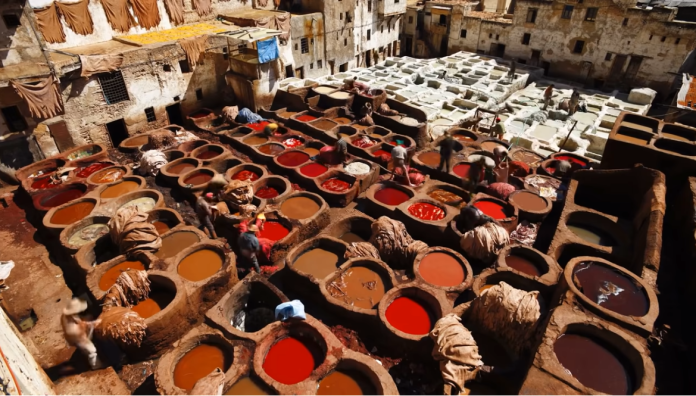
Morocco, a country in North Africa, holds a resource that could potentially control the future of the world’s food supply. With 70% of the world’s phosphate reserves, the nation’s monopoly on this critical ingredient for fertilizer has far-reaching consequences.
Moroccan Phosphate Giant OCP Reports ‘Exceptional’ Earnings as Russia’s war on Ukraine rages on.
The latest earnings report of Moroccan phosphate giant OCP has left the world reeling with surprise. The company has reported “exceptional” numbers for last year, revealing a staggering increase in net income compared to the previous year. This year, the company’s profits have more than doubled, leaving investors and analysts speechless. The increase in fertilizer prices due to the ongoing conflict between Russia and Ukraine was largely responsible for the impressive earnings.
The Role of Guano and Synthetic Fertilizer
The discovery of guano, the excretion of bats and seabirds, as a fertilizer in the early 19th century was a game-changer that boosted food production in the United States and Europe. However, it was the discovery of synthetic fertilizer by Fritz Haber in 1913 that caused a population explosion worldwide. Since then, the world’s population has grown from 1.6 billion to 7.7 billion, and crop yields have doubled in many regions.
The Depletion of Non-Renewable Resources
Potash, a non-renewable resource, is required for fertilizer, and its depletion is a growing concern. Only four countries, Canada, Russia, Belarus, and China, produce most of the world’s potash. Phosphate, another critical ingredient, is estimated to be available for 260 years. But with the population growth, shortages are already being felt.
The Uneven Distribution of Resources
The world’s phosphate reserves are unevenly distributed. Morocco has 70%, China has 5%, while the rest of the world has only 2% or less. The potential for conflicts and cooperation over access to this resource is high. China has banned the export of its phosphate to ensure enough supply for its own food production. The United States has placed tariffs on Moroccan phosphate.
The Concern of Peak Phosphorus
Peak phosphorus is a concern, much like peak oil was in the 1950s. While new sources and technological innovations may increase production, the world’s reliance on fertilizer could lead to dependence on Morocco’s phosphate. As populous countries such as India, Mexico, and Brazil become increasingly reliant on Moroccan phosphate, Morocco’s monopoly could impact global trade and lead to international conflicts.
Alternatives and Solutions
Genetic engineering is being used to increase the absorption of phosphorus in plants, and while it is showing promise, the world’s dependence on fertilizer is unprecedented. Morocco’s monopoly on phosphate reserves is a factor that cannot be ignored when considering the future of the world’s food supply.
The Future of Our Food Supply at Risk
Morocco’s monopoly on phosphate reserves could have a significant impact on the world’s food supply. The uneven distribution of this resource and the potential for conflicts over access to it could lead to a global food crisis. As the world looks to alternatives and solutions, the role of Morocco in this critical industry cannot be ignored. The world’s food supply is at stake, and it’s up to us to take action before it’s too late.
Jill Biden, America’s first lady in Africa: a trip that raises hopes and questions
Read Time:3 Minute, 34 Second
Namibia, Windhoek – (African Boulevard) – Jill Biden’s visit to Africa a sign of U.S. commitment to the continent
First Lady Jill Biden’s visit to Namibia and Kenya is a trip that raises both hopes and questions. As the United States seeks to strengthen diplomatic ties with Africa, Biden’s visit highlights the continent’s importance in global affairs. But it also raises questions about the future of U.S.-Africa relations, as well as key issues facing the continent.
The Biden administration has shown a growing interest in African affairs, the latest indication being First Lady Jill Biden’s upcoming visit to Namibia and Kenya. The trip is part of the U.S. Africa policy to promote democracy and human rights, combat climate change and strengthen economic ties.
The White House announced the visit, which will take place in early April, and noted that it is Biden’s first solo international trip as First Lady. The visit is also significant because it demonstrates the Biden administration’s commitment to strengthening diplomatic relations with African countries, which had been strained during the Trump era.
The First Lady will meet with leaders, community members and civil society organizations during her trip. She will also highlight U.S. investments in health, education and economic development in Africa, with a focus on empowering women and girls.
Jill Biden’s Visit to Namibia and Kenya Aims to Strengthen Ties and Promote U.S. Interests
First Lady Jill Biden will travel to Namibia and Kenya in April 2023 on her first solo international trip. The trip is part of a broader effort by the Biden administration to promote democracy, human rights and sustainable economic growth in Africa, as well as to strengthen diplomatic ties with African nations.
In Namibia, Biden will meet with government officials, educators, and community leaders to discuss U.S. support for health, education, and economic development initiatives, with a particular focus on programs to empower women and girls. She will also visit a nature reserve and a health clinic that supports women’s reproductive health and rights.
In Kenya, the First Lady will participate in a roundtable discussion with women entrepreneurs, visit a community health center and a clean energy project. She will also meet with government officials, civil society organizations and other leaders to discuss U.S.-Kenya partnerships in economic development, democracy and human rights.
Jill Biden’s Visit to Africa Signals U.S. Commitment to the Continent
First Lady Jill Biden’s upcoming visit to Namibia and Kenya is a clear sign of the Biden administration’s renewed commitment to Africa and recognition of the crucial role the continent plays in global affairs.
During her visit, Biden will highlight U.S. investments in health, education, and economic development, particularly those aimed at empowering women and girls. It will also discuss the importance of democracy and human rights, as well as the need for international cooperation to combat climate change.
The First Lady’s visit is also a signal that the United States is committed to strengthening diplomatic ties with African countries, after several years of strained relations during the previous administration. As the Biden administration seeks to promote a more collaborative and engaged foreign policy, Africa is expected to play a key role in shaping the U.S. global agenda in the coming years.
Jill Biden’s Visit to Africa: An Opportunity to Strengthen International Cooperation for a Sustainable Future
First Lady Jill Biden’s visit to Namibia and Kenya is an opportunity to strengthen international cooperation for a sustainable future for Africa and the world. The United States is committed to working with African countries to promote democracy, human rights, and sustainable economic growth, particularly in the areas of health and education.
Biden’s trip will also highlight U.S. investments in renewable energy and climate change, which are key issues for the future of Africa and the world. With a focus on empowering women and girls, the First Lady’s visit will also highlight the importance of gender equality for a sustainable future.
Finally, Biden’s visit is a signal of U.S. commitment to Africa and recognition of the continent’s importance in global affairs. As the world faces major challenges, including climate change and the COVID-19 pandemic, it is more important than ever that countries work together to build a better future for all.
Guinea will remain for a long time under the weight of the ruthless ECOWAS sanctions: when will this ordeal end?
Read Time:2 Minute, 18 Second
Conakry, Guinea – (African Boulevard), The Economic Community of West African States (ECOWAS) has maintained the economic sanctions it imposed on Guinea in response to the military coup that overthrew the civilian government last September. ECOWAS leaders met on the sidelines of the African Union summit in Addis Ababa to review sanctions and discuss progress in restoring civil order in Guinea and two other countries in the sub-region, Mali and Burkina Faso, all three of which were ruled by military juntas that came to power in coups.
ContextSincethe military coup of September 2021, Guinea has faced increasing political and economic instability. In response to the coup, ECOWAS imposed a series of economic sanctions on Guinea, including a ban on trade with the military junta and the suspension of Guinea from all ECOWAS institutions.
Reasons for maintaining sanctions: ECOWAS decided to maintain economic sanctions against Guinea for several reasons. First, it believes that the military coup has undermined the political stability of the region. In addition, the military junta has taken a series of actions that have undermined the rule of law and human rights in Guinea. Finally, economic sanctions are seen as a way to pressure the military junta to end its unelected government.
Effects of Sanctions: Economic sanctions have had a significant impact on the Guinean economy. Companies have been forced to lay off employees and suspend operations due to the ban on trade with Guinea. In addition, the sanctions have also had an impact on the Guinean population, which has seen an increase in the price of some basic commodities.
Although these sanctions were put in place to put pressure on the military junta, some might question whether they were really effective. After all, the military junta is still in place, and the situation in Guinea does not seem to have improved.
Some might also question whether economic sanctions are really fair. After all, the Guinean people are not responsible for the military coup, but they are the ones who suffer the economic consequences of the sanctions. Is it fair to punish the population for the actions of the military junta?
Yet, despite these criticisms, it is important to emphasize that economic sanctions are an important means of putting pressure on governments that do not respect democratic norms and human rights. In the case of Guinea, the military junta overthrew a democratically elected government and installed an unelected regime that violated human rights. The economic sanctions are therefore a way for ECOWAS to send a clear signal to the military junta that its actions are unacceptable.
However, these same leaders should be expected to severely sanction foreign forces that interfere in the internal affairs of countries in the sub-region. Maybe they will do it in their next outing!
Ghana Mourns the Loss of Soccer Star Christian Atsu: The Tragic End of a Talented and Giving Soul.
Read Time:2 Minute, 50 Second
Christian Atsu, a Ghanaian soccer player’s life was tragically cut short when he died in the devastating earthquake that struck Turkey on February 6, 2023. Atsu was in the city of Antakya, Hatay province, when the earthquake hit, and his manager confirmed that he had died in the disaster.
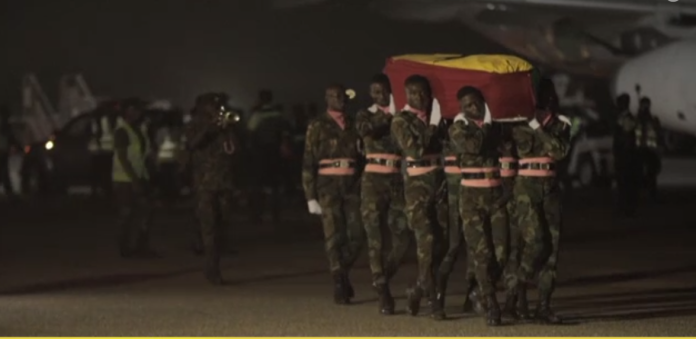
Atsu’s death came as a shock to the soccer community, and tributes poured in from around the world. His body was flown back to his home country of Ghana on February 20, 2023, where he was mourned by his family, friends, and fans.
Despite his untimely death, Atsu’s legacy as a talented soccer player and a generous philanthropist will live on. He will be remembered for his contributions to the sport and to the communities he touched during his life.
According the Ghanaian Foreign ministry, The remains will be accompanied by his family and Ghana’s ambassador to Turkey on a Turkish airlines flight and will arrive in Accra (Ghana’s capital) at 7:40 p.m. Sunday,”
Christian Atsu was a soccer player who has taken the world by storm with his incredible talent and skill on the field. Atsu’s journey to become a professional soccer player began in his hometown of Ada Foah, where he honed his skills playing with friends on the streets and beaches.
From a young age, Atsu had a natural talent for soccer, and it was clear to everyone around him that he was destined for greatness. His parents recognized his potential and supported him in pursuing his dream of becoming a professional soccer player.
Atsu’s career began when he joined the Feyenoord Academy in Ghana at the age of 13. He quickly rose through the ranks and impressed scouts with his speed, agility, and technical ability. In 2009, Atsu was signed by Portuguese club Porto, where he played for three seasons and won several titles, including the Primeira Liga.
In 2013, Atsu signed with English Premier League club Chelsea, where he struggled to break into the first team due to the competition for places. However, he still managed to make a significant impact during his time at the club, scoring some crucial goals and providing assists in various games.
Over the years, Atsu has had several loan spells at different clubs, including Vitesse, Everton, and Newcastle United. At Newcastle, he played a pivotal role in the team’s successful 2017/2018 season, helping them secure promotion to the Premier League.
Atsu is known for his exceptional dribbling ability, his pace, and his eye for goal. He is also a versatile player who can play in different positions across the front line, including on the wings and as a striker.
Off the field, Atsu is known for his generosity and philanthropy. He has set up several charitable organizations and initiatives to help disadvantaged children and communities in Ghana. He is also a role model for young people and aspiring soccer players, showing that hard work, dedication, and perseverance can lead to success.
Christian Atsu is a soccer player who has made a significant impact on the game both on and off the field. His journey from the streets of Ada Foah to the top level of European soccer is a testament to his talent and hard work. He is a player who was admired by fans and respected by his peers, and he had become a true ambassador for Ghana and African soccer.
Libya’s Grim Reality: Migrant Tragedies and Religious Persecution Highlight a Nation in Crisis

Read Time:1 Minute, 51 Second
Another Mediterranean shipwreck claims 73 migrants’ lives off Libya’s coast
The world is once again reeling from another catastrophic tragedy, with reports of a shipwreck off the coast of Libya on February 15, 2023, claiming the lives of at least 73 migrants. This latest incident is yet another harrowing example of the perils faced by people attempting to cross the Mediterranean, often fleeing poverty, persecution, and conflict in search of a better life in Europe.
Fatal shipwreck highlights the ongoing migrant crisis in North Africa
According to multiple news reports, the boat was carrying more than 120 people, mainly from sub-Saharan Africa, when it capsized after encountering rough seas and strong winds. The survivors, rescued by the Libyan coastguard, described the terror and chaos of the moment as people struggled to save themselves, with some screaming and others desperately trying to stay afloat. Unfortunately, this is not an isolated incident, and the Mediterranean has become a graveyard for thousands of migrants who have lost their lives while attempting to reach Europe.
Libya’s instability and religious persecution exacerbate the crisis
The situation in Libya is further complicated by the country’s political instability and the issue of religious persecution. The recent abduction of a group of Coptic Christians from Egypt by armed militants in the Libyan city of Sirte highlights the deep-seated problems plaguing the country. The militants, believed to be linked to the Islamic State, demanded a ransom for their release, and threatened to cause them harm if their demands were not met. These incidents are a stark reminder of the dangers that exist for all those seeking refuge in Libya.
A swift and effective response is urgently needed to prevent further loss of life
The tragedy in Libya underscores the urgent need for swift and effective action to address the root causes of the crisis. The international community is grappling with how best to respond to this ongoing tragedy, with many organizations and governments offering aid and support. However, the conflict and political stalemate in Libya have made it challenging to find a clear path to stability. Urgent action is needed to prevent further loss of life and to provide safety and security for those most vulnerable.
Demand for Justice: Cameroonians seek accountability for the assassination of Martinez Zogo and other victims of severe human rights violations.

Read Time:5 Minute, 8 Second
Assassination of Journalist Martinez Zogo
Cameroon was shaken to the core when the news of the brutal murder of popular radio journalist, Martinez Zogo, broke on the 23rd of January, 2023. Zogo had been abducted from his home the previous day, and his body was found in a nearby forest with multiple stab wounds.
Investigation and Arrests
In the following days, authorities launched an investigation into the murder, with the support of international human rights groups. The investigation led to the arrest of several suspects, including Amougou Belinga, a prominent businessman and media mogul. Belinga, who owns a television channel and a newspaper, was taken into custody on suspicion of involvement in the murder.
Possible Motive and Outrage
As the investigation continued, more details emerged about the circumstances surrounding Zogo’s murder. According to reports, Zogo had been working on an investigation into corruption in the country’s mining industry, and had received threats prior to his abduction. Some believe that his death may have been related to his reporting on this sensitive issue.
The arrest of Belinga sparked outrage among some of his supporters, who claim that he is being targeted because of his political affiliations. However, many others welcomed the arrest, seeing it as a long overdue step towards holding powerful individuals accountable for their actions.
Damning Evidence and Political Scandal
The case took a dramatic turn when more damning evidence emerged, including audio recordings that allegedly implicated Belinga in the murder. The recordings were reportedly made by an accomplice who was present during the abduction and subsequent killing of Zogo.
The case has caused a political scandal in Cameroon, with some calling for a thorough investigation into the country’s media landscape and the role of powerful individuals in the industry. The murder of Zogo has highlighted the risks that journalists face in Cameroon, where press freedom is limited and those who speak out against the government or the powerful elite are often targeted.
Call for Transparency and Accountability
As the investigation continues, many are calling for transparency and accountability, both in the case of Zogo’s murder and in the broader context of press freedom in Cameroon. The country’s media landscape is in urgent need of reform, and the government must take action to protect journalists and uphold the right to free speech.
The Legacy of Martinez Zogo
In the wake of Zogo’s murder, his legacy lives on, with many of his colleagues and supporters continuing to speak out against injustice and fight for a more just and open society. The memory of Martinez Zogo will not be forgotten, and his death will continue to serve as a reminder of the dangers that journalists face in the pursuit of truth and justice.
Demand for Investigation into the Murder of Martinez Zogo

The petition, “Justice for Martinez Zogo,” (https://www.change.org/p/justice-pour-martinez-zogo) is calling on the Cameroonian government to investigate and bring to justice those responsible for the brutal murder of Martinez Zogo. The petition, which has gathered over 30,000 signatures, highlights the need for justice and accountability for those responsible for Zogo’s death, as well as an end to police brutality and impunity in Cameroon.
The petition is part of a larger movement in Cameroon and beyond, where citizens are demanding justice for victims of police brutality and extrajudicial killings. The case of Martinez Zogo has sparked outrage and has brought renewed attention to the issue. Signatories of the petition are asking for an independent investigation into the matter, with the involvement of human rights organizations and the international community.
Accountability for the Murder of Journalist Samuel Wazizi
This petition, “Justice for the Assassination of a Journalist,” (https://www.change.org/p/justice-pour-l-assassinat-d-un-journaliste) is calling for the Cameroonian government to investigate and bring to justice those responsible for the murder of Samuel Wazizi, a journalist who was arrested and detained in August 2019. Wazizi was held incommunicado and tortured in custody, leading to his death. His family and colleagues were denied access to him during his detention, and his death was only acknowledged by the authorities after pressure from international human rights organizations.
The petition, which has gained over 12,000 signatures, highlights the need for justice and accountability for those responsible for Wazizi’s death, as well as an end to the government’s crackdown on free speech and independent media in Cameroon. Signatories are calling on the Cameroonian government to release all journalists and activists currently being held in custody for expressing their opinions and exercising their rights to freedom of expression.
Petition for the Resignation of Laurent Esso, Cameroon’s Minister of Justice
The third petition, “Petition for the Resignation of Laurent Esso, Cameroon’s Minister of Justice,” (https://www.change.org/p/p%C3%A9tition-pour-la-d%C3%A9mission-de-m-laurent-esso-ministre-de-la-justice-cameroun) is calling for the immediate resignation of the country’s Minister of Justice, Laurent Esso. The petition, which has gathered over 9,000 signatures, accuses Esso of failing to uphold the rule of law and of presiding over a justice system that is riddled with corruption and political interference. Laurent Esso is also named as a prime suspect in the murder of Martinez Zogo.
Signatories of the petition are calling for a complete overhaul of the justice system in Cameroon, with the establishment of an independent judiciary that is free from political interference. They are also calling for the release of all political prisoners and for an end to the government’s crackdown on opposition figures and independent voices.
The petitions reflect a growing sentiment of frustration and anger among Cameroonians, who are demanding accountability and justice for victims of human rights violations, including police brutality and extrajudicial killings. The signatories are united in their call for an end to impunity and corruption in Cameroon’s government and justice system, and for the protection of human rights and the rule of law. The petitions highlight the need for international support and solidarity in achieving these goals, and for continued pressure on the Cameroonian government to take action.
African Leaders Unite to Tackle Deadly Conflicts, Economic Challenges, and Food Crises at the 36th Ordinary Session of The African Union
Read Time:2 Minute, 42 Second
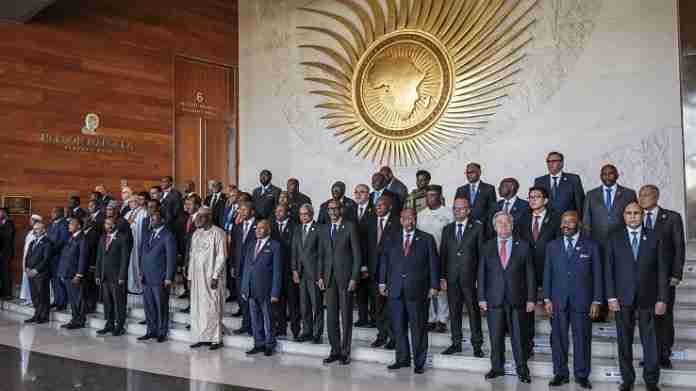
ADDIS ABABA, Feb. 18 (African Boulevard) – African Leaders Gather to Tackle Deadly Conflicts and Economic Challenges
A gathering of more than 30 African leaders occurred on Saturday to tackle some of the most pressing issues affecting the continent today. These issues include violent conflicts, economic challenges, and the worst drought in four decades, among others. With the majority of the meetings taking place behind closed doors, the world is watching closely to see if the bloc can deliver on their commitments.Urgent Call to Action for Peace in the Horn and the DRC
The Horn of Africa is currently experiencing an unprecedented drought, and the Sahel region and the eastern Democratic Republic of Congo are witnessing deadly violence. UN head Antonio Guterres urged African leaders to take “action for peace” and emphasized that the continent of 1.4 billion people is facing “enormous tests… on virtually every front.” With the mechanisms for peace faltering, the world is anxiously awaiting a decisive response.African Union Summit Seeks to Revive Failing Free Trade Agreement
The African Union summit, which lasts for two days, aims to accelerate the implementation of the African Continental Free Trade Agreement (AfCFTA), which was launched in 2020. The deal, which aims to increase trade among African nations by eliminating nearly all tariffs, is the world’s largest in terms of population, encompassing 54 of Africa’s 55 nations. However, implementation has fallen far short of that target, encountering obstacles such as disagreements over tariff reductions and border closures caused by the pandemic.The Need for African Leaders to Address the Continent’s High Debt Burden
The African leaders must also grapple with the continent’s high debt burden, which has been exacerbated by the Covid-19 pandemic. With the worst drought in four decades and the knock-on effects of the war in Ukraine, essential goods have become more expensive, causing severe food crises. Comoros President Azali Assoumani, the leader of the small Indian Ocean archipelago of almost 900,000 people, has taken over the one-year rotating AU chairmanship from Senegal’s Macky Sall and called for a “total cancellation” of African debt, but did not provide any details on how this would be accomplished.Urgent Need for the AU to Develop New Strategies to Counter the Erosion of Democracy
The African Union Commission’s head, Moussa Faki Mahamat, stated that the bloc needed to develop new strategies to counter the erosion of democracy on the continent. He remarked that “sanctions imposed on member states following unconstitutional changes of government… do not seem to produce the expected results.” Faki added that it seemed necessary to reconsider the system of resistance to unconstitutional changes to make it more effective.Time to Act – African Leaders Must Work Together to Overcome Critical Challenges
As the African Union summit continues, it’s essential to note that African leaders must work together to address the significant challenges that the continent faces. With conflicts, economic challenges, and food crises affecting millions of people, there’s no time to waste. The world is watching, and it’s time to act. The summit presents a unique opportunity to make a real difference in the lives of the people of Africa. It’s time to come together and take decisive action to bring about lasting change.The Nigerian Presidential Elections: Overcoming Insecurity and Enabling Full Participation in the Democratic Process on Saturday, February 25, 2023
Read Time:2 Minute, 48 Second
The Heartbreaking Reality: Nigerians in Diaspora Denied Their Right to Vote in Upcoming Elections
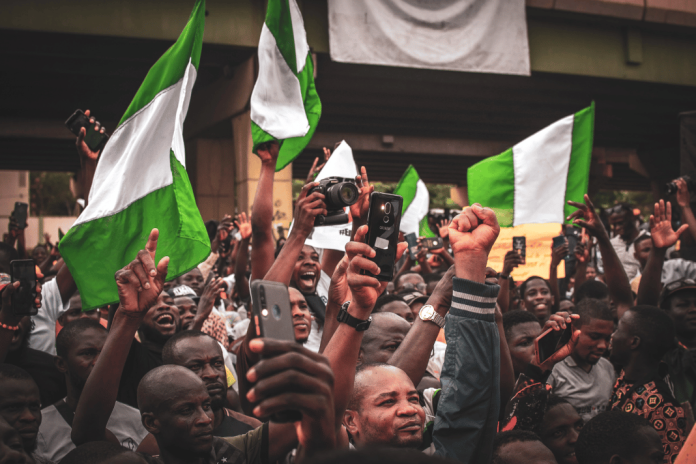
As Nigeria gears up for the upcoming presidential and local elections, many Nigerians living abroad are expressing their frustration and disappointment at being denied their right to vote. Despite having the largest number of citizens living abroad in Africa, Nigerians in the diaspora are unable to vote due to the lack of a diaspora voting mechanism. This heartbreaking reality is fueling calls for the government to take action to allow diaspora Nigerians to participate in the upcoming elections and have their voices heard in the country’s democratic process.
The Pain of Exclusion: Diaspora Nigerians Longing to Participate in the Democratic Process
The inability of Nigerians in the diaspora to vote is not only a political issue but also a deeply emotional one. Many Nigerians living abroad have a strong connection to their home country and are eager to participate in its democratic process. However, the pain of exclusion is all too real, and the government must take urgent steps to allow diaspora Nigerians to exercise their right to vote.
INEC’s Promise of Credible and Fair Elections: Hope in the Midst of Insecurity Challenges
While the Independent National Electoral Commission (INEC) has promised to ensure credible and fair elections, ongoing insecurity challenges in Nigeria pose a significant threat to the process. The northeast and northwest regions have been particularly affected by the violence, raising concerns about the potential for disruption or violence during the elections. Nevertheless, there is still hope that the INEC will be able to carry out its mission and deliver credible and fair elections that reflect the will of the Nigerian people.
Shattered Dreams: Cancellation of Polling Units Disenfranchises Over 143,000 Registered Voters
The recent cancellation of 240 polling units in Anambra state due to insecurity and other issues has shattered the dreams of over 143,000 registered voters. This heartbreaking development has left many Nigerians feeling frustrated and disappointed, and calls for the authorities to address the security challenges in the state are growing louder. The disenfranchisement of such a large number of voters is a grave injustice that must be rectified.
The Power of Preparation: Encouraging Voters to Identify their Polling Units Ahead of Election Day
As Nigerians prepare to exercise their right to vote, the INEC is encouraging voters to identify their polling units ahead of election day. This preparation is essential to ensure a smooth and efficient voting process and to prevent any disruptions or delays that could jeopardize the credibility of the elections. It is crucial that every eligible Nigerian voter takes the necessary steps to participate fully in the democratic process and have their voice heard.
The upcoming Nigerian presidential and local elections are surrounded by a range of concerns and issues, from the inability of diaspora Nigerians to vote to ongoing insecurity challenges. The emotional toll of exclusion and disenfranchisement is a significant challenge that must be addressed, and the INEC’s promise of credible and fair elections is a glimmer of hope in the midst of insecurity. As Nigerians prepare to exercise their right to vote, it is essential that they take the necessary steps to prepare and participate fully in the democratic process. Only through this collective effort can Nigeria achieve a truly democratic and just society that represents the will of its people.
Unpacking African Union’s Summit: Tackling Deepening Security, Food, and Health Crises in the Wake of COVID-19
Read Time:2 Minute, 50 Second
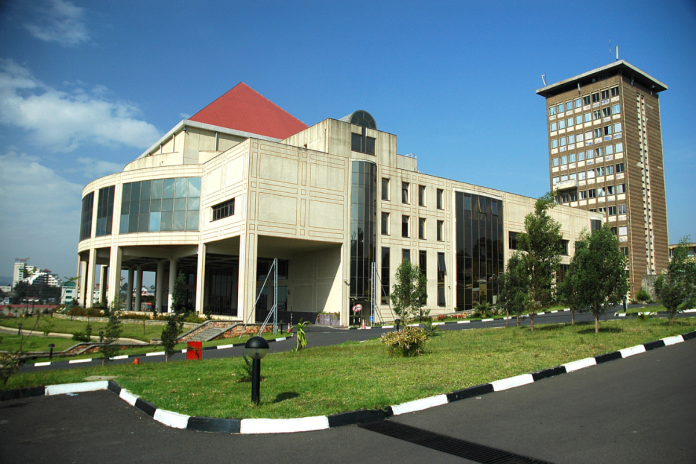
The African Union (AU) summit from February 17 to the 19, is set to tackle some of the most pressing issues facing the continent. Under the theme “Acceleration of the African Continental Free Trade Area (AfCFTA) Implementation”, the summit will bring together leaders from across the continent to discuss ways to address the challenges arising from the COVID-19 pandemic.
Deepening security and food crises are among the issues that will dominate discussions at the summit, along with trade, healthcare, and climate change. In this article, we’ll take a closer look at these key issues and what they mean for Africa’s future.
The Security Crisis in Africa
The security situation in various parts of Africa has been deteriorating for years, with conflict and violence leading to displacement and instability. According to news reports, the security crisis is expected to be a key topic of discussion at the summit, with leaders exploring ways to strengthen security measures, peacekeeping efforts, and conflict resolution.The ongoing conflict in Ethiopia’s Tigray region is likely to be a particular focus of attention. The conflict, which began in November 2020, has resulted in the displacement of hundreds of thousands of people and left many in need of humanitarian assistance. Leaders at the summit will discuss ways to support conflict resolution and help the people affected by the conflict.
The Food Crisis in Africa
Food security is another major concern for the AU leaders. African countries are grappling with rising food prices, poor harvests, and food shortages, all of which have been exacerbated by the COVID-19 pandemic. Leaders at the summit will discuss ways to improve agricultural productivity, promote sustainable farming practices, and increase food distribution to vulnerable communities.
Trade and Economic Cooperation
Trade and economic cooperation are among the top priorities for leaders at the summit. African countries have long struggled to achieve economic growth and development, and the COVID-19 pandemic has only made things worse. Leaders will discuss ways to promote regional integration, increase intra-African trade, and boost economic growth.
Healthcare in Africa
The ongoing fight against COVID-19 is also a key topic of discussion at the summit. Leaders will explore ways to strengthen healthcare systems and increase vaccine distribution, in line with the African Union’s goal to vaccinate 60% of the continent’s population by the end of 2023. This is a critical goal, as the pandemic has highlighted the need for strong healthcare systems and adequate access to medical care across the continent.
Climate Change in Africa
Finally, the summit will address the issue of climate change, which is a growing concern for Africa’s future. African countries are particularly vulnerable to the impacts of climate change, including droughts, floods, and extreme weather events. Leaders will discuss ways to mitigate the effects of climate change and promote sustainable development.
The African Union summit on February 17 is a critical event for the continent, as leaders come together to address the challenges facing Africa. From the security crisis to the food crisis, trade, healthcare, and climate change, there are many issues on the table. By working together and finding solutions, African leaders can build a more resilient and prosperous future for the continent and its people. As we continue to follow the discussions and outcomes of the summit, it’s clear that these issues will remain at the forefront of the continent’s political landscape in the years to come.