Tuesday, April 21, 2026
82.6 F
Lagos
More
    Home Blog Page 473

    Sudanese Conflict Leaves Thousands of Nigerians Stranded and Desperate for Evacuation by Road – Ministry of Foreign Affairs Confirms.

    0
    Read Time:2 Minute, 21 Second

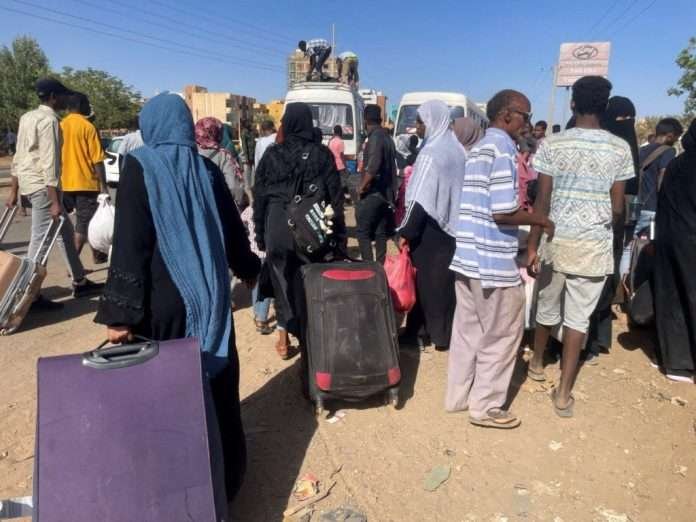
    Khartoum, Sudan.- (African Boulevard News) – The escalating conflict in Sudan has left Nigerians stranded and desperately seeking evacuation. According to the Minister of Foreign Affairs, Geoffrey Onyema, the most viable option for evacuating Nigerians out of the war-torn country is by road. As the conflict rages on, over 5,500 Nigerian students in Sudan have been calling on the government to evacuate them out of the Horn of Africa country.

    Evacuation by Road

    The Nigerian government has been working tirelessly to evacuate its citizens from Sudan despite the challenges involved. The airport is not considered safe, and the government has warned that the only viable way out is by road. To achieve this, the Nigerian embassy in Sudan has been instructed to put up a platform where all Nigerians in the country can log in, and information will be available to coordinate the process. The Nigerian government is also working to secure a safe corridor for Nigerians to travel through.

    Nigerian Students Stranded

    Nigerian students in Sudan have been advised to stay indoors, as the government works to evacuate them. Plans by the National Association of Nigerian Students (NANS) to evacuate students to Ethiopia have been dismissed, as it is considered dangerous to cross the borders of Sudan without clearance. The Nigerian Embassy in Khartoum has requested that all students remain indoors while they coordinate their evacuation.

    Exploitation at the Ethiopian Border

    Nigerian students trapped in the conflict zone have also reported exploitation by visa officials at the Ethiopian border, with some officials requesting bribes before giving students visas. The Nigerian embassy has advised students not to attempt to travel to the borders without clearance from Sudanese authorities.

    Appeal for South-West Governors’ Intervention

    Nigerian students of Yoruba extraction, trapped in Sudan, have appealed to South-West governors for their evacuation. The Yoruba Students’ Union in Sudan has called on the federal government and the South-West governors to come to their aid as the situation in Sudan continues to deteriorate.

    Efforts to Evacuate Nigerians

    The Nigerian government has assured its citizens that it is doing everything within its power to evacuate them safely from Sudan. The government has established a search and rescue committee to come up with the safest way of evacuating Nigerians stranded in the troubled nation. Despite the challenges, the government has been working around the clock to ensure the safety of its citizens.

    Conclusion

    The conflict in Sudan continues to pose a threat to the safety of Nigerians in the country. The Nigerian government has been working tirelessly to evacuate its citizens using the only viable option available, by road. Although the situation is challenging, the government remains committed to ensuring the safety and wellbeing of its citizens. The global community must also come together to enable meaningful intervention in the crisis facing Sudan.
    Federal Govt Announces Road Evacuation as Nigeria’s Only Solution to Sudan War Crisis: Latest Developments and Risks Explained

    0
    Read Time:2 Minute, 38 Second

    Nigeria’s Only Viable Way Out of Sudan War Is Evacuation by Road – Federal Govt

    Federal Govt Speaks Up Amidst Sudan War Crisis

    The federal government of Nigeria has declared that the only safe and reliable way to evacuate Nigerian citizens from the current crisis in Sudan is through road transportation. This was announced on Wednesday night, March 24th, 2021, by the Federal Government officials, in Abuja.

    According to the Government officials, air evacuation had to be ruled out due to the high cost and physical insecurity of landing in the region. They also pointed out that safe water transportation was not feasible, considering the high security risk and the logistics involved.

    Nigeria’s Critical Situation in Sudan War

    The situation in Sudan is critical for Nigerian citizens living there. The Sudanese Government had last week declared a state of emergency due to the growing number of Rebel attacks and killings in the region. The death toll continues to rise sharply, causing a lot of concern for the safety of Nigerian citizens currently in the area.

    To make the situation worse, many Nigerians have been caught up in the warzone and are struggling to evacuate the country. The Nigerian government has been working tirelessly with the international community to bring an end to the conflict and to secure the safe evacuation of all citizens trapped in the region.

    Risks Associated with Possible Evacuation Methods

    Transportation out of Sudan is no small feat. The lack of infrastructure and the high cost of air travel has ruled out air transportation as a viable option. Even if it were affordable, the security situation makes it nearly impossible to guarantee the safety of all citizens in transit.

    Water transportation is also not a feasible option since it makes citizens more vulnerable on board. A water journey involves specific protocols and could expose travelers to extreme weather, piracy, and other security risks that endanger Nigeria’s citizens’ safety.

    Why Road Transportation Remains the Only Viable Option

    Despite these risks, the Federal Government of Nigeria has determined that the safest and most reliable way for Nigerians to evacuate Sudan is by road. This decision was based on several factors, including the status of land borders, the demand for road travel, and the need for a speedy evacuation operation. Besides, road transport is much more affordable than any other evacuation option and the government can quickly coordinate the process accordingly.

    Furthermore, the National Emergency Management Agency (NEMA) has stated that they have already begun making preparations for the evacuation of Nigerian citizens from Sudan. They have deployed the needed personnel and resources towards the process.

    Conclusion

    It is important to note that the security situation remains a significant challenge towards the safe evacuation of Nigerians currently trapped in Sudan. And as such, the government of Nigeria has called on all citizens in Sudan to stay safe, and ensure they follow all necessary protocols until evacuation is carried out.

    The Nigerian government has emphasized that it is also working with the United Nations and African Union to help reach a peaceful resolution to the conflict, to efficiently evacuate Nigerians in the region out of the conflict area.

    Kenya’s Opposition Leader Raila Odinga Resumes Anti-Government Rallies Amid Economic Turmoil and Dialogue with Authorities #Kenya #AntiGovernmentRallies

    0
    Read Time:2 Minute, 53 Second

    NAIROBI, Kenya- (African Boulevard News) – Kenyan opposition leader Raila Odinga has announced the resumption of anti-government rallies from May 2nd, nearly three weeks after suspending the protests to engage in a dialogue with authorities. Odinga, who finished second in last year’s presidential vote, had organized bi-weekly demonstrations on Mondays and Thursdays dubbed ‘Maandamano’ since March, accusing President William Ruto of rigging his way to victory and of being unable to curb soaring prices.

    Limited to Nairobi

    Dennis Onyango, spokesman for Raila Odinga, announced the resumption of the rallies, stating that the demonstrations will be limited to Nairobi, the Kenyan capital. However, Onyango did not elaborate further on the reasons for the renewed protests.

    Previous Protests

    In March, Raila Odinga, 78, organized several anti-cost of living rallies, but the police banned these rallies since they allegedly caused more harm than good. Three people, including a police officer, died during the protests, which were also marked by looting and vandalism. The demonstrators were killed by police fire in Kisumu, western Kenya, an opposition stronghold, according to initial reports. The institution responsible for overseeing law enforcement has announced an investigation.

    Dialogue with the Government

    Raila Odinga had suspended the rallies in early April to participate in a dialogue with the government. According to the Kenyan president, who had called on the population to respect the rule of law, a bipartisan parliamentary committee was to explore the possibility of revising the electoral code. However, the head of state ruled out any alliance with his rival.

    Olive Branch

    Mr. Odinga welcomed the “olive branch” presented by Mr. Ruto, but warned that protests could resume if there was no progress. Kenya is undergoing economic turmoil, with many Kenyans struggling to feed themselves on a daily basis. The country is faced with inflation, depreciation of the Kenyan shilling, and an unprecedented drought in some parts of the country.

    Calm Needed

    The international community and religious leaders have called for calm, fearing that the situation could degenerate into ethnic violence such as that seen after the 2007-08 elections, which left more than 1,100 people dead. The Media Council of Kenya, which defends the rights of the press in this East African country, recorded “25 cases of attacks on local and foreign journalists” working for “state and non-state actors” during the demonstrations. The situation is sensitive, and Kenyans are hoping for a peaceful solution.

    Contesting Results

    Raila Odinga is still contesting the results of the August 9, 2022, presidential election, despite the Supreme Court’s rejection of his appeal. Odinga has been in Kenya’s political scene for decades and is a former Prime Minister.

    Conclusion

    The resumption of anti-government rallies by Raila Odinga has sparked mixed reactions from Kenyans. Some are in support of the protests, while others feel that the move is unnecessary and may escalate into violence. Kenya is a democratic country, and the right to protest is enshrined in the constitution. As such, it is essential to exercise that right peacefully and responsibly. The Kenyan government has an obligation to listen to the grievances of its citizens and find solutions to the problems facing the country. On the other hand, the opposition has a responsibility to ensure that their actions do not cause harm to the public. In conclusion, Kenyans are hoping that the dialogue between the government and the opposition will yield a peaceful solution to the current political and economic challenges facing the country.

    SADC Electoral Advisory Council assesses pre-election goodwill in Zimbabwe: Key Concerns and Recommendations. Learn More. #ZimbabweElections #SEACMission

    0
    Read Time:2 Minute, 28 Second

    SADC Electoral Advisory Council Assesses Goodwill Ahead of Zimbabwe General Elections

    The SADC Electoral Advisory Council (SEAC) is currently conducting consultations with stakeholders in Zimbabwe ahead of the general elections scheduled to take place between July and 26th August 2023. This pre-election goodwill assessment mission aims to assess the country’s electoral environment and identify any potential challenges or issues that could affect the integrity of the voting process.

    The SEAC Leadership

    The SEAC pre-election goodwill mission is being led by Judge Ticheme Dlamini, the Chairperson of the SADC Electoral Advisory Council (SEAC) and the SEAC Member from the Kingdom of Eswatini. The deputy chairperson of SEAC, Advocate Notemba Tjipueja, the SEAC member from the Republic of Namibia, is also part of the mission team. The two leaders joined other SEAC experts to begin a series of meetings with Zimbabwe’s independent electoral commissions and the government to review electoral preparedness and stakeholders’ concerns.

    Aim of SEAC Pre-Election Mission

    The SADC Electoral Advisory Council (SEAC) pre-election goodwill mission aims to assess the conduct of political parties, political actors, government and institutions, the media and civil society organizations towards the elections. The mission is also tasked with assessing the legal framework for elections and the electoral process up to election day, voter education and the conduct of the elections.

    SEAC Meets with Various Stakeholders

    During the goodwill mission, Judge Dlamini and Advocate Tjipueja and other SEAC members have met with various stakeholders, including political parties, civil society organizations, independent media, and government officials. The mission team has also met with President Emmerson Mnangagwa to discuss the current electoral environment, view voter registration sites and interact with Zimbabwean citizens to assess their perception of the electoral process.

    SEAC Report: Key Concerns

    After these meetings, SEAC’s preliminary report outlined key concerns in Zimbabwe’s electoral environment. The report noted a lack of trust in the electoral process by some stakeholders, complaints about voter registration, and restrictions on access to the media. Further observations by SEAC noted a lack of diversity in election observation groups and shortcomings in the law governing electoral proceedings, including the role of the military in the electoral process.

    SEAC Recommendations

    To address these concerns, SEAC has recommended several measures to foster an inclusive electoral environment in Zimbabwe. The SEAC proposed that the government should enhance voter education and awareness programs, guarantee free and independent media coverage of political processes, and encourage broad participation in electoral processes. It also articulated the need for more rigorous commitments to limit the role of the military in electoral processes and ensure that it is subject to the Civilian Government’s oversight.

    Conclusion

    The goodwill mission allows the SEAC to provide Zimbabwe with a comprehensive report containing best practices, guidance, and recommendations for fostering an inclusive and credible electoral process before the general elections of 2023. Ultimately, the goal is to engender confidence in Zimbabwe’s electoral environment and lay a foundation for peaceful and credible democratic processes.

    Zimbabwe Gears Up for 2023 General Elections with SEAC Pre-Election Goodwill Mission Conducting Consultations with Key Stakeholders.

    0
    Harare, Zimbabwe
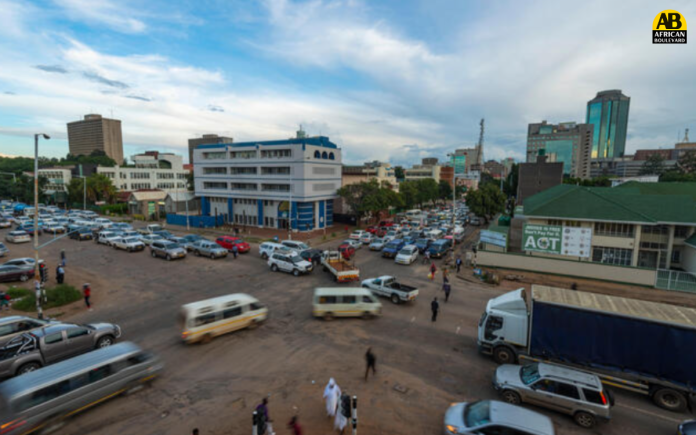
    One of the many boulevards in Downtown Harare, Zimbabwean Capital
    Read Time:2 Minute, 40 Second

    Harare, Zimbabwe- (African Boulevard News) – Zimbabwe is gearing up for its general elections which are scheduled to take place between July and 26th August 2023. In light of these upcoming elections, the SADC Electoral Advisory Council (SEAC) is conducting consultations with various stakeholders in the country to conduct a pre-election goodwill mission. The SEAC mission aims to assess if the political and security environments are conducive to free, fair, transparent, credible, and peaceful elections.

    SEAC Pre-Election Goodwill Mission

    The SEAC pre-election goodwill mission kicked off with a courtesy call to the Acting Minister of Foreign Affairs, Professor Amon Murwira who also serves as the Minister of Tertiary and Higher Education Science and Technology Development in the government of Zimbabwe. The mission is being led by Judge Ticheme Dlamini, the Chairperson of SEAC and SEAC Member from the Kingdom of Eswatini, and Advocate Notemba Tjipueja, the Deputy Chairperson of SEAC and the SEAC Member from the Republic of Namibia.

    Objectives of the SEAC Pre-Election Assessment Mission

    The SEAC pre-election assessment mission has various objectives, including assessing the legal framework governing the 2023 general elections in Zimbabwe. Additionally, SEAC is assessing whether the Zimbabwe Electoral Commission (ZEC) is prepared and ready to conduct the 2023 general elections. Furthermore, SEAC is also conducting the pre-election goodwill mission to ascertain if the political and security environments in the country are conducive to holding free, fair, transparent, credible, and peaceful elections.

    Consultations with Key Stakeholders

    The SEAC mission has been holding consultative meetings with various stakeholders in Zimbabwe. These consultations are necessary to help the SEAC appreciate the national context better. The SEAC team has held consultations with government departments, political parties (both ruling and opposition), civil society organizations, traditional leaders, and the leadership of the United Nations and the European Union Delegation in Zimbabwe.

    SEAC Ready to Provide Recommendations

    The SEAC mission to Zimbabwe is routine, and it is not the first time that SEAC is engaging with stakeholders in a Member State that is conducting elections. The consultations are intended to inform SEAC of the views of the stakeholders in Zimbabwe with respect to the conduct of the General Elections scheduled for July/August 2023. Nevertheless, the SEAC has not made a formal announcement on whether Zimbabwe is ready to conduct the elections or not. The SEAC team will submit a report at the conclusion of the mission, and a formal recommendation will be made to the Ministerial Committee of the Organ on Politics, Defence and Security Co-operation.

    Conclusion

    The SEAC pre-election goodwill mission to Zimbabwe is an essential exercise that will provide an assessment of the country’s preparedness to hold its general elections. The objective is to ensure free, fair, transparent, credible, and peaceful elections. The mission is ongoing, and the SEAC team has been meeting with various stakeholders, including government departments, political parties, civil society organizations, traditional leaders, and the leadership of the United Nations and the European Union Delegation in Zimbabwe. The SEAC team is expected to submit a report at the conclusion of the mission, which will provide a formal recommendation to the Ministerial Committee of the Organ on Politics, Defence and Security Co-operation.

    Sudan in Crisis: Foreign Nationals Evacuated as Fighting Continues and Hospitals Overwhelmed, Leaving Civilians Vulnerable.

    0
    Read Time:2 Minute, 36 Second

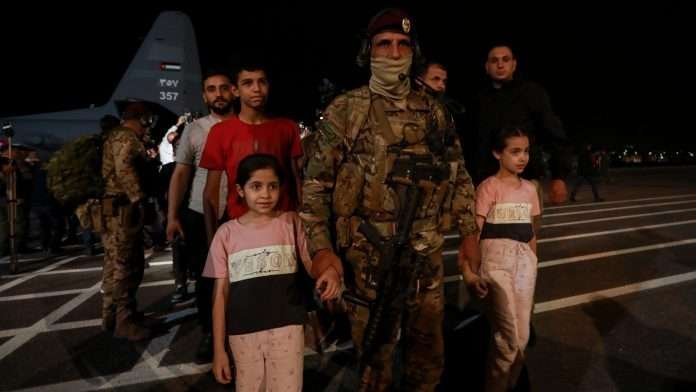
    Khartoum, Sudan- (African Boulevard News) – As fighting continues for a second week between forces loyal to rival army figures, foreign countries have rushed to evacuate their nationals from Sudan. Emergency flights are continuing early Monday, with hundreds of people flown out overnight on military aircraft. The evacuation of foreign nationals is ongoing as more than 420 people have been killed and thousands injured.

    Foreigners Fleeing Khartoum

    Foreigners were also fleeing the capital Khartoum in a United Nations convoy, while millions of frightened residents took refuge in their homes. Army and paramilitary troops have fought street battles in the capital since 15 April, leaving behind charred tanks, gutted buildings, and looted shops. There are fears of wider turmoil and a humanitarian disaster in what is one of the world’s poorest nations.

    Evacuation Efforts

    Two French planes carrying around 200 people of different nationalities landed in Djibouti. US special forces launched a rescue mission on Sunday for around 100 embassy staff and their relatives, swooping in with Chinook helicopters to fly the evacuees to a military base in Djibouti. US military staff “will remain deployed in Djibouti to protect United States personnel and others until the security situation no longer requires their presence”, President Joe Biden said Sunday in a letter to the Speaker of the House.

    The German army said it had evacuated 101 people on the first of three military aircraft sent to Sudan. They have landed safely in Jordan. Long convoys of UN vehicles and buses were seen leaving Khartoum heading east to Port Sudan on the Red Sea, 850 kilometers away, carrying “citizens from all over the world”, according to one Sierra Leonean evacuee.

    Fighters Ignore Calls for Truce

    The fighting broke out on 15 April between forces loyal to army chief Abdel Fattah al-Burhan and his deputy-turned-rival Mohamed Hamdan Daglo, who commands the powerful paramilitary Rapid Support Forces (RSF). Daglo’s RSF are former Janjaweed fighters. The two generals jointly seized power in a 2021 coup but fell out over the integration of the RSF into the regular army. Multiple truces have been agreed in recent days; all have failed to stop the fighting.

    Darfur Hospitals Overwhelmed

    Fighting has broken out elsewhere across Sudan, Africa’s third-largest nation. Battles have raged in Darfur, where aid group Doctors Without Borders (MSF) said their medics had been “overwhelmed” by the number of patients with gunshot wounds, many of them children, in the city of El Fasher. Some hospitals have been shelled and others ransacked, with more than two-thirds of medical facilities in Khartoum and neighboring states “out of service,” the national doctors’ union said.

    The scramble by foreigners to escape has heightened fears among Sudanese of what will happen when diplomats who could act as potential mediators have gone. “Pushing for safe passages to evacuate internationals without simultaneously pushing to end the war will be terrible,” said researcher Hamid Khalafallah. “International actors will have less impact once they’re out of the country,” he said, adding a message to foreign nations: “Do all you can to leave safely, but don’t leave the Sudanese people behind unprotected.”

    Foreign Nationals Evacuated as Clashes Escalate in Sudan: Emergency Flights Continue, Germany, France and Italy Join the Effort.

    0
    Read Time:2 Minute, 21 Second

    Foreign Nationals Evacuated Amid Ongoing Clashes in Sudan

    Emergency Evacuation Flights Continue

    As fighting continues between rival army factions in Sudan, foreign countries have rushed to evacuate their nationals from the conflict-ridden region. Emergency flights have been ongoing since the second week, with hundreds of people flown out overnight on military aircraft.

    Sources say the sudden surge of violence, which erupted in the capital Khartoum on April 22, was sparked by former President Omar al-Bashir’s corruption trial. The trial, which began earlier this month, is seen as a significant turning point for the nation, embroiled in political and economic crises since al-Bashir’s ousting last year.

    Germany, France, and Italy Join Evacuation Efforts

    According to reports, Germany, France, and Italy are among the countries that have started evacuating their citizens from Sudan. On April 23, Germany successfully evacuated 100 people from the country, while France airlifted some of its nationals on April 25.

    Italy has also confirmed that it will send a military aircraft to the capital Khartoum to evacuate its citizens. There are an estimated 6,000 Italian citizens in Sudan, including a number of aid workers and other professionals.

    Local Authorities Assisting with Evacuation

    Local authorities in Sudan have been actively cooperating with foreign governments to ensure the safe and speedy evacuation of foreign nationals. According to reports, Sudan’s Foreign Ministry issued a statement on April 23, stating that the government is willing to provide all necessary assistance to facilitate the evacuation process.

    Earlier this week, the United States Embassy in Khartoum announced that it had organized three evacuation flights for its citizens, with a total of 200 people secured in the operation. The embassy also urged its citizens to leave Sudan immediately and to avoid all non-essential travel to the country until further notice.

    Security Situation Remains Tense

    Despite the ongoing evacuation efforts, the security situation in Sudan remains tense, with clashes between rival military factions continuing to escalate. Reports suggest that gunshots and explosions could be heard in the capital Khartoum on Monday, prompting fears of further violence.

    The Sudanese government has appealed for calm, while the international community has called for an end to hostilities and the unconditional release of political prisoners. The UN Security Council is set to hold a closed-door meeting on April 28 to discuss the situation in Sudan.

    Conclusion

    The ongoing evacuation of foreign nationals from Sudan highlights the precarious security situation in the country, following the recent outbreak of violence between rival army factions. As foreign governments and local authorities continue to work together to ensure the safety of their citizens, it is hoped that peace and stability will soon be restored to the region. However, with tensions still running high, it remains to be seen what the future holds for Sudan and its people.

    Egypt Evacuates Nationals from Safe Zones in Sudan Amid Escalating Violence at the Border with Ethiopia: Foreign Ministry Announcement

    0
    Read Time:2 Minute, 12 Second

    Egyptian Govt Begins Evacuation of Nationals From Sudan Safe Zones

    Foreign Ministry Announcement

    The Egyptian government has begun to evacuate its nationals from safe areas in Sudan. The Foreign Ministry announced on Sunday, 23 April 2023 that the evacuation process will take place in coordination with the Sudanese authorities. The move comes in light of the recent escalation of violence in the border regions between Sudan and Ethiopia.

    Context: Sudan and Ethiopia

    The violence in the border regions between Sudan and Ethiopia has led to the displacement of thousands of people. The conflict between the two countries has been ongoing for several years and the situation has grown increasingly tense in recent months. There have been reports of clashes between Sudanese and Ethiopian forces, as well as attacks on civilians.

    Evacuation Process

    Egypt’s Foreign Ministry has stated that the evacuation process is being carried out in coordination with the Sudanese authorities. The process is taking place in safe areas that have been identified by the Sudanese government. The Egyptian embassy in Sudan is assisting with the evacuation process and is providing necessary support to the evacuees.

    The government has made it clear that the safety and well-being of its citizens is its top priority. The Ministry of Foreign Affairs has called upon all Egyptian nationals in Sudan to comply with the instructions of the embassy and follow the evacuation procedures.

    Impact on the Evacuees

    The evacuation process will have a significant impact on the lives of the Egyptians who are being evacuated from Sudan. Many of these individuals have been living and working in Sudan for years and are now being forced to leave their homes and belongings behind. The Egyptian government has stated that it will provide all necessary support to its citizens during the evacuation process and will ensure their safe return to Egypt.

    International Response

    The evacuation of Egyptians from safe areas in Sudan has been welcomed by the international community. The United Nations has expressed its support for the move and has called on other countries to follow suit. The UN has also urged Sudan and Ethiopia to find a peaceful resolution to the ongoing conflict.

    Conclusion

    The Egyptian government has taken swift action to evacuate its nationals from safe areas in Sudan. The move is a testament to the government’s commitment to the safety and well-being of its citizens. The situation in the border regions between Sudan and Ethiopia remains tense and it is hoped that a peaceful resolution can be found soon. The international community has a role to play in supporting Sudan and Ethiopia to find a peaceful solution to the conflict.

    Sudan and Egypt Coordinate Efforts to Evacuate Egyptians Amid Security Concerns

    0
    Read Time:1 Minute, 41 Second

    Khartoum, Sudan.- (African Boulevard News) – The Egyptian Foreign Ministry announced on Sunday the beginning of evacuating Egyptians from safe areas in Sudan in coordination with the Sudanese authorities. This move comes as part of the efforts of the Egyptian state to implement the evacuation plan for its citizens from Sudan.

    Evacuation Plan for Egyptians

    The ministry revealed in a press statement that the Egyptians who will be evacuated were asked to head to Egypt’s consulate in Khartoum, Port Sudan, or the consular office in Wadi Halfa in northern Sudan for the beginning of their trip home.

    The evacuation plan was spurred by the recent security situation in Sudan, which left many Egyptians stranded in the country, unable to leave safe areas.

    Sudan’s Security Situation

    Sudan has been through a turbulent security situation in recent years, with political instability and violence against civilians causing chaos and hardships across the country.

    The Sudanese government has been working to combat the violence and restore peace and stability in the country, but the task has not been an easy one.

    This has created a difficult environment for foreigners, including Egyptians, who have been living and working in Sudan.

    Coordination Efforts

    The ministry also highlighted the coordination efforts between Egypt and Sudan to ensure the safety of Egyptians living in Sudan.

    Both countries have been working together closely to provide aid and assistance to Egyptians who are stranded or affected by the security situation in Sudan.

    This evacuation plan is just one example of the coordination efforts between the two countries to ensure the safety of their citizens.

    Conclusion

    As the security situation in Sudan continues to be a cause for concern, the evacuation plan for Egyptians is a welcome move. It provides much-needed support to those who have been affected by the situation and offers a path for them to return to their homes in Egypt.

    The coordination efforts between Egypt and Sudan are also encouraging, with both countries working together to ensure the safety and well-being of their citizens.

    Egypt Evacuates Citizens from Sudan Safe Zones in Coordinated Efforts with Sudanese Authorities to Ensure Safety and Security.

    0
    Read Time:2 Minute, 43 Second

    Egyptian Govt Begins Evacuation of Nationals From Sudan Safe Zones

    Coordinated Efforts to Ensure Safety

    The Egyptian government has begun the crucial process of evacuating its citizens from safe zones in Sudan, as part of coordinated efforts with the Sudanese authorities. The Foreign Ministry announced the start of the evacuation on Sunday, April 23, 2023, with the aim of ensuring the safety and security of its nationals in the region.

    The move follows a period of instability in some parts of Sudan, particularly in the Darfur region, where the Sudanese government has been fighting rebel groups. The government has designated certain areas in Darfur as safe zones, and it is from these areas that the Egyptians are being evacuated.

    Assurances from Sudanese President

    The evacuation process is being overseen by the Egyptian embassy in Sudan, and the Foreign Ministry has confirmed that all necessary arrangements have been made to ensure the safety and security of the evacuees. The Sudanese authorities have also given their assurances that they will provide all necessary assistance to the Egyptian embassy.

    Sudanese President Omar Al-Bashir has assured the Egyptian government that his country is committed to ensuring the safety and protection of all foreign nationals, including the Egyptian citizens in the safe zones. In a statement issued by the Sudanese presidency, President Al-Bashir emphasized the importance of the strategic partnership between Egypt and Sudan, and pledged to work closely with the Egyptian authorities to ensure the successful completion of the evacuation process.

    The Importance of Coordinated Efforts

    The evacuation of Egyptians from safe zones in Sudan is a critical process that requires coordinated efforts between the two countries. Egypt and Sudan share a long history of friendly relations, and the two governments have been working closely together to address the challenges facing their countries.

    The evacuation process is the latest example of the close partnership between Egypt and Sudan, and it demonstrates the commitment of both countries to working together to ensure the safety and security of their citizens. The Egyptian government has expressed its gratitude to the Sudanese authorities for their cooperation and support in ensuring the success of the evacuation process.

    Ensuring the Safety of Egyptian Citizens

    The safety and protection of its citizens is a top priority for the Egyptian government, and the evacuation process is just one of the measures that the government is taking to safeguard its nationals overseas. The government has also issued travel warnings for its citizens, urging them to avoid travel to areas of Sudan that are considered unsafe.

    The Egyptian embassy in Sudan has been working tirelessly to provide assistance to its citizens in the safe zones, and has been in constant communication with the Sudanese authorities to ensure the safety and security of the evacuees. The embassy has also set up a hotline for citizens to call in case of emergency.

    Conclusion

    The start of the evacuation process is a positive development for the Egyptian citizens in Sudan, and it demonstrates the commitment of both governments to ensuring the safety and security of their citizens. The coordinated efforts between Egypt and Sudan in this process highlight the strength of their partnership, and it is hoped that this partnership will continue to grow and prosper in the future.