Monday, April 27, 2026
79.4 F
Lagos
More
    Home Blog Page 96

    Egypt’s Quest for a Greener and Sustainable Future: Revolutionizing Energy Production with Hydrogen

    0
    Read Time:2 Minute, 13 Second

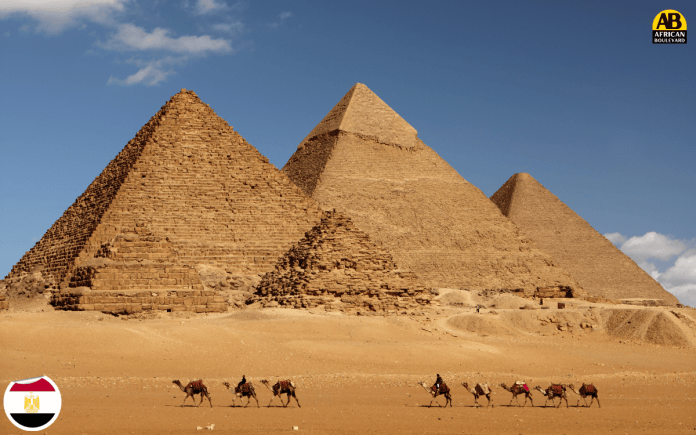
    Cairo, Egypt – (African Boulevard News) – Egypt is on the brink of a major breakthrough in renewable energy as it finalizes its strategy to launch hydrogen production. The government is set to introduce new laws to encourage massive investment in this green technology. However, potential investors, both local and international, are still cautious and taking time to evaluate the risks and rewards of this emerging industry.

    The finalization of the strategy comes as Egypt aims to diversify its energy sources and reduce its reliance on fossil fuels. Hydrogen, known for its clean and efficient energy output, is seen as a promising alternative. The government’s push for hydrogen production aligns with its commitment to fight climate change and meet its renewable energy targets.

    Egypt’s strategy includes providing incentives for companies to invest in hydrogen production, such as tax breaks and streamlined regulations. It also involves the creation of an infrastructure network to support the production, storage, and distribution of hydrogen across the country. This includes the establishment of hydrogen refueling stations and the retrofitting of existing natural gas pipelines for hydrogen transportation.

    “The finalization of the strategy is a significant milestone for Egypt’s energy sector,” said Ahmed Hassan, an energy analyst at a prominent consultancy firm. “It sends a clear message to investors that the government is serious about embracing renewable energy and is creating an enabling environment for the hydrogen industry to thrive.”

    However, despite the government’s efforts, potential investors are approaching with caution. The hydrogen industry is still in its early stages, and there are uncertainties around the commercial viability and scalability of hydrogen production. Additionally, the high upfront costs and the need for extensive infrastructure investments may deter some investors.

    Nadia Ali, a senior researcher at an energy think tank, stated, “While hydrogen has immense potential as a clean energy source, the industry is still evolving. Investors are carefully evaluating the risks and rewards before committing substantial funds.”

    Nonetheless, Egypt’s commitment to hydrogen production has garnered interest from international companies specializing in renewable energy. Global players are closely watching the developments in Egypt, recognizing the country’s strategic location and vast renewable energy resources as key advantages.

    In conclusion, Egypt’s finalization of its strategy to launch hydrogen production marks a significant step towards a greener and more sustainable future. The government’s commitment to creating a favorable investment environment shows its determination to embrace renewable energy. However, potential investors are being cautious as they weigh the risks and rewards of entering this emerging sector. With global interest in Egypt’s hydrogen ambitions, the country has the potential to become a regional leader in clean energy production. Only time will tell if this vision becomes a reality.
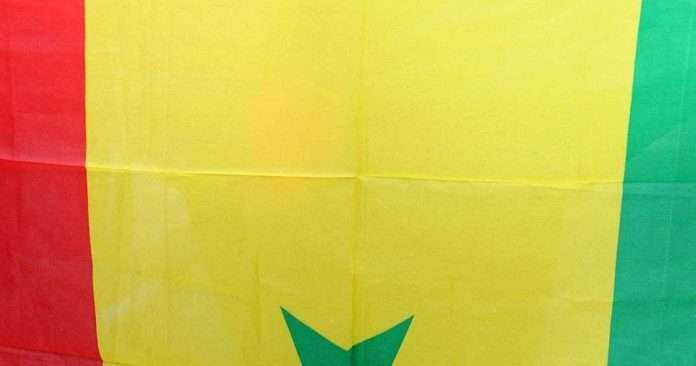
    Senegal: A Shining Beacon of Democracy and Stability in a Region Ravaged by Coups

    0
    Read Time:2 Minute, 18 Second

    Dakar, Senegal – (African Boulevard News) – Senegal, a West African nation, stands out as an exception amidst the political coups and instability plaguing the region. While neighboring countries have experienced their fair share of political turmoil, Senegal’s army has consistently upheld its principles of democracy and civilian rule. Analysts argue that in order to preserve this tradition, politicians in power must remain vigilant.

    While coups have become a recurring phenomenon in West Africa, Senegal has managed to avoid such drastic upheavals. The country has a long history of democratic governance, dating back to its independence from France in 1960. Unlike its neighbors, who have experienced waves of military takeovers, Senegal has succeeded in maintaining a stable political environment.

    Experts attribute Senegal’s success to its strong institutions and a military that understands and respects the importance of civilian rule. According to Dr. Amadou Ba, a political analyst at the University of Dakar, “Senegal’s armed forces are deeply ingrained with a culture of democracy and respect for the rule of law. This is a testament to the country’s commitment to democratic principles.”

    In recent years, Senegal has also emerged as a key player in regional conflict resolution efforts. The country has been actively involved in mediating disputes in neighboring countries, such as Guinea-Bissau and The Gambia. The international community has praised Senegal for its peaceful and diplomatic approach.

    However, despite its relative stability, Senegal is not immune to political challenges. Corruption, unequal distribution of resources, and economic disparities continue to be pressing issues that need to be addressed. Political parties and civil society organizations have an important role to play in advocating for good governance and ensuring transparency.

    To maintain its exceptional status, analysts emphasize the need for politicians, especially those in power, to remain vigilant. They argue that political leaders should prioritize the well-being of the nation over personal interests and work towards inclusive policies that benefit all citizens.

    As the region grapples with political coups and instability, Senegal’s resilience serves as an example for other countries to emulate. By upholding democratic principles and fostering a culture of respect for civilian rule, Senegal has managed to maintain political stability and avoid the turmoil that has plagued its neighbors.

    In conclusion, Senegal’s ability to navigate through the political challenges that have plagued West Africa is a testament to its strong democratic institutions and a military that upholds the principles of civilian rule. While no country is immune to political challenges, the case of Senegal provides hope that with the right leadership and a commitment to democratic values, stability can be achieved in the region. As the international community continues to grapple with political coups, Senegal’s exceptional position serves as a beacon of hope and inspiration for the rest of Africa.

    Egypt: President el-Sissi’s Overwhelming Parliamentary Support Sets the Stage for Landmark Re-Election

    0
    Read Time:2 Minute, 15 Second

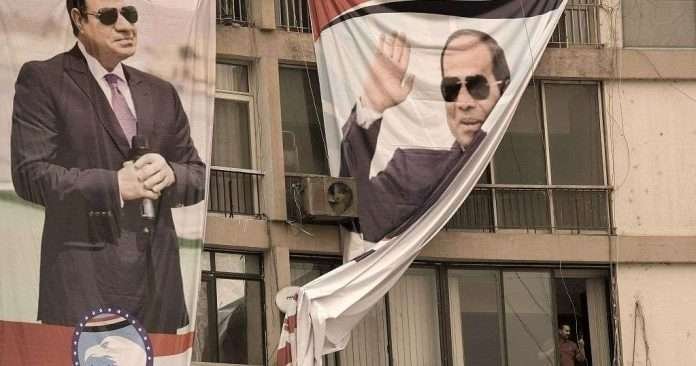
    Cairo, Egypt – (African Boulevard News) – In a major boost to Egyptian President Abdel-Fattah el-Sissi’s re-election campaign, he has garnered the support of 424 members of the 596-seat lower house of the country’s parliament. This endorsement comes as the nation gears up for the upcoming polls, adding significant weight to el-Sissi’s bid for another term.

    The announcement by el-Sissi’s campaign on Saturday was met with enthusiasm from his supporters, who believe that his leadership has been pivotal in restoring stability to Egypt following years of political turmoil. The overwhelming support from parliament further solidifies el-Sissi’s position as the front-runner in the upcoming elections.

    With the backing of a majority of parliament, el-Sissi’s campaign is likely to gain momentum, gaining the attention and support of undecided voters. The move is also seen as a demonstration of unity within the ruling party, further bolstering the president’s bid for re-election.

    The widespread support for el-Sissi can be attributed to the effective measures he has taken to tackle economic challenges, terrorism, and to foster stability in Egypt. His achievements have earned him a reputation as a strong and decisive leader who is capable of navigating the complex political landscape of the country.

    However, critics argue that el-Sissi’s presumed victory is indicative of a lack of competition and a stifled political environment. They claim that the dominant position of the ruling party and the limited space for opposition candidates to operate create an uneven playing field, undermining the credibility of the electoral process.

    Despite these reservations, el-Sissi has consistently enjoyed a significant level of popularity among Egyptians who credit him for the relative stability and security they experience in their daily lives. This support is further solidified by his efforts to strengthen Egypt’s international standing, which have been widely acclaimed.

    As the nation braces itself for the upcoming polls, the backing of the majority of parliament puts el-Sissi in a favorable position. It remains to be seen how the opposition will respond to this development and whether they can mount a credible challenge to the incumbent president.

    While el-Sissi’s re-election seems likely, the election period will undoubtedly be one of heightened political discourse and engagement. As Egyptians prepare to cast their votes, the question remains: will el-Sissi’s bid for re-election receive resolute support or face an unexpected twist?

    The outcome of the polls will not only shape the future of Egypt, but also have broader implications for the political landscape of the African continent. The world will be watching as Egyptians exercise their democratic right and decide the course their nation will take for the next presidential term.

    Africa: Students’ Dreams Dashed as France’s Visa Suspension Sparks Uncertainty and Despair

    0
    Read Time:2 Minute, 12 Second

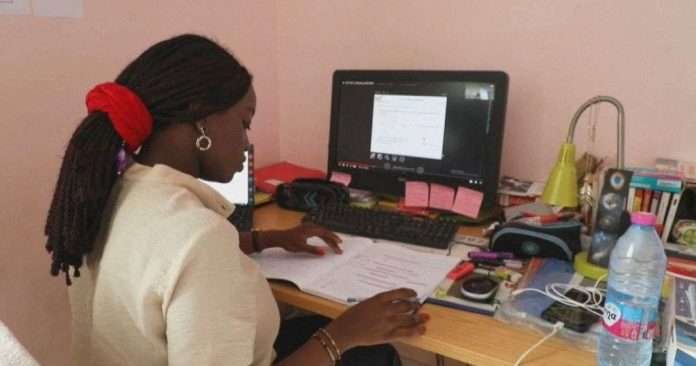
    Diaspora, Africa – (African Boulevard News) – France’s recent decision to suspend visas for students from the Sahel has sent shockwaves through the region, leaving many aspiring scholars anxious about their future. This diplomatic fallout between France and the Sahel countries has created a cloud of uncertainty, making it increasingly difficult for students to pursue their dreams of studying in Paris.

    The suspension of visas for students from the Sahel region, which includes Burkina Faso, Chad, Mali, Mauritania, and Niger, has left many young minds in a state of distress. These aspiring scholars had meticulously prepared for their journey to France, only to have their dreams shattered by the abrupt change in visa policies. The decision has not only disrupted their academic plans but has also caused emotional turmoil and financial strain.

    One student, Ismael, eloquently expressed his disappointment, saying, “I had spent months preparing for this opportunity, and now everything is uncertain. It feels like a door has been slammed shut in our faces.” Ismael’s sentiments are shared by many, as the suspension of visas has left students feeling helpless and uncertain about their future prospects.

    Experts in the region have voiced their concerns, highlighting the negative impact this decision will have on the Sahel countries’ education systems. Mamadou, a education analyst, stated, “The suspension of visas will discourage young students from pursuing higher education, leading to a brain drain in the region. This decision will have long-term consequences on the human capital development of these countries.”

    The decision by France to suspend visas for Sahel students has also raised questions about the countries’ diplomatic relations. France has been a popular destination for students from the Sahel region for many years, with Paris serving as a hub for educational and cultural exchange. The abrupt suspension of visas has strained diplomatic ties and further exacerbated the existing tensions between France and the Sahel countries.

    While France cited security concerns as the reason for the visa suspension, many argue that this decision will only fuel the very instability it seeks to address. By limiting educational opportunities for Sahel students, the risk of radicalization and youth disillusionment may increase, exacerbating the security challenges faced by both France and the Sahel region.

    In this uncertain climate, students from the Sahel countries are left wondering about their future. The diplomatic fallout between France and the Sahel countries has cast a shadow of doubt and anxiety over their educational dreams. As they anxiously await clarity on the visa issue, these aspiring scholars remain hopeful that a resolution will be reached, allowing them to pursue their studies and contribute to the development of their countries and the wider region.

    Uganda: From Waste to Wealth – Revolutionizing Banana Fibres into Beautiful Biodegradable Handicrafts

    0
    Read Time:2 Minute, 6 Second

    Kampala, Uganda – (African Boulevard News) – A Ugandan startup is revolutionizing the use of banana waste by transforming it into biodegradable handicrafts. The initiative aims to promote sustainable practices and maximize the potential of every part of the banana plant.

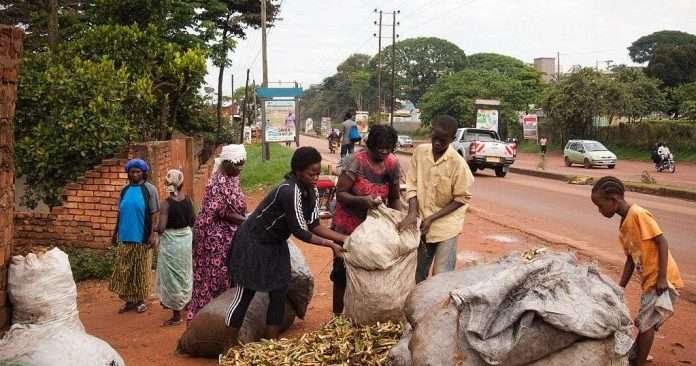
    Bananas are a staple crop in Uganda, with the country being one of the largest producers in Africa. However, the production of bananas also generates a significant amount of waste, mainly in the form of stems and peels. Traditionally, these by-products have been discarded or used as animal feed.

    However, a group of entrepreneurs in Uganda saw an opportunity to utilize these waste materials in a more meaningful way. Through a process of extracting fibers from banana stems, they are able to create a versatile and eco-friendly material that can be used in various handicrafts.

    The banana fibers are extracted through a process that involves soaking the stems in water for a few weeks until they become soft and easy to work with. The fibers are then cleaned, dried, and spun into a thread-like form. From there, skilled artisans are able to create an array of products, including bags, baskets, and other decorative items.

    Not only does this innovative approach reduce waste and promote sustainability, but it also provides economic opportunities for local communities. By establishing a market for these banana fiber products, the startup is creating employment and empowering individuals to take part in the circular economy.

    The use of banana fibers in handicrafts is gaining recognition not only in Uganda but also internationally. The products are not only environmentally friendly but also unique and visually appealing, making them a hit among consumers who are looking for sustainable alternatives to mass-produced goods.

    According to John Kato, a local artisan involved in the project, “The demand for our banana fiber products is growing rapidly. People are becoming more conscious of the environmental impact of the products they buy, and they appreciate the handmade quality and story behind each item.”

    This initiative is a shining example of how innovation and sustainable practices can go hand in hand. By turning banana waste into useful fibers, Uganda is demonstrating its commitment to finding creative solutions to environmental challenges while boosting economic growth and empowering local communities.

    As the world seeks ways to reduce waste and tackle climate change, initiatives like this present a viable and scalable solution. Ugandans are proving that with a little ingenuity, even the most humble of materials can be transformed into something valuable, beautiful, and sustainable.

    Madagascar: Former President Injured as Security Forces Clash with Opposition, Threatening Democracy Ahead of Elections

    0
    Read Time:2 Minute, 0 Second

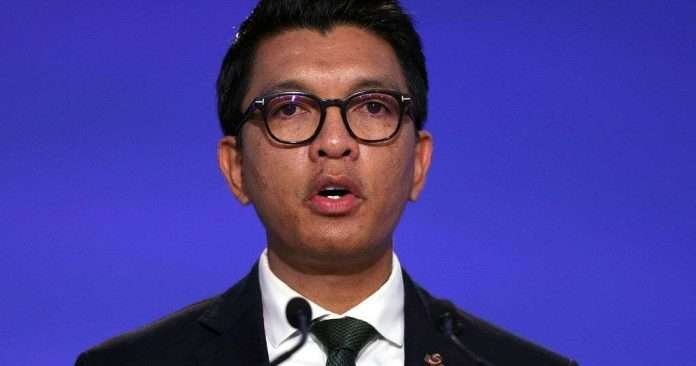
    Antananarivo, Madagascar – (African Boulevard News) – Chaos erupted in Madagascar on Saturday as security forces resorted to firing tear gas to disperse a rally organized by opposition parties. The incident took place just a few weeks before the upcoming elections, leaving many concerned about the state of democracy in the country. Former president Marc Ravalomanana was injured during the clashes, further escalating tensions on the ground.

    The opposition rally, which aimed to voice its grievances against the current administration and raise awareness about its electoral platform, quickly turned into a violent clash with security forces. Witnesses reported that tear gas was used to disperse the crowd, leading to chaotic scenes as protesters fled in search of safety.

    According to the Africanews website, this incident is another blow to the already fragile political landscape in Madagascar. With the elections fast approaching, the use of tear gas against opposition supporters sends a worrying message about the state of democracy and freedom of expression in the country.

    Former president Ravalomanana, who sustained injuries during the rally, expressed his disappointment in the government’s heavy-handed response. In a statement, he said, “We had hoped for a peaceful gathering to voice our concerns and aspirations. It is unfortunate that the authorities resorted to violence instead of engaging in dialogue and understanding the democratic principles we stand for.”

    Human rights groups and international organizations have also condemned the use of tear gas and excessive force. They stress the importance of allowing peaceful protests as a fundamental pillar of any democratic society.

    While the government has yet to respond to the incident, its handling of the rally raises concerns about its commitment to upholding democratic values. The upcoming elections will be an important test for Madagascar’s political landscape and its ability to ensure a fair and transparent process.

    With tensions running high and the wounds of Saturday’s clash still fresh, it is crucial for all parties involved to engage in peaceful dialogue and allow for open discussions. Madagascar needs a functioning democracy that respects the rights of its citizens and promotes a peaceful political environment.

    As the country prepares for the elections next month, it is hoped that the government will take heed of the concerns raised and work towards fostering an inclusive and democratic society. Only through open dialogue and respect for the rule of law can Madagascar truly achieve stability and prosperity for its people.

    Africa: Thousands Unite in Istanbul to March for Palestinian Justice and Freedom

    0
    Read Time:2 Minute, 13 Second

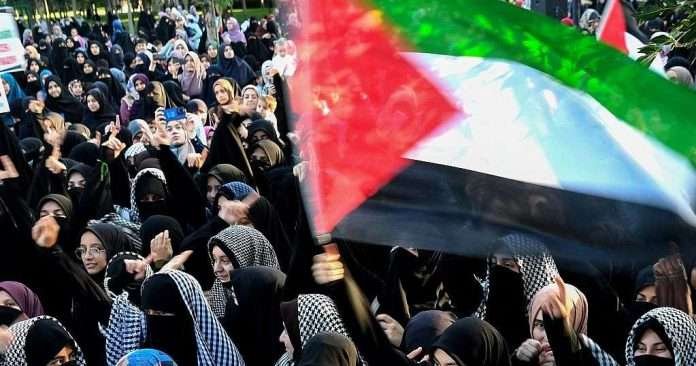
    Diaspora, Africa – (African Boulevard News) – Thousands of Turks in Istanbul took to the streets on Sunday, united in their support for the Palestinian cause. The march, named “March for Fatah”, aimed to raise awareness and show solidarity with the Palestinians amidst ongoing tensions in the region.

    The streets of Istanbul were filled with a sea of people, all gathered to voice their support for the Palestinian people who have been facing years of conflict and oppression. The atmosphere was charged with emotion, as participants held signs and banners demanding justice for Palestine and an end to the violence.

    The march was organized by various civil society groups, political parties, and grassroots organizations. In a show of unity, people from all walks of life, including students, activists, and families, joined hands to march for a cause close to their hearts.

    One of the participants, Fatima Ahmed, expressed her passion for the Palestinian cause, stating, “As a Muslim, it is not only my duty but my responsibility to stand up for our Palestinian brothers and sisters. The injustice they face every day is heart-wrenching, and it is our duty to ensure they are not forgotten.”

    The march also drew attention to the recent escalation of violence in the occupied territories. The participants called for an end to the Israeli occupation and the implementation of a just and lasting solution that respects the rights and aspirations of the Palestinian people.

    The international community has also been closely watching the situation, with many expressing their support for the Palestinian cause. The United Nations has called for an immediate de-escalation of tensions and the protection of civilians, while various countries have condemned the violence and called for a peaceful resolution.

    Speaking about the march, political analyst Dr. Ahmed Hassan emphasized the significance of the event, stating, “The solidarity demonstrated by the people of Istanbul sends a powerful message of support to the Palestinian people. It shows that they are not alone in their struggle and that the world is watching.”

    As the marchers made their way through the streets of Istanbul, their voices reverberated with a resounding message of hope and unity. The demonstration of solidarity with the Palestinians serves as a reminder that the fight for justice knows no boundaries and that the international community stands united against oppression.

    In a world often plagued by division and discord, the “March for Fatah” in Istanbul showcased the power of collective action and the strength of humanity. The images of thousands of people coming together to support a just cause will undoubtedly leave a lasting impact on both the Palestinian people and the international community as a whole.

    DRC: President Tshisekedi’s Bold Bid for Re-election Promises Hope and Progress

    0
    Read Time:2 Minute, 7 Second

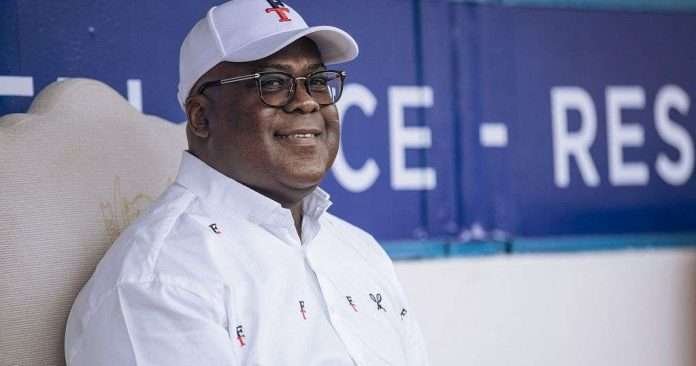
    Kinshasa, DRC – (African Boulevard News) – President Felix Tshisekedi of the Democratic Republic of Congo (DRC) has formally announced his bid for re-election in the upcoming polls. Tshisekedi, who assumed office in 2019 after a historic presidential election, submitted his candidacy documents in the capital city of Kinshasa on Saturday.

    Tshisekedi’s decision to seek a second term comes as no surprise to many political observers, who have noted his determination to continue the work he started during his first tenure. Despite facing significant challenges, including economic instability, insecurity, and the ongoing COVID-19 pandemic, Tshisekedi has been widely credited for his efforts in promoting democratic reforms and improving the country’s international reputation.

    Under Tshisekedi’s leadership, the DRC has witnessed notable progress in various sectors. The president has focused on attracting foreign direct investment, particularly in the mining industry, which remains a key driver of the country’s economy. His policies have aimed at revitalizing the sector while ensuring fair and transparent distribution of resources.

    Furthermore, Tshisekedi has made significant strides in addressing the longstanding issue of armed conflict in certain regions of the country. He has pursued a diplomatic approach, engaging with neighboring countries and international partners to promote peace and stability. These efforts have resulted in the gradual reduction of violence and improved security conditions in affected areas.

    Experts in Congolese politics believe that Tshisekedi’s decision to run for re-election demonstrates his commitment to advancing his vision for a better DRC. Yves Mugoho, a political analyst, acknowledges the challenges ahead but highlights Tshisekedi’s determination to tackle them head-on. “President Tshisekedi understands the complexities of the issues plaguing our country, and his decision to seek re-election reflects his dedication to addressing them,” Mugoho stated.

    However, Tshisekedi is expected to face strong competition in the upcoming polls. Numerous opposition leaders and political figures have expressed their intention to run for the presidency, vying for the opportunity to steer the country in a different direction.

    As the election campaign gathers momentum, all eyes will be on the DRC to witness the unfolding political landscape. The forthcoming polls will undoubtedly be a critical moment for the country, determining the path it will take in the next five years.

    In conclusion, President Felix Tshisekedi has officially declared his candidacy for a second term in office. His decision showcases his dedication to continuing the reforms and progress achieved during his first tenure. As the election draws near, the Congolese people eagerly await the opportunity to cast their votes and determine the future leadership of their nation.

    Africa: Netanyahu Declares Long and Difficult War on Hamas, Urging Unity and Resilience as Israel Faces Bloodiest Day in Years

    0
    Read Time:2 Minute, 30 Second

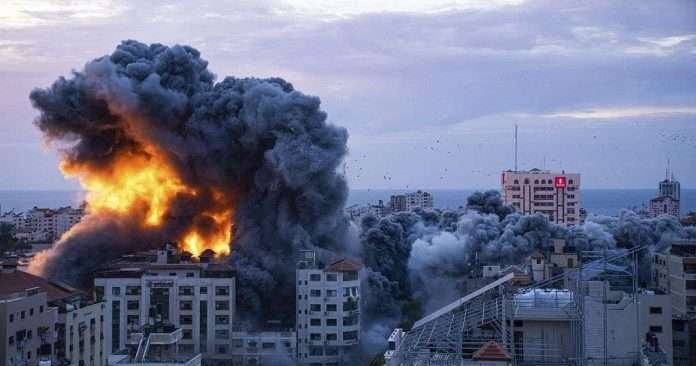
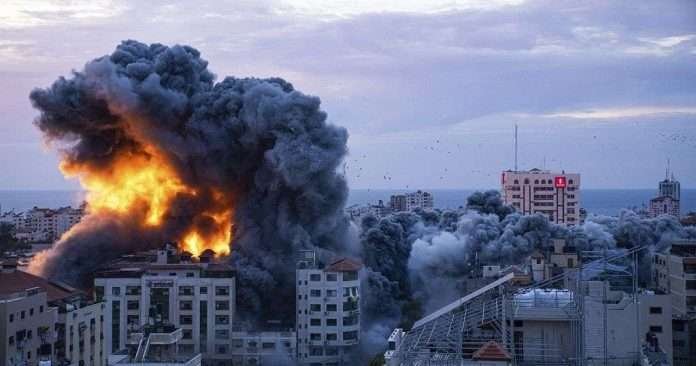
    Diaspora, Africa – (African Boulevard News) – Israel’s Prime Minister Benjamin Netanyahu has issued a stern warning, proclaiming that the war against Hamas is far from over and will be long and difficult. This comes after a swift and deadly retaliation in Gaza, resulting in Israel’s bloodiest day in years.

    Netanyahu declared operation Iron Swords over, confirming that a significant portion of Hamas forces had been fought off. However, he emphasized that this is just the beginning and called for resilience and unity as the nation prepares for what could be a protracted conflict.

    The Israeli leader’s words reflect the gravity of the situation and the determination of the nation to protect its citizens from the ongoing rocket attacks launched by Hamas. Netanyahu’s commitment to a prolonged battle is a clear indication of Israel’s resolve to neutralize the threat posed by the militant group.

    The recent surge in violence has left both Israelis and Palestinians in a state of fear and uncertainty. The death toll continues to rise on both sides, with innocent civilians paying the ultimate price for the actions of a few. This tragic reality reinforces the urgent need for a peaceful resolution.

    International observers have voiced concerns over the escalating conflict and its potential to destabilize the region further. The United Nations has called for an immediate ceasefire, urging all parties involved to exercise restraint and protect civilian lives.

    Experts believe that a diplomatic solution is the only way to end this cycle of violence and prevent further loss of life. They argue that military actions alone will not bring about a lasting peace. It is crucial for both sides to engage in meaningful dialogue and find common ground to address the underlying issues fuelling the conflict.

    While Israel has the right to defend itself against threats, it is vital to ensure that the response is proportionate and mindful of civilian casualties. The indiscriminate firing of rockets by Hamas into heavily populated areas is a violation of international law and must be condemned. However, the Israeli military must exercise caution and prioritize the protection of innocent lives in its operations.

    The road to peace in the Israeli-Palestinian conflict has been long and arduous. It is a complex issue with deep-rooted historical, political, and religious dimensions. Nevertheless, every effort must be made to achieve a peaceful resolution that respects the rights and aspirations of both Israelis and Palestinians.

    As the world watches the events unfold in the region, it is crucial for the international community to come together and support efforts to de-escalate the situation. Only through dialogue, understanding, and compromise can a lasting peace be achieved. The road ahead may be challenging, but the stakes are too high to ignore.

    As Netanyahu warns of a “long and difficult” war against Hamas, it is imperative for all stakeholders to work towards a peaceful resolution that will bring an end to the suffering and pave the way for a better future for all. The time for decisive action is now.

    Africa: Iron Dome Shatters Rockets, Saving Lives amidst Deadliest Conflict in Decades

    0
    Read Time:2 Minute, 19 Second

    Diaspora, Africa – (African Boulevard News) – Israel’s Iron Dome defense system has once again demonstrated its effectiveness as it successfully intercepted rockets fired from Gaza. This comes amid the bloodiest escalation in decades, with Hamas carrying out a massive rocket barrage and launching a ground, air, and sea offensive.

    The Iron Dome, a state-of-the-art missile defense system, has been a game-changer in protecting Israeli citizens from rocket attacks. Developed by Rafael Advanced Defense Systems, it is designed to detect and intercept incoming rockets mid-air, neutralizing the threat before it can cause significant damage.

    The recent attacks from Gaza have put the Iron Dome to the ultimate test, and it has not disappointed. Reports indicate that a significant number of rockets fired by Hamas were successfully intercepted, preventing potential casualties and destruction. The interceptions were met with relief and applause from Israeli citizens who rely on the Iron Dome for their safety.

    “The Iron Dome has proven time and again that it is a vital component of Israel’s defense strategy. Its ability to accurately detect and intercept incoming rockets has undoubtedly saved countless lives,” said Sarah Levine, a defense analyst at the Institute for Strategic Studies.

    The Iron Dome’s success can be attributed to its advanced radar system and quick response time. It can detect rocket launches within seconds and calculate the trajectory to determine whether the incoming projectile poses a threat to populated areas. If a threat is identified, interceptor missiles are launched to intercept and destroy the incoming rockets mid-air.

    “The Iron Dome’s interception rate is truly remarkable. It is a testament to the advanced technological capabilities of the system and the dedication of the Israeli defense forces,” stated General David Cohen, former commander of the Israeli Air Force.

    The effectiveness of the Iron Dome has not gone unnoticed by other countries facing similar security concerns. Several nations, including the United States and South Korea, have expressed interest in acquiring or collaborating on similar missile defense systems to enhance their own defense capabilities.

    As the conflict between Israel and Hamas continues to escalate, the Iron Dome’s crucial role in protecting Israeli civilians cannot be overstated. Its successful interceptions provide a sense of security and reassurance to the people living under constant threat.

    In conclusion, Israel’s Iron Dome defense system has once again proven its effectiveness in intercepting rockets fired from Gaza. The system’s advanced technology and quick response time have saved countless lives and prevented significant damage. The interceptions are a testament to the dedication of the Israeli defense forces and have drawn the attention of other nations looking to bolster their own defense capabilities. The Iron Dome remains a vital component of Israel’s defense strategy, offering a sense of security to its citizens during times of escalating conflict.