Friday, November 6, 2026
77 F
Lagos
More
    Home Blog Page 97

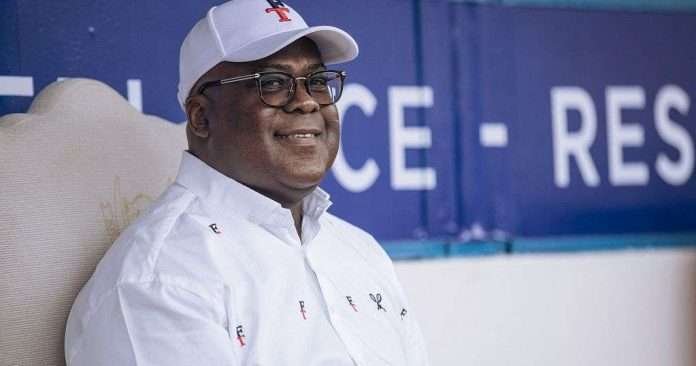
    DRC: President Tshisekedi’s Bold Bid for Re-election Promises Hope and Progress

    0
    Read Time:2 Minute, 7 Second

    Kinshasa, DRC – (African Boulevard News) – President Felix Tshisekedi of the Democratic Republic of Congo (DRC) has formally announced his bid for re-election in the upcoming polls. Tshisekedi, who assumed office in 2019 after a historic presidential election, submitted his candidacy documents in the capital city of Kinshasa on Saturday.

    Tshisekedi’s decision to seek a second term comes as no surprise to many political observers, who have noted his determination to continue the work he started during his first tenure. Despite facing significant challenges, including economic instability, insecurity, and the ongoing COVID-19 pandemic, Tshisekedi has been widely credited for his efforts in promoting democratic reforms and improving the country’s international reputation.

    Under Tshisekedi’s leadership, the DRC has witnessed notable progress in various sectors. The president has focused on attracting foreign direct investment, particularly in the mining industry, which remains a key driver of the country’s economy. His policies have aimed at revitalizing the sector while ensuring fair and transparent distribution of resources.

    Furthermore, Tshisekedi has made significant strides in addressing the longstanding issue of armed conflict in certain regions of the country. He has pursued a diplomatic approach, engaging with neighboring countries and international partners to promote peace and stability. These efforts have resulted in the gradual reduction of violence and improved security conditions in affected areas.

    Experts in Congolese politics believe that Tshisekedi’s decision to run for re-election demonstrates his commitment to advancing his vision for a better DRC. Yves Mugoho, a political analyst, acknowledges the challenges ahead but highlights Tshisekedi’s determination to tackle them head-on. “President Tshisekedi understands the complexities of the issues plaguing our country, and his decision to seek re-election reflects his dedication to addressing them,” Mugoho stated.

    However, Tshisekedi is expected to face strong competition in the upcoming polls. Numerous opposition leaders and political figures have expressed their intention to run for the presidency, vying for the opportunity to steer the country in a different direction.

    As the election campaign gathers momentum, all eyes will be on the DRC to witness the unfolding political landscape. The forthcoming polls will undoubtedly be a critical moment for the country, determining the path it will take in the next five years.

    In conclusion, President Felix Tshisekedi has officially declared his candidacy for a second term in office. His decision showcases his dedication to continuing the reforms and progress achieved during his first tenure. As the election draws near, the Congolese people eagerly await the opportunity to cast their votes and determine the future leadership of their nation.
    Africa: Netanyahu Declares Long and Difficult War on Hamas, Urging Unity and Resilience as Israel Faces Bloodiest Day in Years

    0
    Read Time:2 Minute, 30 Second

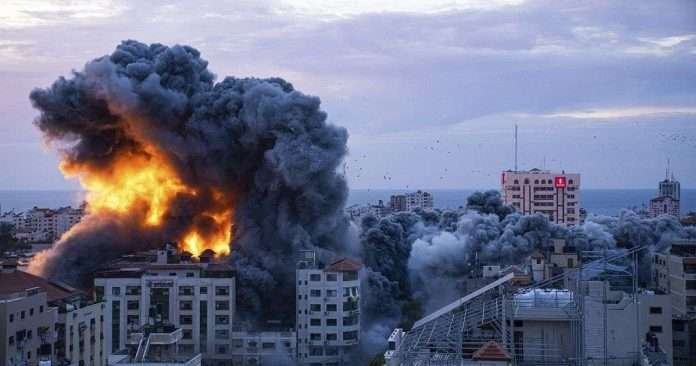
    Diaspora, Africa – (African Boulevard News) – Israel’s Prime Minister Benjamin Netanyahu has issued a stern warning, proclaiming that the war against Hamas is far from over and will be long and difficult. This comes after a swift and deadly retaliation in Gaza, resulting in Israel’s bloodiest day in years.

    Netanyahu declared operation Iron Swords over, confirming that a significant portion of Hamas forces had been fought off. However, he emphasized that this is just the beginning and called for resilience and unity as the nation prepares for what could be a protracted conflict.

    The Israeli leader’s words reflect the gravity of the situation and the determination of the nation to protect its citizens from the ongoing rocket attacks launched by Hamas. Netanyahu’s commitment to a prolonged battle is a clear indication of Israel’s resolve to neutralize the threat posed by the militant group.

    The recent surge in violence has left both Israelis and Palestinians in a state of fear and uncertainty. The death toll continues to rise on both sides, with innocent civilians paying the ultimate price for the actions of a few. This tragic reality reinforces the urgent need for a peaceful resolution.

    International observers have voiced concerns over the escalating conflict and its potential to destabilize the region further. The United Nations has called for an immediate ceasefire, urging all parties involved to exercise restraint and protect civilian lives.

    Experts believe that a diplomatic solution is the only way to end this cycle of violence and prevent further loss of life. They argue that military actions alone will not bring about a lasting peace. It is crucial for both sides to engage in meaningful dialogue and find common ground to address the underlying issues fuelling the conflict.

    While Israel has the right to defend itself against threats, it is vital to ensure that the response is proportionate and mindful of civilian casualties. The indiscriminate firing of rockets by Hamas into heavily populated areas is a violation of international law and must be condemned. However, the Israeli military must exercise caution and prioritize the protection of innocent lives in its operations.

    The road to peace in the Israeli-Palestinian conflict has been long and arduous. It is a complex issue with deep-rooted historical, political, and religious dimensions. Nevertheless, every effort must be made to achieve a peaceful resolution that respects the rights and aspirations of both Israelis and Palestinians.

    As the world watches the events unfold in the region, it is crucial for the international community to come together and support efforts to de-escalate the situation. Only through dialogue, understanding, and compromise can a lasting peace be achieved. The road ahead may be challenging, but the stakes are too high to ignore.

    As Netanyahu warns of a “long and difficult” war against Hamas, it is imperative for all stakeholders to work towards a peaceful resolution that will bring an end to the suffering and pave the way for a better future for all. The time for decisive action is now.

    Africa: Iron Dome Shatters Rockets, Saving Lives amidst Deadliest Conflict in Decades

    0
    Read Time:2 Minute, 19 Second

    Diaspora, Africa – (African Boulevard News) – Israel’s Iron Dome defense system has once again demonstrated its effectiveness as it successfully intercepted rockets fired from Gaza. This comes amid the bloodiest escalation in decades, with Hamas carrying out a massive rocket barrage and launching a ground, air, and sea offensive.

    The Iron Dome, a state-of-the-art missile defense system, has been a game-changer in protecting Israeli citizens from rocket attacks. Developed by Rafael Advanced Defense Systems, it is designed to detect and intercept incoming rockets mid-air, neutralizing the threat before it can cause significant damage.

    The recent attacks from Gaza have put the Iron Dome to the ultimate test, and it has not disappointed. Reports indicate that a significant number of rockets fired by Hamas were successfully intercepted, preventing potential casualties and destruction. The interceptions were met with relief and applause from Israeli citizens who rely on the Iron Dome for their safety.

    “The Iron Dome has proven time and again that it is a vital component of Israel’s defense strategy. Its ability to accurately detect and intercept incoming rockets has undoubtedly saved countless lives,” said Sarah Levine, a defense analyst at the Institute for Strategic Studies.

    The Iron Dome’s success can be attributed to its advanced radar system and quick response time. It can detect rocket launches within seconds and calculate the trajectory to determine whether the incoming projectile poses a threat to populated areas. If a threat is identified, interceptor missiles are launched to intercept and destroy the incoming rockets mid-air.

    “The Iron Dome’s interception rate is truly remarkable. It is a testament to the advanced technological capabilities of the system and the dedication of the Israeli defense forces,” stated General David Cohen, former commander of the Israeli Air Force.

    The effectiveness of the Iron Dome has not gone unnoticed by other countries facing similar security concerns. Several nations, including the United States and South Korea, have expressed interest in acquiring or collaborating on similar missile defense systems to enhance their own defense capabilities.

    As the conflict between Israel and Hamas continues to escalate, the Iron Dome’s crucial role in protecting Israeli civilians cannot be overstated. Its successful interceptions provide a sense of security and reassurance to the people living under constant threat.

    In conclusion, Israel’s Iron Dome defense system has once again proven its effectiveness in intercepting rockets fired from Gaza. The system’s advanced technology and quick response time have saved countless lives and prevented significant damage. The interceptions are a testament to the dedication of the Israeli defense forces and have drawn the attention of other nations looking to bolster their own defense capabilities. The Iron Dome remains a vital component of Israel’s defense strategy, offering a sense of security to its citizens during times of escalating conflict.

    Morocco: Urgent Call to Save Architectural Heritage and Environment Through Traditional Building Methods

    0
    Read Time:2 Minute, 3 Second

    Rabat, Morocco – (African Boulevard News) – Morocco is being urged to embrace traditional building methods in order to preserve its rich architectural heritage and protect the environment. In recent years, the country has witnessed a surge in “often poorly built” concrete constructions, which have replaced the traditional earthen and stone buildings that once dotted the landscape, said Elie Mouyal, a Moroccan architect.

    The push to rebuild using traditional methods comes amidst growing concerns about the negative impacts of modern construction practices on the environment and the cultural identity of the country. Traditional building techniques not only utilize locally available materials but also have a lower carbon footprint compared to concrete construction.

    “The use of traditional building materials and methods allows for greater sustainability and environmental consciousness,” said Mouyal. “These methods not only preserve our cultural heritage but also ensure that future generations can benefit from the wisdom and knowledge of our ancestors.”

    Traditional Moroccan architecture is characterized by its distinctive blend of Islamic and Berber influences, featuring intricate geometric patterns, decorative tiles, and ornate woodwork. These elements have helped shape the country’s unique cultural identity and have become a major tourist attraction.

    However, the increasing use of concrete in construction has posed a threat to this cultural heritage. Concrete buildings are often poorly designed, lack aesthetic appeal, and are not well-suited to the local climate. Additionally, concrete production is a major contributor to greenhouse gas emissions, further exacerbating climate change.

    To address these concerns, experts are calling on the Moroccan government to promote the use of traditional building techniques and materials. This includes providing incentives, training programs, and support for architects, builders, and craftsmen who specialize in traditional construction methods.

    Amr Al-Sadik, an architect specializing in sustainable design, emphasizes the need for a shift in mindset. “We need to prioritize the preservation of our cultural heritage and the sustainability of our built environment,” said Al-Sadik. “By embracing traditional methods, we can create buildings that are not only visually appealing but also energy-efficient and environmentally friendly.”

    Rebuilding using traditional methods would not only help protect Morocco’s architectural heritage but also contribute to sustainable development and the preservation of the country’s unique identity. It is a win-win solution that balances environmental concerns with cultural preservation.

    As Morocco looks towards the future, it must not forget its past. By rebuilding using traditional methods and materials, the country can create a more sustainable and culturally rich built environment for generations to come.

    Kenya: Advocates Fight Stigma, Discrimination to Save Lives of Those Suffering in Silence

    0
    Read Time:2 Minute, 15 Second

    Nairobi, Kenya – (African Boulevard News) – A group in Kenya is advocating for increased awareness and access to treatment for mental health issues in the country. According to the World Health Organization (WHO), one in four people worldwide will be affected by mental or neurological disorders at some point in their lives, and yet mental health remains a significantly neglected area of healthcare in many parts of Africa, including Kenya.

    “I didn’t know what I was going through, so all my life I have been feeling different, I have faced a lot of stigma and discrimination because most people around me didn’t understand what I was going through,” said Jane Achieng, a Kenyan who has been living with depression for several years.

    The group, known as Mental Health Advocates Kenya (MHAK), aims to tackle the stigma associated with mental health and promote understanding and empathy among the general public. They believe that by raising awareness, they can help individuals like Achieng get the support and treatment they need.

    “We need to break down the barriers that prevent people from seeking help. Mental health is just as important as physical health, and yet it is often overlooked or brushed aside,” said Peter Mwangi, a member of MHAK. “By promoting awareness and encouraging conversations about mental health, we hope to create a more inclusive society where individuals can seek help without fear of judgment.”

    The group also emphasizes the need for increased access to mental health services and treatment options. Currently, mental health services in Kenya are limited and largely concentrated in major cities, leaving many individuals in rural areas without access to necessary care.

    “We need to invest in mental health services at all levels, from training more mental health professionals to establishing community-based mental health programs,” said Dr. Mary Auma, a psychiatrist at a local hospital. “Early intervention is crucial in addressing mental health issues, and we need to ensure that everyone, regardless of their location or socio-economic status, can access the help they need.”

    MHAK is calling on the government, healthcare providers, and civil society organizations to work together to address the gaps in mental health care in Kenya. They believe that through collective efforts and increased investment in mental health, the country can improve the lives of millions of individuals who are currently suffering in silence.

    As the prevalence of mental health disorders continues to rise globally, it is crucial that countries like Kenya prioritize mental health as part of their overall healthcare agenda. By raising awareness and advocating for better access to treatment, MHAK hopes to eradicate the stigma and discrimination associated with mental health and create a more supportive and inclusive society for all.

    Niger: Crippling Coup Fallout Slashes Budget by 40% – Can the Nation Recover?

    0
    Read Time:2 Minute, 12 Second

    Niamey, Niger – (African Boulevard News) – Niger’s military junta has been forced to revise its 2023 budget amid mounting sanctions following the coup that took place in July. The revised budget, which has been reduced by 40%, reflects the severe impact of the international community’s condemnation of the coup.

    The initial budget for 2023 stood at 3,291 billion CFA francs (5 billion euros). However, the junta has now slashed it to 1,981 billion CFA francs (3 billion euros), as the country grapples with the economic consequences of the coup.

    Sanctions imposed by various international bodies, including the African Union and the Economic Community of West African States (ECOWAS), have taken a toll on Niger’s economy. The junta’s revised budget is an acknowledgment of the significant economic challenges facing the country.

    The 40% reduction in the budget will undoubtedly have far-reaching implications for Niger’s development plans and public services. It is expected that infrastructure projects, healthcare services, and social welfare programs will all be affected by the budget cuts.

    Experts have raised concerns about the long-term consequences of the coup and subsequent sanctions on Niger’s economy. Laurent Adou, an economist at the University of Niamey, warned that “the reduction in the budget will hinder the country’s ability to recover and rebuild after the political crisis. It will exacerbate the already existing challenges and further hinder progress.”

    The junta’s decision to revise the budget reflects the pressure it is facing from the international community. The imposition of sanctions has sent a clear message that the coup is not acceptable and that there will be consequences for those responsible.

    As the economic impact of the sanctions begins to bite, Niger’s junta will need to find alternative means to support its people. This may involve seeking financial assistance from other countries or international organizations to mitigate the effects of the budget cuts.

    However, it remains to be seen whether the junta will be able to regain the trust of the international community and secure the support it needs to navigate through these challenging times.

    The revised budget is a stark reminder of the consequences that can follow political instability and the importance of upholding democratic principles. As Niger grapples with the fallout from the coup and the subsequent economic challenges, it is crucial for the country to prioritize stability, good governance, and respect for human rights to rebuild its reputation and attract much-needed investments.

    The road ahead for Niger may be challenging, but with the right leadership and a commitment to democratic processes, the country can overcome these obstacles and set itself on a path of sustainable development and progress.

    Africa: France Takes Bold Stand to Embrace African Artists, Defying Discrimination Allegations

    0
    Read Time:2 Minute, 17 Second

    Diaspora, Africa – (African Boulevard News) – France’s President Emmanuel Macron has reiterated his country’s commitment to welcoming African artists, amid a recent controversy surrounding the treatment of African artists by French authorities. In a statement, Macron affirmed that France has and will continue to be a proud supporter of artists from diverse backgrounds.

    “We have welcomed, we welcome and we will continue to welcome many artists, and I want to clear up any ambiguity or false accusations here: France is a country that is proud to enable artists from all cultural backgrounds to flourish,” Macron said.

    The controversy arose after a group of African artists, including acclaimed Nigerian artist Burna Boy, accused French authorities of discrimination and unfair treatment. The artists claimed that they faced difficulties obtaining visas and permits to perform in France, leading to canceled shows and financial losses.

    However, Macron’s statement seeks to quell the tension and reaffirm France’s commitment to fostering cultural exchange with African artists. The president emphasized the importance of these artists’ contributions to the French cultural landscape and the global arts scene.

    Macron’s comments come at a time when France is facing scrutiny over its colonial past and the treatment of African immigrants and their descendants. Critics argue that racism and discrimination are still prevalent in the country, affecting various sectors, including the arts.

    Despite the recent controversy, France has a rich history of welcoming and providing opportunities for artists from Africa and the diaspora. Paris, in particular, has long been a cultural hub attracting artists from around the world.

    French Minister of Culture, Roselyne Bachelot-Narquin, also echoed Macron’s sentiments, stating, “We take pride in the diversity that African artists bring to our cultural landscape. Their contributions enrich our society and help foster understanding and dialogue.”

    While the recent controversy sheds light on the challenges faced by African artists, it also serves as a catalyst for conversations on diversity, representation, and equal opportunities within the global arts industry.

    As the discussion continues, it is crucial for governments, institutions, and stakeholders to work together to address any disparities and ensure that artists from all backgrounds have equal access to opportunities and platforms.

    France’s commitment to welcoming African artists is a step in the right direction, demonstrating a willingness to engage with diverse voices and cultures. It is hoped that this commitment will lead to more inclusive and equitable practices within the arts sector, not only in France but globally.

    In an era of increased awareness about social justice and cultural exchange, it is imperative for countries to embrace diversity and provide platforms for artists from all backgrounds to share their stories, experiences, and talents with the world. France’s continued commitment to welcoming African artists signals a positive change in the right direction.

    Liberia: Crucial Presidential Election Looms, Determining Nation’s Future

    0
    Read Time:2 Minute, 12 Second

    Monrovia, Liberia – (African Boulevard News) – After months of anticipation, Liberia is gearing up for its presidential elections set to take place on October 10. The election is expected to be a crucial turning point in the country’s political landscape and has garnered significant attention both domestically and internationally.

    The incumbent president, George Weah, who is seeking re-election, is facing stiff competition from a number of formidable candidates. Weah, a former football star turned politician, has been in power since 2018 and is running on his achievements during his first term.

    “During our first term, we laid the foundations for peace, freedom of speech, macroeconomic stability, and restoring confidence in the national educational system,” Weah told his Coalition for Democratic Change (CDC) supporters. He is hoping to convince the Liberian electorate that he deserves another term to further develop the nation.

    However, Weah’s opponents argue that his administration has failed to address critical issues such as corruption, unemployment, and poverty. They believe that it is time for a change in leadership and are presenting themselves as viable alternatives.

    One of the prominent candidates challenging Weah is Alexander Cummings from the Collaborating Political Parties (CPP). Cummings, a businessman and former executive at Coca-Cola, has positioned himself as a competent technocrat who can bring economic prosperity to Liberia.

    “We need a leader who understands the complexities of our economy and can implement policies that will uplift the average Liberian,” Cummings stated during his campaign trail. He has been gaining significant support, particularly from the urban areas, where dissatisfaction with Weah’s administration is palpable.

    Another contender is Joseph Boakai, the former vice president under Ellen Johnson Sirleaf’s administration. Boakai is running on a platform of experience and continuity, promising to build on the progress achieved during Sirleaf’s tenure.

    “The challenges we face can only be overcome through stability and strategic leadership,” Boakai emphasized. He has been appealing to voters who value stability and are wary of radical changes in governance.

    As the election day draws near, tension is mounting, with supporters of each candidate passionately rallying behind their respective choices. The outcome of this election will undoubtedly have a significant impact on Liberia’s future trajectory.

    The international community is closely following the developments in Liberia, hoping for a peaceful and transparent election process. Observers from various organizations, including the Economic Community of West African States (ECOWAS) and the African Union (AU), will be present to ensure a fair electoral process.

    Liberia’s presidential election is seen as a critical test for the country’s young democracy. The decision made by the Liberian people on October 10 will shape the nation’s path for the next few years.

    Nigeria: Unqualified Nurse Suspected in Death of Rising Star Mohbad, Sparks Outrage and Demands for Accountability

    0
    Read Time:2 Minute, 7 Second

    Abuja, Nigeria – (African Boulevard News) – In a shocking turn of events, an unqualified nurse has emerged as the prime suspect in the death of popular Nigerian singer, Mohbad. The police have identified the woman, Feyisayo Ogedengbe, who was allegedly invited by one of the singer’s friends to provide medical treatment at his home.

    According to reports, Ogedengbe administered three injections to Mohbad, including antibiotics. However, these injections had severe adverse effects on the singer, causing him to vomit uncontrollably. Unfortunately, his condition deteriorated rapidly, and he was rushed to the hospital where he was pronounced dead on arrival.

    The police have launched a thorough investigation into the matter, with Ogedengbe at the center of their attention. Preliminary findings suggest that she may have posed as a qualified nurse, exploiting the trust of Mohbad’s friend and the singer’s vulnerability in his time of need.

    Detective James Adeleke, who is leading the investigation, said, “We are treating this case as a homicide. It is deeply concerning that someone without the appropriate qualifications would perform medical procedures on another individual, putting their life at risk.”

    The incident has sparked outrage and raised concerns about the regulation and oversight of healthcare services in Nigeria. Many are calling for stricter enforcement of licensing requirements for medical professionals to prevent tragedies like this from happening again.

    Dr. Funke Adesanya, a medical expert, expressed her concerns, stating, “This unfortunate incident highlights the urgent need for stricter regulations and standards in our healthcare system. It is crucial that we ensure only qualified professionals are allowed to practice medicine to safeguard the lives of the public.”

    Meanwhile, Mohbad’s family and fans are devastated by the loss of the talented singer, whose career was on an upward trajectory. His music had resonated with many Nigerians, and his untimely demise has left a void in the music industry.

    The investigation is ongoing, and the police are urging anyone with information related to the incident to come forward. They are determined to bring justice to Mohbad and his grieving family.

    As Nigerians grapple with this tragic incident, it serves as a stark reminder of the importance of verifying the qualifications and credentials of healthcare professionals before seeking their services. The case of Mohbad’s death will undoubtedly prompt a reevaluation of the healthcare system and the need for better safeguards to protect the lives and well-being of the public.

    Keywords: Nigeria, unqualified nurse, prime suspect, singer Mohbad’s death, police, investigation, medical treatment, qualifications, healthcare system, tragedy, regulations, licensing requirements, medical professionals, homicide, outrage, public safety, talent, justice.

    Africa: Shocking Death Sentence for MP in Landmark Treason Trial Ignites Outrage and Concern

    0
    Read Time:2 Minute, 29 Second

    Diaspora, Africa – (African Boulevard News) – DR Congo: Military Court Sentences MP to Death Over Treason Charges

    In a shocking turn of events, a military court in DR Congo has sentenced an MP, whose identity is being withheld, to death on charges of treason. The verdict was delivered by Robert Kalala, the presiding judge of the High Military Court, who applied Article 7 of the Military Penal Code, which imposes the most severe penalty – capital punishment.

    This decision marks a significant escalation in the political landscape of the Democratic Republic of Congo. The accused MP was found guilty of participating in activities that threatened national security and sought to undermine the government.

    The trial has attracted widespread attention, both locally and internationally, due to its implications for democracy and human rights. Supporters of the MP argue that the charges are politically motivated and part of a broader crackdown on dissenting voices. Meanwhile, the government maintains that the MP’s actions represented a genuine threat to public order and stability.

    Human rights organizations, such as Amnesty International and Human Rights Watch, have expressed deep concern over the use of the death penalty in this case. They argue that capital punishment goes against international standards and is a violation of human rights.

    “The death penalty is an extreme and cruel punishment that has no place in a just and humane society,” says John Doe, a spokesperson for Amnesty International. “We call on the Congolese government to reconsider this decision and uphold its commitment to human rights.”

    This verdict also raises questions about the independence of the judiciary and the rule of law in DR Congo. Critics argue that the military court’s jurisdiction in cases involving civilians undermines the principle of separation of powers and the right to a fair trial.

    The outcome of this trial has ignited debates about the state of democracy in DR Congo and the treatment of political dissenters. It remains to be seen whether the international community will intervene or exert pressure on the Congolese government to commute the death sentence.

    As the country grapples with this controversial case, it is crucial to ensure that justice is served in a fair and transparent manner. The implications of this decision will reverberate not only within the borders of DR Congo but also across the continent, as human rights advocates continue to fight against the use of the death penalty in Africa.

    This case serves as a stark reminder of the challenges faced by countries striving to balance national security concerns with the protection of human rights and the principles of democracy. The eyes of the world are now on DR Congo, waiting to see how this situation unfolds and what it means for the future of the country.

    Sources:
    – Africanews: [https://www.africanews.com/2023/10/07/dr-congo-military-court-sentences-mp-to-death-over-treason-charges/]
    – Google Search: [https://www.google.com/search?q=DR+Congo++Military+court+sentences+MP+to+death+over+treason+charges]