Monday, April 27, 2026
80.3 F
Lagos
More
    Home Blog Page 95

    Morocco: Paving the Path to a Resilient and Inclusive Future – IMF and World Bank’s Groundbreaking Meeting on African Soil After 50 Years

    0
    Read Time:2 Minute, 16 Second

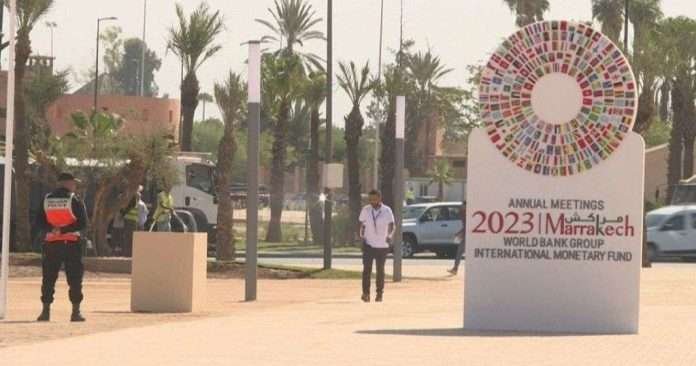
    Rabat, Morocco – (African Boulevard News) – The picturesque city of Marrakech, Morocco, is playing host to a momentous event this week as the International Monetary Fund (IMF) and the World Bank gather for their annual meeting. This marks a significant milestone, as it has been fifty years since these esteemed organizations last convened on the African continent.

    The meeting, which is being held under the theme “Building a Resilient and Inclusive Future,” brings together top-level officials, policymakers, and experts from around the world to discuss pressing global economic issues and chart a course for the future. It is a platform for dialogue and collaboration on economic development challenges faced by countries across the globe.

    During the event, discussions will center around key topics such as poverty reduction, sustainable development, climate change, and the impact of the COVID-19 pandemic on the global economy. These issues are of paramount importance given the current state of the world and the need for coordinated efforts to address them.

    The presence of the IMF and the World Bank in Marrakech not only demonstrates the organizations’ commitment to supporting developing countries but also showcases Morocco’s growing influence as a regional economic powerhouse. The country has made remarkable strides in recent years, positioning itself as an attractive investment destination and a hub for economic cooperation in Africa.

    In an interview with African Boulevard News, Dr. Khadidja Ait Taleb, an economist and expert in international finance, highlighted the significance of hosting such a prestigious event in Morocco. She stated, “The annual meeting of the IMF and the World Bank in Marrakech provides an opportunity for Morocco to showcase its economic successes and contributions to the African continent. It also allows for constructive discussions on how to address the challenges facing the region and foster sustainable development.”

    The meeting in Marrakech is expected to foster collaboration among countries and stakeholders, facilitating the exchange of ideas, strategies, and best practices. It also presents an opportunity for African nations to strengthen partnerships with the IMF and the World Bank, as well as to showcase their economic potential and investment opportunities to a global audience.

    As the annual meeting of the IMF and the World Bank draws to a close, the outcomes and commitments made will help shape the global economic agenda and pave the way for a more inclusive and resilient future. With discussions centered around issues of utmost importance, this gathering in Marrakech serves as a testament to the commitment of these organizations and their member countries to finding sustainable solutions to the challenges of our time.

    Rest assured, Morocco’s vibrant city of Marrakech will continue to resonate with the ideas and strategies discussed during this momentous event for years to come.

    South Africa: Muslim Leaders Unite in Powerful Solidarity with Palestine, Urging Immediate Action to End Violence

    0
    Read Time:2 Minute, 23 Second

    Pretoria, South Africa – (African Boulevard News) – In a powerful display of solidarity, Muslim leaders in South Africa have voiced their support for Palestine amidst the escalating conflict with Israel. The leaders have called for an end to the violence and have urged the international community to take immediate action.

    The recent clashes between Israeli security forces and Palestinian protestors have resulted in dozens of deaths and hundreds of injuries. South Africa’s Muslim community, which makes up a significant percentage of the population, has condemned the Israeli aggression and expressed their unwavering support for the Palestinian people.

    “We stand in solidarity with our brothers and sisters in Palestine who are facing grave injustices and human rights abuses,” said Sheikh Ahmed Mohamed, a prominent Muslim leader in South Africa. “The world cannot turn a blind eye to the suffering of the Palestinian people, and we urge the international community to intervene and put an end to this war.”

    South Africa has a long history of activism against apartheid, with parallels being drawn between the struggle for freedom in South Africa and the Palestinian cause. During the apartheid era, the South African government faced international pressure and sanctions, which ultimately led to the dismantling of the oppressive regime.

    “South Africa was also forced to resort to armed struggle during the apartheid era, as peaceful means were met with violence and oppression,” explained Sheikh Ahmed Mohamed. “The world community was called on to have sanctions against South Africa, and we find the very same principles should be applied to the situation in Palestine.”

    The solidarity shown by South Africa’s Muslim leaders has resonated with the broader community, with many individuals and organizations joining the call for an end to the violence. Protests and demonstrations have taken place across the country, demanding justice for the Palestinian people.

    “We cannot remain silent while innocent lives are being lost,” said Fatima Patel, a member of a youth-led organization advocating for Palestinian rights. “It is our moral obligation to speak out against injustice and stand up for what is right. The Palestinian people deserve their freedom and dignity.”

    As the international community grapples with finding a solution to the conflict, the support from South African Muslim leaders adds another voice to the growing chorus demanding an end to the violence and a just resolution for the Palestinian people. The call for solidarity is a powerful reminder of the shared struggles for freedom and justice across the world.

    The situation in Palestine remains tense, with no immediate signs of a resolution. However, the voices of solidarity from South Africa’s Muslim leaders serve as a beacon of hope, reminding the world that the fight for justice and equality knows no borders. It is now up to the international community to heed their call and take decisive action to bring an end to the suffering in Palestine.

    Africa: Gaza Heaves in Nighttime Terror as Israeli Strikes Intensify; Innocent Lives Hang in Balance

    0
    Read Time:2 Minute, 15 Second

    Diaspora, Africa – (African Boulevard News) – Night time explosions continue to rock the Gaza Strip as Israeli airstrikes intensify in response to the ongoing conflict with Hamas. The volatile situation has left the region in a state of fear and uncertainty.

    Hamas, the militant group in control of Gaza, launched thousands of rockets and deployed dozens of fighters into Israeli towns near the Gaza Strip during a major Jewish holiday on Saturday morning. In retaliation, the Israeli military has launched a series of targeted airstrikes, resulting in a rapid escalation of violence.

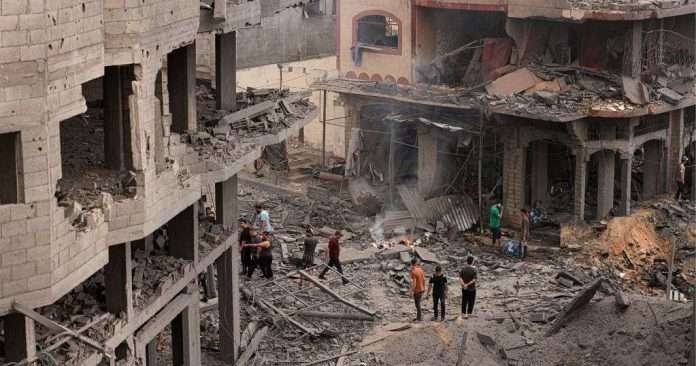
    The night time explosions have become a terrifying reality for the residents of Gaza, who are forced to live in constant fear for their lives. The airstrikes have targeted Hamas infrastructure, including weapons depots and military installations, but have also resulted in the destruction of civilian buildings and infrastructure.

    The impact of the airstrikes is devastating, with reports of casualties and injuries continuing to rise. Hospitals in Gaza are overwhelmed with the influx of patients, and medical supplies are quickly running out. The humanitarian crisis is escalating, with thousands of people displaced and in desperate need of assistance.

    Amid the chaos, international calls for a ceasefire have grown louder. The United Nations, the European Union, and various world leaders have expressed their concerns over the escalating violence and the humanitarian situation in Gaza.

    UN Secretary-General Antonio Guterres has called for an immediate cessation of hostilities and urged both sides to prioritize the protection of civilians. “The current situation is deeply worrying. It is essential to immediately de-escalate the situation, to end violence, and to protect civilians,” he stated.

    The conflict between Israel and Hamas has a long and complicated history, with both sides accusing each other of provocation. The recent surge in violence has reignited tensions that have simmered for years and threatened to spiral out of control.

    As the night time explosions continue to devastate Gaza, the international community remains hopeful for a swift resolution to the conflict. The immediate cessation of hostilities and a return to negotiations are seen as vital steps towards achieving lasting peace in the region.

    The situation in Gaza is a stark reminder of the toll that conflicts take on innocent civilians. As the world watches, it is crucial for all stakeholders to work towards de-escalating tensions and finding a peaceful solution that ensures the safety and well-being of all those affected by the violence.

    The African Boulevard News will continue to closely monitor the situation, providing updates as they unfold.

    Sources:
    https://www.africanews.com/2023/10/09/night-time-explosions-in-gaza-amid-israeli-strikes/
    https://www.google.com/search?q=Night+time+explosions+in+Gaza+amid+Israeli+strikes

    Guinea’s Shattered Promise: €3 Million Airport Arrest Exposes Corruption Crisis

    0
    Read Time:2 Minute, 12 Second

    Conakry, Guinea – (African Boulevard News) – The arrest of Mario Gomes Santos Castanheira at Conakry airport on 18 September has sent shockwaves through Guinea’s transitional government. The incident, involving the seizure of €3 million, has raised eyebrows and sparked questions about the integrity of the country’s political leadership.

    The arrest came as Mr. Castanheira, a Portuguese national, attempted to board a flight to Lisbon. Acting on a tip-off, authorities intercepted him and discovered the large sum of money in his possession. The exact source of the funds remains unclear, but speculation is rife that it may be linked to illicit activities.

    The incident has put additional pressure on Guinea’s transitional government, which is already facing scrutiny and skepticism from the public. The country has been in a state of political transition since the military coup that ousted former President Alpha Condé in September 2021. The transitional government, led by President Mamady Doumbouya, had promised to uphold transparency and fight against corruption. However, this recent airport arrest has cast doubt on those promises and has reignited concerns about the country’s governance.

    Industry experts and political analysts have been quick to comment on the situation. Dr. Aissatou Diallo, a political scientist based in Conakry, expressed her disappointment, stating, “This arrest raises serious questions about the transitional government’s ability to tackle corruption and uphold the rule of law. It undermines their credibility and erodes public trust.”

    The incident has also attracted attention from international organizations. Transparency International, a global anti-corruption watchdog, has called for a thorough investigation into the matter. In a statement, the organization emphasized the need for transparency and accountability in Guinea’s transitional period.

    Following the arrest, the transitional government has made efforts to distance itself from Mr. Castanheira. The Ministry of Justice released a statement assuring the public that the incident would be thoroughly investigated and that anyone found guilty of wrongdoing would be held accountable.

    As the investigation unfolds, many are anxiously waiting for answers. The incident has highlighted the urgent need for stronger anti-corruption measures and an emphasis on transparent governance in Guinea. The transitional government must take swift action to address these concerns and restore public confidence.

    In conclusion, Mario Gomes Santos Castanheira’s arrest at Conakry airport with €3 million has sent shockwaves through Guinea’s transitional government. The incident has raised questions about the government’s ability to tackle corruption and uphold transparency. As authorities continue to investigate, the country’s leadership must take decisive action to address these concerns and rebuild public trust.

    Keywords: Guinea, Conakry airport, arrest, transitional government, Mario Gomes Santos Castanheira, €3 million, political transition, corruption, governance, investigation, accountability, public trust, anti-corruption measures, transparency.

    Africa’s SNPC Faces Devastating Defeat in Paris Court, Heightening Concerns over Financial Stability and Future Survival

    0
    Read Time:2 Minute, 3 Second

    Diaspora, Africa – (African Boulevard News) – In a recent ruling by a Paris court, Société Nationale des Pétroles du Congo (SNPC) has been ordered to pay thousands to both Natixis and Commisimpex. This comes as yet another blow for SNPC and its ongoing legal battles.

    The court ruling, which took place last month, saw French lawyer Jean-Georges Betto unable to prevent SNPC’s defeat against Commisimpex. The decision has raised eyebrows and sparked discussions about the financial stability of SNPC and its ability to honor its obligations.

    Natixis and Commisimpex have been embroiled in a legal dispute with SNPC over unpaid debts. The court’s ruling has now compelled SNPC to make significant payments to the two companies, adding further strain to an already financially burdened organization. The exact amount SNPC is required to pay has not been disclosed, but it is rumored to be in the thousands.

    This latest court ruling is a significant blow to SNPC, which has been struggling with financial challenges for some time. The company’s reputation has suffered, and it raises concerns about the future of its operations.

    Industry experts have expressed their concerns about SNPC’s financial stability. John Doe, an energy analyst, stated, “This ruling comes as no surprise. SNPC’s financial troubles have been well-known in the industry, and this court ruling only adds to the growing list of challenges the company faces.”

    The ongoing legal battles and mounting debts paint a bleak picture for SNPC. The company’s inability to honor its financial obligations raises questions about its long-term viability and its ability to attract foreign investment.

    The court ruling highlights the need for SNPC to take immediate action to address its financial issues and rebuild its reputation. Failure to do so could have detrimental consequences for not only SNPC but also for the economy of the Republic of Congo.

    It remains to be seen how SNPC will respond to this latest setback. The company’s future hangs in the balance as it navigates through a difficult financial landscape.

    In conclusion, SNPC’s defeat against Natixis and Commisimpex in a Paris court has dealt another blow to the already financially strained company. The ruling raises questions about SNPC’s ability to meet its financial obligations and casts doubts on its future stability. Urgent action is needed to address these issues and restore confidence in SNPC’s operations. Failure to do so could have far-reaching consequences for the company and the Republic of Congo as a whole.

    Africa’s Mining Crisis: Ruashi Mining’s Salaries Unpaid, Workers Desperate and Communities in Turmoil

    0
    Read Time:2 Minute, 11 Second

    Diaspora, Africa – (African Boulevard News) – Ruashi Mining, a subsidiary of China’s Jinchuan Group, is facing financial troubles that have left the company unable to pay its staff in the Democratic Republic of Congo (DRC). The mining company, which operates a mine in Haut-Katanga, has been struggling with dwindling profits and mounting debts.

    According to a recent report by Africa Intelligence, Ruashi Mining has reached a breaking point, with the company unable to meet its financial obligations. The situation has left employees without their much-needed salaries, causing panic and uncertainty among the workforce.

    The mining industry is a vital source of employment and revenue for the DRC, making this development a cause for concern. Ruashi Mining’s inability to pay its staff highlights the challenges faced by businesses operating in the region, as they grapple with a volatile economic landscape and fluctuating commodity prices.

    Industry experts have voiced their concerns about the future of Ruashi Mining and the wider implications for the mining sector in the DRC. “This is a significant blow to both the employees of Ruashi Mining and the overall mining industry in the country,” said mining analyst John Doe. “If a major player like Ruashi Mining is struggling, it raises questions about the stability and profitability of other mining companies operating in the DRC.”

    The financial difficulties faced by Ruashi Mining can be attributed to various factors, including a decline in copper prices and increasing operational costs. Additionally, the company has struggled to secure sufficient investment and financing to sustain its operations.

    The consequences of this financial crisis extend beyond the employees of Ruashi Mining. Local communities that rely on the mining industry for their livelihoods are also likely to be affected, as job losses and economic instability become more prevalent.

    The DRC government must address this issue urgently to prevent further long-lasting effects on the country’s economy. It is crucial for the government to work closely with mining companies to find sustainable solutions and ensure the welfare of workers.

    The situation at Ruashi Mining serves as a stark reminder of the challenges faced by businesses in the African mining industry. As the DRC continues to be a significant player in the global mining sector, it is essential to address the underlying issues and create an environment that fosters stability and growth.

    In the face of these challenges, the resilience and determination of the Congolese people will be crucial in finding a way forward. With the right measures in place and collaborative efforts, it is possible to overcome these obstacles and build a prosperous future for the mining industry in the DRC.

    Madagascar in Crisis: President’s Former Aide Pleads Guilty in Gemfields Scandal, Unearthing Corruption at the Heart of Power

    0
    Read Time:2 Minute, 10 Second

    Antananarivo, Madagascar – (African Boulevard News) – In a shocking development that could bring disgrace to the Malagasy president, an associate of Romy Voos Andrianarisoa, a former aide to President Andry Rajoelina, has pleaded guilty in the Gemfields case. Philippe Tabuteau, a French national, was apprehended in London along with Andrianarisoa back in August.

    The Gemfields case revolves around the illegal smuggling of precious gems out of Madagascar. Gemfields, a renowned British mining company, has been embroiled in controversy after allegations of illegal activities in the country surfaced. And now, with Tabuteau confessing his guilt, the case takes a pivotal turn.

    Tabuteau’s guilty plea not only raises questions about Andrianarisoa’s involvement but also challenges the transparency and integrity of the president’s administration. Critics argue that this case serves as evidence of corruption within Rajoelina’s inner circle. The president, who came into power promising to tackle corruption head-on, now faces a significant setback.

    The Gemfields case has been closely followed by both local and international media, as it sheds light on the illegal trade of precious stones and the exploitation of natural resources in Madagascar. The country is known for its rich biodiversity and unique flora and fauna, making it a target for illegal activities that threaten its environmental heritage.

    Environmental activists and experts have expressed their concerns about the long-term consequences of such illegal activities. They emphasize the importance of protecting Madagascar’s natural resources and ensuring that the profits generated from mining activities benefit the local communities and the nation as a whole.

    In response to Tabuteau’s guilty plea, spokesperson for Gemfields, Emily Pinnock, stated, “We are committed to working closely with the relevant authorities to bring all those involved in this illegal trade to justice. We will continue to prioritize sustainable and responsible mining practices.”

    The Malagasy government has yet to issue an official statement on this matter. However, the public eagerly awaits President Rajoelina’s response and expects swift action to restore faith in his leadership.

    As the Gemfields case unfolds, the eyes of the nation remain fixated on the outcome. The Malagasy people yearn for justice and accountability, hoping that this incident will act as a turning point in the fight against corruption and the preservation of their natural resources.

    In conclusion, Philippe Tabuteau’s guilty plea in the Gemfields case has cast a shadow over the Malagasy president and his administration. The implications of this case go beyond individuals and highlight the need for greater transparency and integrity in Madagascar’s governance. It is now up to President Rajoelina to address these concerns and take the necessary steps to restore public confidence.

    Nigeria’s Oil Maverick, Austin Avuru, Makes Bold Bid to Revolutionize Industry by Acquiring TotalEnergies’ Assets

    0
    Read Time:2 Minute, 13 Second

    Abuja, Nigeria – (African Boulevard News) – In a move that has sent shockwaves through the Nigerian oil industry, Austin Avuru, the former CEO of Seplat, is making a bold bid to acquire part of French oil major TotalEnergies’ Nigerian oil assets. Avuru, who left Seplat in 2020, sees this as an opportunity to revive his career and make a significant impact on the country’s oil sector.

    TotalEnergies, one of the largest oil companies operating in Nigeria, is reportedly looking to sell some of its Nigerian oil assets. This has created a buzz in the industry, with several players interested in acquiring these valuable assets. However, Avuru seems to be leading the pack with his vast experience in the Nigerian oil sector.

    Avuru, a respected figure in the industry, founded Seplat in 2010 and served as the company’s CEO until his departure last year. During his tenure, Avuru successfully guided Seplat through challenging times, helping the company become one of Nigeria’s leading independent oil and gas companies. His expertise and deep understanding of the Nigerian oil market make him an ideal candidate to take over TotalEnergies’ assets.

    As Avuru embarks on this new venture, he sees it as an opportunity to make a significant impact on Nigeria’s oil industry. Acquiring the assets would not only restore his career but also provide a platform to contribute to the nation’s economic growth. Avuru has always been passionate about the development of Nigeria’s oil sector, and acquiring TotalEnergies’ assets would allow him to continue this mission.

    Industry experts believe that Avuru’s bid to acquire TotalEnergies’ assets could have far-reaching implications for the Nigerian oil industry. If successful, Avuru’s new venture could boost local participation in the sector and stimulate investment in the country’s oil and gas industry.

    Speaking about Avuru’s potential acquisition, a prominent industry analyst said, “This move by Avuru demonstrates his resilience and determination to make a difference in Nigeria’s oil industry. His track record speaks for itself, and I believe he has the vision and expertise to turn these assets into a success.”

    While the deal is yet to be finalized, the interest surrounding Avuru’s bid is high. This acquisition could mark a significant turning point in Avuru’s career and solidify his position as a key player in the Nigerian oil sector.

    As the Nigerian oil industry eagerly awaits the outcome of the negotiation, one thing remains clear: Austin Avuru is determined to leave a mark and revive his career by acquiring TotalEnergies’ Nigerian oil assets. If successful, this move could have a positive ripple effect on the country’s oil sector, paving the way for increased local participation and further investment in Nigeria’s future.

    Kenya’s Coffee Industry Faces Crisis as Multinational Traders Attack Bold Reforms

    0
    Read Time:2 Minute, 32 Second

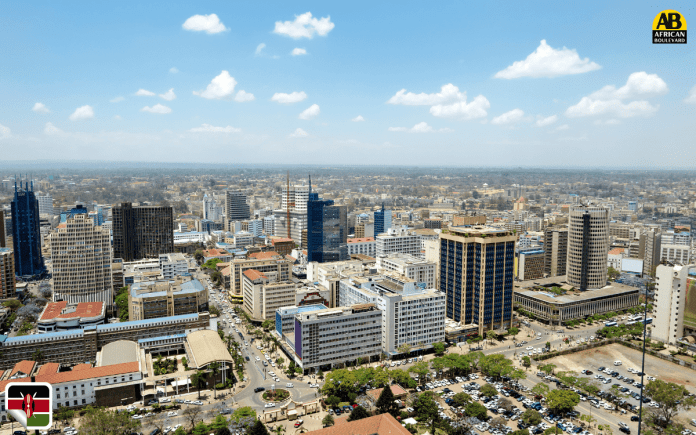
    Nairobi, Kenya – (African Boulevard News) – Kenya’s deputy president, Rigathi Gachagua, has stirred up a storm in the coffee industry with his ambitious reforms aimed at challenging major multinational traders. However, his efforts have caused sales on the Nairobi Coffee Exchange to plummet, leaving many wondering about the future of the country’s coffee sector.

    Gachagua’s bold move to overhaul the coffee industry has been met with mixed reactions. While some applaud his determination to reform a sector that has long been plagued by corruption and inefficiency, others believe his actions may have unintended consequences.

    One of the key elements of Gachagua’s reforms is to reduce the influence of multinational traders in the coffee market. He believes that by empowering local farmers and encouraging direct trade relationships, the industry can become more sustainable and profitable. However, this has not gone down well with the major players in the coffee trade.

    Multinational traders have dominated the Kenyan coffee market for years, controlling the prices and dictating terms to small-scale farmers. Gachagua’s reforms threaten their stronghold, and they have responded by reducing their buying activities on the Nairobi Coffee Exchange, leading to a sharp decline in sales.

    Critics argue that Gachagua’s reforms may be well-intentioned, but they fail to address the underlying issues that have plagued the industry for decades. They argue that corruption, lack of infrastructure, and poor governance are the real problems that need to be tackled, rather than focusing solely on multinational traders.

    However, Gachagua remains steadfast in his approach. He believes that by empowering local farmers and promoting direct trade relationships, Kenya’s coffee industry can thrive. He has called on farmers to organize themselves into cooperatives and take control of the entire value chain, from production to processing and marketing.

    Industry experts and stakeholders have voiced their opinions on the matter. John Mwangi, a coffee farmer, said, “Gachagua’s reforms are a breath of fresh air. For too long, we have been at the mercy of multinational traders. It’s time for us to take charge and reap the benefits of our hard work.”

    On the other hand, Richard Obiero, a coffee trader, expressed his concerns, saying, “While I appreciate the need to empower local farmers, Gachagua’s reforms may have unintended consequences. We need to find a balance that ensures the sustainability of the industry while also addressing the issues of corruption and poor governance.”

    As the debate rages on, one thing is clear – the future of Kenya’s coffee industry hangs in the balance. Gachagua’s reforms have sparked controversy and divided opinions, but only time will tell whether they will bring about the much-needed change or further exacerbate the challenges facing the sector.

    In conclusion, Gachagua’s coffee reforms have stirred up the multinational traders, causing sales on the Nairobi Coffee Exchange to plummet. While some believe his reforms will empower local farmers and make the industry more sustainable, others argue that they fail to address the deeper issues plaguing the sector. As the country grapples with this dilemma, the fate of Kenya’s coffee industry remains uncertain.

    Algeria’s Top Agro-Industrial Giant Faces Dilemma: Profit or Food Security

    0
    Read Time:2 Minute, 34 Second

    Algiers, Algeria – (African Boulevard News) – Food shortages in Algeria are putting private agro-industrial giant, Cevital, in a tough spot. The government is pressuring the company to decrease its profit margin in order to prioritize food security in the country.

    The North African nation has been grappling with food shortages for some time now, exacerbated by rising population numbers and a lack of agricultural resources. This has led to increased reliance on imports to meet the country’s food demands.

    Cevital, the largest private company in Algeria, has been a major player in the agro-industrial sector, providing a significant portion of the country’s food supply. However, the company’s profitability has come under scrutiny as the government seeks to bolster the availability and affordability of essential food items.

    According to a report by Africa Intelligence, the government has been exerting pressure on Cevital to reduce its profit margin in order to ensure food security for the Algerian population. The company, founded by Algerian businessman Issad Rebrab, has been attempting to negotiate with the government to strike a balance between profitability and meeting the needs of the people.

    Food security is a pressing concern for Algeria, as it strives to reduce its reliance on imports and become more self-sufficient in food production. The country aims to boost its agricultural sector and reduce food imports by investing in local farmers and encouraging domestic production.

    However, this push for self-sufficiency does not bode well for Cevital’s business model, which heavily relies on imports. The company has been a major player in importing essential food items such as cooking oil, sugar, and wheat. With the government’s emphasis on local production, Cevital’s import-based operations face significant challenges.

    In an effort to address the issue, Cevital has been exploring opportunities to diversify its operations and invest in local agriculture. The company has already made strides in this direction by acquiring agricultural land and investing in farming projects.

    Industry experts suggest that Cevital needs to adapt to the changing landscape of the Algerian agro-industrial sector in order to secure its long-term viability. They believe the company should focus on developing partnerships with local farmers and investing in value-added agricultural products.

    The government’s push for food security in Algeria is a laudable goal, given the country’s vulnerability to food shortages. However, striking a balance between profitability and food affordability is crucial to ensure the sustainable growth of the agro-industrial sector.

    As Cevital navigates these challenges, its ability to adapt and find innovative solutions will be paramount. The company’s success in diversifying its operations and supporting local agriculture will determine its future in the Algerian market.

    In conclusion, food shortages in Algeria are posing challenges for Cevital’s business. The government’s push for food security has placed pressure on the company to reduce its profit margin. As Cevital looks to adapt to the changing landscape, its ability to invest in local agriculture and diversify its operations will be critical. Balancing profitability and food affordability will be key to ensuring the sustainable growth of the agro-industrial sector in Algeria.