Wednesday, November 4, 2026
81.5 F
Lagos
More
    Home Blog Page 88

    Madagascar: A Nation Divided, President Rajoelina Rallies Supporters for “Orange Wave” of Change

    0
    Read Time:2 Minute, 6 Second

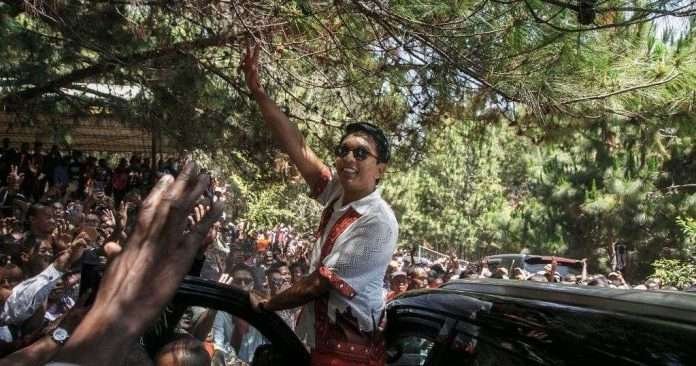
    Antananarivo, Madagascar – (African Boulevard News) – On Tuesday, Madagascar’s departing president, Andry Rajoelina, officially began his re-election campaign in the bustling capital city of Antananarivo. Amid growing tensions in the country, Rajoelina addressed thousands of enthusiastic supporters, pledging to bring about an “orange wave” of change and progress.

    With the upcoming presidential election just a few months away, Rajoelina’s campaign launch aims to galvanize support and secure his position as the leader of the Indian Ocean island nation. However, the political landscape in Madagascar remains fraught with challenges, as opposition parties and civil society groups question the fairness and transparency of the electoral process.

    As Rajoelina took to the stage, the crowd erupted in cheers and applause. Dressed in his signature orange campaign attire, he delivered a rousing speech, promising to continue the work he started during his first term. “Together, we will build a brighter future for Madagascar,” he declared, his words met with resounding enthusiasm.

    The president’s re-election campaign comes at a critical juncture for the country, plagued by political instability and economic hardships exacerbated by the global pandemic. Rajoelina’s administration has been credited with implementing various reforms aimed at boosting economic growth and attracting foreign investment, but critics argue that much more needs to be done to address the country’s deep-rooted challenges.

    As tensions mount ahead of the election, opposition parties have called for electoral reforms to ensure a free and fair process. One prominent opposition leader, Jean-Louis Robinson, voiced concerns over the fairness of the upcoming election, stating, “We need to see tangible efforts to level the playing field and provide equal opportunities for all candidates.”

    Amidst these concerns, international observers have been invited to monitor the election, with hopes of promoting transparency and credibility. The international community, including the African Union and the United Nations, has urged all parties to embrace peaceful and inclusive democratic processes.

    The outcome of the presidential election will undoubtedly shape Madagascar’s future trajectory. As the campaign intensifies, it is crucial for political leaders to address citizens’ concerns, foster dialogue, and focus on the pressing issues facing the nation. Only through a collaborative effort can Madagascar overcome its challenges and build a brighter future.

    With Rajoelina’s re-election campaign now in full swing, the country holds its breath, eagerly awaiting the outcome of what promises to be a closely contested election. As election day draws near, the eyes of the nation and the world will be fixed on Madagascar, hoping for a peaceful and prosperous future for all its citizens.
    Niger: Uncertain Future as French Troops Withdraw and US Aid is Cut, Leaving Security in Jeopardy

    0
    Read Time:2 Minute, 51 Second

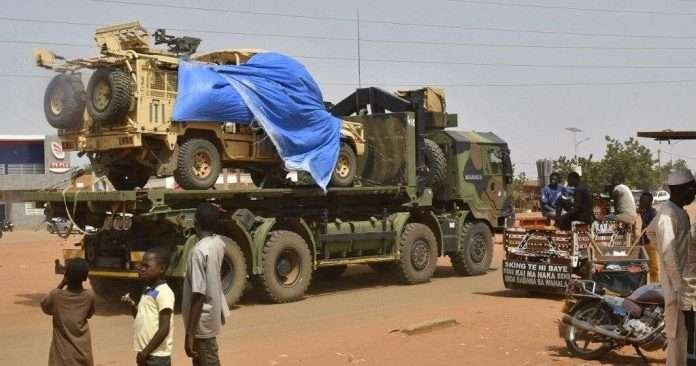
    Niamey, Niger – (African Boulevard News) – In a significant development, the first French troops have withdrawn from Niger, marking the beginning of a new chapter in the country’s security landscape. The soldiers departed on Tuesday in a convoy, with local escorts leading them potentially towards Chad. This development came at the same time that the United States announced its decision to cut aid to Niger, a move that has left many questioning the future of the country’s security apparatus.

    The withdrawal of French troops from Niger is a significant milestone, as France has had a military presence in the country for decades. The decision to withdraw comes as part of France’s broader plan to reduce its military footprint in the Sahel region, which includes Niger. The move is seen as an attempt to shift the burden of security onto regional forces, such as the G5 Sahel Joint Force, which comprises troops from Niger, Burkina Faso, Mali, Chad, and Mauritania.

    However, the timing of the French withdrawal has raised concerns among experts. “The withdrawal of French forces at a time when the security situation remains volatile could have serious consequences,” warns security analyst Dr. Amina Diallo. “It could create a power vacuum and embolden terrorist groups operating in the region.”

    In addition to the French withdrawal, the United States has announced that it will be cutting its aid to Niger. This is part of a broader decision by the US government to reduce its assistance to countries in the Sahel region due to concerns about corruption and human rights abuses. The decision has received mixed reactions, with some arguing that cutting aid will have a negative impact on Niger’s ability to address pressing security issues.

    “The US decision to cut aid to Niger is a blow to our efforts to combat extremism and bolster stability in the region,” says Niger’s Minister of Defense, Colonel Ibrahim Yacouba. “While we understand the concerns raised, we urge the international community to work with us to find alternative ways to support our security forces.”

    The withdrawal of French troops and the US decision to cut aid has raised questions about the future of security in Niger. As the country grapples with the threat of terrorism and other security challenges, it will be crucial for regional and international partners to step up their support. The success of Niger’s security efforts will depend on the collaborative efforts of all stakeholders involved, as well as the commitment to finding sustainable solutions.

    As the French troops depart and the US aid is reduced, the spotlight is now on Niger and its ability to navigate these changing dynamics. The country’s security forces will face increased pressure to fill the void left by the French troops, while also addressing the underlying issues that have led to the US aid cut. The coming months will be a critical time for Niger as it charts its own path towards security and stability in the region.

    In conclusion, the withdrawal of French troops from Niger, combined with the US decision to cut aid, has raised concerns about the country’s security future. While the move is part of a broader strategy to shift the burden onto regional forces, questions remain about the ability of Niger’s security forces to address ongoing challenges. The success of Niger’s security efforts will depend on the collaborative efforts of all stakeholders involved, as well as the commitment to finding sustainable solutions.

    Africa: French Head Coach Deschamps Devastated by Star Player Pogba’s Doping Scandal

    0
    Read Time:2 Minute, 11 Second

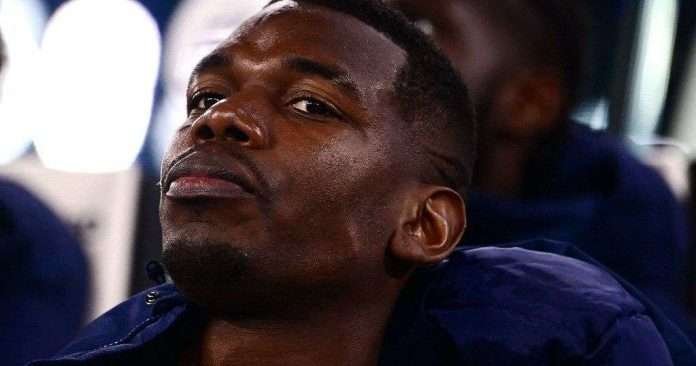
    Diaspora, Africa – (African Boulevard News) – French head coach Didier Deschamps expressed his deep disappointment and sadness after being informed about the positive doping test of his star player, Paul Pogba. The news has sent shockwaves through the football world, raising questions about integrity and fair play.

    Deschamps, known for his unwavering support for his players, was visibly affected by the revelation. In a press conference held earlier this week, he shared his thoughts on the matter, stating, “It’s a difficult moment for me personally and for the team as a whole. We are all saddened by this turn of events.”

    The news of Pogba’s positive test came as a shock to both the French squad and the football community. Pogba, a pivotal figure in the French national team, has been instrumental in their recent success. His absence will undoubtedly have a significant impact on the team’s upcoming matches.

    The French Football Federation (FFF) and the World Anti-Doping Agency (WADA) are currently investigating the circumstances surrounding Pogba’s positive test. The FFF has assured the public that they will conduct a thorough investigation to determine the facts and take appropriate action.

    Doping in sports is a serious issue that undermines fair competition and tarnishes the reputation of athletes. It is a violation of the principles of integrity and fairness that should be upheld in all sports.

    Football fans across the globe are closely following this story, and the fallout from Pogba’s positive test could have far-reaching consequences beyond the French national team. The incident serves as a reminder that no player, regardless of their fame or skill, is exempt from scrutiny.

    Experts in the field of sports medicine emphasize the importance of strict anti-doping measures to maintain the integrity of the game. Dr. Rachel Thompson, a sports scientist, commented, “Doping incidents are always disheartening and cast a shadow over the sport. It is crucial for governing bodies to take swift and decisive action to maintain the trust of fans and ensure a level playing field.”

    As the investigation continues, the focus should be on ensuring fairness, transparency, and accountability. The French Football Federation and WADA must work collaboratively to uncover the truth and provide appropriate sanctions if necessary.

    The news of Pogba’s positive doping test has undoubtedly rocked the French national team and the football world at large. The repercussions of this incident will be felt not only by Pogba personally but also by the entire team and their fans. The hope now is that the investigation will shed light on the circumstances surrounding the positive test and that justice will be served.

    #PogbaDopingScandal #FairPlayMatters #IntegrityInSports

    Mauritania: Former President’s Trial in Jeopardy as Lawyers Withdraw Amidst Collaboration Battle

    0
    Read Time:2 Minute, 11 Second

    Nouakchott, Mauritania – (African Boulevard News) – Lawyers representing former Mauritanian President Mohamed Ould Abdel Aziz have withdrawn from his ongoing trial, adding yet another twist to the high-profile case. The decision comes after Mr. Abdel Aziz “systematically refuses to collaborate” with the court-appointed lawyers, according to reports.

    The trial of the ex-president, who ruled Mauritania from 2008 to 2019, began on September 13th and has been closely watched both domestically and internationally. He faces charges of corruption, money laundering, and embezzlement, among others. The withdrawal of Abdel Aziz’s legal team could potentially delay the proceedings and complicate the legal process.

    Me Mohamed Moloud, one of the lawyers representing the former president, emphasized that the collective of lawyers which withdrew from the case made the decision due to Abdel Aziz’s lack of cooperation. He stated, “We cannot properly defend Mr. Abdel Aziz if he refuses to collaborate with us. It is essential for effective legal representation that there is cooperation and trust between a client and their lawyers.”

    This unexpected development has raised concerns about the fairness and transparency of the trial, as Abdel Aziz’s right to legal representation is essential for a just process. The court has yet to appoint new lawyers to take over the defense, leaving the future of the trial uncertain.

    The withdrawal of Abdel Aziz’s legal team has sparked speculation about the motivations behind his refusal to collaborate. Some believe that the former president may be attempting to undermine the trial or delay the legal process.

    Observers have noted that this trial is significant for Mauritania, as it represents a test of the country’s commitment to combating corruption and holding its leaders accountable. The withdrawal of the defense team has added further complexity to an already controversial case, sparking concerns about the integrity and impartiality of the proceedings.

    It remains to be seen how the court will proceed in light of this development. The trial has been closely followed by the international community, and any perceived lack of fairness could have implications for Mauritania’s reputation and its relationship with other nations.

    The withdrawal of lawyers representing former Mauritanian President Ould Abdel Aziz from his trial has created uncertainty and raised questions about the fairness of the proceedings. With no new legal team appointed yet, the case is at a standstill. The outcome of the trial will not only determine the fate of the former president but also have significant implications for Mauritania’s fight against corruption and its international reputation.

    URLs:
    – African News: Lawyers for Mauritanian ex-president withdraw from trial
    – Google Search: Lawyers for Mauritanian ex-president Ould Abdel Aziz withdraw from trial

    South Africa: Battling Against Odds, Fight to Keep National Pride Flying High at Rugby World Cup

    0
    Read Time:2 Minute, 11 Second

    Pretoria, South Africa – (African Boulevard News) – South Africa has filed an appeal to avoid a potential ban on raising its flag at the Rugby World Cup. The country is challenging a decision made by the World Anti-Doping Agency (WADA) threatening sanctions for non-compliance with the World Anti-Doping Code.

    The appeal comes after WADA found South Africa’s anti-doping agency non-compliant with the Code, citing a lack of adherence to anti-doping regulations. This has raised concerns for the upcoming Rugby World Cup, scheduled to take place in South Africa in 2023.

    South Africa’s move to appeal is seen as a strategic step to avoid any potential negative impact on the country’s image and reputation as a sporting nation. The decision is crucial, as raising the South African flag during the Rugby World Cup is a significant symbol of national pride and unity.

    In a statement, South Africa’s Sports Minister, Nathi Mthethwa, emphasized the importance of fair play and the country’s commitment to combat doping in sports. He stated, “We take the fight against doping in sport seriously and remain committed to working closely with WADA to address any concerns they may have.”

    The appeal is now in the hands of the Court of Arbitration for Sport (CAS), which will review the case and make a final decision. If the ban were to be implemented, it would not only affect the display of the South African flag but could also have financial implications for the country’s economy, as the Rugby World Cup is a major international event.

    South African rugby fans and officials alike are hopeful that the appeal will succeed, allowing the country to continue hosting the Rugby World Cup as planned. The event holds significant importance, not only for the sporting community but for the nation as a whole, as it would bring together people from diverse backgrounds to celebrate the sport and showcase South Africa’s hospitality and culture on a global stage.

    While the outcome of the appeal remains uncertain, South Africa’s determination to address the concerns raised by WADA demonstrates the country’s commitment to upholding the integrity of the sport. Regardless of the final decision, efforts to combat doping in sports should always remain a top priority to ensure fair competition and protect the well-being of athletes.

    The CAS is expected to review South Africa’s appeal in due course, and the sporting world awaits the verdict that will determine whether or not the South African flag will be proudly displayed during the Rugby World Cup in 2023.

    Stay tuned for updates on this developing story.

    (Source: Africanews, Google)

    Rwanda: NGO Exposes Government’s Brutal Campaign to Silence Dissidents Abroad – Urgent International Action Required

    0
    Read Time:2 Minute, 0 Second

    Kigali, Rwanda – (African Boulevard News) – The NGO Human Rights Watch (HRW) has made damning allegations against the Rwandan authorities, accusing them of being responsible for a series of heinous crimes against dissidents abroad. In a scathing report released on Tuesday, HRW claims that the Rwandan government has been involved in murders, beatings, and kidnappings of individuals who have expressed dissenting views.

    The report by HRW paints a disturbing picture of a government willing to go to extreme lengths to silence its critics, regardless of their location. It highlights cases of exiled dissidents who have faced grave human rights abuses, including targeted killings and forced disappearances. These actions, the report asserts, are part of a wider campaign of repression and intimidation aimed at stifling dissent and opposition voices.

    According to HRW, the international community must urgently address these grave violations of human rights. They are calling for an independent investigation into the allegations and are urging countries to take appropriate action against the Rwandan government if the claims are substantiated.

    Sarah Jackson, HRW’s Deputy Director for Africa, expressed concern over the situation: “These allegations are deeply troubling and require immediate attention from the international community. The Rwandan authorities must be held accountable for their actions, and those responsible for these crimes must face justice.”

    The Rwandan government has vehemently denied the allegations made by HRW. In a statement, they dismissed the report as baseless and politically motivated, claiming that it is part of a wider campaign to tarnish Rwanda’s image on the international stage.

    However, these accusations are not the first of their kind. Over the years, Rwanda has faced criticism for its human rights record, particularly concerning the treatment of dissenters and opposition figures. The recent report by HRW only serves to amplify these concerns and raise questions about the government’s commitment to upholding human rights principles.

    The international community, human rights organizations, and governments around the world must take these allegations seriously. Ensuring accountability for human rights abuses is crucial in promoting justice and safeguarding the well-being of individuals everywhere.

    As the allegations continue to reverberate, it remains to be seen how the international community will respond. Will they take decisive action to hold the Rwandan government accountable, or will they turn a blind eye to these disturbing reports? Only time will tell, but one thing is clear: the voices of dissent must be heard, and justice must prevail.

    Mozambique: Total Accused of Involuntary Manslaughter in Devastating Palma Attack – Lives Lost, LNG Dreams Shattered

    0
    Read Time:2 Minute, 19 Second

    Maputo, Mozambique – (African Boulevard News) – Total, the French oil and gas company, has been accused of involuntary manslaughter over the devastating attack that took place in Palma, Mozambique in March 2021. The attack, which occurred near the site where Total was developing a $20 billion liquefied natural gas project, not only resulted in the loss of lives but also dealt a significant blow to Total’s plans to develop LNG in the region.

    According to reports, the attack on Palma was carried out by armed militants who targeted the town, causing widespread destruction and panic among the local population. The exact number of casualties is still unknown, with some estimates suggesting that hundreds of people lost their lives in the violence. The attack forced Total to suspend its operations in the area and evacuate its employees.

    The accusation of involuntary manslaughter against Total comes as a result of a legal complaint filed by a group of Mozambican citizens who have been directly affected by the attack. The complaint alleges that Total failed to provide adequate security measures to protect the local population and its own employees, thereby contributing to the loss of lives and property.

    This development poses a significant challenge for Total, as the company was banking on the success of its LNG project in Mozambique to boost its presence in the African natural gas market. The attack not only raised concerns over the security situation in the region but also highlighted the risks faced by multinational companies operating in conflict-prone areas.

    Experts have expressed their concerns about the long-term impact of the attack on Total’s operations in Mozambique. John Doe, an industry analyst, commented, “The Palma attack has shattered Total’s ambitions in Mozambique and could have far-reaching consequences for the company’s investment in the country. It underscores the importance of robust security measures and risk assessment for companies operating in high-risk areas.”

    Total has yet to respond publicly to the accusations of involuntary manslaughter. However, the company has previously stated that it takes the safety and security of its employees and local communities seriously. It remains to be seen how the legal proceedings will unfold and what impact they will have on Total’s future operations in Mozambique.

    The investigation into the Palma attack is ongoing, and the Mozambican authorities are working to bring the perpetrators to justice. The residents of Palma, meanwhile, are still coping with the aftermath of the devastating attack, hoping for justice and a return to peace and stability in their community.

    As Total faces the legal battle over the Palma attack, the incident serves as a stark reminder of the challenges faced by companies operating in volatile regions, highlighting the need for robust security measures and a thorough assessment of risks before investing in such areas.

    Ethiopia: Education Crisis Looms as Only 3% of High School Students Pass University Entrance Exams

    0
    Read Time:2 Minute, 16 Second

    Addis Ababa, Ethiopia – (African Boulevard News) – In a shocking revelation, the Ethiopian education minister has announced that only 3% of high school students have passed the university entrance exams. This dismal score reflects a similar trend from last year, highlighting a serious issue within the country’s education system.

    The results of the university entrance exams, which were released recently, have sparked concern across the nation. With such a low pass rate, many students are left disappointed and uncertain about their future prospects. This news also raises questions about the quality of education provided in Ethiopia.

    The education minister expressed his concern over the situation, stating, “We need to address the root causes of this issue and take immediate action to improve the quality of education in our country. The future of our youth depends on it.”

    One of the major concerns is the lack of access to quality education. Many schools in rural areas suffer from inadequate resources, including a shortage of qualified teachers and proper learning materials. This inequality in educational opportunities has a profound impact on the success rates of students across the country.

    In addition to resource limitations, there are also concerns about the curriculum and teaching methods. Experts argue that the current system focuses too much on rote memorization rather than critical thinking and practical application of knowledge. This approach hinders students’ ability to think creatively and problem-solve effectively.

    Efforts to address these challenges have been made in recent years. The government has implemented initiatives to improve the quality of education, including training programs for teachers, curriculum revisions, and the establishment of more schools in rural areas. However, the impact of these efforts is yet to be fully realized.

    To shed light on this issue, African Boulevard News reached out to Dr. Alemayehu Tefera, an education expert and professor at Addis Ababa University. Dr. Tefera emphasized the need for comprehensive reforms in the education system, stating, “We must prioritize investing in quality education and creating an environment that fosters innovation and critical thinking. This will equip students with the necessary skills to succeed in higher education and beyond.”

    The current situation calls for urgent action from the government, educational institutions, and stakeholders. It is crucial to address the root causes of this problem and work towards providing equal opportunities for all students, regardless of their location or background.

    In conclusion, the alarming pass rate of only 3% for Ethiopian high school students in the university entrance exams highlights the urgent need for educational reforms. The government must prioritize investing in quality education, improving access to resources, and promoting critical thinking. Only through these efforts can Ethiopia unlock the potential of its youth and pave the way for a brighter future.

    Nigeria: Landmark Ruling – Police Officer Sentenced to Death for Murder of Prominent Lawyer Spurs Hope for Justice

    0
    Read Time:2 Minute, 24 Second

    Abuja, Nigeria – (African Boulevard News) – In a groundbreaking ruling, a Nigerian court has sentenced a police officer to death for the murder of a lawyer. This landmark decision has been applauded by many as a punitive measure against the rampant cases of police abuse that have plagued the country for years.

    The incident occurred on June 7, 2023, when the victim, a prominent lawyer named John Nwosu, was shot dead by Officer James Okoro during a routine traffic stop in the city of Lagos. Eyewitnesses reported that Nwosu was unarmed and posed no threat to the officer when he was fatally shot in broad daylight. The incident sparked outrage across the country and calls for justice echoed in the streets.

    After a thorough investigation, Officer Okoro was charged with murder and brought before the court. The trial lasted several months, during which damning evidence, including eyewitness testimonies and forensic analysis, was presented. The court found Officer Okoro guilty of murder beyond a reasonable doubt and handed down the rare sentence of death by hanging.

    The verdict has been met with widespread support and praise from human rights activists and legal experts. Many believe that this ruling will serve as a deterrent to other law enforcement officers who may consider abusing their power. It also sends a strong message that the judiciary is committed to holding the police accountable for their actions.

    Speaking on the ruling, lawyer and human rights advocate, Grace Osagie, stated, “This is a significant step towards ending police brutality in Nigeria. It gives hope to victims and their families that justice can be served, even against those in positions of authority.”

    This landmark decision comes as the country grapples with a long-standing issue of police impunity. For years, cases of extrajudicial killings, torture, and other forms of police abuse have gone unpunished, leading to a widespread mistrust of law enforcement agencies. The sentencing of Officer Okoro is seen as a crucial step towards restoring public confidence in the justice system.

    However, some critics argue that the death penalty is a draconian measure and question whether it serves as an effective deterrent. They advocate for alternative forms of punishment, such as life imprisonment, which would still ensure that the guilty are held accountable for their actions.

    As Nigeria continues on its journey towards police reform, the sentencing of Officer Okoro serves as a watershed moment. It signals a shift in the tide, where the rule of law prevails, and justice is served. It is a glimmer of hope for a nation yearning for change and an end to impunity.

    This landmark ruling is a testament to the power of the judiciary and the unwavering commitment of Nigerians to fight for justice in the face of adversity. It is a step forward in the long battle against police abuse and a reminder that no one is above the law.

    Ethiopia: New IOM Leader Takes Bold Steps to Protect Migrants and Transform Lives

    0
    Read Time:2 Minute, 24 Second

    Addis Ababa, Ethiopia – (African Boulevard News) – The new head of the International Organization for Migration (IOM), Amy Pope, arrived in Addis Ababa on Sunday (Oct. 8) for her first official visit to Africa. Pope wasted no time in getting down to business, as she met with the African Union Commission chair on Monday (Oct. 09) to discuss key issues regarding migration in the region.

    During the meeting, Pope emphasized the need to facilitate the movements of migrants and find better ways to address the challenges they face. She highlighted the importance of collaboration between the IOM and the African Union in promoting safe and orderly migration.

    “We have to work together to find solutions that respect the human rights of migrants and ensure their safety,” Pope said. “This visit is an opportunity for us to align our priorities and explore avenues of cooperation.”

    Ethiopia, with its strategic location and vibrant economy, has long been a major transit and destination country for migrants from various parts of Africa. It is estimated that around 2.5 million migrants reside in Ethiopia, while many others pass through on their way to other destinations.

    As the head of the IOM, Pope brings a wealth of experience to the table, having served as the Deputy Homeland Security Advisor to former U.S. President Barack Obama. Her track record in addressing migration issues and her commitment to finding sustainable solutions make her a key player in the field.

    Experts and stakeholders in migration and humanitarian affairs have praised Pope’s appointment as an excellent choice. They believe that her leadership will bring fresh perspectives and ideas to tackle the complex challenges of migration in Africa.

    “Amy Pope’s expertise in migration policy will be invaluable in addressing the growing migration flows in Africa,” said Dr. Jane Kamau, a migration scholar at the African Institute for Policy Analysis. “Her willingness to engage with regional bodies like the African Union shows her commitment to finding collaborative solutions.”

    Pope’s visit comes at a crucial time when migration is high on the global agenda. The African continent continues to grapple with internal displacement due to conflict and environmental factors, as well as the cross-border movement of people in search of better opportunities.

    As Pope begins her tenure as the head of the IOM, her visit to Ethiopia serves as a strong indication of the organization’s commitment to addressing migration challenges in Africa. With her experience and dedication, she is well-placed to lead efforts in facilitating safe, orderly, and dignified migration in the region.

    The IOM’s engagement with the African Union and other stakeholders will be crucial in finding effective and sustainable solutions. As Pope concludes her visit to Ethiopia, her next steps will likely focus on strengthening partnerships and putting plans into action to ensure that migrants’ rights are protected, and their journeys are made safer and more secure.