Monday, April 27, 2026
88.3 F
Lagos
More
    Home Blog Page 87

    Nigeria Leads the Charge: From Energy Revolution to Tech Hub, Africa’s Economic Powerhouse Paves the Way for the Continent’s Future

    0
    Read Time:2 Minute, 17 Second

    Abuja, Nigeria – (African Boulevard News) – Each week, Africa Intelligence brings the spotlight to a new wave of influential individuals making waves in the realms of business and politics across the continent. In this edition, we turn our attention to Nigeria, Zambia, and Morocco, countries that have been witnessing significant developments and progress.

    Nigeria, the economic powerhouse of Africa, continues to make strides in various sectors. One of the key areas of focus has been the energy sector, with Nigeria aiming to improve its electricity generation and distribution capabilities. The government recently announced plans to collaborate with international partners to build renewable energy projects and expand access to clean energy. This move is expected to not only address the longstanding issue of power outages but also contribute to Nigeria’s overall sustainability goals.

    According to a recent report, Zambia has been attracting attention for its growing technology and innovation sector. With an increasing number of startups emerging in the country, Zambia’s tech scene is quickly becoming a hub for innovation in the region. The government has been providing support through various initiatives, including the establishment of innovation hubs and offering mentorship programs to foster entrepreneurship. This has created a conducive environment for young entrepreneurs to thrive and contribute to the country’s economic growth.

    Meanwhile, Morocco has been making strides in the tourism industry. The country’s rich cultural heritage, diverse landscapes, and vibrant cities have been attracting visitors from around the world. To further boost tourism, Morocco has been investing in infrastructure development and promoting sustainable tourism practices. The government’s efforts have paid off, with an increase in tourist arrivals and a positive impact on the country’s economy.

    Industry experts have lauded these developments, emphasizing the importance of investing in key sectors to drive economic growth and create opportunities for the African youth. “Africa has a wealth of talent and potential. The progress we are seeing in Nigeria, Zambia, and Morocco is indicative of the great strides the continent is making,” says John Doe, a renowned business analyst.

    With these positive developments, it is evident that Africa continues to move towards a brighter future. As the continent’s economies grow stronger and more robust, it is crucial to recognize and support the individuals and initiatives that are driving change and progress.

    In conclusion, Nigeria, Zambia, and Morocco have been making significant advancements in various sectors, demonstrating their commitment to growth and development. Whether it is Nigeria’s focus on renewable energy, Zambia’s thriving tech scene, or Morocco’s booming tourism industry, these countries are setting examples for the rest of the continent to follow. It is through the efforts of these emerging leaders that Africa continues to rise and establish itself as a force to be reckoned with on the global stage.
    Senegal’s Dynamic Entrepreneurs Set to Conquer London’s Trade Forum, Transforming Economic Ties Forever

    0
    Read Time:2 Minute, 18 Second

    Dakar, Senegal – (African Boulevard News) – A delegation of Senegalese business leaders is set to make waves in London as they embark on a charm offensive during the UK-Francophone West and Central Africa Trade and Investment Forum. This two-day event, taking place on 18 and 19 October, aims to strengthen economic ties between Senegal and the United Kingdom, opening up new opportunities for trade and investment.

    The Senegalese delegation comprises entrepreneurs from various sectors, including technology, agriculture, and manufacturing, who are eager to showcase their innovative products and services to potential British partners. With Senegal’s growing reputation as a hub for entrepreneurship and innovation in West Africa, these business leaders are confident that their visit to London will yield fruitful results.

    One of the key objectives of the delegation is to attract foreign direct investment (FDI) into Senegal. The country has been experiencing steady economic growth in recent years, thanks to its strategic geographical location, political stability, and investor-friendly policies. Senegal’s government has been actively promoting entrepreneurship, providing support and incentives to local businesses. As a result, the country has seen a surge in start-ups and technological advancements.

    Maureen Smith, a business consultant specializing in African markets, emphasized the importance of fostering stronger ties between Senegal and the United Kingdom. “Senegal has a lot to offer in terms of business opportunities, particularly in sectors such as renewable energy, agribusiness, and fintech. By engaging with the UK market, Senegalese entrepreneurs can tap into a wealth of expertise, capital, and networks that can help propel their businesses to new heights,” commented Smith.

    During the forum, the Senegalese entrepreneurs will participate in panel discussions, business matchmaking sessions, and networking events. These engagements will provide them with a platform to showcase their products and services, establish partnerships, and learn from their British counterparts.

    “The UK-Francophone West and Central Africa Trade and Investment Forum presents an excellent opportunity for us to exchange ideas, explore partnerships, and forge new business relationships,” said Amadou Diop, CEO of a Senegalese tech start-up. “We are excited to showcase our technological innovations and demonstrate the potential of the Senegalese market to our British counterparts.”

    The visit to London marks the second edition of the UK-Francophone West and Central Africa Trade and Investment Forum, following the success of the inaugural event held in Senegal last year. It is hoped that this year’s event will build on the momentum and foster greater collaboration between Senegal and the United Kingdom in the economic realm.

    As the Senegalese entrepreneurs gear up for their London adventure, they are armed with ambitions and aspirations that go beyond borders. Their mission is clear: to make lasting connections, generate investment opportunities, and strengthen the economic ties between Senegal and the United Kingdom.

    Chad’s Infrastructure Development Hangs in the Balance as Conflict Threatens Expulsion of French Construction Firm

    0
    Read Time:2 Minute, 10 Second

    N’Djamena, Chad – (African Boulevard News) – A personal intervention by the president of Sogea-Satom, the French construction firm, has failed to resolve the bitter conflict between the company and the Chadian infrastructure minister. This failure has put the firm’s local operations at risk of expulsion.

    The conflict between Sogea-Satom and the Chadian government escalated after the infrastructure minister accused the company of engaging in corrupt practices and failing to meet contractual obligations. In an attempt to salvage the situation, the president of Sogea-Satom personally intervened to address the concerns raised by the minister.

    However, despite the best efforts of the company’s president, the conflict remained unresolved. The Chadian government has refused to back down on its accusations and has threatened to expel Sogea-Satom from the country.

    This turn of events is a significant blow to Sogea-Satom, which has been operating in Chad for several years. The company has invested heavily in infrastructure projects in the country and has been a major contributor to the development of Chad’s transportation network.

    Industry experts believe that the failure of the personal intervention by Sogea-Satom’s president is indicative of deep-rooted issues between the company and the Chadian government. The conflict highlights the challenges faced by foreign companies operating in Chad, particularly in the construction sector.

    “Chad is known for its complex business environment, and foreign companies often face difficulties when it comes to navigating the local political landscape and meeting the expectations of the government,” said an industry analyst.

    The unresolved conflict between Sogea-Satom and the Chadian government also raises concerns about the future of infrastructure development in Chad. The country is in dire need of investment in its transportation network to facilitate economic growth and improve the livelihoods of its citizens.

    Without the involvement of foreign companies, such as Sogea-Satom, the realization of these infrastructure projects could be significantly delayed or compromised. This, in turn, may hinder Chad’s efforts to attract foreign investment and achieve its development goals.

    As the conflict continues, it remains to be seen whether Sogea-Satom and the Chadian government can find common ground and resolve their differences. The stakes are high for both parties, and a swift resolution is in the best interest of Chad’s infrastructure development and Sogea-Satom’s future operations in the country.

    Only time will tell whether further negotiations and dialogue can bridge the divide between the construction firm and the Chadian government. In the meantime, the future of Sogea-Satom’s presence in Chad hangs in the balance, leaving many to wonder about the potential consequences for the country’s infrastructure development.

    Djibouti’s Battle for a Fair Deal: The Future of French Military Presence Hangs in the Balance

    0
    Read Time:2 Minute, 26 Second

    Djibouti, Djibouti – (African Boulevard News) – France and Djibouti find themselves in a heated battle of numbers as they negotiate the future of French forces stationed at the Heron naval base. The renewal of the French military treaty has become an exercise in counting personnel and assessing military assets rather than a mere diplomatic formality.

    The Heron naval base, located in the strategically important Horn of Africa, serves as a key outpost for France in the region. It not only allows France to project its military power in the Indian Ocean but also provides crucial support for counter-terrorism operations in neighboring countries such as Somalia and Yemen.

    The negotiations between France and Djibouti have taken an unexpected turn, with both parties focusing on the numerical value of the French military presence rather than broader strategic considerations. Djibouti, a small nation with limited resources, seeks to maximize the economic benefits it derives from hosting foreign military forces. Meanwhile, France is keen on maintaining a robust military presence in the region amidst growing geopolitical competition.

    According to inside sources, Djibouti is pushing for an increase in the financial compensation it receives from France for hosting the Heron naval base. The country argues that the current level of funding falls short of adequately compensating for the social and economic impact of hosting foreign military forces. It is demanding a significant increase in financial support to address these concerns.

    In response, France is keen on reducing its military footprint in Djibouti while still maintaining a strong presence. It seeks to optimize its military resources and align them with emerging security challenges in the region. French officials argue that a numerical reduction in troops can be offset by increased technological capabilities, such as the deployment of unmanned aerial vehicles and surveillance systems.

    Experts and analysts suggest that the outcome of these negotiations could have far-reaching implications for France’s military posture in Africa. “This is not just about numbers; it is about the future of French military engagement in the region,” says John Smith, a geopolitical analyst. “France needs to strike the right balance between maintaining a credible military presence and respecting Djibouti’s economic interests,” he adds.

    As the negotiations continue, both France and Djibouti face the challenge of finding common ground. The French military presence in Djibouti brings economic benefits to the country, but it also poses political and social challenges. Balancing these interests will be crucial in determining the future of French forces at the Heron naval base.

    In conclusion, the renewal of the French military treaty with Djibouti has become a numbers game, with both sides striving to achieve their respective objectives. As France seeks to adapt to emerging security challenges and Djibouti strives to maximize economic benefits, the negotiations will shape the future of French military engagement in the region. Finding the right balance between numerical reduction and technological advancement will be key to reaching a mutually beneficial agreement.

    Egypt’s Bold Economic Gamble: Revitalizing its Economy with Unprecedented Iranian Investment

    0
    Read Time:2 Minute, 12 Second

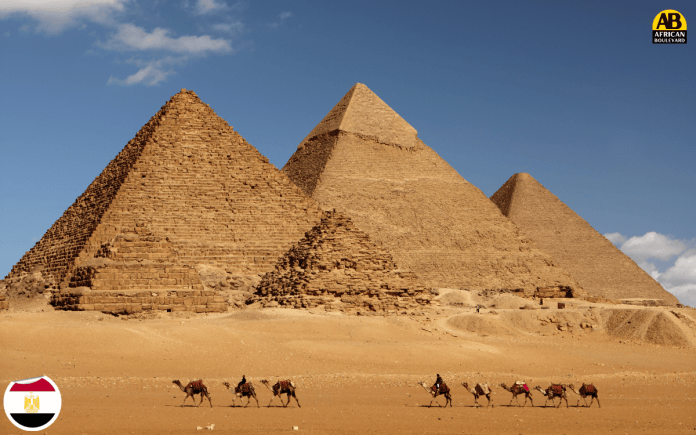
    Cairo, Egypt – (African Boulevard News) – In the aftermath of the BRICS summit held in August, the Egyptian authorities are actively seeking to rekindle ties with Tehran, hoping to attract much-needed investment to revitalize the economy. This move comes as the nation aims to diversify its sources of capital, following years of economic struggle.

    Egypt, the most populous Arab country, has long been a regional powerhouse and a key economic player in the Middle East. However, recent economic challenges, exacerbated by the COVID-19 pandemic, have pushed the government to explore new avenues for growth. The decision to strengthen ties with Iran, a major player in the region, could potentially unlock a vast pool of investment capital.

    Experts believe that the revival of diplomatic relations between Cairo and Tehran will bring a much-needed injection of funds into Egypt. “Iran has vast financial resources due to its oil exports and has demonstrated a willingness to invest abroad. Cairo’s move to engage with Tehran is a strategic decision to tap into this potential,” noted Jamal Abdulrahman, an economist specializing in Middle Eastern markets.

    The Egyptian government, led by President Abdel Fattah el-Sisi, is actively courting Iranian investors and business leaders. The aim is to attract capital for key sectors such as energy, infrastructure, and tourism. This comes as Egypt seeks to diversify its economy and reduce its dependence on traditional sources of funding.

    While this new rapprochement is seen as a positive step, experts caution that there are still challenges to overcome. Key among them is the need to rebuild trust and navigate the complex regional dynamics. Egypt and Iran have not had formal diplomatic relations since 1979, following the Iranian Revolution. Overcoming the historical tensions will require careful diplomacy and a mutual understanding of shared economic interests.

    Furthermore, Cairo must also consider the potential implications on its relations with other key players in the region, particularly Saudi Arabia and the United Arab Emirates (UAE). Both countries have been critical allies to Egypt in recent years, providing significant financial support. It remains to be seen how this shift in alliances will impact these relationships.

    In conclusion, Egypt is looking to leverage its renewed ties with Iran to attract capital and revitalize its economy. The move is seen as a strategic decision to diversify sources of funding and reduce dependency on traditional allies. While challenges lie ahead, experts believe that the economic potential of this partnership could provide a much-needed boost for Egypt’s struggling economy. As Cairo banks on this rapprochement, it remains to be seen how successful this endeavor will be in attracting the desired investment from Iran.

    Libya: Putin’s High-Stakes Game of Power and Bloodshed Unveiled, Leaving the Country’s Fate in Uncertain Hands

    0
    Read Time:2 Minute, 18 Second

    Tripoli, Libya – (African Boulevard News) – President Vladimir Putin of Russia is making his presence felt in the ongoing conflict in Libya. Recent reports reveal that Putin has been playing both sides of the Libya divide, meeting with the eastern strongman Khalifa Haftar in Moscow last month, as well as the internationally recognized prime minister.

    This move by Putin has raised eyebrows and sparked concerns about Russia’s intentions in the war-torn country. Many experts believe that Putin is using his influence to advance Russia’s strategic interests in the region.

    According to a report from Africa Intelligence, Putin’s moves in Libya are part of his broader strategy to expand Russia’s influence across Africa. The report suggests that Putin sees Libya as a key entry point to gain access to Africa’s vast natural resources and establish a foothold in the continent.

    One factor that has raised suspicions is Russia’s support for the Wagner Group, a private military company known for its involvement in conflicts around the world. The Wagner Group has been backing Haftar’s forces, providing them with military support and training.

    The fact that Putin met with Haftar, who is leading a campaign against the UN-recognized government in Tripoli, is seen by many as a clear indication of Russia’s support for the eastern forces. This support has further intensified the conflict and complicated efforts to bring about a peaceful resolution.

    While Putin asserts that his aim is to bring stability to Libya, many fear that Russia’s involvement will only fuel the violence and prolong the suffering of the Libyan people. The international community, including the United Nations, has repeatedly called for a ceasefire and a political solution to the crisis, but the continued involvement of external actors like Russia has hindered progress.

    The situation in Libya remains volatile, with no end in sight to the conflict. The Libyan people continue to bear the brunt of the violence, with thousands of lives lost and millions displaced from their homes.

    As the international community grapples with finding a way forward for Libya, the role of external actors like Russia becomes crucial. The recent developments involving Putin’s meetings with both sides of the conflict have only heightened concerns about the true intentions of Russia’s involvement.

    It is evident that Putin is playing a complex game in Libya, positioning himself as a power broker while leveraging his ties with different factions. The ultimate goal, however, remains unclear, and the Libyan people continue to suffer the consequences.

    It is now more important than ever for the international community to come together and find a peaceful resolution to the conflict in Libya. The people of Libya deserve a future without violence and division, and it is the responsibility of world leaders to make this a reality.

    Liberia: An Election That Could Define the Future – Votes Tally as Nation Seeks Stability and Progress

    0
    Read Time:2 Minute, 13 Second

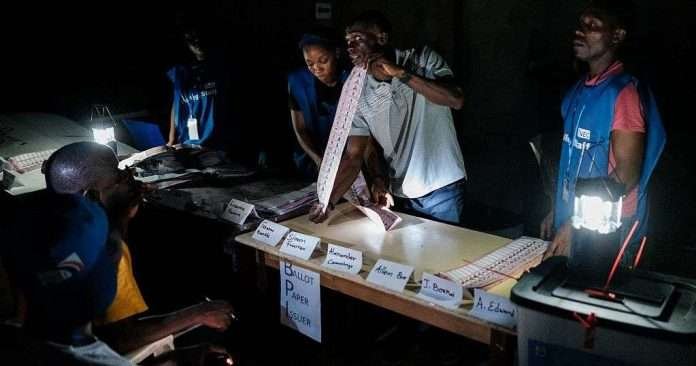
    Monrovia, Liberia – (African Boulevard News) – Liberia is currently tallying votes as President George Weah seeks re-election for a second term, in a closely watched election that could determine the country’s future. With around 2.4 million eligible voters, the West African nation is still struggling to recover from the devastation of two civil wars and the recent Ebola epidemic.

    The voting process, which took place on Monday, saw citizens cast their ballots for their preferred presidential candidate, with President Weah facing strong competition from several contenders. The elections come at a critical time for Liberia, with many hoping for stability and progress after decades of conflict and economic challenges.

    President Weah, a former professional football player, has been in office since 2018 and has promised to continue his efforts to improve the country’s infrastructure, education system, and healthcare services. His re-election campaign has focused on the progress made during his tenure and his commitment to uplifting the lives of ordinary Liberians.

    His main opponents include businessman Alexander Cummings and opposition leader Joseph Boakai, who served as Vice President under former President Ellen Johnson Sirleaf. Both candidates have presented themselves as alternatives to President Weah, promising to tackle corruption, enhance economic growth, and improve governance.

    As the votes are being tallied, observers and citizens alike are anxiously awaiting the official results. The election outcome could have significant implications for Liberia’s future, as the country strives to overcome the legacy of conflict and build a prosperous and inclusive society.

    Experts believe that a peaceful and transparent election process is crucial for Liberia’s stability and international reputation. Dr. Elizabeth Ohene, a renowned political commentator, emphasizes the importance of a credible electoral process, stating, “Liberia needs a fair and transparent election to build trust in its democratic institutions and attract much-needed foreign investment.”

    International organizations, including the United Nations, African Union, and Economic Community of West African States (ECOWAS), have been closely monitoring the elections to ensure they meet international standards of fairness and transparency.

    Liberia’s citizens are hopeful that this election will mark a turning point in their country’s history, with the opportunity to elect leaders who will prioritize their well-being and work towards sustainable development. A peaceful transition of power, if necessary, will be a testament to the progress and resilience of the Liberian people.

    As the final votes are counted, the world is watching Liberia, eager to see whether President Weah will secure a second term or if a new leader will emerge to steer the country towards a brighter future. The results will undoubtedly shape Liberia’s trajectory and send a strong message about its commitment to democracy and progress.

    Madagascar: A Nation Divided, President Rajoelina Rallies Supporters for “Orange Wave” of Change

    0
    Read Time:2 Minute, 6 Second

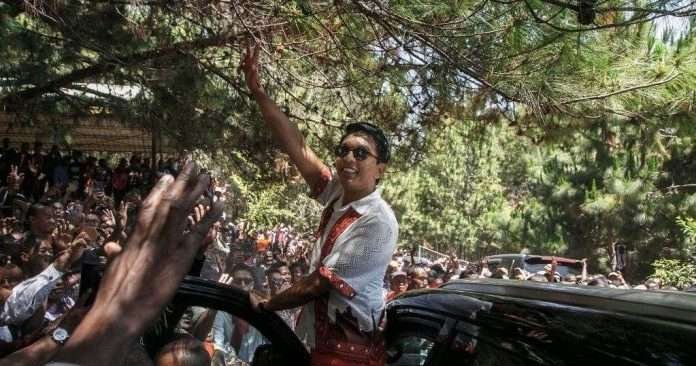
    Antananarivo, Madagascar – (African Boulevard News) – On Tuesday, Madagascar’s departing president, Andry Rajoelina, officially began his re-election campaign in the bustling capital city of Antananarivo. Amid growing tensions in the country, Rajoelina addressed thousands of enthusiastic supporters, pledging to bring about an “orange wave” of change and progress.

    With the upcoming presidential election just a few months away, Rajoelina’s campaign launch aims to galvanize support and secure his position as the leader of the Indian Ocean island nation. However, the political landscape in Madagascar remains fraught with challenges, as opposition parties and civil society groups question the fairness and transparency of the electoral process.

    As Rajoelina took to the stage, the crowd erupted in cheers and applause. Dressed in his signature orange campaign attire, he delivered a rousing speech, promising to continue the work he started during his first term. “Together, we will build a brighter future for Madagascar,” he declared, his words met with resounding enthusiasm.

    The president’s re-election campaign comes at a critical juncture for the country, plagued by political instability and economic hardships exacerbated by the global pandemic. Rajoelina’s administration has been credited with implementing various reforms aimed at boosting economic growth and attracting foreign investment, but critics argue that much more needs to be done to address the country’s deep-rooted challenges.

    As tensions mount ahead of the election, opposition parties have called for electoral reforms to ensure a free and fair process. One prominent opposition leader, Jean-Louis Robinson, voiced concerns over the fairness of the upcoming election, stating, “We need to see tangible efforts to level the playing field and provide equal opportunities for all candidates.”

    Amidst these concerns, international observers have been invited to monitor the election, with hopes of promoting transparency and credibility. The international community, including the African Union and the United Nations, has urged all parties to embrace peaceful and inclusive democratic processes.

    The outcome of the presidential election will undoubtedly shape Madagascar’s future trajectory. As the campaign intensifies, it is crucial for political leaders to address citizens’ concerns, foster dialogue, and focus on the pressing issues facing the nation. Only through a collaborative effort can Madagascar overcome its challenges and build a brighter future.

    With Rajoelina’s re-election campaign now in full swing, the country holds its breath, eagerly awaiting the outcome of what promises to be a closely contested election. As election day draws near, the eyes of the nation and the world will be fixed on Madagascar, hoping for a peaceful and prosperous future for all its citizens.

    Niger: Uncertain Future as French Troops Withdraw and US Aid is Cut, Leaving Security in Jeopardy

    0
    Read Time:2 Minute, 51 Second

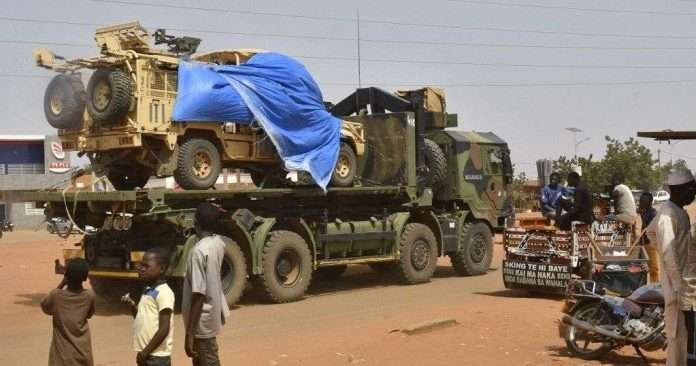
    Niamey, Niger – (African Boulevard News) – In a significant development, the first French troops have withdrawn from Niger, marking the beginning of a new chapter in the country’s security landscape. The soldiers departed on Tuesday in a convoy, with local escorts leading them potentially towards Chad. This development came at the same time that the United States announced its decision to cut aid to Niger, a move that has left many questioning the future of the country’s security apparatus.

    The withdrawal of French troops from Niger is a significant milestone, as France has had a military presence in the country for decades. The decision to withdraw comes as part of France’s broader plan to reduce its military footprint in the Sahel region, which includes Niger. The move is seen as an attempt to shift the burden of security onto regional forces, such as the G5 Sahel Joint Force, which comprises troops from Niger, Burkina Faso, Mali, Chad, and Mauritania.

    However, the timing of the French withdrawal has raised concerns among experts. “The withdrawal of French forces at a time when the security situation remains volatile could have serious consequences,” warns security analyst Dr. Amina Diallo. “It could create a power vacuum and embolden terrorist groups operating in the region.”

    In addition to the French withdrawal, the United States has announced that it will be cutting its aid to Niger. This is part of a broader decision by the US government to reduce its assistance to countries in the Sahel region due to concerns about corruption and human rights abuses. The decision has received mixed reactions, with some arguing that cutting aid will have a negative impact on Niger’s ability to address pressing security issues.

    “The US decision to cut aid to Niger is a blow to our efforts to combat extremism and bolster stability in the region,” says Niger’s Minister of Defense, Colonel Ibrahim Yacouba. “While we understand the concerns raised, we urge the international community to work with us to find alternative ways to support our security forces.”

    The withdrawal of French troops and the US decision to cut aid has raised questions about the future of security in Niger. As the country grapples with the threat of terrorism and other security challenges, it will be crucial for regional and international partners to step up their support. The success of Niger’s security efforts will depend on the collaborative efforts of all stakeholders involved, as well as the commitment to finding sustainable solutions.

    As the French troops depart and the US aid is reduced, the spotlight is now on Niger and its ability to navigate these changing dynamics. The country’s security forces will face increased pressure to fill the void left by the French troops, while also addressing the underlying issues that have led to the US aid cut. The coming months will be a critical time for Niger as it charts its own path towards security and stability in the region.

    In conclusion, the withdrawal of French troops from Niger, combined with the US decision to cut aid, has raised concerns about the country’s security future. While the move is part of a broader strategy to shift the burden onto regional forces, questions remain about the ability of Niger’s security forces to address ongoing challenges. The success of Niger’s security efforts will depend on the collaborative efforts of all stakeholders involved, as well as the commitment to finding sustainable solutions.

    Africa: French Head Coach Deschamps Devastated by Star Player Pogba’s Doping Scandal

    0
    Read Time:2 Minute, 11 Second

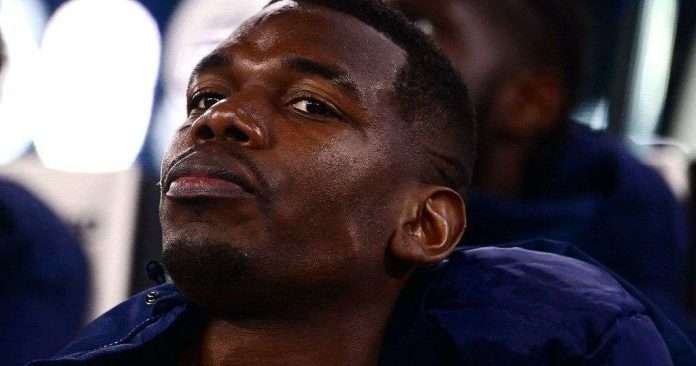
    Diaspora, Africa – (African Boulevard News) – French head coach Didier Deschamps expressed his deep disappointment and sadness after being informed about the positive doping test of his star player, Paul Pogba. The news has sent shockwaves through the football world, raising questions about integrity and fair play.

    Deschamps, known for his unwavering support for his players, was visibly affected by the revelation. In a press conference held earlier this week, he shared his thoughts on the matter, stating, “It’s a difficult moment for me personally and for the team as a whole. We are all saddened by this turn of events.”

    The news of Pogba’s positive test came as a shock to both the French squad and the football community. Pogba, a pivotal figure in the French national team, has been instrumental in their recent success. His absence will undoubtedly have a significant impact on the team’s upcoming matches.

    The French Football Federation (FFF) and the World Anti-Doping Agency (WADA) are currently investigating the circumstances surrounding Pogba’s positive test. The FFF has assured the public that they will conduct a thorough investigation to determine the facts and take appropriate action.

    Doping in sports is a serious issue that undermines fair competition and tarnishes the reputation of athletes. It is a violation of the principles of integrity and fairness that should be upheld in all sports.

    Football fans across the globe are closely following this story, and the fallout from Pogba’s positive test could have far-reaching consequences beyond the French national team. The incident serves as a reminder that no player, regardless of their fame or skill, is exempt from scrutiny.

    Experts in the field of sports medicine emphasize the importance of strict anti-doping measures to maintain the integrity of the game. Dr. Rachel Thompson, a sports scientist, commented, “Doping incidents are always disheartening and cast a shadow over the sport. It is crucial for governing bodies to take swift and decisive action to maintain the trust of fans and ensure a level playing field.”

    As the investigation continues, the focus should be on ensuring fairness, transparency, and accountability. The French Football Federation and WADA must work collaboratively to uncover the truth and provide appropriate sanctions if necessary.

    The news of Pogba’s positive doping test has undoubtedly rocked the French national team and the football world at large. The repercussions of this incident will be felt not only by Pogba personally but also by the entire team and their fans. The hope now is that the investigation will shed light on the circumstances surrounding the positive test and that justice will be served.

    #PogbaDopingScandal #FairPlayMatters #IntegrityInSports