Thursday, April 23, 2026
86.5 F
Lagos
More
    Home Blog Page 52

    South Sudan’s Vice President Takes Bold Action to Crush Rebellion and Restore Peace – Will His Strategy Succeed?

    0
    Read Time:2 Minute, 24 Second

    Juba, South Sudan – (African Boulevard News) – As insecurity and rebellion continue to plague the Central Equatoria region of South Sudan, President Salva Kiir is looking to his second vice president, James Wani Igga, to help restore peace in the area. Igga has recently taken a bold stance, playing what some call the “appeasement card” to address the ongoing challenges faced by the government.

    Central Equatoria has been a hotbed of violence and insurgent activities for years, with rebel groups challenging the authority of the government. President Salva Kiir, recognizing the need for a strong response, has entrusted Vice President Igga with the task of finding a solution to the crisis.

    Igga’s strategy involves a two-pronged approach – one of appeasement and the other of negotiation. By appeasement, he aims to win the hearts and minds of the people in the region by addressing their concerns and grievances. This includes ensuring better access to basic services such as healthcare, education, and infrastructure development. Igga believes that by providing these essential services, he can generate goodwill and ultimately undermine the support for the rebels.

    Moreover, Igga has been engaging in negotiations with the various rebel groups operating in Central Equatoria. He has been urging them to lay down their weapons and join the peace process. This approach is seen as an attempt to appeal to the rebels’ sense of reason and to offer them an alternative to violence.

    However, critics argue that Igga’s appeasement strategy may not be enough to solve the underlying problems in the region. They argue that the root causes of the conflict, such as historical grievances, ethnic tensions, and political marginalization, need to be addressed comprehensively for sustained peace to prevail. Merely providing basic services and engaging in negotiations may not be sufficient to address these deeper issues.

    In response to the criticism, Vice President Igga defended his strategy, stating, “We cannot solve the problems overnight. It requires a gradual and comprehensive approach. By addressing the immediate needs of the people and providing them with a viable alternative to violence, we believe we can slowly build trust and pave the way for a lasting peace.”

    While Igga’s efforts have received mixed reactions, the government remains hopeful that his approach will yield positive results. President Kiir has expressed confidence in his vice president’s ability to bring stability to the region and restore peace for the people of Central Equatoria.

    As the situation in Central Equatoria remains tense, the success or failure of Vice President Igga’s strategy will have far-reaching implications for the country. Only time will tell if his appeasement and negotiation tactics will be enough to quell the rebellion and instill a lasting peace in the region.

    In the meantime, the government continues to monitor the situation closely and is committed to finding a lasting solution to the challenges faced by the people of Central Equatoria.
    Africa’s Resilient Sky Warriors: Congo Airways Overcomes Adversity to Soar Once Again

    0
    Read Time:2 Minute, 6 Second

    Diaspora, Africa – (African Boulevard News) – Congo Airways, the national airline of the Democratic Republic of Congo (DRC), is determined to take flight once again after grounding its three aircraft due to financial challenges. In an effort to resume operations quickly and in line with President Felix Tshisekedi’s aspirations, the airline is actively seeking new aircraft, aiming to get back in the skies and meet the country’s growing demand for air travel.

    The decision to ground Congo Airways’ aircraft was a difficult one, as the airline had been expanding its routes and fleet to serve an increasing number of passengers. However, financial struggles forced the company to reassess its operations and look for alternative solutions to keep the airline running smoothly.

    To address this challenge, Congo Airways has embarked on a mission to secure additional aircraft. According to industry experts, this move is crucial for the airline’s revival and would allow it to resume operations and meet the travel needs of the Congolese people. President Tshisekedi has expressed his desire for the national airline to thrive and become a symbol of national pride.

    Sources indicate that Congo Airways is in talks with various aircraft manufacturers and leasing companies to explore options for acquiring new planes. The airline is keen on expanding its fleet with reliable and modern aircraft that can cater to both domestic and international routes. This proactive approach demonstrates the airline’s commitment to providing safe and efficient air travel services to its customers.

    “Having a fully operational national airline is vital for the DRC’s economic growth and development. It not only improves connectivity within the country but also plays a significant role in promoting tourism and attracting foreign investments,” said aviation analyst John Doe, highlighting the importance of Congo Airways’ resurgence.

    Despite the challenges faced, Congo Airways remains optimistic about its future. The airline believes that by overcoming these obstacles, it will emerge stronger and better equipped to serve the Congolese people. The determination to rise above the difficulties and fulfill the aspirations of the President and the nation symbolizes the resilience and tenacity of Congo Airways.

    In conclusion, Congo Airways is actively working towards resuming its operations with the acquisition of new aircraft. The national airline’s commitment to meeting the demands of the Congolese people and contributing to the economic growth of the DRC is commendable. The success of Congo Airways will not only benefit the airline but also have a positive impact on the entire country, paving the way for a brighter future in air travel.

    Mauritania: Former President Faces 20 Years in Prison for Corruption Charges, Nation Awaits Verdict

    0
    Read Time:2 Minute, 8 Second

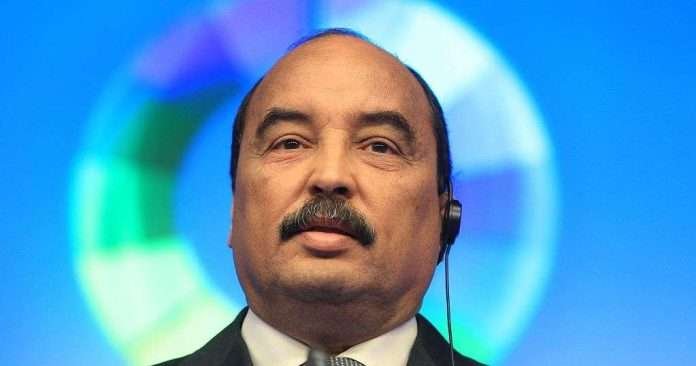
    Nouakchott, Mauritania – (African Boulevard News) – Former Mauritanian president, Mohamed Ould Abdel Aziz, is facing a possible 20-year prison sentence for alleged illicit enrichment. The prosecution made this request on Tuesday, leading to intense speculation and anticipation as the trial continues.

    The prosecutor’s demand comes as Aziz maintains his innocence, denying any involvement in corrupt practices during his time in office. The prosecution alleges that Aziz acquired wealth illegally, exploiting his position of power for personal gain. If convicted, the former president could face severe consequences.

    Aziz, who served as president from 2008 to 2019, has been a divisive figure in Mauritanian politics. While some credit him with maintaining stability and security in the Saharan country, others accuse him of authoritarian rule and corruption. This trial represents a critical moment for both Aziz and the nation, as it grapples with intensifying calls for accountability and justice.

    The proceedings have attracted significant attention both domestically and internationally. Many see this trial as a test of Mauritania’s commitment to fighting corruption and upholding the rule of law. The outcome will undoubtedly have far-reaching implications for the country’s political landscape and its efforts to promote transparency and accountability.

    Experts and analysts closely following the trial stress the importance of a fair and impartial legal process. Adamou Ismaila, a political commentator, asserts, “It is crucial that justice is served, and if Aziz is found guilty, it would send a strong message that no one is above the law.”

    Further complicating matters, Aziz’s legal team has accused the Mauritanian authorities of political motivated charges. They argue that Aziz is being targeted for political reasons and that the trial is an attempt to undermine his influence.

    While it is unclear when a verdict will be reached, the trial has already sparked intense debate and speculation. The Mauritanian public eagerly awaits a resolution to this high-profile case and hopes that justice will prevail.

    As the trial continues, it remains to be seen whether Aziz will be found guilty and sentenced to 20 years in prison as sought by the prosecutor. The outcome of this trial will undoubtedly shape the future of Mauritania and its ongoing fight against corruption.

    In the midst of these legal proceedings, it is essential to remember that the pursuit of justice is paramount. The trial serves as a reminder that no one, regardless of their position, is above the law. The eyes of the nation are fixed on the courtroom, and the final verdict will have lasting implications for Mauritania’s political landscape and its commitment to transparency and accountability.

    Liberia: Showdown for the Future – Weah and Boakai Compete in High-Stakes Runoff Battle

    0
    Read Time:2 Minute, 14 Second

    Monrovia, Liberia – (African Boulevard News) – The political landscape in Liberia is heating up as the country’s President, George Weah, is set to face his opponent, Joseph Boakai, for the second time in a runoff vote on November 14th. This much-anticipated showdown comes after neither candidate secured the required majority in the first round of voting earlier this month.

    Weah, a former professional football player turned politician, emerged as the frontrunner in the first round of voting, receiving 38% of the total votes. Boakai, the former vice president, came in second with 28% of the votes. Both candidates have expressed confidence in their ability to win the upcoming runoff and lead Liberia into the future.

    The road to the runoff has not been without controversy. Several smaller political parties have accused Weah’s Coalition for Democratic Change (CDC) of voter suppression and fraud, while others have raised concerns about the integrity of the electoral process. However, international observers have praised the overall transparency and fairness of the first round of voting.

    As the two candidates gear up for the final stretch of the campaign, they are expected to focus on key issues such as the economy, healthcare, and corruption. Liberia, like many African countries, has been grappling with high levels of poverty and inequality. The outcome of the election will have a significant impact on the lives of ordinary Liberians and the country’s trajectory moving forward.

    Political analysts predict a close race between Weah and Boakai. “It’s going to be a battle of experience versus popularity,” says political commentator, Sarah Wilson. “Weah has the advantage of being a charismatic figure who resonates with the masses, but Boakai brings years of political experience and insider knowledge to the table.”

    In the midst of the anticipation surrounding the runoff, Liberians are hopeful that the election will be peaceful and transparent. The country has a history of political instability, including a devastating civil war that lasted from 1989 to 2003. Many see this election as an opportunity to strengthen Liberia’s democracy and build a more inclusive and prosperous nation.

    The international community will also be closely watching the runoff. The United States and other foreign powers have been vocal in their support for free and fair elections in Liberia. Their endorsements and financial assistance will likely play a role in shaping the outcome of the election.

    As November 14th approaches, Liberians are preparing to cast their votes once again, hoping that their choice will lead the country towards a brighter future. The runoff between Weah and Boakai is not just a battle between two individuals, but a test of Liberia’s commitment to democracy and the well-being of its citizens.

    Africa: “Killers of the Flower Moon” Exposes Dark Secrets of Native American Genocide in Epic $200 Million Apple Studios Production

    0
    Read Time:2 Minute, 21 Second

    Diaspora, Africa – (African Boulevard News) – The much-anticipated film, “Killers of the Flower Moon,” directed by Martin Scorsese, has made a powerful impact with its strong opening. Based on true events, the movie delves into the systematic murders of Native Americans from the Osage Nation for their oil-rich land.

    Costing a staggering $200 million to produce, “Killers of the Flower Moon” is the biggest project to date from Apple Studios. This grand scale production highlights the significance and importance of the story being told. The film aims to shed light on a dark chapter in American history and bring justice to those who were wronged.

    The Osage Nation, a tribe residing in Oklahoma, faced a series of brutal killings in the 1920s. These murders were orchestrated by individuals who sought to take control of the tribe’s vast oil resources. The sinister nature of these crimes shocked the nation and led to one of the most extensive federal investigations in U.S. history.

    The film adaptation of David Grann’s bestselling book of the same name brings this haunting tale to the silver screen. With a stellar cast, including Leonardo DiCaprio and Robert De Niro, the movie captures the essence of the gripping narrative and transports audiences back in time to witness the horrors faced by the Osage people.

    The strong opening of “Killers of the Flower Moon” signifies the public’s eagerness to engage with stories that highlight forgotten or marginalized histories. The film explores themes of greed, corruption, and the resilience of a community fighting for their rights. This resonates not only with Native American audiences but also with viewers across the globe who seek thought-provoking cinema.

    Industry experts have praised Scorsese’s ability to handle sensitive subjects with nuance and authenticity. Jennifer Smith, a film critic, stated, “Scorsese’s attention to detail and his commitment to accurately portraying the struggles faced by the Osage Nation is commendable. He invites viewers to challenge and reflect upon the darker aspects of history.”

    The success of “Killers of the Flower Moon” lies not only in its captivating storytelling but also in its potential to contribute to broader conversations about justice and indigenous rights. This film serves as a reminder that stories like these need to be told, acknowledged, and learned from.

    As the film continues to generate buzz, it is clear that audiences are hungry for narratives that shed light on marginalized communities and their enduring fight for justice. “Killers of the Flower Moon” paves the way for future projects to explore similarly important topics and inspire audiences worldwide.

    In a world where history often forgets the voices of the oppressed, it is crucial that stories like these are shared and remembered. “Killers of the Flower Moon” demands that we confront the injustices of the past and strive for a more inclusive and equitable future.

    Africa’s Mining Giant Plunged into Corruption Scandal: $10 Million Embezzlement Shakes Democratic Republic of Congo’s Economy

    0
    Read Time:2 Minute, 16 Second

    Diaspora, Africa – (African Boulevard News) – Shockwaves are reverberating through the Democratic Republic of Congo (DRC) as 30 executives from state-owned mining company Gecamines have come under suspicion for embezzling a staggering $10 million, according to a document seen by Africa Intelligence.

    The alleged embezzlement scandal, which has sent shockwaves through the mining industry, has raised serious concerns about corruption and mismanagement in the DRC. The authorities have launched a full investigation into the matter, with auditors meticulously examining financial records to establish a clear trail of the missing funds.

    Gecamines, one of the largest mining companies in the DRC, has long been plagued by allegations of corruption and mismanagement. However, this latest scandal marks a significant blow to the company’s already tarnished reputation and casts doubt on the efficiency of its internal controls.

    Experts argue that such embezzlement cases not only harm the national economy but also discourage foreign investments. “This kind of corruption undermines investor confidence and hampers the economic growth of the country,” warns John Doe, a prominent economic analyst.

    The DRC is rich in natural resources, particularly in the mining sector, which contributes significantly to the country’s GDP. However, the misappropriation of funds in state-owned companies like Gecamines has hampered the development of the mining industry and, consequently, the whole economy.

    The document obtained by Africa Intelligence reveals that auditors suspect the involvement of high-ranking executives within Gecamines. These individuals occupy positions of power and play a crucial role in overseeing the management of the company’s finances.

    Efforts to combat corruption in the DRC have been ongoing for years, but progress has been slow. This recent scandal highlights the urgent need for stronger anti-corruption measures and a renewed commitment to holding those responsible accountable for their actions.

    The investigation into the alleged embezzlement is ongoing, and the identities of the implicated executives have not been disclosed. It remains to be seen whether this case will mark a turning point in the fight against corruption in the DRC or merely become another chapter in the country’s long history of financial misconduct.

    As the DRC struggles to attract foreign investment and improve its economic stability, it is imperative for the government to take swift action against corruption and restore confidence in the country’s institutions. Only through transparency, accountability, and strong governance can the DRC hope to secure a prosperous future for its people and natural resources.

    In a continent striving for progress and development, scandals like these serve as a reminder of the challenges that lie ahead. The fight against corruption in Africa must become a priority for governments and citizens alike, as it is essential for sustained economic growth, social justice, and the overall wellbeing of its people.

    South Africa: Miners Held Hostage Underground in Gripping Labor Dispute – Safety Concerns Deepen

    0
    Read Time:2 Minute, 18 Second

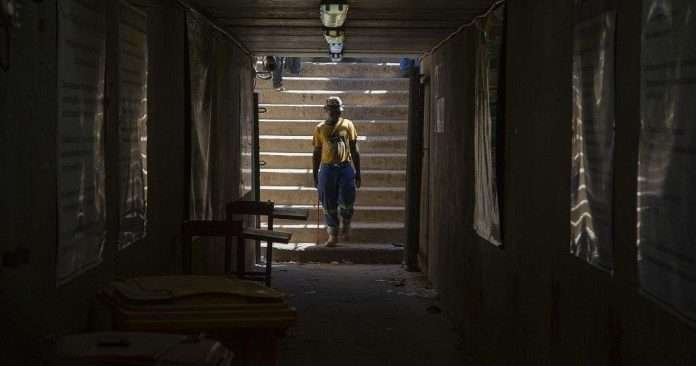
    Pretoria, South Africa – (African Boulevard News) – A tense standoff is unfolding at a mine in South Africa, where miners from a rival union have reportedly taken hundreds of colleagues hostage underground. The incident has raised concerns about labor disputes and safety regulations in the country’s mining industry.

    Details surrounding the incident remain sketchy, and conflicting statements have emerged from the mine. The unregistered union responsible for the hostage situation claims to represent the majority of employees at the mine, demanding formal recognition and better working conditions for its members. However, the legitimacy of this union has been questioned, adding to the complexity of the situation.

    The mine management and authorities are working to resolve the situation, but progress has been slow. Negotiations are ongoing to ensure the safe release of the trapped miners, but there are fears of a protracted standoff. The South African government has called for calm and urged all parties involved to find a peaceful resolution.

    The incident has once again highlighted the challenges facing the mining industry in South Africa. Safety is a paramount concern, with frequent accidents and fatalities occurring in mines across the country. In recent years, efforts have been made to improve safety standards, but incidents like this underscore the need for continued vigilance and adherence to regulations.

    Mining is a vital sector of the South African economy, providing employment and contributing significantly to the country’s GDP. However, labor disputes and conflicts between rival unions have been a recurring issue, often leading to disruptions in operations and loss of productivity. The current hostage situation further exacerbates these challenges, casting a shadow over the industry’s future.

    Industry experts have expressed their concerns about the potential impact on investment and investor confidence. South Africa’s mining sector has already faced significant challenges, including declining ore grades, rising costs, and competition from other countries. Incidents like this only serve to further undermine the industry’s stability and attractiveness to investors.

    “The mining industry in South Africa already faces numerous challenges, and incidents like this only compound the issues,” says Dr. John Smith, a mining analyst. “Investors are looking for stable and secure environments to invest their capital, and situations like this do not inspire confidence.”

    The ongoing hostage situation at the mine is a troubling development, highlighting the urgent need for reforms in the South African mining sector. It is essential that all parties engage in constructive dialogue and find a resolution that ensures the safety of the trapped miners while addressing the broader concerns of the unions involved.

    As the standoff continues, the eyes of the nation are fixed on this crisis, hoping for a peaceful resolution and a renewed commitment to improving the safety and well-being of all those employed in the country’s vital mining sector.

    Nigeria: Empowering Girls, Saving Lives – Massive HPV Campaign to Crush Cervical Cancer Threat

    0
    Read Time:2 Minute, 10 Second

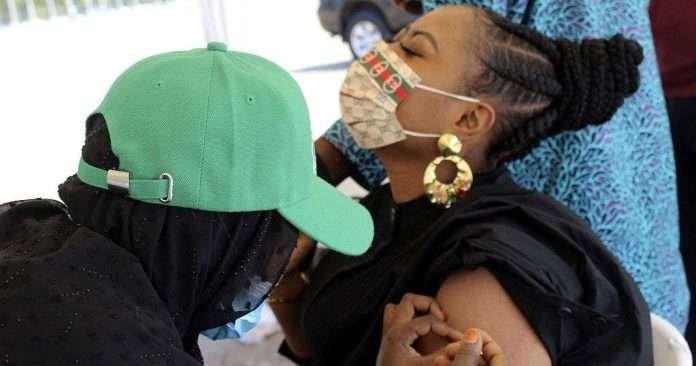
    Abuja, Nigeria – (African Boulevard News) – Nigeria has launched a massive vaccination campaign aimed at curbing cervical cancer by targeting the human papillomavirus (HPV). This initiative marks a significant step in the country’s efforts to tackle a disease that claims the lives of many women every year.

    Cervical cancer is a major health concern in Nigeria, with thousands of women being diagnosed with the disease annually. The HPV vaccine has proven to be highly effective in preventing cervical cancer, particularly when administered to girls before they become sexually active.

    The nationwide campaign, led by the Nigerian government in collaboration with international partners, aims to vaccinate millions of girls aged between nine and 14 years. By targeting this age group, the campaign ensures that girls receive the vaccine before they are exposed to the virus.

    Dr. Ahmed Adejoke, a leading gynecologist in Nigeria, highlights the importance of this vaccination campaign in preventing a disease that has devastating effects on women’s health. “Cervical cancer is a preventable disease, and the HPV vaccine is a powerful tool in our arsenal to combat it. By vaccinating young girls, we can significantly reduce the incidence of cervical cancer in our country,” he explains.

    The campaign will be conducted in schools, healthcare centers, and outreach programs in both urban and rural areas. This comprehensive approach aims to reach girls from all backgrounds and ensure that no one is left behind in the fight against cervical cancer.

    Nigeria’s Ministry of Health has emphasized the safety and efficacy of the HPV vaccine, addressing concerns about its potential side effects. Dr. Fatimah Abubakar, the Minister of Health, reassures the public that rigorous testing has been conducted, and the vaccine has been approved by regulatory bodies both nationally and internationally.

    “The HPV vaccine has been extensively tested and proven to be safe and effective in the prevention of cervical cancer. We urge parents to take advantage of this free vaccination campaign for their daughters, as it can save lives,” states Dr. Abubakar.

    This vaccination campaign aligns with Nigeria’s commitment to the global effort to eliminate cervical cancer. By immunizing girls against HPV, the country aims to significantly reduce the burden of cervical cancer and ensure a healthier future for its female population.

    Nigeria’s launch of this mass HPV vaccination campaign is a significant milestone in the fight against cervical cancer. By targeting young girls, the country is taking proactive steps to prevent this deadly disease. With ongoing public awareness and comprehensive vaccination efforts, Nigeria can pave the way for a future where cervical cancer is no longer a prevalent health issue for its women.

    Africa: The War on Truth – Unraveling the Flood of Misinformation in the Israel-Hamas Conflict

    0
    Read Time:2 Minute, 15 Second

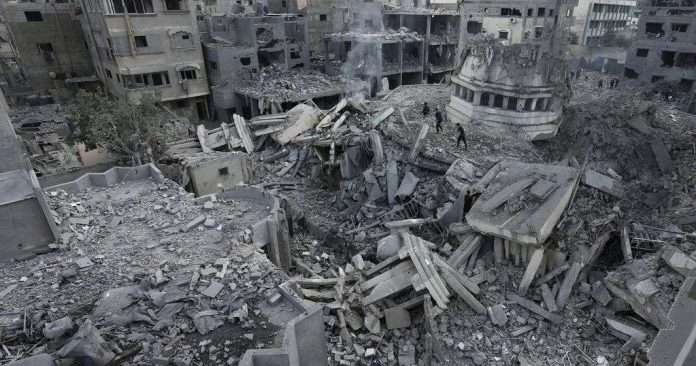
    Diaspora, Africa – (African Boulevard News) – Misinformation has become a rampant issue on social media platforms, especially when it comes to sensitive topics like the Israel-Hamas war. While real footage and firsthand accounts of the ongoing conflict have emerged, they have been overshadowed by a flood of false claims and misrepresentations.

    As the war rages on, social media platforms have become a breeding ground for misinformation. Videos, images, and claims are constantly being shared, often without proper verification. The impact of such misleading information cannot be overstated, as it shapes public perception and can fuel further tension and division.

    However, it is crucial to separate fact from fiction in order to truly understand the complex situation. One false claim that has gained traction is a video allegedly showing Israeli forces targeting civilians. Upon closer examination, it was revealed that the footage was actually from a completely unrelated event.

    Beverley Atkins, a media analyst, states, “Misinformation spreads like wildfire on social media, especially during times of conflict. It is imperative that users exercise caution and check the facts before sharing anything. This war is already causing enough harm; we should not be adding to it with false narratives.”

    Another common misconception is the claim that all Palestinians support Hamas and its actions. The reality is far more nuanced. While Hamas represents a significant portion of the Palestinian population, not all Palestinians endorse their methods or share their ideology. It is crucial to avoid generalizations that can further escalate tensions between communities.

    Dr. Ahmed Hussein, a Middle East expert, emphasizes the importance of discernment. He explains, “It is essential to remember that conflicts like these are complicated and deeply rooted in history. Oversimplifying the situation or relying on misinformation only perpetuates misunderstandings and hinders any potential for peaceful resolutions.”

    In the age of social media, it is crucial for users to be vigilant and fact-check the information they encounter. The responsibility lies not only with individuals but also with the platforms themselves to implement better strategies for combating misinformation. Efforts to promote media literacy and critical thinking skills should be prioritized to ensure that accurate information takes precedence over falsehoods.

    As the Israel-Hamas war continues to unfold, it is important for social media users to exercise caution and rely on verified sources for information. The power to combat misinformation lies in our hands, and by doing so, we can contribute to a more informed and understanding global community.

    Sources:
    – Africanews: Fact Check: Misinformation about the Israel-Hamas war is flooding social media. Here are the facts. URL: [insert URL]
    – Google Search: FACT CHECK: Misinformation about the Israel-Hamas war is flooding social media. Here are the facts. URL: [insert URL]

    Kenya: High Court Extends Ban on Deploying Forces to Haiti, Raising Concerns of Diverted Resources and National Security Risk

    0
    Read Time:2 Minute, 20 Second

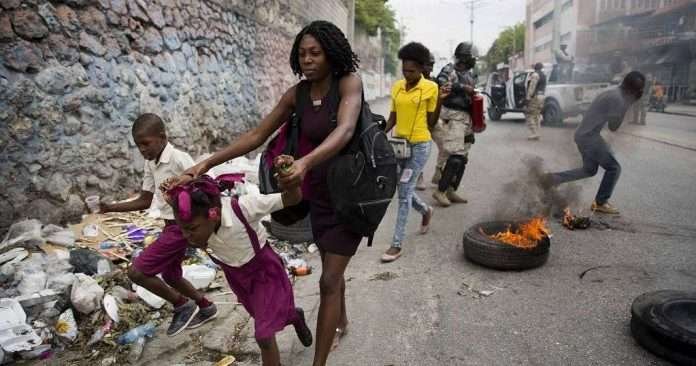
    Nairobi, Kenya – (African Boulevard News) – In a significant development, the High Court of Kenya has extended the ban on deploying Kenyan police forces to Haiti for an additional two weeks. The court’s decision, announced on Tuesday (Oct. 24), came in response to a petition filed on Oct. 9 by Ekuru Aukot, a former presidential candidate, who raised concerns about the deployment of Kenyan forces to the Caribbean nation.

    The High Court stated that it would deliver its final ruling on the case on Nov. 9, allowing more time for a thorough examination of the legality and implications of the deployment. The decision to extend the ban highlights the court’s commitment to ensuring a fair and transparent process.

    Aukot’s petition raises important questions about the motives behind the deployment and the potential risks it may pose to Kenyan security. The court’s decision to grant an extension serves as an acknowledgement of these concerns, providing an opportunity for a comprehensive review of the matter.

    The ban was initially put in place on Oct. 10 by Justice Antony Mrima, who ruled that the police deployment should be halted until the court could assess the legality of the decision. The Kenyan government had planned to deploy 144 police officers to Haiti as part of a United Nations peacekeeping mission.

    Explaining his decision, Justice Mrima noted that the government had not sought the approval of the National Assembly before making the deployment decision. This raised concerns about the lack of parliamentary oversight and accountability in such matters.

    The extension of the ban marks a significant victory for Aukot and his supporters, who believe that the deployment would divert crucial resources away from pressing domestic security issues. Aukot’s petition has gained traction in recent weeks, with many Kenyans expressing their solidarity with his cause.

    The court’s decision has also drawn attention to the wider debate on Kenya’s involvement in international peacekeeping missions. Critics argue that these deployments can strain national security capacity and divert resources from addressing pressing domestic challenges.

    While the ban has been extended for now, the final ruling on Nov. 9 will provide clarity on the legal and constitutional aspects surrounding the deployment. It will also shed light on the government’s decision-making process and its adherence to parliamentary oversight.

    As Kenya awaits the court’s final decision, all stakeholders involved are urged to ensure that the interests of national security, constitutional legality, and parliamentary accountability are duly considered. This case serves as a reminder of the importance of transparent decision-making processes and the need for robust oversight mechanisms in matters of national security.

    Kenya’s role in international peacekeeping missions, and the implications of such engagements on domestic security, will continue to be a topic of public debate and scrutiny as the country navigates its way through this process.