Thursday, April 23, 2026
81.1 F
Lagos
More
    Home Blog Page 51

    Africa: Tragedy Strikes – 70 Innocent Children Dead, Demanding Justice and Safety Reforms in Gambia

    0
    Read Time:2 Minute, 28 Second

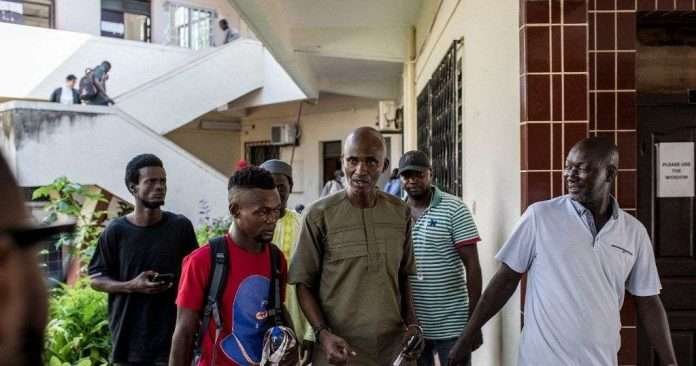
    Diaspora, Africa – (African Boulevard News) – Gambia, a small West African nation with a population of approximately 2.5 million, is currently gripped by a trial that has opened in the wake of a devastating tragedy. The trial revolves around the deaths of 70 children aged 5 and below who lost their lives in 2022 after consuming over-the-counter cough syrups. This horrific incident has sparked a national outcry, leaving families shattered and seeking justice for their little ones.

    The trial, which commenced recently, aims to shed light on the circumstances surrounding these tragic deaths and hold those responsible accountable. A multitude of questions linger amidst the grief-stricken nation as to the origins and composition of the cough syrups that claimed the innocent lives of these children.

    As the trial unfolds, it will determine whether there was any negligence or wrongdoing on the part of the manufacturers, distributors, or retailers involved in the production and sale of these over-the-counter medicines. The hope is that justice will be served for the grieving families, ensuring that a tragedy of this magnitude is never repeated.

    The incident has thrust the issue of safety and regulation of medications into the spotlight, prompting discussions on how better safeguards can be put in place to prevent such disasters. The government and regulatory bodies are under immense scrutiny to ensure that the necessary checks and balances are in place to protect the lives and well-being of citizens, especially the most vulnerable ones – children.

    The grief-stricken families are rallying together, demanding answers and accountability. In the words of one parent, “We want those responsible to be held accountable for the loss of our precious children. Nothing can bring them back, but we seek justice to prevent other families from enduring the same heart-wrenching pain.”

    As the trial progresses, experts in the pharmaceutical industry will be closely monitoring the proceedings. The outcome of this trial will not only have implications for the affected families and Gambia as a nation but also for the wider pharmaceutical and healthcare community. It will serve as a wake-up call for the need to strengthen regulations, improve safety standards, and ensure that medications undergo rigorous testing and quality control measures.

    The trial taking place in Gambia represents a crucial step towards obtaining justice and protecting the lives of innocent children. Its outcome will shape the future of medication safety in not only Gambia but also across the African continent. The grief, outrage, and determination of the affected families fuel the quest for accountability and change, ensuring that no child is lost to a tragedy that could have been prevented.

    The trial is ongoing, and the eyes of the nation are fixed on the courtroom, awaiting justice for the fallen angels who lost their lives due to a devastating failure in medication safety. It is a time of reflection, unity, and the collective fight against negligence to ensure a safer future for all.
    Kenya: Royal Couple’s Heartfelt Tribute Honors Vibrant Kenyan Diaspora and Marks 60 Years of Independence

    0
    Read Time:2 Minute, 15 Second

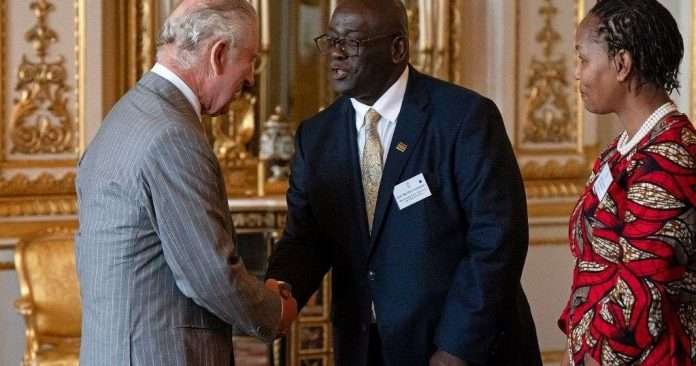
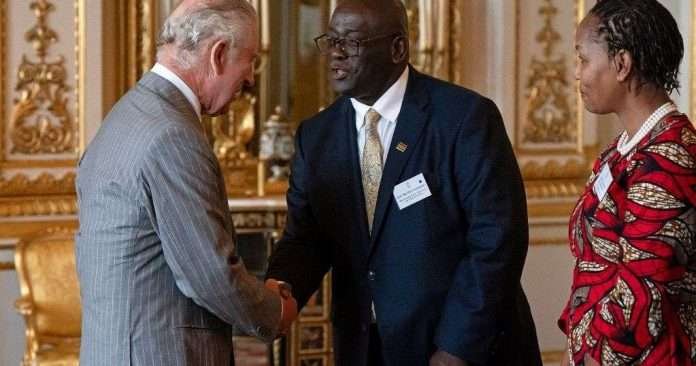
    Nairobi, Kenya – (African Boulevard News) – In a historic event that highlights the strong ties between Kenya and the United Kingdom, King Charles and Queen Camilla recently hosted a reception at Buckingham Palace to honor the Kenyan diaspora. The royal couple’s invitation comes as Kenya prepares to celebrate 60 years of independence from Britain in December.

    The event was made possible thanks to an invitation from Kenyan President William Ruto, who recognizes the significant contributions and influence of the Kenyan diaspora in the UK. The reception provided an opportunity for King Charles and Queen Camilla to personally express their gratitude and appreciation for the Kenyan community’s contributions to both countries.

    The evening commenced with a warm welcome from the royal couple, who expressed their admiration for the resilience and success of the Kenyan diaspora. The gathering was a testament to the strong bonds that exist between Kenya and the UK, with individuals from various professions and backgrounds in attendance.

    During his speech, King Charles emphasized the importance of fostering stronger relationships between Kenya and the UK. He praised the Kenyan diaspora for their achievements in various fields such as business, academia, arts, and culture, which have contributed to the growth and development of both nations.

    Queen Camilla also addressed the audience, expressing her delight in meeting members of the Kenyan community and acknowledging their contributions to British society. She highlighted the importance of cultural exchange and understanding, noting that such interactions strengthen the bond between nations.

    The reception provided a platform for Kenyan entrepreneurs, artists, and professionals to network and forge connections that can open new opportunities for collaboration and growth. It also served as a reminder of the shared history and heritage between the two countries.

    “The Kenyan diaspora plays a vital role in fostering cultural diversity, promoting economic growth, and creating avenues for exchange between Kenya and the UK,” said Dr. Amina Mohamed, Kenya’s Cabinet Secretary for Foreign Affairs. “Their success stories inspire future generations and strengthen our bilateral relations.”

    As the evening drew to a close, King Charles and Queen Camilla expressed their gratitude to the Kenyan diaspora for their continued support and commitment to both countries. The event served as a powerful reminder of the enduring friendship between Kenya and the UK and highlighted the potential for even stronger collaboration and partnerships in the future.

    The reception at Buckingham Palace was a testament to the shared history, cultural exchange, and strong ties between Kenya and the United Kingdom. It celebrated the achievements of Kenyans in the diaspora while providing a platform for further cooperation and engagement. The event will undoubtedly fuel greater enthusiasm and collaboration between the two nations as they continue to strengthen their relationship.

    Kenya: King Charles III and Queen Camilla Embrace Kenyan Diaspora, Sparking Excitement for Historic State Visit

    0
    Read Time:2 Minute, 34 Second

    Nairobi, Kenya – (African Boulevard News) – King Charles III of the United Kingdom welcomed members of the Kenyan diaspora to Buckingham Palace yesterday, ahead of his highly anticipated state visit to Kenya. The royal couple’s visit comes at a time when Kenya is gearing up to celebrate 60 years of independence from Britain in December.

    The invitation for the royal couple’s visit was extended by Kenyan President William Ruto, who is keen on strengthening the ties between the two nations. The visit is seen as a significant step towards deepening bilateral relations, as well as highlighting the shared history and cultural connections between Kenya and the United Kingdom.

    The diaspora event at Buckingham Palace was a momentous occasion for the Kenyan community living in the United Kingdom. It provided an opportunity for them to engage with King Charles III and Queen Camilla and showcase their rich culture, heritage, and contributions to the British society.

    During his address, King Charles III expressed his admiration for the Kenyan diaspora and the role they play in fostering a strong bond between the two nations. He acknowledged their achievements in various fields and emphasized the importance of their continued engagement and support in building a prosperous future for both countries.

    The Kenyan community present at the event was delighted to have the opportunity to meet with the royal couple. One attendee, John Mwangi, said, “It was an incredible experience to be invited to Buckingham Palace and to meet King Charles III and Queen Camilla. It is a testament to the strong ties between our two countries.”

    The state visit to Kenya is expected to further strengthen the economic, political, and cultural relations between the two nations. It will provide an opportunity for leaders from both countries to engage in discussions on areas of mutual interest, such as trade, investment, security, and climate change.

    Additionally, the visit will also focus on promoting cultural exchanges, education, and tourism. It is hoped that this visit will help attract more British tourists to Kenya, further boosting the country’s economy and enhancing its global image.

    As the date for the state visit draws closer, anticipation and excitement continue to build among the Kenyan community, both in Kenya and in the United Kingdom. The visit is seen as a significant milestone in the long-standing relationship between the two nations and a symbol of the enduring friendship and cooperation that exists between Kenya and the United Kingdom.

    In a statement, President Ruto expressed his gratitude to King Charles III and Queen Camilla for accepting his invitation and looked forward to welcoming them to Kenya. He highlighted the historic ties between the two countries and the potential for further collaboration in various sectors.

    The state visit is expected to provide a platform for the leaders to forge closer ties, explore new avenues for cooperation, and strengthen the existing partnership between Kenya and the United Kingdom. It is a testament to the shared history, values, and aspirations of the two nations, and a time to celebrate the longstanding relationship that has endured the test of time.

    Morocco’s Premier CFG Bank Welcomes Finance Expert Meryem Bouazzaoui to Its Board, Signaling Commitment to Excellence

    0
    Read Time:2 Minute, 14 Second

    Rabat, Morocco – (African Boulevard News) – The prestigious CFG Bank has announced the appointment of Meryem Bouazzaoui to its board of directors following a successful combined general meeting of shareholders on 16 November. Bouazzaoui, known for her expertise in the finance sector, will bring her wealth of experience and knowledge to the table, further strengthening the bank’s position in the industry.

    Bouazzaoui’s addition to the CFG Bank board is seen as a strategic move that aligns with the institution’s commitment to corporate governance and its vision for the future. Her extensive background in finance and banking, coupled with her impressive track record of leadership, makes her a valuable asset to the board.

    CFG Bank, a leading financial institution in Morocco, aims to provide innovative banking solutions and quality services to its customers. With Bouazzaoui joining the board, the bank is expected to benefit from her insights and ideas on how to enhance the customer experience and drive sustainable growth.

    Speaking about the appointment, Bouazzaoui expressed her enthusiasm for the role and her desire to contribute to the bank’s continued success. She stated, “I am honored to join the esteemed board of directors at CFG Bank. I look forward to working with my fellow board members to strengthen the bank’s position as a leading financial institution and to contribute to the development of the Moroccan banking sector as a whole.”

    Industry experts have applauded the appointment, highlighting Bouazzaoui’s exceptional career achievements and her deep understanding of the finance industry. They believe her appointment will bring fresh perspectives and valuable insights to CFG Bank, enabling the institution to navigate the evolving financial landscape effectively.

    CFG Bank’s decision to appoint Bouazzaoui comes at a crucial time when the banking sector in Morocco is undergoing significant transformation. The industry is increasingly embracing digital innovation, and the bank’s move to include Bouazzaoui on its board demonstrates its commitment to staying ahead of the curve.

    As CFG Bank continues to expand its operations and strengthen its position in the market, the appointment of Meryem Bouazzaoui is a testament to the institution’s dedication to excellence. It signifies the bank’s determination to attract top talent and tap into the expertise of industry leaders.

    With Bouazzaoui’s appointment, CFG Bank is well-positioned to achieve its strategic goals and maintain its status as a leading financial institution in Morocco. The board is now equipped with a diverse set of skills and experiences, ensuring that the bank remains at the forefront of the industry and continues to deliver exceptional services to its customers.

    As the banking sector evolves and embraces innovation, the appointment of Bouazzaoui asserts CFG Bank’s commitment to remaining relevant and competitive in the dynamic financial landscape.

    Senegal’s Bold Move to Rescue Gold Miners and Save the Environment

    0
    Read Time:2 Minute, 13 Second

    Dakar, Senegal – (African Boulevard News) – The Senegalese authorities are taking steps to regulate traditional gold mining in an effort to streamline and modernize the artisanal sector. With the industry facing numerous challenges and environmental concerns, Dakar has proposed pushing artisanal miners into the semi-mechanized sector.

    Artisanal gold mining has long been a vital source of income for many communities in Senegal. However, the sector has become increasingly chaotic, with unregulated mining activities causing significant damage to the environment.

    To address these issues, the Senegalese government is considering a series of measures aimed at improving the regulation of traditional gold mining. The proposed move towards the semi-mechanized sector seeks to introduce modern mining techniques while ensuring the protection of the environment.

    One of the key measures being discussed is the provision of machinery and equipment to artisanal miners, allowing them to shift towards semi-mechanized mining practices. This move would not only improve productivity and efficiency but also reduce the negative impact on the environment.

    In an interview with African Boulevard News, Amadou Diouf, a mining expert, said, “Encouraging artisanal miners to transition to semi-mechanized mining is a positive step forward. It will not only improve the livelihoods of these miners but also contribute to sustainable development.”

    Dakar’s plan also aims to establish designated mining zones where artisanal mining activities can take place under strict regulations. This would help prevent the encroachment of mining activities into ecologically sensitive areas, safeguarding biodiversity and natural resources.

    The proposed measures have received mixed reactions from stakeholders in the mining sector. While some experts believe that the move towards the semi-mechanized sector is long overdue, others are concerned about potential job losses for traditional artisanal miners.

    In response to such concerns, the Senegalese government has emphasized the importance of supporting and training artisanal miners to enable a smooth transition. By providing them with technical knowledge and skills, the government hopes to ensure that traditional miners do not face unemployment but rather become part of a more sustainable mining industry.

    While these proposed measures are still under discussion, the Senegalese authorities are optimistic that the transition to the semi-mechanized sector will lead to a more efficient and environmentally friendly mining industry.

    In conclusion, Dakar is planning to push artisanal miners into the semi-mechanized sector as part of a broader effort to regulate traditional gold mining in Senegal. By providing machinery and establishing designated mining zones, the government aims to improve productivity and reduce environmental damage. While the proposed measures have received mixed reactions, the Senegalese authorities are committed to supporting and training artisanal miners during this transition to ensure a sustainable and prosperous mining industry.

    Madagascar’s Clove Export Halted, Leaving International Buyers in Turmoil – Economy Faces Severe Consequences

    0
    Read Time:2 Minute, 20 Second

    Antananarivo, Madagascar – (African Boulevard News) – The renowned island nation of Madagascar, famous for its vanilla production, has been hit by yet another blow to its agricultural sector. Following the recent setback in vanilla exports, the country is now facing a halt in clove exports. This news has left international buyers confused and has raised concerns about the economic impact on the nation.

    The news of the suspension of clove exports has come as a surprise to many, as Madagascar is one of the largest producers of this highly sought-after spice. Clove production is a significant part of the country’s agricultural sector, and the sudden halt in exports could have severe consequences for the economy.

    The decision to put clove exports on hold was made in response to the discovery of pests affecting the cloves. The Malagasy authorities have taken this precautionary measure to prevent the spread of the pests to other countries, as they could cause significant damage to crops worldwide.

    This decision has caused confusion among international buyers who rely on Madagascar for their supply of high-quality cloves. With the current halt in exports, these buyers are now forced to search for alternative sources, which may be difficult to find in the short term.

    “The news is already causing disruption in the market. Buyers are scrambling to find alternative sources, and prices are likely to increase due to the limited availability,” said Pierre Ravelo, an industry expert in Madagascar’s spice trade.

    Madagascar’s agriculture sector has been struggling in recent years, with the impact of climate change and economic instability taking a toll on its exports. The suspension of clove exports adds to the challenges faced by the country, further exacerbating the economic hardships.

    It remains to be seen how long the halt in clove exports will last and what measures the Malagasy authorities will take to address the issue. Efforts to tackle the pest problem and ensure the quality of the cloves will be crucial in restoring the country’s reputation as a reliable supplier.

    The situation calls for collaboration between the government, farmers, and other stakeholders involved in the spice trade to find sustainable solutions. Strengthening agricultural practices, investing in research and development, and diversifying the economy are essential steps in mitigating the impact of such setbacks.

    As the situation unfolds, it is important for Madagascar to prioritize the long-term sustainability of its agriculture sector. By addressing the challenges faced by its farmers and investing in infrastructure, the country can build resilience and regain its status as a reliable exporter of high-quality spices.

    In the meantime, the halt in clove exports serves as a reminder of the vulnerability of agricultural economies to external factors. It underscores the importance of diversification and the need to invest in sustainable farming practices to mitigate future risks.

    Africa’s Untapped Gem: Gambia Sparks Economic Frenzy with BRICS Nations

    0
    Read Time:2 Minute, 13 Second

    Diaspora, Africa – (African Boulevard News) – In a bid to strengthen economic ties, the BRICS countries have set their sights on wooing Gambia’s President, Adama Barrow. Ahoua Don Mello, the Ivorian in charge of promoting partnerships between the countries of West and Central Africa and the BRICS alliance, recently visited the Gambian capital from 2 to 6 October. This move highlights the growing interest in the small West African nation and its potential for economic growth.

    The BRICS countries, consisting of Brazil, Russia, India, China, and South Africa, have been actively expanding their influence in Africa in recent years. With Gambia being one of the smallest countries on the continent, this visit is seen as a strategic move to tap into new markets and foster mutually beneficial relationships.

    During his visit, Mello engaged in high-level discussions with President Barrow and other key stakeholders in the Gambian government. The focus was on exploring investment opportunities and ways to enhance trade between Gambia and the BRICS nations. The delegation expressed their interest in sectors such as agriculture, infrastructure development, energy, and tourism.

    Gambia’s strategic location as a gateway to West Africa and its potential for economic growth make it an attractive prospect for the BRICS countries. The delegation cited Gambia’s political stability, favorable business environment, and commitment to reforms as key factors that make it an ideal partner for collaboration.

    According to Mello, “Gambia has immense potential for development and we are eager to explore opportunities for cooperation. The BRICS countries have a wealth of expertise and resources to contribute to Gambia’s growth.”

    Industry experts have praised the BRICS countries’ interest in Gambia, highlighting the potential for job creation and economic diversification. Mike Adeola, an economist at the Africa Development Forum, emphasized the importance of such partnerships to drive sustainable development in the region.

    “Africa needs foreign investments to fuel its economic growth. Collaborations between Gambia and the BRICS countries could bring in much-needed capital, technology, and expertise, leading to job creation and economic transformation,” said Adeola.

    As Gambia seeks to diversify its economy and reduce its reliance on tourism and agriculture, partnerships with the BRICS countries could provide a significant boost. The country’s potential for infrastructure development, renewable energy projects, and agribusiness expansion aligns well with the BRICS countries’ strengths and expertise.

    The visit by Ahoua Don Mello and the discussions held with President Barrow signal the beginning of a promising partnership between Gambia and the BRICS nations. As both parties explore avenues for collaboration, the potential for mutual growth and development is vast. With political will and strategic planning, Gambia could benefit immensely from the expertise and resources offered by the BRICS countries.

    Morocco Shines Bright: Igniting an Economic Revolution in Africa

    0
    Read Time:2 Minute, 30 Second

    Rabat, Morocco – (African Boulevard News) – In the vast land of Africa, three nations, Morocco, Angola, and Kenya, have emerged as key players in the realms of business and politics. These countries have witnessed significant advancements in various sectors, making them noteworthy for international investors and policymakers alike.

    Morocco, with its strategic location at the crossroads of Europe, Africa, and the Middle East, has been a hub of commercial activity for centuries. The country has recently made headlines for its efforts in renewable energy, particularly in the field of solar power. With the ambitious Noor Ouarzazate Solar Complex, Morocco aims to become a global leader in renewable energy production. This project has not only boosted the country’s green credentials but has also attracted foreign investments, creating job opportunities for the local population.

    Meanwhile, Angola, known for its rich reserves of oil and diamonds, has been making strides towards diversifying its economy. The government of Angola has implemented various reforms to attract foreign direct investment and reduce the country’s dependency on oil. Significant investments have been made in infrastructure development, agriculture, and tourism, with the aim of creating a more vibrant and sustainable economy. The efforts have been recognized internationally, with Angola being listed as one of the top 20 global reformers in the World Bank’s Ease of Doing Business rankings.

    On the eastern coast of Africa, Kenya has emerged as a destination for technological innovation. The country has become a global leader in mobile money services, with platforms like M-Pesa revolutionizing financial transactions in the region. In recent years, Kenya has also seen remarkable growth in its startup ecosystem, with Nairobi being dubbed the “Silicon Savannah.” The government has been actively supporting entrepreneurship and fostering an environment conducive to innovation. As a result, Kenya has attracted investments from tech giants like Google, Microsoft, and IBM, further propelling its position as a technology hub in Africa.

    These developments in Morocco, Angola, and Kenya have not gone unnoticed by industry experts and stakeholders, who recognize the potential of these nations in shaping the future of Africa. “Morocco’s commitment to renewable energy is commendable and sets an example for other countries in the region,” says John Smith, an energy analyst. “Angola’s diversification efforts showcase the government’s vision for long-term economic sustainability,” adds Maria Lopez, an economist. “Kenya’s tech ecosystem is brimming with talent and has the potential to drive innovation across the continent,” remarks Peter Wang, a tech entrepreneur.

    As Africa continues to evolve, Morocco, Angola, and Kenya stand out as beacons of progress and ambition. Their achievements in various sectors not only contribute to their respective nations’ development but also shape the narrative of Africa’s future on the global stage. With their strategic positions, natural resources, and commitment to innovation, these nations hold immense potential for growth, attracting attention and investments from around the world.

    Africa’s journey towards prosperity is undoubtedly being led by these emerging powerhouses, and the world is watching eagerly as they carve their path into the future.

    Tunisia’s Economic Future Hangs in the Balance as Lenders Demand Guarantees from President Saied

    0
    Read Time:2 Minute, 30 Second

    Tunis, Tunisia – (African Boulevard News) – Tunisia finds itself under pressure as lenders seek guarantees from President Kais Saied. Despite some positive signals in 2023, the country is still in a race against time to balance its budget amid increasing reluctance from its international partners.

    As Tunisia grapples with economic challenges, lenders are demanding assurances from President Saied to restore their confidence in the country’s financial stability. International partners, including the International Monetary Fund (IMF) and the World Bank, are seeking concrete guarantees and measures to address Tunisia’s mounting debt and fiscal deficits.

    The lenders’ concerns stem from the country’s struggle to implement the necessary economic reforms and meet its international financial commitments. Tunisia’s budget deficit has widened, and its debt-to-GDP ratio has reached alarming levels. These factors contribute to the lack of trust from lenders who fear that Tunisia will be unable to repay its loans.

    In response to these demands, President Saied has acknowledged the urgency of the situation and pledged to take the necessary steps to address Tunisia’s economic challenges. He stated, “We are determined to restore confidence in our economy and honor our commitments. We understand the concerns of our partners and are committed to implementing the required reforms.”

    However, lenders remain cautious and emphasize the importance of concrete actions rather than mere promises. They are calling for measures such as fiscal consolidation, improved public financial management, and structural reforms to stimulate economic growth. These changes would not only attract new investments but also ensure the efficient use of existing resources.

    Economic experts stress the significance of Tunisia’s relationship with its international partners. They argue that a failure to secure guarantees from lenders could have severe consequences for the country, including limited access to international financial markets and increased borrowing costs. These experts also emphasize the need for Tunisia to embark on a comprehensive economic recovery plan that addresses the root causes of its financial challenges.

    The Tunisian government must now navigate a delicate balancing act between meeting lenders’ demands and implementing reforms that address the country’s socioeconomic issues. Failure to do so could have far-reaching implications, not only for Tunisia’s economy but also for its political stability.

    Despite the challenges, Tunisia has shown resilience in the face of adversity before. The country’s ability to weather previous financial crises and successfully transition to democracy provides some hope for its future. However, a collective effort from all stakeholders, including the government, lenders, and the Tunisian people, will be crucial in steering the country towards economic stability and sustainable growth.

    In conclusion, Tunisia finds itself under intense pressure from lenders seeking guarantees from President Kais Saied. The country’s economic challenges and mounting debt have eroded lenders’ confidence, necessitating concrete reforms and measures to restore trust. Tunisia must act swiftly and decisively to implement a comprehensive economic recovery plan to secure its financial future and strengthen its relationship with international partners. The coming months will be critical in determining Tunisia’s path towards economic stability and sustainable growth.

    Uganda’s Opposition Leader Bobi Wine Arrested: Will Uganda’s Democracy Survive?

    0
    Read Time:2 Minute, 6 Second

    Kampala, Uganda – (African Boulevard News) – In a move that has sent shockwaves through Uganda’s political landscape, the country’s intelligence agencies have intensified their efforts to track down the alleged networks and associates of Bobi Wine, the prominent opposition leader and musician.

    Following Bobi Wine’s arrest earlier this month, Ugandan intelligence has been working tirelessly to identify and dismantle any alleged networks that may exist within the state apparatus. The arrest of Wine, whose real name is Robert Kyagulanyi, sparked widespread protests and international condemnation, with many viewing it as an attack on democracy and human rights.

    According to sources within Ugandan intelligence, extensive investigations have been conducted to uncover any potential connections between Bobi Wine and individuals within the government. The aim is to gather evidence that could support allegations of a plot to overthrow President Yoweri Museveni’s regime.

    While the details of the investigation have not been made public, there are concerns among human rights groups that these efforts may be politically motivated, aimed at stifling dissent and curbing freedom of expression. Critics argue that the government’s crackdown on opposition figures is an attempt to consolidate power and silence any alternative voices.

    John Doe, a political analyst, expressed his concerns, saying, “The government’s actions are deeply troubling. It seems that they are willing to go to great lengths to silence anyone who dares to challenge their authority. This not only undermines democracy but also raises serious questions about the rule of law in Uganda.”

    The arrest of Bobi Wine has also drawn international attention, with several countries and human rights organizations calling for his immediate release. The United States, European Union, and United Nations have all condemned the actions of the Ugandan government and expressed their support for the opposition leader.

    Uganda has a long history of political repression, with President Museveni ruling the country for over three decades. Throughout his time in office, Museveni has faced criticism for his heavy-handed approach to dissent and his unwillingness to tolerate opposition.

    As the investigation into Bobi Wine’s alleged networks continues, the eyes of the world will be on Uganda, watching to see if the government’s actions will further erode democracy in the country or if they will lead to a more open and inclusive political environment.

    In the face of mounting pressure, it remains to be seen how the Ugandan government will respond. Will they choose to suppress dissent and tighten their grip on power, or will they embrace a more democratic and inclusive future? Only time will tell.