Friday, May 1, 2026
78.5 F
Lagos
More
    Home Blog Page 375

    Djibouti: France and Djibouti kick off defense agreement review to secure regional stability

    0
    Read Time:2 Minute, 12 Second

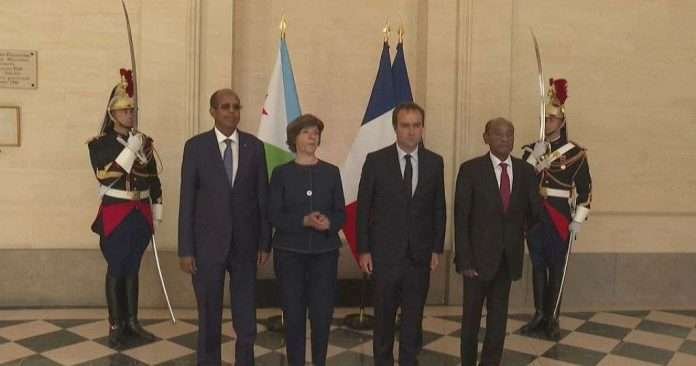
    Djibouti, Djibouti – (African Boulevard News) – Djibouti and France have officially launched a review of their defense agreement, which was first signed in 2011. This agreement has enabled France to maintain its largest overseas military base in Djibouti, making it a strategic location for both countries.

    The review follows recent discussions between French President Emmanuel Macron and Djiboutian President Ismail Omar Guelleh, who both agreed on the need to evaluate the agreement to ensure it meets the current needs of both countries.

    An island of stability in a troubled region, Djibouti is strategically located in the Horn of Africa, bordering Eritrea, Ethiopia, and Somalia. The country’s importance as a strategic base for France cannot be overstated, as it helps to secure French interests in the region.

    According to the French embassy in Djibouti, the review will cover a wide range of issues, including the scope and objectives of the French military presence in the country, the deployment of French troops, and the cooperation between French and Djiboutian forces.

    The review will also consider the economic and social impacts of the French military presence in Djibouti, which has been a source of controversy in recent years. Some locals have accused the French military of causing environmental damage, while others have complained about noise pollution from the base.

    Despite these concerns, the French military has played a critical role in promoting regional stability and combating terrorism in the Horn of Africa. French forces have been involved in a number of operations against extremist groups in the region, including al-Shabaab in Somalia.

    Speaking about the review, Djiboutian Defense Minister Hassan Omar Mohamed said: “Our partnership is historic and has weathered many storms. It’s essential we work together to address emerging challenges and maintain our strategic partnership for years to come.”

    The review is expected to take several months, and the outcome will provide a roadmap for future cooperation between France and Djibouti. It will also help to strengthen the bond between the two countries and ensure that Djibouti continues to play a critical role in promoting regional stability in the Horn of Africa.

    In conclusion, the review of the defense agreement between Djibouti and France will provide a roadmap for future cooperation between the two countries and ensure that Djibouti remains a strategic location for France in the Horn of Africa. The review will also address concerns raised by locals about the environmental and social impact of the French military presence in the country. The outcome of the review is expected to strengthen the bond between France and Djibouti and ensure that the two countries continue to work together to promote regional stability.
    Sudan: Mixed Reactions as Darfur Governor Calls for Citizens to Take Up Arms to Defend Property

    0
    Read Time:2 Minute, 19 Second

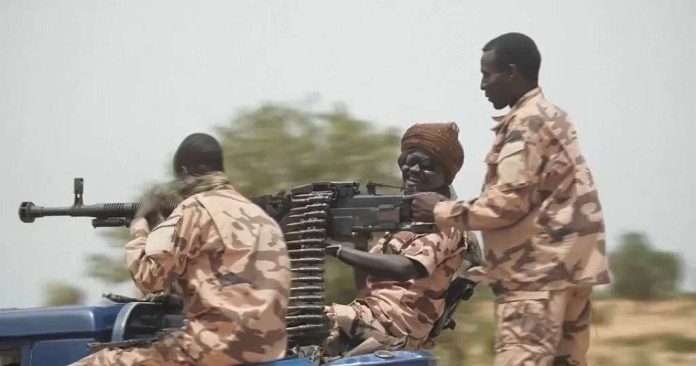
    Khartoum, Sudan – (African Boulevard News) – Sudanese citizens in Nyala, South Darfur’s state capital, have expressed mixed opinions over the recent call-to-arms by Darfur’s pro-army governor, Mini Minawi, to defend their belongings.

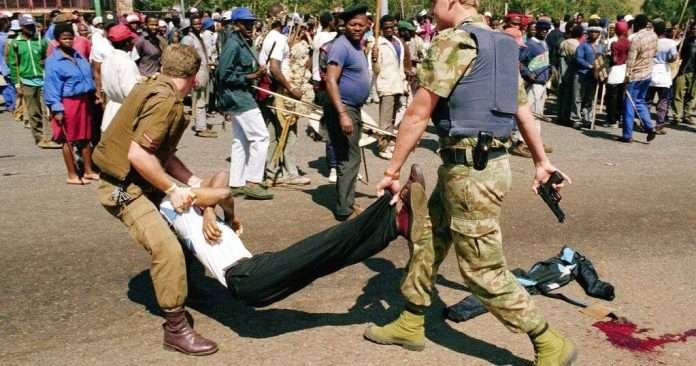
    Minawi, who was also a former Darfur rebel leader, made the call-to-arms during a public rally in Nyala on Friday, stating that citizens should take up arms to defend themselves against bandits and militias ravaging the region. He argued that the security situation in Darfur has been deteriorating, pointing to the recent surge in abduction cases and clashes between farmers and herders.

    While some Sudanese citizens support Minawi’s call-to-arms, others are skeptical, citing that arming civilians may exacerbate the current security situation and lead to more bloodshed. Others fear that the call-to-arms will further aggravate the fragile peace accord brokered by the government and several rebel groups last year.

    Ahmed Ibrahim, a Nyala resident, supports the governor’s proposal, stating that “we have to defend ourselves and our property from the criminal gangs that roam our streets.” However, his fellow resident Aisha Mohammed opposes Minawi’s proposal, stating that “we don’t want to see more weapons in the hands of civilians; this will only lead to more violence and chaos.”

    The United Nations and civil society organizations have also expressed concerns about the call-to-arms, stating that promoting self-defense without proper regulation and oversight could lead to human rights violations, including extrajudicial killings and displacement.

    The UN Secretary-General’s Spokesperson, Stephane Dujarric, has urged the Sudanese authorities to ensure that any initiative to protect civilians is consistent with human rights law and international humanitarian law.

    Meanwhile, the Sudanese government has yet to comment on the matter.

    The situation in Darfur has remained fragile since the 2003 conflict that left thousands dead and millions displaced. While the peace accord has reduced violence in the region, sporadic clashes and kidnappings by bandits and militias have increased in recent months.

    The call-to-arms by Minawi has raised concerns about the future of the peace accord and the security situation in the region. However, it remains to be seen how the Sudanese authorities will address the concerns raised by the citizens and international organizations.

    In conclusion, the call-to-arms by Darfur’s pro-army governor has elicited mixed reactions from the Sudanese citizens, with some supporting the initiative, while others are skeptical. The UN and civil society organizations have also expressed concerns about the potential human rights violations that may arise from promoting self-defense without proper regulation and oversight. The situation in Darfur remains tense, with sporadic clashes and kidnappings by bandits and militias. The call-to-arms may further aggravate the fragile peace accord brokered by the government and several rebel groups last year.

    Zimbabwe: Opposition Leader Vows to Reject Non-Credible Voters’ Roll in Upcoming Elections

    0
    Read Time:1 Minute, 55 Second

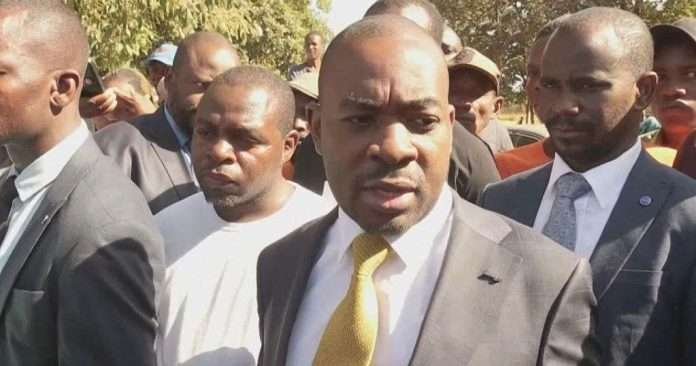
    Harare, Zimbabwe – (African Boulevard News) – Zimbabwe’s opposition leader, Nelson Chamisa, has inspected the voters’ roll ahead of the country’s upcoming elections. The election date is still unconfirmed, but the opposition leader is wasting no time in ensuring that the voters’ roll is credible and inclusive.

    The leader of the Movement for Democratic Change Alliance party inspected the voters’ roll to ensure that individuals who had registered to vote were included and that the roll was free from irregularities. He stated that any voters’ roll that was not credible would not be accepted, and the party would not boycott themselves.

    Chamisa’s move follows allegations of irregularities in previous elections. The 2018 presidential elections were marred by accusations of voter suppression, vote-rigging, and violence against opposition supporters.

    In a recent interview with African News, Chamisa said, “We will not accept a voters’ roll that is not credible. We are not going to boycott the election ourselves. We are the popular choice of the people, so we cannot boycott ourselves. We will only boycott if an election is rigged, and we are not going to be part of a rigged election.”

    Chamisa’s inspection of the voters’ roll has been praised by the Zimbabwe Election Support Network, a non-partisan organization that monitors and supports democracy in Zimbabwe. In a statement, the organization commended Chamisa for taking proactive steps to ensure a credible and transparent electoral process.

    The election is expected to be highly contested, with President Emmerson Mnangagwa seeking re-election, and the opposition party hoping to unseat him. The outcome of the election will have significant implications for Zimbabwe’s future, with the country struggling with a stagnant economy, high unemployment, and a desperate need for foreign investment.

    Chamisa’s inspection of the voters’ roll is an important step towards increasing transparency and accountability in Zimbabwe’s electoral process. It demonstrates the opposition party’s commitment to ensuring that all eligible voters have their voices heard and their votes counted.

    As Zimbabwe prepares for the upcoming elections, it is essential that all stakeholders, including political parties, civil society organizations, and the government, work together to ensure a peaceful, transparent, and fair process. The eyes of the world will be on Zimbabwe, and the outcome of the election will have far-reaching consequences for the future of the country.

    Uganda: Young Baseball Talent Defies Odds, Sets Sights on Major League Dreams

    0
    Read Time:2 Minute, 9 Second

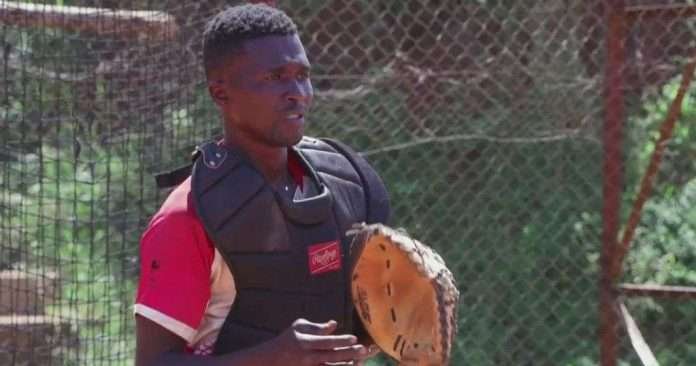
    Kampala, Uganda – (African Boulevard News) – When most people think of baseball, they immediately think of the United States. But now, one Ugandan baseball player is set to make his mark on the Major League Baseball (MLB) scene.

    Meet Joshua Kahindi, a young baseball talent from Uganda who is currently working his way toward the MLB. Despite the fact that baseball is not a popular sport in Uganda, Kahindi has found a way to pursue his passion and make a name for himself in a sport dominated by the Western world.

    Kahindi’s journey to the big leagues began in 2016 when he first started playing baseball at Makerere University. The sport, which is not widely known in Uganda, was introduced to him by a friend who was already playing it.

    “I fell in love with it,” Kahindi said in an interview. “You know when you start something new and then you fall in love with it you never let go. That was basically it. It’s like every other sport is just boring compared to baseball.”

    From there, Kahindi continued to develop his skills and eventually led the Ugandan national baseball team to a victory over Tanzania in 2018. It was this victory that caught the attention of scouts from the MLB.

    At first, Kahindi could not believe it when his coach told him that he would be going to the US to play baseball in the Major League. “I said, ‘Are you lying? I can’t,’” Kahindi recalls. But soon enough, he found himself in a Zoom call with the MLB and the rest, as they say, is history.

    Kahindi is currently working his way through the MLB’s minor league system, playing for the Gulf Coast League Pirates. With every game he plays and every milestone he hits, Kahindi is proving that he has what it takes to succeed in the big leagues.

    Kahindi’s story is proof that talent can be found anywhere in the world, regardless of where you come from. It is also a testament to the power of persistence and hard work.

    As Kahindi himself says, “Dreams can come true if you work hard enough for them.” And for him, the dream of making it to the Major League is steadily becoming a reality.

    In conclusion, Kahindi’s story is an inspiring one that should motivate young people across Africa to pursue their passions and dreams, no matter how unconventional they may seem. The Ugandan baseball player is well on his way to making history, and we can all learn something from his incredible journey.

    Libya: Embassy in Khartoum Attacked and Looted – Violation of International Law Condemned

    0
    Read Time:2 Minute, 3 Second

    Tripoli, Libya – (African Boulevard News) – In a shocking turn of events, the Libyan embassy located in Khartoum has been attacked and looted, according to a statement released by the Libyan Ministry of Foreign Affairs. The embassy staff had already been evacuated due to the ongoing violence in the area.

    The ministry has denounced the assault on the embassy building, stating that it is a clear violation of international law. The incident is currently being investigated by the authorities and is thought to have been carried out by a group of armed men.

    The attack on the Libyan embassy in Khartoum has caused widespread anger and disgust among the Libyan people, who have long been struggling to overcome the challenges facing their country. The incident highlights the fragile state of security in Libya and the need for greater efforts to ensure the safety of its citizens and diplomatic staff abroad.

    According to reports, the attackers were able to gain access to the embassy building and ransack it, destroying valuable property and looting valuable items. The extent of the damage caused by the assault is yet to be fully assessed, but it is clear that the embassy has suffered significant losses.

    The Libyan embassy in Khartoum was established in 1972 and has been playing a vital role in promoting bilateral relations between Libya and Sudan. The attack on the embassy has been widely condemned by the international community, with several countries calling for an immediate investigation into the incident.

    This is not the first time that the Libyan embassy in Khartoum has been targeted. In 2012, the embassy was attacked by protesters who were angry at the role played by Libya in the overthrow of former Sudanese President Omar al-Bashir.

    Reacting to the incident, a senior official at the Libyan Ministry of Foreign Affairs stated that “We strongly condemn this act of aggression and call on the Sudanese authorities to take all necessary measures to bring those responsible to justice. We will work closely with the Sudanese authorities to ensure that this incident is fully investigated and that the perpetrators are brought to justice.”

    The attack on the Libyan embassy in Khartoum is a stark reminder of the challenges facing Libya as it seeks to overcome years of conflict and instability. It is hoped that the authorities will take swift action to ensure the safety of Libyan citizens and diplomatic staff abroad, and prevent such incidents from recurring in the future.

    South Africa: Three Murders Every Hour as Violence Crisis Escalates

    0
    Read Time:2 Minute, 4 Second

    Pretoria, South Africa – (African Boulevard News) – Recent data has revealed alarming statistics of rising murder cases in South Africa. The country is facing an acute crisis of violence, with three murders being committed every hour. Between January and March, there was a 3.4% increase in the number of murders compared to the same period last year, with a total of 6,289 cases recorded.

    The surge in murders has become a major concern for the government, with recent reports showing that South Africa has a murder rate of 35.8 per 100,000 people. The Western Cape continues to struggle with high levels of violence, accounting for nearly 30% of all murders in the country.

    Police Minister, Bheki Cele, has described the situation as “tragic” and “alarming” and has urged South Africans to work together with law enforcement agencies to address the issue. He said, “We cannot ignore the reality that the situation is getting worse. We need the public’s help to curb this appalling violence.”

    The increase in murders is a reflection of the growing sense of lawlessness and desperation among the people. Experts say that poverty, inequality, and unemployment are the major contributors to crime in the country. The government needs to address the root causes of the problem to effectively tackle the issue.

    Community policing forums have been established to create a closer relationship between the police and the public. The forums have been instrumental in reducing crime in some areas, but more needs to be done to create a safer environment for all South Africans.

    Civil society organizations have called for more attention to be paid to domestic violence, which disproportionately affects women and children. Women’s rights activist, Nomzamo Mabaso, says “the government needs to prioritize the safety of women and children by implementing stricter laws and punishments for perpetrators.”

    The situation in South Africa is dire. The rising number of murders is not only a concern for the government but for the public at large. It’s time for all South Africans to come together and work towards a safer and more secure future.

    In conclusion, the rise in murders in South Africa is a growing concern that needs to be addressed urgently. The government needs to tackle the root causes of crime and establish measures to improve safety and security. The public also needs to work closely with law enforcement agencies to curb the violence. By working together, we can create a safer society that benefits all South Africans.

    Africa: Extremist Rebels Kill 17 Innocent Civilians in Eastern Congo, Government Called to Take Action

    0
    Read Time:1 Minute, 49 Second

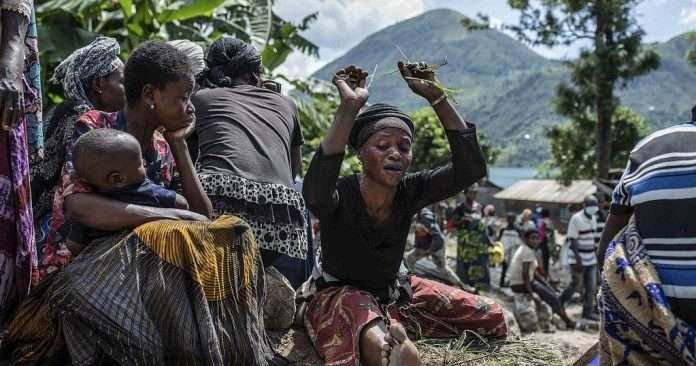
    Diaspora, Africa – (African Boulevard News) – At least 17 civilians were killed over the weekend by extremist rebels in Kainana, in eastern Congo. The Allied Democratic Forces (ADF) group is suspected of carrying out the attacks between Thursday and Friday.

    “We buried 10 bodies on Sunday. The victims are civilians killed by ADF between Thursday and Friday in Kainana. Seven others were found on Monday,” a local official reported.

    The community has been left shocked and grieving, with many questioning why the government has not done more to protect them. The ADF has been carrying out attacks in the region for years, with over 1,000 people killed since November 2019.

    The Congolese army has been conducting military operations against the group, but so far, they have not been successful in completely neutralizing them. The ADF is known for its brutal tactics, including beheadings and attacks on civilians, and has been designated a terrorist organization by the United States.

    “The government needs to do more to protect us. We have lost too many people already,” said one resident.

    In response to the attacks, the United Nations has called for an end to the violence and for the government to prioritize protecting its citizens. “We call on the authorities to reinforce their efforts to ensure the protection of civilians and to bring the perpetrators of these atrocious acts to justice,” a UN spokesperson said.

    The ADF is believed to be responsible for other attacks in the area, including the kidnapping of 120 people in November 2020. The group is said to have ties to the Islamic State, making it a significant threat to stability in the region.

    The government has promised to continue its efforts to neutralize the group, but many are questioning whether more needs to be done to protect civilians. “We cannot continue to live in fear of these attacks. The government must act now,” said another resident.

    As the situation in eastern Congo continues to deteriorate, it is clear that more needs to be done to protect those caught in the crossfire. The international community must also step up and help to bring an end to the violence, before more innocent lives are lost.

    Sudan: Displaced Citizens Struggle to Access Funds as Only Bank Branch Overcrowded and Under-Resourced

    0
    Read Time:1 Minute, 49 Second

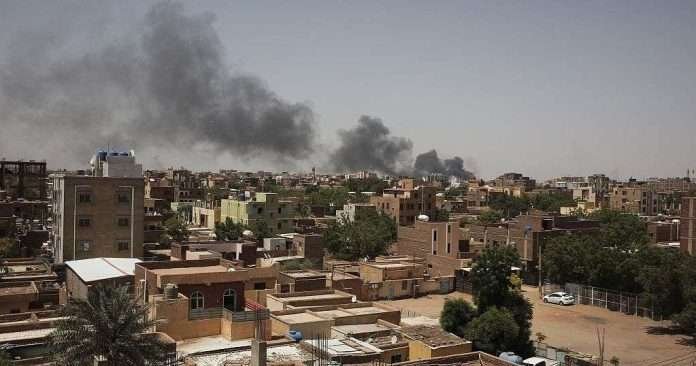
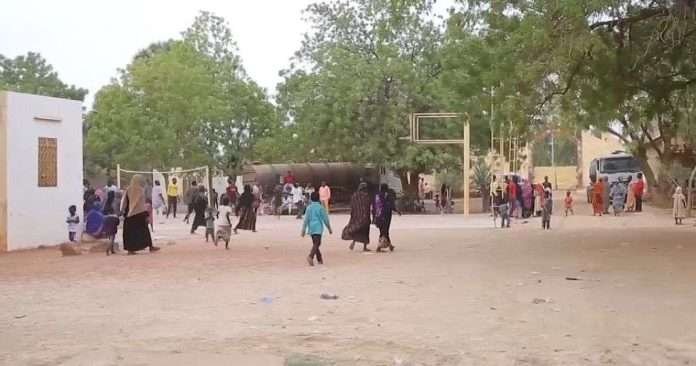
    Khartoum, Sudan – (African Boulevard News) – Displaced citizens in Wad Madani are struggling to withdraw cash from the only bank branch in the town. The situation has left many frustrated and unable to access their funds.

    “I arrived at 6 o’clock and took a number, mine was 106. It’s just now that I have finally been able to withdraw the money. There are tragedies and significant overcrowding, and this is the only branch,” said a resident of Wad Madani.

    The lack of access to cash is further worsening the already difficult living conditions of the displaced people in the region. Many of them rely on cash to buy their basic needs, including food, clothes, and medical supplies.

    The branch, which is the only one in the town, is struggling to cope with the high number of people seeking to withdraw their money. The bank’s management has blamed the situation on the lack of resources and the high demand for cash.

    “The situation is dire, and we are doing everything we can to address it. However, we are facing significant challenges, including lack of resources and the high demand for cash,” said a representative of the bank.

    The situation has resulted in significant overcrowding, with many people waiting for hours to access their funds. The situation is posing a significant risk to public health, especially during the ongoing Covid-19 pandemic.

    The displaced citizens are calling on the government to intervene and address the situation promptly. They are also urging the bank to increase its capacity and open more branches to serve the growing number of people seeking access to their funds.

    “The situation is unacceptable, and we are calling on the government to intervene and address it promptly. We are also urging the bank to increase its capacity and open more branches to serve the growing number of people seeking access to their funds,” said a resident of Wad Madani.

    The lack of access to cash is further worsening the difficult living conditions of the displaced citizens in Wad Madani. The government and the bank must take urgent action to address the situation and ensure that people can access their funds without unnecessary delays.

    South Africa: Opposition party takes legal action to arrest Putin if he enters the country

    0
    Read Time:2 Minute, 2 Second

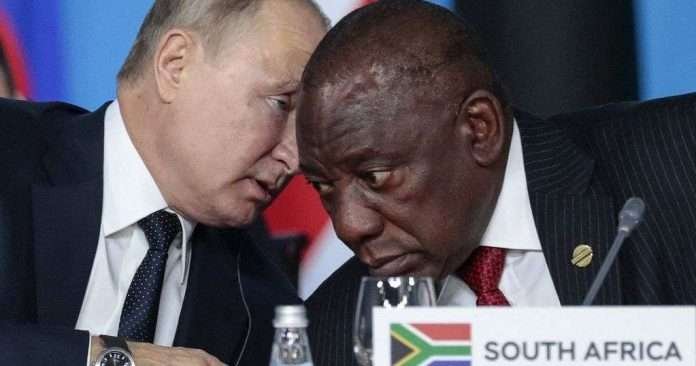
    Pretoria, South Africa – (African Boulevard News) – The South African opposition party, Democratic Alliance (DA), has taken legal action to prevent Russian President Vladimir Putin from entering the country. Putin is due to attend a summit in South Africa, but the DA has vowed to have him arrested if he sets foot in the country.

    The DA has filed a legal petition to ensure that the South African government upholds the rule of law and accountability, and seeks to prevent President Putin from avoiding justice should he enter the country. The party said that Putin’s visit would be a breach of South Africa’s commitment to international law, and that it would be an insult to the memory of those who had fought for democracy and human rights in the country.

    “The DA will not stand idly by while a foreign leader who is accused of crimes against his own people and of interfering in the affairs of other countries comes to South Africa and is given a red-carpet treatment,” said DA leader, John Steenhuisen.

    The DA’s legal challenge comes after the Russian President was accused of meddling in elections in the United States and other countries. Putin has also been accused of human rights abuses in Russia, including the killing of opposition activists and the suppression of free speech.

    “The South African government must uphold the rule of law and accountability. This means that President Putin should not be allowed to enter South Africa without being held accountable for his actions,” Steenhuisen said.

    The DA is not the only group seeking to prevent Putin’s visit to South Africa. Human rights groups and opposition parties have also voiced their concerns, citing Russia’s record on human rights, democracy, and media freedom. Amnesty International has called on the South African government to ensure that human rights are not violated during Putin’s visit.

    “The South African government must ensure that human rights are respected and protected during Putin’s visit. This includes freedom of expression, association, and assembly, and the right to peaceful protest,” said Shenilla Mohamed, Executive Director of Amnesty International South Africa.

    As the legal battle continues, the DA has called on the South African government to take a stand and ensure that President Putin is held accountable for his actions. The DA has warned that failure to act would be a betrayal of the values enshrined in South Africa’s Constitution and would undermine the country’s standing in the international community.

    Nigeria: Fuel Subsidy Removal Sparks Protests as Prices Skyrocket Over 200%

    0
    Read Time:2 Minute, 14 Second

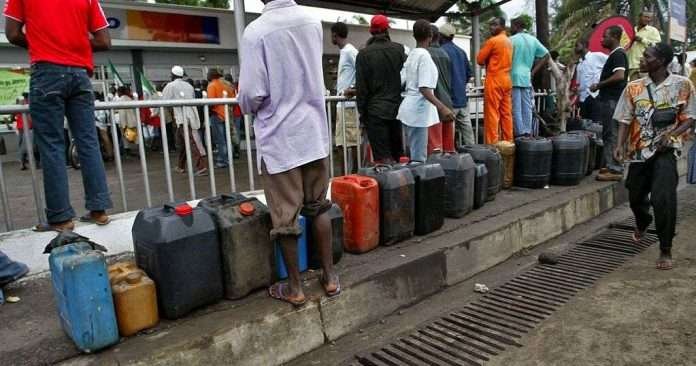
    Abuja, Nigeria – (African Boulevard News) – The Nigerian economy is facing another round of fuel shortages as the government begins the removal of fuel subsidies. On social media, many Nigerians had posted videos of filling stations already increasing prices, in some cases by more than 200%. The recent incidents have caused widespread concern amongst the people, who have been hit hard by the pandemic-induced economic crisis.

    The fuel subsidy removal, which was initially introduced to ease the burden on consumers, has become a significant liability to the Nigerian government. Despite claims by the government that the removal will boost investment in the oil and gas sector, the move has seen little impact on the sector’s growth. The removal has also sparked protests in the past, with many Nigerians calling on the government to reconsider.

    The Nigerian National Petroleum Corporation (NNPC) had recently announced that the government would no longer pay subsidy claims to oil marketers, as it had become unsustainable. This decision has provoked a sharp increase in fuel prices, with some filling stations charging as much as ₦300 per litre.

    The removal of the subsidy has also affected the transportation sector, with some transport workers protesting the increase in the price of fuel. “The removal of fuel subsidies has crippled the transport sector,” said Dauda Manu, a transport union leader. “We are now left with no choice but to increase our fares, which will ultimately affect citizens who are already struggling to make ends meet.”

    The Nigerian government has, however, remained firm on its decision to remove the fuel subsidies. According to the Minister of Finance, Budget, and National Planning, Zainab Ahmed, the government has no plans to reconsider the decision. “Nigeria has no choice but to stop the bleeding from the over ₦1 trillion annual subsidy payments that were essentially benefiting the rich and fuel smugglers,” she said.

    Unfortunately, this decision has not been well received by the masses, who have borne the brunt of the economic downturn and now face higher fuel prices. The removal of subsidies has also left many wondering why the government has not invested in other areas to increase revenue, rather than removing subsidies that have a direct impact on the people.

    In conclusion, the removal of fuel subsidies in Nigeria has brought about widespread concerns and raised questions about the government’s decision. Despite claims by the government that it would boost investment in the oil and gas sector and reduce corruption in the subsidy system, the removal has caused fuel prices to skyrocket, leaving many Nigerians struggling to make ends meet. The government must adopt more sustainable and equitable measures to deal with the economic challenges facing the country.