Friday, May 1, 2026
78.5 F
Lagos
More
    Home Blog Page 376

    Africa: Representatives of 175 Nations Gather to Tackle Global Plastic Waste Crisis

    0
    Read Time:2 Minute, 0 Second

    Diaspora, Africa – (African Boulevard News) – Representatives of 175 nations converged at the UNESCO headquarters with the aim of making progress towards reaching a historic agreement to tackle plastic pollution. The discussions revolve around the most significant treaty agreement in a decade, which will outline the entire plastics industry’s approach to plastic waste.

    For years, environmentalists have highlighted the devastating effects plastic pollution is having on the world’s oceans, animals, and public health. According to UNESCO, we produce over 300 million tons of plastic waste globally each year, with up to 12.7 million tons entering our oceans. The talks aim to address this crisis by negotiating a treaty to collectively reduce plastic waste.

    The treaty comprises a series of recommendations, including reducing the production and usage of single-use plastics. The treaty’s advocates are optimistic about the potential to minimize plastic pollution’s devastating impact. However, the negotiations have been complicated by differences in stakeholders’ ambitions and concerns about what the treaty does and doesn’t cover.

    Governments and environmental groups, including Greenpeace, are urging for a treaty that covers the entire plastic industry, including the production, use, and disposal of plastics. This comprehensive approach would include implementing strict regulations on the industry to reduce plastic waste. However, some industry leaders have pushed back, arguing that such an approach could be economically harmful and difficult to implement.

    Jan Dell, an engineer, and founder of the non-profit Last Beach Cleanup, says that industry support is vital for the treaty to have a meaningful impact. She argues that “we need to work together with plastic producers to minimize plastic waste, designing circular systems rather than linear ones, where waste is designed out and materials are reused.”

    The negotiations are expected to continue for the next two weeks, and environmentalists and industry leaders will continue to push for a comprehensive treaty to combat plastic pollution. With the plastic waste crisis only getting worse, industry leaders must take immediate and decisive action to prevent further damage to the environment.

    In conclusion, the ongoing treaty talks are a significant step forward in addressing the global plastic waste crisis. While some stakeholders have reservations, it’s clear that a comprehensive approach is vital to combat the issue successfully. With the negotiations expected to continue, the world waits with bated breath to see the treaty’s final form and how it will affect the plastic industry and our planet’s future.
    Sudan: Five-Day Extension of Truce Gives Hope for Lasting Peace Amidst Deadly Clashes

    0
    Read Time:2 Minute, 4 Second

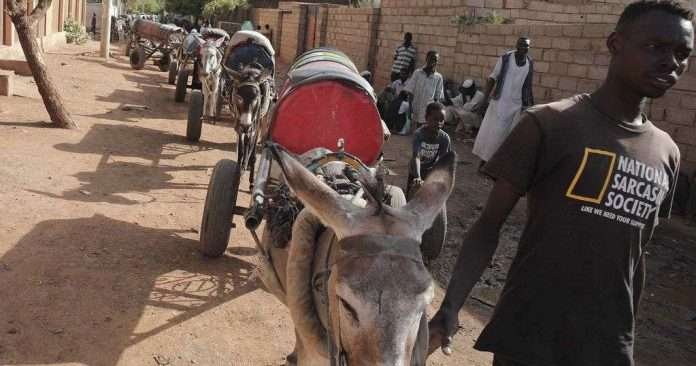
    Khartoum, Sudan – (African Boulevard News) – The patchy truce in Sudan has been extended for five days after weeks of violent conflict between rival factions. The decision was made after talks between the Transitional Military Council (TMC) and the opposition Forces for Freedom and Change (FFC) who have been at loggerheads since ousting long-time dictator Omar al-Bashir in April.

    Sudan descended into chaos in mid-April after a months-long power struggle pitting two army Generals; Abdel Fattah al-Burhan, and his deputy Mohamed Hamdan Dagalo – better known as “Hemedti” – against pro-democracy activists demanding civilian rule. The protests eventually led to a military coup, but the power vacuum created by al-Bashir’s ouster has sparked deadly clashes between rival paramilitary groups.

    The TMC, which is currently in power, and the FFC have been at odds over the formation of a transitional government. However, the two groups agreed to a tentative truce earlier this week, paving the way for a formal ceasefire.

    The new truce, which came into effect on May 30th, was hailed by both sides as a “positive development” and could pave the way for a lasting peace deal. However, analysts warn that the situation remains volatile, with armed groups operating outside the control of the main political factions and regional powers vying for influence in Sudan.

    One of the main challenges facing the parties involved in the conflict is the absence of a clear power-sharing agreement. The FFC has been demanding a civilian-led transitional government, while the TMC has been pushing for a military-backed administration.

    The extension of the truce was welcomed by political analysts as a sign that both sides are willing to compromise to find a solution to the crisis.

    “The extension of the truce is a positive development, and it shows that both sides are willing to come to the negotiating table,” said Ahmed Adam, an analyst at the Institute for Security Studies.

    Adam added that the international community should continue to support the peace process in Sudan and called on regional powers to cease their interference in Sudanese affairs.

    As Sudan heads towards a crucial period of transition, many are hoping that the extension of the truce will pave the way for a lasting peace agreement and the establishment of a civilian-led government. However, the road ahead remains fraught with uncertainty, and it remains to be seen if the various factions can put their differences aside and work towards a common goal.

    Uganda: Controversial Law Criminalizing Homosexuality Sparks Heated Debate in Local and International Communities

    0
    Read Time:1 Minute, 53 Second

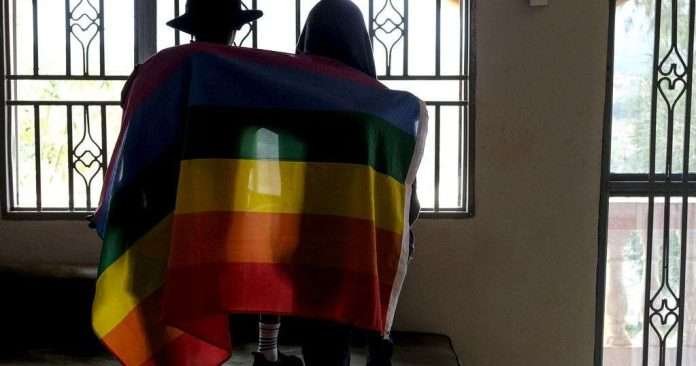
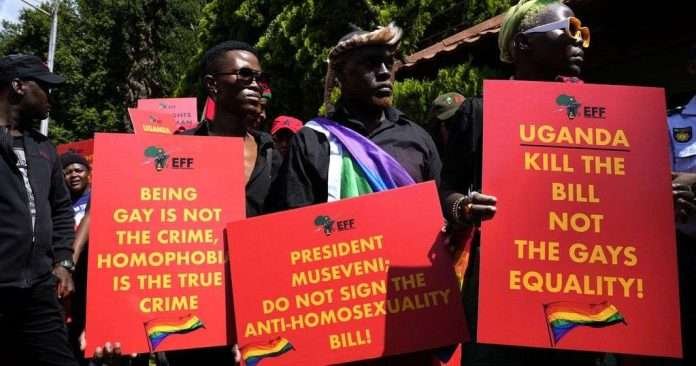
    Kampala, Uganda – (African Boulevard News) – Uganda’s new law criminalizing the promotion of homosexuality has drawn mixed reactions from both local and international communities. The bill, signed by President Yoweri Museveni, aims to crack down on the promotion of homosexuality in Uganda, including Western groups that are accused of actively promoting the lifestyle.

    The law does not criminalize those who identify as gay. However, it has been denounced by human rights groups as an unnecessary provocation against donor countries, and as a violation of human rights. Critics argue that the new law is driven by political motivations and panders to conservative religious groups.

    The new legislation has been met with both support and opposition in Uganda. Many conservative groups have welcomed the law, saying that it is necessary to protect the country’s “morality” and “culture.” However, some activists have expressed concerns that the law will fuel hate crimes and discrimination against the LGBTQ+ community in Uganda.

    In a statement, Amnesty International called the law “a grave assault on human rights” and called on the Ugandan government to repeal it immediately. The United States has also expressed its concern over the law, with President Joe Biden calling it a “step backward for Uganda and the world.”

    While the new law has drawn criticism from abroad, it has received support from some Ugandan officials, including Simon Lokodo, the minister of ethics and integrity. He is a vocal opponent of homosexuality and has welcomed the new law as a way to protect the country’s values.

    Uganda has a history of anti-LGBTQ+ laws, with homosexuality being illegal since the colonial era. However, the new law is seen as a significant shift, with many seeing it as an attempt to criminalize LGBTQ+ activism in the country.

    In conclusion, Uganda’s new law criminalizing the promotion of homosexuality has drawn mixed reactions from both local and international communities. While some Ugandans believe that the law is necessary to protect the country’s values, critics argue that it is a violation of human rights and will fuel hate crimes and discrimination against the LGBTQ+ community. It remains to be seen what the impact of the new law will be, but it is clear that it has sparked a heated debate both within Uganda and beyond its borders.

    Sudan: Make-shift Clinics Desperately Call for Volunteers and Resources as Violence Escalates

    0
    Read Time:2 Minute, 10 Second

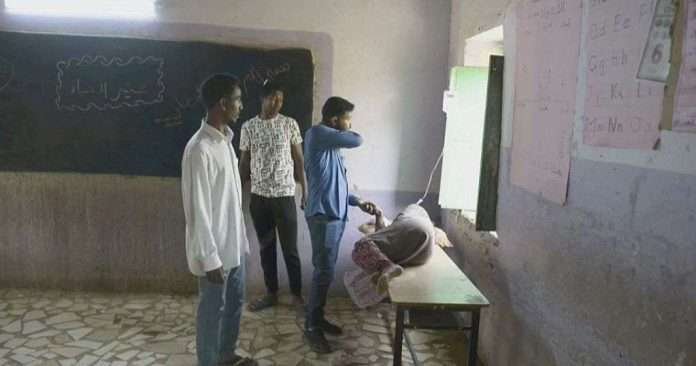
    Khartoum, Sudan – (African Boulevard News) – As the fighting in Sudan continues, makeshift clinics have been calling for volunteers and resources, desperately trying to keep up with the increasing number of casualties. The violence has been escalating in the country, with a reported 132 people dead and over 200 injured in the latest wave of clashes between government forces and rebel fighters.

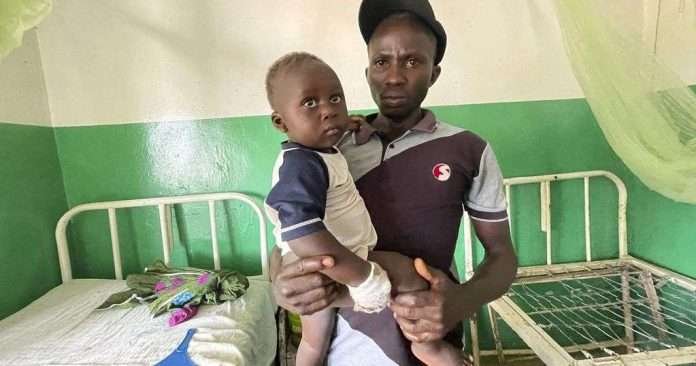
    The makeshift clinics in Sudan are struggling to cope with the influx of patients that require medical attention. Many of these clinics are underfunded and understaffed, with doctors and medical professionals working day and night to keep up with the demand. Volunteers are being called upon to help provide medical aid and care to the increasing number of patients.

    “We urge anyone who has extra medicine at home to bring it to us or to any emergency room (clinic) in their neighbourhood, as most neighbourhoods have operational emergency rooms (clinics). We are in desperate need of resources and support to continue saving lives,” said a spokesperson for one of the makeshift clinics.

    Despite the challenges, the volunteers and staff at these makeshift clinics are not giving up. They are determined to provide medical aid and care to those in need, no matter the circumstances. They continue to work tirelessly, day in and day out, to save lives of those caught in the crossfire of the conflict.

    The UN has also responded to the crisis in Sudan, calling for an immediate cessation of hostilities to avoid further loss of life and displacement of civilians. The international organisation has expressed its readiness to provide assistance to those in need.

    Several humanitarian organisations have also stepped forward to provide aid and support to the people of Sudan. They are working with local communities and the government to help provide food, shelter, and medical assistance to those affected by the conflict.

    As the conflict in Sudan rages on, the makeshift clinics and volunteers continue to call for support and resources to meet the increasing demand for medical attention. The situation remains challenging, but with the support of the community, these clinics are determined to save as many lives as possible.

    In conclusion, the violence in Sudan has taken a toll on the healthcare system, with makeshift clinics calling for volunteers and resources to keep up with the increasing number of casualties. Despite the challenges, volunteers and staff at these clinics continue to work tirelessly to save lives. The UN and several humanitarian organisations have also stepped forward to provide aid and support to the people of Sudan, but much more is needed to address this crisis.

    Senegal: 95-year-old colonial-era soldier returns home after years of service, officiates great-grandson’s baptism with a smile

    0
    Read Time:1 Minute, 58 Second

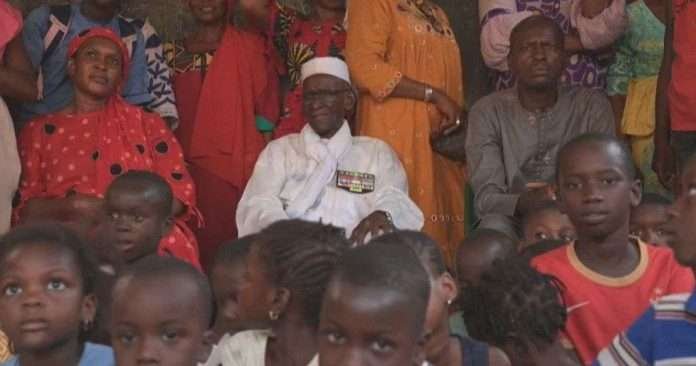
    Dakar, Senegal – (African Boulevard News) – After years of being away from home, Yoro Diao, a 95-year-old colonial-era soldier, has returned home to Senegal. Clad in an all-white outfit, Diao was recently spotted officiating at the baptism of his great-grandson, all smiles and happy to be reunited with his family after many years of service.

    Diao was one of the few Senegalese soldiers who served in the French army during the colonial era, fighting in World War II and the First Indochina War. After the wars, he was deployed to different countries, where he contributed to peacekeeping missions. Despite the challenges that came with serving far from home, Diao says he is proud of his service and is happy to be home at last.

    “I am grateful to be home and to feel the warmth of my family,” he said. “I missed the sounds, smells, and sights of Senegal. It’s been a long time since I’ve seen them.”

    Diao’s story is one of sacrifice, perseverance, and courage. His experience as a soldier during the colonial era is a reminder of the sacrifices that many African soldiers made to serve their colonizers. However, the return of a colonial-era soldier to his homeland also highlights the resilience and strength of African people.

    Diao’s return home has been met with warm welcomes and admiration from many in Senegal. Some have called him a hero, while others have described him as a living legend.

    Mamadou Diop, a history professor at Cheikh Anta Diop University, said Diao’s story is significant because it highlights the contributions that African soldiers made to the world wars. “Many people do not realize that African soldiers fought in the world wars, and their contributions have been largely forgotten. Diao’s story is a reminder of their sacrifices and their heroism,” he said.

    As Diao savours his homecoming, he offers a message of hope and inspiration to young Africans. He says that despite the challenges and obstacles that may come their way, they should never give up on their dreams and should always strive to make a difference in their communities.

    Diao’s story is a reminder that the past should not be forgotten, but rather celebrated and honoured. His homecoming is not just a celebration of his life, but also a celebration of the resilience and strength of the African people.

    Uganda: New anti-gay law with the death penalty for some homosexual acts signed by president, sparking international backlash.

    0
    Read Time:1 Minute, 50 Second

    Kampala, Uganda – (African Boulevard News) – Uganda’s President Yoweri Museveni has signed into law a new anti-gay legislation that could impose the death penalty for some homosexual acts. The law was widely supported in the East African country but met with condemnation from rights activists and other nations.

    The new law, called the “Anti-Homosexuality Act,” was first introduced in 2009 but was later revoked due to international pressure. However, the Ugandan parliament reintroduced the bill in 2021, and it was passed by the majority of the lawmakers.

    Under the new law, anyone convicted of homosexual acts could face life imprisonment and the death penalty in some cases, such as if the offender is HIV-positive, a serial offender, or engages in sexual acts with a minor or a disabled person.

    Many Ugandans support the anti-gay law, saying it upholds traditional values and protects children. However, critics have called it a violation of human rights.

    “We believe this law is an attempt to further criminalize and stigmatize an already marginalized group of people and will serve to embolden those who seek to persecute them,” said Neela Ghoshal, a senior LGBT rights researcher at Human Rights Watch.

    The United States, Europe, and other Western nations have all criticized the law and threatened to cut aid to Uganda, which receives over $1 billion in aid annually. The US Embassy in Kampala called it “a step backward for democracy and human rights in Uganda.”

    Many African countries have anti-gay laws, and homosexuality is illegal in at least 32 African nations. In recent years, activists have pushed for the legalization of homosexuality and the repeal of anti-gay laws.

    However, Museveni has stood firm in his support of the new law and said it was necessary to protect Ugandan culture and traditions. “We do not seek to persecute anyone,” he said during the signing ceremony, “but we cannot allow a lifestyle that goes against our values to take root in our country.”

    The signing of the anti-gay law is likely to spark more international condemnation and backlash, but it remains to be seen how it will affect Uganda’s relationship with its aid donors and the global community.

    Nigeria: Former Lagos Governor Bola Ahmed Tinubu Sworn In As President Amidst Struggles of Violence and Economy

    0
    Read Time:2 Minute, 9 Second

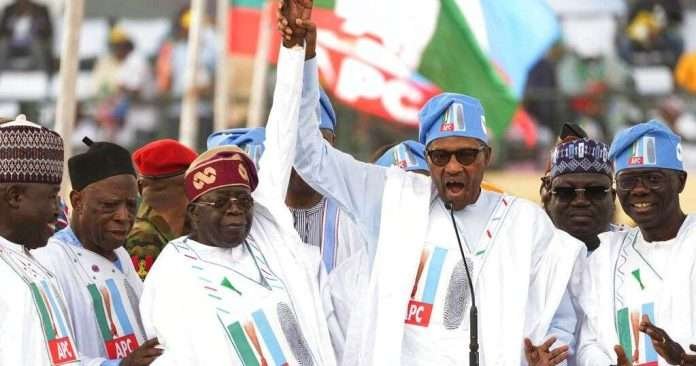
    Abuja, Nigeria – (African Boulevard News) – Bola Ahmed Tinubu was sworn in as Nigeria’s new president on May 29th, at an inauguration ceremony held in Abuja, the country’s capital city. The former governor of Lagos, Nigeria’s economic hub, Tinubu, 71, took the oath of office in front of thousands of Nigerians and several heads of state.

    Tinubu’s inauguration comes as Nigeria grapples with violence and a struggling economy. He has promised to tackle these issues head-on and to work towards a better future for all Nigerians. In his inaugural speech, the new president stated, “We have a lot of work to do, but I am confident that together we can overcome any challenge. Let us work towards a brighter future for all Nigerians.”

    Tinubu’s rise to power has been met with mixed reactions, with some lauding his experience and political savvy, while others remain skeptical. However, many believe that he has the potential to steer Nigeria in the right direction and lead the country towards economic prosperity.

    Political analyst, Dr. Chinwe Onyeije has praised the new president, stating, “Tinubu is an experienced and competent politician who has shown his ability to lead Nigeria towards economic growth and development. His presidency may be just what Nigeria needs at this crucial time.”

    Despite the challenges ahead, Tinubu has already set his sights on improving the country’s infrastructure and creating more jobs for the Nigerian people. He has also promised to tackle the issue of insecurity, which has plagued the country in recent years.

    The new president has a tough road ahead of him, but if he can deliver on his promises, he may just be the leader that Nigeria needs. As Tinubu takes the reins of power, all eyes will be on him, and his actions will determine the future of Africa’s most populous country.

    In his inaugural speech, Tinubu stated, “I am humbled by the faith and trust that the Nigerian people have placed in me, and I promise to work tirelessly for the betterment of our great nation.” Let us hope that he stays true to his word and leads Nigeria towards a bright and prosperous future.

    In conclusion, the inauguration of Bola Ahmed Tinubu as Nigeria’s new president marks a turning point in the country’s history. With his experience and leadership skills, he has the potential to steer Nigeria towards a brighter future. However, he faces many challenges, and his actions will determine the success of his presidency. All Nigerians, and indeed all Africans, will be watching closely as Tinubu takes the helm of Africa’s most populous country.

    Africa: Ghana President Believes IMF Bailout Package Will Only Restore Confidence, Calls for Investment in Key Sectors

    0
    Read Time:1 Minute, 56 Second

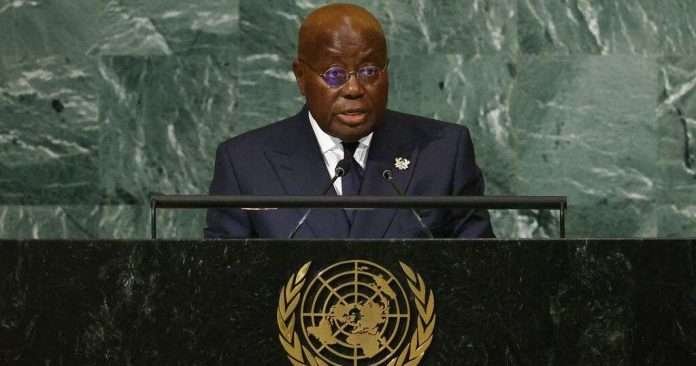
    Diaspora, Africa – (African Boulevard News) – The President of Ghana, Nana Akufo Addo, has stated that the International Monetary Fund’s (IMF) bailout program won’t entirely put a stop to Ghana’s economic challenges but will restore confidence in the country and reopen closed avenues.

    The President made this comment on Thursday, while responding to questions from journalists at an economic forum in Accra, Ghana. The IMF recently approved a $1 billion bailout package to help Ghana as it deals with the economic fallout of the COVID-19 pandemic.

    “Whilst the government appreciates the support of the IMF, I do not believe that the bailout program will put an end to the economic woes the country faces. However, it will help to restore confidence and reopen avenues that have been closed to the country in recent years,” Addo said.

    The President’s statement reflects a growing concern among African leaders that IMF’s aid packages may be a temporary solution to the economic challenges of the continent. Many African countries, including Ghana, have been grappling with economic challenges long before the pandemic hit, including high debt levels, a lack of investment, and weak infrastructure.

    In Ghana, the economy had witnessed a relatively good performance before the pandemic struck, with the non-oil sector expanding by 6.2% in 2019. However, the growth rate has now slowed down, and the country’s debt has also risen to about $39 billion.

    Despite this, Addo believes that the country can weather the economic storm by investing in key sectors such as agriculture, manufacturing, and tourism. He also highlighted the government’s commitment to boosting economic growth by providing a conducive atmosphere for investment in the country.

    “We recognize that our economy has been hit hard, but we remain optimistic that we will overcome our challenges and rebuild a stronger economy. We will continue to take measures to support growth and development in key sectors, and we welcome investment from all over the world,” he added.

    In conclusion, while the IMF’s bailout package may provide some temporary relief to Ghana’s economic woes, President Addo’s comments point to the need for a more long-term solution to Africa’s economic challenges. By investing in key sectors, promoting investment, and creating an enabling environment for business, African countries can build a strong and sustainable economy that can weather any storm.

    Nigeria: Violence between Farmers and Herdsmen Escalating, More than 2,600 Killed in 2021

    0
    Read Time:2 Minute, 24 Second

    Abuja, Nigeria – (African Boulevard News) – The prolonged fighting between farmers and herdsmen in Nigeria is becoming increasingly deadly, with at least 2,600 people killed in 2021, according to the Armed Conflict Location & Event (ACLED) database.

    The decades-long conflict, which is rooted in competition for resources such as land and water, has been exacerbated by factors such as climate change, growing population, and ethnic tensions. The violence, which often involves armed gangs and terrorists, has led to the displacement of thousands of people and the destruction of communities and livelihoods.

    “The conflict is a ticking time bomb that requires urgent attention and action,” said Oluwatosin Omotosho, a conflict analyst in Lagos. “The government needs to do more to tackle the root causes of the crisis, such as land use policies, and to ensure that there is justice and accountability for the victims.”

    The violence has also deepened religious and ethnic fault lines in Nigeria, a country of more than 200 million people with a complex mix of cultures, religions, and identities. The conflict has pitted Muslim herdsmen against Christian farmers in a country that is roughly divided between the two religions.

    “The conflict is complex and multidimensional, and cannot be solved by a one-size-fits-all approach,” said Ngozi Ekeoma, a social scientist in Abuja. “We need to engage all stakeholders, including government, civil society, and the communities themselves, in finding sustainable solutions that address the underlying causes of the violence.”

    The Nigerian government has deployed troops and created a task force to address the crisis, but critics say their efforts have been ineffective or biased towards certain groups. Some have called for a more holistic and participatory approach that involves dialogue, mediation, and power-sharing among all affected parties.

    “The government needs to show more political will and commitment to resolving the conflict,” said Ifeanyi Ibegbu, a human rights activist in Enugu. “We need to promote tolerance, respect, and empathy among all communities, and build institutions that can prevent and mitigate conflicts in the long term.”

    The conflict has also attracted international attention, with some experts warning that it could escalate into a regional or global security threat. The United Nations has called for a comprehensive and inclusive approach to addressing the crisis, and has expressed solidarity with the affected communities.

    “The conflict is a tragic reminder of the human cost of violent conflict and the importance of preventing and resolving it,” said Antonio Guterres, the UN Secretary-General, in a statement. “We stand in solidarity with the people and government of Nigeria in their efforts to build a peaceful and prosperous future for all.”

    In conclusion, the prolonged fighting between farmers and herdsmen in Nigeria has become increasingly deadly and complex. It requires a holistic and participatory approach that addresses the root causes of the conflict and engages all affected parties in finding sustainable solutions.

    Namibia: A New Push to Allow Women Legal Access to Abortions

    0
    Read Time:1 Minute, 54 Second

    Windhoek, Namibia – (African Boulevard News) – Namibia’s 1975 abortion law is under scrutiny as a new push to amend the current legislation gains momentum. The law permits abortions in only a few cases, including pregnancy as a result of incest or rape, or when the life of the mother is in danger. However, the proposed amendment aims to allow women to have legal access to abortions during the first 12 weeks of pregnancy.

    Proponents of the change argue that the current legislation leaves women with no options but to seek illegal abortions, putting their lives at risk. According to the World Health Organization, unsafe abortion is one of the leading causes of maternal mortality in Africa, accounting for up to 13% of all maternal deaths.

    Dr. Abigail Magalela, a women’s health specialist, expressed her support for the amendment, saying, “We see women coming to our clinics with severe complications from illegal abortions. It’s heartbreaking, and it’s preventable. Safe and legal access to abortions is a human right and a public health issue.”

    However, the proposed amendment is facing strong opposition from conservative groups and religious organizations, who argue that abortion is immoral and against their beliefs. The Namibian Christian Council released a statement calling on lawmakers to maintain the current law, stating that “the sanctity of human life must be upheld, and no one has the right to take away the life of an innocent being.”

    Despite the opposition, advocates for change remain optimistic. A coalition of civil society organizations is mobilizing support for the amendment, launching a social media campaign with the hashtag #MyBodyMyChoice. They hope to put pressure on lawmakers to prioritize women’s reproductive health.

    Namibia’s parliament is set to vote on the proposed amendment in the coming months. If passed, it would mark a significant step forward for women’s rights and access to healthcare in the country.

    As the debate intensifies, it is clear that the issue of abortion in Namibia is a complex and emotional one. While the amendment would provide women with much-needed access to safe, legal abortions, it also challenges deeply held beliefs and values. Ultimately, lawmakers will have to weigh the potential benefits and risks and make a decision that balances the rights of women and the opinions of the wider public.