Friday, May 1, 2026
89.2 F
Lagos
More
    Home Blog Page 374

    Burkina Faso: Suspected Jihadists Kill 40 People, Including Army Auxiliaries, in Two Separate Attacks

    0
    Read Time:1 Minute, 55 Second

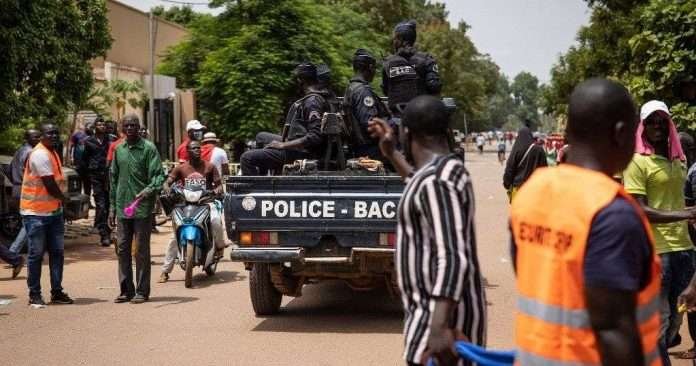
    Ouagadougou, Burkina Faso – (African Boulevard News) – Tragedy has struck Burkina Faso once again as nearly 40 people, including army auxiliaries, were killed over the weekend in the country’s western region. Local sources and security personnel report that suspected jihadists carried out two separate attacks, leaving the community in shock and mourning.

    The first attack occurred in the rural community of Deneon on Sunday, when a group of heavily armed men on motorbikes invaded the area, killing at least 30 people, mainly civilians. The assailants then set homes and shops on fire, causing further destruction.

    The second attack took place in the town of Ariwari, where the gunmen killed six soldiers. Local sources report that the assailants were well-armed and equipped with sophisticated weapons.

    Burkina Faso has been grappling with a rise in jihadist attacks over the past decade, which have claimed the lives of thousands of people and displaced many more. The country is situated in the Sahel region, which is known for its porous borders and vast, remote territories that have made it difficult for security forces to contain the spread of extremist activities.

    The recent attacks have sparked condemnation from stakeholders who have called on the government to take swift action to protect citizens. President Roch Kabore expressed his condolences to the families of the victims and vowed to step up efforts to combat terrorism.

    “The nation is once again in mourning following these barbaric and cowardly attacks by the enemies of peace,” President Kabore said in a statement.

    Experts have also weighed in on the situation, warning that the spate of attacks is likely to continue unless the root causes of the crisis are addressed.

    “There needs to be a comprehensive approach that tackles the socio-economic grievances that are fueling the conflict,” said Saliou Guebre, a security analyst based in Ouagadougou. “The government must also work to build trust and collaboration with local communities, as they are the first line of defense against terrorism.”

    The recent attacks in Burkina Faso highlight the need for a concerted effort by governments and stakeholders to address the root causes of extremism in the Sahel region. It is a call to action for all to work together to end this senseless violence and safeguard the lives and future of millions of people.
    Burundi: Russian Minister’s Visit Sparks Hope for Economic Growth and Diplomatic Ties

    0
    Read Time:2 Minute, 4 Second

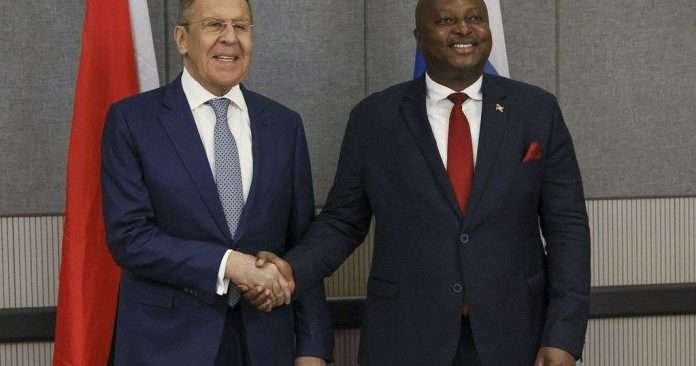
    Bujumbura, Burundi – (African Boulevard News) – Russian Foreign Minister Sergei Lavrov arrived in Burundi on Monday, marking the first visit by a Russian top diplomat to the East African nation since the country’s independence in 1962. The visit was seen as a step towards strengthening diplomatic ties between the two countries, particularly in trade and security.

    Burundi’s Foreign Minister, Albert Shingiro, welcomed Lavrov and expressed his appreciation for his visit. The Russian minister’s visit comes after Burundi abstained from voting on a UN General Assembly resolution calling on Russia to withdraw its forces from Ukraine in February.

    During the visit, Lavrov met with Burundi’s President, Evariste Ndayishimiye, and held talks on a range of issues, including cooperation in the fight against terrorism, infrastructure development, and trade. The two sides also discussed the possibility of establishing a joint commission to boost economic cooperation and explore investment opportunities.

    In a joint statement released after their meeting, Lavrov and Ndayishimiye expressed their commitment to strengthening cooperation in various fields, including energy, mining, and agriculture. The statement also emphasized the need to promote people-to-people contacts and cultural exchanges between the two countries.

    The visit by Lavrov was significant as it marked Russia’s effort to deepen its engagement in the African continent. Russia has been seeking to increase its influence in Africa, both politically and economically, in recent years. The country has been pursuing closer ties with African nations, particularly those with significant mineral resources.

    The visit by Lavrov was seen as a boost for Burundi’s efforts to attract foreign investment and increase economic growth. The two sides discussed the possibility of establishing a joint commission to boost economic cooperation and explore investment opportunities.

    The visit by Lavrov was widely covered by local media, with many highlighting the significance of the visit in strengthening diplomatic ties between the two countries. The visit was seen as a major step towards increasing bilateral cooperation and promoting economic growth in Burundi.

    In summary, the visit by Lavrov to Burundi was significant in strengthening diplomatic ties between the two countries. The visit was seen as a step towards increasing bilateral cooperation and promoting economic growth in Burundi. The joint statement released after the meeting between Lavrov and Ndayishimiye emphasized the need to promote people-to-people contacts and cultural exchanges between the two countries. The visit was widely covered by local media, with many highlighting the significance of the visit in boosting Burundi’s efforts to attract foreign investment and increase economic growth.

    DRC: Rwandan Army and M23 Rebellion Plan Attack on Goma – Tensions Rise in the North Kivu Region

    0
    Read Time:2 Minute, 18 Second

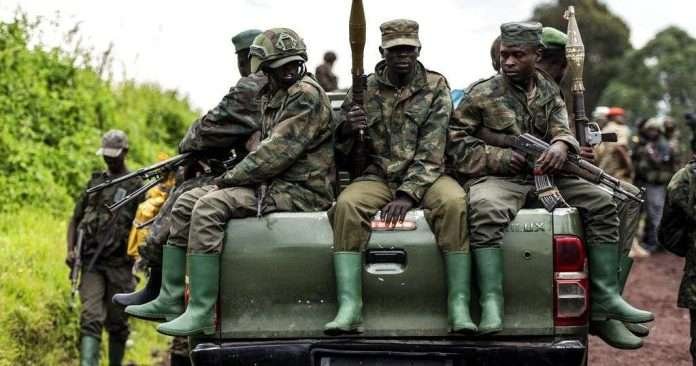
    Kinshasa, DRC – (African Boulevard News) – Tensions have risen again in the Democratic Republic of Congo (DRC), as the Congolese army spokesman, General Sylvain Ekenge, has accused the Rwandan army and the M23 rebellion of planning an attack on the city of Goma in the province of North Kivu, according to an Africanews report.

    The accusation by General Ekenge comes at a time when there has been a significant increase in tensions between the DRC and its neighbor Rwanda. According to General Ekenge, there have been movements of the Rwandan army and the M23 rebellion in the province of North Kivu. He also stated that they have been conducting reconnaissance missions to plan an attack on Goma, which is located on the border between the DRC and Rwanda.

    The M23 rebellion is a rebel group that was active in the North Kivu region of the DRC from April 2012 to November 2013. The group was said to be supported by the Rwandan government, which was accused of providing them with weapons, ammunition, and other supplies.

    In response to the accusation, the Rwandan government has denied any involvement in the alleged attack plans. In a statement released by the Rwandan Ministry of Foreign Affairs, they insisted that Rwanda has no interest in destabilizing its neighbor.

    “We categorically refute these baseless accusations. Rwanda has no interest in any destabilization of the DRC, and we remain committed to finding a lasting solution to the ongoing conflict in the region,” the statement said.

    The Rwandan government has also accused the DRC of supporting rebel groups that are operating in Rwanda. They have called on the DRC government to take action to stop these groups from operating in its territory.

    The accusation by General Ekenge has raised concerns about the security situation in the North Kivu region of the DRC. The region has been plagued by violence for many years, with several rebel groups operating in the area. The situation has been made worse by the presence of several neighboring countries that have been accused of supporting rebel groups in the region.

    The DRC government has called on the international community to support its efforts to bring peace and stability to the region. They have also called on neighboring countries to respect the territorial integrity of the DRC and to stop supporting rebel groups that are operating in the country.

    In summary, the accusation by General Ekenge has raised concerns about the security situation in the North Kivu region of the DRC. The situation is made worse by the presence of several neighboring countries that have been accused of supporting rebel groups in the region. The DRC government has called on the international community to support its efforts to bring peace and stability to the region.

    Africa: Vatican Museum’s Newest Exhibition Showcases Ancient Medicines and Apothecary Artefacts from Bygone Era

    0
    Read Time:2 Minute, 11 Second

    Diaspora, Africa – (African Boulevard News) – The Vatican Museum’s newest exhibition features an extraordinary collection of ancient medicines and apothecary artefacts from a bygone era. Highlighting the groundbreaking discoveries of early pharmaceutical treatments, the exhibit promises to be a fascinating exploration of medicine’s earliest days.

    The exhibit will include stunning displays of ancient jars, bottles, vials, and other pharmacy tools. Several of these items were once used by nuns at a historic Rome pharmacy. These days, the artefacts are being showcased in two rooms: the “Spezieria di Santa Cecilia in Trastevere” (Apothecary shop of St. Cecilia in Trastevere) and the “Sala dei Profumi” (Room of Perfumes). The exhibit offers an intimate look at the rich history of medicine and the many ways it has been practiced over the centuries.

    One of the many highlights of the exhibit is a collection of drugs and potions that were used by nuns in ancient times. These natural remedies are some of the earliest known examples of pharmacology, and they’re a fascinating glimpse into the past.

    The collection includes a variety of herbal remedies and other natural medicines, many of which are still used today. For example, the nuns used chamomile to treat a range of ailments, including fever, stomach pain, and insomnia. They also used sage, which has long been known to have anti-inflammatory and anti-bacterial properties. These ancient remedies offer an inspiring look at the power of nature and the wisdom of our ancestors.

    The Vatican Museum’s Director, Barbara Jatta, spoke about the importance of this exhibit and its significance in history. She said, “The history of medicine is a fascinating one, and this exhibit is a testament to the many ways in which it has evolved over time. We’re proud to showcase these ancient remedies and invite our visitors to explore this rich history.”

    The exhibit is expected to generate significant interest among medical professionals, students, and historians alike. It offers a unique look at the early roots of medicine and provides insight into the many ways in which humanity has evolved over the centuries. People who are interested in this field should not miss the opportunity to see this historic exhibit at the Vatican Museum.

    In conclusion, this new exhibit at Vatican Museum highlights the rich history of medicine and showcases the many ways it has been practiced over the centuries. The ancient medicines and apothecary artefacts provide an intimate look at the earliest days of pharmacology and offer a unique glimpse into the past. Anyone who is interested in medicine, science, or history should make sure they visit the Vatican Museum to see this incredible exhibit.

    Morocco: Seven Dead After Consuming Poisonous Bootleg Alcohol, Two Suspects Arrested.

    0
    Read Time:1 Minute, 46 Second

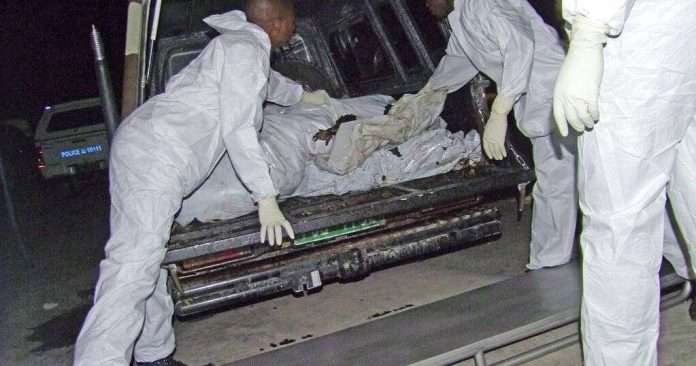
    Rabat, Morocco – (African Boulevard News) – Seven people have lost their lives after consuming adulterated alcohol in Meknes, central Morocco. This tragic news was reported by Moroccan news agency MAP on Tuesday, stating that the police have already taken two suspects into custody.

    This unlawful liquor, also known as “bootleg alcohol,” is produced illicitly and is often cheaper than authentic alcoholic beverages. These deceptive drinks are composed of substances that are not intended for human consumption, such as methanol, which is highly toxic and could cause blindness or even death. “This toxic alcohol is made in clandestine distilleries and is sold tax-free, thus making it attractive to low-income individuals,” stated Dr. Rachid El Jaafari, a Moroccan public health specialist.

    The victims succumbed to methanol poisoning after drinking the prohibited spirits, which were sold at a local wine shop in the city of Meknes. The authorities were quick to take action and apprehend the culprits, who were attempting to flee the city. The investigation is still ongoing, and the police have warned citizens to vigilantly avoid purchasing alcohol from dubious sources.

    Adulterated alcohol is a growing problem in many parts of the world, with vulnerable populations being the most affected. In India, 150 people died as a result of spiked drinks in 2020, while in Iran, nearly six hundred people have been hospitalized due to tainted alcohol so far in 2021.

    The harmful effects of adulterated alcohol are a significant public health concern. To prevent similar incidents from occurring in the future, health officials have urged the government to implement strict regulations for manufacturing and selling alcoholic beverages. Dr. El Jaafari also highlighted the critical need for public awareness campaigns to educate people about the dangers of consuming illegal liquor.

    In conclusion, the loss of these seven lives is a stark reminder of the lethal consequences of consuming adulterated alcohol. It is critical to prioritize public health by implementing stricter laws and regulation to prevent the production and sale of poisonous beverages. Citizens must also remain vigilant and purchase alcohol only from legitimate sources, to avoid the detrimental effects that come with counterfeit liquor.

    Africa: WHO Warns of Alarming Increase in Tobacco Farming, Calls for Urgent Action to Address Food Insecurity

    0
    Read Time:1 Minute, 55 Second

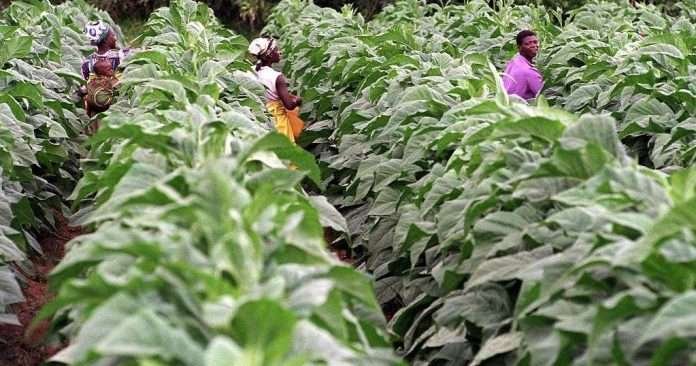
    Diaspora, Africa – (African Boulevard News) – The World Health Organization (WHO) has sounded the alarm that many countries facing food security issues are also big tobacco growing economies. This warning coincides with World No Tobacco Day, being observed this year on May 31st, 2023.

    According to the WHO, since 2005, there has been a nearly 20% increase in tobacco farming land across Africa. The organization is concerned that this trend is continuing, despite increasing evidence of the negative impact tobacco farming has on food security and the environment.

    The WHO emphasizes that many of these tobacco-growing countries also suffer from food insecurity, with millions of people unable to access nutritious food. Tobacco farming often competes with food crops for land, water, and labor, which can exacerbate food insecurity in these already vulnerable communities.

    “Tobacco growing is not only harmful to health, but also poses a significant threat to food security, particularly in low-income countries,” says WHO Director-General, Dr. Tedros Adhanom Ghebreyesus. “As we observe World No Tobacco Day this year, we must take action to end the devastating cycle of tobacco farming and food insecurity.”

    The WHO is calling for urgent action to address this issue, including the implementation of sustainable agriculture practices and the promotion of alternative livelihoods for tobacco farmers. They also urge the tobacco industry to take responsibility for the environmental and social impact of their products and to support a transition away from tobacco farming.

    The link between tobacco farming and food security is not a new concern. However, the COVID-19 pandemic has highlighted the urgent need to address this issue. The pandemic has led to disruptions in food supply chains and increased food prices, exacerbating food insecurity in many countries.

    “The COVID-19 pandemic has shown us that a health crisis can quickly turn into a food crisis,” says Dr. Matshidiso Moeti, WHO Regional Director for Africa. “We cannot afford to ignore the link between tobacco farming and food insecurity any longer.”

    As the world marks World No Tobacco Day, it is crucial to recognize that tobacco farming is not only a health issue but also a food security issue. The WHO’s call to action is a reminder that urgent measures are needed to address this problem and ensure that vulnerable communities have access to nutritious food.

    Namibia: Tragedy Strikes as Thirteen Children Die from Toxic Porridge

    0
    Read Time:2 Minute, 3 Second

    Windhoek, Namibia – (African Boulevard News) – Thirteen lives were tragically lost in Namibia after consuming toxic porridge that was contaminated with an unknown substance. The majority of the deceased were children, who were reportedly in dire need of nourishment. The incident has sent shockwaves throughout the country, sparking a nationwide investigation and calls for greater food safety measures.

    According to reports, the tragedy occurred in the rural areas of Kavango East and Kavango West regions, where poverty and malnutrition are rampant. The victims, who ranged in age from 2 to 30 years old, all consumed porridge from the same source, which is believed to have been contaminated with a toxic substance.

    The Namibian police have launched an investigation into the incident, but details about what caused the contamination have not yet been released. The Ministry of Health and Social Services has also dispatched a team to investigate the matter and offer support to the affected families.

    Namibia’s President Hage Geingob expressed his condolences and called for authorities to ensure that incidents such as this never happen again. “We need to find out what happened and take all necessary measures to prevent any further loss of life,” he said in a statement.

    This tragedy has raised concerns about food safety in Namibia, particularly in rural areas where basic sanitation and hygiene standards are often lacking. Local leaders and NGOs have called for greater government intervention to address the issue of malnutrition and poverty in these areas.

    “Access to safe and nutritious food is a basic human right that no one should be denied,” said a representative from the Namibia Women’s Association. “We must work together to address the root causes of poverty and malnutrition so that incidents like this never happen again.”

    This tragic incident serves as a stark reminder of the importance of food safety and the need for greater investment in basic sanitation and hygiene standards, particularly in rural areas. The authorities must act quickly to identify the cause of the contamination and take steps to prevent future tragedies.

    As investigations continue, the Namibian government has announced that it will provide support to the affected families and has urged the public to remain calm while the investigation is ongoing.

    “We must all work together to ensure that the safety and wellbeing of our citizens is our top priority,” said President Geingob. “Our thoughts and prayers are with the families and loved ones of the victims during this difficult time.”

    Africa: President Touadera’s New Constitution Sparks Tension and Accusations of Power Grab

    0
    Read Time:2 Minute, 9 Second

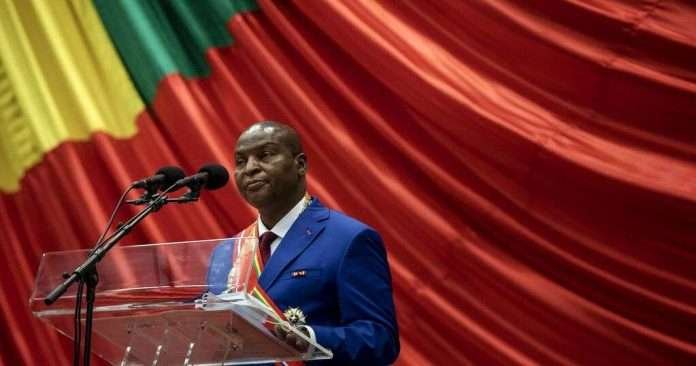
    Diaspora, Africa – (African Boulevard News) – The Central African President, Faustin-Archange Touadera, announced a referendum on a new constitution, despite opposition from his critics. Touadera’s announcement is his latest power play ahead of the 2020 presidential election.

    The new constitution seeks to introduce changes to the country’s political system, such as a two-round presidential election, the creation of a vice presidency, and the revocation of immunity of the head of state. These changes represent a significant departure from the current constitution, which has been in place since 2016.

    Touadera’s opponents have already accused him of seeking to extend his rule despite constitutional limits. The draft constitution would allow him to seek a third term in office, something that is currently prohibited by the existing charter.

    While the president has said that the new constitution would help to promote peace and stability, many observers have criticized the move, arguing that the process has been rushed and that there has not been enough engagement with the opposition.

    “The process of drafting and adopting a new constitution must be inclusive and transparent, with meaningful participation from all stakeholders,” said Lewis Mudge, Central Africa Director at Human Rights Watch.

    Some opposition groups have already begun calling for protests against the referendum, raising the prospect of renewed political instability in the country.

    Despite the criticisms leveled against him, Touadera remains defiant, insisting that he is acting in the interests of the Central African people. He has also dismissed claims that he is seeking to extend his rule and has promised to step down in 2020 if he is not re-elected.

    “The new constitution is about laying the foundation for a better future for our country,” Touadera told reporters. “I am committed to ensuring that the referendum process is free, fair, and transparent and that all voices are heard.”

    It remains to be seen whether the new constitution will be approved by the public, and whether it will bring the peace and stability that the president claims it will. However, what is clear is that the referendum process is likely to be a highly contentious issue in the months ahead, with tensions already running high in the Central African Republic.

    In conclusion, Touadera’s call for a referendum on a new constitution has been met with criticism from his opponents, who accuse him of seeking to extend his rule. The process has been criticized for being rushed and not inclusive enough. Regardless of the outcome of the referendum, the decision has the potential to inflame tensions and lead to further instability in the country.

    Nigeria: Panic Ensues as Historic Fuel Subsidy Removal Triggers Surge in Pump Prices

    0
    Read Time:1 Minute, 56 Second

    Abuja, Nigeria – (African Boulevard News) – Panic has gripped motorists in Nigeria as a historic government decision to end fuel subsidies takes effect. President Bola Tinubu announced the removal of subsidies moments after his inauguration on Monday, signaling his administration’s plan to finally end an initiative that officials said cost the government billions of dollars every year.

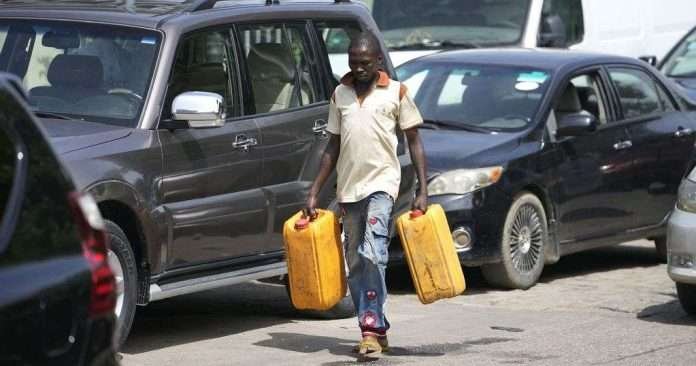
    As the news spread across the country, motorists began to flock to fueling stations to stock up on petrol before the prices skyrocketed. Long queues of vehicles were seen outside fueling stations across the country, including the capital, Abuja, and Lagos, Nigeria’s largest city.

    One motorist, who identified himself as Joseph, said that he had been waiting for hours to buy fuel. “I have been here since this morning and it is already past noon, and I have not been able to buy petrol. The queues are too long, and people are getting agitated,” he said.

    With the subsidy gone, pump prices have surged from 162 naira ($0.40) per liter to as much as 300 naira ($0.73), sparking fears of an economic downturn and inflation. Nigeria, Africa’s largest oil producer, has been subsidizing fuel prices for decades, but the policy has been blamed for stoking corruption and smuggling.

    Many Nigerians, however, fear that the subsidy removal will mean the government will abandon its responsibility to provide essential services, such as healthcare and education, and leave them at the mercy of the private sector.

    “This is a very sad day for Nigeria. The government has removed the subsidies without any thought for the poor people who will suffer. The prices of everything will go up, and it will be very difficult for many people to survive,” said a concerned citizen.

    Despite the fears, some industry experts believe that the subsidy removal is a necessary move that will help to fix the country’s long-standing economic problems.

    “The removal of fuel subsidies is a difficult decision that the government had to take to save Nigeria from economic collapse. We understand that it may cause hardship for some people, but it is necessary for our long-term economic prosperity,” a government official said.

    As Nigeria grapples with the removal of the fuel subsidies, it remains to be seen how the decision will affect its citizens and economy in the long run.

    Sudan: Over 1.3 Million Displaced and Desperate for Aid as Conflict Rages On

    0
    Read Time:2 Minute, 2 Second

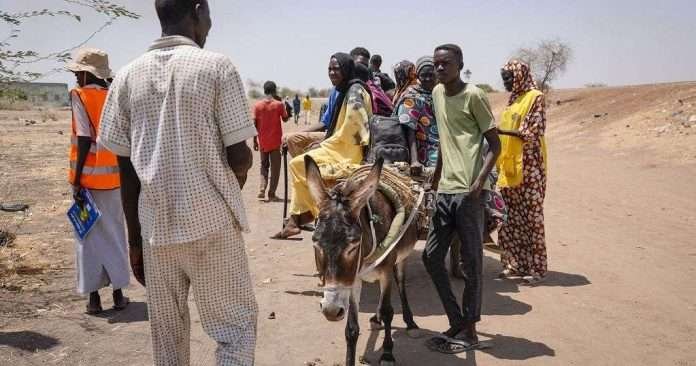
    Khartoum, Sudan – (African Boulevard News) – Following the recent fighting between Sudan’s military and the Rapid Support Forces (RSF), over 1.3 million people have been forced to flee their homes in search of safety and shelter. The situation in Sudan remains dire, as civilians continue to face violence, displacement, and the destruction of their homes and livelihoods. In light of this, many Sudanese have been making their way across the border to Chad in hopes of finding refuge and medical attention for their injuries.

    According to the UN migration agency, thousands of Sudanese have already fled to neighboring Chad, with many of them arriving in poor physical condition due to injuries sustained in the conflict. These individuals are in desperate need of medical assistance and basic necessities such as food, water, and shelter.

    The journey to Chad is long and treacherous, as Sudanese must navigate through harsh terrain and dangerous conditions in order to reach safety. Many are forced to walk for days on end, often without access to food or water, and are at risk of falling ill or succumbing to their injuries.

    The situation in Sudan has also prompted a response from the international community, with several nations offering aid and support to those affected by the ongoing conflict. The United Nations has also called for an end to the violence and for all parties to work towards a peaceful resolution to the crisis.

    Speaking on the situation, a representative from the UN stated, “The displacement of over 1.3 million people is a clear indication of the severity of the situation in Sudan. We call on all parties involved in the conflict to take immediate action to protect civilians and to work towards a peaceful solution.”

    As the situation in Sudan continues to unfold, the need for aid and support for those affected by the conflict has only become more urgent. The international community must come together to provide the necessary assistance to those in need, and to work towards a peaceful resolution to the crisis.

    In summary, thousands of Sudanese have been forced to flee to Chad due to the ongoing conflict in Sudan. These individuals are in desperate need of medical attention and basic necessities, and the international community must work together to provide the necessary aid and support. The situation in Sudan is dire and requires urgent action to protect civilians and to bring about a peaceful resolution to the crisis.