Friday, May 1, 2026
89.2 F
Lagos
More
    Home Blog Page 372

    Burkina Faso: The Most Neglected Crisis in the World, Leading to a Humanitarian Catastrophe That Requires Urgent Attention

    0
    Read Time:1 Minute, 54 Second

    Ouagadougou, Burkina Faso – (African Boulevard News) – A recent report by the Norwegian Refugee Council (NRC) has revealed that seven African countries are among the most neglected crises globally. Burkina Faso, which has been plagued by jihadist violence since 2015, is currently experiencing “the most neglected crisis in the world,” as reported by the NRC.

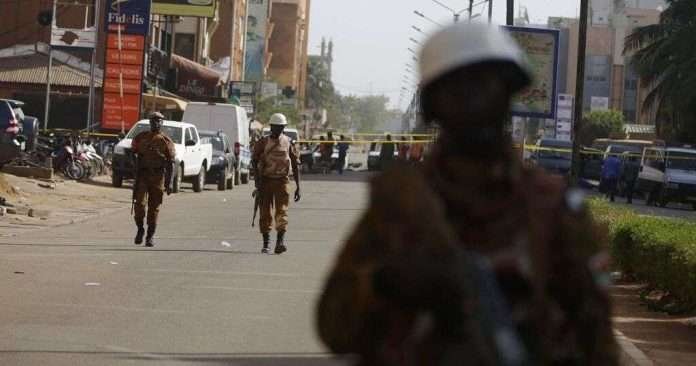
    The NRC’s annual ranking identifies crises that have received the least attention from the international community and media. According to the report, Burkina Faso has been “off the radar” due to its geographic location, lack of resources, and limited access for humanitarian aid. The country has seen a significant rise in violence, with armed jihadist groups linked to al-Qaeda and Islamic State increasing attacks on civilians, displacing over one million people, and causing a humanitarian catastrophe.

    Other African countries included in the NRC’s list of neglected crises are Cameroon, Ethiopia, Mali, Niger, Nigeria, and South Sudan. These countries have been grappling with various conflicts and disasters, including communal violence, inter-ethnic and inter-religious conflicts, and natural disasters such as droughts and floods.

    According to an NRC spokesperson, “These crises are not only causing immense human suffering, but they also pose a risk to regional and global stability. Neglecting these crises will only lead to more despair, displacement, and desperation.”

    The NRC report has received support from various stakeholders, including humanitarian organizations, activists, and policymakers. They have called for increased attention, resources, and aid to address the neglected crises in these countries.

    “Neglected crises require a sustained and comprehensive response, including protection of civilians, access to humanitarian aid, and long-term solutions to address the root causes of the conflicts and disasters,” said an aid worker from Save the Children, a humanitarian organization.

    The neglect of these crises has far-reaching implications, including the deteriorating humanitarian situation, the displacement of millions of people, and a rise in extremist activities. The global community must act fast to address these neglected crises and prevent further suffering.

    In conclusion, neglected crises in African countries pose a significant challenge to global stability and require urgent attention and resources to address them. Neglecting these crises will only lead to increased suffering and desperation for millions of people in these countries. We must act now to prevent further human suffering and displacement.
    Sudan: Displaced Citizens Struggle to Survive in Overcrowded Camps, Pleading for Urgent Help

    0
    Read Time:2 Minute, 1 Second

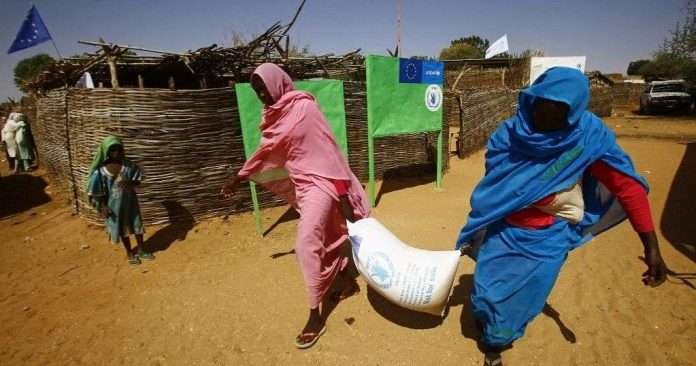
    Khartoum, Sudan – (African Boulevard News) – The ongoing war between the Sudanese army and the Rapid Support Forces (RSF) has caused many Sudanese citizens to flee their homes and seek shelter in crowded camps. Among these displaced persons is Muna Abdelhadi, a mother of four who is currently staying in a shelter in the Red Sea city of Port Sudan.

    “We need help,” pleads Abdelhadi, citing the poor living conditions at the shelter. She describes the inadequate supply of clean water, food, and medical care, which has caused many people to contract diseases such as diarrhea and malaria. “We are living in a nightmare,” she adds.

    Abdelhadi’s story is representative of the plight of many displaced Sudanese who have been forced to flee their homes due to the war. With limited resources and no clear end in sight, these individuals are struggling to survive in makeshift shelters that lack basic amenities.

    According to the United Nations High Commissioner for Refugees (UNHCR), over 1 million Sudanese citizens have been displaced since the start of the war. Many of them are living in overcrowded camps that are ill-equipped to handle the influx of people. The UNHCR estimates that over 200,000 people are currently displaced in the Red Sea state alone.

    Despite efforts by aid organizations to provide support to these camps, resources remain limited. The UNHCR has appealed to the international community for additional funding to address the crisis, but donations have been slow to come in. “We need urgent support to meet the basic needs of these people,” says Firas Al-Khateeb, the UNHCR representative in Sudan.

    The situation in Sudan is further complicated by political instability and economic hardship. The country has been in a state of turmoil since the ousting of former President Omar al-Bashir in 2019, and the COVID-19 pandemic has only exacerbated existing challenges.

    As the war continues, Abdelhadi and others like her remain trapped in a cycle of despair. “We just want to go back to our homes and live in peace,” she says. “But for now, we need help to survive.”

    In conclusion, the ongoing war in Sudan has caused a humanitarian crisis that is affecting millions of people. Displaced citizens like Muna Abdelhadi are struggling to survive in overcrowded camps that lack basic amenities. The international community must step up its efforts to provide support and funding to address this crisis and help those in need.

    South Africa: Local NGO Demands Arrest of Putin at BRICS Summit for War Crimes in Syria.

    0
    Read Time:1 Minute, 54 Second

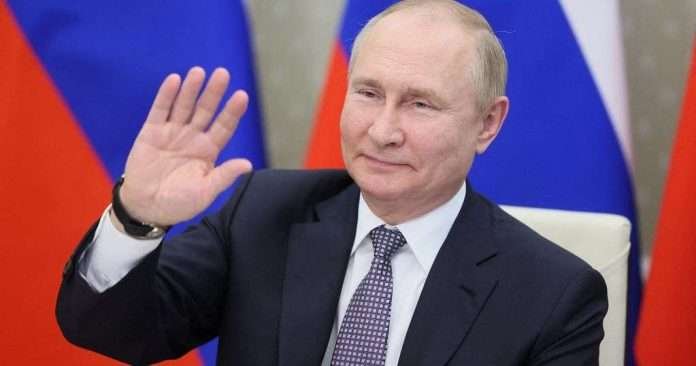
    Pretoria, South Africa – (African Boulevard News) – As South Africa prepares to host the Brazil, Russia, India, China and South Africa (BRICS) bloc summit, a local NGO, Lawyers for Human Rights (LHR), is demanding the arrest of Russian President Vladimir Putin, citing human rights violations and war crimes.

    LHR is a member of the International Criminal Court (ICC) and has close diplomatic ties with Moscow. The NGO has accused Putin of violating international law by supporting Syria’s President Bashar al-Assad in the Syrian civil war. Putin has been accused of bombing schools, hospitals, and other civilian targets in Syria, which has resulted in the deaths of thousands of innocent civilians.

    In a statement released by LHR, the organization said, “We will not allow Putin to come to South Africa and continue his reign of terror. He must be held accountable for his crimes against humanity. South Africa has a moral obligation to arrest him and hand him over to the ICC.”

    The call for Putin’s arrest has garnered mixed reactions from human rights activists and political analysts. Some have praised LHR for taking a bold stance against human rights violations, while others have questioned the legality of arresting a head of state on foreign soil.

    Political analyst, Professor Lesiba Teffo, believes that South Africa’s close diplomatic ties with Russia make it unlikely that Putin will be arrested. “Russia is an important ally to South Africa and arresting Putin could have serious diplomatic repercussions. Despite LHR’s good intentions, the reality is that the chances of Putin being arrested are slim,” he said.

    While Putin’s attendance at the BRICS summit remains uncertain, LHR is adamant that if he does attend, he will be met with protests and calls for his arrest. “We will not rest until justice is served. Putin cannot continue to get away with his crimes. We urge the South African government to act in the interest of justice and hold him accountable,” said LHR.

    The push for Putin’s arrest at the BRICS summit comes at a time when the international community is calling for accountability for war crimes, especially in Syria. The summit is scheduled to take place in South Africa in September of this year, and it remains to be seen if the call for Putin’s arrest will be heard.

    Africa: President Touadera’s supporters rally for constitutional referendum amidst opposition and criticisms

    0
    Read Time:1 Minute, 41 Second

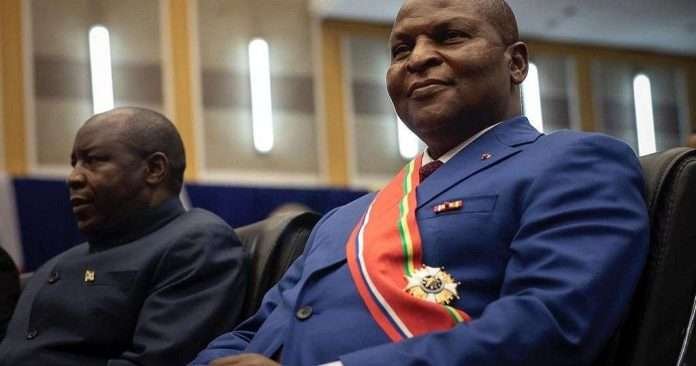
    Diaspora, Africa – (African Boulevard News) – Supporters of Central African Republic (CAR) President Faustin-Archange Touadera, marched in the capital, Bangui, to show their support for the upcoming constitutional referendum. The march, which was organized by the ruling party, saw thousands of supporters take to the streets, clad in the party’s colors, and waving party flags.

    The referendum will decide whether the current constitution should be amended to allow Touadera to seek a new mandate in the 2024 elections. If passed, the constitution would reset presidential term limits. Touadera, who was first elected in 2016, has faced criticism in recent months over his handling of the country’s security crisis.

    The referendum has been seen as a crucial test of the nation’s democratic credentials. Many opposition parties and civil society groups have voiced their objections to the referendum, arguing that it is part of a wider plan by Touadera to consolidate power.

    Despite the opposition, Touadera’s supporters remain resolute. Speaking to African Boulevard News, one supporter, Fidele Mbemba, said: “Touadera has done a lot for our country. He deserves a chance to continue his work and make our country even better.”

    The referendum has also attracted attention from international organizations. The United Nations (UN) has called for calm and peaceful elections, while the European Union (EU) has called on all parties to respect the outcome of the referendum.

    In a statement, the EU’s High Representative for Foreign Affairs and Security Policy, Josep Borrell, said: “We call on all political actors and civil society to respect the process and its outcome, and to refrain from any acts of violence or intimidation.”

    The referendum has also been met with mixed reactions from the international community. Some have praised Touadera for his commitment to democracy and the rule of law, while others have voiced concerns about the potential for unrest and instability.

    As the nation prepares for the constitutional referendum, it remains to be seen what the outcome will be. However, one thing is certain – the eyes of the world will be watching.

    Morocco: Africa’s Tech Scene Converges in Marrakech for First Gitex Africa Event

    0
    Read Time:2 Minute, 10 Second

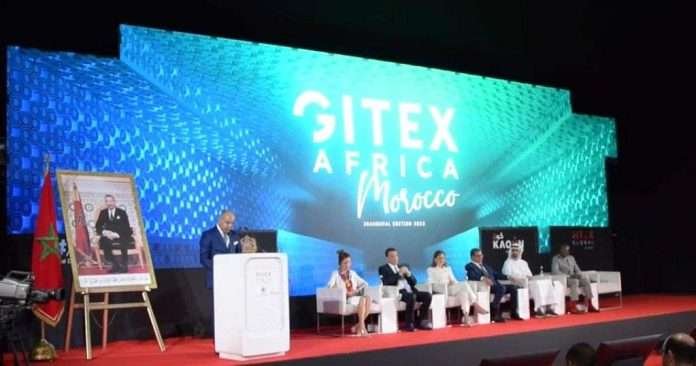
    Rabat, Morocco – (African Boulevard News) – Tech enthusiasts, entrepreneurs, and investors have converged in Marrakech for the first edition of Gitex Africa on Wednesday, May 31st. The event, which is set to run from May 31st to June 4th, has drawn 900 companies and 250 lecturers from 95 countries, who are showcasing their latest technologies and innovations.

    Gitex Africa gathers giants in the technology industry, startups, and small and medium-sized enterprises (SMEs). It is an excellent opportunity for these companies to exhibit their latest products, explore partnerships, and collaborate with other players in the industry. The Gitex Africa event is themed around the need to empower emerging technologies and startups in driving the continent’s economy.

    “The Gitex Africa event is a step in the right direction for Africa’s technology space. It is an opportunity to show the world what Africa is capable of, and how we’re leveraging technology to solve real problems and build world-class solutions,” said Benson Maina, Director of Strategy and Growth at Kenyan-based tech startup, Vuka.

    Gitex Africa has a rich program of events, including exhibitions, conferences, and workshops, that provides a platform for attendees to share their knowledge, experience, and expertise. Keynote speakers at the event include Chris Kwekowe, Co-founder of Slatecube, Professor Richard Foster, Chief Executive Officer of Janelia, and Jorn Lyseggen, Founder and CEO of Meltwater.

    “The event has surpassed our expectations. We’re excited to host such a diverse group of attendees from across the world. The event is not only about showcasing technologies that will redefine economic growth in Africa, but it is also about sharing ideas and experiences that will push our collective vision forward,” said Sohaib Mokhtari, Director of Gitex Africa.

    Gitex Africa is expected to facilitate collaboration, knowledge sharing, and networking opportunities, that will spur innovation and growth in Africa’s tech space, which is rapidly growing and critical for the continent’s economy.

    “Gitex Africa provides a platform for African tech startups and SMEs to tell their stories, share their challenges, and network with other players in the industry. It is a unique opportunity to showcase our products and services to the world, and we’re grateful for this chance,” said Yusuf Nyakinda, Founder of WezaTele, a Kenyan fintech company.

    In conclusion, Gitex Africa is a significant milestone for the African tech scene, showcasing the latest technological innovations, and providing opportunities for collaboration and networking. It is a platform for startups and SMEs to showcase their products and services, and share their challenges and experiences in driving economic growth in Africa. We look forward to the positive impact this will have on the continent.

    Ethiopia: Ethnic Cleansing and Humanitarian Crisis Escalate in Tigray Despite Peace Deal, Says Human Rights Watch

    0
    Read Time:1 Minute, 59 Second

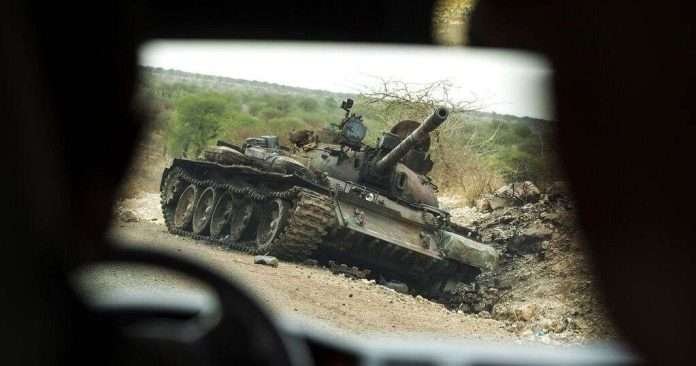
    Addis Ababa, Ethiopia – (African Boulevard News) – The humanitarian crisis in Tigray continues to escalate despite a peace deal signed in November 2020. According to Human Rights Watch, forces in Ethiopia’s Amhara region are still engaged in a brutal campaign of “ethnic cleansing,” targeting Tigrayans and other ethnic minorities.

    The conflict broke out in November 2020 between the Tigray People’s Liberation Front and the Ethiopian federal government, leading to a weeks-long military operation in the region. Though Prime Minister Abiy Ahmed declared an end to the fighting in late November 2020, the situation has not improved.

    The Human Rights Watch report alleges that ethnic Tigrayans and other minorities in Amhara are being forcibly removed from their homes and properties. Witnesses reported seeing their homes burned to ashes and their possessions destroyed before being forced to flee to neighboring regions.

    According to Laetitia Bader, the Horn of Africa director for Human Rights Watch, “This is ethnic cleansing. The Ethiopian government and the Amhara regional authorities have taken no action to stop it. They are actively participating in the violations.”

    The report also highlights the role of armed militias in the conflict, who are responsible for committing a range of human rights abuses against civilians, including killings, sexual violence, and looting. The Ethiopian army is also accused of being complicit in these crimes.

    The humanitarian situation in Tigray remains dire, with a severe shortage of food, water, and medical supplies. The fighting has displaced hundreds of thousands of people and left many in desperate need of assistance.

    Despite international pressure to end the conflict and allow aid to reach those in need, the Ethiopian government has been slow to act. In addition, the government has restricted access to the region for journalists, aid workers, and human rights investigators.

    The UN has warned that the situation in Tigray could escalate into a full-blown famine, calling for urgent action to address the crisis. The Ethiopian government must take immediate steps to protect civilians and allow humanitarian aid into the region.

    In conclusion, the Ethiopian government must take urgent action to protect civilians and prevent further escalation of the conflict in Tigray. The international community must also play a role in holding those responsible for human rights abuses accountable and ensuring that aid reaches those in need. Only then can there be hope for peace and stability in the region.

    Nigeria: Police Rescue Six Women from Alleged “Baby Factory” in Ogun State

    0
    Read Time:2 Minute, 21 Second

    Abuja, Nigeria – (African Boulevard News) – The Nigerian Police have rescued six women from an alleged “baby factory” in Mowe, Ogun State. The operation happened after a tip-off from a concerned citizen about a possible child trafficking facility. The raid occurred on Wednesday, and the police arrested the 39-year-old owner of the facility, who is believed to be the mastermind behind the operation.

    In a statement issued by Abimbola Oyeyemi, the spokesperson for the police in Ogun State, “The facility is an alleged orphanage home where young girls are impregnated and their babies sold to the highest bidder.”

    The police investigation found that the victims, between the ages of 18 to 26, had been deceived into thinking they would receive employment. The owner of the facility would then take their identity documents and put them in confinement to be impregnated by men she hired for that purpose. Once the babies were born, they were sold to buyers who are willing to pay for them at exorbitant prices.

    The rescued victims had been held against their will in an overcrowded and unsanitary environment. Medical examination reports indicate that they had been denied adequate medical care during their pregnancy. The Nigerian Police Force had previously arrested the owner of the baby factory in 2017 for running a similar operation, but she had since evaded prosecution until her recent arrest.

    According to the United Nations Office on Drugs and Crime (UNODC) in Nigeria, child trafficking is a significant problem in Nigeria with an estimated 10,000 children trafficked to Europe annually, with some going to the Middle East and other African countries. The UNODC report highlights that Nigeria is a source, transit, and destination country for human trafficking.

    The rescue operation is a significant breakthrough for the Nigerian Police Force, who have been encountering challenges in cracking down on child trafficking in the country. The police have since urged citizens to provide any information that would lead to the discovery of similar crimes.

    Ogun State Police Commissioner, Edward Ajogun, speaking to the press, stated that the suspects would be charged to court as soon as the investigation is concluded. “We will make sure that these victims get justice,” he added.

    The rescue of these six women has renewed calls for stringent measures to combat the menace of child trafficking in Nigeria. The Nigerian Government recently launched a national campaign against child trafficking and exploitation, which aims to raise awareness and increase public participation in the fight against child trafficking.

    In conclusion, the Nigerian Police Force and other relevant agencies must double their efforts to end the despicable act of child trafficking in the country. The Nigerian Government must also provide proper incentives, policies, and programs that will guarantee job opportunities for young people, thereby reducing the vulnerability of the youth to human trafficking.

    Somalia: Unlocking Economic Potential and Attracting Foreign Investors

    0
    Read Time:1 Minute, 57 Second

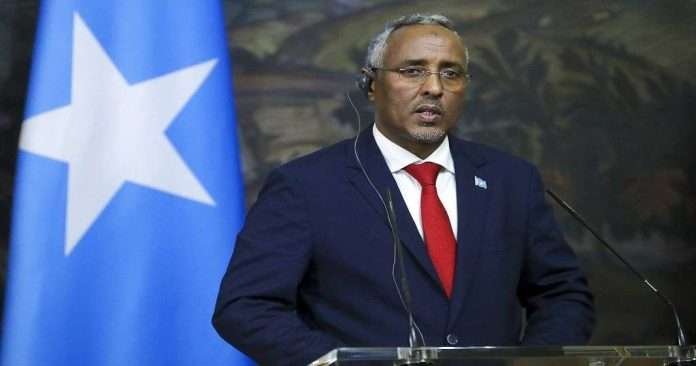
    Mogadishu, Somalia – (African Boulevard News) – Somalia’s economic potential has been under the spotlight for the past two days at a gathering of the Somali government, international partners, local entrepreneurs, and foreign firms. The main goal of the conference was to highlight the many opportunities available and address the challenges hindering the growth of the Somali economy.

    The conference titled “Unlocking Somalia’s Economic Potential” was organized by the Somali government in collaboration with the African Development Bank, the United Nations Development Programme, and the World Bank. It brought together policymakers, business leaders, and other stakeholders to discuss investment opportunities in Somalia.

    The conference focused on various topics, including infrastructure development, job creation, gender equality, and expanding access to finance. One of the major challenges discussed was the need to create a more conducive environment for foreign investors to invest in Somalia.

    According to the African Development Bank, Somalia’s economy is projected to grow by 2.9% in 2022, up from a contraction of 1.5% in 2021. The report also highlighted the need for structural reforms to improve the business environment and attract more investment.

    Speaking at the conference, the President of Somalia, Mohammed Abdullahi Farmajo, emphasized the need to attract more foreign investment into the country. “Investment is key to unlocking the economic potential of Somalia, and we are committed to creating an environment that will attract more investors,” he said.

    The conference was also attended by representatives from various international firms, including Coca-Cola, which recently announced plans to invest $200 million in Somalia over the next five years. Other firms, including Huawei, General Electric, and Siemens, highlighted the vast investment potential in Somalia’s energy and infrastructure sectors.

    On her part, the Chairperson of the African Union Commission, Nkosazana Dlamini-Zuma, emphasized the need to prioritize gender equality and women empowerment. “Women are the backbone of Somalia’s economy, and their empowerment is key to unlocking the country’s economic potential,” she said.

    In conclusion, the conference highlighted the vast investment opportunities available in Somalia and the need for structural reforms to attract more foreign investment. The Somali government pledged to create a more conducive environment for investors and implement policies that will promote economic growth and job creation. The gathering demonstrated the commitment of the Somali government, international partners, and other stakeholders in unlocking the full potential of Somalia’s economy.

    Morocco: Protesters Demand Justice for Gang-Raped Minor, Outrage as Trial Postponed

    0
    Read Time:2 Minute, 10 Second

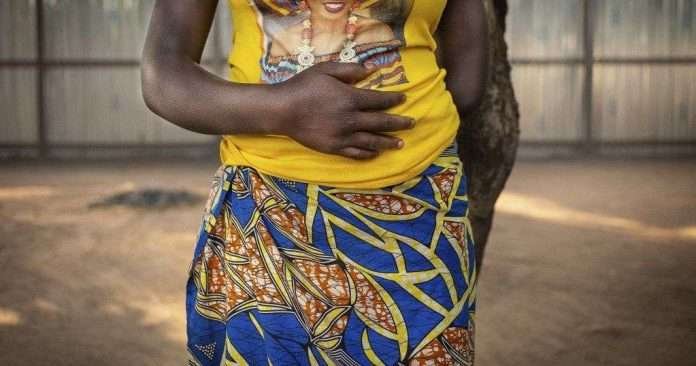
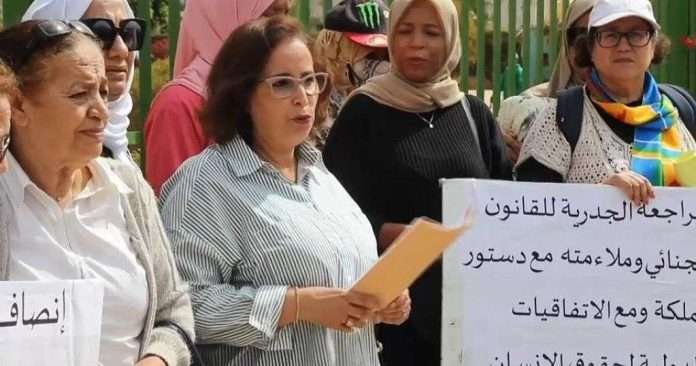
    Rabat, Morocco – (African Boulevard News) – Moroccans took to the streets to protest the initial verdict in the case of a minor who was gang-raped, and the postponement of the appeal trial on Wednesday, May 31. The victim’s family members and supporters gathered outside the Agadir court of appeal to demand justice.

    The trial was postponed due to the absence of one of the defendants and will resume on June 6, sparking outrage among the protesters, who called for justice for the victim and an end to impunity for perpetrators of sexual violence.

    The case goes back to 2018 when the 17-year-old girl was abducted, drugged, and raped by at least 12 men over two months in the city of Beni Mellal.

    The court in the city of Beni Mellal initially sentenced seven of the suspects to up to 20 years in prison, three others to lesser terms, and acquitted two others. However, the verdict was appealed by both the prosecution and the defense.

    The delay in the appeal trial is just one of many injustices that activists say the victim has faced. The victim, who cannot be named under Moroccan law, was initially charged with “consensual sex outside of marriage” before being cleared of the charge. Her family members say she has also been subjected to social stigma and harassment as a result of the case.

    “The delay in the appeal trial is yet another injustice for the victim and her family. The perpetrators must be held accountable for their actions, and the victim must receive justice and support,” said Fatima El-Issawi, a women’s rights activist.

    “Rape is a serious crime, and it must not go unpunished. We need to create a culture where victims of sexual violence are believed and supported, and perpetrators are held accountable for their actions,” she added.

    The case has sparked nationwide protests and renewed calls for reforms to Morocco’s rape laws, including the removal of the controversial “marry-the-rapist” clause, which allows a rapist to avoid prosecution if he marries his victim.

    The victim’s family has called for justice and an end to impunity for perpetrators of sexual violence. “We want justice for our daughter, and we want to make sure that no other woman has to go through what she has gone through,” said the victim’s father.

    Activists say that the case is a test of Morocco’s readiness to combat sexual violence and impunity. They are calling on the government to take action to ensure that victims of sexual violence receive justice and support, and that perpetrators are held accountable for their actions.

    Zimbabwe: Presidential Elections Give Hope Amid Economic Crisis and Violence Concerns

    0
    Read Time:1 Minute, 45 Second

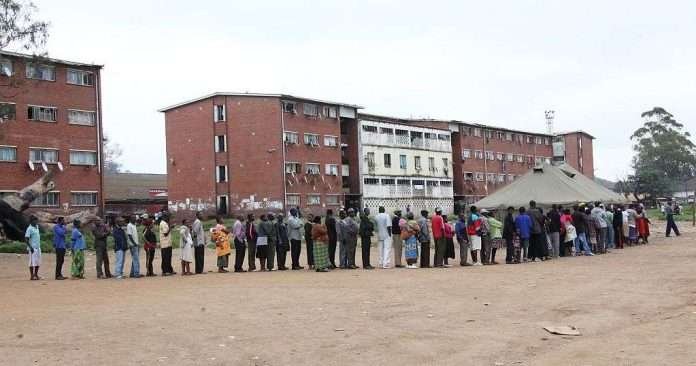
    Harare, Zimbabwe – (African Boulevard News) – Zimbabwean President Emmerson Mnangagwa has announced that the country will hold presidential and parliamentary elections on August 23, marking the first elections since the fall of long-time ruler Robert Mugabe in 2017.

    The announcement comes as the country battles an economic crisis, with high unemployment and inflation rates causing widespread hardship. Mnangagwa has said that the elections will be an opportunity for Zimbabweans to choose a path of “peace, unity, and development,” and has promised to oversee a free and fair election.

    While the announcement of the election date has been welcomed by many, there are concerns that the process may be marred by violence, intimidation, and irregularities. In the lead-up to the elections, Mnangagwa’s ruling ZANU-PF party has been accused of using state resources to campaign, and opposition parties have reported incidents of harassment and violence.

    Despite these concerns, Mnangagwa has promised to ensure that the elections are conducted in a peaceful and transparent manner. “The country deserves a free, fair, credible, and indisputable election,” he said in a statement.

    The opposition MDC Alliance has welcomed the announcement of the election date, but has also expressed concerns about the integrity of the process. “We are happy that the election date has been set, but there are many issues that need to be addressed to ensure that the elections are free and fair,” said MDC Alliance leader Nelson Chamisa.

    International observers, including the African Union and the United Nations, are expected to monitor the elections, and have called on all parties to respect the integrity of the process.

    The upcoming elections will be a test for Mnangagwa, who took over as president after Mugabe was forced to resign in 2017. Mnangagwa has promised to revive the country’s struggling economy and improve its international standing, but has faced criticism for his handling of the crisis.

    As Zimbabwe prepares for its first elections in the post-Mugabe era, the eyes of the world will be watching to see whether the country can turn the page on a turbulent past and move towards a brighter future.