Friday, May 1, 2026
89.2 F
Lagos
More
    Home Blog Page 373

    Nigeria: Fuel crisis devastates citizens as petrol prices surge and shortages persist

    0
    Read Time:2 Minute, 3 Second

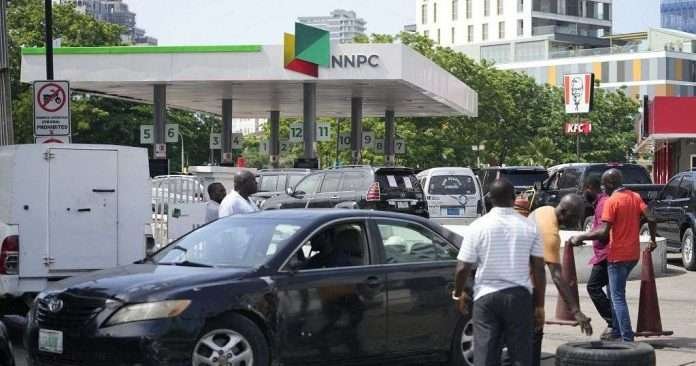
    Abuja, Nigeria – (African Boulevard News) – Nigerians are facing a fuel crisis as petrol prices have surged, and shortages have resulted in long queues outside petrol stations. This has driven up transport costs, making life even harder for the already-struggling population.

    Queues of vehicles waiting to refill stretched for several hundred meters in some cities. Transport prices have also shot up, making life even harder for Nigerians already struggling with high living costs.

    The Nigerian government increased fuel prices by 15% earlier this month, and this has caused widespread resentment and anger amongst the population, with many accusing the government of insensitivity towards the citizens’ plight.

    The government defended the move, stating that it was necessary to reduce petrol subsidies in order to free up resources for other sectors and stimulate economic growth. However, the government’s decision has not been well received by the people, who feel that the government is not doing enough to ease the burden on the common man.

    “The hike in fuel prices is unacceptable, especially at a time when the economy is already struggling,” said a resident of Lagos. “The government should be focusing on finding ways to reduce the cost of living, not making it even harder for us.”

    Nigeria is Africa’s largest oil producer, but it has to import refined petroleum products as it does not have the capacity to refine crude oil into petrol and other related products. The government has been subsidizing the cost of petrol for years, but with dwindling revenues due to declining oil prices and the COVID-19 pandemic, it has become unsustainable.

    “Increasing fuel prices is not the solution. The government needs to find other ways to generate revenue and reduce the burden on the people,” said a prominent economist. “The current situation is only going to make life harder for ordinary Nigerians, and this is not acceptable.”

    The government has promised to put measures in place to ensure that the fuel crisis is resolved soon. Still, it remains to be seen whether these measures will be enough to ease the burden on the population, who are already struggling to make ends meet.

    In conclusion, the fuel crisis in Nigeria is a reflection of the larger economic challenges facing the country. The government needs to find innovative ways to generate revenue and reduce dependence on oil exports to ensure sustainable economic growth and development. Only then can Nigeria create an environment where citizens can thrive and prosper.
    South Africa: Protests overshadow BRICS summit as activists call for Putin’s arrest

    0
    Read Time:2 Minute, 16 Second

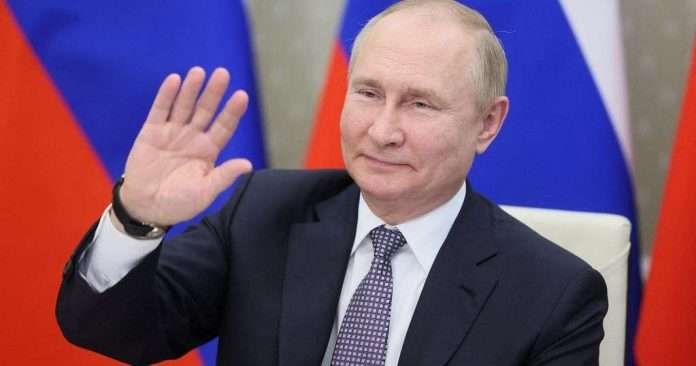
    Pretoria, South Africa – (African Boulevard News) – The Foreign Ministers of the Brazil, Russia, India, China, and South Africa (BRICS) countries met in Pretoria on Wednesday to discuss a range of issues, including the ongoing crisis in Afghanistan, the situation in Syria, and strengthening cooperation within the bloc. However, the meeting was overshadowed by protests and calls for the arrest of Russian President Vladimir Putin, who was attending the summit.

    Activists from South Africa and other African countries staged protests outside the summit venue, calling for Putin’s arrest on charges of war crimes in Syria and Ukraine. The activists accused Putin of supporting the Assad regime in Syria, which has been accused of using chemical weapons against civilians, and of invading Ukraine and annexing Crimea.

    South Africa, a member of the International Criminal Court (ICC), has faced criticism for its close diplomatic ties with Moscow, which some argue have shielded Russia from international condemnation for its actions. Earlier this year, South Africa opposed a UN resolution calling for an investigation into the use of chemical weapons in Syria, drawing criticism from human rights groups.

    Despite the protests, the BRICS Foreign Ministers issued a joint statement calling for “respect for the sovereignty, territorial integrity, and political independence of all states, and for the resolution of disputes through peaceful means.” The statement also called for the strengthening of multilateralism and the rule of law in international affairs.

    Commenting on the meeting, South African Foreign Minister Lindiwe Sisulu said that BRICS countries had an important role to play in promoting a more just and equitable world order. “We are committed to working together to address the challenges facing our countries and the world, including poverty, inequality, and climate change,” she said.

    However, critics argue that BRICS countries, including Russia, have failed to live up to their promises of promoting democratic values and human rights. “BRICS countries have been criticized for their lack of commitment to human rights and democratic values, and their failure to hold each other accountable for violations of these values,” says Human Rights Watch.

    Despite these challenges, some analysts argue that BRICS countries have the potential to challenge the dominance of Western powers in global affairs. “The BRICS countries represent a significant shift in the balance of power in the global economy and politics,” says economist Jim O’Neill.

    In conclusion, the BRICS foreign ministers’ meeting provided an opportunity for member countries to strengthen cooperation and address regional and global challenges. However, the protests and calls for Putin’s arrest highlight the challenges facing the bloc in promoting democratic values and human rights. The outcome of the summit underscores the need for BRICS countries to prioritize these values and work towards a more just and equitable world order.

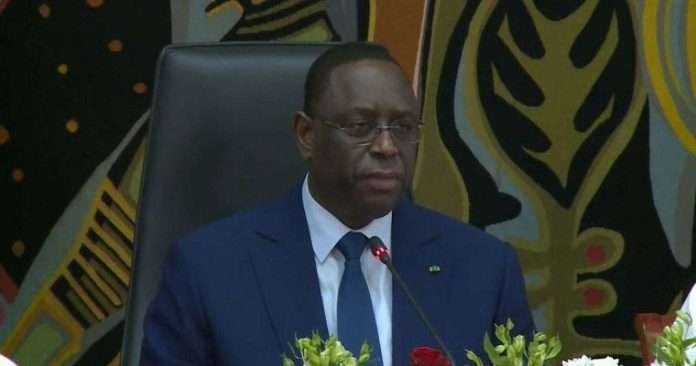
    Senegal: President Launches National Dialogue to Ease Tensions Ahead of 2024 Elections and Detained Opposition Leader

    0
    Read Time:2 Minute, 11 Second

    Dakar, Senegal – (African Boulevard News) – The President of Senegal, Macky Sall, has launched a national dialogue initiative amid rising tensions in the country. The move comes ahead of the 2024 elections and with his political rival, Ousmane Sonko, still in detention.

    Sall’s announcement of the national dialogue initiative is a clear indication that he is keen on maintaining peace and stability in the country. The initiative is expected to address a wide range of issues, including political reforms, the economy, and social issues.

    The president’s decision to launch the national dialogue was welcomed by many Senegalese citizens, who hope that the dialogue will help to ease tensions and build a more harmonious society. “I am glad that the President has taken this step to bring all stakeholders together to discuss issues affecting our country. This is a positive move, and I hope it will lead to positive outcomes,” said Babacar Ndao, a resident of Dakar.

    The national dialogue will involve various stakeholders, including political parties, civil society groups, religious leaders, and youth organizations. The participants will discuss issues affecting the country and come up with recommendations to help address them.

    The national dialogue initiative is expected to last for several months, and the recommendations will be presented to the president for consideration. Sall has pledged to implement the recommendations that are deemed feasible and in the best interest of the country.

    The move by the President to launch the national dialogue comes on the heels of the arrest and detention of Ousmane Sonko, a prominent opposition figure. Sonko’s arrest led to protests across the country, with his supporters calling for his immediate release.

    The opposition has accused the government of using the judiciary to target its opponents, while the government maintains that Sonko was arrested for allegedly disturbing public order.

    The launch of the national dialogue initiative is expected to help ease tensions in the country and create an environment that is conducive to free and fair elections in 2024. “We hope that the national dialogue will help build trust and mutual understanding among stakeholders, leading to a more peaceful and stable society,” said Ndongo Ndiaye, a political analyst.

    In conclusion, the national dialogue initiative launched by President Macky Sall is a positive step towards building a more harmonious society in Senegal. The initiative will bring together various stakeholders to discuss issues affecting the country and come up with recommendations for consideration by the government. The success of the initiative will depend on the willingness of all stakeholders to participate in good faith and make constructive contributions towards finding viable solutions to the challenges facing the country.

    South Africa: Russia’s Top Diplomat Rejects US Accusations of Supplying Weapons and Ammunition

    0
    Read Time:1 Minute, 41 Second

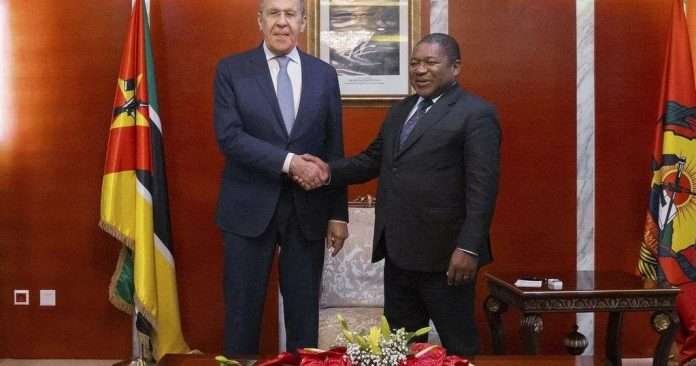
    Pretoria, South Africa – (African Boulevard News) – Russia’s top diplomat, Sergey Lavrov, has dismissed allegations made by the US government against South Africa’s government regarding the supply of weapons and ammunition to Moscow. In a recent meeting with South African officials, Lavrov stated that the accusations were unfounded and merely an attempt to cause a rift between Russia and its African partners.

    The US State Department claimed that South Africa’s government provided Russian military contractors with weapons and ammunition for operations in Syria, Libya and the Central African Republic. The US government went further to say that this act violated international sanctions imposed on Russia for its annexation of Crimea in 2014.

    However, Lavrov, during his meeting with South African officials, stated that the allegations had no proof and were baseless. He added that these allegations threatened to jeopardize the good relationship that exists between Russia and South Africa.

    “We reject these bogus accusations as unfounded,” Lavrov said. “These allegations were made without evidence, and they can only be seen as an attempt to undermine the good relations between Russia and South Africa.”

    South Africa’s foreign affairs department has also dismissed the allegations as unfounded, stating that the country is committed to upholding international law and sanctions imposed by the United Nations.

    “These allegations are baseless and unfounded. South Africa remains committed to upholding international law and the sanctions imposed by the United Nations,” the department said in a statement.

    This recent spat between Russia and the United States comes amid rising tensions between the two nations over issues such as Ukraine, the Syrian civil war, and the North Korean nuclear crisis.

    In conclusion, the allegations made by the US government against South Africa and Russia seem to be nothing more than an attempt to drive a wedge between Russia and its African partners. With both Russia and South Africa denying the allegations, it is now up to the US government to provide concrete evidence to support its claims. Until then, the allegations remain nothing more than baseless accusations.

    Morocco: Fadila el-Gadi’s Latest Collection Combines Rich Craft Heritage and Modern Aesthetics, Leaves Fashion World in Awe

    0
    Read Time:1 Minute, 45 Second

    Rabat, Morocco – (African Boulevard News) – Moroccan haute couture designer Fadila el-Gadi’s latest collection has set the fashion world abuzz with its exceptional combination of traditional Moroccan embroidery and modern European cuts. The collection was presented on Tuesday, May 30, at Rabat’s Chellah gardens, the perfect backdrop for the presentation of a collection steeped in the rich craft heritage of Morocco.

    The event was attended by local and international fashion enthusiasts, as well as experts in the industry. The designer’s artistic prowess and her ability to showcase Morocco’s rich cultural heritage were the main talking points. The fashion show was a perfect mixture of soft fabrics, embroidery, and colorful accessories with unique Moroccan vibes.

    Fadila el-Gadi said, “My latest collection is an ode to traditional Moroccan embroidery, which I have creatively blended with modern European aesthetics. I am passionate about our rich culture and want the world to experience the beauty of Morocco’s craftsmanship.”

    Traditional Moroccan embroidery, known as ‘Tazarine’, is famous for its intricate patterns and vibrant colors. The embroidery is done by hand, using silk or cotton and often features geometric shapes and floral motifs.

    Fadila el-Gadi’s collection features a variety of dresses, skirts, and tops, all adorned with the stunning Tazarine embroidery. The designs are sophisticated, elegant, and wearable, making them perfect for both formal occasions and everyday wear.

    The fashion world has lauded the collection as a perfect example of how traditional and modern can be tastefully blended. “Fadila el-Gadi’s collection is proof that traditional Moroccan embroidery can be modern and edgy. I am confident that her collection will be a huge success,” said fashion analyst, Samia Benhallam.

    The designer’s collection has already started making waves in the international fashion industry, with buyers from Europe, Asia, and the US placing orders for the unique garments.

    In conclusion, Fadila el-Gadi’s latest collection is a testament to Morocco’s rich cultural heritage, showcasing the beauty of traditional Moroccan embroidery in a modern and sophisticated way. Her ability to seamlessly blend traditional and modern aesthetics has made her collection a hit with both local and international fashion enthusiasts.

    Ghana: Literary Giant and Activist Ama Ata Aidoo Leaves Indelible Legacy After Passing Away from Brief Illness

    0
    Read Time:1 Minute, 38 Second

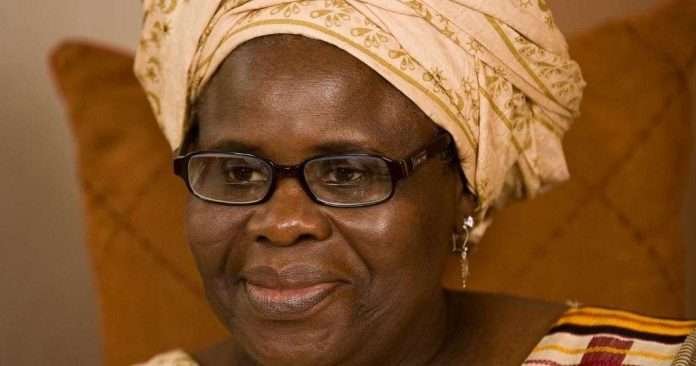
    Accra, Ghana – (African Boulevard News) – The literary world is mourning the loss of Ghana’s foremost author, Ama Ata Aidoo, who passed away at the age of 81. The acclaimed writer and activist died after a brief illness, leaving behind a remarkable legacy that has inspired countless readers and writers around the world.

    Born in 1942 in Abeadzi Kyiakor, Ghana, Aidoo began her writing career in the 1960s, during a period of great social and political change in Africa. Her work often explored themes of gender, identity, and African culture, and she was an outspoken advocate for women’s rights and equality.

    Throughout her career, Aidoo published numerous books, including the award-winning novel, “Changes: A Love Story,” as well as plays, essays, and poetry. Her work has been translated into several languages and has been widely praised for its insightful and powerful commentary on African life and culture.

    In a statement, the Ghanaian president, Nana Akufo-Addo, paid tribute to Aidoo’s “immense contribution” to Ghanaian and African literature. “Ama Ata Aidoo was an extraordinary woman whose literary talent and activism inspired many,” he said. “Her legacy will live on through her work, which will continue to inspire and educate future generations.”

    Many of Aidoo’s fellow writers and artists have also expressed their sadness at her passing. Novelist Chimamanda Ngozi Adichie described Aidoo as a “literary giant” and praised her for her “indefatigable spirit.” Nigerian musician, Femi Kuti, tweeted that Aidoo’s death was “a huge loss for Africa and the world.”

    Despite the sorrow felt by many, Aidoo’s life and work continue to serve as a source of inspiration and hope. Her contributions to African literature and culture have left an indelible mark on the world, and her legacy will undoubtedly continue to inspire generations to come.

    As we say goodbye to Ama Ata Aidoo, we celebrate her life and commemorate her extraordinary achievements. Rest in peace, dear Ama, and thank you for the gift of your words.

    Kenya: 12 Killed, Including 2 Children, in Violent Protests, Rights Groups Denounce Lack of Accountability

    0
    Read Time:2 Minute, 7 Second

    Nairobi, Kenya – (African Boulevard News) – According to two prominent international human rights groups, Kenyan police were involved in the killing of 12 people, including two children, during violent opposition demonstrations in March. In a statement released on Wednesday, the groups, Amnesty International and Human Rights Watch, condemned the lack of accountability from Kenyan authorities.

    The protests took place in various parts of the country following the arrest of opposition leader Raila Odinga. The government had banned large gatherings due to COVID-19 restrictions, but opposition supporters ignored the ban and took to the streets to demand the release of their leader.

    According to the report by Amnesty International and Human Rights Watch, the police used excessive force during the protests. They fired live ammunition and tear gas at crowds of peaceful protesters, and raided homes in opposition strongholds, terrorising residents.

    The report also alleges that police officers broke down doors and entered homes by force, beating and shooting residents. The two children who were killed were shot in their homes.

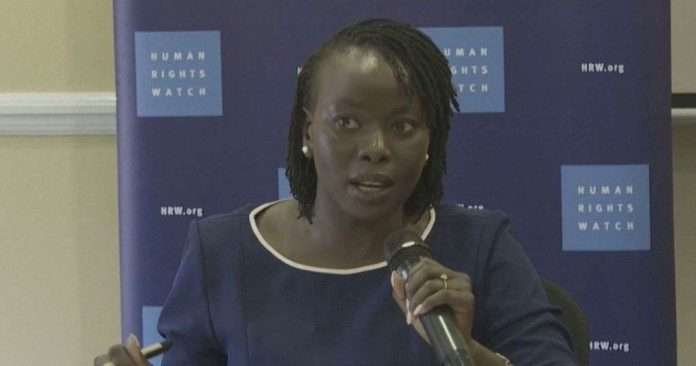
    “The police officers who killed these people, including the children, must be held accountable for their actions,” said Otsieno Namwaya, senior Africa researcher at Human Rights Watch. “The Kenyan government must launch a thorough and independent investigation into these killings, and ensure that those responsible are brought to justice.”

    The report also highlights the climate of fear and intimidation that has developed in some parts of Kenya. Many people are too afraid to speak out against the police, for fear of reprisals. Human Rights Watch and Amnesty International are calling for the international community to put pressure on the Kenyan government to take action.

    “The Kenyan government must take responsibility for the actions of its police force,” said Irungu Houghton, director of Amnesty International Kenya. “It’s not enough to issue statements condemning the violence – the government must hold the police accountable for their actions. The impunity with which the police are killing people must stop.”

    The killing of the 12 people has sparked outrage in Kenya and around the world. There have been calls for a thorough investigation into the incident, and for those responsible to be brought to justice. Amnesty International and Human Rights Watch have called for the establishment of an independent commission to investigate the killings.

    In conclusion, the report by Amnesty International and Human Rights Watch has highlighted the need for accountability from the Kenyan government and its police force. With pressure from the international community, there is hope that justice will be served for the victims of the March protests.

    Sudan: African Union’s Security Council Convenes Urgent Meeting Amid Renewed Clashes and Suspended Talks with Paramilitary Group RSF

    0
    Read Time:2 Minute, 1 Second

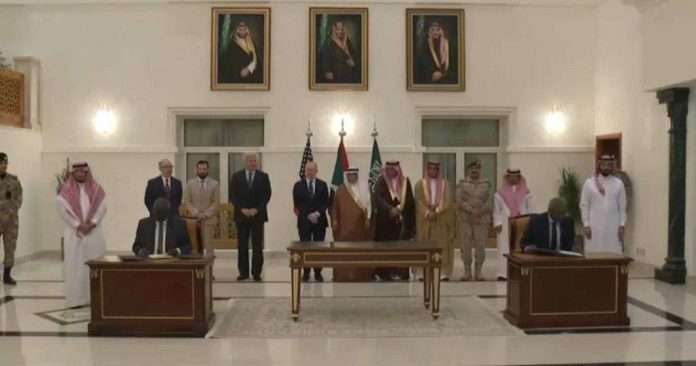
    Khartoum, Sudan – (African Boulevard News) – The African Union’s Security Council convened a meeting to discuss Sudan’s current state of unrest. The meeting was called following a recent announcement by a Sudanese diplomat regarding the suspension of talks with the paramilitary group, Rapid Support Forces (RSF).

    The meeting, which took place on May 31, was attended by representatives of several African countries. The objective was to explore ways to restore stability and promote peace in Sudan, where there have been continued clashes between the military government and various rebel factions.

    The African Union’s Security Council acknowledged the need to use a multilateral approach to address the ongoing issues in Sudan and expressed the importance of the negotiation process. They also reaffirmed their commitment to supporting the transitional government in Sudan to achieve a peaceful and democratic transition.

    In a recent statement, the Sudanese diplomatic mission revealed a significant gap in trust between the government and the RSF, which has been responsible for a number of human rights violations. The diplomatic mission stated that the RSF was the main obstacle to achieving peace in Sudan and that the group needed to be brought under control.

    In response, the African Union’s Security Council reiterated the importance of addressing human rights violations and encouraged the Sudanese government to take necessary steps to hold perpetrators accountable. The council also emphasized the need for inclusive political dialogue and efforts towards reconciliation.

    Maggie Murphy, the Director of the African Union’s Governance Commission, stated, “The African Union has been closely monitoring the situation in Sudan and has been in direct contact with the government and various stakeholders. We will continue to support and encourage peace efforts in Sudan and work towards a democratic transition.”

    The African Union’s Security Council’s meeting comes at a crucial time for Sudan, which has been grappling with political unrest since the ousting of former President Omar al-Bashir in 2019. The hope is that the meeting will provide a platform to explore solutions that will bring an end to the violence and return the country to stability.

    In conclusion, the African Union’s Security Council is taking steps to address the ongoing issues in Sudan and promote peace. The council emphasized the need for inclusive political dialogue and efforts towards reconciliation. The hope is that the meeting will provide a platform to explore solutions that will bring an end to the violence and return the country to stability.

    South Africa: Putin’s Shadow Looms Over Upcoming BRICS Summit Amid Election Meddling Concerns

    0
    Read Time:1 Minute, 44 Second

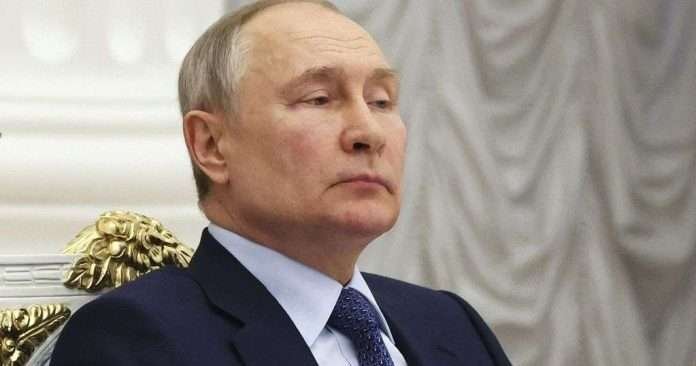
    Pretoria, South Africa – (African Boulevard News) – The upcoming BRICS (Brazil, Russia, India, China and South Africa) summit is set to take place in South Africa, however, this year’s meeting is shrouded in political controversy. Russian President, Vladimir Putin, is casting a shadow over the summit, with increasing concerns around his involvement in election meddling.

    The Russian and Chinese foreign ministers are expected to arrive in Cape Town on Thursday for the meeting, ahead of the larger summit of developing nations. The BRICS bloc represents around 40% of the world’s population and accounts for 23% of global GDP.

    However, this year’s summit differs from its predecessors as the leaders are likely to face scrutiny over Russia’s involvement in election meddling, following the controversy of the 2016 US Presidential Elections. Although the issue is primarily centred around the United States, it is a matter of global concern.

    South African political analyst, Mmakgosi Tau, commented that “The Russia issue looms large over the upcoming summit. The recent US elections have raised concerns among BRICS members, particularly South Africa in light of the country’s own 2019 elections. There are fears that Putin may interfere in the elections in some form.”

    The South African government has been tight-lipped regarding the issue, but several sources indicate that the government will address the issue privately with Putin. They also hope to clarify their stance on Russia and assure their citizens that the country’s democratic process will not be compromised.

    Despite the concerns, experts are optimistic about the summit, and expect it to strengthen ties between the BRICS countries, particularly in the economic sector. “Although there are concerns about Putin’s involvement, the summit itself is an opportunity for the countries to engage with each other and establish deeper trade relations,” said business analyst, Sipho Sibanda.

    In conclusion, the upcoming BRICS summit is set to be a significant event in South Africa’s political and economic calendar. However, it is clear that Putin’s shadow looms over the summit, and while it is unlikely to overshadow the event, it is a matter that cannot be ignored.

    Sudan: Military Chief’s Gesture Sparks Hope for Peace, Amidst Skepticism

    0
    Read Time:1 Minute, 54 Second

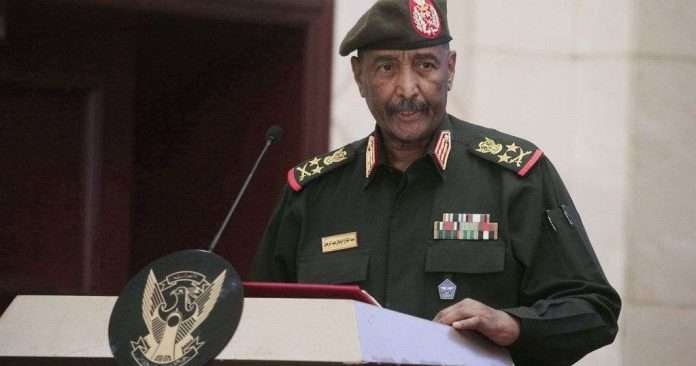
    Khartoum, Sudan – (African Boulevard News) – General Abdel Fattah al-Burhan, Sudan’s military chief, was recently filmed alongside his troops, sparking conversations about the country’s peace plan. The video, which was released over the weekend, shows Burhan wearing a military uniform, shaking hands, and taking photos with soldiers in a dusty and deserted area.

    The footage has sparked mixed reactions from the Sudanese populace, with some seeing it as an encouraging sign of the military’s commitment to Sudan’s fragile peace process. Others, however, saw it as a subtle display of power, with Burhan using the soldiers to show off his influence and control.

    The video was released just after the Sudanese government and opposition, who have been at war for years, agreed to extend a fragile ceasefire following pressure from mediators. The truce was brokered by Egypt, Ethiopia, and African Union envoys, amid fears that renewed fighting could derail Sudan’s fragile peace process.

    According to local sources, Burhan’s gesture was aimed at reassuring the public and the international community that the Sudanese military is committed to peace after years of political instability and conflict. The country has been in a state of unrest since 2019 when former President Omar al-Bashir was ousted in a military coup.

    The Sudanese government is currently in talks with rebel groups, and stakeholders are hoping that the ceasefire extension will provide room for constructive negotiations to resolve the outstanding issues. Despite the peace deal, many in the country still feel that the military has too much power and remains unaccountable.

    As the country inches towards a more stable future, the challenge will be to ensure that all parties follow through on their commitments and that the accord is translated into action. Experts warn that the government must also address longstanding political and economic grievances and provide for the needs of ordinary Sudanese citizens.

    In conclusion, General Burhan’s recent appearance with troops has sparked conversations about the future of Sudan and the country’s fragile peace process. While some see it as a step towards a more stable future, others remain skeptical about the military’s role in the country’s political landscape. Nonetheless, the extension of the ceasefire provides an opportunity for constructive dialogue, and stakeholders hope that all parties will remain committed to ensuring lasting peace in Sudan.