Friday, May 1, 2026
94.1 F
Lagos
More
    Home Blog Page 371

    Tunisia: President Proposes Taxing the Rich to Avoid IMF Loan and Stabilize National Finances

    0
    Read Time:1 Minute, 55 Second

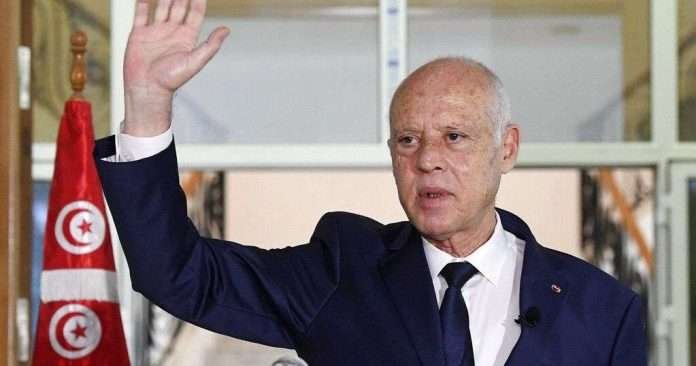
    Tunis, Tunisia – (African Boulevard News) – Tunisian President Kais Saied has unveiled plans to introduce new taxes specifically targeting the country’s wealthiest citizens. The move is aimed at stabilizing the country’s finances and avoiding a loan from the International Monetary Fund (IMF).

    Saied announced the plans in a televised address on Thursday, stating that the new measures would be necessary to avoid reliance on the IMF, which has historically placed stringent economic conditions and limitations on countries that receive its loans.

    Saied’s proposal involves imposing higher taxes on wealthy individuals and businesses, which would generate additional funds for the government. The proposed taxes would target individuals with an income of over TND 500,000 ($186,000) per year and companies with profits over TND 1m ($372,000) per year.

    The Tunisian President stated that the proposed tax increases would be fair and proportional, with higher earners being required to contribute a greater proportion of their earnings than those on lower incomes. Saied emphasized that these measures were necessary to ensure that the country’s wealthiest citizens contribute their fair share towards the national economy.

    Saied’s announcement was not entirely unexpected, with the Tunisian government having previously stated that it was looking to reduce reliance on IMF loans. The country has been struggling with a weak economy and high levels of debt, with the COVID-19 pandemic exacerbating the situation.

    Economic experts have praised the proposed measures, stating that they could help stabilize the country’s finances and reduce the need for IMF assistance. However, some have expressed concern that the new taxes may discourage investment and entrepreneurship in the country.

    Speaking to African Boulevard News, economic analyst Ahmed Moualek stated, “The proposed measures could be a good step in the right direction for Tunisia’s economy. However, it’s important that these taxes are imposed fairly and don’t disproportionately impact the middle class. Additionally, the government must ensure that the additional funds generated are used effectively and efficiently.”

    Overall, Saied’s proposal to tax the rich has generated a mixed response, with some praising the move as a progressive step towards economic stability, while others are concerned about the potential impact on the country’s business environment. Regardless, this move demonstrates the government’s commitment to address the country’s economic challenges and should be seen as a positive step towards fiscal sustainability.
    Zimbabwe: New Law Threatens Free Speech and Press Freedom Ahead of Crucial Elections

    0
    Read Time:2 Minute, 13 Second

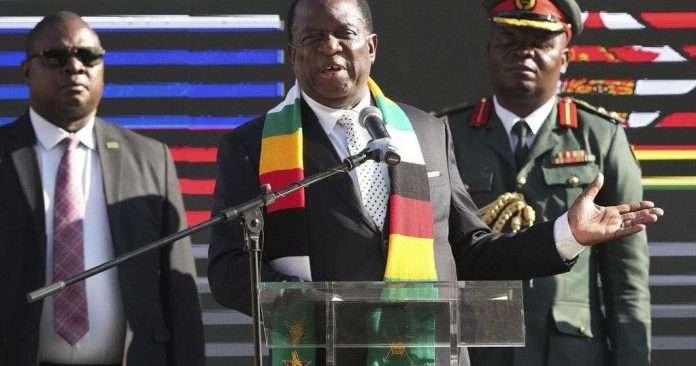
    Harare, Zimbabwe – (African Boulevard News) – The Zimbabwean parliament has approved a controversial new law that many believe could threaten free speech and limit press freedom as the country gears up for upcoming elections on August 23rd.

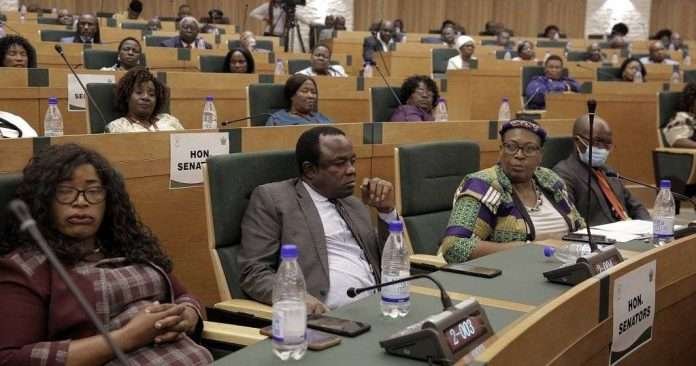
    The new law, dubbed the Patriotic Bill, seeks to limit criticism of the government and promote national unity. The bill has been criticized by opposition parties, human rights groups, and journalists who fear it could be used to stifle dissent in a country that is already known for its restrictive media environment.

    The bill was passed in parliament after a heated debate, with members of the ruling ZANU-PF party arguing that it was necessary to promote patriotism and unity ahead of the elections. However, opposition parties and civil society groups saw it as an attempt to silence critics and manipulate the media ahead of the polls.

    The law imposes fines and jail terms for those who are deemed to be spreading falsehoods, disinformation, or hate speech that could “undermine national security and public order.” This has raised concerns among journalists and media watchdogs who believe that the bill could be used to arrest and prosecute reporters who are critical of the government or ruling party.

    “The Patriotic Bill is a clear attempt by the government to control the narrative and limit press freedom ahead of the elections,” said Blessing Vava, a Zimbabwean journalist. “It is a deeply concerning development that could have serious consequences for the media in Zimbabwe.”

    The new law comes as Zimbabwe prepares for its first elections since the ousting of former president Robert Mugabe in 2017. The poll is seen as a crucial test for President Emmerson Mnangagwa, who has promised to revive the country’s faltering economy and bring about political reforms.

    Opposition parties have accused Mnangagwa and his ruling party of trying to rig the elections, citing a series of violent attacks on their supporters, intimidation, and the manipulation of the voters’ roll.

    The government has denied the accusations, saying it is committed to holding a free and fair election. However, critics say that the Patriotic Bill is yet another sign of the government’s determination to maintain its grip on power and silence any dissenting voices.

    As Zimbabwe moves closer to the polls, the passage of this law is likely to heighten tensions and further fuel fears of election rigging and political violence.

    “The Patriotic Bill is yet another attempt by the government to suppress the voices of ordinary Zimbabweans and silence any opposition ahead of the elections,” said Tatenda Mavetera, a political analyst. “It is a deeply troubling development that could have far-reaching consequences for the country’s democracy and stability.”

    Africa: Battle for Justice as Former Senegalese Mayor’s Lawyer Vows to Appeal Fraud Conviction and Secure Release from Prison

    0
    Read Time:1 Minute, 56 Second

    Diaspora, Africa – (African Boulevard News) – The legal battle surrounding former Senegalese mayor Khalifa Sall’s fraud conviction has taken a new twist as the lawyer representing him declared her intention to use all available legal means to appeal the conviction and secure his release.

    The Senegalese politician, who is widely regarded as a major opposition figure, was sentenced to five years in prison in 2018 on charges of fraudulent use of public funds. The trial deeply divided Senegal and sparked clashes between Sall’s supporters and security forces, which battered the country’s image of stability.

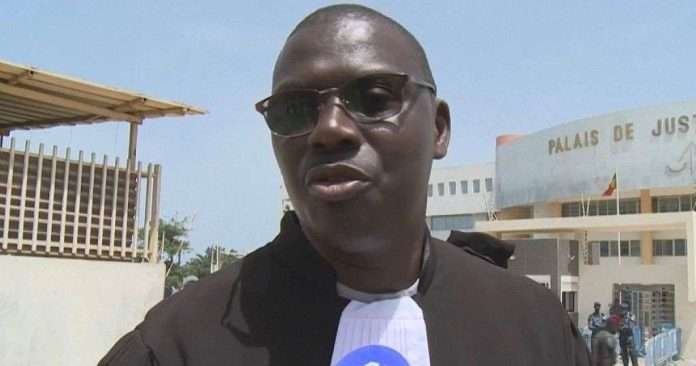
    Speaking on the matter, Sall’s lawyer, Aïssata Tall Sall, said the verdict was unfair and lacking in evidence, adding that they would use all available legal means to overturn the decision.

    “The conviction of Khalifa Sall is not only a serious injustice to my client, but also a blow to the rule of law in Senegal,” said Aïssata Tall Sall. “We will not rest until justice is served, and all the necessary legal means will be used to ensure that Khalifa Sall is released from prison and vindicated.”

    The case against Sall, who served as mayor of Senegal’s capital city, Dakar, from 2009 to 2018, was largely seen as politically motivated, with many of his supporters arguing that he was being targeted by the government for his criticism of President Macky Sall (no relation).

    The former mayor’s legal team had previously called for the case to be dropped, citing a lack of evidence against him. However, the court denied their plea, citing the weight of the evidence presented against Sall.

    Despite the guilty verdict, Sall’s supporters have vowed to continue their fight for justice, with many taking to the streets to protest the outcome of the trial.

    “Our struggle for justice and freedom for Khalifa Sall will never stop,” said one of Sall’s supporters, who spoke on condition of anonymity. “We will use all the means at our disposal to challenge this verdict and ensure that justice is served.”

    The case has triggered concerns about the state of democracy and the rule of law in Senegal, which has long been regarded as a beacon of stability in West Africa.

    As the legal battle continues to play out, many are eagerly watching to see what the next move will be in this contentious and divisive case.

    Sudan: Market Attack Leaves 17 Dead and 106 Injured in Shocking Outbreak of Violence

    0
    Read Time:1 Minute, 54 Second

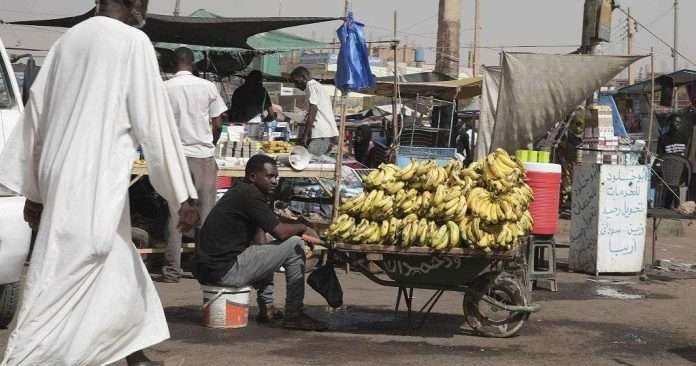
    Khartoum, Sudan – (African Boulevard News) – A market attack in Sudan’s capital, Khartoum, has left at least 17 people dead and 106 injured, according to officials. The attack was carried out on Thursday, 2nd June in the El-Beit market in the district of Khartoum North.

    The Sudanese government has yet to identify the attackers. This latest outbreak of violence comes as Sudan is making tentative steps towards democratic transition following the ouster of long-time dictator Omar al-Bashir in 2019.

    Eyewitnesses report that the attackers arrived on motorbikes and began firing indiscriminately at shoppers and stallholders. The market was crowded with people stocking up on goods ahead of the Eid al-Fitr festival, which marks the end of Ramadan.

    The Sudanese Prime Minister, Abdalla Hamdok, has condemned the attack and ordered an immediate investigation into the matter. In a statement, he said, “We will not allow any attempts to disturb the security and stability of our country or to derail the path towards democratic transition.”

    The United Nations and African Union have also issued statements condemning the attack and calling for an end to the violence in Sudan. The UN Secretary-General, António Guterres, expressed his condolences to the families of the victims and called on the Sudanese authorities to bring the perpetrators of the attack to justice.

    The attack is the latest in a string of violent incidents in Sudan over the past few years. The country has been wracked by conflict, particularly in the Darfur region, where rebels have been fighting government forces since 2003, resulting in the deaths of hundreds of thousands of people.

    Experts say that the attack on the market is likely to raise concerns about the country’s security situation and may have an impact on Sudan’s economy as the market is a hub for trade in the country.

    “This attack will have an adverse effect on the country’s economy, which is already struggling due to the Covid-19 pandemic,” said Ahmed Abushari, an economist in Khartoum.

    The attack on the market has left many Sudanese people in shock and mourning. As the country continues its journey towards democratic transition, the government must take urgent steps to address the security situation and ensure that such attacks do not happen again in the future.

    Tunisia: Judges Protest Government’s Stranglehold on Judiciary and Demand Independence

    0
    Read Time:1 Minute, 54 Second

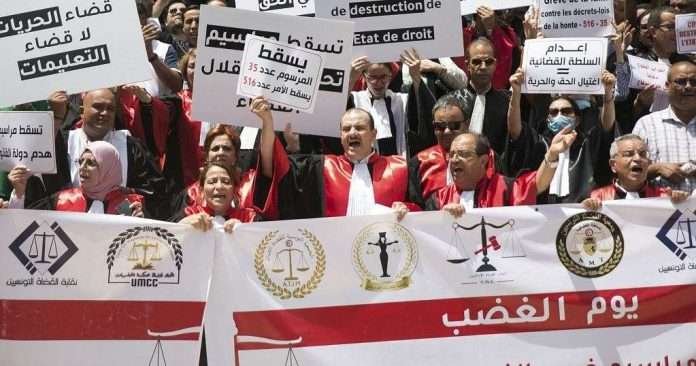
    Tunis, Tunisia – (African Boulevard News) – Tunisian judges, lawyers and activists took to the streets on Thursday to denounce the government’s “stranglehold” on the judiciary. The protest was organized against the government’s dismissal of more than 50 judges a year ago, which they say was done without proper investigation or hearing.

    The demonstrators carried banners with slogans such as “Justice is not for sale” and “We want an independent judiciary.” They called for the reinstatement of the dismissed judges and the removal of government interference in judicial affairs.

    In a statement, the judges said that the dismissals had created a climate of fear and insecurity among the judiciary, leading to a decline in professional standards and a loss of trust in the judicial system. They also accused the government of failing to provide adequate resources and personnel to the judiciary, thereby hindering its ability to function effectively.

    The protesters demanded that the government increase funding for the judiciary and respect the separation of powers enshrined in the constitution. They also called for an end to political interference in the appointment, promotion, and dismissal of judges.

    Lawyers and activists who took part in the demonstration expressed their solidarity with the judges and called for the protection of judicial independence as a fundamental pillar of democracy. They stressed that an independent judiciary was necessary to ensure the rule of law and prevent abuses of power by the government.

    In an interview with Al Jazeera, lawyer and human rights activist Wafa Ben Hassine said, “An independent judiciary is a cornerstone of democracy. Without it, citizens are left vulnerable to abuses of power and violations of their rights. We stand with the judges in their fight for justice and freedom from government interference.”

    The protest comes amid growing concerns over the erosion of democracy in Tunisia, which was hailed as a model for democratic transition after the 2011 revolution. The government has faced criticism for its handling of the COVID-19 pandemic, as well as allegations of corruption and authoritarianism.

    The demonstration was peaceful, and there were no reports of violence or arrests. However, the judges have warned that they will continue to protest until their demands are met and the judiciary is restored to its rightful place as an independent and impartial body.

    South Africa: BRICS nations unite to demand global economic equality despite Putin’s looming presence

    0
    Read Time:2 Minute, 2 Second

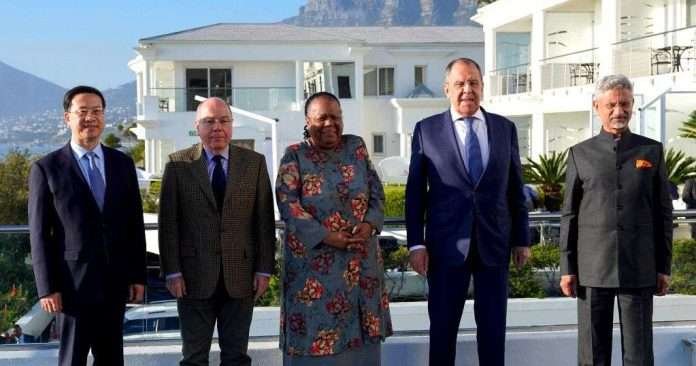
    Pretoria, South Africa – (African Boulevard News) – Top officials from the BRICS nations have called for a global rebalancing of economic power as they kicked off a two-day meeting in Pretoria, South Africa.

    The BRICS countries – Brazil, Russia, India, China and South Africa – hold significant sway in the world economy, accounting for almost half of the world’s population and about 20% of the world’s economic output. The talks precede a heads of state summit in August, which is proving problematic for host South Africa, due to the possible attendance of Russian President Vladimir Putin.

    In his opening remarks, South African Foreign Minister Lindiwe Sisulu called for the BRICS countries to work together to push for fair global economic governance. “We cannot have a world in which a few nations benefit while the rest of the world suffers,” she said. “We need a world in which everyone has the opportunity to prosper.”

    Many industry experts agree that the global economy is currently experiencing a significant imbalance of power, with a small number of developed economies dominating the global economic system at the expense of the developing world. This has led to widespread poverty and inequality, particularly in many African countries.

    According to Nigerian Trade Minister Okechukwu Enelamah, “BRICS countries need to combine forces to push for a fairer global economic system.” The call for economic rebalancing is not new, and it is widely believed that the BRICS countries can play a significant role in bringing about change.

    However, the looming presence of Russian President Vladimir Putin has cast a shadow over the discussions. Many officials from the other BRICS countries are concerned about the possible political and economic implications of Putin’s attendance at the summit in August.

    Nevertheless, the BRICS countries remain committed to working together to address the issues facing the global economy. As Brazilian Foreign Minister Aloysio Nunes put it, “We are five large, diverse countries, but we have a common goal: to build a more just and equitable world.”

    In conclusion, the BRICS nations have called for a global rebalancing of economic power as they meet in Pretoria, South Africa. The talks precede a heads of state summit in August, which is proving problematic for host South Africa, due to the possible attendance of Russian President Vladimir Putin. Industry experts agree that the global economy is currently experiencing a significant imbalance of power, and the BRICS countries can play a significant role in bringing about change.

    South Africa: Field Hospital Established to Fight Deadly Cholera Outbreak in Hammanskraal Township

    0
    Read Time:1 Minute, 51 Second

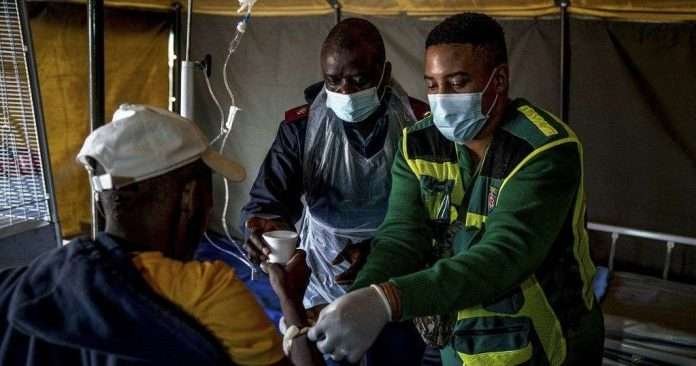
    Pretoria, South Africa – (African Boulevard News) – South Africa has established a field hospital in Kanana to handle the recent outbreak of cholera in the Hammanskraal township, near South Africa’s capital of Pretoria. The Gauteng Health Department constructed the facility to help stop and manage the spread of the disease.

    Cholera is a bacterial infection that causes severe diarrhea, dehydration, and can lead to death if not treated. The disease is typically spread through contaminated water or food. In recent months, South Africa has seen a rise in cholera cases, with over 300 reported cases in Hammanskraal alone.

    The establishment of the field hospital in Kanana is an essential step in curbing the cholera outbreak. The facility comes equipped with 40 beds, an isolation ward, and an on-site laboratory to diagnose and treat patients. The hospital will also provide clean, safe water and sanitation facilities to reduce the spread of the disease.

    According to Gauteng Health MEC Dr. Nomathemba Mokgethi, the hospital is an effective means to manage the cholera outbreak. “We aim to get ahead of the disease and prevent it from spreading further by diagnosing and treating patients promptly,” she said.

    The field hospital will work in conjunction with surrounding health centers to provide a comprehensive approach to cholera treatment and prevention. Gauteng Health has stated that they will continue to monitor the situation and take appropriate action if necessary.

    The establishment of the Kanana hospital is an example of proactive measures that can be taken to address public health emergencies. It is crucial to have adequate resources and infrastructure in place to contain and manage outbreaks quickly. With the field hospital in place, the authorities are taking the necessary steps to prevent the disease from spreading.

    As the world battles the COVID-19 pandemic, it is easy to forget that other diseases like cholera continue to pose a significant threat to public health. The establishment of the field hospital in South Africa is a reminder that we must remain vigilant and prepared to respond to emerging public health crises.

    Dr. Mokgethi summed it up best, “We are committed to protecting the health and safety of our citizens and will continue to work diligently to prevent the spread of cholera.”

    Mali: The Spiritual Instrument That Represents the Voice of the Ancestors

    0
    Read Time:2 Minute, 9 Second

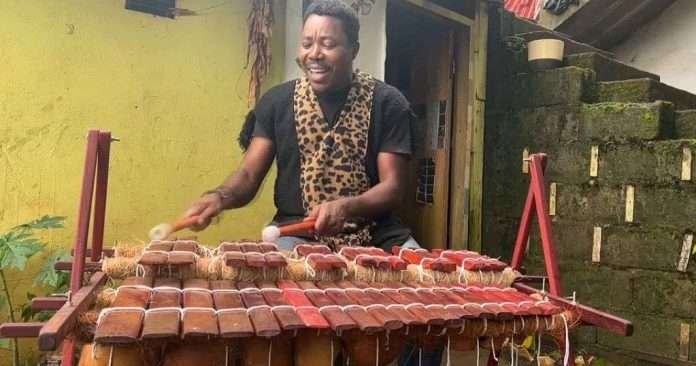
    Bamako, Mali – (African Boulevard News) – The balafon, an ancient African musical instrument, has a rich history and cultural significance. The instrument is made from local materials such as wood and gourds, with the keys made from various metals. It is a percussion instrument, similar to the xylophone or marimba, with each key producing a unique tone. The balafon has been an important part of West African music for centuries, and its influence can be heard in genres such as blues, jazz, and salsa.

    The balafon is believed to have originated in the Sosso Kingdom, located in modern-day Mali, during the 12th century. It generally contains 16 to 27 notes and can be played solo or as part of an ensemble. The instrument is an important cultural symbol, and its significance has been recognized by UNESCO, which added the balafon to its Intangible Cultural Heritage list in 2012.

    According to balafon musician Adama Diarra, “The balafon represents the voice of the ancestors. It is a spiritual instrument that brings people together and creates a sense of community.” Diarra, who comes from a long line of balafon players, is passionate about preserving the instrument’s rich cultural heritage. “It’s important to pass on this knowledge to the younger generation, so that they can continue the tradition and keep the balafon alive,” he explains.

    Despite its cultural importance, the balafon remains relatively unknown outside of West Africa. However, musicians such as Toumani Diabate and Ballake Sissoko have helped to raise its profile on the international stage. They have collaborated with artists from all over the world and have won critical acclaim for their fusion of traditional African music with contemporary styles.

    In addition to its musical significance, the balafon is also an important symbol of African heritage and identity. As Africanews.com notes, “The balafon is more than just an instrument. It is a symbol of the strength and resilience of the African people, and a reminder of the continent’s rich cultural heritage.” With its unique sound and rich history, the balafon continues to inspire musicians and music lovers around the world.

    In conclusion, the balafon is an ancient African instrument that has been an important part of West African music for centuries. It is an important cultural symbol that represents the voice of the ancestors and brings people together. While relatively unknown outside of West Africa, the balafon is gaining recognition on the international stage thanks to musicians such as Toumani Diabate and Ballake Sissoko. With its unique sound and rich cultural heritage, the balafon is a true gem of African musical tradition.

    Zimbabwe: New Law Bar Criticism of Government Ahead of Crucial Elections, Drawing Outrage and Fear Over Freedom of Speech

    0
    Read Time:2 Minute, 10 Second

    Harare, Zimbabwe – (African Boulevard News) – Zimbabwe’s government is under intense scrutiny following the implementation of a new law that threatens citizens’ freedom. The law, which was passed by Parliament with support from the ruling ZANU-PF party, has drawn criticism from human rights groups and opposition leaders.

    The “Protection against False Information” law makes it a crime to criticize the government or disseminate false information. The law also gives authorities the power to arrest individuals who use social media to spread information deemed to be false or inflammatory.

    According to critics, the law is a direct attack on free speech and an attempt by the government to stifle dissent ahead of the presidential and parliamentary elections scheduled for August. The government, however, maintains that the law is necessary to curb “fake news” and protect citizens from misinformation.

    “Zimbabweans value their freedom of expression and the media, but this new law is a terrible infringement on their rights,” said Dewa Mavhinga, Southern Africa Director of Human Rights Watch.

    The law has already had a chilling effect on freedom of expression in the country, with journalists, activists, and opposition leaders afraid to speak out for fear of reprisals.

    “Telling the truth can now land you in jail. This is a clear violation of our constitutional rights and a brazen attempt to silence the opposition,” said Nelson Chamisa, leader of the opposition Movement for Democratic Change.

    The new law also comes amid increasing concerns over the government’s handling of the COVID-19 pandemic. Zimbabwe has struggled to contain the virus, with a surge in cases and deaths in recent months. Critics have accused the government of downplaying the severity of the crisis and suppressing information.

    The government has dismissed these claims, saying it is doing everything possible to mitigate the impact of the pandemic.

    “We are committed to protecting our citizens and ensuring the safety of all Zimbabweans. This law is just one of the many measures we have put in place to achieve this goal,” said Information Minister Monica Mutsvangwa.

    The implementation of the new law has sparked widespread condemnation from human rights groups and international organizations. They have called on the government to repeal the law and respect citizens’ fundamental rights.

    “The government of Zimbabwe must immediately repeal this law and allow citizens to exercise their right to freedom of expression and access to information,” said Muleya Mwananyanda, Deputy Director for Southern Africa at Amnesty International.

    As the country prepares for elections, the world will be watching closely to see if Zimbabwe can uphold its democratic principles and respect the fundamental rights of its citizens.

    Senegal: Ousmane Sonko Sentenced to Two Years in Prison, Sparks Outrage in a Crackdown on Opposition Voices and the Fight Against Violence Against Women.

    0
    Read Time:1 Minute, 45 Second

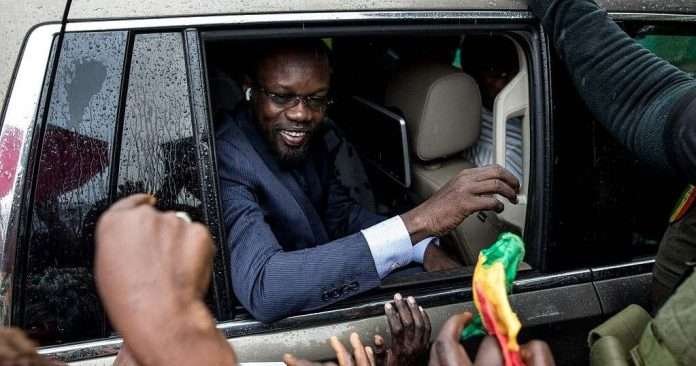
    Dakar, Senegal – (African Boulevard News) – On Thursday, a criminal court in Dakar sentenced Senegal’s opposition politician Ousmane Sonko to two years in prison on the charge of “corrupting young people.” Sonko is a candidate for the 2024 presidential election and one of the most prominent figures in the opposition.

    The charges against Sonko date back to February 2021, when a woman accused him of rape. The allegations sparked protests across Senegal, with many demonstrators calling for justice and an end to violence against women. Sonko denies the allegations and says they are politically motivated.

    The court found Sonko guilty of “publicly questioning the legitimacy of the justice system” and “participating in an unauthorized protest.” The corruption charge stems from a demonstration that Sonko organized in the streets of Dakar. During the protest, he allegedly encouraged young people to engage in illegal activities.

    The two-year sentence has shocked many in Senegal and beyond, with critics accusing the government of using the legal system to silence opposition voices. Amnesty International has called for Sonko’s immediate release, saying that his trial “was plagued by irregularities and political interference.”

    The verdict has also raised concerns about the state of democracy in Senegal. President Macky Sall, who came to power in 2012, has been accused of cracking down on dissent and suppressing opposition voices. The sentencing of Sonko, a popular figure among young people and the working class, is likely to fuel further protests and unrest.

    “The government has shown that they are willing to go to any length to maintain their grip on power,” says Mamadou Ndoye, a political analyst in Dakar. “But they cannot silence the voices of the people. This is a wake-up call for all those who believe in democracy and human rights.”

    The trial of Ousmane Sonko has been closely watched by many in Senegal and beyond. The verdict sends a message to opposition figures that they are not safe from government persecution. It also highlights the need for a free and independent judiciary that can uphold the rule of law and protect the rights of all citizens.