Friday, May 1, 2026
94.1 F
Lagos
More
    Home Blog Page 370

    Rwanda: Genocide Suspect Fulgence Kayishema Appears in South African Court for Trial, Faces Charges of Fraud and Immigration Law Violations

    0
    Read Time:2 Minute, 6 Second

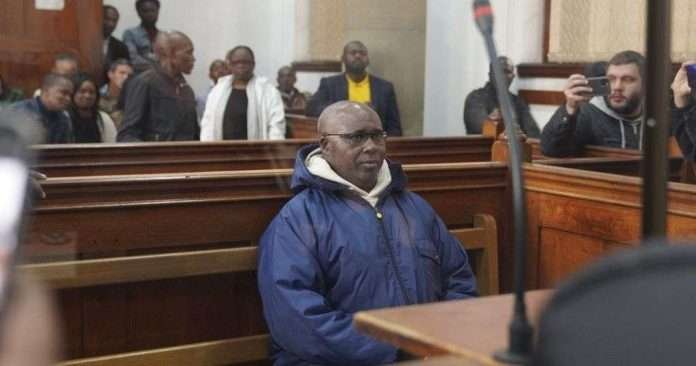
    Kigali, Rwanda – (African Boulevard News) – Fulgence Kayishema, a suspect in the Rwandan genocide of 1994, has reappeared in a Cape Town court for the second time, on Friday (June 2nd). The former Rwandan mayor fled to South Africa in 1995, following his alleged involvement in the massacre of thousands of Tutsis and moderate Hutus. Kayishema faces charges including fraud and breaking local immigration laws, and more charges are likely to be brought against him in the coming weeks.

    The South African authorities have been working closely with the Rwandan government to bring Kayishema to justice. Speaking to reporters outside the court, Mbuyiselo Stemela, the spokesperson for the South African National Prosecuting Authority, said that “we are determined to ensure that justice is served for the victims of the genocide, and that those responsible are held to account.”

    Kayishema’s appearance in court has been welcomed by human rights groups and survivors of the genocide. “It’s a long overdue step towards justice”, said Pierre Celestin Rwigema, a survivor of the genocide. “We hope that this trial will send a message to other perpetrators that they cannot escape justice forever.”

    The trial is expected to last for several months, and there is a possibility that Kayishema could be extradited to Rwanda to face trial there. This would be a significant step towards reconciling the two nations, which have a troubled history, with accusations ranging from genocide to interference in each other’s affairs.

    The case of Fulgence Kayishema is just one of many that are being pursued by the Rwandan government, as it seeks to bring to justice those who were responsible for the genocide. According to the Rwandan Ministry of Justice, more than 1,200 genocide suspects have been extradited from different countries since 1995, with the majority of them tried and convicted in Rwandan courts.

    As the trial of Fulgence Kayishema continues, the world will be watching to see whether justice is served for the victims of the Rwandan genocide. It is important that those responsible are held to account, and that the survivors of the genocide can find some measure of closure and peace.

    In conclusion, the trial of Fulgence Kayishema is an important step towards justice for the victims of the Rwandan genocide. The South African authorities and the Rwandan government are working together to ensure that those responsible for the atrocities are held to account. As the trial continues, it is important that the world remembers the horrors of the genocide and that the legacy of those who perished lives on.
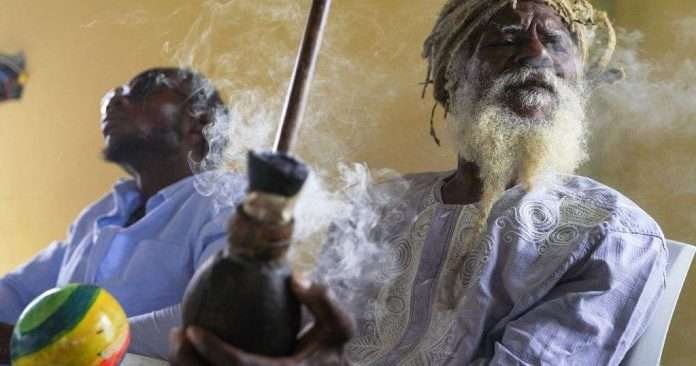
    Africa: The Persecution of Rastafarians for their Sacred Use of Marijuana

    0
    Read Time:2 Minute, 19 Second

    Diaspora, Africa – (African Boulevard News) – Members of the Rastafari religion and political movement have been persecuted and imprisoned for their ritualistic use of marijuana for decades. For Rastafarians, marijuana is more than just a recreational drug, it has a deep spiritual and cultural significance. The religion, which originated in Jamaica in the 1930s, is founded on the belief in a single God, the divinity of Emperor Haile Selassie I of Ethiopia, and a deep respect for nature. In this article, we explore why Rastafarians smoke marijuana for sacramental reasons and the faith’s other beliefs.

    The sacramental use of marijuana in Rastafarianism is grounded in the belief that it brings them closer to God. For Rastafarians, smoking marijuana is a way to achieve a higher level of consciousness and connect with their inner selves. They believe that the herb aids in meditation and allows them to better focus on their prayers. It is considered a sacrament, similar to the use of wine and bread in the Christian faith.

    Rastafarians also use marijuana as a form of medicine. They believe that the plant has healing properties and can be used to treat a range of ailments, including asthma, glaucoma, and anxiety. It is also used to treat spiritual ailments, such as depression and stress.

    In addition to the sacramental use of marijuana, Rastafarians have other beliefs that are deeply rooted in their culture. They believe in the importance of Africa and its people. They believe that the African diaspora is the result of slavery and the colonization of the continent. As a result, they advocate for the repatriation of all Africans to Africa.

    Rastafarians also reject the societal norms of the Western world, including its consumer culture and political systems. They believe in the importance of living sustainably and coexisting with nature. They advocate for the use of natural resources and the protection of the environment.

    Despite the religious and cultural significance of marijuana to Rastafarians, its use remains illegal in many parts of the world. This has led to the persecution and imprisonment of many members of the Rastafarian community. As a result, many Rastafarians have been forced to choose between their faith and the law.

    In conclusion, Rastafarians smoke marijuana for sacramental reasons because they believe it brings them closer to God. It is also used as a form of medicine and has healing properties. Rastafarians have other beliefs that are deeply rooted in their culture, including the importance of Africa and its people, living sustainably, and rejecting the societal norms of the Western world. Despite its significance to the community, the use of marijuana remains illegal in many parts of the world. This has led to the persecution and imprisonment of many Rastafarians, forcing them to choose between their faith and the law.

    DRC: A Historic Move towards Justice and Accountability as it Signs a Cooperation Agreement with ICC to Bring War Criminals to Book

    0
    Read Time:2 Minute, 27 Second

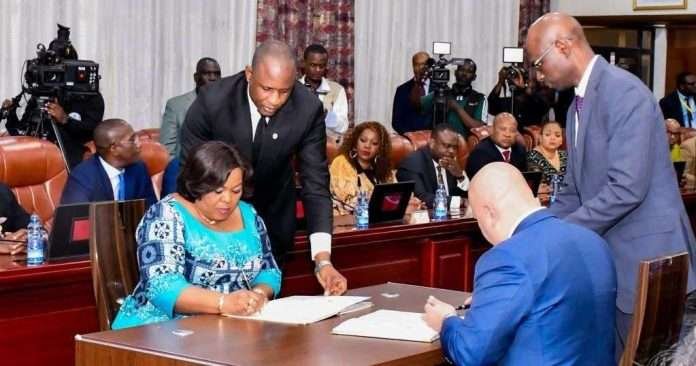
    Kinshasa, DRC – (African Boulevard News) – The Democratic Republic of Congo (DRC) has signed a memorandum of understanding (MoU) with the International Criminal Court (ICC) to strengthen their cooperation in the fight against war crimes impunity. The agreement was signed on June 1st, and both parties have pledged to intensify their efforts to bring perpetrators of war crimes to justice.

    The MoU was signed by DRC’s Minister of Justice, Celestin Tunda Ya Kasende, and the ICC Prosecutor, Fatou Bensouda. It aims to enhance mutual support and cooperation between the two institutions, particularly in investigations and prosecutions related to war crimes in the DRC.

    “The signing of this memorandum of understanding is a clear commitment of the DRC to fight impunity and ensure accountability for the most heinous crimes committed on its territory,” said Minister Kasende.

    The ICC Prosecutor welcomed the MoU, describing it as a significant milestone in the fight against war crimes impunity in the DRC.

    “This MoU marks an important step forward in our cooperation with the DRC authorities, and it will enable us to enhance our efforts to investigate and prosecute those responsible for the most serious crimes under the ICC’s jurisdiction,” said Prosecutor Bensouda.

    The DRC has been plagued by violence and conflict for decades, with numerous armed groups carrying out atrocities against civilians, including murder, rape, and forced displacement. The ICC has been investigating war crimes in the DRC since 2004, and has prosecuted several individuals, including former rebel leader Bosco Ntaganda, who was sentenced to 30 years in prison in 2019.

    However, the ICC’s efforts have been hindered by a lack of cooperation from the DRC government, which has at times been accused of shielding individuals suspected of war crimes from prosecution. The MoU signed on June 1st is seen as a significant step towards addressing these challenges and improving cooperation between the ICC and the DRC authorities.

    The MoU also includes provisions for the ICC to provide technical assistance and capacity-building support to the DRC’s justice system, as well as for the exchange of information and evidence between the two institutions.

    The signing of the MoU has been welcomed by human rights organizations, who have called for greater accountability for war crimes in the DRC.

    “By signing this MoU with the ICC, the DRC government is sending a strong message that it is committed to ending impunity for the perpetrators of war crimes and crimes against humanity in the country,” said a spokesperson for Human Rights Watch.

    In conclusion, the signing of the MoU between the DRC and the ICC is a significant development in the fight against war crimes impunity in the country. The agreement will strengthen cooperation between the two institutions and improve their ability to investigate and prosecute individuals responsible for atrocities in the DRC. It is hoped that this will lead to greater accountability for war crimes and a reduction in the incidence of violence against civilians in the country.

    Egypt: Sandstorm Tragedy Claims One Life and Leaves Five Injured as Billboard Collapse Sparks Safety Concerns

    0
    Read Time:1 Minute, 59 Second

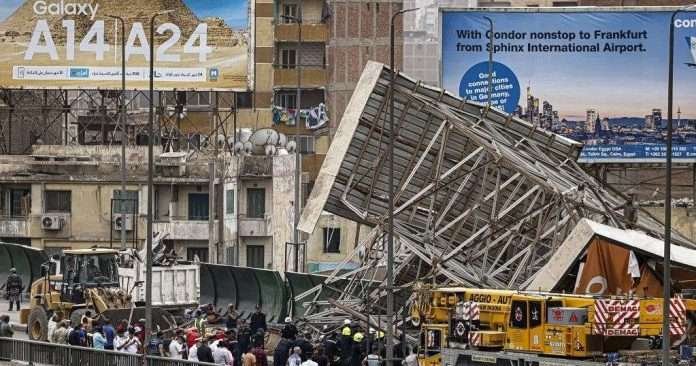
    Cairo, Egypt – (African Boulevard News) – Tragedy struck the bustling streets of Cairo, Egypt, on Thursday, June 2, 2023, when a sudden sandstorm caused a massive billboard to collapse onto a busy thoroughfare. The incident claimed the life of one person and left five others critically injured.

    According to eyewitnesses, the massive billboard came crashing down onto the street, sending pedestrians and motorists into a panic. Authorities rushed to the scene, blocking off the area and launching rescue operations.

    “The sandstorm hit suddenly, and before we knew it, the billboard had fallen onto the road,” said one eyewitness, who declined to be named. “It was chaotic, with people running for their lives and screaming for help.”

    Emergency services responded quickly, rushing the wounded to the hospital and attempting to clear the debris from the busy road. However, despite their best efforts, one person was pronounced dead on arrival at the hospital.

    The incident has sparked fresh concerns about the safety of billboards and other structures in Egypt, particularly during sandstorms. While such storms are not uncommon in the region, they can cause considerable damage due to their intensity and suddenness.

    “We have seen an increase in the number of sandstorms in recent years, and this incident highlights the need for greater vigilance and safety measures,” said Dr. Hassan Ali, an environmental expert. “It is important that we take steps to reinforce structures and ensure that they can withstand severe weather conditions.”

    The incident has also led to calls for stricter regulations governing the installation and maintenance of billboards and other structures in urban areas. While billboards can be a valuable marketing tool, they can also pose a significant risk to public safety if not properly maintained.

    “This tragedy is a wake-up call for the authorities to take urgent action to ensure the safety of our streets,” said Ahmed Hussein, a local resident. “We cannot afford to wait for another tragedy to occur before we address these concerns.”

    As the investigation into the incident continues, authorities have urged residents to exercise caution during sandstorms and to report any safety concerns to the relevant authorities.

    In conclusion, the tragic incident in Cairo has underscored the need for greater safety measures and regulations regarding infrastructure in urban areas. While the incident has left a community in mourning, it can provide an opportunity for meaningful change and improved safety for all.

    Central African Republic: President announces referendum on new Constitution to end decade-long crisis

    Read Time:1 Minute, 58 Second

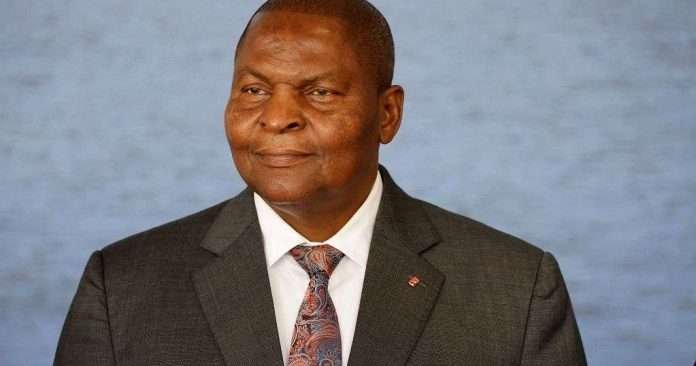
    Bangui, Central African Republic – (African Boulevard News) – The announcement of a referendum on a new Constitution by the Central African Republic (CAR) President, Faustin Archange Touádera, has elicited mixed reactions from the citizens. The referendum is scheduled to take place in July, and it has caused waves of anticipation in the country as it seeks to put an end to a decade-long crisis.

    The proposed Constitution is expected to replace the current one adopted in 2015 and would see the reduction of the presidential term from six to five years. It would also limit the President to serving only two terms and create more opportunities for women and young people in politics. The referendum is seen as a step towards achieving stability in a country that has been plagued by sectarian violence for years.

    In response to this announcement, some Central Africans have expressed their support for the proposed Constitution, lauding the efforts of the President to make the country more democratic. They view it as a long-awaited opportunity to effect change in the country’s governance system.

    One resident, Jean-Pierre, said, “I think it’s great news that we are finally getting a new Constitution. It will provide us with the opportunity to build a new CAR that is better than what we have now.”

    However, some Central Africans are skeptical of the referendum’s outcomes, pointing out that the proposed Constitution is not inclusive enough. They argue that the drafters should have done more to include the views of all stakeholders in the process.

    Annie Kanimba, an activist, said, “The Constitution was drafted without the input of all the stakeholders, and it still has some flaws. There are still critical issues that must be addressed before we can accept it.”

    Despite these reservations, some believe that the referendum could be the first step towards stability, reconciliation, and good governance in the country. They urge their fellow citizens to support the referendum and work towards building a better future for the Central African Republic.

    In conclusion, the proposed Constitution and the upcoming referendum present an opportunity for the Central African Republic to chart a new course towards democracy, inclusivity, and stability. While some are optimistic about the changes, others are more hesitant, concerned with the Constitution’s potential shortcomings. Regardless of one’s position, the referendum’s outcome will have a lasting impact on the country’s future.

    Morocco: Berber to be Taught in Primary Schools, A Historic Step Towards Preserving Culture and Heritage

    0
    Read Time:1 Minute, 54 Second

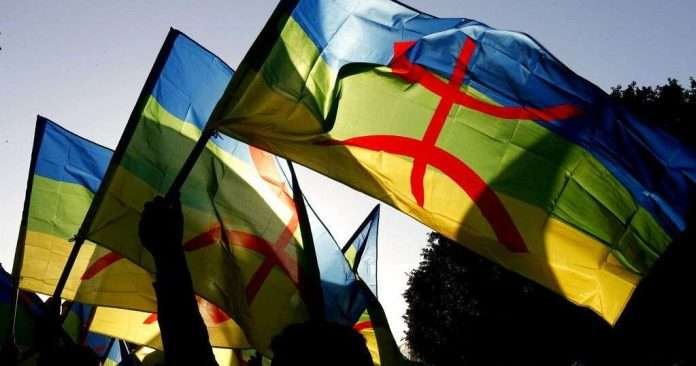
    Rabat, Morocco – (African Boulevard News) – The Moroccan government has announced a decision to introduce the teaching of Amazigh, also known as Berber, in all primary schools across the country. This new move is set to impact 4 million pupils by 2030, according to the Minister of Education.

    For many years, the Berber language was not recognized in Morocco, despite being spoken by over 40% of the population. In recent years, however, there has been growing pressure from activists and scholars to promote the language’s use and preserve its culture.

    This latest decision by the government is being hailed as a significant milestone towards preserving Berber culture and promoting its use. The minister of education explained that the teaching of Amazigh would be phased in gradually, with the first stage set to begin in the new academic year.

    “Berber will be taught in all primary schools in Morocco, with a focus on the rural areas where the language is mostly spoken. Our aim is to ensure that future generations of Moroccans can speak and write in this language”, said the minister.

    The decision has been warmly received by Berber activists, who see it as a step towards the protection and promotion of the Berber language and culture. “We are very happy with this decision, and it is a great victory for our community,” said Salaheddine Amghar, a Berber activist.

    The teaching of Berber in schools is also expected to enhance the country’s cultural diversity and promote social cohesion among Moroccans. It is not just about preserving a language but also about promoting a way of life and identity.

    The decision by the government to promote Berber culture is a part of a broader policy aimed at promoting ethnic and cultural pluralism in Morocco. It is a recognition that the nation is made up of different ethnic and cultural groups, and the promotion of these cultures is the cornerstone of building a diversified and cohesive society.

    In conclusion, the decision by the Moroccan government to promote the teaching of Berber in all primary schools is a historical milestone towards preserving the heritage and culture of Berber people. It is a step towards promoting social cohesion and strengthening cultural diversity in the country, which will ultimately benefit the Moroccan society as a whole.

    Burkina Faso: 50 “Terrorists” and 2 Civilians Killed in Deadly Ambush on Food Convoy

    0
    Read Time:1 Minute, 45 Second

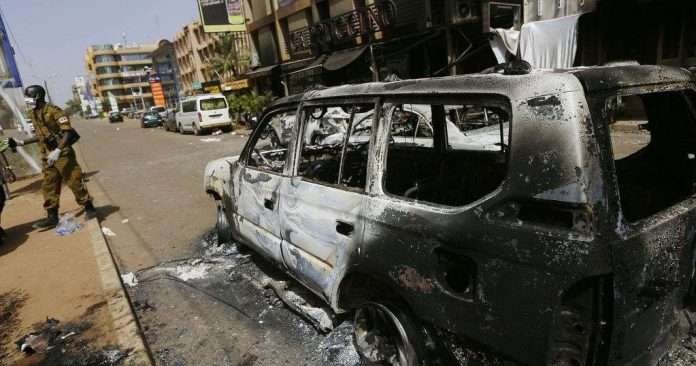
    Ouagadougou, Burkina Faso – (African Boulevard News) – Burkina Faso has experienced another deadly attack in the north, leaving two civilians and 50 “terrorists” killed on Wednesday. According to the army general staff, the attack was a “complex ambush” against the military escort of a food convoy.

    The incident occurred in the northern Sahel region of the country, where extremist groups have increased activities in recent years. The convoy was traveling from the town of Arbinda to the city of Ouahigouya when it was ambushed, resulting in the deaths of two civilians who happened to be in the convoy’s path.

    The army responded immediately and engaged the attackers, resulting in the death of 50 militants. The army also reported the recovery of a significant amount of weapons and ammunition from the attackers, including rocket launchers.

    Burkina Faso has been facing an increasing number of attacks from extremist groups, including Al-Qaeda in the Islamic Maghreb and the Islamic State in the Greater Sahara. The country’s government has struggled to contain the militants, who have been conducting frequent attacks on military and civilian targets.

    The Sahel region of Burkina Faso has suffered the highest number of attacks, displacing thousands of people from their homes. The situation has exacerbated the already fragile humanitarian situation in the country, with many people facing food insecurity and a lack of basic services.

    The government has deployed thousands of soldiers to the region to counter the militants, but they continue to mount deadly attacks. Many experts have attributed the insecurity to failed governance and economic challenges facing the country.

    As the country continues to grapple with the insecurity, many are calling on the government to address the root causes of the problem, including poverty, unemployment, and marginalization.

    In conclusion, the attack on the food convoy highlights the severity of the security situation in Burkina Faso. It highlights the need for a comprehensive approach to tackling the threat posed by extremist groups in the country. The government and its partners must address the underlying causes of the insecurity, including poverty and exclusion, to bring an end to the violence.

    Senegal: Protests Explode as Opposition Leader Ousmane Sonko is Sentenced to Jail, Igniting Fears for Democracy and Political Freedom

    0
    Read Time:1 Minute, 49 Second

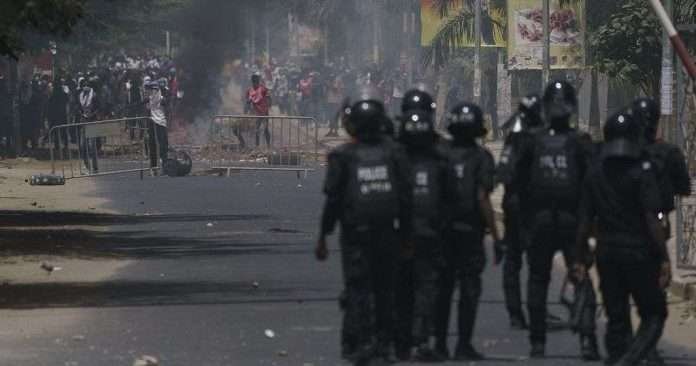
    Dakar, Senegal – (African Boulevard News) – Protests have erupted in Senegal following the court’s decision to sentence opposition leader Ousmane Sonko to two years in prison. Despite the unrest, the Senegalese government is standing by the court’s decision and maintaining its position.

    The court convicted Sonko for disturbing public order and participating in an unauthorized protest in February, which led to violent clashes between protesters and police. The verdict has been highly controversial, with many of Sonko’s supporters claiming that the charges are politically motivated and aimed at silencing the opposition.

    However, the government has emphasized the importance of respecting the independence of the judicial system and upholding the rule of law. “The government has no influence over the court’s decisions, and it is important to let the legal process take its course,” said a spokesperson for the Senegalese government.

    Many international organizations, including the United Nations, have called for Sonko’s release, citing concerns over his health and the need to protect freedom of speech and assembly in Senegal. However, the government has defended the court’s decision and rejected any external pressure to intervene.

    “The judiciary is an independent body, and the government has no authority to interfere in its decisions. We respect the right to peaceful protest, but this must be done in accordance with the law,” said the spokesperson.

    The controversy surrounding the Sonko case has highlighted the deepening political divisions in Senegal ahead of the country’s presidential elections next year. Sonko is seen as a potential challenger to President Macky Sall, whose government has been accused of suppressing political dissent and violating human rights.

    Despite the protests and criticism, the government has remained resolute in its support for the court’s decision. “We understand that some people may disagree with the verdict, but we must respect the legal process and the decisions of the court,” said the spokesperson.

    The Sonko case is likely to have far-reaching implications for the future of democracy and political freedom in Senegal. As the country faces increasing challenges from social and economic pressures, it will be crucial to uphold the principles of justice and human rights to ensure a peaceful and prosperous future for all Senegalese citizens.

    Eswatini: Pro-democracy MPs convicted of terrorism and murder in crackdown on dissent and calls for democratic reforms

    0
    Read Time:1 Minute, 58 Second

    Mbabane, Eswatini – (African Boulevard News) – Eswatini, Africa’s last absolute monarchy, is under the spotlight again as two pro-democracy MPs were convicted of terrorism and murder on Thursday. The two MPs, Bacede Mabuza and Mthandeni Dube were found guilty in connection with the wave of anti-regime protests that rocked the country in 2022.

    The verdict was delivered by High Court Judge Qinisile Mabuza, who ruled that the two MPs had played a central role in the protests that erupted across the country following the death of a student who was allegedly killed by police during a peaceful protest in May last year. The protests were aimed at demanding political reforms, including limiting the powers of King Mswati III and allowing political parties to participate in national elections.

    The conviction of the pro-democracy MPs has sparked outrage among civil society groups and opposition parties, who see it as an attempt by the government to suppress dissent and stifle calls for democratic reforms. Political analysts fear that this development could signal a crackdown on opposition voices in the country.

    According to the spokesperson for the Swaziland Solidarity Network, Lucky Lukhele, “The conviction of the two MPs is a clear indication that the government is not ready to tolerate any form of dissent from opposition voices. This is a sad day for democracy and human rights in Eswatini.”

    The trial of the two MPs has been marred by irregularities, including allegations of torture and intimidation of witnesses by the police. Lawyers representing the two MPs have vowed to appeal the verdict and have called on the international community to intervene in the matter.

    This latest development comes at a time when Eswatini is already facing mounting pressure from the international community to implement democratic reforms. The United States and the European Union have already expressed their concerns over the human rights situation in the country, and have threatened to impose sanctions if the regime fails to take tangible steps towards democratic reforms.

    The conviction of the two pro-democracy MPs is a clear indication that the regime is not ready to tolerate any form of dissent, and that the country is on the brink of a major political crisis. It remains to be seen how the government will respond to the mounting pressure from the international community and the growing calls for democratic reforms.

    Zimbabwe: Economy in Turmoil as Calls for Re-Dollarization Grow Louder

    0
    Read Time:1 Minute, 59 Second

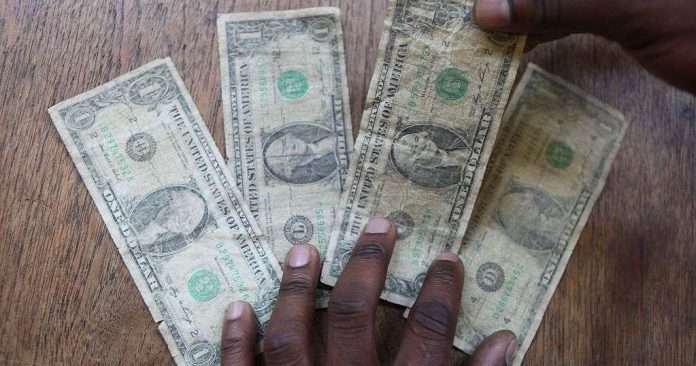
    Harare, Zimbabwe – (African Boulevard News) – As the Zimbabwean dollar loses ground against the US dollar, more voices are calling for a return to the US currency as the official means of exchange. The last time this happened was in 2009 when the local currency was eliminated and replaced with the US dollar.

    The Zimbabwean dollar has lost its value drastically over the years, with 2020 being marked by inflation rates as high as 837%. This has significantly affected the country’s economy, with many struggling to put food on their tables or meet basic needs. The country needs stability, and many believe that reverting to the US dollar could bring some level of stability.

    The idea of re-dollarization has been gaining momentum in recent months, with industry experts and stakeholders calling for it. John Robertson, an economist based in Harare, stated that “It’s only through the use of the US dollar that Zimbabwe can hope to regain some economic stability. We’ve seen this before and we know it works.”

    Others are of the opinion that the country needs to come up with its own currency that is backed by significant foreign reserves. However, the government has not shown any sign of intending to introduce a new currency, with fears of the risks of depreciation and inflation.

    In February of this year, the government allowed the use of foreign currencies in local transactions. This was a strategic move to provide a way out of the economic quagmire.

    However, as the economy continues to struggle, more and more Zimbabweans are looking for a more lasting solution. The notion of re-dollarization is not without challenges, but it remains a viable option that could put the country’s economy back on track.

    The government has not yet stated its official position on the issue, but as the calls for re-dollarization persist, it is in their best interest to address this matter urgently. As citizens continue to bear the brunt of a struggling economy, the need for a concrete solution cannot be stressed enough.

    In conclusion, the issue of re-dollarization remains a contentious one in Zimbabwe. However, with the economy deteriorating, there is an urgent need to find a solution, and the introduction of the US dollar may just be the answer. Policy-makers must take note of this and work towards a solution that will benefit all citizens.