Friday, May 1, 2026
90.9 F
Lagos
More
    Home Blog Page 369

    Senegal: Outrage as Government Restricts Social Media Amid Ongoing Protests and Fears of Censorship and Suppression

    0
    Read Time:2 Minute, 19 Second

    Dakar, Senegal – (African Boulevard News) – The Senegalese people have expressed their condemnation of the recent restriction of social media platforms such as Facebook, WhatsApp, and Youtube amidst the ongoing unrest in the country. The restriction, implemented by the government, has caused outrage among the people who view it as a violation of their right to free speech and information.

    Since the start of the unrest in Senegal, which began in March 2023, social media has played a significant role in disseminating information about the demonstrations and providing updates on their progress. However, the government views social media as a threat to national security and has taken the step of restricting its use during the ongoing protests.

    “Banning the use of Youtube, Whatsapp, Facebook, etc… is a huge problem for us, because we can’t get real-time information about where demonstrations are taking place, and our safety is at stake. It’s a violation of our right to free speech and access to information,” said Maimouna, a Senegalese resident.

    The restriction of social media has also sparked concerns among human rights activists, who view it as a move towards censorship and a violation of people’s fundamental rights. Alioune Tine, a regional director of Amnesty International, emphasized the importance of free speech in a democracy, saying, “Restricting access to social media platforms undermines the rights of Senegalese people to receive and impart information, a right that is protected by international human rights law.”

    In addition, the Senegalese opposition party has raised concerns about the government’s restriction of social media, stating that it is an attempt to suppress dissent and control the narrative surrounding the ongoing protests. The party has called for the immediate lifting of the ban and a return to open and free communication channels.

    The ongoing protests in Senegal have seen people demanding better governance and an end to corruption. The government’s response to these protests has been criticized by citizens and human rights groups alike.

    As the situation in Senegal continues to unfold, it is imperative that the government ensures that the fundamental rights of its citizens are protected, including the right to free speech and access to information. Restricting social media platforms is not a solution and can only lead to further exacerbating an already volatile situation.

    In conclusion, the people of Senegal have spoken out against the restriction of social media, stating that it is a violation of their right to free speech and access to information. Human rights groups and the opposition party have also raised concerns about the censorship and suppression of dissent that may arise as a result of the ban. As the situation in Senegal remains tense, it is crucial that the government respects its citizens’ fundamental rights and addresses the issues that have led to the ongoing unrest.
    South Africa’s Load Shedding Crisis Eases as Eskom Suspends Power Cuts Until Further Notice

    0
    Read Time:2 Minute, 2 Second

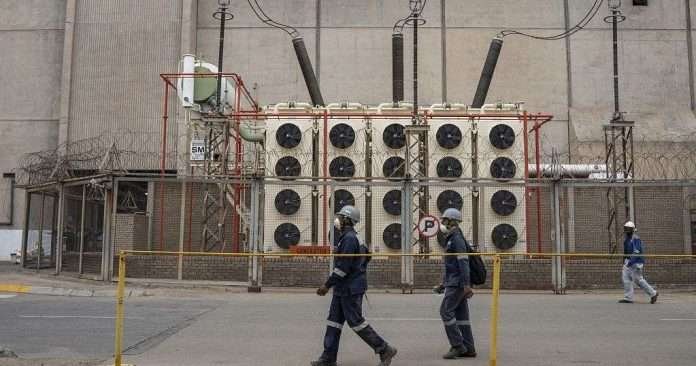
    Pretoria, South Africa – (African Boulevard News) – South Africa’s power utility, Eskom, has announced the suspension of power cuts, commonly referred to as load shedding, until further notice. The suspension took effect on Thursday, June 3, at 11:40 am local time (09:40 GMT), due to improved generation capacity and lower demand, according to Eskom spokeswoman Daphne Mokwena.

    This announcement comes as a relief to South Africans who have been grappling with frequent power cuts, which have severely impacted businesses and households alike. Many are hopeful that this will mark the end of the load shedding crisis that has plagued the country for years.

    Eskom, which supplies more than 90% of South Africa’s power, has been struggling to meet demand due to aging infrastructure and maintenance issues. These challenges, coupled with reduced capacity at power stations and increased demand during the winter season, have forced the utility to implement load shedding to prevent a complete power blackout.

    The decision to suspend load shedding was made possible by the increased generation capacity and lower demand. Eskom has been working tirelessly to improve its infrastructure and increase its generation capacity, as well as encouraging energy saving initiatives among its customers to reduce demand on the system.

    Speaking on the matter, Eskom’s CEO, Andre de Ruyter, said that “we are doing everything possible to ensure that we have sufficient capacity to meet the country’s energy needs. We have made great progress in improving our infrastructure and increasing our generation capacity, and we will continue to do so to ensure that we can provide reliable and sustainable power to the nation.”

    Many industry experts have welcomed the news of the suspension of load shedding, stating that it will bring much-needed relief to businesses and households that have been suffering from the impact of power cuts. However, they caution that Eskom must continue to invest in infrastructure and increase its generation capacity to ensure that power cuts do not become a regular occurrence in the future.

    In conclusion, the suspension of load shedding by Eskom is a welcome relief for South Africans who have been severely impacted by power cuts. The utility’s efforts to improve its infrastructure and increase its generation capacity have paid off, resulting in improved stability in the power supply. However, Eskom must continue to invest in its infrastructure to ensure that the power supply remains stable and that load shedding does not become a regular occurrence.

    Kenya: Virtual Reality Technology Used to Teach Students About the Devastating Effects of Plastic Pollution on the Environment

    0
    Read Time:2 Minute, 7 Second

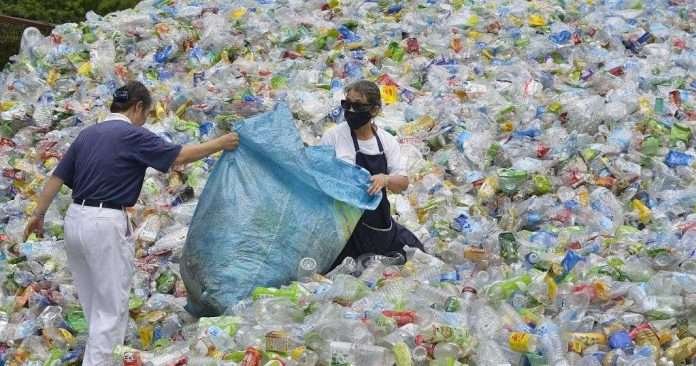
    Nairobi, Kenya – (African Boulevard News) – The use of virtual reality (VR) technology is now being deployed in a bid to educate students in Kenya about plastic pollution and climate change. Kenya is among the countries in Africa that have suffered most from plastic pollution. Lack of proper waste disposal mechanisms has led to a considerable amount of plastic waste, especially in beachfront towns such as Mombasa and Malindi.

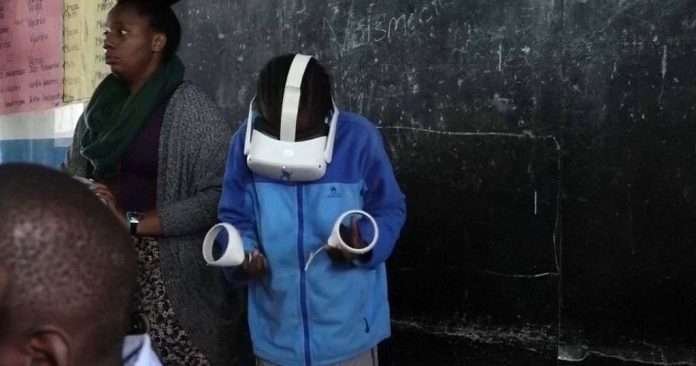
    To address this issue, a non-profit organization, Ocean Sole, is partnering with a VR company, HMD Global, to introduce VR technology to Kenyan schools. The VR experience is aimed at teaching students about different types of plastic waste pollution. Through the VR headsets, the students can see the impact of plastic waste on the environment.

    “So, VR comes in helping them, one, conceptualize the problem. It’s one thing to say ‘don’t throw away waste,’ but it is another thing to understand that if I throw away a plastic bottle, it will end up here or there and eventually pollute the environment,” says Ocean Sole founder, Julie Church.

    The VR technology allows learners to visualize and understand the impact of plastic waste pollution. Through the virtual experience, students can see how plastic waste kills marine life, affects the food chain, and disrupts the ecosystem.

    The Ocean Sole VR project focuses on students in both primary and secondary schools. Ocean Sole aims to have 250,000 students learn using VR per year, with the hope to spread the environmental conversation to over 1 million people.

    “Education is key, especially among the young people who will inherit this planet. The virtual reality project is a great opportunity to allow students to understand better the effects of pollution on the environment and the need to take action,” says HMD Global CEO, Florian Seiche.

    The project is still in its early stages, and the partners hope to develop it further. They plan to expand the project to cover other environmental issues, such as deforestation and water pollution.

    The use of VR to teach students about environmental issues is a creative and engaging way of educating the younger generation. It provides an interactive and immersive way of learning that is both informative and fun. Through this technology, students are not only learning about the environment, but they are also developing an appreciation for it.

    In conclusion, the Ocean Sole VR project is set to revolutionize learning in Kenya. It is an innovative way of encouraging environmental conservation and will go a long way in fostering a generation of environmentally conscious citizens.

    Africa: UN to Deliver Draft Treaty Combatting Plastic Pollution to Avoid Oceans Filled with More Plastic than Fish by 2050

    0
    Read Time:1 Minute, 59 Second

    Diaspora, Africa – (African Boulevard News) – The United Nations (UN) has revealed that it will deliver a draft treaty to combat plastic pollution by November, highlighting the pressing need for global action to address the issue. The move comes as experts predict that by 2050, the world’s oceans will be filled with more plastic debris than fish.

    The treaty, which is part of the UN’s broader efforts to address the issue of plastic pollution, is expected to establish measures to reduce plastic waste and increase recycling and reuse. The draft will be presented to governments and other stakeholders at a UN conference in November.

    According to experts, plastic pollution is a pressing issue that requires collective action, as national efforts alone are insufficient in addressing the issue. To effectively tackle plastic pollution, global cooperation is required. This is where the treaty comes in, as it seeks to establish a comprehensive framework for addressing plastic waste.

    “The draft treaty is a significant development in our efforts to combat plastic pollution. It highlights the need for collective action to address this pressing issue,” said UN Secretary-General António Guterres.

    Several countries and organizations have expressed their support for the treaty, including the European Union, which has proposed measures to ban single-use plastics by 2021. Other countries, including China and India, have also taken steps to address plastic waste.

    However, experts say that more needs to be done, particularly in developing countries where plastic use and waste are on the rise. This is where the UN treaty could play a critical role in ensuring that plastic pollution is tackled globally, rather than in a piecemeal manner.

    “We need global action to address plastic pollution, and the draft treaty is an important step in the right direction. It’s critical that we act now to prevent a future where our oceans are filled with more plastic than fish,” said environmental campaigner Jane Goodall.

    In conclusion, the UN’s move to deliver a draft treaty to combat plastic pollution by November is a significant development in global efforts to address the issue. The treaty is expected to establish measures to reduce plastic waste and increase recycling and reuse, highlighting the need for collective action to tackle plastic pollution on a global scale. With the support of countries and organizations worldwide, the treaty could help prevent a future where our oceans are filled with plastic debris.

    Sudan: UN Renews Mission Amidst “Fragile Security Situation” and Urgent Humanitarian Crisis

    0
    Read Time:1 Minute, 48 Second

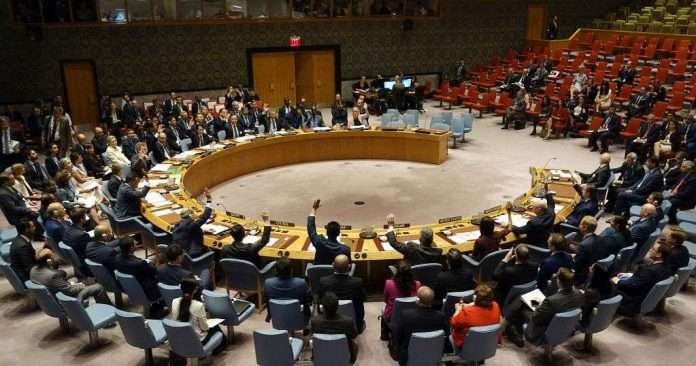
    Khartoum, Sudan – (African Boulevard News) – The United Nations Security Council has renewed the UN Integrated Transition Assistance Mission in Sudan (UNITAMS) for only six months, until December 3, 2023, in a short resolution passed unanimously. This decision is indicative of the fragile state of security in the country, with the mission’s mandate focusing on supporting the country’s transition to democracy, providing protection to civilians in conflict-affected areas, and assisting with peace negotiations.

    Despite the promising political changes following the ousting of former President Omar al-Bashir, Sudan has been grappling with severe economic hardship, deteriorating security conditions, and rising ethnic and tribal tensions.

    However, despite the challenges, the UN Security Council is optimistic about the prospects for a peaceful and democratic Sudan, with US Ambassador to the UN, Linda Thomas-Greenfield saying, “We believe this resolution is a strong and necessary step toward supporting the Sudanese people as they chart a course toward a more peaceful and prosperous future.”

    The resolution also recognized the urgent need to address the escalating humanitarian crisis in the country, including the displacement of over 2 million people, the majority of whom are children, and the dire need for food, shelter, and medical assistance.

    The decision to extend UNITAMS’ mandate for only six months is a stark reminder that Sudan’s security situation is far from stable, and much work remains to be done. However, it is also an indication of the UN’s commitment to support the country’s transition to democracy and its willingness to adapt its approach according to the fluid security situation.

    Jean-Pierre Lacroix, the UN Under-Secretary-General for Peace Operations, said, “This mandate renewal sends a strong signal of support to the Sudanese people and authorities as they navigate the critical period of the transition.”

    In conclusion, the UN Security Council’s decision to renew UNITAMS’ mandate for only six months highlights the fragile security situation in Sudan. However, it also demonstrates the UN’s commitment to supporting the country’s transition to democracy and addressing the urgent humanitarian crisis. While much work remains to be done, the resolution passed unanimously gives hope that Sudan can achieve peace and prosperity in the future.

    Nigeria: Labour Union Declares Nationwide Strike Over Fuel Subsidy Removal, Threatening Economic Paralysis

    0
    Read Time:1 Minute, 50 Second

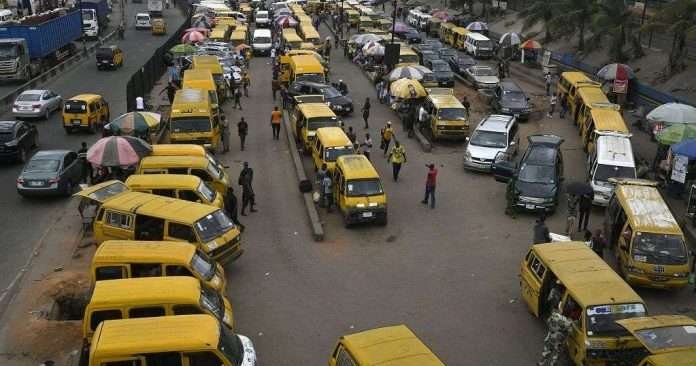
    Abuja, Nigeria – (African Boulevard News) – The Nigeria Labour Congress (NLC), the main labour union in Nigeria, has announced plans to go on strike following the government’s removal of fuel subsidy. This decision was made during the NLC’s National Executive Council meeting held in Abuja on Wednesday.

    The NLC, in a statement, said that it had exhausted all avenues for dialogue with the government over the issue, but to no avail. The union has argued that the removal of fuel subsidy would result in an increase in the price of petrol, which would in turn raise the cost of living for Nigerians.

    “That the NNPC (Nigerian National Petroleum Corporation), a private limited liability company, that illegally announced the price regime in the oil sector refuses to revert itself for the benefit of Nigerians is unacceptable,” said Ayuba Wabba, the NLC President.

    The removal of fuel subsidy has been a contentious issue in Nigeria since 2012. The Nigerian government has been subsidizing the price of petrol, keeping the cost of petrol low for citizens. However, the government has argued that the subsidy has become too costly and unsustainable, and with oil prices dropping in the global market, it has removed the subsidy.

    The NLC has called for a nationwide strike, effective from Monday, June 7th, 2023. The strike is expected to paralyze economic activities in Nigeria, as the NLC has also called on other civil society groups to join the strike.

    The NLC’s decision has been met with mixed reactions. While some Nigerians support the union’s decision, others are worried about the impact of the strike on the economy.

    “The NLC has a right to protest, but the strike will hurt businesses and ordinary people who depend on daily wages to feed their families,” said Tunji Adeyemi, a Lagos-based business owner.

    In conclusion, the NLC’s decision to go on strike over the removal of fuel subsidy has generated mixed reactions in Nigeria. The union has argued that the removal of the subsidy would increase the cost of living for Nigerians. The strike, which is expected to begin on Monday, has been called to protest the government’s decision. The impact of the strike on the economy remains uncertain.

    South Africa: How One Doctor is Revolutionizing Skincare and Empowering Self-Love

    0
    Read Time:2 Minute, 15 Second

    Pretoria, South Africa – (African Boulevard News) – Self-confidence is an essential aspect of mental health and wellbeing. It affects how people see themselves, how they interact with others, and how they handle life’s challenges. In recent years, the skincare industry has become an unlikely ally in the quest for self-love, and Dr. Lungile Mhlongo, the founder of Numa Medical Aesthetics in South Africa, is leading the charge.

    On this episode of Inspire Africa, Dr. Mhlongo shares her story of how she discovered the correlation between skin care and self-esteem. “Growing up, I had to deal with acne, which is a common skin condition that affects many people, but it can be challenging to deal with when you’re a teenager,” she said. “I noticed that my self-esteem was taking a toll because of my insecurities about my skin.”

    Dr. Mhlongo discovered the transformative power of skincare during her medical studies. “I realized that the way we look affects how we feel and how others perceive us. I saw that addressing skin concerns can go a long way in boosting self-esteem and confidence,” she explained.

    Numa Medical Aesthetics provides a medically supervised approach to skincare that goes beyond the surface. “We take a holistic approach to skincare, addressing internal and external factors that affect skin health,” Dr Mhlongo said. “Our goal is to elevate our clients’ self-esteem by improving the health and appearance of their skin.”

    The skincare industry is booming, with many people turning to creams, serums, and other beauty products to achieve their skincare goals. However, Dr. Mhlongo advises that professional guidance is essential when dealing with skin issues. “Many people don’t know their skin type or the products that work best for their skin. Working with a medical aesthetician can help them determine the best course of treatment and achieve their desired results safely.”

    Dr. Mhlongo’s approach to skincare is gaining traction, with many clients sharing stories of how their self-esteem has improved thanks to her services. “I came to Numa Medical Aesthetics feeling insecure and frustrated with my skin. After working with Dr. Mhlongo, my skin has improved, and I feel more confident in myself. It’s amazing how something as simple as skincare can have such a significant impact on our mental wellbeing,” shared one client.

    In conclusion, Dr. Lungile Mhlongo is changing the narrative around self-esteem and skincare. Her mission to help people feel confident in their skin is transforming lives and inspiring others to embrace self-love. “I believe that when people feel good about themselves, they can conquer anything. It’s an honor to be a part of the journey towards self-discovery and self-love,” she concluded.

    Africa: South African Minister Criticizes Developed Nations’ Failure to Address Global Inequalities

    0
    Read Time:1 Minute, 55 Second

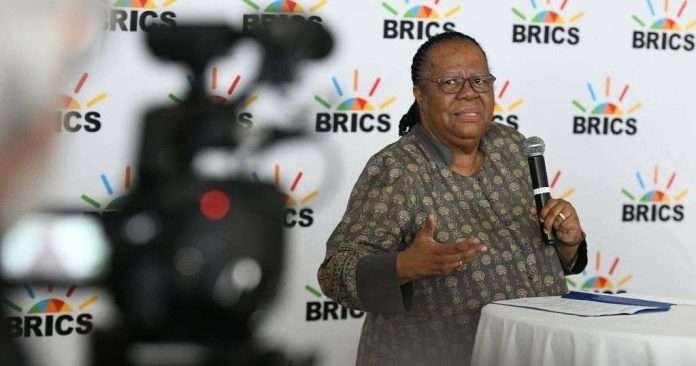
    Diaspora, Africa – (African Boulevard News) – As BRICS ministers gather in Cape Town to discuss global issues, South African Minister of International Relations and Cooperation, Naledi Pandor, launched a critique of developed nations who fail to reform and transform global institutions, saying “the plight of the poor is forgotten”.

    Speaking at the BRICS Foreign Affairs Ministers’ Meeting, Pandor highlighted the need for the group to address the imbalances and inequalities in the global economic system. “As we celebrate our twentieth anniversary as BRICS we must reflect on the challenges that BRICS countries face in advancing our interests in an international system that is stacked against us,” she said.

    Pandor also urged the development of mechanisms that can help developing countries address poverty, inequality and underdevelopment. “We should actively address the plight of the poor, the marginalized and vulnerable members of our societies, who are too often forgotten in the global discourse,” she added.

    The meeting comes at a time of great uncertainty for the global economy, with the world facing a deep recession due to the COVID-19 pandemic. It is also a time of great opportunity for BRICS to take a leading role in shaping the future of the world economy.

    The BRICS group includes Brazil, Russia, India, China, and South Africa, which together account for approximately 42% of the world’s population and 23% of global GDP. The group was formed in 2006 in order to promote cooperation and growth among the five emerging economies.

    Though the group has had its share of challenges, including political instability in Brazil, economic recession in Russia, and strained relations between India and China, it continues to be an important force in global governance.

    As the world looks to the future, the BRICS group will undoubtedly play a critical role in shaping the global economic landscape. With the right policies and leadership, the group can help create a more equitable and sustainable world, where the plight of the poor is not forgotten.

    The meeting concluded with a renewed commitment to work towards a more just and equitable world order, with the BRICS ministers pledging to do their part to address the challenges facing the world today. As Pandor noted, “We must never forget that the fate of the world’s poorest and most vulnerable people is in our hands.”

    Africa: After Violence and Chaos, Students at Dakar University Finally Return Home

    0
    Read Time:1 Minute, 46 Second

    Diaspora, Africa – (African Boulevard News) – After days of violence, students at Dakar University have finally returned home. On the first day of June, the university was the epicenter of violent clashes, which left several students injured and properties destroyed.

    African Boulevard News reporters captured the departure of the students, carrying their belongings, as they walked past the wrecks of burnt out vehicles and damaged buildings on the university’s campus. The tension had been brewing on campus for some days, following the announcement of new fees and conditions for students.

    Angry students took to the streets, as they demanded their voices be heard and their grievances addressed. The protests started peacefully, with students carrying placards and chanting slogans. However, things took a violent turn when the police arrived on the scene.

    “The police resorted to using tear gas and live ammunition to disperse the peaceful protesters, and this only fueled the violence on campus,” said a witness who spoke on condition of anonymity.

    The university, which is one of the largest in Senegal, had to shut down as a result of the violence. This left many students stranded on campus, while others had to seek refuge in nearby communities.

    “The situation on campus was very tense, and we were afraid for our safety. We had to leave because we couldn’t study or live in such a hostile environment,” said one of the students who spoke to African Boulevard News.

    The clashes between the students and law enforcement agents have sparked national outrage and condemnation from human rights organizations.

    “Violence is never the answer, and we urge the authorities to find peaceful ways to resolve issues related to education and student welfare,” said a human rights activist who spoke to African Boulevard News.

    In conclusion, the authorities need to engage the students and address their grievances. Education is the foundation of every society, and it’s important to ensure that students have the best possible learning environment. The return of the students to their homes is a step in the right direction, but more needs to be done to prevent a recurrence of such violence in the future.

    Africa: Saudi Arabian Football League Aims to Join the Top-Five Leagues in the World with Massive Investments and International Recruitment

    0
    Read Time:1 Minute, 48 Second

    Diaspora, Africa – (African Boulevard News) – The Saudi Professional League has long been considered a lesser-known league in world football, but now, the league is stepping up its game to join the top-flight leagues. They’ve been attracting international football stars, such as Cristiano Ronaldo, and investing millions in infrastructure to build a footballing powerhouse.

    With Ronaldo’s wages at hundreds of millions of dollars, the financial commitment being pumped into Saudi football is evident. Experts predict that more international football stars will follow Ronaldo’s lead and join Saudi teams, thereby increasing the global visibility of the Saudi Professional League.

    The Saudi football league has been attracting top coaches from around the world to manage their clubs, further adding to the league’s credibility. According to industry experts, this is all part of the Saudi Vision 2030 plan, which aims to diversify the country’s economy beyond oil.

    The league’s future plans include building sports academies and stadiums, improving training facilities, and investing in grassroots football development. With these plans, the Saudi league hopes to create a sustainable foundation that will lead to continued success in the future.

    The investments that the Saudi league is making will surely enhance the quality of football in the league, which will attract more international footballing talent and result in a stronger league overall. Football pundits predict that this could signal the start of a new era for football that could see the Saudi league as one of the top-five leagues in the world.

    The Saudi league’s commitment to building world-class infrastructure to support their teams hasn’t gone unnoticed by football fans and experts. According to some people, the level of investment in football in Saudi Arabia is unprecedented, and with the right vision and long-term planning, it could set a much-needed precedent for football in Africa and the rest of the world.

    In conclusion, the Saudi Professional League is becoming increasingly popular and competitive, with the recruitment of high-profile players and coaches. They are investing heavily in their teams, training facilities, and grassroots football development. With these investments, they hope to become one of the top-five football leagues in the world.