Saturday, October 31, 2026
81 F
Lagos
More
    Home Blog Page 36

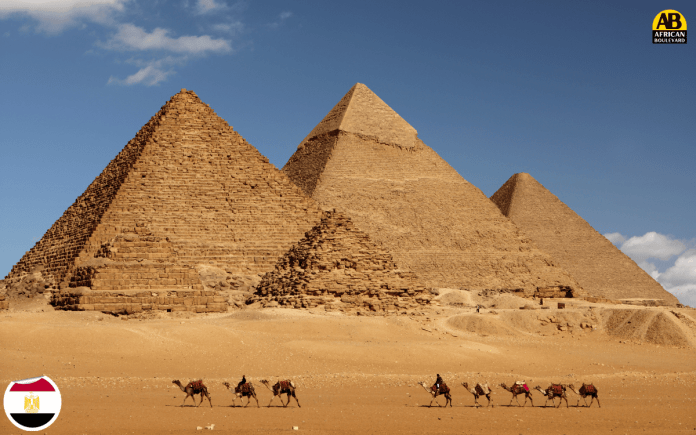
    Egypt: President Sisi’s Bold Gamble to Save Nation from Debt Abyss with Gulf Allies

    0
    Read Time:2 Minute, 24 Second

    Cairo, Egypt – (African Boulevard News) – Egypt’s President Abdel Fattah el-Sisi is taking bold steps to ease the country’s external debt burden by negotiating large foreign currency deposits from Gulf states. This move comes as Egypt finds itself in a challenging position in its ongoing struggle with the United States and Israel.

    Egypt’s debt has reached alarming levels, with the country owing billions of dollars to various international lenders. This not only puts a strain on the Egyptian economy but also weakens its position in the geopolitical arena. To counter these challenges, President Sisi has turned to the Gulf states for financial support.

    According to sources, negotiations are underway to secure substantial foreign currency deposits, which would provide a much-needed boost to Egypt’s economy. The Gulf states, being oil-rich nations, have the financial capacity to assist Egypt in addressing its debt crisis.

    This strategic move by President Sisi reflects his determination to protect Egypt’s interests and maintain a balance of power in the region. By seeking support from the Gulf states, he is aiming to reduce Egypt’s reliance on traditional lenders and diversify its sources of funding.

    Experts believe that this approach could yield positive results for Egypt, as it not only provides a short-term solution to the debt burden but also strengthens diplomatic ties with key regional players. Furthermore, it sends a strong message to the United States and Israel that Egypt is capable of independently managing its financial affairs.

    Although the details of the negotiations remain confidential, analysts anticipate that these deposits could be in the form of grants, loans, or investments in key sectors of the Egyptian economy. This infusion of foreign currency would help stabilize the Egyptian pound, boost investor confidence, and stimulate economic growth.

    However, there are concerns about the potential implications of relying heavily on Gulf states for financial assistance. Critics argue that this could result in increased influence from these nations over Egypt’s domestic and foreign policies. It is crucial for President Sisi to strike a balance and ensure Egypt’s long-term economic and political independence.

    As Egypt continues to navigate its way through this debt crisis, President Sisi’s diplomatic efforts are closely watched by both domestic and international stakeholders. The outcome of these negotiations will determine not only Egypt’s economic future but also its standing in the global arena.

    In conclusion, President Abdel Fattah el-Sisi’s decision to seek support from Gulf states to ease Egypt’s external debt burden is a strategic move that aims to safeguard the country’s interests and reduce its reliance on traditional lenders. While there are potential risks involved, the infusion of foreign currency from the Gulf states could provide a much-needed boost to Egypt’s economy and strengthen its diplomatic ties in the region. The outcome of these negotiations holds significant implications for Egypt’s economic future and its position on the global stage.

    “Niger’s Junta Takes a Bold Step: Inaugurating Unfinished Oil Pipeline, Betting on Economic Transformation”

    0
    Read Time:1 Minute, 58 Second

    Niamey, Niger – (African Boulevard News) – Niger’s ruling junta is set to inaugurate the unfinished CNPC crude oil export pipeline in a bid to showcase positive developments in the country. Despite construction still being underway and the project not expected to be completed for several months, the junta is keen to drum up some good news for Niger.

    The CNPC oil pipeline, which runs from the Agadem oilfield in southeastern Niger to the port of Cotonou in Benin, is a critical infrastructure project for the country. It aims to boost Niger’s oil exports and generate much-needed revenue for the economy.

    However, the construction of the pipeline has faced numerous challenges and delays, including financial constraints and technical difficulties. Despite these setbacks, the ruling junta is determined to showcase progress and highlight the potential economic benefits of the project.

    “The inauguration of the CNPC oil pipeline is a significant milestone for Niger. It demonstrates our commitment to harnessing our natural resources and attracting foreign investment,” said General Ibrahim Salou, a spokesperson for the junta.

    While the pipeline inauguration is a symbolic gesture, it is important to note that the project is far from complete. Construction work is expected to continue for several more months, with additional funds needed to address any unforeseen challenges.

    Experts have raised concerns about the junta’s decision to inaugurate an unfinished project, highlighting the potential risks and the need for proper testing and certification before full operation. “It is crucial that safety and environmental standards are met before the CNPC pipeline becomes operational,” cautioned Dr. Amadou Boubacar, an environmentalist and energy analyst.

    Despite these concerns, the ruling junta remains optimistic about the project’s potential. They believe that the CNPC oil pipeline will not only boost Niger’s oil exports but also contribute to job creation and economic growth.

    The completion of the CNPC oil pipeline will also enhance Niger’s position in the regional energy market, providing a reliable and efficient route for oil exports. This is particularly significant as Niger looks to diversify its economy and reduce its reliance on traditional sectors like agriculture.

    As Niger prepares for the inauguration of the unfinished CNPC oil pipeline, the junta remains focused on completing the project and harnessing its full potential. With a strong determination to attract foreign investment and strengthen the country’s economy, Niger is betting on the success of this critical infrastructure project.

    Gabon’s Leading Airline Demands Answers and Contemplates Legal Action After Devastating Airport Blackout

    0
    Read Time:2 Minute, 13 Second

    Libreville, Gabon – (African Boulevard News) – Afrijet, a leading airline in Gabon, has recently expressed its deep dissatisfaction with the African Civil Aviation Authority (ASECNA) over a recent electricity black-out at Libreville airport. The airline has written an official letter to ASECNA demanding an explanation for the incident that occurred on 25 July. In light of the situation, Afrijet is now contemplating legal action against the aviation authority.

    The sudden black-out at Libreville airport raised serious concerns among passengers and airline operators alike. It resulted in significant disruptions to flight schedules, leaving many travelers frustrated and inconvenienced. Afrijet, owned by Jean-Baptiste Tomi, one of Gabon’s prominent businessmen, was particularly affected by the incident.

    The power outage occurred during a critical period, causing chaos and confusion at the airport. Passengers were left stranded, and the lack of electricity led to the shutdown of essential airport services, including baggage handling, security systems, and lighting. This posed not only safety risks but also logistical challenges for airlines operating in Libreville.

    In response to the incident, Afrijet decided to take a proactive approach by sending a formal letter of complaint to ASECNA. The airline is demanding a thorough explanation of the cause of the black-out, as well as assurances that such incidents will not occur in the future. Afrijet expressed its disappointment with the lack of contingency plans in place to handle such emergencies, emphasizing the need for better infrastructure and operational preparedness at the airport.

    Jean-Baptiste Tomi, the CEO of Afrijet, stated, “We simply cannot tolerate such negligence and unprofessionalism from ASECNA. This incident has not only caused significant financial losses for our company but has also tarnished the reputation of Libreville airport. We expect immediate action and a satisfactory response from ASECNA to restore our confidence in their ability to ensure the smooth operation of air travel.”

    The electricity black-out at Libreville airport has sparked a broader debate about the state of infrastructure and maintenance in Gabon’s aviation sector. Industry experts and stakeholders have called for urgent improvements in order to maintain safety standards and enhance the country’s reputation as a reliable hub for air travel.

    In the coming weeks, Afrijet will closely monitor ASECNA’s response and decide on the next course of action, which may include legal proceedings. The airline remains committed to providing excellent service and ensuring the well-being of its passengers, and will not tolerate any compromise on the safety and efficiency of air travel in Gabon.

    As the Gabonese aviation community anxiously awaits ASECNA’s explanation, the incident serves as a reminder that infrastructure and operational preparedness are critical aspects of running a successful and reliable airport.

    Nigeria’s Green Energy Dream at Risk: Oando Clean Energy Struggles Without Public Sector Aid

    0
    Read Time:2 Minute, 24 Second

    Abuja, Nigeria – (African Boulevard News) – When Oando Group, a leading Nigerian conglomerate, unveiled its renewable energy subsidiary in 2021, it signaled a clear commitment to expanding its presence in the green energy sector. However, a recent report suggests that the ambitious plans of Oando Clean Energy could remain on hold without public sector aid.

    According to a report published on Africaintelligence.com, Oando Clean Energy is facing difficulties in gaining traction due to the lack of financial support from the public sector. The company, which aims to contribute to Nigeria’s transition to cleaner and more sustainable energy sources, is currently in the starting blocks, waiting for the necessary support to kickstart its operations fully.

    The Nigerian government has set renewable energy targets, aiming for 30% of its energy mix to come from renewable sources by 2030. To achieve this ambitious goal, the public sector needs to play a vital role in providing financial assistance and incentives to companies like Oando Clean Energy.

    Without the necessary assistance, Oando Clean Energy’s plans to invest in renewable energy infrastructure and develop clean energy projects could be at risk. The company requires financial assistance to overcome the initial investment costs, which can be substantial in the renewable energy sector.

    In a statement, an industry expert highlighted the importance of public sector support for renewable energy projects in Nigeria. The expert stated, “Public sector aid is crucial in enabling the development and growth of the renewable energy sector. Without it, companies like Oando Clean Energy will struggle to make progress and contribute to Nigeria’s renewable energy goals.”

    The lack of public sector aid is a significant setback for Oando Clean Energy, as it inhibits its ability to compete effectively in the market. Other renewable energy companies that receive government support have an advantage over Oando Clean Energy in terms of funding and resources, potentially hindering the company’s growth and market penetration.

    However, despite the current challenges, Oando Clean Energy remains optimistic about the future. The company is actively engaging with the government and other stakeholders to highlight the importance of public sector support for the renewable energy sector. Oando Clean Energy believes that with the necessary assistance, it can play a significant role in Nigeria’s journey towards a more sustainable and greener energy landscape.

    In conclusion, Oando Clean Energy’s ambitions to expand its green energy business could be at a standstill without the much-needed public sector aid. The company’s ability to invest in renewable energy infrastructure and develop clean energy projects is hindered by the lack of financial support. As Nigeria strives to achieve its renewable energy targets, it is crucial for the government to step in and provide the necessary assistance to companies like Oando Clean Energy. By doing so, Nigeria can unlock the full potential of its renewable energy sector and pave the way for a greener and more sustainable future.

    Senegal’s High-Stakes Presidential Race Sparks Fierce PR Battle for Prime Minister Ba’s Campaign

    0
    Read Time:2 Minute, 19 Second

    Dakar, Senegal – (African Boulevard News) – With the Senegalese presidential election set to take place in February next year, several French public relations agencies are vying for the opportunity to work on Amadou Ba’s campaign. The prime minister’s bid for the presidency has sparked a flurry of activity among PR firms, each hoping to secure a role in shaping his messaging and image.

    Amadou Ba, a prominent figure in Senegalese politics, has garnered significant attention as a potential candidate for the presidency. As the current prime minister, Ba has been instrumental in the country’s economic development and has earned a reputation for his diplomatic prowess. His campaign is expected to focus on his achievements and future plans for the country.

    PR firms have recognized the significance of working on a high-stakes campaign like Ba’s, and the competition to secure a role has intensified. These agencies understand the importance of effectively communicating Ba’s vision and policies to the Senegalese population, as well as managing his public image throughout the campaign.

    “The opportunity to work on Amadou Ba’s presidential campaign is a highly sought-after project within the PR industry. It’s a chance to be part of history and shape the future of Senegal,” said Sophie Martin, a PR industry expert.

    The selection process for the PR firms involves comprehensive proposals outlining their strategic approach and creative ideas to position Ba as the ideal candidate. The agencies are expected to demonstrate their expertise in public relations, digital marketing, and media relations to ensure a well-rounded campaign that resonates with voters.

    In addition to crafting messaging and managing public perception, these firms will be tasked with coordinating campaign events, media appearances, and developing a digital strategy to engage with voters across various platforms.

    “The role of PR firms in political campaigns cannot be overstated. They play a crucial role in shaping public opinion and creating a positive narrative around the candidate,” said Alioune Ndiaye, a political analyst.

    As the campaign intensifies, the decision on which PR firm will ultimately work with Ba is eagerly awaited by both the political and PR industry. The successful agency will be responsible for driving strategic communications, managing crises, and ensuring a consistent and compelling message throughout the campaign.

    Dakar, Senegal is abuzz with anticipation as the competition among PR firms reaches its peak. The outcome will not only shape the future of Amadou Ba’s presidential bid but also set a precedent for the role of PR in political campaigns within the country.

    With the presidential election just a few months away, the campaign machinery is gearing up for a fierce battle. Amadou Ba’s team understands the significance of effective communication, and the PR firm that secures the role will have the opportunity to make a lasting impact on Senegal’s political landscape.

    Niger’s Historic Step Towards Independence: French Forces Withdraw Amid Fears and Hopes

    0
    Read Time:2 Minute, 15 Second

    Niamey, Niger – (African Boulevard News) – The withdrawal of French forces from Niger, which commenced in October, has been progressing smoothly. This highly sensitive operation, necessitating the involvement of a select few private sector actors, has been conducted with utmost caution and precision.

    The French army’s departure from Niger marks a significant milestone in the country’s history. For decades, the presence of French troops has played a crucial role in maintaining stability and combating terrorism in the region. However, the decision to withdraw has sparked both anticipation and concern among Nigerien citizens and international observers.

    Behind the scenes, the coordination and planning for this high-risk operation have been meticulous. The French army has worked closely with the Nigerien authorities, sharing intelligence and ensuring a seamless transition of responsibilities. This joint effort is aimed at maintaining security and stability in the region while providing an opportunity for Niger to assert its sovereignty.

    Security experts praise the French army’s approach, highlighting the successful collaboration between the military and private actors. This partnership ensures the continuity of security operations and minimizes the risk of any security vacuum that could be exploited by terrorist organizations. Private security firms, equipped with specialized knowledge and resources, have been instrumental in supporting the withdrawal process.

    One of the key challenges facing the French army is the transfer of technical expertise to the Nigerien armed forces. Over the years, French troops have trained Nigerien soldiers, enabling them to effectively address security threats. As part of the withdrawal process, France is committed to ensuring the sustainability of these capabilities by emphasizing the importance of continued training and support.

    “There’s a sense of optimism among Nigerien forces as they take on more responsibility. The withdrawal of French troops provides an opportunity for the Nigerien military to showcase their capabilities and demonstrate their commitment to safeguarding the country,” says Colonel Ibrahim Boubacar, a defense analyst.

    The withdrawal of French forces from Niger is not without its risks. The security situation in the Sahel remains precarious, with the presence of various terrorist groups posing a significant threat. However, the French military’s decision to withdraw is not a sign of abandonment but rather an acknowledgment of the progress made in the fight against terrorism.

    In conclusion, the withdrawal of French forces from Niger is a significant step towards Nigerien sovereignty and self-reliance. The coordination and planning behind this operation have been exemplary, ensuring continuity in security operations and minimizing the risk of a security vacuum. While challenges lie ahead, Nigerien forces are eager to assume greater responsibility and demonstrate their commitment to safeguarding their nation. The international community watches closely as Niger embarks on this new chapter in its fight against terrorism.

    Chad: Opposition Leader’s Triumphant Return Ignites Hope for Political Reconciliation and Unity

    0
    Read Time:2 Minute, 6 Second

    N’Djamena, Chad – (African Boulevard News) – Chad’s military government has made a significant move towards fostering political inclusivity and reconciliation by allowing opposition leader Succes Masra to return to the country. This decision comes as part of a recently signed agreement that grants Masra the freedom to engage in political activities without fear of persecution.

    The agreement, announced by the minister of reconciliation, marks a significant step towards healing the political divide in Chad. Masra, who had been living in exile for several years, expressed his gratitude for the opportunity to return and participate in shaping the country’s future.

    “Now that we have signed the agreement, this allows us to return, exercise political activities freely, and allows us to move,” said Masra. The opposition leader’s return is seen as a positive development in Chad’s ongoing efforts to transition towards democracy and establish a more inclusive political landscape.

    The decision to allow Masra back into the country has been widely praised by international observers, who see it as a positive step towards national unity. Speaking on the matter, political analyst Dr. Amara Sonko remarked, “This move shows a willingness on the part of the Chad military government to engage with opposition voices and work towards a more inclusive political system.”

    The return of Succes Masra also holds the promise of political stability in a country that has experienced years of conflict and division. His presence and engagement in political activities can help bridge gaps between different factions and promote dialogue among various political stakeholders.

    Masra’s return is also expected to inspire confidence in the international community, which has been closely monitoring Chad’s political developments. With his expertise and experience, he can contribute to policies that address the country’s socio-economic challenges and promote sustainable development.

    However, there are still challenges that lie ahead. The success of Masra’s return largely depends on the government’s commitment to ensuring his safety and providing an environment conducive to political engagement. Transparency and accountability will be essential in building trust among all political actors.

    As Chad continues on its path towards democratic reforms, the allowance of opposition leader Succes Masra back into the country signals a crucial turning point. It demonstrates a commitment to inclusivity and political pluralism, which are vital for the long-term stability and development of the nation.

    The international community will be closely watching the implementation of the agreement and the government’s commitment to democratic principles. The return of Masra serves as a reminder that political dialogue and cooperation are necessary to move Chad forward.

    Kenya: King’s Historic Apology Unveiled, Healing Wounds of Colonial Brutality

    0
    Read Time:2 Minute, 15 Second

    Nairobi, Kenya – (African Boulevard News) – King Charles III has made a historic statement, acknowledging the dark chapter of colonial abuses in Kenya. In a recent address, he expressed that “there can be no excuse” for the atrocities committed during the colonial era.

    This statement comes in response to a call from the Kenyan Human Rights Commission (KHRC), urging the British government to issue an unconditional and unequivocal public apology for the brutal and inhumane treatment inflicted upon the Kenyan people.

    The wounds of colonialism run deep in Kenya, where countless lives were lost, families were torn apart, and communities were devastated. The scars of this painful legacy continue to reverberate through generations, shaping the socio-economic and political landscape of the nation.

    King Charles III’s acknowledgement of these past injustices marks a significant step towards healing and reconciliation for the people of Kenya. The importance of this gesture cannot be overstated, as it validates the experiences of those who suffered under colonial rule and paves the way for a collective process of truth-telling and forgiveness.

    The Kenyan government has welcomed the King’s statement, viewing it as a positive step towards addressing historical injustices. President Uhuru Kenyatta expressed his appreciation, stating, “Acknowledgment of the past is crucial in ensuring a shared future built on justice and equality.”

    International human rights organizations have also commended the King’s words. Amnesty International released a statement, saying, “The acknowledgment of colonial abuses is essential for promoting truth, justice, and genuine reconciliation. We urge other countries to follow suit.”

    However, for many Kenyans, an apology alone is not enough. They are calling for reparations and restorative justice to address the systemic and lasting impact of colonialism on their society. The KHRC’s demand for an “unconditional and unequivocal public apology” is rooted in the belief that acknowledgment must be accompanied by concrete actions to address the historical legacies of colonial abuses.

    As the conversation surrounding colonial abuses gains momentum, the Kenyan government, civil society organizations, and international partners are committed to engaging in meaningful dialogue to chart a path towards justice and reconciliation. This transformative process will require not only acknowledgement but also a genuine commitment to dismantling the structures that perpetuate inequality and ensuring that the mistakes of the past are not repeated.

    In conclusion, King Charles III’s acknowledgment of the colonial abuses in Kenya is a watershed moment in the journey towards truth, justice, and reconciliation. The wounds inflicted by colonialism must not be forgotten but rather used as a catalyst for building a more equitable and inclusive future. The Kenyan people now look to the British government to take further steps in addressing the historical injustices and working towards a more just and equal world.

    Africa: Capturing the Heart and Soul of a Continent – Breathtaking Landscapes, Empowering Women, and Uniting Football Moments

    0
    Read Time:2 Minute, 20 Second

    Diaspora, Africa – (African Boulevard News) – Today, we bring you a visual feast as we sample the best pictures capturing the day’s events in Africa and around the world. From heartwarming stories to breathtaking landscapes, these photos will take you on a captivating journey. Let’s dive in and explore the pics of the day for October 31, 2023.

    1. Adorable Children Celebrate Halloween in Nigeria

    In the spirit of Halloween, children in Nigeria came together dressed in vibrant costumes, ready to trick or treat. From cute little witches to fearsome superheroes, their excitement was contagious. These pictures capture the joy and creativity of the young generation as they immerse themselves in this global celebration. It’s a reminder that joy knows no boundaries or cultural barriers.

    2. Spectacular Sunset Over the Serengeti

    As the sun set over the vast plains of the Serengeti, nature unveiled its breathtaking beauty. The sky was ablaze with vibrant hues of orange, pink, and purple, casting an ethereal glow over the picturesque landscape. This photograph, taken at just the right moment, captures the sheer magnificence of Mother Nature and reminds us of the incredible wonders that exist within our own continent.

    3. Solar Energy Revolution in Ghana

    In a bid to combat climate change and reduce reliance on fossil fuels, Ghana has embarked on a solar energy revolution. These pictures showcase the installation of solar panels across the nation, transforming rooftops into power plants. With abundant sunlight, Ghana is harnessing its natural resources to create a greener and more sustainable future. This initiative not only reduces carbon emissions but also provides access to electricity for remote communities.

    4. Women Empowerment in South Africa

    Empowering women is essential for the progress of any society. In South Africa, these images capture women from diverse backgrounds coming together to celebrate their achievements and promote gender equality. From entrepreneurship to leadership roles, these women are breaking barriers and inspiring future generations. Their resilience and determination serve as a powerful reminder of the invaluable contributions women make to society.

    5. Thrilling Football Match in Egypt

    Football is more than just a sport in Africa; it is a unifying force that brings people together. In Egypt, a gripping football match took place, captivating millions of fans across the country. These pictures capture the intensity and passion of the players and spectators alike. Football has the power to transcend borders and unite nations, and this match was a testament to that.

    Today’s collection of pictures paints a vivid picture of the diverse and dynamic continent of Africa. From the joyous celebrations of children to the awe-inspiring landscapes and transformative initiatives, there is so much to explore and appreciate. These images remind us of the richness and beauty that surrounds us and inspire us to continue striving for a better future.

    Sources:
    Africanews

    Ethiopia: Facebook’s Alarming Role in Fueling Violence and Hate Speech in Tigray Conflict Revealed by Amnesty International

    0
    Read Time:2 Minute, 13 Second

    Addis Ababa, Ethiopia – (African Boulevard News) – Facebook’s algorithms have been accused of “supercharging” hate speech and amplifying violence in Ethiopia’s Tigray conflict, according to a report by rights group Amnesty International.

    The harrowing two-year conflict in the northern Tigray region has seen an unprecedented level of violence and displacement, with reports of mass killings and widespread sexual violence. Amidst the chaos, social media platforms like Facebook have played a significant role in disseminating information and shaping public opinion.

    However, Amnesty International’s report highlights how Facebook’s algorithms have inadvertently contributed to the escalation of violence. The algorithms, designed to keep users engaged by showing them content similar to what they have interacted with in the past, inadvertently created echo chambers where hate speech and misinformation thrived.

    Sam Dubberley, Head of Amnesty International’s Crisis Evidence Lab, expressed concern over the impact of Facebook’s algorithms on the conflict. He stated, “Facebook’s algorithms have effectively supercharged the spread of hate speech in Ethiopia’s Tigray conflict, fuelling ethnic tensions and contributing to the violence on the ground.”

    The report also points out the inadequacy of Facebook’s moderation policies in preventing the spread of harmful content. Despite Facebook’s claims of investing in AI technology and human moderators to regulate hate speech, the platform has been unable to keep up with the rapid spread of misinformation and incendiary rhetoric.

    In response to the allegations, Facebook issued a statement acknowledging the challenges it faces in Ethiopia. The company committed to improving its AI technology to detect and remove harmful content, as well as partnering with local organizations to promote digital literacy and responsible online behavior.

    However, experts believe that Facebook needs to take more concrete measures to address the issue. Jawar Mohammed, a prominent Ethiopian activist, highlighted the need for greater transparency and accountability from the social media giant. He stated, “Facebook needs to understand the gravity of the situation and take stronger action to prevent its platform from being manipulated to spread hate and incite violence.”

    As the conflict in Tigray continues to escalate, it is crucial for social media platforms to prioritize the safety of their users and prevent their platforms from becoming breeding grounds for hate speech and misinformation. It is time for Facebook to step up and take responsibility for the role its algorithms have played in exacerbating the crisis.

    While technology can be a powerful tool for communication and information sharing, it is essential that platforms like Facebook make concerted efforts to curb the spread of hate speech and promote peace and understanding. Failure to do so could have grave consequences for the people of Tigray and further exacerbate the already dire situation on the ground.