Saturday, October 31, 2026
77.8 F
Lagos
More
    Home Blog Page 37

    South Africa: Historic Rugby World Cup Victory Unites a Nation in Triumph

    0
    Read Time:2 Minute, 23 Second

    Pretoria, South Africa – (African Boulevard News) – Thousands of Springboks supporters braved the cold and wet weather to gather at O.R. Tambo International Airport to welcome home the squad, as South Africa became the first nation to lift the Rugby World Cup for a third time.

    The atmosphere at the airport was electric as fans, decked out in the green and gold of their beloved team, cheered and waved flags with unbridled joy. It was a moment of national pride, as South Africa’s triumph on the world stage brought unity and jubilation to a nation still grappling with various challenges.

    The Springboks’ victory had not only captivated the sporting world but had also resonated deeply within South Africa. Hours before the team’s arrival, locals had taken to the streets across the country to express their exuberance. From Cape Town to Johannesburg, people danced, sang, and blew vuvuzelas in celebration of the historic achievement.

    As the Springboks stepped off the plane, they were greeted by a sea of adoring fans. The players, visibly moved by the overwhelming support, expressed their gratitude and appreciation. Captain Siya Kolisi, who led the team to victory, was particularly moved by the reception.

    “This is a moment we will cherish forever,” Kolisi said. “To see the entire nation come out to welcome us home is truly humbling. This victory belongs to all South Africans, and we are honored to be able to share it with them.”

    The impact of the Springboks’ success extended far beyond the rugby field. It served as a beacon of hope and inspiration to a nation striving for unity. The team’s diverse composition, with players from various racial backgrounds, showcased the power of inclusivity and the ability to overcome differences for a common goal.

    Sports analyst Thabo Nkosi praised the team’s achievement, stating, “The Springboks’ victory is a testament to the power of perseverance and teamwork. It has reminded us all of the potential that lies within our nation when we come together.”

    The celebrations are set to continue throughout the country with parades and official ceremonies planned in major cities. The Springboks’ triumph has undoubtedly left an indelible mark on South Africa’s sporting history and will be remembered as a moment of unity, pride, and triumph.

    As the championship-winning squad basks in their well-deserved glory, the nation looks forward to building on this success, not only in rugby but in all aspects of life. The Springboks have shown South Africa what can be achieved through determination, resilience, and a collective spirit. Their victory will continue to inspire generations to come.

    South Africa’s Rugby World Cup victory has not only united a nation but has also showcased the power of sport to transcend boundaries and bring people together. It is a moment that will be etched in the hearts and minds of South Africans for years to come.
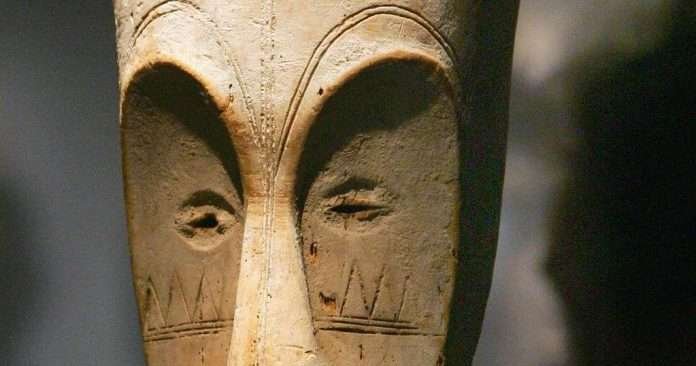

    Gabon: A Couple’s Heartbreaking Mistake Unearths the True Value of a “Worthless” Mask, Now Worth Millions

    0
    Read Time:2 Minute, 9 Second

    Libreville, Gabon – (African Boulevard News) – A rare African mask has become the center of a heated dispute at the Alès court in Gard, France. Lawyers representing the Gabonese authorities have requested a stay in proceedings during the opening of a legal action brought by a couple who sold a Fang mask for a mere 150 euros, only to discover later that it was worth much more.

    The couple, unaware of the true value of the artifact, initially sold the mask for what they thought was a fair price. Little did they know that the mask held significant cultural and historical importance. The Fang tribe, indigenous to Gabon and Cameroon, uses these masks for various traditional ceremonies and rituals.

    Upon realizing the true value of the mask, the couple decided to take legal action to reverse their sale. They claim that the mask was sold under duress and without full knowledge of its worth. The Gabonese authorities, represented by their lawyers, argue that the couple should not be allowed to rescind the sale as it was a legitimate transaction.

    Lawyers for the Gabonese authorities have requested a stay in proceedings, citing the need for further investigation. This request aims to provide enough time to explore the historical significance and authenticity of the mask. They believe that a thorough examination is necessary to determine the true value and origin of the artifact.

    The case has drawn the attention of experts in African art and culture. Dr. Ngozi Ijeoma, an art historian specializing in African artifacts, expressed her views on the matter. “These masks are more than just decorative objects. They hold immense cultural and historical significance for the communities they come from. It is crucial to determine the authenticity and provenance of the mask before making any legal decisions.”

    The outcome of this legal battle is eagerly awaited by art enthusiasts, collectors, and historians alike. It raises important questions about the ethical trade of cultural artifacts and the responsibility of buyers and sellers to understand the value and significance of the items they deal with.

    The trial will be closely followed by experts and enthusiasts in the art world, as it may set a precedent for future disputes involving cultural artifacts. It serves as a reminder of the importance of proper research and due diligence when buying and selling items with historical and cultural significance.

    As the legal battle continues, both parties await the court’s decision. The fate of the rare African mask hangs in the balance, and its true worth will undoubtedly be revealed through the course of the trial.

    Kenya: Battling Poaching and Overpopulation – A Beacon of Hope for Endangered Black Rhinos

    0
    Read Time:2 Minute, 17 Second

    Nairobi, Kenya – (African Boulevard News) – Black rhinos, one of the world’s most critically endangered species, have found a thriving sanctuary in Kenya. Home to a third of the global black rhino population, Kenya has implemented measures to ensure the survival and growth of these magnificent creatures.

    Sanctuaries in Kenya face a constant battle against poaching, which remains a major threat to the black rhino population. Despite this challenge, a careful balance has been maintained by the authorities to prevent overpopulation and ensure the best conditions for the rhinos.

    The Ol Pejeta Conservancy, located in central Kenya, is a prime example of the successful management of black rhinos. With open plains and an abundance of food and water sources, it provides an ideal habitat for these majestic animals. The sanctuary has implemented state-of-the-art security measures, including armed patrols and high-tech surveillance systems, to deter poachers.

    Dr. Richard Vigne, the CEO of Ol Pejeta Conservancy, emphasized the importance of such measures, saying, “The survival of black rhinos depends on our ability to protect them from the threat of poaching. Through our continuous efforts, we have been able to keep the population stable and even witness growth in recent years.”

    In addition to protecting the rhinos from external threats, the conservancy also addresses the challenge of overpopulation. To prevent overcrowding and ensure the availability of resources for all rhinos, Ol Pejeta has established partnerships with other wildlife conservancies in Kenya to facilitate translocations.

    Translocation involves the careful relocation of rhinos to different sanctuaries to achieve a balanced population distribution. This not only helps alleviate pressure on the habitats but also fosters genetic diversity within the black rhino population.

    Dr. Paula Kahumbu, CEO of WildlifeDirect, a leading conservation organization in Kenya, praised the efforts made to preserve these endangered creatures. She said, “Kenya has made significant strides in black rhino conservation. The collaboration between conservancies, NGOs, and the government has been instrumental in ensuring their survival.”

    Despite these successes, challenges remain. Continued support and investment in anti-poaching initiatives, habitat protection, and community engagement are crucial to the long-term survival of the black rhino population. The sustainability of these conservation efforts depends on collective action and awareness.

    Kenya’s commitment to protecting black rhinos and their natural habitat serves as an inspiration for conservation efforts worldwide. By fostering partnerships, implementing advanced security measures, and undertaking translocations, Kenya showcases the potential to reverse the decline of endangered species.

    The thriving black rhino population in Kenyan sanctuaries is a testament to the resilience and dedication of those who work tirelessly to protect these precious creatures. As we celebrate their success, let us also recognize the importance of our collective responsibility to preserve and protect the world’s wildlife for future generations.

    Tunisia: Shocking Prison Escape of Five Dangerous Terrorists Sends Waves of Fear and Raises Alarm Bells

    0
    Read Time:2 Minute, 9 Second

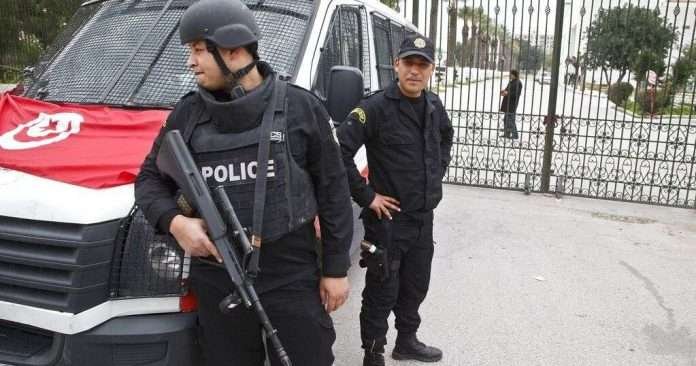
    Tunis, Tunisia – (African Boulevard News) – In a shocking incident, five dangerous individuals involved in terrorist attacks managed to escape from Mornaguia prison near Tunis. The prison administration reported that the men escaped in the early hours of the morning, raising concerns about the security measures in place to prevent such incidents.

    The escape of these five men, who were serving prison sentences for their involvement in terrorist cases, has sent shockwaves throughout Tunisia. The prison administration has launched an immediate investigation to determine the circumstances surrounding the escape and the possible lapses in security protocols.

    The Tunisian authorities have not released the identities of the escaped individuals or provided details about their connections to previous terrorist attacks. However, it is believed that their escape poses a significant threat to national security and public safety.

    Tunisian citizens are now living in fear, uncertain about what the future holds. The escape of these five men highlights the ongoing challenges Tunisia faces in combating terrorism and maintaining the safety of its citizens.

    Experts in the field of counter-terrorism have expressed their concerns about this incident. Dr. Ahmed Yahya, a security analyst, commented, “The escape of these individuals raises serious questions about the effectiveness of our security measures. We must take immediate action to address any weak points in our prison system and enhance our intelligence network to ensure the swift recapture of these fugitives.”

    The Tunisian government has been actively working to combat terrorism and stabilize the country since the Arab Spring uprising in 2011. However, incidents like these remind us that more needs to be done to prevent such security breaches in the future.

    As the search for the escaped individuals intensifies, the Tunisian authorities have sought the assistance of Interpol and other international agencies to aid in their capture. They have also urged the public to remain vigilant and report any suspicious activities or information that could help in locating the fugitives.

    Tunisia has been a target for terrorist attacks in the past, making the escape of these individuals even more concerning. The government must utilize all available resources to ensure the swift apprehension of the escapees and prevent any further harm to the country and its citizens.

    In the face of this alarming incident, Tunisia must strengthen its security apparatus, review and improve its prison systems, and enhance intelligence sharing to prevent future escapes and protect its citizens from the ongoing threat of terrorism. The escape of these five men is a stark reminder of the need for constant vigilance and robust security measures in our fight against terrorism.

    Kenya: Elite Police on Trial for Shocking Killing of Fearless Journalist, a Test of Justice and Press Freedom

    0
    Read Time:2 Minute, 7 Second

    Nairobi, Kenya – (African Boulevard News) – An elite Kenyan police unit has found itself on the wrong side of the law as it went on trial this week for the wrongful death of an outspoken Pakistani journalist in Nairobi in 2022. The case, which has drawn international attention, was jointly filed by the journalist’s family and human rights organizations, who are seeking justice for the slain journalist.

    The trial, which began on Tuesday, has thrust the Kenyan police force into the spotlight, raising concerns about the conduct of the elite unit and the protection of press freedom in the country. The accused officers are facing charges of wrongful death, and if found guilty, could face severe penalties.

    The journalist, whose identity has been withheld for security reasons, was known for his fearless reporting on corruption and human rights abuses in Kenya. His work had earned him both admiration and enemies in equal measure. He was shot dead outside his residence in Nairobi in what appeared to be a targeted assassination.

    The prosecution argues that the elite police unit, tasked with ensuring the safety of journalists, failed in its duty to protect the slain journalist. Witnesses have testified that the accused officers were present at the scene of the crime and did nothing to intervene, raising serious questions about their involvement in the journalist’s death.

    Human rights organizations have criticized the Kenyan police force for its handling of the case, accusing it of a lack of transparency and accountability. They argue that the trial is a crucial test of the country’s commitment to upholding press freedom and protecting journalists.

    “These charges should serve as a reminder that no one is above the law, not even those tasked with enforcing it,” said a representative from a local human rights organization. “Justice must be served, not just for the journalist’s family, but for the entire press community in Kenya.”

    International press freedom organizations have also expressed concern over the trial and its implications for journalists worldwide. They have called on the Kenyan government to ensure a fair and impartial trial, to send a strong message that attacks on journalists will not be tolerated.

    As the trial continues, the eyes of the world are on Kenya, waiting to see if justice will be served for the slain journalist. The outcome of this landmark case will not only determine the fate of the accused officers but will also have far-reaching implications for press freedom and the fight against impunity in the country.

    URLs:
    1. africanews.com
    2. google.com

    Africa: Expensive Treatments and Limited Resources Fuel Stroke Crisis, Leaving Lives Hang in the Balance

    0
    Read Time:2 Minute, 16 Second

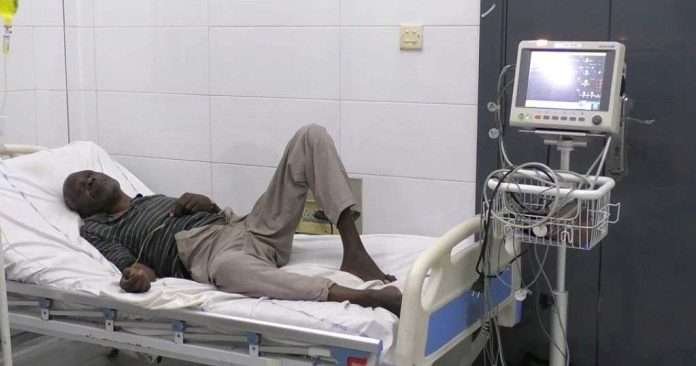
    Diaspora, Africa – (African Boulevard News) – Congo, a country already grappling with a multitude of healthcare challenges, is now facing a new crisis: the struggle to care for stroke victims. Inadequate health infrastructure and limited human resources are exacerbating the mortality rates associated with this debilitating disease.

    Stroke is one of the leading causes of death in Congo, and the limited availability of specialized treatment and care is compounding the problem. Expensive treatments, such as clot-busting drugs and life-saving surgeries, are largely inaccessible to the majority of the population, who are already burdened by poverty and lack of access to basic healthcare.

    Dr. Jean-Pierre Kabeya, a neurologist at Kinshasa General Hospital, explains the dire situation, stating, “We simply do not have the resources to provide the necessary care for stroke patients. Many hospitals lack the necessary equipment and expertise to diagnose and treat strokes effectively.”

    In addition to the lack of resources, stroke victims also face challenges in reaching healthcare facilities due to poor road infrastructure and limited transportation options. Time is of the essence when it comes to stroke treatment, and delays in seeking medical help can result in irreversible damage or even death.

    To address this urgent issue, experts are calling for increased investment in healthcare infrastructure and the training of healthcare professionals specialized in stroke care. Dr. Fidel Masenda, a public health specialist, emphasizes the importance of a comprehensive approach, stating, “We need to invest in prevention strategies, early detection, and a well-functioning referral system to ensure stroke patients receive timely and appropriate care.”

    Efforts are being made to raise awareness about stroke prevention and management, but more needs to be done. Public education campaigns, community outreach programs, and the involvement of local leaders are crucial in ensuring that people are informed about the risk factors, early warning signs, and the importance of seeking immediate medical attention.

    International organizations and NGOs are also stepping in to support the healthcare system in Congo. They are providing training for healthcare professionals, donating medical equipment, and working towards improving the overall healthcare infrastructure.

    As countries across Africa continue to battle their own healthcare challenges, the struggle to care for stroke victims in Congo serves as a stark reminder of the urgent need for investment and support. By addressing these issues head-on, Congo can begin to improve the outcomes for stroke patients and reduce the burden of a disease that is needlessly claiming lives.

    The road ahead is long and arduous, but with concerted efforts and targeted investments, Congo can move towards a future where stroke victims receive the care they desperately need and deserve. Let us stand together, as a community, to ensure a healthier and brighter future for all.

    Africa: Financial Scandal Rocks Francophonie Games in DR Congo, Sparks Outrage over Wasted Public Funds

    0
    Read Time:2 Minute, 21 Second

    Diaspora, Africa – (African Boulevard News) – Financial auditors have been dispatched to the Democratic Republic of Congo (DR Congo) to scrutinize the expenses incurred during this summer’s Francophonie Games in Kinshasa, according to the event organizers. The decision comes in response to mounting criticism over alleged extravagant spending.

    The Francophonie Games, held every four years, aim to celebrate the French language and promote cultural exchange among French-speaking nations. However, this year’s edition has faced severe scrutiny due to allegations of exorbitant overspending.

    The event, which took place from July 23 to August 1, was marred by accusations of mismanagement and embezzlement. Local media and civil society organizations have alleged that a considerable amount of the budget was misused, leading to a wasteful expenditure of public funds.

    The auditors, deployed by the DR Congo government, will assess the financial records, contracts, and invoices related to the games. Their primary objective is to determine if any irregularities or financial malfeasance occurred during the planning and execution of the event.

    “We take these allegations seriously, and we are committed to ensuring transparency and accountability in the management of public funds,” stated the event organizers in a press release.

    The exact extent of the overspending has yet to be quantified, but initial estimates suggest a significant deviation from the allocated budget. This raises concerns about the utilization of public resources in a country grappling with widespread poverty and underdevelopment.

    The Francophonie Games overspend has stirred public outrage, with many questioning the government’s priorities and demanding answers. Prosper Zakuani, a Kinshasa resident, expressed his frustration, saying, “It’s disheartening to see such significant amounts of money being wasted while our hospitals lack basic supplies and our schools are in a state of disrepair.”

    The auditors’ findings are expected to shed light on the financial management of the event and hold accountable those responsible for potential misappropriation of public funds. It is hoped that the investigation will restore public trust and serve as a deterrent for future financial irregularities in similar events.

    The DR Congo government has vowed to cooperate fully with the auditors and has promised to take appropriate action based on the findings. The nation’s commitment to transparency and good governance will be put to the test as the audit progresses.

    As the investigation unfolds, the eyes of the international community will be closely watching the outcome. The Francophonie Games overspend serves as a reminder of the need for robust financial controls and accountability mechanisms in all public events, particularly in countries where resources are scarce.

    In the pursuit of fair and responsible financial practices, the DR Congo government aims to address the allegations of overspending head-on. Only time will tell whether this investigation will offer a path to rectify the situation and ensure that such financial mismanagement does not recur in future events.

    Africa: Nigerian Artists Demand ₦40 Million in Damages, Accuse Police of Unlawful Detention and Rights Violation

    0
    Read Time:2 Minute, 8 Second

    Diaspora, Africa – (African Boulevard News) – Naira Marley and Sam Larry, two popular Nigerian artists, have filed a lawsuit demanding ₦40 million in damages over their recent detention by the police. The suit specifically names the Police and Chief Magistrate Adeola Olatunbosun, who had authorized their remand for a 21-day period, as the defendants.

    The artists were arrested earlier this year on charges of violating COVID-19 protocols during a concert in Lagos. They were subsequently detained by the police for several weeks before being released on bail. Naira Marley and Sam Larry claim that their detention was unlawful and a violation of their rights.

    In their lawsuit, the artists argue that their prolonged detention caused them significant emotional distress and financial loss. They claim that they were unable to fulfill their professional obligations and suffered reputational damage as a result of the incident. They are seeking compensation for the harm they have endured.

    This high-profile case has sparked widespread outrage and debate in Nigeria. Many are questioning the fairness of the artists’ detention and the extent of the police’s powers in such situations. Legal experts and human rights activists have expressed concerns about the abuse of power by the police and the need for reforms to ensure the protection of citizens’ rights.

    Barrister Akinwale Johnson, a human rights lawyer, commented on the case, saying, “The detention of Naira Marley and Sam Larry raises serious questions about the police’s respect for the rule of law and due process. It is crucial that we hold accountable those responsible for violating the artists’ rights and ensure that such abuses do not occur in the future.”

    The lawsuit filed by Naira Marley and Sam Larry is expected to shed light on the legal issues surrounding their detention and the broader issue of police misconduct in Nigeria. It is hoped that the case will serve as a catalyst for meaningful reforms in the criminal justice system and the protection of citizens’ rights.

    The Police and Chief Magistrate Adeola Olatunbosun are yet to comment on the lawsuit. However, the legal battle ahead promises to be a contentious one, with important implications for the rights of Nigerian artists and the accountability of law enforcement agencies.

    As the case moves forward, all eyes are on the judicial system to deliver justice and address the grievances of Naira Marley, Sam Larry, and the Nigerian public at large. The outcome of this lawsuit could have far-reaching consequences for the legal landscape in Nigeria and the protection of the rights and freedoms of its citizens.

    Gabon: Eviction from US Trade Program Sparks Economic Crisis and Social Unrest, Threatening Nation’s Future

    0
    Read Time:2 Minute, 25 Second

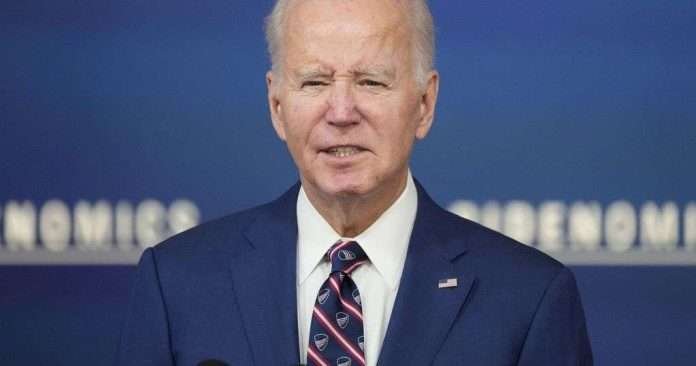
    Libreville, Gabon – (African Boulevard News) – In a move that has sent shockwaves across the African continent, the United States has announced the eviction of Gabon, Niger, Uganda, and the Central African Republic from its trade program. This decision comes as a response to what President Biden describes as “gross violations” of internationally recognized human rights by these nations.

    The decision to exclude these countries from the trade program, which is aimed at promoting economic growth and development in emerging markets, has raised concerns among African leaders and experts. The move not only jeopardizes the economic wellbeing of these nations but also poses a significant challenge to their social and political stability.

    Gabon, a major exporter of timber and oil, now faces the daunting task of finding new markets for its products. The country heavily relies on the United States as one of its major trading partners, and this eviction will undoubtedly have severe economic repercussions. The Gabonese government has expressed its disappointment and called for dialogue to resolve the situation.

    Similarly, Niger, a landlocked country in West Africa, heavily depends on the trade program for its uranium exports. The eviction will not only affect the country’s economy but also hinder its efforts to combat poverty and promote sustainable development. Nigerien officials are now seeking alternative trading partners to mitigate the impact of this decision.

    Uganda, known for its thriving coffee and tea industries, is now faced with an uncertain future. The country’s agricultural sector, which generates a significant portion of its revenue, will be severely affected by the eviction. Ugandan farmers and exporters are worried about the potential loss of income and the detrimental impact on their livelihoods.

    The Central African Republic, already grappling with internal conflicts and economic challenges, now faces another blow as it is expelled from the trade program. The landlocked nation heavily relies on exports of diamonds and gold, and this eviction will undoubtedly exacerbate its economic woes.

    While the decision by the United States is seen as a strong message against human rights violations, some experts argue that it may have unintended consequences. Dr. Sarah Johnson, an international relations expert, cautions that “excluding these countries from the trade program may push them further towards countries with questionable human rights records, thus undermining efforts to promote democratic values.”

    As these four African nations grapple with the aftermath of their eviction from the trade program, the international community is closely monitoring the situation. It remains to be seen how these countries will navigate the challenging road ahead and find alternative avenues for economic growth and development.

    In a time where global cooperation is needed more than ever, this decision highlights the complexities of balancing economic interests with human rights concerns. As African nations strive for progress and development, it is crucial for governments and international organizations to work together in finding solutions that promote both economic prosperity and human rights standards.

    Mali: UN Peacekeepers Flee Under Fire as Extremist Violence Pushes Nation to Breaking Point

    0
    Read Time:2 Minute, 4 Second

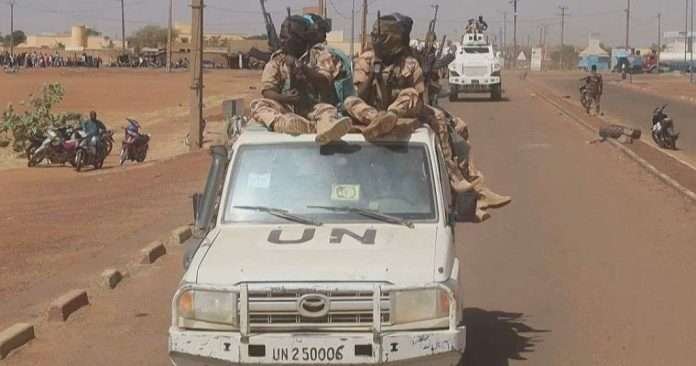
    Bamako, Mali – (African Boulevard News) – UN peacekeepers are leaving Mali in a hurry and under fire as security conditions deteriorate in the war-torn nation. On Tuesday morning, a convoy of more than 100 vehicles from the United Nations Mission in Mali (MINUSMA) hastily departed from their camp in Kidal and is now en route to Gao, a town in northern Mali.

    The decision to evacuate the camp in Kidal comes amid an alarming rise in violence and attacks targeting peacekeepers. In recent months, the region has witnessed an increase in armed attacks by extremist groups, resulting in the deaths of several peacekeepers. The departure of MINUSMA from Kidal is a clear indication of the worsening security situation and the UN’s concern for the safety of its personnel.

    MINUSMA’s mission in Mali was established in 2013 to support the stabilization of the country following a military coup and the occupation of the northern region by armed groups, including Islamist militants. The peacekeeping force has been instrumental in providing security, facilitating humanitarian aid, and supporting the implementation of the peace agreement between the Malian government and rebel groups.

    However, despite their efforts, MINUSMA has faced numerous challenges in fulfilling its mandate. The peacekeepers have been targeted by various armed groups, particularly those affiliated with Al-Qaeda and the Islamic State. These groups have been responsible for carrying out deadly attacks on UN convoys, checkpoints, and military bases. The recent departure from Kidal highlights the urgency of the situation and the need for a reassessment of the UN’s approach in Mali.

    “The security situation in Mali has reached a critical point, forcing the UN peacekeepers to make this difficult decision. The safety of our personnel is of utmost importance,” said a spokesperson for MINUSMA.

    This abrupt withdrawal has raised concerns about the UN’s ability to effectively maintain peace and security in Mali. It also underscores the challenges faced by the Malian government in countering the extremist threat and restoring stability to the country. The departure of MINUSMA from Kidal leaves a security vacuum in the region, which could potentially be exploited by armed groups to further their agendas.

    The international community must now come together to support Mali in its fight against terrorism and instability. Increased cooperation and assistance are needed to address the root causes of the conflict and build the capacity of the Malian security forces. Only through a collective effort can lasting peace be achieved in Mali and the safety of its people guaranteed.