Sunday, May 3, 2026
81.7 F
Lagos
More
    Home Blog Page 306

    Niger’s Political Crisis Sparks Urgent Discussions: Will ECOWAS Unite for Democracy and Stability?

    0
    Read Time:2 Minute, 32 Second

    Niamey, Niger – (African Boulevard News) – The recent coup in Niger on July 26 has sparked intense discussions and deliberations behind closed doors among the presidents of the Economic Community of West African States (ECOWAS) member states. While these consultations have been ongoing, the leaders are facing challenges in coordinating a unified response to address the political crisis in Niger.

    In the aftermath of the coup, ECOWAS leaders have engaged in numerous informal discussions to assess the situation and determine an appropriate course of action. However, finding common ground and reaching consensus has proven to be a difficult task. The leaders are grappling with divergent perspectives and varying degrees of concern among member states.

    The closed-door discussions have been critical in identifying the key issues at hand and formulating strategies to address them effectively. The leaders have emphasized the importance of restoring constitutional order, safeguarding democracy, and ensuring the stability of the region. These discussions have also shed light on the potential consequences of the coup for the wider West African region.

    One of the primary challenges faced by ECOWAS is the lack of a coordinated response. With different countries having different priorities and levels of involvement in the region, finding a consensus has been an arduous process. Additionally, the current political situation in Nigeria, the largest economy in the region, has further complicated matters. As a result, ECOWAS leaders have found it challenging to present a united front.

    According to African Intelligence, the closed-door discussions have provided a platform for ECOWAS leaders to exchange ideas, share concerns, and explore potential solutions. These discussions have been marked by a sense of urgency, as the stability of Niger and West Africa as a whole hangs in the balance.

    In light of the ongoing discussions, African Boulevard reached out to Dr. Amina Ibrahim, a political analyst specializing in West African affairs, for her perspective on the situation. Dr. Ibrahim remarked, “The closed-door discussions among ECOWAS leaders are crucial in determining an effective response to the crisis in Niger. However, it is essential for member states to set aside their individual interests and work towards a collective solution that prioritizes the restoration of democracy and stability.”

    As ECOWAS leaders continue their closed-door discussions, the eyes of the international community remain focused on Niger. The resolution of the political crisis in the country will not only shape its future but also have implications for the wider West African region. The coordination and unity among ECOWAS member states will be vital in navigating these uncertain times and ensuring a peaceful resolution to the crisis in Niger.

    In conclusion, the closed-door discussions among ECOWAS leaders have provided a platform for dialogue and deliberation, shedding light on the challenges faced in addressing the political crisis in Niger. While coordination and consensus-building remain significant hurdles, the discussions continue to play a crucial role in formulating an effective response. The international community eagerly awaits the outcomes of these discussions as they shape the path forward for Niger and the region.

    Niger’s Political Crisis Sparks Urgent Discussions: Will ECOWAS Unite for Democracy and Stability?

    0
    Read Time:2 Minute, 32 Second

    Niamey, Niger – (African Boulevard News) – The recent coup in Niger on July 26 has sparked intense discussions and deliberations behind closed doors among the presidents of the Economic Community of West African States (ECOWAS) member states. While these consultations have been ongoing, the leaders are facing challenges in coordinating a unified response to address the political crisis in Niger.

    In the aftermath of the coup, ECOWAS leaders have engaged in numerous informal discussions to assess the situation and determine an appropriate course of action. However, finding common ground and reaching consensus has proven to be a difficult task. The leaders are grappling with divergent perspectives and varying degrees of concern among member states.

    The closed-door discussions have been critical in identifying the key issues at hand and formulating strategies to address them effectively. The leaders have emphasized the importance of restoring constitutional order, safeguarding democracy, and ensuring the stability of the region. These discussions have also shed light on the potential consequences of the coup for the wider West African region.

    One of the primary challenges faced by ECOWAS is the lack of a coordinated response. With different countries having different priorities and levels of involvement in the region, finding a consensus has been an arduous process. Additionally, the current political situation in Nigeria, the largest economy in the region, has further complicated matters. As a result, ECOWAS leaders have found it challenging to present a united front.

    According to African Intelligence, the closed-door discussions have provided a platform for ECOWAS leaders to exchange ideas, share concerns, and explore potential solutions. These discussions have been marked by a sense of urgency, as the stability of Niger and West Africa as a whole hangs in the balance.

    In light of the ongoing discussions, African Boulevard reached out to Dr. Amina Ibrahim, a political analyst specializing in West African affairs, for her perspective on the situation. Dr. Ibrahim remarked, “The closed-door discussions among ECOWAS leaders are crucial in determining an effective response to the crisis in Niger. However, it is essential for member states to set aside their individual interests and work towards a collective solution that prioritizes the restoration of democracy and stability.”

    As ECOWAS leaders continue their closed-door discussions, the eyes of the international community remain focused on Niger. The resolution of the political crisis in the country will not only shape its future but also have implications for the wider West African region. The coordination and unity among ECOWAS member states will be vital in navigating these uncertain times and ensuring a peaceful resolution to the crisis in Niger.

    In conclusion, the closed-door discussions among ECOWAS leaders have provided a platform for dialogue and deliberation, shedding light on the challenges faced in addressing the political crisis in Niger. While coordination and consensus-building remain significant hurdles, the discussions continue to play a crucial role in formulating an effective response. The international community eagerly awaits the outcomes of these discussions as they shape the path forward for Niger and the region.
    Niger’s Political Crisis Sparks Urgent Discussions: Will ECOWAS Unite for Democracy and Stability?

    0
    Read Time:2 Minute, 32 Second

    Niamey, Niger – (African Boulevard News) – The recent coup in Niger on July 26 has sparked intense discussions and deliberations behind closed doors among the presidents of the Economic Community of West African States (ECOWAS) member states. While these consultations have been ongoing, the leaders are facing challenges in coordinating a unified response to address the political crisis in Niger.

    In the aftermath of the coup, ECOWAS leaders have engaged in numerous informal discussions to assess the situation and determine an appropriate course of action. However, finding common ground and reaching consensus has proven to be a difficult task. The leaders are grappling with divergent perspectives and varying degrees of concern among member states.

    The closed-door discussions have been critical in identifying the key issues at hand and formulating strategies to address them effectively. The leaders have emphasized the importance of restoring constitutional order, safeguarding democracy, and ensuring the stability of the region. These discussions have also shed light on the potential consequences of the coup for the wider West African region.

    One of the primary challenges faced by ECOWAS is the lack of a coordinated response. With different countries having different priorities and levels of involvement in the region, finding a consensus has been an arduous process. Additionally, the current political situation in Nigeria, the largest economy in the region, has further complicated matters. As a result, ECOWAS leaders have found it challenging to present a united front.

    According to African Intelligence, the closed-door discussions have provided a platform for ECOWAS leaders to exchange ideas, share concerns, and explore potential solutions. These discussions have been marked by a sense of urgency, as the stability of Niger and West Africa as a whole hangs in the balance.

    In light of the ongoing discussions, African Boulevard reached out to Dr. Amina Ibrahim, a political analyst specializing in West African affairs, for her perspective on the situation. Dr. Ibrahim remarked, “The closed-door discussions among ECOWAS leaders are crucial in determining an effective response to the crisis in Niger. However, it is essential for member states to set aside their individual interests and work towards a collective solution that prioritizes the restoration of democracy and stability.”

    As ECOWAS leaders continue their closed-door discussions, the eyes of the international community remain focused on Niger. The resolution of the political crisis in the country will not only shape its future but also have implications for the wider West African region. The coordination and unity among ECOWAS member states will be vital in navigating these uncertain times and ensuring a peaceful resolution to the crisis in Niger.

    In conclusion, the closed-door discussions among ECOWAS leaders have provided a platform for dialogue and deliberation, shedding light on the challenges faced in addressing the political crisis in Niger. While coordination and consensus-building remain significant hurdles, the discussions continue to play a crucial role in formulating an effective response. The international community eagerly awaits the outcomes of these discussions as they shape the path forward for Niger and the region.
    Niger’s Political Crisis Sparks Urgent Discussions: Will ECOWAS Unite for Democracy and Stability?

    0
    Read Time:2 Minute, 32 Second

    Niamey, Niger – (African Boulevard News) – The recent coup in Niger on July 26 has sparked intense discussions and deliberations behind closed doors among the presidents of the Economic Community of West African States (ECOWAS) member states. While these consultations have been ongoing, the leaders are facing challenges in coordinating a unified response to address the political crisis in Niger.

    In the aftermath of the coup, ECOWAS leaders have engaged in numerous informal discussions to assess the situation and determine an appropriate course of action. However, finding common ground and reaching consensus has proven to be a difficult task. The leaders are grappling with divergent perspectives and varying degrees of concern among member states.

    The closed-door discussions have been critical in identifying the key issues at hand and formulating strategies to address them effectively. The leaders have emphasized the importance of restoring constitutional order, safeguarding democracy, and ensuring the stability of the region. These discussions have also shed light on the potential consequences of the coup for the wider West African region.

    One of the primary challenges faced by ECOWAS is the lack of a coordinated response. With different countries having different priorities and levels of involvement in the region, finding a consensus has been an arduous process. Additionally, the current political situation in Nigeria, the largest economy in the region, has further complicated matters. As a result, ECOWAS leaders have found it challenging to present a united front.

    According to African Intelligence, the closed-door discussions have provided a platform for ECOWAS leaders to exchange ideas, share concerns, and explore potential solutions. These discussions have been marked by a sense of urgency, as the stability of Niger and West Africa as a whole hangs in the balance.

    In light of the ongoing discussions, African Boulevard reached out to Dr. Amina Ibrahim, a political analyst specializing in West African affairs, for her perspective on the situation. Dr. Ibrahim remarked, “The closed-door discussions among ECOWAS leaders are crucial in determining an effective response to the crisis in Niger. However, it is essential for member states to set aside their individual interests and work towards a collective solution that prioritizes the restoration of democracy and stability.”

    As ECOWAS leaders continue their closed-door discussions, the eyes of the international community remain focused on Niger. The resolution of the political crisis in the country will not only shape its future but also have implications for the wider West African region. The coordination and unity among ECOWAS member states will be vital in navigating these uncertain times and ensuring a peaceful resolution to the crisis in Niger.

    In conclusion, the closed-door discussions among ECOWAS leaders have provided a platform for dialogue and deliberation, shedding light on the challenges faced in addressing the political crisis in Niger. While coordination and consensus-building remain significant hurdles, the discussions continue to play a crucial role in formulating an effective response. The international community eagerly awaits the outcomes of these discussions as they shape the path forward for Niger and the region.
    Cameroon: Transforming Waste into Breathtaking Art – A Sculptor’s Environmental Awakening

    0
    Read Time:2 Minute, 7 Second

    Yaounde, Cameroon – (African Boulevard News) – Cameroonian sculptor Joseph Francis Sumegne is garnering international attention for his unique approach to art – transforming waste materials into captivating sculptures. Sumegne’s innovative work not only showcases his artistic talent but also prompts a reflection on the impact of waste on the environment.

    In his latest exhibition titled “La citadelle des anciens” (“The citadel of the elders”), which is currently taking place in Yaoundé, Cameroon, Sumegne displays a collection of half-human, half-animal sculptures intricately crafted from discarded materials. These sculptures serve as a powerful reminder of the potential beauty that can emerge from items deemed useless.

    Sumegne’s artistic journey began when he witnessed the extensive waste problem in his hometown. Determined to make a positive impact, he started collecting discarded materials such as scrap metal, plastic bottles, and old car parts. With an intricate eye for detail and a keen sense of creativity, Sumegne transforms these materials into thought-provoking sculptures that capture the essence of the human form.

    His choice to use waste materials is not only an aesthetic decision but also a deliberate commentary on the need to address environmental issues. By breathing life into discarded items, Sumegne highlights the importance of recycling and reducing waste.

    “I believe that as artists, we have a responsibility to raise awareness about environmental issues through our work. By using waste materials, I hope to spark conversations about the impact of our actions on the environment,” Sumegne explained.

    Experts in the art industry have praised Sumegne’s approach, highlighting his ability to create visually stunning pieces while conveying a powerful message.

    Mireille Tchoutouo, a curator at the National Museum of Cameroon, stated, “Sumegne’s sculptures not only captivate viewers with their beauty and intricate details but also compel them to reflect on the urgent need for sustainable practices. His work is a testament to the transformative power of art.”

    Sumegne hopes that his sculptures will inspire individuals and communities to adopt more eco-friendly practices and recognize the value in repurposing waste. Through his art, he aims to encourage dialogue and promote sustainable living.

    The “La citadelle des anciens” exhibition has attracted art enthusiasts from around the world, who marvel at Sumegne’s ability to transform discarded materials into captivating works of art. By showcasing the potential beauty hidden within waste, Joseph Francis Sumegne is reshaping perceptions of art and the environment, one sculpture at a time.

    URLs:
    – https://www.africanews.com/2023/07/27/cameroonian-sculptor-transforming-wastes-into-arts/
    – https://www.google.com/search?q=Cameroonian+sculptor+transforming+wastes+into+arts

    Zimbabwe: Opposition Leader Chamisa Inspires Masses with Powerful Call for Peace, Unity, and Change

    0
    Read Time:2 Minute, 8 Second

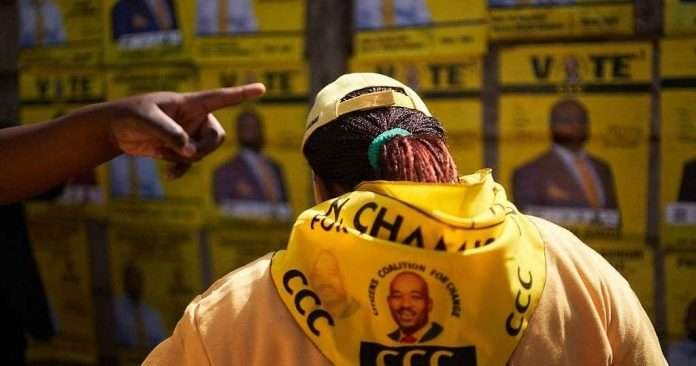
    Harare, Zimbabwe – (African Boulevard News) – Zimbabwe’s opposition party, led by 45-year-old Nelson Chamisa, held a rally on Saturday, ahead of the highly anticipated upcoming election. The event took place in Harare and drew a large crowd of supporters who gathered to hear Chamisa’s vision for a better Zimbabwe.

    During his speech at the rally, Chamisa emphasized the importance of peaceful engagement in the political process. He called for an end to violence and urged his supporters to remain united and focused on the goal of bringing positive change to the country.

    “We must not allow violence to define our politics. We need to create a culture of tolerance and respect for differing views,” stated Chamisa, addressing the crowd. “To build a better Zimbabwe, we must first build a peaceful and inclusive society.”

    Chamisa’s message resonated with many attendees, who have grown weary of the political tensions and unrest that have plagued the nation in recent years. Zimbabwe, once considered the breadbasket of Africa, has faced significant economic challenges and a decline in living standards. As the opposition leader, Chamisa highlighted his plans to revive the economy, create jobs, and improve social services.

    “We need a government that prioritizes the needs of the people. We cannot continue down the path of economic decline,” emphasized Chamisa. “It is time for change, and we are here to offer a new vision for Zimbabwe.”

    The rally also served as an opportunity for Chamisa to rally support for his party ahead of the election. He encouraged attendees to register to vote and urged them to spread the message of change throughout their communities.

    Political analysts and experts have been closely monitoring the developments in Zimbabwe’s upcoming election. They believe that the opposition party, led by Nelson Chamisa, has gained significant momentum in recent months and poses a real challenge to the ruling party’s dominance.

    Election observers and international bodies have also expressed their interest in ensuring a free and fair electoral process in Zimbabwe. They have called for the upholding of democratic principles and for all political parties to have equal opportunities to campaign and participate.

    As the election draws nearer, the stakes are high for both the ruling party and the opposition. The rally held by the opposition party has further energized supporters and demonstrated their determination for change.

    With a clear vision for a better Zimbabwe and a strong call for peaceful engagement, the opposition party under Chamisa’s leadership strives to bring about a new era of progress and prosperity for the nation.

    URLs:
    Link 1
    Link 2

    Niger: Unprecedented Rally of Support for Coup Leaders Reveals Deep-Rooted Frustrations, Urgency for Change

    0
    Read Time:2 Minute, 18 Second

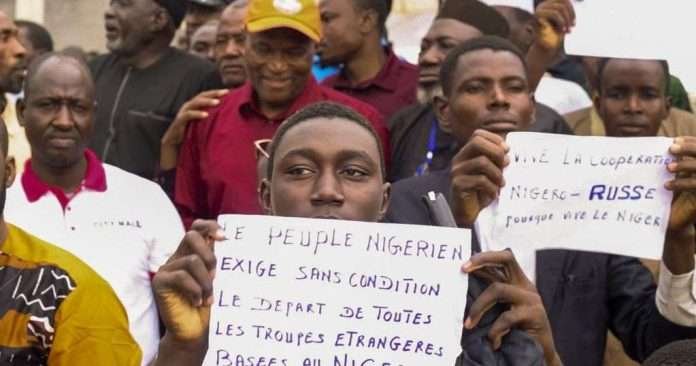
    Niamey, Niger – (African Boulevard News) – In an unprecedented show of support, hundreds of people responded to the call from the coup leaders in Niger’s capital, Niamey, on Thursday. The rally aimed to demonstrate solidarity with the mutinous soldiers who recently seized power in a coup against the West African nation’s government.

    The rally, organized by the putsch leaders, attracted a large crowd that filled the streets of Niamey. Protesters chanted slogans and waved flags, showing their support for the coup leaders. The gathering took place in a calm and peaceful manner, as the crowd listened intently to speeches by the mutineers.

    The coup leaders justified their actions, claiming that they had taken power to rectify the country’s political and economic challenges. They accused the government of corruption and mismanagement, which they believed had hindered Niger’s progress and development.

    The coup, which took place earlier this week, caught many by surprise. However, it seems to have resonated with some segments of the population who are frustrated with the government’s inability to address their needs. The rally in Niamey served as a platform for these grievances to be expressed and acknowledged.

    Speaking at the rally, Moussa Kaka, a political analyst, commented, “The coup leaders have tapped into a deep vein of discontent among certain sections of the population. While their actions may be controversial and undemocratic, it is vital for the government to acknowledge the underlying issues that led to this uprising.”

    The international community has expressed concern over the military takeover in Niger. The African Union and the United Nations have both called for a peaceful resolution and the restoration of constitutional order. The coup has also been widely condemned by regional organizations, such as the Economic Community of West African States (ECOWAS), which has issued a statement condemning the military’s seizure of power.

    As the situation in Niger continues to evolve, it is essential to ensure that the interests and aspirations of the people are taken into account. Dialogue and negotiation are crucial in finding a peaceful resolution to the crisis. The coup leaders must address the concerns raised by the protesters while upholding democratic principles and respecting the rule of law.

    The rally in support of the Niger coup leaders has brought attention to the deep-rooted issues facing the country. It highlights the urgent need for political and economic reforms to address the grievances of the population. As the nation navigates through this crisis, it is essential to find a path that respects the will of the people and ensures a stable and prosperous future for Niger.

    Reference:
    – Africanews. (2023, July 27). Rally in capital in support of Niger coup leaders. Retrieved from https://www.africanews.com/2023/07/27/rally-in-capital-in-support-of-niger-coup-leaders/

    Africa: Defying Odds, Russian Trade Surges By 35% in 2023, Breaking Barriers and Fueling Hope for Economic Transformation

    0
    Read Time:2 Minute, 18 Second

    Diaspora, Africa – (African Boulevard News) – Russia’s trade with Africa has surged by 35% in the first half of 2023, defying international sanctions and economic challenges. Russian President Vladimir Putin recently announced this significant increase in trade turnover between his country and African nations, highlighting the expanding economic ties.

    This news comes as a surprise, considering the ongoing global economic uncertainties and geopolitical tensions. Despite these obstacles, Russia has managed to strengthen its trade relations with Africa, emphasizing its commitment to expanding its presence on the continent.

    Experts have attributed this growth to several factors, including Russia’s increased investment in various sectors across Africa. Investments in industries such as energy, infrastructure development, and agriculture have contributed to the elevation of trade volumes. Additionally, the signing of numerous trade agreements and memorandums of understanding between Russia and African countries has played a pivotal role.

    According to President Putin, “Russia values its partnership with Africa and aims to enhance cooperation in multiple areas, including trade and investment.” This statement showcases Russia’s dedication to fostering mutually beneficial relationships and promoting economic development in Africa.

    One of the key areas of cooperation has been the energy sector, with Russia expanding its footprint through various initiatives. The exploitation of Africa’s rich oil and gas reserves has attracted Russian companies, enabling the continent to diversify its energy partners. This collaboration not only boosts Africa’s energy sector but also allows Russia to secure long-term energy supplies.

    In addition to energy, Russia has also been actively involved in the infrastructure development projects in Africa. Partnerships in transport, telecommunications, and construction have resulted in the enhancement of Africa’s connectivity and economic growth. The improvement of infrastructure provides a solid foundation for increased trade and investment opportunities between Russia and African nations.

    Economists and analysts have welcomed this exponential growth in trade between Russia and Africa, recognizing its potential to drive economic transformation across the continent. They believe that fostering stronger ties with Russia will enable African countries to diversify their trading partners and reduce their reliance on a few dominant economies.

    As Russia expands its trade relations with Africa, it is imperative that African countries also benefit from this relationship. To ensure a win-win situation, African leaders and policymakers will need to negotiate favorable trade terms that promote the growth of local industries, create employment opportunities, and foster economic development.

    In conclusion, Russia’s increased trade with Africa in the first half of 2023 demonstrates the strengthening partnership between the two. This growth is a testament to Russia’s commitment to boosting economic ties with the African continent, even amidst global challenges. As Africa continues to attract international investment, it is crucial for African nations to leverage these opportunities effectively and ensure sustainable economic growth for the benefit of their people.

    Africa: Kinshasa’s Destiny Shaping Turn as Hosting the 9th Francophone Games Brings Promises of Economic Prosperity and Cultural Showcase

    0
    Read Time:2 Minute, 24 Second

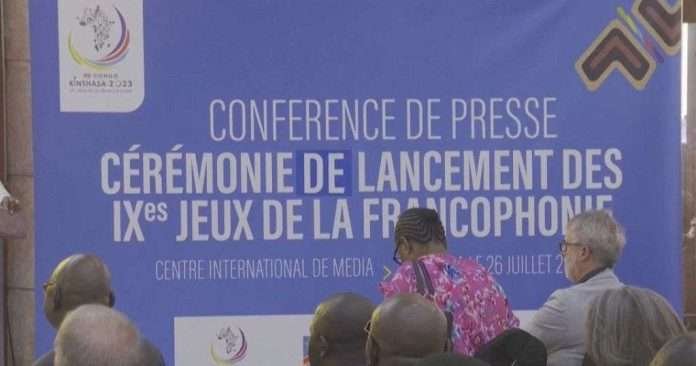
    Diaspora, Africa – (African Boulevard News) – A dozen delegations from various countries gathered in Kinshasa for the press conference of the IXth Francophone Games and the launch ceremony of the Games’ organizing committee. The question on everyone’s mind is: Will this event be a boon for the vibrant capital of the Democratic Republic of Congo?

    The Francophone Games, held every four years, bring together French-speaking countries from around the world to celebrate cultural diversity through sports and artistic competitions. As the host city for the upcoming 9th edition, Kinshasa stands to benefit from the influx of participants, spectators, and media attention.

    The Games present an opportunity for Kinshasa to showcase its potential as an international destination. With its rich cultural heritage and vibrant arts scene, the city has long been a melting pot of creativity and talent. By welcoming athletes, artists, and visitors from across the Francophone world, Kinshasa can demonstrate its ability to host large-scale events and promote itself as a tourist hub.

    According to tourism experts, the event has the potential to boost the local economy and create job opportunities. The influx of visitors will create a surge in demand for accommodation, transportation, and hospitality services, benefiting local businesses and entrepreneurs. Additionally, the exposure gained through media coverage can attract future investment and partnerships, leading to long-term economic growth.

    “The Francophone Games will shine a spotlight on Kinshasa and highlight its cultural wealth. This can open doors for new collaborations and opportunities for our city,” said Jean-Pierre Miteyo, a local entrepreneur.

    In addition to the economic benefits, hosting the Games can have a profound social impact on the city. Through sports and artistic competitions, the event will encourage youth participation, promote inclusivity, and foster a sense of national pride. Moreover, it can unite the diverse communities within Kinshasa and foster a spirit of camaraderie among the participating nations.

    Despite the opportunities, challenges lie ahead for Kinshasa. Infrastructure development, security concerns, and logistical preparations are key areas that require attention. The local government is taking measures to address these issues and ensure a successful event.

    “We are committed to making the Francophone Games a memorable experience for all participants. We are investing in infrastructure, enhancing security measures, and streamlining logistics to guarantee a smooth flow of activities,” assured the organizing committee.

    As the countdown to the 9th Francophone Games begins, Kinshasa is gearing up to welcome the world with open arms. The city’s potential as a cultural, economic, and tourist hub can be showcased on a global stage, leaving a lasting impact on its future. With careful planning, collaboration, and enthusiasm, the Games can indeed be a turning point for Kinshasa, shaping its destiny as a thriving metropolis.

    Sources:
    – Africanews: https://www.africanews.com/2023/07/27/9th-francophone-games-a-boon-for-kinshasa/
    – Google Search: https://www.google.com/search?q=9th+Francophone+Games++A+boon+for+Kinshasa

    Angola: Desperate for Solutions, African Leaders Brace for High-Stakes Russia-Africa Summit

    0
    Read Time:2 Minute, 17 Second

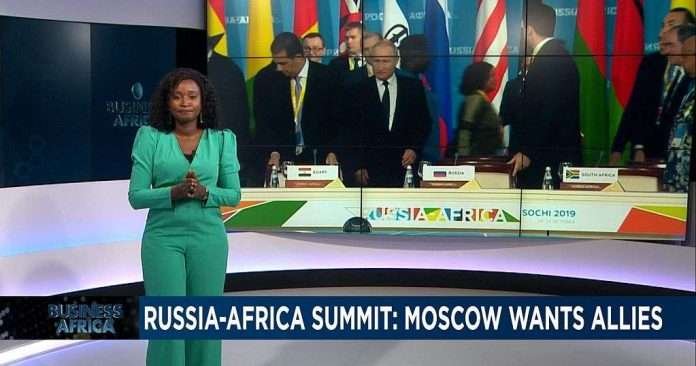
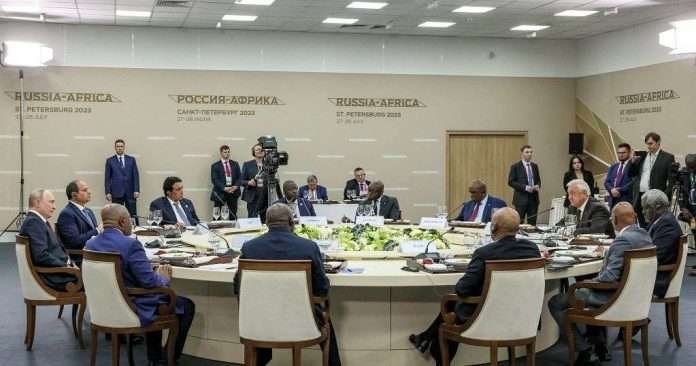
    Luanda, Angola – (African Boulevard News) – The upcoming Russia-Africa summit has been generating buzz across the continent, as leaders prepare to gather in Russia to discuss key issues affecting both regions. With food security and the controversial private military company, Wagner, on the agenda, there is much at stake for Africa in this high-profile event.

    Food security has long been a pressing concern for African countries, and the summit provides an opportunity for leaders to address this crucial issue. With Russia’s vast agricultural resources and expertise, African nations are hoping to forge partnerships that can help improve food production and ensure sustainable development.

    Dr. Jane Mwai, an agricultural expert from Kenya, highlights the significance of this agenda item, stating, “Africa has immense potential to become a leading global food producer, but we need the support and knowledge transfer from countries like Russia to fully harness this potential. The summit could pave the way for mutually beneficial collaborations and investments in the agricultural sector.”

    Another key topic of discussion at the summit is the controversial private military company, Wagner. Known for its involvement in conflicts in Ukraine and Syria, Wagner’s presence in Africa has raised concerns among international stakeholders. The summit provides an opportunity for African leaders to voice their concerns and seek a constructive dialogue on this issue.

    Dr. Ahmed Suleiman, a security analyst from Nigeria, explains, “Wagner’s presence in Africa has been a cause for alarm, as its activities often exacerbate existing conflicts and undermine stability. African leaders need to address this issue and explore strategies to ensure that the continent is not further destabilized by the actions of private military companies.”

    The summit also holds economic implications for the participating African nations. As the Angolan kwanza remains one of the worst-performing currencies, African leaders are eager to explore avenues for economic cooperation with Russia that can help stimulate growth and attract investments.

    According to Emmanuel Koffi, an economist from Ivory Coast, “Russia has a wealth of natural resources and advanced technology that can potentially boost African economies. By establishing strong economic partnerships and attracting investments, African countries can overcome the challenges posed by their struggling currencies and foster sustainable economic development.”

    With food security, Wagner, and economic cooperation at the forefront, the Russia-Africa summit presents a crucial opportunity for African leaders to engage with Russia and chart a path towards a more prosperous future. By addressing these pressing issues, African nations can strengthen their positions on the global stage and shape the trajectory of their own development.

    As anticipation builds, the outcomes of the summit remain uncertain. However, one thing is clear – the discussions and decisions made during this gathering will have far-reaching implications for Africa’s social, economic, and security landscape.