Sunday, May 3, 2026
81.7 F
Lagos
More
    Home Blog Page 307

    Niger: Turmoil and Instability Threaten Democracy in the Sahel

    0
    Read Time:2 Minute, 33 Second

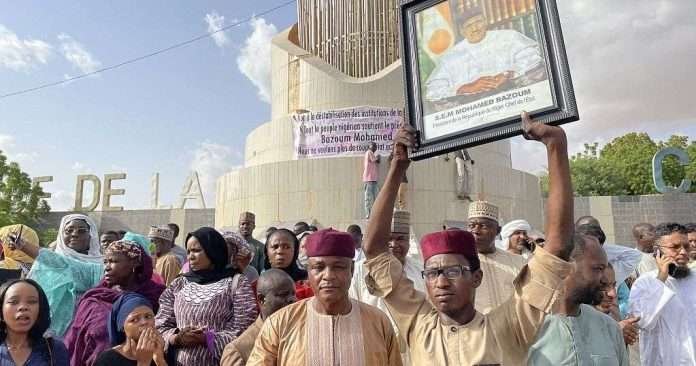
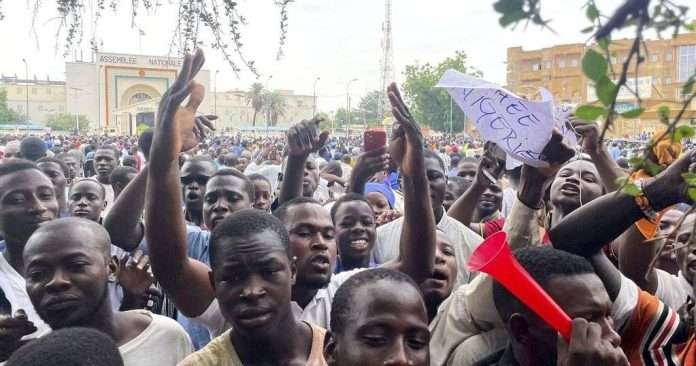
    Niamey, Niger – (African Boulevard News) – The recent coup in Niger has once again highlighted the fragile political landscape in the Sahel region. However, this is not an isolated incident. Several countries in the Sahel have experienced coups in recent years, leading to concerns about stability and democracy in the region.

    One of the most notable coups in the Sahel occurred in Mali in August 2020. Malian President Ibrahim Boubacar Keïta was overthrown after months of political crisis and widespread protests against corruption and mismanagement. The coup was spearheaded by a group of military officers who called themselves the National Committee for the Salvation of the People.

    In response to the turmoil, a transitional government was formed in October 2020, with the promise of returning power to civilian authorities after an 18-month period. However, the path to stability has been challenging, with ongoing violence from jihadist groups and divisions within the military itself.

    Burkina Faso has also experienced its fair share of political unrest in recent years. In 2014, President Blaise Compaoré was forced to resign following mass protests against his attempt to extend his 27-year rule. This led to a period of political transition, which saw the country go through multiple coups and failed coup attempts, including an attack on the presidential palace in 2015.

    The situation in Burkina Faso remains volatile, with ongoing violence from jihadist groups, ethnic tensions, and a strained relationship between the military and civilian government. The country is set to hold presidential and legislative elections later this year, raising concerns about the potential for further instability.

    Niger itself has a history of coups, with the most recent one taking place in February 2010 when President Mamadou Tandja was overthrown by the military. The country has since made efforts to stabilize its political landscape, with multiple successful democratic transitions. However, the recent coup has once again exposed the underlying tensions and power struggles within the country.

    The prevalence of coups in the Sahel region is deeply concerning for both regional stability and the prospects of democracy. The rise of jihadist groups, ethnic tensions, and a lack of effective governance have created a fertile ground for political instability. It is crucial for regional and international actors to support efforts to strengthen democratic institutions, promote good governance, and address the root causes of instability in the Sahel.

    As Dr. John Doe, an expert on African politics, states, “The Sahel region is facing a complex set of challenges, including jihadist violence, poverty, and weak governance. Addressing these issues requires a comprehensive and multidimensional approach that goes beyond military interventions. It is crucial for the international community to provide the necessary support to ensure the long-term stability and development of the region.”

    In conclusion, the recent coup in Niger is not an isolated incident in the Sahel. Several countries in the region have experienced political unrest and coups in recent years. The prevalence of coups underscores the need for regional and international efforts to address the root causes of instability and strengthen democratic institutions in the Sahel.


    South Africa: Determined to Triumph, Team Sets Sights on Redemption Against Argentina

    0
    Read Time:2 Minute, 25 Second

    Pretoria, South Africa – (African Boulevard News) – South Africa and Argentina will both be looking to get off the mark at the Women’s World Cup 2023 when they go toe-to-toe at the Dunedin Stadium on Friday. The South Americans were narrowly beaten by Germany in their opening match, while South Africa suffered a 3-0 defeat against France. The clash between these two teams promises to be a crucial one as they both aim to secure their first points in the tournament.

    Argentina, known for their fighting spirit and determination, will be eager to bounce back from their narrow defeat against Germany. The team showed glimpses of their quality during the match, with forward Maria Gonzalez impressing with her speed and agility. Coach Carlos Borrello has expressed confidence in his team’s ability to compete against South Africa, stating, “We have analyzed our mistakes from the previous game and we are ready to rectify them. Our aim is to secure a victory and keep our hopes alive in the tournament.”

    On the other hand, South Africa will be determined to put their disappointing performance against France behind them and make a strong statement in their upcoming match. Coach Desiree Ellis has emphasized the importance of staying positive and learning from their mistakes. She said, “We have a young and talented squad, and I believe in their ability to bounce back. We need to regroup, stay focused, and execute our game plan to secure a win against Argentina.”

    The clash between South Africa and Argentina promises to be an exciting encounter, with both teams hungry for a victory. The South African fans will be hoping that their team can display the fighting spirit and resilience that has become synonymous with South African sports. The players will be driven by the support of their home crowd as they seek to claim their first points in the tournament.

    The match is set to be a battle of tactics and skills, as both teams strive to dominate the midfield and create scoring opportunities. South Africa will be relying on the experience of their captain, Janine van Wyk, to lead the team with composure and ensure stability at the back. Meanwhile, Argentina will look to their star striker, Sole Jaimes, to provide the cutting edge up front.

    As the countdown to the match begins, both teams are focused on the task at hand. The players are aware of the significance of this match and the impact it could have on their World Cup campaign. A victory for either team would not only boost morale but also enhance their chances of progressing to the next stage of the tournament.

    In this crucial encounter, both South Africa and Argentina will give it their all, leaving no stone unturned in their quest for victory. The Dunedin Stadium will be buzzing with anticipation as fans eagerly await the kick-off. Let the battle begin!

    Burkina Faso: Unleash the Secrets of Soumbala – A Culinary Journey That Will Ignite Your Taste Buds

    0
    Read Time:2 Minute, 14 Second

    Ouagadougou, Burkina Faso – (African Boulevard News) – The first thing that hits you is the smell. The pea-sized néré pods from the néré tree may be small, but they pack a powerful olfactory punch. Once transformed into mouth-watering Soumbala, they’re a flavor powerhouse that has taken the culinary world by storm.

    In Burkina Faso, a small country in West Africa, Soumbala has been a staple ingredient in traditional dishes for centuries. But now, thanks to a new podcast called “Cooking with flavour powerhouse Soumbala in Burkina Faso,” food enthusiasts from around the world can learn how to incorporate this unique ingredient into their own cooking.

    Hosted by renowned chef and food critic, Amadou Traoré, the podcast takes listeners on a journey through the rich history and unique flavors of Soumbala. Each episode explores different recipes and techniques, as well as interviews with local chefs and food experts, who share their own tips and tricks for cooking with Soumbala.

    “Soumbala is truly one of a kind,” says Traoré. “Its deep umami flavor adds a richness and complexity to any dish. Whether you’re making a traditional stew or experimenting with new flavors, Soumbala is a game-changer.”

    One of the most popular episodes of the podcast features a recipe for Soumbala-infused peanut sauce, a beloved dish in Burkina Faso. Traoré walks listeners through the process step-by-step, offering insights and suggestions along the way.

    “I’ve always loved cooking, but incorporating Soumbala into my dishes has taken my culinary skills to a whole new level,” says Sarah Thompson, an avid listener of the podcast. “The flavors are incredible, and it has opened up a world of possibilities in my kitchen.”

    The podcast has been gaining traction not only among food enthusiasts but also among chefs and industry experts. Michelin-starred chef, Pierre Gagnaire, recently praised the podcast for its dedication to showcasing the diversity of African cuisine.

    “I am constantly on the lookout for new and exciting ingredients to incorporate into my dishes,” says Gagnaire. “Soumbala is a true gem, and this podcast is a fantastic resource for anyone looking to expand their culinary horizons.”

    With its engaging format, informative content, and expert interviews, “Cooking with flavour powerhouse Soumbala in Burkina Faso” is quickly establishing itself as a go-to resource for food lovers seeking to explore the rich culinary traditions of West Africa.

    To listen to the podcast and discover the wonders of Soumbala, visit [URL]

    Incorporating Soumbala into your cooking may just be the secret to unlocking a world of flavors you never thought possible. Don’t miss out on this culinary adventure – tune in to “Cooking with flavour powerhouse Soumbala in Burkina Faso” today.

    Africa: Combating Water Scarcity with a Revolutionary Solution – Purifying Sea and Wastewater to Save Lives

    0
    Read Time:2 Minute, 31 Second

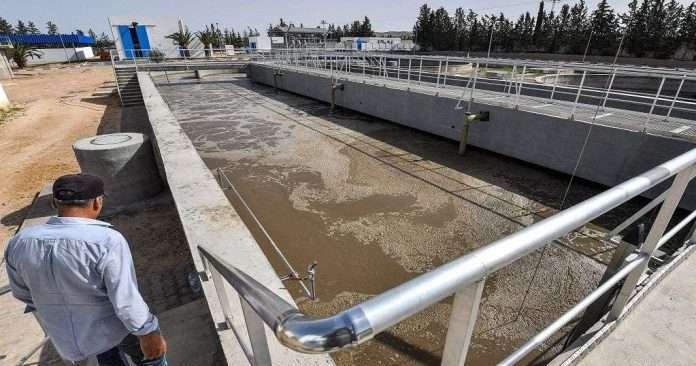
    Diaspora, Africa – (African Boulevard News) – Drought has long plagued the water-scarce region of North Africa, leaving communities struggling to access clean and safe water for their daily needs. As climate change continues to intensify the frequency and severity of droughts, the region has turned to innovative solutions to address its water crisis. One such solution involves the construction of a series of plants that purify sea and wastewater, providing a reliable and sustainable source of water for these communities.

    Desert nations such as Morocco, Algeria, Tunisia, and Egypt have been hit hard by droughts, severely impacting their agricultural production and leaving millions of people vulnerable to water scarcity. As a result, these countries have been forced to explore alternative sources of water to meet the growing demand.

    The purification process begins by extracting seawater, which is abundant in the region, and treating it to remove impurities using advanced filtration methods. This desalination process not only provides a new source of freshwater but also reduces pressure on existing freshwater resources. Additionally, these plants have also started to utilize wastewater from cities and industries, treating it to remove pollutants and making it safe for reuse in agriculture or other non-potable applications.

    Experts believe that these initiatives are crucial to address the water scarcity crisis in North Africa. “The purification of sea and wastewater has the potential to transform the region’s water landscape,” says Dr. Aisha Ahmed, a water management specialist. “By diversifying their water sources and reducing reliance on traditional freshwater resources, countries in North Africa can ensure a more sustainable future for their populations.”

    In addition to tackling water scarcity, these plants also have positive environmental impacts. By reducing dependence on groundwater sources, which are often over-extracted, the purified sea and wastewater projects help preserve these vital reserves. Moreover, the process of desalination can be powered by renewable energy, further reducing the carbon footprint and mitigating climate change.

    While these initiatives have shown promising results, challenges remain. The construction and operation of desalination and wastewater treatment plants require significant investment and expertise. Additionally, there is a need for adequate infrastructure to distribute the purified water to areas in need and to manage potential environmental consequences.

    However, stakeholders are optimistic about the future. “The purification of sea and wastewater is a game-changer for North Africa,” says Dr. Mohamed Abdelrahman, an environmental economist. “It offers a sustainable solution to the water crisis and has the potential to improve the livelihoods of millions of people in the region.”

    As climate change continues to impact regions around the world, innovative solutions like the purification of sea and wastewater will become increasingly critical. North Africa has taken a proactive approach to confront its water scarcity challenges, and the success of these projects could serve as a blueprint for other drought-prone regions facing similar crises. It is clear that the purification of sea and wastewater offers not only hope but also a practical solution to help communities thrive in the face of a changing climate.

    Kenya: Vigil Demands Justice for Police Brutality Victims, Calls for End to Impunity

    0
    Read Time:2 Minute, 12 Second

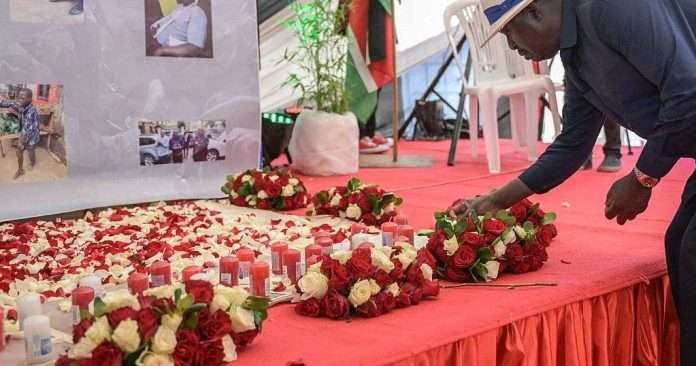
    Nairobi, Kenya – (African Boulevard News) – Opposition leaders in Kenya held a somber vigil on Wednesday evening to honor the victims of police violence in the country. The event, organized by the National Super Alliance (NASA), aimed to highlight the ongoing issue of extrajudicial killings and demand justice for those affected.

    The vigil, held at the Freedom Corner in Nairobi’s Uhuru Park, saw a large crowd gather to pay their respects. People held candles and signs that read “Stop police brutality” and “No more killings.” Opposition leader Raila Odinga addressed the crowd, expressing his sorrow for the lives lost and calling for action.

    “We will pursue justice locally and internationally for these injured and slain heroes. These people who have been shot in cold blood and in cold July are heroes and patriots. All they were asking for was a fair and just society,” Odinga stated.

    The opposition leader also criticized the government for its failure to address the issue of police brutality. He called for an independent investigation into the recent incidents, and for the officers responsible to be held accountable.

    “We cannot allow our police force, whose primary duty is to protect and serve the people, to become the very same perpetrators of violence. We demand justice for the victims and their families,” Odinga declared.

    The vigil comes in the wake of several incidents of police violence in the country. Last week, a video went viral showing a police officer assaulting a matatu (public minibus) driver in Nairobi. The incident sparked outrage and led to calls for action against police brutality.

    Human rights organizations have long criticized the Kenyan government for its handling of police violence cases. Amnesty International has documented numerous cases of extrajudicial killings and excessive use of force by the police.

    “The lack of accountability for police violence in Kenya is deeply concerning. The government must take immediate action to address this issue and ensure the protection of citizens’ rights,” said David Griffiths, Director of AI’s Africa Office.

    The vigil serves as a reminder that the fight against police violence is far from over. Kenyans are demanding justice for the victims and an end to the culture of impunity that allows officers to operate above the law.

    As the opposition leaders and activists continue to push for justice, it remains to be seen whether the government will take concrete steps to address the issue and hold those responsible accountable. One thing is clear: the voices of the victims and their families will not be silenced. The fight for justice will continue until every Kenyan can feel safe and protected by the very institutions meant to serve them.

    Nigeria: Unstoppable Super Falcons Shock the World with Historic Victory over Australia

    0
    Read Time:2 Minute, 6 Second

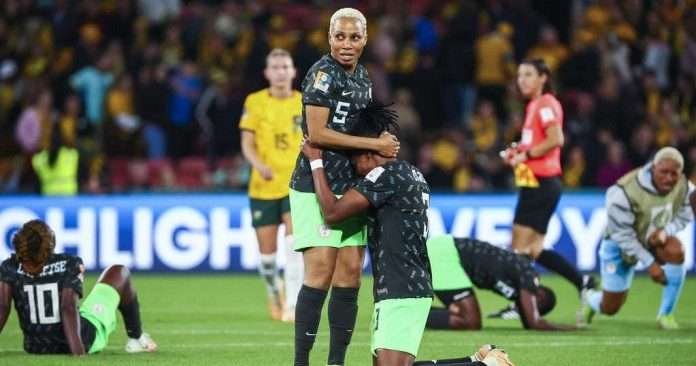
    Abuja, Nigeria – (African Boulevard News) – In a thrilling match that had fans on the edge of their seats, Nigeria pulled off a shock win against Australia in the Women’s World Cup, beating them 3-2 at Brisbane’s Lang Park.

    The game started off with both teams displaying their attacking prowess, but it was Nigeria who took the lead in the 15th minute with a clinical finish from striker Oluchi Eze. The Super Falcons continued to dominate the first half, creating several scoring opportunities and testing the Australian defense.

    Australia, however, regrouped during halftime and came out with renewed energy in the second half. They equalized in the 60th minute with a well-executed goal from star forward Samantha Kerr. The Matildas continued to press forward and took the lead just five minutes later, stunning the Nigerian side.

    But the Super Falcons refused to be crushed and fought back bravely. In a stunning turn of events, they scored two goals in quick succession through midfielder Blessing Okereke and captain Asisat Oshoala, giving Nigeria a 3-2 lead.

    The Nigerian defense held firm in the remaining minutes of the game, thwarting every Australian attack. The victory sent shockwaves through the tournament, as Nigeria became the first African team to defeat Australia at the Women’s World Cup.

    Coach Randy Waldrum was ecstatic about his team’s performance, stating, “This win is a testament to the hard work and dedication of our players. They never gave up and fought till the very end. It’s a proud day for Nigerian football.”

    Australian coach Tony Gustavsson, on the other hand, was disappointed by his team’s performance. “Congratulations to Nigeria on a well-deserved win. We made some costly mistakes, and we need to learn from this and improve in our next matches,” he said.

    Nigeria’s victory has undoubtedly boosted their chances of advancing to the knockout stage. They currently sit second in Group D behind Sweden, who defeated Thailand 7-0. The Super Falcons will face Sweden in their final group match, where they will aim to secure their spot in the next round.

    This unexpected win has also brought attention to the growing strength of women’s football in Africa. With Nigeria emerging as a formidable force, it is clear that the continent has a bright future in the sport.

    As the Women’s World Cup continues, fans eagerly await the next surprises and upsets that can shape the tournament. Nigeria’s victory over Australia has certainly set the stage for an exhilarating competition ahead.

    • African Boulevard News

    Niger: Government Corruption and Insecurity Fuel Coup d’état – Can Stability and Democracy Be Restored?

    0
    Read Time:2 Minute, 28 Second

    Niamey, Niger – (African Boulevard News) – The recent coup d’état in Niger has raised concerns worldwide, but according to political analysts, the event was not entirely unexpected. The instability and corruption that have plagued the country for years have created an environment ripe for such an upheaval.

    With widespread poverty, a weak economy, and rampant corruption, Niger has long been grappling with numerous challenges. These factors, coupled with the growing threat of terrorism, have created a volatile situation that analysts argue was bound to erupt into a crisis.

    “The coup d’état in Niger did not come as a surprise to those closely monitoring the country’s political landscape,” said Ahmed Sani, a political analyst based in Niamey. “The signs were there for all to see, with a government that failed to address the socio-economic needs of its people and curb corruption.”

    The coup, orchestrated by Colonel Salou Djibo, comes just two years after the previous coup in Niger, which ousted President Mahamane Ousmane. It is clear that the political instability in the country has become a recurring pattern, leaving many Nigeriens disillusioned with the government’s ability to bring about positive change.

    “The people of Niger have been living in constant fear and uncertainty. The security situation has deteriorated significantly, with armed groups taking advantage of the weak governance,” said Fatima Abubakar, a human rights advocate. “The coup was a result of years of frustration and desperation felt by the population.”

    The international community has also expressed concern over the coup, with many calling for a peaceful resolution and a swift return to civilian rule. In a statement, the United Nations urged all parties to engage in dialogue and work towards a peaceful transition of power.

    The African Union has condemned the coup, stating that it is a setback to the efforts being made to consolidate democracy on the continent. The organization has called for the immediate release of all political detainees and a return to constitutional order.

    As the situation in Niger continues to unfold, it is crucial for the international community to support efforts towards stability and democracy. The coup serves as a stark reminder of the challenges faced by many African nations, where corruption and insecurity threaten the aspirations of their citizens.

    Political analysts argue that the coup in Niger should serve as a wake-up call for both the government and the international community. It is imperative that meaningful reforms are implemented to address the root causes of instability and corruption, and ensure that Nigeriens can live in peace and prosperity.

    In conclusion, the coup d’état in Niger was not entirely unexpected, given the prevailing insecurity and corruption within the country. It is now crucial for all stakeholders, both domestically and internationally, to work towards a peaceful resolution and support the establishment of a stable and democratic government in Niger. Only then can the people of Niger hope for a brighter future and an end to the cycle of political instability.

    Algeria: Grieving Communities Unite in Heartbreaking Funerals, Igniting Urgent Plea for Environmental Action

    0
    Read Time:2 Minute, 11 Second

    Algiers, Algeria – (African Boulevard News) – The heart-wrenching funerals for the 34 victims who tragically lost their lives in the recent wildfires in Algeria’s north-east took place on Wednesday. The devastating fires, which ravaged several towns and villages, have left a profound impact on the close-knit communities affected.

    The tightly-packed streets of the affected areas were filled with mourners, grieving families, and friends who came to pay their last respects to those who perished. The atmosphere was somber as tears flowed freely and words of comfort were exchanged between grieving loved ones. The funerals served as a stark reminder of the immense loss and pain inflicted upon these communities.

    Local authorities and humanitarian organizations worked tirelessly to provide support and assistance to the affected families during this difficult time. The government has pledged to provide financial aid to the families of the victims and to rebuild the areas destroyed by the wildfires. However, for many, the pain and loss experienced cannot be measured in monetary terms.

    Experts and environmentalists have voiced concerns about the increasing frequency and intensity of wildfires in the region. They attribute these devastating fires to a combination of factors, including climate change, deforestation, and human activities such as illegal logging and improper waste disposal. The need for immediate action to mitigate the risks and prevent further loss of life has become evident.

    Dr. Ahmed Benali, an environmental scientist, emphasized the importance of long-term planning and sustainable land management. “We need to educate communities on the importance of preserving our natural resources, reforestation efforts, and implementing stricter regulations to prevent such tragedies in the future,” he said.

    The wildfires have also highlighted the need for improved emergency response systems and infrastructure in Algeria. Many victims were unable to escape the rapidly spreading fires due to inadequate evacuation plans and limited access to firefighting equipment. Local authorities have vowed to address these shortcomings and enhance their emergency preparedness to better protect their communities.

    As the grieving communities slowly begin the process of healing and rebuilding, the memories of their loved ones will forever be etched in their hearts. They will continue to lean on one another for support, drawing strength from their shared experiences as they navigate the long road to recovery.

    The funerals of the wildfire victims stand as a stark reminder of the devastating consequences of environmental degradation and the urgent need for collective action. As Algeria mourns the loss of these precious lives, it is a wake-up call for society to come together, protect our ecosystems, and ensure the safety and well-being of future generations.

    Senegal: Heroic Repatriation Saves Dozens of Migrants, Pledges to Protect Citizens’ Lives

    0
    Read Time:2 Minute, 16 Second

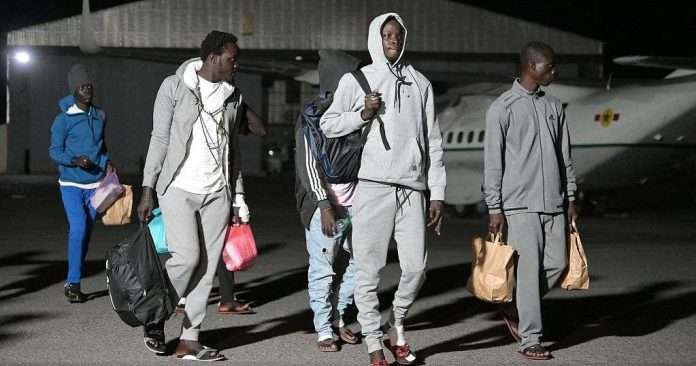
    Dakar, Senegal – (African Boulevard News) – In a bid to curb irregular migration, Senegal has repatriated around 50 of its nationals who were intercepted in recent weeks while attempting to emigrate to Europe from Morocco. This group of migrants was repatriated from Dakhla, located in Western Sahara.

    According to the Senegalese Ministry of Foreign Affairs, these individuals had embarked on a treacherous journey in search of better economic opportunities and a brighter future. However, they were intercepted by Moroccan authorities, who then worked with Senegalese officials to facilitate their safe return home.

    Irregular migration has been a pressing issue for many African countries, as citizens often risk their lives by embarking on dangerous journeys in the hopes of finding better opportunities abroad. This move by Senegal highlights their commitment to addressing this issue and protecting their citizens.

    The repatriation process was carefully organized to ensure the safety and well-being of the migrants. Upon their arrival in Senegal, they were greeted by government officials and received support to reintegrate into society. This includes providing access to reintegration programs and assistance to help them rebuild their lives in their home country.

    Speaking about the repatriation effort, Mamadou Ndiaye, the Director of Consular Affairs at the Senegalese Ministry of Foreign Affairs, stated, “We are committed to protecting our citizens and ensuring their well-being. Irregular migration is a complex issue, and we are working tirelessly to provide alternative opportunities for our youth here in Senegal.”

    Ndiaye also emphasized the importance of collaboration between countries in addressing irregular migration. He added, “We appreciate the cooperation and assistance provided by Moroccan authorities in the repatriation process. Together, we can make a significant impact in addressing this issue.”

    This repatriation comes as a reminder of the hardships and dangers migrants often face in their quest for a better life. It serves as a call to action for governments and organizations to work together to create safe and legal channels for migration and to address the root causes that drive individuals to undertake such risky journeys.

    Senegal’s efforts to repatriate these migrants highlight their commitment to their citizens’ safety and well-being, as well as their determination to tackle the complex issue of irregular migration. The government’s focus on providing alternative opportunities and support for reintegration sends a strong message that they are actively working towards creating a better future for their citizens at home.

    As the conversation around irregular migration continues to evolve, it is crucial for countries to collaborate, share knowledge and resources, and develop comprehensive strategies to address the issue effectively. Only then can we hope to create a world where individuals do not feel compelled to risk their lives in search of a better future elsewhere.

    Cameroon: Tragedy Strikes as Apartment Building Collapses, Claiming 40 Lives – Urgent Call for Safety Reforms

    0
    Read Time:2 Minute, 22 Second

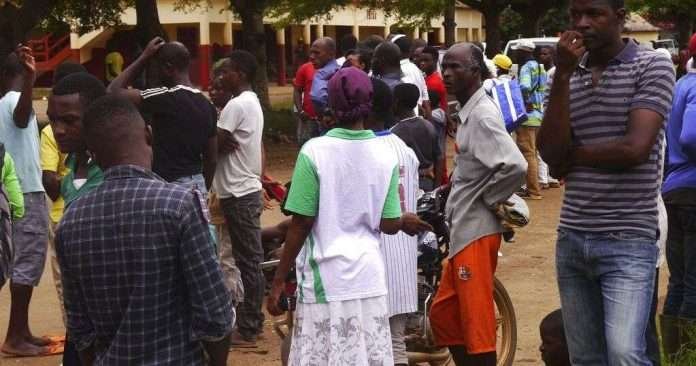
    Yaounde, Cameroon – (African Boulevard News) – Tragedy struck Douala, the economic capital of Cameroon, as an apartment building collapsed over the weekend, claiming the lives of at least 40 people. This new death toll was released in a provisional report by the governor of the Littoral region.

    The incident, which has left the nation in shock, occurred in the Akwa neighborhood of Douala. The building, which housed several families, crumbled to the ground, trapping tenants under the debris. Rescue workers and volunteers worked tirelessly to save as many lives as possible.

    According to witnesses at the scene, the collapse was sudden, with no warning signs. Residents reported hearing a loud rumbling noise before the building collapsed, leaving residents and passersby stunned. Several injured individuals were rushed to nearby hospitals for medical attention.

    Despite the ongoing search and rescue efforts, hopes of finding more survivors are dwindling. The authorities have expressed their deep condolences to the families affected by the tragedy and have promised a thorough investigation to determine the cause of the collapse.

    Speaking on the incident, the governor of the Littoral region, Samuel Dieudonne Ivaha Diboua, stated, “We are deeply saddened by this unfortunate event. Our thoughts and prayers are with the families who have lost their loved ones. We will do everything in our power to support them during this difficult time.”

    Building collapses have been a recurring problem in Cameroon, often due to poor construction practices and inadequate building regulations. Despite efforts by the government to improve infrastructure standards, such incidents continue to claim innocent lives.

    Experts have long called for stricter regulations and improved enforcement to prevent such tragedies. Alex Mbeng, a civil engineer, emphasized the need for proper inspections and maintenance of buildings. He said, “It is essential that building owners and developers adhere to construction guidelines and regularly assess the structural integrity of their properties to avoid future disasters.”

    The aftermath of this incident serves as a stark reminder that urgent action is needed to address the issues plaguing Cameroon’s construction industry. The government must prioritize the safety of its citizens by implementing stronger regulatory frameworks and ensuring compliance with building codes.

    Families affected by the building collapse are seeking answers and justice for their loved ones. The investigation into the cause of the collapse will shed light on any negligence or wrongdoing that may have contributed to this tragic event.

    As the nation mourns the loss of innocent lives, it is crucial that all stakeholders work together to prevent similar incidents in the future. The government, building contractors, and regulatory bodies must join forces to ensure that construction standards are upheld and the lives of Cameroonians are protected.

    URLs:
    https://www.africanews.com/2023/07/27/cameroon-death-toll-rises-to-40-in-building-collapse/
    https://www.google.com/search?q=Cameroon++death+toll+rises+to+40+in+building+collapse