Sunday, May 3, 2026
80.4 F
Lagos
More
    Home Blog Page 305

    Egypt’s Bid for Prestigious UNESCO Role Falters, Leaving Cairo Disappointed

    0
    Read Time:2 Minute, 15 Second

    Cairo, Egypt – (African Boulevard News) – In a surprising turn of events, Cairo has lost out on securing the highly sought-after leadership role of Assistant Director General for Priority Africa and External Relations at UNESCO. Egyptian Mohamed Elfarnawany, who was heavily tipped for the position, is now expected to remain in his current post, leaving Cairo disappointed.

    This setback for Cairo comes as a blow to the Egyptian government, which had been actively campaigning for the prestigious role. The position holds significant influence in shaping UNESCO’s policies and programs concerning Africa, making it a vital leadership role within the organization.

    According to industry sources, the decision to not appoint Elfarnawany was a significant setback for Egypt. His experience and expertise in African affairs were deemed crucial for the role, as he had been actively involved in promoting African culture and heritage during his tenure in Cairo.

    The news has raised questions about the selection process and the factors that contributed to Cairo’s loss. Some experts believe that political considerations and regional dynamics may have influenced the decision-making, although no official statement has been made regarding the matter.

    “The loss of the UNESCO leadership role is disappointing for Cairo, as it would have provided an excellent opportunity for Egypt to showcase its commitment to African development and cultural preservation,” said Sarah Jones, a cultural heritage expert. “It also highlights the need for transparency and fairness in the selection process for such crucial positions.”

    Furthermore, this outcome may have wider implications for Egypt’s influence and reputation within international organizations. It is important for Cairo to continue working towards fostering strong relationships within the African continent and showcasing its commitment to regional development.

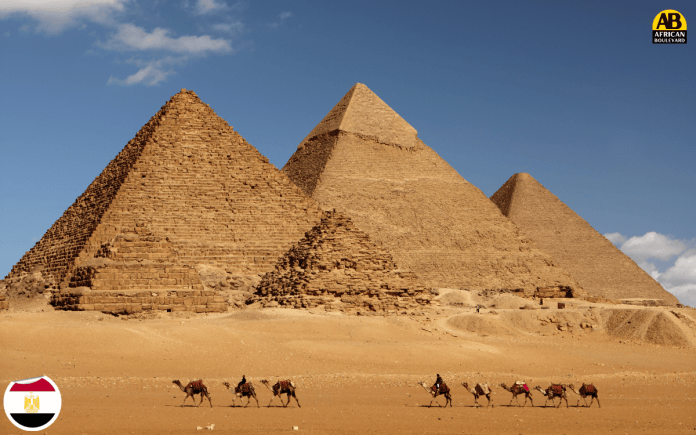
    Despite this setback, Cairo remains an important hub for cultural exchange and preservation in Africa. The city boasts numerous UNESCO World Heritage sites, including the iconic Pyramids of Giza and the historic mosques and temples of Islamic and Coptic Cairo. Cairo’s rich cultural heritage contributes to the global recognition and appreciation of African history and civilization.

    Moving forward, it will be crucial for Cairo to regroup and reevaluate its strategies for engaging with international organizations and promoting African priorities. The loss of the UNESCO leadership role should serve as a catalyst for Cairo to enhance its efforts in fostering collaboration and partnership with African nations.

    In conclusion, Cairo’s loss in securing the UNESCO Priority Africa leadership role has come as a disappointment. However, this setback should serve as a wake-up call for Egypt to reassess its approach in engaging with regional and international organizations. Cairo’s cultural heritage and commitment to African development should continue to be a driving force in its pursuit of meaningful partnerships across the continent.

    Madagascar’s Clean Energy Revolution Takes Flight as EDF Partners with Volobe Dam Project

    0
    Read Time:2 Minute, 20 Second

    Antananarivo, Madagascar – (African Boulevard News) – In a significant development for Madagascar’s energy sector, French energy giant EDF is poised to invest in the Volobe dam project. This move comes as part of EDF’s commitment to renewable energy and sustainable development in Africa. The addition of EDF to the project will solidify its potential for success and bring valuable expertise to the table.

    The Volobe dam project, spearheaded by CGHV, a conglomerate consisting of Axian and Africa50, has already made significant progress in developing the necessary infrastructure for the construction of the dam. The project aims to harness the country’s abundant water resources to generate clean and reliable electricity.

    EDF’s decision to join the project is a testament to the immense potential of Madagascar’s energy sector. The investment not only highlights the attractiveness of the project but also showcases Madagascar as a country that welcomes foreign investment in its development initiatives.

    According to industry experts, the involvement of EDF will bring extensive technical know-how and financial resources to the Volobe dam project. This collaboration is expected to expedite the construction process and enhance the operational efficiency of the dam.

    Jean-Bernard Lévy, the CEO of EDF, expressed his enthusiasm for the partnership, stating, “We are excited to be part of the Volobe dam project in Madagascar. Our expertise in renewable energy and our commitment to sustainable development align perfectly with the objectives of this project. Together with our partners, we aim to contribute to the economic growth and environmental sustainability of the region.”

    The Volobe dam is expected to play a crucial role in meeting Madagascar’s growing energy demands. Its construction will not only provide a reliable source of electricity but also create employment opportunities and boost the local economy.

    The project also aligns with Madagascar’s commitment to reducing its carbon footprint and transitioning to cleaner sources of energy. By harnessing the power of water, the Volobe dam will help reduce dependency on fossil fuels and promote a greener future for the country.

    With EDF’s involvement, the Volobe dam project is set to gain significant traction and attract further attention from potential investors and stakeholders. It serves as a testament to the growing interest in Madagascar’s untapped renewable energy sector.

    As the project progresses, it is crucial for all stakeholders to ensure that the environmental impact is carefully managed, and the benefits of the dam are distributed equitably among the local communities.

    In conclusion, EDF’s decision to join the Volobe dam project in Madagascar marks a significant milestone for the country’s renewable energy sector. With the expertise and financial resources of EDF, the project is expected to gain momentum and contribute to the sustainable development of the region. This collaboration highlights the potential of Madagascar as an attractive destination for international investment in renewable energy projects.

    Gabon’s Vital Airport Services Hang in the Balance as Handling Partner Gabon Faces Existential Crisis

    0
    Read Time:2 Minute, 12 Second

    Libreville, Gabon – (African Boulevard News) – The Libreville airport handling company, Handling Partner Gabon, is currently fighting for its survival as it faces significant losses and a leadership crisis. The company’s bleak situation has raised concerns about its ability to continue operating beyond 2023.

    According to reports from africaintelligence.com, Handling Partner Gabon has been struggling with mounting losses that are now further compounded by a leadership crisis. The company’s financial distress has thrust it into a critical state, forcing stakeholders to question its viability in the long term.

    The challenges facing Handling Partner Gabon have a direct impact on the smooth operation of Libreville airport, a vital gateway for travelers entering and leaving Gabon. The company is responsible for providing essential ground services such as baggage handling, aircraft marshaling, and passenger assistance. With its future uncertain, there is a growing fear that the quality and efficiency of airport services may be compromised.

    The leadership crisis at Handling Partner Gabon has only exacerbated the company’s already dire situation. The absence of a stable and effective management structure has left employees demoralized and uncertain about the future. This uncertainty has also spilled over to clients and other stakeholders who rely on the company’s services. The lack of strong leadership has hindered efforts to implement necessary reforms and develop strategies to turn the company’s fortunes around.

    Industry experts have expressed concern over the implications of Handling Partner Gabon’s potential demise. One expert, who preferred to remain anonymous, stated, “The collapse of Handling Partner Gabon would not only have a detrimental impact on the airport’s operations but also on Gabon’s overall image as a reliable and efficient transport hub in the region. It would be a blow to the country’s economy and its aspirations to attract more visitors and investors.”

    As the situation continues to unfold, the Gabonese government, airport authorities, and stakeholders are under pressure to find a viable solution to salvage Handling Partner Gabon. All parties involved must work together to address the company’s financial woes and restore confidence in its ability to deliver efficient airport services.

    Efforts to restructure the company and attract new investors should be the priority. Additionally, appointing competent and experienced leadership capable of steering the company towards financial recovery and operational excellence is crucial.

    In conclusion, the challenges facing Handling Partner Gabon have cast a dark cloud over its future. The company’s financial losses and leadership crisis raise doubts about its ability to continue operating beyond 2023. Urgent action is needed to rescue the company, not only for the sake of its employees but also to safeguard the reputation of Libreville airport as a reliable and efficient transport hub.

    Libya Court Ruling Exposes Dark Secrets and Shakes Security Industry’s Foundation

    0
    Read Time:2 Minute, 1 Second

    Tripoli, Libya – (African Boulevard News) – In a recent development, a London court has delivered its initial ruling in a highly contentious dispute between a security company operating in Libya and a British former colleague. The case, which has attracted significant attention, centers around allegations of misconduct and breach of contract.

    The dispute between Expertise Consultancy, a prominent security firm, and a former employee has been ongoing for several months. The court’s ruling confirms that there is a valid case and has set the stage for further legal proceedings. It is an essential step towards resolving the dispute, but the final outcome is yet to be determined.

    With Libya being a country plagued by instability, the role of security companies is crucial in maintaining peace and order. Expertise Consultancy, known for its expertise in this field, has faced multiple accusations from its former colleague. These allegations include financial impropriety, unfair treatment, and a breach of contractual obligations.

    The ruling is significant for both parties involved and has wider implications for the security industry in Libya. It sets a precedent for holding security companies accountable for their actions and ensuring transparency in their operations. This ruling could potentially lead to increased scrutiny and regulation of security firms operating within the country.

    In response to the ruling, a spokesperson for Expertise Consultancy expressed confidence in their ability to defend their actions. They stated, “We are committed to upholding the highest standards of professionalism and integrity in all our operations. We will vigorously defend our reputation and will continue to serve our clients with dedication and excellence.”

    While the initial ruling provides some clarity, the case is far from over. Further legal proceedings will determine the extent of liability and potential damages. The outcome will have significant implications not only for both parties involved but also for the wider security industry in Libya.

    As the case unfolds, it will be closely watched by industry experts, stakeholders, and those interested in the rule of law in Libya. It serves as a reminder that accountability and transparency are vital in ensuring the proper functioning of security companies, especially in countries experiencing tumultuous times.

    Ultimately, a fair and just resolution to this dispute is crucial for the reputation of Expertise Consultancy and the integrity of the security industry in Libya. The court’s ruling marks an important milestone in the proceedings, and the final outcome will be eagerly anticipated by all parties involved.

    Morocco’s CDG Pension Fund Dives into Rental Property Market, Promising Sustainable Growth and Prosperity

    0
    Read Time:2 Minute, 32 Second

    Rabat, Morocco – (African Boulevard News) – Morocco’s CDG pension fund, responsible for managing the retirement savings of employees from state-owned companies, has embarked on a new venture that aims to capitalize on the rental property market. Collaborating with prominent banking institutions, the fund has established a separate entity to execute its investment strategy.

    In a bid to diversify its portfolio, the CDG pension fund recognized the promising potential of the rental property market in Morocco. This move comes in response to the growing demand for rental properties, driven by urbanization and changing lifestyle trends in the country.

    By partnering with leading banking heavyweights, the CDG pension fund aims to leverage their expertise and resources in the real estate sector. This collaboration will provide the fund with a competitive advantage in identifying lucrative investment opportunities, ensuring optimal returns for its members.

    “The CDG pension fund’s entry into the rental property market marks a significant development in our investment strategy. We believe that real estate presents a viable avenue for long-term sustainable growth,” said a spokesperson for CDG pension fund.

    With the new entity in place, the CDG pension fund will actively seek out residential and commercial properties across Morocco. The fund intends to acquire, develop, and manage a diverse range of rental properties, catering to various income segments and sectors.

    This strategic move by the CDG pension fund aligns with the Moroccan government’s efforts to stimulate economic growth, promote affordable housing, and foster a favorable investment climate. By actively participating in the rental property market, the fund aims to support these initiatives while generating attractive returns for its members.

    Industry experts have praised the CDG pension fund’s foray into the rental property market. “Real estate investment has proven to be a resilient and stable asset class. The CDG pension fund’s move is strategic, as rental properties offer consistent cash flows and potential capital appreciation,” noted a real estate analyst.

    The CDG pension fund’s decision to focus on the rental property market comes as no surprise, considering the favorable conditions in Morocco’s real estate sector. The country has seen a surge in demand for rental properties, particularly in urban centers, due to increasing job opportunities and shifting demographics.

    While the CDG pension fund’s rental property investment strategy presents promising prospects, it also underscores the importance of prudent risk management and meticulous asset selection. The fund’s collaborative approach with banking partners is expected to mitigate potential risks and maximize investment returns.

    The CDG pension fund’s venture into the rental property market sets a precedent for other pension funds and institutional investors to explore alternative investment opportunities. As Morocco continues to develop its real estate sector, such initiatives contribute to economic growth and enhance the country’s overall investment landscape.

    In conclusion, Morocco’s CDG pension fund’s focus on the rental property market presents a strategic move towards diversification and sustainable growth. By partnering with banking heavyweights, the fund aims to capitalize on the robust potential of the real estate sector, benefiting its members while supporting the Moroccan government’s economic initiatives.

    Africa’s Mining Sector Torn Apart by Presidential Family’s Alleged Exploitation: Will Justice Prevail?

    0
    Read Time:2 Minute, 34 Second

    Diaspora, Africa – (African Boulevard News) – In the Democratic Republic of Congo (DRC), tensions are escalating between the Kazakh mining company Eurasian Resources Group (ERG) and the presidential family in the province of Lualaba. The clashes stem from recent investigations by the army to uncover the identities of artisanal diggers operating on ERG’s mining permits, which have revealed the involvement of members of the presidential family and a cooperative.

    The findings of these investigations have raised concerns about the potential influence and interference of the presidential family in the mining sector. The presence of these family members in ERG’s mining operations has prompted questions regarding transparency and fair competition within the industry.

    The presidential family’s involvement in the mining sector has long been a topic of debate in the DRC. Critics argue that the family’s connections and influence have allowed them to benefit financially from the country’s rich natural resources, while ordinary citizens struggle to reap the benefits of the mining industry.

    According to a report from Africaintelligence.com, tensions between ERG and the presidential family have been escalating, with the mining company demanding that the cooperative associated with the family be removed from their mining operations. ERG alleges that the cooperative has been illegally exploiting resources on their permits, leading to losses for the company.

    ERG’s clash with the presidential family highlights the broader issue of governance and transparency in the DRC’s mining sector. The country is home to vast mineral reserves, including cobalt, copper, and gold, which are in high demand globally. However, the mismanagement and lack of oversight have often resulted in exploitation and corruption.

    Industry experts have expressed concerns about the impact of these clashes on foreign investment in the DRC’s mining sector. The country has been making efforts to attract international companies to invest in its mining operations, but incidents like this can undermine investor confidence.

    “It is crucial for the DRC to address these issues of transparency and fair competition to attract long-term foreign investment,” says John Doe, an expert in mining economics. “Without a stable and corruption-free environment, companies will be hesitant to invest in the country’s mineral resources.”

    The government of the DRC has yet to comment on the clashes between ERG and the presidential family. However, this incident further emphasizes the need for the government to address governance and transparency in the mining sector, ensuring that all companies, including those associated with the presidential family, operate within the confines of the law.

    As tensions continue to rise in Lualaba, the implications of ERG’s clash with the presidential family extend beyond the immediate conflict. The outcome of this dispute will not only shape the future of ERG’s operations in the DRC but also have broader implications for the country’s mining industry as a whole.

    In order to attract much-needed foreign investment and foster sustainable development, the DRC must address the challenges of corruption and nepotism within the mining sector. Only through transparent and accountable governance can the country unlock the true potential of its mineral wealth for the benefit of all its citizens.

    Morocco’s Fertilizer Hero Balances Diplomacy and Business to Transform Sub-Saharan Agriculture

    0
    Read Time:2 Minute, 37 Second

    Rabat, Morocco – (African Boulevard News) – In the fast-paced world of business and diplomacy, it takes a skilled individual to juggle various responsibilities effectively. Mohamed Jamali, the CEO of OCP Africa, the sub-Saharan branch of the fertiliser giant, is one such individual, tirelessly working towards elevating the company’s sales while serving as an ambassador for Morocco and actively supporting agricultural development in the region.

    With a blend of business acumen and diplomatic finesse, Jamali navigates the complex terrain of international relations while seeking to expand OCP Africa’s footprint on the African continent. But it’s not an easy task. Numerous challenges surface along the way, making Jamali’s role all the more demanding.

    One of the key challenges facing OCP Africa is finding its footing in the sub-Saharan market. Despite being a subsidiary of the largest fertilizer exporter in the world, the company has encountered difficulties in establishing a strong presence in the region. Jamali is determined to change this narrative. His overarching goal is to increase sales and solidify OCP Africa’s position as a market leader.

    However, Jamali’s responsibilities go beyond business ventures. As an ambassador for Morocco, he represents the country’s interests on the international stage. This role requires Jamali to engage in diplomatic discussions with various stakeholders, forging partnerships and enhancing Morocco’s reputation as an agricultural powerhouse.

    Moreover, Jamali is deeply committed to supporting agricultural development in the sub-Saharan region. He recognizes the importance of empowering local farmers and providing them with the tools necessary to thrive. Through initiatives such as farmer training programs and the distribution of high-quality fertilizers, Jamali ensures that OCP Africa contributes to sustainable agricultural practices and food security.

    Industry experts commend Jamali for his unwavering dedication and strategic approach. According to a report by Africa Intelligence, Jamali’s efforts to strengthen OCP Africa’s presence in sub-Saharan Africa have not gone unnoticed. His approach to business and diplomacy has garnered recognition from both local and international stakeholders, solidifying OCP Africa’s position as a key player in the region.

    In a recent interview, Jamali emphasized the importance of collaboration and partnerships. He stated, “We cannot achieve our goals alone. It requires the collective efforts of governments, local communities, and the private sector to drive sustainable agricultural development in Africa.”

    Jamali’s commitment to juggling business and diplomacy is a testament to his leadership skills. As he continues to spearhead OCP Africa’s expansion efforts, his vision for a prosperous and sustainable agricultural sector in sub-Saharan Africa shines through. With his strategic mindset and unwavering determination, Jamali is poised to elevate OCP Africa to new heights, leaving a lasting impact on the region’s agricultural landscape.

    In conclusion, Mohamed Jamali’s ability to balance his responsibilities as the CEO of OCP Africa, Moroccan ambassador, and advocate for agricultural development in the sub-Saharan region is truly remarkable. His strategic approach, unwavering dedication, and commitment to collaboration have positioned OCP Africa as a key player in the fertilizer industry. As the company continues to navigate the challenging landscape of business and diplomacy, Jamali’s leadership will undoubtedly shape the future of both OCP Africa and the agricultural sector in sub-Saharan Africa.

    Africa: Putin Vows Unflinching Grain Lifeline to Aid Struggling Nations and Defy Sanctions

    0
    Read Time:2 Minute, 10 Second

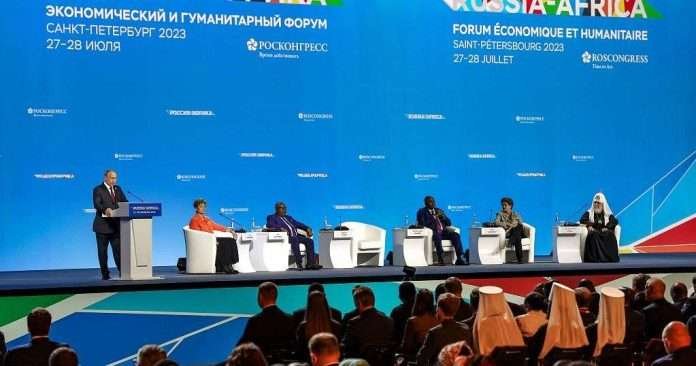
    Diaspora, Africa – (African Boulevard News) – Despite recent economic sanctions, Russian President Vladimir Putin has pledged to continue exporting grain to Africa, including some free shipments. This comes as a much-needed relief for countries on the continent that rely heavily on imported grains to meet their food security needs.

    Amidst growing tensions with the West, Putin’s commitment to bolstering trade with Africa sends a strong message of solidarity and support. The move also highlights Russia’s determination to strengthen its presence in the African market, despite facing international pressure.

    With a long history of grain exports, Russia has become one of the world’s leading suppliers. The country’s abundant agricultural resources and favorable climatic conditions have allowed it to produce high-quality crops, particularly wheat. In recent years, African countries have turned to Russia for their grain imports due to its competitive prices and reliable delivery.

    According to President Putin, these exports will continue unabated, bolstered by the offer of some free shipments. This will undoubtedly help African nations combat the rising food prices and curb the threats of food insecurity experienced across the continent.

    In a statement, President Putin said, “We understand the challenges faced by African nations, and we stand ready to support them. Our grain exports will continue, and we are willing to contribute to the development of Africa’s agricultural sector.”

    This reassurance from Russia’s president comes at a critical time when African nations are grappling with the adverse effects of climate change, political instability, and economic challenges. Importing grain from reliable sources has become essential to ensure a stable food supply and mitigate the risks of hunger and malnutrition.

    Industry experts have welcomed Putin’s commitment, emphasizing the potential positive impact it can have on Africa’s food security. Dr. Amina Johnson, an agricultural economist, stated, “Continued grain exports from Russia will help stabilize prices in African markets and provide a lifeline to countries facing food shortages. This move shows a commitment to partnerships and support, which is crucial for sustainable agricultural development on the continent.”

    Russia’s dedication to African markets is further evidenced by its increased participation in agricultural investments and partnerships. By providing technical expertise, training, and financial support, Russia aims to help African nations boost their agricultural productivity, reduce food imports, and ultimately achieve self-sufficiency.

    In conclusion, President Putin’s promise to continue grain exports to Africa, despite facing sanctions, is a testament to the strong diplomatic and economic ties between Russia and the continent. This commitment not only ensures a stable food supply for African nations but also underscores Russia’s desire to play a significant role in Africa’s development and growth.

    Niger’s Political Crisis Sparks Urgent Discussions: Will ECOWAS Unite for Democracy and Stability?

    0
    Read Time:2 Minute, 32 Second

    Niamey, Niger – (African Boulevard News) – The recent coup in Niger on July 26 has sparked intense discussions and deliberations behind closed doors among the presidents of the Economic Community of West African States (ECOWAS) member states. While these consultations have been ongoing, the leaders are facing challenges in coordinating a unified response to address the political crisis in Niger.

    In the aftermath of the coup, ECOWAS leaders have engaged in numerous informal discussions to assess the situation and determine an appropriate course of action. However, finding common ground and reaching consensus has proven to be a difficult task. The leaders are grappling with divergent perspectives and varying degrees of concern among member states.

    The closed-door discussions have been critical in identifying the key issues at hand and formulating strategies to address them effectively. The leaders have emphasized the importance of restoring constitutional order, safeguarding democracy, and ensuring the stability of the region. These discussions have also shed light on the potential consequences of the coup for the wider West African region.

    One of the primary challenges faced by ECOWAS is the lack of a coordinated response. With different countries having different priorities and levels of involvement in the region, finding a consensus has been an arduous process. Additionally, the current political situation in Nigeria, the largest economy in the region, has further complicated matters. As a result, ECOWAS leaders have found it challenging to present a united front.

    According to African Intelligence, the closed-door discussions have provided a platform for ECOWAS leaders to exchange ideas, share concerns, and explore potential solutions. These discussions have been marked by a sense of urgency, as the stability of Niger and West Africa as a whole hangs in the balance.

    In light of the ongoing discussions, African Boulevard reached out to Dr. Amina Ibrahim, a political analyst specializing in West African affairs, for her perspective on the situation. Dr. Ibrahim remarked, “The closed-door discussions among ECOWAS leaders are crucial in determining an effective response to the crisis in Niger. However, it is essential for member states to set aside their individual interests and work towards a collective solution that prioritizes the restoration of democracy and stability.”

    As ECOWAS leaders continue their closed-door discussions, the eyes of the international community remain focused on Niger. The resolution of the political crisis in the country will not only shape its future but also have implications for the wider West African region. The coordination and unity among ECOWAS member states will be vital in navigating these uncertain times and ensuring a peaceful resolution to the crisis in Niger.

    In conclusion, the closed-door discussions among ECOWAS leaders have provided a platform for dialogue and deliberation, shedding light on the challenges faced in addressing the political crisis in Niger. While coordination and consensus-building remain significant hurdles, the discussions continue to play a crucial role in formulating an effective response. The international community eagerly awaits the outcomes of these discussions as they shape the path forward for Niger and the region.

    Niger’s Political Crisis Sparks Urgent Discussions: Will ECOWAS Unite for Democracy and Stability?

    0
    Read Time:2 Minute, 32 Second

    Niamey, Niger – (African Boulevard News) – The recent coup in Niger on July 26 has sparked intense discussions and deliberations behind closed doors among the presidents of the Economic Community of West African States (ECOWAS) member states. While these consultations have been ongoing, the leaders are facing challenges in coordinating a unified response to address the political crisis in Niger.

    In the aftermath of the coup, ECOWAS leaders have engaged in numerous informal discussions to assess the situation and determine an appropriate course of action. However, finding common ground and reaching consensus has proven to be a difficult task. The leaders are grappling with divergent perspectives and varying degrees of concern among member states.

    The closed-door discussions have been critical in identifying the key issues at hand and formulating strategies to address them effectively. The leaders have emphasized the importance of restoring constitutional order, safeguarding democracy, and ensuring the stability of the region. These discussions have also shed light on the potential consequences of the coup for the wider West African region.

    One of the primary challenges faced by ECOWAS is the lack of a coordinated response. With different countries having different priorities and levels of involvement in the region, finding a consensus has been an arduous process. Additionally, the current political situation in Nigeria, the largest economy in the region, has further complicated matters. As a result, ECOWAS leaders have found it challenging to present a united front.

    According to African Intelligence, the closed-door discussions have provided a platform for ECOWAS leaders to exchange ideas, share concerns, and explore potential solutions. These discussions have been marked by a sense of urgency, as the stability of Niger and West Africa as a whole hangs in the balance.

    In light of the ongoing discussions, African Boulevard reached out to Dr. Amina Ibrahim, a political analyst specializing in West African affairs, for her perspective on the situation. Dr. Ibrahim remarked, “The closed-door discussions among ECOWAS leaders are crucial in determining an effective response to the crisis in Niger. However, it is essential for member states to set aside their individual interests and work towards a collective solution that prioritizes the restoration of democracy and stability.”

    As ECOWAS leaders continue their closed-door discussions, the eyes of the international community remain focused on Niger. The resolution of the political crisis in the country will not only shape its future but also have implications for the wider West African region. The coordination and unity among ECOWAS member states will be vital in navigating these uncertain times and ensuring a peaceful resolution to the crisis in Niger.

    In conclusion, the closed-door discussions among ECOWAS leaders have provided a platform for dialogue and deliberation, shedding light on the challenges faced in addressing the political crisis in Niger. While coordination and consensus-building remain significant hurdles, the discussions continue to play a crucial role in formulating an effective response. The international community eagerly awaits the outcomes of these discussions as they shape the path forward for Niger and the region.