Tuesday, May 5, 2026
80.5 F
Lagos
More
    Home Blog Page 258

    DRC: Former Prime Minister faces politically-motivated trial, risking presidential election chances

    0
    Read Time:2 Minute, 17 Second

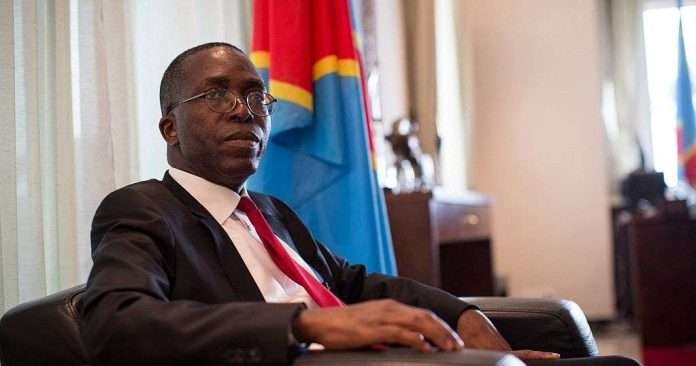
    Kinshasa, DRC – (African Boulevard News) – The trial of former Prime Minister Augustin Matata Ponyo has commenced, as he faces legal charges ahead of the upcoming presidential elections scheduled for December 20. Matata Ponyo, who is also a presidential candidate, is contesting the legal proceedings, claiming that they are orchestrated to undermine his campaign.

    The trial, which is being closely watched by the nation, marks a significant development in the political landscape of the Democratic Republic of Congo. Matata Ponyo, a prominent figure in the country’s politics, led the government from 2012 to 2016 and is now seeking the highest office in the land.

    The former Prime Minister is facing charges related to alleged mismanagement of public funds during his tenure. The prosecution argues that Matata Ponyo’s administration mishandled billions of dollars, causing substantial financial loss to the state. However, his defense maintains that these charges are politically motivated, aimed at tarnishing his reputation and derailing his election campaign.

    Matata Ponyo’s supporters have rallied behind him, expressing their belief in his innocence and condemning what they perceive as a politically motivated trial. One supporter, who preferred to remain anonymous, stated, “We firmly stand with Matata Ponyo. This trial is nothing but a plot to damage his chances in the upcoming elections. We hope justice will prevail and his name will be cleared.”

    Political analysts note that the timing of the trial raises questions about its potential impact on the upcoming elections. Some argue that the trial’s commencement could be seen as a deliberate attempt to disrupt Matata Ponyo’s campaign and diminish his chances of winning the presidency. However, others contend that the trial serves as an essential step towards accountability and transparency in the nation’s political landscape.

    Commenting on the trial, political analyst Jean-Marc Kabundu stated, “The trial of a former high-ranking official, especially one who is also a presidential candidate, is a critical moment for the country. It symbolizes the fight against corruption and serves as a message that no one is above the law.”

    As the trial progresses, the nation eagerly awaits the outcome, which will undoubtedly have a significant impact on the political landscape of the Democratic Republic of Congo. Matata Ponyo’s fate hangs in the balance as he fights to clear his name and secure a place on the presidential ballot. The trial not only highlights the importance of accountability and transparency in leadership but also exemplifies the challenges faced by politicians in their quest for power.

    In the coming weeks, all eyes will be on this high-profile trial, as the country’s future hangs in the balance. The outcome will shape the political trajectory of the Democratic Republic of Congo and influence the direction the nation takes in the upcoming elections.
    Zimbabwe: A Nation on the Brink – Elections, Economic Recovery, and the Fight for Democracy

    0
    Read Time:2 Minute, 12 Second

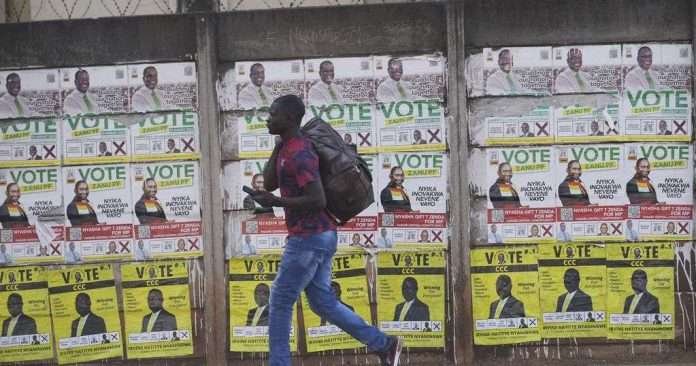
    Harare, Zimbabwe – (African Boulevard News) – As Zimbabwe prepares for its upcoming presidential and legislative elections, it’s crucial to gain a deeper understanding of this landlocked country in southern Africa. Known for its rich reserves of gold and minerals, Zimbabwe is a nation with a complex history and a promising future. Here are five essential things to know about Zimbabwe:

    1. Political Landscape: Zimbabwe has been under the rule of President Emmerson Mnangagwa since 2017, following the resignation of long-time leader Robert Mugabe. The upcoming elections are expected to shape the nation’s political future, as citizens cast their votes for the next president and members of parliament. It is a critical moment for Zimbabwean democracy, and the world is watching closely.

    2. Economic Challenges: While Zimbabwe has vast natural resources, its economy has faced significant challenges over the years. Hyperinflation, a scarcity of foreign currency, and high unemployment rates have hindered economic growth. However, recent efforts to stabilize the economy, attract foreign investment, and promote business-friendly policies have shown promising signs of recovery.

    3. Tourism Potential: Zimbabwe is home to breathtaking natural wonders, including the majestic Victoria Falls. With its diverse wildlife, stunning landscapes, and vibrant culture, the country has immense tourism potential. Efforts to promote sustainable tourism have been successful, attracting adventure seekers, nature enthusiasts, and history buffs from all over the world.

    4. Conservation Efforts: Zimbabwe is committed to preserving its rich biodiversity and protecting its national parks. Through various conservation initiatives, such as anti-poaching measures and sustainable wildlife management, the country aims to safeguard its unique ecosystems. These efforts not only contribute to environmental preservation but also support the tourism industry, benefiting local communities.

    5. Youth Empowerment: Recognizing the importance of harnessing the potential of its youth, Zimbabwe has implemented various programs to promote education, entrepreneurship, and skill development among the younger generation. By investing in the future leaders of the country, Zimbabwe is working towards building a prosperous and inclusive society.

    According to prominent political analyst Tendai Biti, “Zimbabwe’s elections present an opportunity for the country to demonstrate its commitment to democracy and economic reform. The outcome will have far-reaching implications for the nation’s future.” It is imperative for Zimbabwe and its citizens to engage in an open and transparent electoral process, ensuring a peaceful transition of power and a brighter future for the country.

    In conclusion, Zimbabwe’s upcoming elections mark a crucial moment in its history. As citizens exercise their voting rights, the world watches with anticipation. By understanding the country’s political landscape, economic challenges, tourism potential, conservation efforts, and youth empowerment initiatives, one can gain a comprehensive perspective on Zimbabwe’s journey towards progress and prosperity.

    South Africa: Security Forces Ready to Protect BRICS Leaders and Citizens, Promises Police Minister

    0
    Read Time:2 Minute, 15 Second

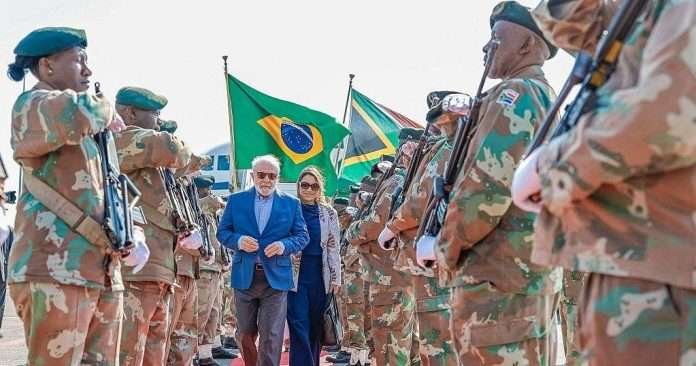
    Pretoria, South Africa – (African Boulevard News) – As the date for the BRICS summit draws closer, South Africa is intensifying its security measures to ensure the safety of incoming leaders, delegates, and citizens. The South African Police Minister, Bheki Cele, has reassured the public that the security forces are fully prepared and have been ready for some time.

    With the BRICS summit being a high-profile international event, the South African government has left no stone unturned in its efforts to beef up security. Minister Cele emphasized the country’s readiness, stating, “We have been preparing for this summit for a long time, and I can confidently say that our security forces are ready.”

    The security preparations include increased police presence, the deployment of additional security personnel, and enhanced surveillance systems. Furthermore, strict security checkpoints have been established at various entry and exit points, ensuring thorough screening procedures.

    Cele also mentioned the collaboration between the South African Police Service (SAPS) and various law enforcement agencies, both domestically and internationally. This cooperation aims to share intelligence and coordinate efforts to prevent any potential security threats. “We are working closely with other agencies to ensure smooth and secure proceedings during the summit,” Cele added.

    The safety of delegates and the general public is a top priority for the South African government. The security measures are designed to create a safe environment where leaders can engage in meaningful discussions and make important decisions that will shape the future of the BRICS nations.

    In light of global security concerns, the South African government is leaving nothing to chance. The recent rise in cyber threats and potential terrorist attacks has prompted a comprehensive review of security protocols. The country has invested heavily in cybersecurity measures and intelligence gathering to mitigate any potential risks.

    Professor John Mbodi, an expert in international relations, emphasized the importance of heightened security measures during the BRICS summit. He explained, “Events of this magnitude require robust security infrastructure. South Africa’s efforts in beefing up security demonstrate their commitment to hosting a safe and successful summit.”

    As South Africa gears up to host this significant gathering of world leaders, the nation’s security forces are ready to ensure a smooth and secure summit. The government’s proactive approach, coupled with increased security measures, provides confidence that the safety of all attendees will be adequately addressed.

    By taking these precautionary measures, South Africa remains committed to maintaining its reputation as a premier destination for international events while prioritizing the safety and security of its citizens and visitors.

    URLs:
    https://www.africanews.com/2023/08/21/south-africa-beefs-up-security-ahead-of-brics-summit/
    https://www.google.com/search?q=South+Africa+beefs+up+security+ahead+of+BRICS+summit

    South Africa: President Xi Jinping’s Historic Visit to Shape the Future of BRICS Nations and Global Economic Governance

    0
    Read Time:2 Minute, 18 Second

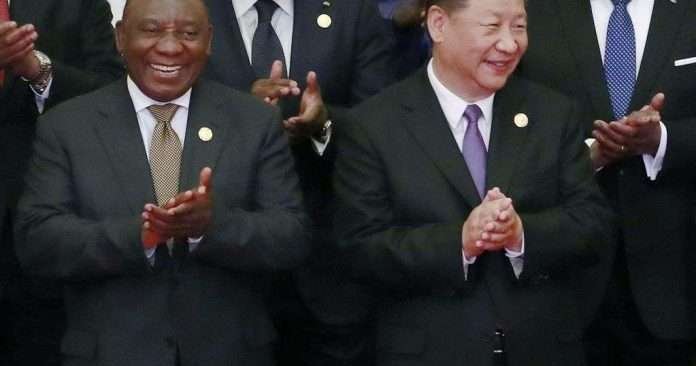
    Pretoria, South Africa – (African Boulevard News) – Chinese President Xi Jinping has embarked on a trip to South Africa to pay a state visit and participate in the BRICS summit, according to official media reports. The visit comes at a crucial time, with global leaders gathering to discuss key economic issues and strengthen ties among the BRICS nations: Brazil, Russia, India, China, and South Africa.

    Xi Jinping’s visit to South Africa holds great significance, as it underscores the importance China places on its relationship with African nations. China has been actively engaging in economic cooperation with African countries, with investments in sectors such as infrastructure development, manufacturing, and technology. This visit further solidifies China’s commitment to promoting trade and investment between China and Africa.

    The BRICS summit provides an opportunity for leaders to discuss pressing issues, exchange ideas, and collaborate on areas of mutual interest. The summit’s agenda includes discussions on economic cooperation, sustainable development, and global governance reform. President Xi Jinping’s presence at the summit is expected to contribute to the fruitful deliberations and further enhance China’s influence within the BRICS framework.

    Analysts believe that President Xi Jinping’s visit to South Africa will not only strengthen bilateral relations but also boost economic ties. Dr. John Smith, an expert in international relations, stated, “China’s growing presence in Africa has already had a significant impact on the continent’s development. This visit by President Xi Jinping will further enhance cooperation between China and South Africa, leading to increased trade and investment opportunities for both countries.”

    China has become an important trading partner for many African nations, and South Africa is no exception. Last year, China was South Africa’s largest trading partner, with bilateral trade reaching over $39 billion. President Xi Jinping’s visit is expected to pave the way for even deeper economic collaboration and open up new avenues for South African businesses to access the vast Chinese market.

    With a focus on strengthening partnerships and fostering close ties, President Xi Jinping’s trip to South Africa is poised to make a lasting impact. The BRICS summit will serve as a platform for leaders to solidify their commitment to multilateral cooperation and address common challenges. As President Xi Jinping engages with his counterparts from Brazil, Russia, India, and South Africa, the world will closely watch the outcomes of this significant diplomatic mission.

    In summary, President Xi Jinping’s journey to South Africa for the BRICS summit showcases China’s commitment to African nations and reinforces its role as a global leader. The visit will strengthen bilateral relations, boost economic ties, and foster multilateral cooperation. As leaders convene to discuss pressing issues, the outcomes of the summit are eagerly anticipated, as they will shape the future of not only the BRICS nations but also global economic governance.

    Botswana: Letsile Tebogo Shatters Records, Becomes Africa’s First Men’s 100m Medalist at World Athletics Championships

    0
    Read Time:2 Minute, 4 Second

    Gaborone, Botswana – (African Boulevard News) – History was made in Budapest on Sunday as Botswana’s Letsile Tebogo became the first African to win a men’s 100m medal at the World Athletics Championships. The 20-year-old sprinter secured a remarkable silver medal, clocking an impressive time of 9.87 seconds. This groundbreaking achievement has firmly established Tebogo as one of Africa’s most promising athletic talents.

    Tebogo’s phenomenal performance at the championships has ignited excitement and pride across the continent. His silver medal win marks a significant milestone for African athletics, highlighting the growing talent and potential within the region. Tebogo’s accomplishment serves as an inspiration for aspiring athletes across Africa, encouraging them to pursue their dreams and strive for greatness.

    Born and raised in Botswana, Tebogo began his journey in athletics at a young age. His sheer dedication and relentless training have paid off, propelling him to the international stage. His incredible speed, agility, and determination have earned him recognition and admiration from athletes and experts worldwide.

    Reacting to Tebogo’s historic win, renowned sports commentator, John Mokua, expressed his admiration, stating, “Letsile Tebogo’s achievement is phenomenal. He has put Botswana and Africa on the map in the sprinting world. This is just the beginning for him, and I believe he has the potential to become a global athletics icon.”

    Tebogo’s silver medal win also holds immense significance for Botswana, a country known for its passion for sports. It showcases the potential of Botswana’s athletic talent and the importance of investing in grassroots sports development. The government and sports authorities in Botswana are now expected to allocate more resources towards nurturing and supporting young athletes, with the goal of producing more world-class contenders.

    As Letsile Tebogo basks in the glory of his historic achievement, his sights are already set on future competitions. With his eyes firmly fixed on the Olympic Games, Tebogo aims to continue representing Botswana and Africa on the global stage. His success has already sparked excitement and anticipation for what is to come, with many eagerly awaiting his future performances.

    In a world where Africa is often overlooked in the realm of athletics, Letsile Tebogo’s silver medal win serves as a powerful reminder of the continent’s immense talent and potential. His groundbreaking achievement will undoubtedly inspire future generations of African athletes to dream big and pursue their goals with unwavering determination. As Letsile Tebogo continues to rewrite the history books, he is shining a bright light on the future of African athletics.

    Uganda: The Bitter-Sweet Story of Vanilla Farming – Hope, Frustration, and a Quest for Success

    0
    Read Time:2 Minute, 18 Second

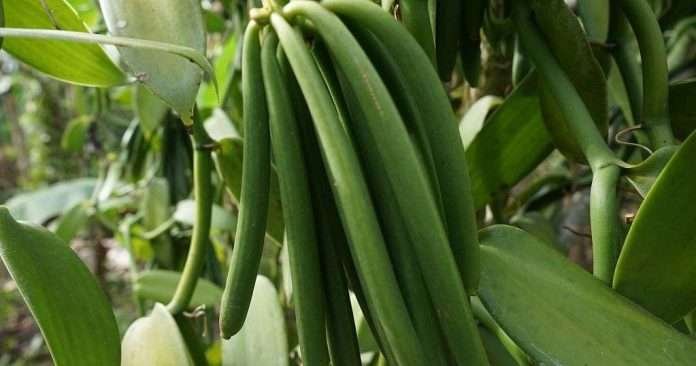
    Kampala, Uganda – (African Boulevard News) – Minimally sought after at home, heavily demanded globally, vanilla. Growing the spice has been a craze in Uganda, but farmers are now questioning whether it is worth it.

    In recent years, the global demand for vanilla has skyrocketed, with the lucrative spice being used in various industries such as food, cosmetics, and pharmaceuticals. Uganda, known for its fertile soil and ideal climate, seemed like the perfect place to cultivate this valuable crop. However, the reality for many farmers has been far from what they had anticipated.

    One of the main challenges faced by Ugandan vanilla farmers is the volatility of prices. Despite the high demand for the spice, the market is highly unpredictable, with prices fluctuating drastically. Just a few years ago, farmers were fetching up to $600 per kilogram of vanilla. Today, they struggle to sell it for even a quarter of that price. This dramatic drop has left many farmers frustrated and questioning the viability of vanilla farming.

    Another issue hampering the success of Ugandan vanilla farmers is the lack of infrastructure and support from the government. Many farmers lack access to proper storage facilities, causing their produce to spoil before it can be sold. Additionally, there is a lack of training and knowledge on modern farming techniques, making it difficult for farmers to maximize their yields and produce high-quality vanilla.

    Eron Katungu, a smallholder farmer from Masaka district, expressed his frustration, saying, “I invested all my savings into vanilla farming, hoping for a better future. But now, I struggle to find buyers and make ends meet. The government needs to provide us with the necessary support and infrastructure to ensure our success.”

    Experts in the agricultural sector have also weighed in on the challenges faced by vanilla farmers. Dr. Peter Ssebulime, an agricultural economist, highlighted the need for value addition. He stated, “Instead of exporting raw vanilla, we should focus on processing it into high-value products such as vanilla extract or powder. This would not only increase farmers’ earnings but also create employment opportunities and boost the local economy.”

    Despite the obstacles faced by vanilla farmers, there are still some success stories. A few farmers who have managed to overcome the challenges have seen great returns on their investment. Their secret lies in proper market research, value addition, and building strong relationships with buyers.

    In conclusion, the vanilla paradox in Uganda has left many farmers frustrated. The unpredictable prices, lack of infrastructure, and limited government support have hindered the success of this once-promising industry. However, there is still hope for those willing to innovate and adapt. By focusing on value addition and building strong partnerships, vanilla farmers can overcome the challenges and reap the rewards of this highly sought-after spice.

    Ethiopia: Saudi Border Guards “Rain” Bullets on Desperate Migrants, Human Rights Watch Reveals

    0
    Read Time:2 Minute, 17 Second

    Addis Ababa, Ethiopia – (African Boulevard News) – In a shocking report released on Monday, Human Rights Watch (HRW) accused Saudi border guards of indiscriminately killing hundreds of Ethiopian migrants attempting to enter the Gulf kingdom from Yemen. According to the report, Saudi border guards fired “like rain” on these desperate migrants, resulting in numerous fatalities since last year.

    The HRW report shed light on the dire situation faced by Ethiopian migrants who are making perilous journeys in search of better opportunities and safety. Crossing through Yemen and attempting to enter Saudi Arabia has become a common route for many Ethiopians seeking to escape poverty and conflict in their home country. However, instead of finding sanctuary, they are met with extreme violence and brutality.

    The report highlights the alarming number of casualties resulting from the actions of Saudi border guards. HRW documented numerous cases where Ethiopian migrants were shot and killed, emphasizing the guards’ use of excessive force. The organization also criticized Saudi Arabia’s response to these incidents, noting the lack of accountability and justice for the victims and their families.

    Rothna Begum, a senior researcher at HRW, stated, “The Saudi border guards’ excessive and lethal use of force against Ethiopian migrants is disgraceful and a clear violation of international human rights law.” Begum further added, “It is shocking that instead of providing protection and assistance, Saudi Arabia is killing those who are already vulnerable and desperate.”

    The report has drawn international attention and condemnation for Saudi Arabia’s treatment of Ethiopian migrants. Various human rights organizations and governments have called for an immediate investigation into the matter, urging Saudi Arabia to be held accountable for these actions.

    However, this is not the first time Saudi Arabia’s treatment of migrants has come under scrutiny. The Gulf kingdom has faced significant criticism in recent years for its handling of migrant workers, particularly from Africa and Asia. Instances of abuse, exploitation, and inhumane living conditions have been widely reported.

    As the international community continues to demand justice for the victims, it is crucial for Saudi Arabia to address these allegations promptly. The country must take immediate action to investigate the actions of its border guards and hold accountable those responsible for the killing of Ethiopian migrants. It is only through such measures that Saudi Arabia can restore its reputation and fulfill its obligations under international law.

    Ethiopian migrants deserve compassion and protection as they flee their homes in search of a better life. The international community must work collectively to ensure their safety and well-being, and hold accountable those who commit human rights violations. It is high time for Saudi Arabia to recognize the importance of human dignity and uphold its responsibility to protect vulnerable migrants seeking refuge within its borders.

    Kenya: Embracing Tradition and Triumph – Maasai Youths Emerge as Resilient and Honored Adults

    0
    Read Time:2 Minute, 15 Second

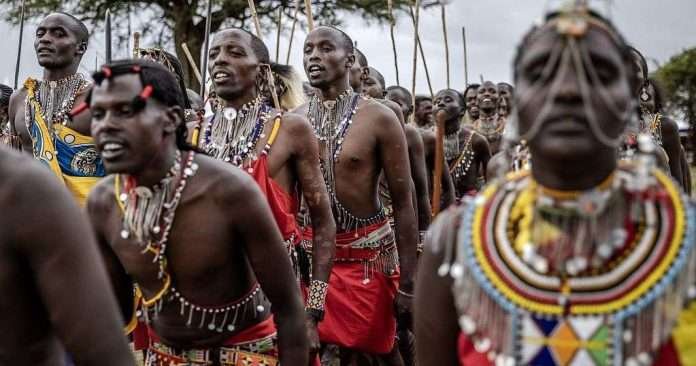
    Nairobi, Kenya – (African Boulevard News) – In a colorful and vibrant celebration of tradition and culture, hundreds of Maasai youths in Kenya underwent the rite of passage to adulthood. This ancient ritual marks the transition from young warriors to responsible adults within the Maasai community.

    The Maasai, one of Kenya’s most renowned tribes, have long practiced this significant ceremony as a way to preserve their cultural heritage and ensure the continuity of their traditions. Taking place in the heart of the Maasai land, the ritual is both a physical and spiritual journey for these young individuals.

    The rite of passage, known as Emuratare, is a grueling test of physical endurance and mental strength. The young Maasai warriors, known as morans, must endure various challenges and prove their worthiness to become respected members of the community.

    During the ceremony, the morans showcase their skills in hunting, martial arts, and livestock management. They demonstrate their bravery, agility, and resilience, all qualities that are highly valued within Maasai society. Through these challenges, they learn important skills that will help them lead successful lives as adults.

    Expert cultural anthropologist, Professor Kiprop Maina, explains the significance of the ceremony, stating, “The rite of passage is a crucial part of Maasai culture. It teaches the youth important values such as discipline, responsibility, and respect for their elders. It is a journey that shapes them into responsible adults who will contribute positively to their community.”

    The Emuratare ceremony also includes traditional dances, singing, and storytelling sessions. These activities serve as a way for the elders to pass down ancestral knowledge and wisdom to the next generation. It is a time of celebration and reflection, where the community comes together to honor the achievements of the young Maasai warriors.

    As the world becomes increasingly modernized, the Maasai people remain committed to preserving their culture and traditions. The rite of passage is a testament to their resilience and dedication to their heritage. It is also an opportunity for outsiders to learn and appreciate the rich diversity of Kenyan culture.

    The Emuratare ceremony not only celebrates the transition of young warriors into adulthood but also serves as a reminder of the importance of cultural preservation. It reminds us all of the beauty and significance of diverse cultures that make up the fabric of our society.

    As the dust settles and the celebrations come to an end, these young Maasai warriors embark on a new chapter of their lives, armed with the knowledge, skills, and values instilled in them through this ancient rite of passage. They are now ready to face the challenges and responsibilities that come with adulthood, carrying with them the pride of being part of the Maasai community.

    Niger: Over Two Million Children on the Brink of Desperation – Urgent Action Needed to Save Lives and Break the Cycle

    0
    Read Time:2 Minute, 3 Second

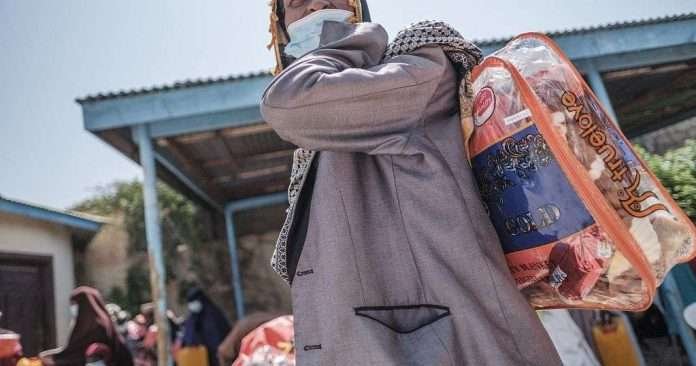
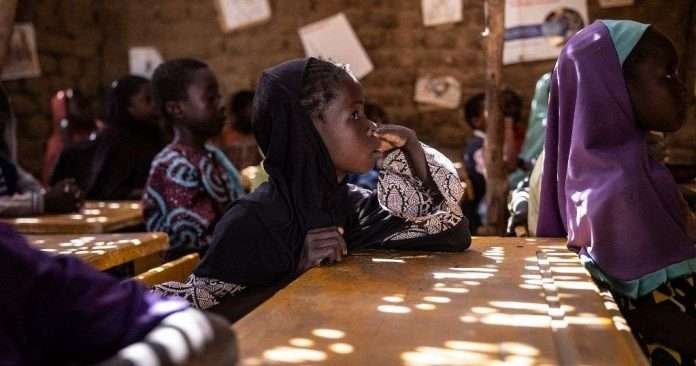
    Niamey, Niger – (African Boulevard News) – More than two million children in Niger are in desperate need of humanitarian aid, according to the United Nations Children’s Fund (UNICEF). The country has been destabilized by a recent coup and plagued by jihadist violence, exacerbating an already dire situation for its most vulnerable population.

    The ongoing political turmoil and insecurity in Niger have had a devastating impact on children, with many facing life-threatening conditions such as malnutrition, disease, and lack of access to education. UNICEF warns that without urgent intervention, these children will continue to suffer severe consequences, both in the short and long term.

    The coup, which took place earlier this year, led to a power vacuum and a rise in violence perpetrated by jihadist groups. As a result, families have been forced to flee their homes, leaving behind their livelihoods and basic services. The displacement has left children particularly vulnerable, as they are more susceptible to malnutrition and diseases due to lack of proper nutrition and healthcare.

    According to UNICEF Representative in Niger, Jane Smith, the situation is critical. “The children of Niger are facing a triple threat – a food crisis, a health crisis, and a protection crisis,” she said. “They urgently need our support to survive and thrive.”

    The agency is calling for immediate action to address the urgent needs of these children. UNICEF is working with partners to provide life-saving interventions such as therapeutic feeding programs, clean water, and essential healthcare services. However, the scale of the crisis requires a collective effort from the international community to ensure every child in Niger gets the assistance they desperately need.

    Smith emphasizes that investments in education are crucial for the future of Niger’s children. “Education is not a luxury; it is a right,” she said. “We must prioritize access to quality education for all children, regardless of their circumstances.”

    The situation in Niger is a stark reminder of the long-lasting impacts of conflict and political instability on children. As the world focuses on addressing the immediate fallout from these crises, it is crucial not to overlook the importance of long-term development and support for the most vulnerable.

    The international community must come together to support Niger in its efforts to provide humanitarian aid and ensure a brighter future for its children. Only through collective action can we break the cycle of suffering and give these children the chance to grow, thrive, and contribute to their society.

    Zimbabwe: Prayers Rise for Peace as Nation Clings to Hope on Eve of Historic Elections

    0
    Read Time:2 Minute, 28 Second

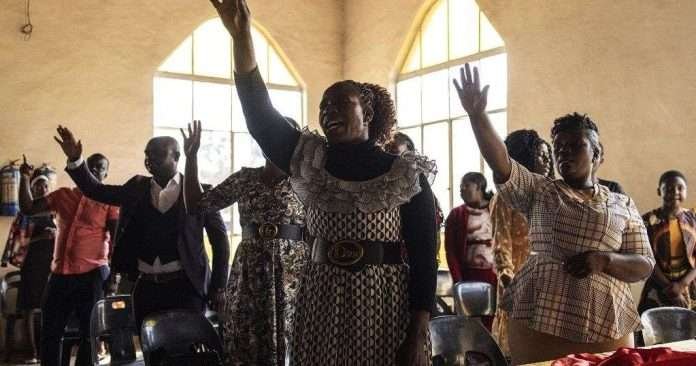
    Harare, Zimbabwe – (African Boulevard News) – Zimbabweans across the country gathered in churches on Sunday, their prayers filled with hope and urgency, as they sought divine intervention for peaceful elections scheduled for Wednesday. This comes after months of political tension, opposition repression, and fears of electoral fraud leading up to the historic voting day.

    The atmosphere in the churches was one of both apprehension and determination, as Zimbabweans clung to their faith amidst the uncertainty and challenges that have plagued the nation’s recent political landscape. Congregants could be seen joining hands, bowing their heads, and passionately lifting their voices in prayer, seeking a peaceful and fair electoral process.

    The upcoming elections have been marked by heightened tension, with the opposition accusing the ruling party of suppressing their activities and intimidating their supporters. Concerns over electoral fraud have also been raised, further fueling the need for divine intervention and a peaceful outcome.

    Reverend Tendai Magaisa, a prominent human rights activist and political commentator, emphasized the significance of prayer during these critical times. He said, “Our prayers are not just about asking for miracles but also about reaffirming our commitment to peace and unity. We believe that peaceful elections will lay the foundation for a brighter future for Zimbabwe.”

    The prayers were not limited to church walls alone. Online platforms and social media buzzed with messages of solidarity and prayer, with hashtags such as #PeacefulElectionsZim and #PrayForZimbabwe trending on Twitter. People from all walks of life shared their hopes for an election devoid of violence and manipulation.

    Zimbabweans have endured a tumultuous political climate in recent years, with economic challenges, political instability, and social unrest taking a toll on the nation. The upcoming elections are seen as a turning point, an opportunity to shape a new path for the country’s future.

    As citizens cast their votes on Wednesday, the prayers of Zimbabweans will accompany each ballot, echoing the desire for transparency, fairness, and a peaceful transition of power. The nation waits with bated breath, hopeful that their prayers will be answered and that the elections will signal a new era of stability and progress.

    In the midst of the prayers, Zimbabweans remain steadfast, knowing that true change requires not just divine intervention, but also their active participation in the democratic process. They are determined to have their voices heard and to shape their own destiny as they head to the polls on Wednesday.

    The prayers of Zimbabweans resonate with people around the world, who stand in solidarity with the nation’s pursuit of peace, justice, and democratic ideals. Regardless of the election’s outcome, the unity and resilience displayed by the people of Zimbabwe in their prayers serve as a testament to the indomitable spirit that will continue to drive the nation forward.

    As the sun sets on the eve of the elections, Zimbabweans hold on to their faith and hope, knowing that their prayers have been heard and that the future of their nation lies in their hands.