Tuesday, May 5, 2026
80.5 F
Lagos
More
    Home Blog Page 259

    Niger: Rising from Chaos – The Hidden Truths of Extremist Violence Unveiled

    0
    Read Time:2 Minute, 9 Second

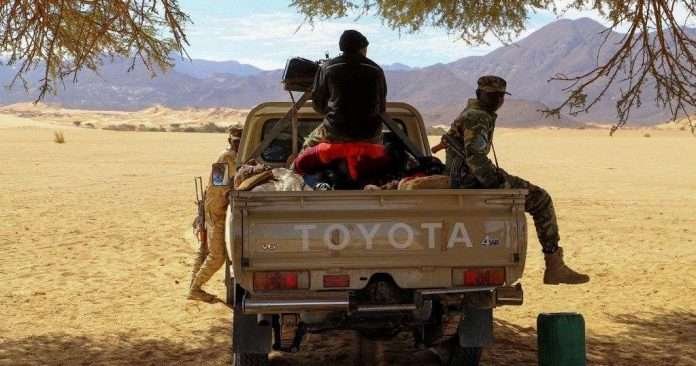
    Niamey, Niger – (African Boulevard News) – In the wake of the 26 July coup that ousted President Mohamed Bazoum, Niger has been plagued by a series of brutal attacks. However, experts are cautioning against jumping to conclusions about the extent of the jihadist threat, as the data currently available is limited and complex.

    Since the political turmoil began, Niger has become a breeding ground for extremist violence, with armed groups taking advantage of the power vacuum. These jihadist organizations, such as the Islamic State in the Greater Sahara (ISGS) and Jama’at Nasr al-Islam wal Muslimin (JNIM), have carried out several deadly attacks across the country. However, accurately measuring the scale of this threat is challenging.

    According to Chérif Mahamat Zene, a security analyst, one of the main obstacles to assessing the jihadist threat in Niger is the dearth of reliable data. Zene explains that the country’s vast and inaccessible territories make it difficult for authorities to gather comprehensive information on attacks, casualties, and the activities of armed groups. This lack of reliable data makes it challenging to assess the true extent of the problem.

    In addition to the scarcity of data, another factor contributing to the difficulty in measuring the jihadist threat lies in the complex dynamics of these armed groups. Their structure often consists of disparate factions with shifting alliances and allegiances. This creates a fluid and ever-changing landscape of extremist violence, making it hard to track and effectively counter the threat.

    Furthermore, the jihadist threat in Niger is interconnected with wider regional issues. The porous borders with Mali, Burkina Faso, and Nigeria facilitate the movement of armed groups and the smuggling of weapons and illicit goods. This regional interconnectedness makes it imperative for Niger to collaborate with neighboring countries to effectively address the jihadist threat.

    While the security situation in Niger is undoubtedly precarious, it is crucial to avoid overgeneralizations or alarmism. According to Paul Melly, a consulting fellow at Chatham House, focusing solely on the security aspects can overshadow the underlying socio-economic factors contributing to the rise of extremism. Melly emphasizes the importance of addressing these root causes to achieve long-term stability and peace.

    In conclusion, accurately measuring the jihadist threat in Niger is a complex task. Limited data, the fluid nature of armed groups, and regional dynamics all contribute to the difficulty in assessing the true extent of the problem. As Niger navigates this challenging landscape, it is essential to gather reliable data, collaborate regionally, and address the underlying causes of extremism to effectively counter the threat and restore peace and stability to the country.
    Gabon: Controversial Electoral Rule Change Sparks Outrage and Threatens Democracy

    0
    Read Time:2 Minute, 15 Second

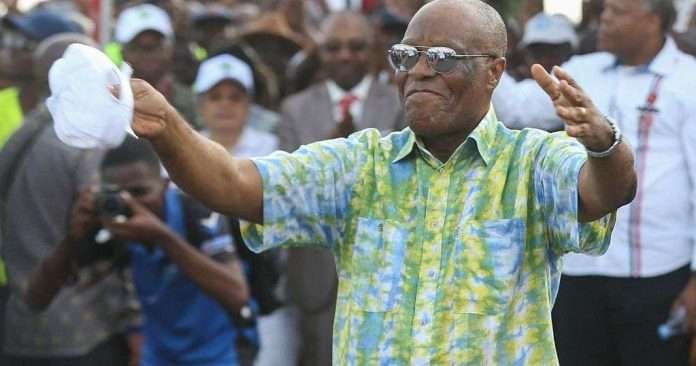
    Libreville, Gabon – (African Boulevard News) – Gabon’s political landscape is heating up ahead of the upcoming elections, with the opposition crying foul over a recent rule change that could significantly impact the outcome. Last month, the country’s electoral commission announced a controversial decision, stating that any vote for a local deputy would automatically be a vote for that deputy’s presidential candidate. This move has been met with strong resistance and criticism from the opposition, who argue that it undermines the democratic process and favors the ruling party.

    Critics of the rule change have raised concerns about the lack of transparency and fairness in the electoral process. According to them, this new system may lead to voter confusion and manipulation, as individuals voting for their preferred local representative may unwittingly end up supporting a presidential candidate they do not endorse. This has fueled accusations of electoral fraud and has left many questioning the credibility of the upcoming elections.

    Opposition leaders have been quick to denounce the rule change, viewing it as a blatant attempt by the ruling party to consolidate its power and stifle dissent. Jean-Pierre Ntoutoume, a prominent opposition figure, stated, “This is a clear violation of our democratic principles. It is a deliberate move to silence the voice of the people and rig the elections in favor of the ruling party.”

    The opposition’s concerns are not unfounded, as similar rule changes in other countries have often led to allegations of manipulation and corruption. Electoral systems that link local representatives to presidential candidates can create an unfair advantage for the ruling party, as voters may feel compelled to support their preferred local representative, regardless of their stance on the presidential candidate.

    The decision by Gabon’s electoral commission has also prompted international criticism. Human rights organizations and democratic institutions have called for a transparent and inclusive electoral process that respects the will of the people. They argue that any manipulation or interference with the voting system undermines the credibility of the elections and erodes trust in the democratic process.

    As the country braces for the upcoming elections, it is crucial that the concerns raised by the opposition and civil society organizations are taken seriously. Transparency, fairness, and inclusivity are fundamental principles of a thriving democracy. The rule change implemented by Gabon’s electoral commission not only threatens these principles but also jeopardizes the legitimacy of the outcome.

    It remains to be seen how the opposition will respond to this latest challenge. Will they take to the streets in protest, mobilize their supporters, or seek legal redress? One thing is certain: Gabon’s political landscape is at a crossroads, and the decisions made in the coming days will shape the future of the nation.

    Zimbabwe: The Rise of Nelson Chamisa – A Visionary Leader Igniting Hope and Change

    0
    Read Time:2 Minute, 16 Second

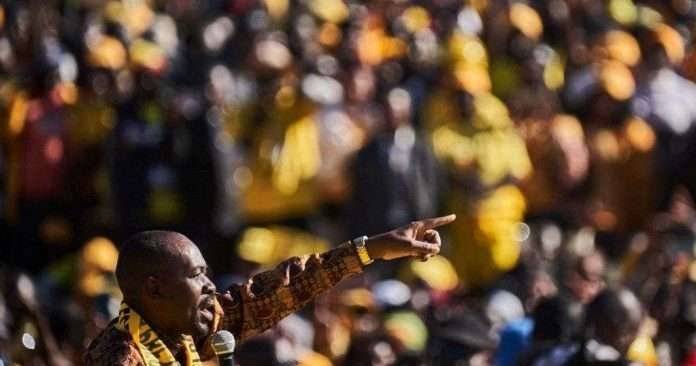
    Harare, Zimbabwe – (African Boulevard News) – An experienced politician with decades of activism under his belt, Nelson Chamisa, Zimbabwe’s 45-year-old opposition leader, is still known to many as “mukomana” or “the young man”. Chamisa, a former student leader turned pastor, is making waves in Zimbabwe’s political landscape as he aims for an upset in the upcoming polls.

    With the country’s economy in turmoil and widespread discontent with the ruling party, Chamisa has emerged as a formidable challenger to President Emmerson Mnangagwa. His youthful energy and charismatic leadership style have attracted a significant following, particularly among Zimbabwe’s youth, who make up a large portion of the population.

    Chamisa’s rise to prominence can be traced back to his days as a student leader at the University of Zimbabwe, where he was actively involved in student activism. His passion for social justice and political change led him to pursue a career in politics, eventually joining the Movement for Democratic Change (MDC) party.

    As a member of the MDC, Chamisa quickly rose through the ranks, becoming the party’s youngest member of parliament at the age of 25. Over the years, he has held various positions within the party, including being elected as the party’s vice president in 2016.

    Chamisa’s journey from student leader to political heavyweight has not been without its challenges. In 2018, following the death of MDC leader Morgan Tsvangirai, a power struggle ensued within the party, with Chamisa and then vice president Thokozani Khupe both vying for the top position. Despite the internal divisions, Chamisa emerged as the party’s leader and the face of Zimbabwe’s opposition.

    As the country gears up for another election, Chamisa is hoping to capitalize on the widespread discontent with the ruling party and present himself as a viable alternative. His campaign promises include revitalizing the economy, tackling corruption, and ensuring democratic reforms.

    Political analysts believe that Chamisa’s youthful appeal could be a game-changer in Zimbabwe’s political arena. “Chamisa’s ability to connect with the younger generation gives him a significant advantage over his opponents,” says Dr. Tendai Murisa, a political commentator. “His energy and charisma resonate with a population that is hungry for change.”

    While Chamisa faces an uphill battle against the ruling party’s well-established machinery, he remains optimistic about his chances. “We are ready to create a new Zimbabwe, a Zimbabwe that works for all its citizens,” he said in a recent campaign rally.

    As Zimbabwe prepares for the upcoming polls, all eyes will be on Chamisa and his ability to rally support and bring about the change that many believe the country desperately needs. Whether he succeeds or not, one thing is clear – the “young man” has already left a lasting impact on Zimbabwe’s political landscape.

    Somalia: Government Takes Bold Stand Against Terrorism, Bans TikTok, Telegram to Protect Vulnerable Youth

    0
    Read Time:2 Minute, 11 Second

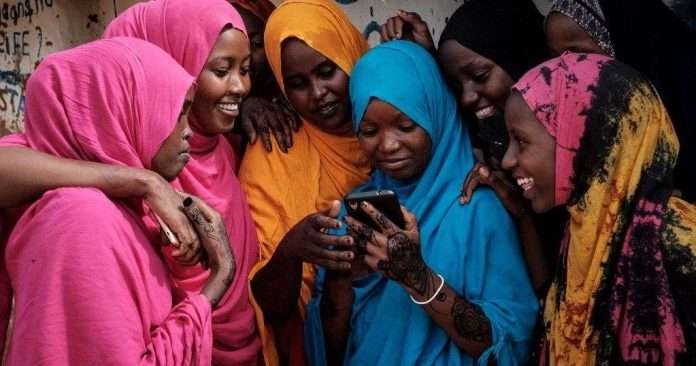
    Mogadishu, Somalia – (African Boulevard News) – In a bid to combat the spread of “terrorist” propaganda, the Somali government has issued a ban on popular social media platforms TikTok and Telegram, as well as an online betting site. The ban comes after concerns were raised about the use of these platforms to spread extremist ideologies and recruit individuals into terrorist organizations.

    According to government officials, TikTok and Telegram have become breeding grounds for radicalization and propaganda, with terrorist groups utilizing these platforms to disseminate their ideologies and recruit vulnerable young people. The ban aims to prevent the further spread of extremist content and protect the country’s youth from falling victim to these manipulative tactics.

    The decision to ban TikTok and Telegram has garnered mixed reactions from the public. While some support the government’s efforts to safeguard national security and protect the youth from the influence of extremist groups, others view the ban as an infringement on their freedom of expression and a violation of their rights to access information.

    Abdulrahman Abdullahi, a security analyst, commented on the ban, stating, “It is crucial for the Somali government to take proactive measures to tackle the spread of terrorist propaganda. These platforms have become powerful tools in the hands of terrorist groups, allowing them to reach a wide audience and recruit vulnerable individuals. However, it is also important to strike a balance between security concerns and the right to freedom of expression.”

    Furthermore, the government has also targeted an online betting site, citing concerns over the negative impact of gambling on society and the potential for money laundering. The ban on this platform is seen as a move to address social issues and protect citizens from exploitation.

    While the ban on TikTok, Telegram, and the online betting site is seen as a step in the right direction by some, others are concerned about the effectiveness of such a measure. Critics argue that banning these platforms may simply push users towards alternative platforms and that more comprehensive strategies are needed to address the root causes of extremism.

    The Somali government’s decision to ban TikTok, Telegram, and an online betting site underscores its commitment to curbing the spread of terrorist propaganda and protecting its citizens from harm. As the country continues to fight against extremism, it remains to be seen how effective this ban will be in achieving its intended goals.

    In the meantime, it is clear that the battle against online radicalization and the spread of extremist ideologies is an ongoing one, requiring not just bans on platforms but also comprehensive efforts to address the underlying issues that lead to vulnerability and radicalization.

    Zimbabwe: President Mnangagwa Sparks Outrage as Speculation Grows of Controversial Third Term Bid

    0
    Read Time:2 Minute, 18 Second

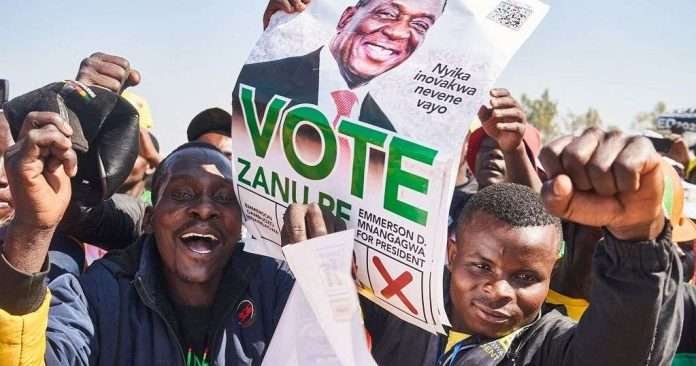
    Harare, Zimbabwe – (African Boulevard News) – Speculation is mounting in Zimbabwe about the possibility of President Emmerson Mnangagwa seeking a third term in office, even before completing his second term. This comes amidst concerns from critics who believe that Mnangagwa’s administration has not done enough to address the country’s economic woes and ensure transparent and fair elections.

    Mnangagwa, who assumed office in November 2017 after a military coup ousted former President Robert Mugabe, was elected for his first term in July 2018. According to the Zimbabwean Constitution, a president can serve a maximum of two terms, with each term lasting five years. However, Mnangagwa’s supporters argue that his first term should not be counted towards the two-term limit as he served the remainder of Mugabe’s term.

    “You have someone who has been a political understudy of Robert Mugabe so all the negative things you can talk about Zimbabwean politics, Mnangagwa has grown up with that system and so now that he is in power, people are saying, ‘Are we really seeing a change?’,” said political analyst Charles Mangongera in an interview with African Boulevard News.

    Critics argue that Mnangagwa’s government has failed to deliver on its promises of economic revival, with inflation soaring to over 800% in 2020, making the Zimbabwean dollar one of the world’s weakest currencies. The country also faces persistent power outages, food shortages, and a lack of foreign investment.

    Despite these challenges, Mnangagwa’s ruling party, the Zimbabwe African National Union-Patriotic Front (ZANU-PF), has remained steadfast in its support for him. ZANU-PF spokesperson Simon Khaya Moyo dismissed the speculation about a third term, stating that Mnangagwa’s focus is on fulfilling his current term and delivering on his promises to the people of Zimbabwe.

    “I think it is preposterous to be talking about a third term when the president is still in his second term. President Mnangagwa’s administration is working tirelessly to address the challenges facing the country and create a better future for all Zimbabweans,” Moyo said in an interview with African Boulevard News.

    However, Mnangagwa’s critics fear that if he were to seek a third term, it could further erode democracy in Zimbabwe and consolidate his power. They argue that the country needs fresh leadership and a change in direction to overcome its current economic and political challenges.

    The next presidential election in Zimbabwe is scheduled to take place in 2023. As the speculation about a potential third term for Mnangagwa grows, it remains to be seen whether he will seek re-election and how the electorate will respond.

    For more information on the speculation about a possible Mnangagwa third term, visit:
    https://www.africanews.com/2023/08/21/zimbabwe-speculations-about-a-mnangagwa-third-term-grow-even-before-vote-for-second-term/

    South Africa: Battle of Superpowers Unleashed as BRICS Summit Commences

    0
    Read Time:2 Minute, 27 Second

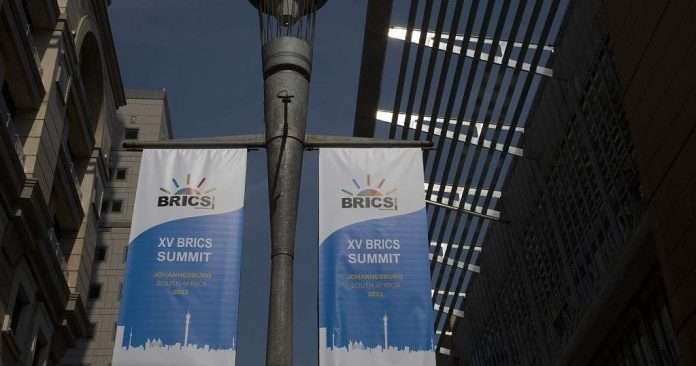
    Pretoria, South Africa – (African Boulevard News) – The BRICS economic bloc, consisting of Brazil, Russia, India, China, and South Africa, is currently holding a three-day summit in Johannesburg. This year, the focus is on advancing the agendas of two of the bloc’s most influential members, Russia and China. The leaders of these countries, President Vladimir Putin and Premier Xi Jinping, are determined to make their mark on the global stage.

    China’s presence at the summit is significant, as the country has emerged as the world’s second-largest economy and a major player in international affairs. Premier Xi Jinping is keen to showcase China’s economic prowess and solidify its position within the BRICS bloc. Chinese investments in Africa have been rapidly increasing in recent years, with infrastructure and energy projects being at the forefront. Xi hopes to further strengthen economic ties with African nations and enhance China’s influence in the region.

    Furthermore, China is also seeking to promote its Belt and Road Initiative (BRI) during the summit. The BRI aims to enhance connectivity and cooperation between countries along the old Silk Road routes, through infrastructure projects and economic partnerships. With Africa being a crucial part of this initiative, Xi will likely use the summit as an opportunity to garner support and investment for the BRI.

    Meanwhile, Russia is leveraging its status as a major global power to advance its own interests. President Putin aims to strengthen political and economic ties between Russia and African nations. In recent years, Russia has made substantial investments in Africa, particularly in the energy sector. The summit provides a platform for Putin to showcase Russia’s commitment to cooperation and development in the region.

    According to political analyst John Smith, “Russia and China see the BRICS summit as a crucial platform to further their respective agendas. Both countries are vying for influence and economic opportunities in Africa, and the summit provides them with the perfect opportunity to engage with African leaders and expand their partnerships.”

    The BRICS summit is not only a platform for Russia and China but also for other member countries to strengthen cooperation and explore new avenues for growth and development. The bloc accounts for a significant portion of the world’s population and economy, making it a potent force in the global arena.

    As the summit progresses, the leaders are expected to discuss a range of issues, including trade, investment, and sustainable development. While Russia and China may be at the forefront of the discussions, the summit offers all BRICS countries an opportunity to work together towards common goals and address the challenges facing the developing world.

    In conclusion, the BRICS summit in South Africa provides Russia and China with a platform to advance their agendas and expand their influence in the developing world. As the world watches, the leaders of these two powerful nations will strive to strengthen economic ties, showcase their accomplishments, and establish themselves as key players on the global stage.

    Sudan: Urgent Plea for Aid as Conflict Ravages Nation, Lives Hang in the Balance

    0
    Read Time:2 Minute, 5 Second

    Khartoum, Sudan – (African Boulevard News) – As Sudan continues to grapple with conflict, a high-ranking aid official has called on the international community to step up and provide much-needed funds to assist the Sudanese people. The country has been embroiled in violence for the past four months, leaving its citizens in dire need of assistance.

    The plea for financial support comes from a global aid official who has witnessed the devastation firsthand. Speaking on Sunday, the official urged the international community to recognize the gravity of the situation and take immediate action to alleviate the suffering of the Sudanese people.

    “The situation in Sudan is dire, and the needs are immense. We urge the international community to provide the necessary funds to support the vulnerable populations in Sudan who are currently facing unimaginable hardship,” the official stated.

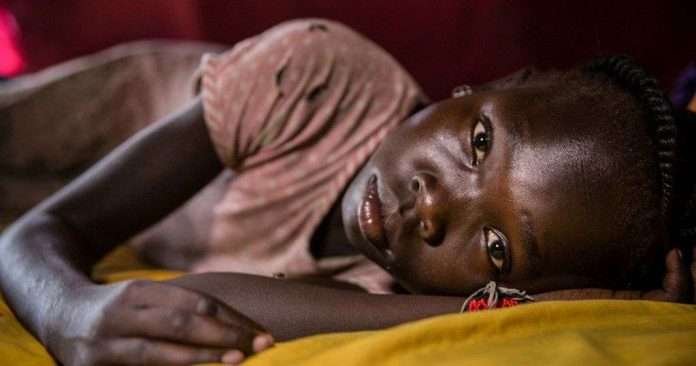
    According to reports, the ongoing conflict has led to a severe humanitarian crisis in Sudan, with millions of people in urgent need of food, shelter, and medical assistance. The United Nations estimates that over 2.8 million people have been internally displaced, while an additional 4.4 million are in need of humanitarian aid.

    The aid official emphasized the importance of acting swiftly, stating that every passing day without adequate support exacerbates the suffering of the Sudanese people. “Time is of the essence. Lives are at stake. It is crucial that the international community acts now to prevent further loss of life and provide essential support,” the official added.

    International organizations and humanitarian agencies have been working tirelessly to provide aid in Sudan. However, the scale and complexity of the crisis require additional resources to address the growing needs.

    In response to the urgent call for assistance, various countries and organizations have already pledged their support. However, more funding is needed to ensure the sustained provision of vital aid to those affected by the conflict.

    The international community has a moral obligation to stand in solidarity with the Sudanese people during these challenging times. By providing the necessary funds, countries can contribute to the stabilization and recovery efforts in Sudan, ultimately fostering peace and stability in the region.

    The aid official’s plea serves as a wakeup call for the global community, urging them to recognize the urgency of the situation and rally together to provide the much-needed support to the Sudanese people. It is only through collective action and international cooperation that the suffering in Sudan can be alleviated and the path to a brighter future can be paved.

    Kenya: Leading the Way to Revive Haiti’s Police Force and Restore Hope

    0
    Read Time:2 Minute, 23 Second

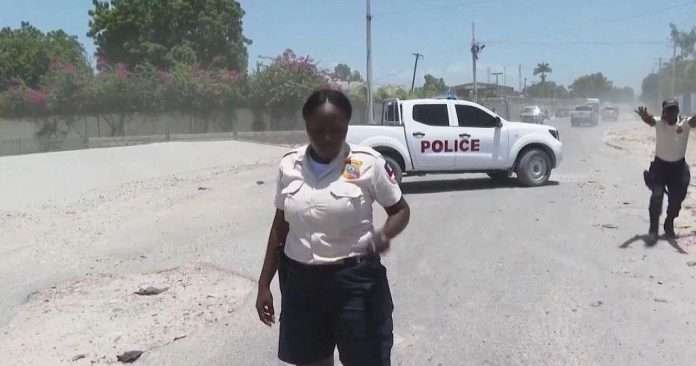
    Nairobi, Kenya – (African Boulevard News) – Kenya has stepped forward to lead an international mission aimed at bolstering the efforts of Haiti’s overwhelmed police force. The country has deployed a reconnaissance team to assess the needs and challenges faced by the Caribbean nation’s law enforcement agencies.

    The decision to send a delegation to Haiti came after a request for support from the Haitian government, which has been grappling with a surge in crime and political instability. With a long history of peacekeeping missions and expertise in security operations, Kenya is well-positioned to offer its assistance in this critical situation.

    Led by experienced police officers and security experts, the reconnaissance team will work closely with local authorities to identify specific areas where Kenya can provide assistance. This collaborative effort aims to assess the needs of the Haitian police force and devise strategies to address the challenges they face.

    “Kenya’s participation in this reconnaissance mission demonstrates our commitment to international peace and security,” said Kenya’s Minister of Foreign Affairs. “We understand the importance of supporting fellow nations in their efforts to maintain law and order. As an African nation, we are proud to lend our expertise and experience to our Haitian brothers and sisters.”

    The mission’s primary goal is to evaluate the current state of the Haitian police force, including its infrastructure, training, and resources. The team will assess the capacity of the police to maintain public safety, combat organized crime, and handle political unrest effectively. The findings will guide the subsequent steps taken by Kenya and the international community to support Haiti.

    While the team’s exact duration in Haiti is yet to be determined, Kenya remains committed to providing long-term support to help strengthen the country’s law enforcement capabilities. This assistance will include training programs, knowledge transfer, and the provision of necessary equipment and resources.

    The deployment of the reconnaissance mission aligns with Kenya’s continued contributions to peacekeeping efforts globally. The country has a proven track record in providing effective security solutions, particularly through its involvement in United Nations peacekeeping missions in conflict zones.

    The Kenyan authorities are also working closely with international partners, including the United Nations and regional organizations, to coordinate efforts and ensure an effective response to the current challenges in Haiti.

    As Kenya steps into a leadership role in supporting Haiti’s police force, it solidifies its commitment to promoting peace and security on the African continent and beyond. By lending its expertise to strengthen the capacity of Haiti’s law enforcement agencies, Kenya aims to contribute significantly to the stabilization of the country and the well-being of its people.

    This reconnaissance mission marks the beginning of a collaborative effort that will deliver tangible improvements for the Haitian police force. Kenya’s involvement in this international initiative underscores its position as a valued partner in fostering security and stability in vulnerable regions around the world.

    Senegal’s Top Military Supplier AD Con Faces Uncertainty, Fears for Future Amid Upcoming Presidential Elections

    0
    Read Time:2 Minute, 3 Second

    Dakar, Senegal – (African Boulevard News) – Gaby Peretz’s firm AD Con, Dakar’s leading military brokerage firm, is facing uncertainty ahead of the presidential elections in Senegal. As President Macky Sall’s term in office comes to an end in February, AD Con is concerned about potential setbacks in its armament supply deals with the Senegalese army.

    AD Con has been a key player in providing military equipment to the Senegalese army for several years. The company, owned by Israeli businessman Gaby Peretz, has established itself as a reliable supplier, meeting the army’s requirements and contributing to Senegal’s national security.

    However, with the upcoming presidential elections, AD Con is on edge. The outcome of the elections could potentially bring changes to the country’s defense policies and priorities, which could impact AD Con’s armament contracts. The firm is aware that a new administration may choose to review existing contracts or explore alternative suppliers, posing a major challenge for AD Con’s future business prospects.

    While the company remains optimistic, industry experts suggest that AD Con needs to diversify its clientele and expand its geographical reach to mitigate the potential risks. AD Con has primarily focused on the Senegalese market, and it may need to explore opportunities in neighboring countries or even look further afield to ensure its sustainability.

    Gaby Peretz, the founder and CEO of AD Con, states, “We are proud of our long-standing partnership with the Senegalese army and our contribution to their defense capabilities. However, we are keeping a close eye on the upcoming elections and the potential impact on our business. We are actively exploring new avenues to expand our customer base and reinforce our position in the market.”

    The Senegalese army relies on AD Con for various armament needs, including weapons, surveillance systems, and military vehicles. The quality and reliability of AD Con’s supplies have been crucial in maintaining the army’s operational efficiency and safeguarding national security.

    As Senegal prepares for a new chapter with the upcoming presidential elections, AD Con remains cautious about the potential changes in the country’s defense landscape. The firm is actively strategizing to ensure its business continuity and adapt to any potential shifts in the military procurement sector.

    AD Con’s experience in the armament industry, coupled with its commitment to excellence, positions the company to weather any challenges that lie ahead. By diversifying its clientele and exploring new business opportunities, AD Con aims to maintain its position as a leading military brokerage firm in Dakar and beyond.

    Madagascar’s Financial Titan: The Dynamic Duo Revolutionizing the Business Landscape and Creating Prosperity

    0
    Read Time:2 Minute, 9 Second

    Antananarivo, Madagascar – (African Boulevard News) – The success of Ivorian banker Bernard Koné Dossongui in Madagascar can be attributed in large part to his collaboration with Maminiaina Ravatomanga, a prominent figure with extensive connections in the country. Ravatomanga’s local knowledge and networks have played a vital role in helping Dossongui expand his business empire.

    Dossongui, a seasoned entrepreneur and financial expert, has been making significant strides in the African business landscape. His ventures have not only revolutionized the local financial sector but also garnered attention from international investors. However, his success in Madagascar can be credited to his partnership with Ravatomanga, who has proven to be a key ally for Dossongui in navigating the country’s complex market.

    Ravatomanga, a well-respected and influential figure in Madagascar, has been instrumental in facilitating Dossongui’s entry into the local business scene. With his extensive contacts and in-depth understanding of the country’s economic landscape, Ravatomanga has been able to open doors for Dossongui and assist him in establishing a strong presence within the country.

    Through their partnership, Dossongui has been able to capitalize on the vast opportunities that Madagascar offers. Together, they have successfully launched several business ventures, including financial institutions and investment projects, which have generated significant returns.

    Industry experts have lauded the collaboration between Dossongui and Ravatomanga, recognizing it as a strategic move that has propelled Dossongui’s success in Madagascar. According to financial analysts, this partnership has not only provided Dossongui with a competitive advantage but has also enhanced the local economy by attracting foreign investments and creating job opportunities.

    Dossongui expressed his gratitude for Ravatomanga’s support, stating, “Maminiaina has been an invaluable partner in my journey in Madagascar. His knowledge of the local market and his network of connections have been vital in expanding my business operations.”

    As Dossongui continues to explore further opportunities in the country, his collaboration with Ravatomanga remains a cornerstone of his success. Their partnership harnesses their combined expertise and influence, creating synergetic effects that drive growth and innovation.

    The impact of Dossongui’s expansion in Madagascar has not gone unnoticed, with investors and entrepreneurs keeping a close eye on his activities. The collaboration between Dossongui and Ravatomanga serves as an inspiration for aspiring business leaders, highlighting the importance of building strategic partnerships and leveraging local expertise to achieve success in foreign markets.

    As Dossongui’s empire continues to grow, his partnership with Ravatomanga will undoubtedly remain a pivotal component of his accomplishments. With their shared vision and determination, they are poised to revolutionize the business landscape in Madagascar and set new standards for economic growth and prosperity.