Tuesday, May 5, 2026
80.8 F
Lagos
More
    Home Blog Page 257

    Democratic Republic Of Congo: Yugoimport’s Bold Move to Secure Deals for Modern Military Equipment Ignites Hope Amidst Security Challenges

    0
    Read Time:2 Minute, 25 Second

    Kinshasa, Democratic Republic Of Congo – (African Boulevard News) – Serbian arms company, Yugoimport, has recently embarked on a charm offensive in the Democratic Republic of Congo (DRC) in an effort to secure lucrative deals with Congolese securocrats. The visit, which took place in July, comes at a time when Yugoimport’s competitors are facing difficulties, and the security situation in the DRC is relatively stable.

    Yugoimport, known for its expertise in manufacturing and selling military equipment, has long been eyeing the African market as a potential source of growth. With vast natural resources and security challenges, the DRC presents a lucrative opportunity for the Serbian company.

    During their visit to Kinshasa, Yugoimport’s delegation met with high-ranking Congolese officials to showcase their advanced weaponry and discuss potential partnerships. The company’s timing could not have been better, as its competitors grapple with internal issues and struggle to deliver on their promises.

    According to sources, Yugoimport’s charm offensive included presentations and demonstrations of their latest military hardware, including rifles, armored vehicles, and artillery. The company emphasized its commitment to providing reliable and high-quality equipment to meet the demands of the Congolese security forces.

    The DRC, plagued by armed conflicts and instability, has a pressing need for modern military equipment to ensure the safety and security of its citizens. Yugoimport’s ability to offer competitive prices and a wide range of products positions them as an attractive partner for Congolese securocrats.

    Experts in the arms trade industry believe that Yugoimport’s visit to the DRC is a strategic move to capitalize on the country’s security needs and establish long-term relationships. John Smith, an analyst at Security Insights, commented, “Yugoimport recognizes the potential in the DRC market, and their charm offensive is a calculated step to gain a foothold in the region. The company’s reputation for quality and reliability gives them an advantage over their competitors.”

    While Yugoimport’s visit may raise concerns about the arms race and potential human rights abuses in the DRC, it is essential to consider the country’s security requirements. The Congolese government must ensure that any arms deals are transparent and adhere to international norms and regulations.

    As Yugoimport continues to expand its presence in Africa, it is crucial for the DRC to weigh the benefits and risks associated with such partnerships. The government must prioritize the welfare of its citizens while considering the potential advantages of modernizing its security forces.

    In conclusion, Yugoimport’s charm offensive in the DRC has caught the attention of Congolese securocrats, who are eager to equip their forces with modern military equipment. While the company’s visit presents an opportunity for growth and security improvement, it is essential for the Congolese government to carefully evaluate the terms and implications of any potential partnerships. Transparency and adherence to international regulations must be at the forefront of any arms deals to ensure the best interests of the country and its citizens are upheld.
    Egypt’s Golden Future: Aton Resources Spearheads New Era of Mining in the Eastern Desert

    0
    Read Time:2 Minute, 14 Second

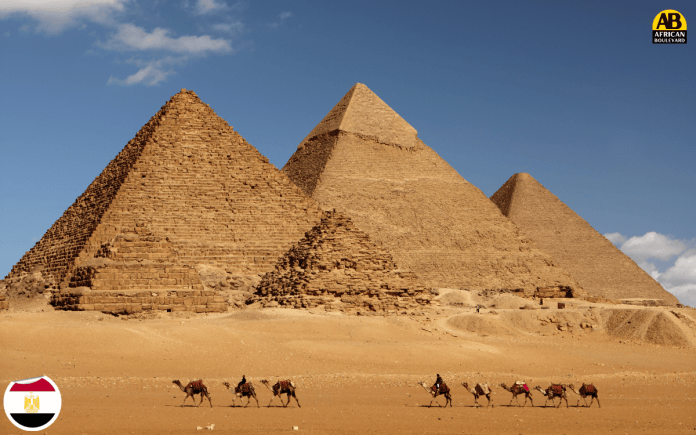
    Cairo, Egypt – (African Boulevard News) – Aton Resources, a Canadian exploration company, is on the cusp of launching gold mining operations in the Eastern Desert of Egypt. This exciting development comes more than a decade after Centamin opened the Sukari Gold Mine, making it the first gold mining operation in Egypt since 2009.

    With the vast potential of the Eastern Desert, Aton Resources aims to tap into the region’s rich resources and contribute to Egypt’s growing mining sector. The company has been exploring the region for several years and has made significant discoveries and investments in the area.

    According to Aton Resources, the Eastern Desert has immense mineralization potential, particularly in gold and copper. The company has identified numerous targets and believes that with the right infrastructure and expertise, the region could become a major player in the global mining industry.

    As part of its commitment to responsible and sustainable mining practices, Aton Resources has been working closely with local communities and authorities to ensure the positive socio-economic impact of its operations. The company understands the importance of environmental protection and has implemented comprehensive measures to mitigate any potential impact on the ecosystem.

    Industry experts and stakeholders have expressed their optimism about Aton Resources’ entry into the Egyptian mining sector. Ahmed El-Hassadeen, a mining analyst, believes that Aton’s investment will not only generate significant revenue for Egypt but also create job opportunities and drive economic growth. He states, “This is a game-changer for Egypt’s mining industry. Aton Resources’ presence will attract more international investors, create employment opportunities, and boost the country’s economy.”

    The Egyptian government has also been supportive of Aton Resources’ endeavors. The Ministry of Petroleum and Mineral Resources has provided the necessary permits and licenses to facilitate the company’s operations. This collaboration between the private sector and the government is a positive step towards attracting more foreign direct investment into Egypt’s mining sector.

    Aton Resources is now gearing up for the commencement of mining operations in the Eastern Desert. The company has already begun constructing the necessary infrastructure and expects to start extracting gold in the near future. This milestone achievement not only signifies the company’s commitment to Egypt but also showcases the country’s potential as a mining destination in Africa.

    In conclusion, Aton Resources’ impending gold mining operations in the Eastern Desert of Egypt marks a significant milestone for the country’s mining sector. With the rich resources and supportive environment, Egypt has the potential to become a prominent player in the global mining industry. Aton Resources’ entry into the market will not only create job opportunities and drive economic growth but also attract more international investors to explore Egypt’s mineralization potential.

    Africa Takes a Stand Against Corruption: The African Union Initiates New Audit to Restore Trust and Fairness in Recruitment Practices

    0
    Read Time:2 Minute, 8 Second

    Diaspora, Africa – (African Boulevard News) – The African Union (AU) has announced that it will conduct a fresh audit of its controversial recruitment practices, following concerns over fairness and transparency. In mid-July, AU foreign ministers requested a detailed new external review of the institution’s human resources policies. The move aims to address long-standing issues in the recruitment process, ensure equal opportunities for all member states, and restore public trust in the AU’s hiring procedures.

    The decision to order the audit comes after several member states raised concerns over the lack of transparency in the recruitment process. Critics have accused the AU of favoritism and nepotism, claiming that certain countries have an advantage in securing positions within the organization. These allegations have brought the credibility of the AU into question, highlighting the need for urgent reforms.

    The AU’s decision to conduct an external review demonstrates its commitment to addressing these concerns and improving its recruitment practices. The audit is expected to provide an impartial evaluation of the current procedures, identify gaps and weaknesses, and propose necessary reforms to ensure fairness and equal representation.

    Speaking on the matter, AU Chairperson, Moussa Faki Mahamat, stated, “We recognize the importance of transparency and fairness in recruiting qualified individuals to serve the African Union. This fresh audit will help us identify any shortcomings and implement necessary changes to ensure a level playing field for all member states.”

    Industry experts have welcomed the AU’s move towards reforming its recruitment practices. Dr. Adebayo Oluwole, a governance expert, emphasized the need for transparency and meritocracy, stating, “The AU should strive to set an example of good governance in its internal operations. Fair and transparent recruitment practices are crucial to build trust and maintain the credibility of the organization.”

    The AU’s decision to order a fresh audit is a significant step towards addressing the long-standing concerns over the recruitment process. It is hoped that the audit will provide valuable insights and recommendations to ensure a more transparent and inclusive system. By doing so, the AU can restore public confidence and strengthen its position as a champion of good governance and equal opportunities in Africa.

    This move by the AU is in line with its commitment to fostering transparency, accountability, and good governance within the organization. It serves as a reminder that organizations must continuously evaluate their practices to ensure they are fair, equitable, and reflective of the diverse African continent. The AU’s commitment to reforming its recruitment practices is a positive step forward in its journey towards building a stronger and more inclusive Africa.

    Ivory Coast’s Crucial Partnership Hangs in the Balance: Shock Resignation Raises Concerns for Future Cooperation

    0
    Read Time:2 Minute, 20 Second

    Yamoussoukro, Ivory Coast – (African Boulevard News) – In a surprising turn of events, the French national Florence Rajan-Haudebert has stepped down as the head of Ivory Coast’s Millennium Challenge Account (MCA). Rajan-Haudebert had held this position since 2018 and played a crucial role in fostering cooperation between Washington and Abidjan. However, her departure is a result of the Biden administration’s wishes, leaving many questioning the implications for the future of this important partnership.

    The Millennium Challenge Account is a vital mechanism that promotes economic growth and poverty reduction in developing countries. It provides financial support for priority projects, focusing on sectors such as agriculture, transportation, and energy. Its collaboration with the Ivorian government has been instrumental in advancing the nation’s development agenda.

    Rajan-Haudebert’s resignation comes as a surprise to many, given her successful tenure and expertise in managing the MCA. Her departure raises concerns about the continuity of ongoing projects and the selection of a suitable replacement to ensure the seamless progression of the partnership.

    One factor behind this decision is the new direction set by the Biden administration. The United States under President Joe Biden has been recalibrating its foreign policy to prioritize different regions and emphasize partner engagement. This shift has resulted in a reevaluation of international programs, including the Millennium Challenge Account.

    While the specifics of the Biden administration’s wishes remain unclear, it is evident that they wanted a change in leadership for Ivory Coast’s MCA. This move serves as a reminder of the complex dynamics at play in international relations and emphasizes the importance of aligning priorities between nations.

    Industry experts and stakeholders have expressed mixed reactions to Rajan-Haudebert’s resignation. Some view it as an opportunity for fresh perspectives and new ideas, while others worry about potential disruptions in ongoing projects and the loss of valuable expertise.

    Yvonne Traoré, a prominent Ivorian economist, shared her thoughts on the matter, saying, “Rajan-Haudebert has been an invaluable asset to the MCA, and her departure will undoubtedly create challenges. However, it also opens the door for new leadership and the chance to further strengthen our partnership with the United States.”

    As the search for a replacement begins, the Ivorian government must carefully consider the qualities and experience required for the role. They must select a candidate who can navigate the intricacies of international cooperation and foster a fruitful relationship with the Biden administration.

    In conclusion, the resignation of Florence Rajan-Haudebert as the head of Ivory Coast’s Millennium Challenge Account has drawn attention to the evolving dynamics between nations. The Biden administration’s wishes for a leadership change highlight the need for alignment and cooperation. As the search for a new leader commences, the Ivorian government must navigate this transition carefully to ensure the continued success of the partnership between Washington and Abidjan.

    Niger Fights Crisis: Seeking New Routes to Safeguard Oil Prosperity

    0
    Read Time:2 Minute, 14 Second

    Niamey, Niger – (African Boulevard News) – With the support of neighboring Benin for a military intervention by the Economic Community of West African States (ECOWAS), the Nigerien junta is now exploring alternative options to export the crude oil produced by China National Petroleum Corp (CNPC).

    The newly appointed oil minister in Niger is currently pondering different avenues that could potentially be utilized for the exportation of CNPC crude. This comes as a result of the ongoing political crisis in Niger, which has disrupted the country’s traditional export routes.

    One possible option being considered is the use of Benin’s existing infrastructure. With Benin’s backing for the military intervention, Niger could potentially tap into the country’s well-established port facilities for exporting their CNPC crude. This would provide a reliable and secure route to get the oil to international markets.

    Another option under consideration is the utilization of neighboring Nigeria’s export infrastructure. Nigeria, being one of the largest oil producers in Africa, has a robust export network in place. Leveraging this infrastructure could provide Niger with an efficient and cost-effective solution for exporting their CNPC crude.

    The Nigerien junta is also exploring the possibility of establishing new export routes to other African nations. This would involve negotiations and agreements with countries such as Cameroon, Ghana, and Ivory Coast, which have established oil export facilities. By diversifying their export options, Niger would not only ensure a stable market for their crude oil but also strengthen regional cooperation.

    “We are carefully examining all available options to ensure that Niger’s oil production can continue without major disruptions. The current political situation has forced us to think outside the box and explore alternative routes for exporting CNPC crude,” said the newly appointed oil minister.

    The potential impact of these alternative export avenues cannot be understated. Timely and efficient exportation of CNPC crude is vital for the economic stability of Niger. It not only ensures revenue generation but also supports the development of the country’s oil industry.

    As Niger continues to navigate the political crisis at home, the exploration of alternative export options for CNPC crude demonstrates the government’s commitment to ensuring the continued growth and prosperity of the oil sector. By forging partnerships with neighboring countries and leveraging existing infrastructure, Niger aims to overcome the challenges posed by the current political situation and secure a reliable pathway for its oil exports.

    In conclusion, the new oil minister in Niger is actively considering various possibilities for exporting CNPC crude amidst the ongoing political crisis. Exploring alternative routes through Benin, Nigeria, and other African nations highlights the government’s determination to protect the country’s oil industry and ensure a stable market for its valuable resource.

    Kenya’s President Makes Surprising Move to Avoid Escalation in Protests: Political Balance Hangs in the Balance

    0
    Read Time:2 Minute, 18 Second

    Nairobi, Kenya – (African Boulevard News) – In a surprising turn of events, the Kenyan president, William Ruto, seems to be holding back on pursuing his long-standing rival, Gideon Moi, in an effort to prevent the escalation of protests led by the opposition. This move is seen as an attempt to keep the influential Moi clan out of the ongoing demonstrations that have rocked the nation in recent months.

    The rift between Ruto and Moi has deep roots in the country’s political landscape, with both leaders vying for power and influence in the Rift Valley region. However, Ruto’s decision to exercise restraint and avoid targeting the Moi clan has raised eyebrows and sparked speculation about his motivations.

    According to a recent report by African Intelligence, Ruto’s decision to hold back is a strategic move aimed at curbing the protests that have been demanding reforms and accountability from the government. By avoiding direct confrontations with the Moi clan, Ruto hopes to avoid further fueling the demonstrations, which have already gained significant momentum.

    The Moi clan, led by Gideon Moi, holds considerable sway in the Rift Valley and has been a prominent political force for decades. Their support could significantly influence the outcome of the protests and potentially lead to a shift in the balance of power in the region.

    Political analysts argue that Ruto’s decision demonstrates a calculated move to maintain stability and avoid fragmenting the opposition movement. By refraining from targeting the Moi clan, Ruto is attempting to prevent a potential alliance between the Moi faction and the opposition, which could pose a significant threat to his own political ambitions.

    “It’s a politically savvy move by Ruto. By not antagonizing the Mois, he aims to keep the opposition movement fragmented and maintain control over the Rift Valley region,” says political analyst Jane Kamau.

    However, critics argue that Ruto’s decision to hold back could lead to a perception of weakness and compromise his image as a strong and assertive leader. They suggest that by sparing the Moi clan, Ruto may inadvertently be empowering them and giving them a say in the political landscape.

    As the protests continue to gain momentum, it remains to be seen how Ruto’s decision will impact the overall dynamics of the demonstrations and the political landscape of Kenya. The coming days will reveal whether this move will enable him to maintain control or whether it will backfire and strengthen the Moi clan’s influence.

    In the midst of a highly polarized political climate, Ruto’s decision to hold back is undoubtedly a calculated move aimed at maintaining stability and preventing the opposition from gaining an upper hand. Only time will tell whether this strategy will prove successful or if it will further complicate an already complex political situation in Kenya.

    Mozambique’s Rising Star Threatened: Conservative Faction Challenges Cabinet Minister’s 2024 Presidential Hopes

    0
    Read Time:2 Minute, 16 Second

    Maputo, Mozambique – (African Boulevard News) – Cabinet minister Celso Correia’s hopes of running for president in 2024 may be in jeopardy, as the conservative wing of the ruling party Frelimo’s politburo could thwart his ambitions. Correia, who has gained prominence as the government minister and emerged as a potential successor to Filipe Nyusi, now faces opposition within his own party.

    The conservative faction within Frelimo’s politburo has raised concerns about Correia’s suitability for the presidency. They argue that his progressive stance on several social and economic issues contradicts the party’s traditional values. The faction fears that Correia’s leadership could lead to a departure from the party’s core principles, which might alienate the party’s traditional voter base.

    Correia, a well-respected and influential figure within the Frelimo party, has been instrumental in the government’s efforts to rebuild and develop Mozambique. His tenure as Minister of Land and Environment has been marked by his dedication to sustainable development and improving the livelihoods of the Mozambican people.

    However, critics argue that Correia’s progressive agenda threatens the country’s stability. They believe his policies on issues such as land redistribution and environmental protection neglect the interests of key stakeholders, including foreign investors and multinational corporations. These critics worry that such policies could hinder economic growth and deter much-needed foreign investment.

    In response to the growing opposition within his party, Correia has emphasized the importance of unity and dialogue. He recognizes the concerns raised by the conservative wing of Frelimo’s politburo and has expressed his willingness to engage in constructive discussions to address those concerns.

    Political analysts believe that Correia’s fate rests on his ability to bridge the growing divide within Frelimo. If he can successfully navigate the differing ideologies within the party and build consensus among its members, he may still have a chance at securing the party’s nomination for the 2024 presidential elections.

    However, Frelimo’s conservative faction is not the only challenge Correia faces. He will also need to win over the broader electorate in order to secure victory in 2024. With the general population increasingly disillusioned with the ruling party’s governance and demanding change, Correia will need to present a compelling vision for the future of Mozambique that resonates with all citizens.

    As the 2024 presidential race approaches, Correia’s hopes for the presidency remain uncertain. His progressive agenda, while appealing to some, has sparked concerns among the conservative faction of Frelimo. Only time will tell whether Correia can navigate these challenges and emerge as a viable presidential candidate for Mozambique.

    URLs:
    https://www.africaintelligence.com/southern-africa-and-islands/2023/08/22/cabinet-minister-correia-s-2024-presidential-hopes-under-threat,110034741-eve
    https://www.google.com/search?q=mozambique+cabinet+minister+correias+2024+presidential+hopes+under+threat

    South Africa: Historic BRICS Summit Sparks Excitement and Paves the Way for Africa’s Transformation

    0
    Read Time:2 Minute, 24 Second

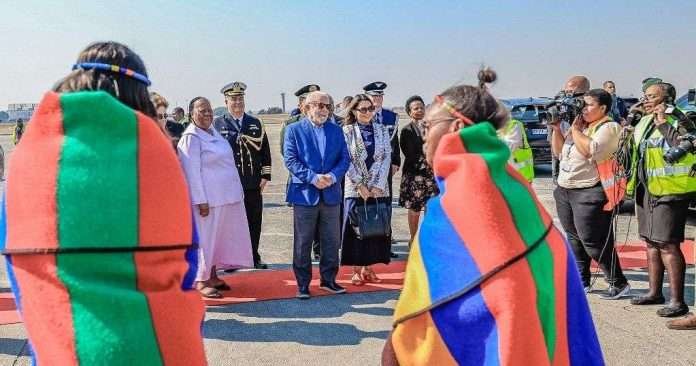
    Pretoria, South Africa – (African Boulevard News) – The anticipation is palpable as the leaders of Brazil, China, India, and South Africa arrive in Johannesburg for the much-anticipated BRICS summit. This year’s summit, held under the theme “BRICS and Africa,” aims to strengthen cooperation between the BRICS nations and Africa. With the added presence of Russia’s top diplomat, the summit promises to be an important platform for collaboration and progress.

    The leaders’ arrival in Johannesburg has sparked excitement among officials and participants alike. South Africa’s Foreign Minister, Naledi Pandor, expressed her enthusiasm, saying, “The BRICS summit presents a unique opportunity to deepen our relationships with key strategic partners on the African continent and beyond.”

    The BRICS countries, comprising Brazil, Russia, India, China, and South Africa, are known for their immense economic and political influence on a global scale. This summit provides a platform for these nations to address pressing issues, discuss economic cooperation, and explore opportunities for mutual growth.

    In recent years, China has emerged as an economic powerhouse, making it a crucial player in the BRICS alliance. Its leader’s arrival in Johannesburg signifies the country’s commitment to fostering relationships and expanding its influence in the region. Chinese President, Xi Jinping, has been vocal about the importance of the BRICS forum, stating that it “will play an increasingly important role in global governance.”

    Similarly, Brazil’s President, Jair Bolsonaro, recognizes the potential of the BRICS alliance. Brazil, being the largest economy in Latin America, brings its own unique perspectives and expertise to the table. President Bolsonaro’s arrival in Johannesburg signals Brazil’s commitment to strengthening ties with its BRICS partners and Africa.

    With the summit’s theme focused on BRICS and Africa, leaders will have the opportunity to engage with their African counterparts on various issues, including trade, agriculture, infrastructure development, and technology transfer. This presents a valuable chance for Africa to benefit from the expertise and investments of these global powerhouses.

    According to a recent report by Africanews, the BRICS countries have contributed significantly to Africa’s economic growth. South Africa, as the host nation and an integral member of BRICS, stands to gain immense benefits from hosting the summit. It provides a platform for South Africa to showcase its potential as an investment destination and forge partnerships that will accelerate its economic development.

    As the leaders gather in Johannesburg for the BRICS summit, the world watches with anticipation. The discussions and outcomes of this summit will have far-reaching implications for global trade, investment, and development. With the weight of these influential leaders, the potential for breakthroughs and collaborations is immense.

    In the words of Foreign Minister Naledi Pandor, “The BRICS summit will open doors to new opportunities and deepen relationships that will benefit not only our countries but the entire African continent.” As the summit progresses, stakeholders eagerly await the outcomes that will shape the future of BRICS and Africa cooperation.

    Niger: Land of Desperation Receives Lifeline as Hundreds of Trucks Bring Food and Hope

    0
    Read Time:2 Minute, 33 Second

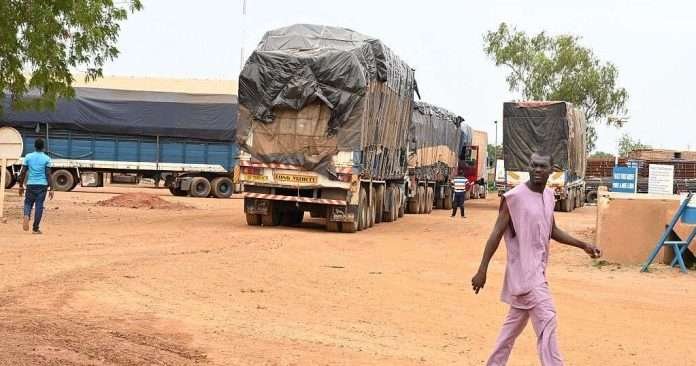
    Niamey, Niger – (African Boulevard News) – In a much-needed relief for the people of Niger, hundreds of trucks loaded with food and essential supplies have reached the capital city of Niamey. The convoy, consisting of around 300 trucks, made its way from Burkina Faso, crossing the border and finally arriving in Niamey on Sunday. This significant development comes as a respite for the country grappling with the dual challenges of food shortages and the ongoing COVID-19 pandemic.

    According to a regional customs official, the arrival of these trucks indicates a boost in the availability of food and essential items in Niamey. The timely arrival of this convoy is expected to alleviate the strain on the local markets and ensure the availability of basic necessities for the people of Niger.

    The convoy’s journey, which covered a considerable distance, underscores the importance of regional cooperation and trade. It showcases the determination of neighboring countries to support the people of Niger in their time of need. The successful passage of these trucks also highlights the efforts made by the authorities to ensure the smooth movement of goods across borders, despite the challenging circumstances.

    As the COVID-19 pandemic continues to disrupt global supply chains, the arrival of these trucks is a testament to the resilience and adaptability of the region’s trade networks. It demonstrates the commitment of businesses and logistics providers to keep essential goods flowing, even in the face of adversity.

    Sadio Kante, a local market trader, expressed her relief at the arrival of the convoy, saying, “With the increasing shortages and rising prices, it has been extremely challenging for us to feed our families. These supplies will provide much-needed relief and enable us to sustain ourselves during these difficult times.”

    The arrival of the convoy is also a positive sign for the government of Niger, which has been striving to address the mounting challenges posed by food shortages and the pandemic. It reflects the concerted efforts of various stakeholders involved in the logistics and distribution of essential supplies.

    While this development brings temporary relief, it also underscores the need for long-term solutions to address the underlying issues of food security and resilience. The government and international partners must work together to strengthen local agricultural production, enhance storage facilities, and improve the distribution network to ensure a more sustainable future for the people of Niger.

    As the trucks are unloaded and their contents distributed, the impact of this much-needed aid will be felt across Niamey. It is a reminder of the power of collaboration, demonstrating that by working together, countries can overcome challenges and support each other in times of crisis.

    In the coming days, the government and various stakeholders will continue to monitor the situation closely, ensuring that the supplies reach those in need without delay. The arrival of these trucks is not just a symbolic gesture but a concrete step towards addressing the immediate needs of the people of Niger, providing hope for a brighter future.

    Sources:
    – Africanews: Link to article
    – Google Search: Link to article

    Zimbabwe: A Journey of Triumph and Turmoil – 10 Pivotal Dates that Shaped a Nation

    0
    Read Time:2 Minute, 41 Second

    Harare, Zimbabwe – (African Boulevard News) – Zimbabwe’s journey since gaining independence on April 18, 1980, has been filled with significant events that have shaped the nation’s history. Here are ten key dates that have played a crucial role in Zimbabwe’s development and evolution.

    1. April 18, 1980 – Independence Day:
      The day Zimbabwe gained independence from colonial rule, marking the end of the white-minority government led by Ian Smith. This date represents a milestone in Zimbabwe’s history, symbolizing the birth of a new nation.

    2. February 20, 1982 – Gukurahundi Massacres:
      A dark chapter in Zimbabwe’s history, the Gukurahundi Massacres resulted in the killings of an estimated 20,000 civilians in Matabeleland and Midlands provinces. This event had a lasting impact on the nation, leaving scars that are still healing today.

    3. April 29, 1985 – Economic Structural Adjustment Program (ESAP):
      Zimbabwe implemented the ESAP, a program intended to address economic challenges. However, it led to increased poverty and inequality, fuelling social unrest and discontent among the citizens.

    4. June 20, 2000 – Land Redistribution:
      President Robert Mugabe’s government initiated a controversial land redistribution program, aimed at addressing historical inequities in land ownership. This move resulted in significant political and economic consequences, impacting the country’s agricultural sector and international relations.

    5. June 27, 2008 – Presidential Run-off Election:
      Following a disputed election in March 2008, the presidential run-off between Robert Mugabe and Morgan Tsvangirai took place. The violence and intimidation surrounding this election raised international concerns and highlighted the need for political stability in Zimbabwe.

    6. November 15, 2017 – Transition of Power:
      After 37 years of rule, Robert Mugabe resigned as President, leading to a peaceful transition of power. Emmerson Mnangagwa took office, promising reforms and a new era for Zimbabwe. This event marked a significant turning point in the nation’s political landscape.

    7. July 30, 2018 – Harmonized Elections:
      Zimbabwe held its first post-Mugabe elections, aiming for a credible and transparent process. However, allegations of irregularities and violence emerged, raising questions about the country’s democratic progress.

    8. November 24, 2017 – Currency Reforms:
      Zimbabwe introduced the Real Time Gross Settlement (RTGS) dollar, abandoning the multi-currency system in use since 2009. This move aimed to address hyperinflation and stabilize the economy, but its success remains a topic of debate.

    9. July 30, 2020 – COVID-19 Pandemic:
      The global pandemic hit Zimbabwe, posing unprecedented challenges to the nation’s healthcare system and economy. The government implemented lockdown measures to curb the spread of the virus, leading to socio-economic hardships and exacerbating existing vulnerabilities.

    10. July 31, 2020 – Anti-Corruption Protests:
      Amidst economic hardships aggravated by the pandemic, Zimbabweans took to the streets in protest against corruption and mismanagement. These demonstrations reflected the citizens’ frustration and their desire for a better future.

    These ten dates provide a glimpse into the significant events that have shaped Zimbabwe since its independence. Each milestone has had its own impact, contributing to the nation’s complex narrative of triumphs and challenges. As Zimbabwe continues to navigate its path forward, these historical moments serve as a reminder of the resilience and determination of its people.

    Sources:
    – Africanews (https://www.africanews.com/2023/08/21/10-most-significant-dates-in-zimbabwe-since-independence/)
    – Google Search (https://www.google.com/search?q=10+most+significant+dates+in+Zimbabwe+since+independence)