Wednesday, May 6, 2026
82.6 F
Lagos
More
    Home Blog Page 250

    Zimbabwe: Nation Holds its Breath as New President’s Fate Hangs in the Balance

    0
    Read Time:2 Minute, 5 Second

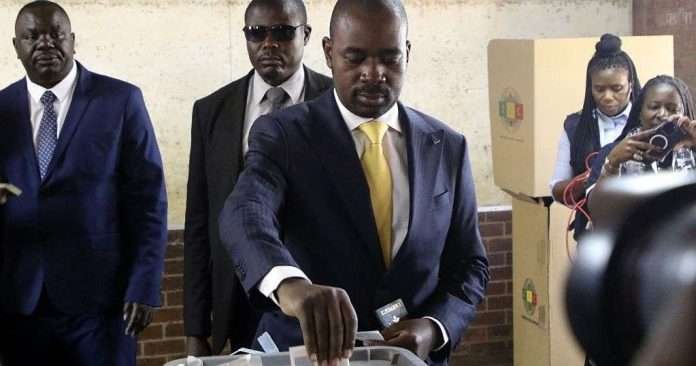
    Harare, Zimbabwe – (African Boulevard News) – As Zimbabweans headed to the polls on Wednesday (Aug. 23) for the country’s second general elections since the fall of former President Robert Mugabe, opposition leader Nelson Chamisa expressed confidence in his chances of winning the presidency.

    Amidst the excitement and anticipation at the polling station, dozens of Chamisa’s supporters gathered, singing and chanting in solidarity. Addressing the media after casting his ballot, Chamisa confidently declared, “There is no way there won’t be a new President.”

    Chamisa, who leads the Movement for Democratic Change Alliance (MDC-A) party, is running against incumbent President Emmerson Mnangagwa of the ruling ZANU-PF party. The election marks the first time in Zimbabwe’s history that Mugabe is not on the ballot, following his resignation in November 2017 after nearly four decades in power.

    With a strong emphasis on youth empowerment and economic reform, Chamisa has gained significant support among younger voters who are hopeful for change. Throughout his campaign, he has promised to revitalize the country’s struggling economy, invest in infrastructure, and create jobs to alleviate widespread unemployment.

    Undoubtedly aware of the challenges and the controversy surrounding previous elections in Zimbabwe, Chamisa called for transparency and urged his supporters to remain peaceful throughout the process. “Let’s be vigilant, Zimbabweans. Our vote is our voice,” he emphasized, urging his supporters to exercise their democratic right.

    The Zimbabwe Electoral Commission (ZEC) has assured voters of a fair and transparent electoral process, with over 5.6 million registered voters expected to cast their ballots. International observers, including representatives from the African Union and the European Union, have been invited to monitor the elections and ensure credibility.

    However, concerns over potential voter intimidation and irregularities persist. Various human rights organizations and opposition parties expressed worries about the independence of the ZEC and the potential manipulation of the results. Both Chamisa and Mnangagwa have called for a peaceful election and urged their supporters to accept the outcome regardless of the result.

    As the nation awaits the election results, the international community watches closely, emphasizing the importance of a transparent and peaceful electoral process. The outcome of the election will undoubtedly shape Zimbabwe’s future and determine the country’s path towards stability, economic growth, and international re-engagement.

    In this critical moment, the hopes and aspirations of millions of Zimbabweans rest on the shoulders of their elected leaders. As Nelson Chamisa boldly claimed, “There is no way there won’t be a new President.” The nation now eagerly awaits the final verdict of the people.
    Chad: Refugees Fleeing Sudan’s Brutal Conflict Endure Nightmarish Trek, Vulnerable to Rape and Militia Attacks

    0
    Read Time:2 Minute, 13 Second

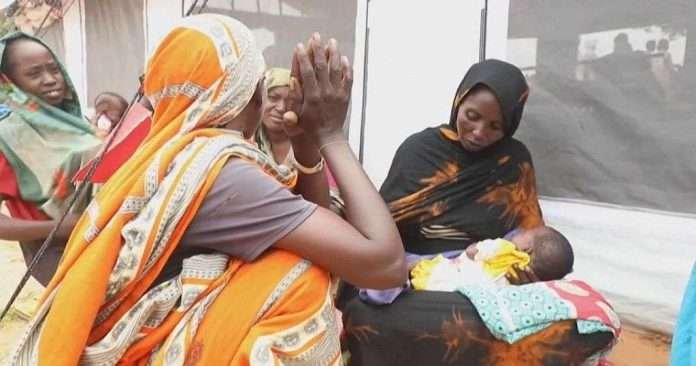
    N’Djamena, Chad – (African Boulevard News) – Refugees from the war-torn region of Darfur have shared harrowing tales of their journey to safety in Chad, as Sudan’s army battles against the Rapid Support Forces (RSF). The conflict has forced nearly 430,000 Sudanese to flee their homes in search of safety and shelter.

    The perilous journey from the capital of West Darfur state to Adre, a distance of 35 kilometers, is fraught with danger and uncertainty. Many refugees have chosen to embark on this treacherous trek at night, barefoot, in a desperate bid to escape the violence that has consumed their homeland.

    “We left everything behind – our homes, our belongings – in the dead of night,” says 45-year-old Fatima Ahmed, one of the many displaced refugees. “We walked for days, sometimes without food or water, not knowing what lay ahead.”

    The refugees’ stories are those of resilience and determination, as they faced the daunting challenges of travel through treacherous terrain and dangerous border crossings. They relied on their courage and hope for a better future to propel them forward.

    According to humanitarian agencies, the refugees’ arrival in Chad has put a strain on already limited resources. Access to clean water, adequate healthcare, and basic necessities such as food and shelter are now pressing concerns.

    “The influx of refugees has overwhelmed our capacity to respond adequately,” says the spokesperson for the United Nations High Commissioner for Refugees (UNHCR). “We urgently need more support from the international community to ensure the well-being and safety of these vulnerable individuals.”

    The situation in Darfur has been unstable for years, with countless lives lost and families torn apart. The conflict between Sudan’s army and the RSF has only exacerbated the crisis, displacing even more innocent civilians.

    The UNHCR and other aid organizations are working tirelessly to improve conditions for the refugees, but the scale of the crisis demands collective action. International support is crucial to address the urgent needs of the displaced population and provide them with the assistance they require.

    The stories of the refugees from Darfur serve as a stark reminder of the human cost of conflict and the importance of safeguarding the rights and well-being of those affected. As the world watches, it is imperative that the international community takes meaningful action to end the violence and provide a safe haven for those fleeing persecution.

    In the face of unimaginable hardships, the refugees from Darfur maintain their resilience and hope for a better tomorrow. Their stories must not go unheard, and immediate assistance is needed to alleviate their suffering and ensure a brighter future for all those affected by the conflict in Darfur.

    Africa: Tragedy Strikes as Railway Bridge Collapses, Leaving 17 Dead and Many Missing in Devastating Indian Incident

    0
    Read Time:2 Minute, 3 Second

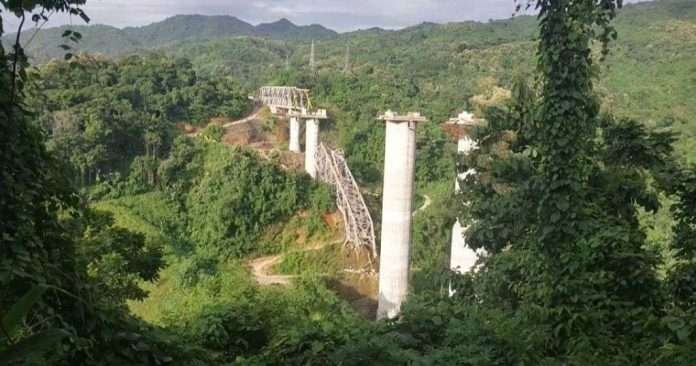
    Diaspora, Africa – (African Boulevard News) – At least 17 people have been killed in a tragic railway bridge collapse in India, according to an official statement. The incident occurred in the city of Ahmedabad, causing widespread devastation and loss of life. The local authorities are working tirelessly to rescue survivors and assess the full extent of the damage.

    The collapse of the railway bridge took place on a busy commuter route, resulting in chaos and despair among the affected community. The Indian Express newspaper reported that 17 bodies have been recovered so far, with many others still missing. While these figures are not yet confirmed, they paint a grim picture of the situation.

    Emergency services, including the police and fire department, were immediately dispatched to the scene to assist with rescue operations. The rescue teams are working diligently to save as many lives as possible and to provide support to those affected by this tragic event. The priority at this stage is to ensure the safety and well-being of the survivors.

    In the wake of this incident, authorities have launched an investigation to determine the cause of the bridge collapse. Preliminary reports suggest that heavy rainfall and subsequent flooding may have weakened the infrastructure, leading to its failure. However, further analysis is required to establish the exact circumstances surrounding this devastating incident.

    The collapse of the railway bridge has had a significant impact on the community, leaving many in shock and mourning. Local residents and witnesses are grappling with the loss of their loved ones and the destruction of their community’s infrastructure. The Indian government and relevant stakeholders must come together to provide assistance, support, and resources to those affected by this tragedy.

    Speaking on the incident, an industry expert stated, “The collapse of the railway bridge underscores the need for stringent safety measures and regular maintenance of critical infrastructure. It is imperative that authorities prioritize the safety of their citizens and take necessary steps to prevent such incidents in the future.”

    As the rescue efforts continue and the investigation unfolds, it is crucial for the Indian government to learn from this tragedy and take immediate action to prevent similar incidents. The safety and well-being of citizens should always be a top priority.

    In the wake of this heartbreaking incident, the thoughts and prayers of the global community are with the victims, their families, and all those affected. May they find solace and strength during this difficult time.

    Video – Religious Violence Plagues Churches in India: Concerns over Religious Freedom & Worshiper Safety

    0
    Read Time:2 Minute, 24 Second


    Title: Religious Violence Plagues Churches in India – Christian World News

    Introduction:
    In a wave of alarming religious violence, churches in India are facing targeted attacks, with experts pointing fingers at the government’s policies. Christian World News brings you an in-depth report on the escalating situation that has raised concerns over religious freedom and the safety of worshipers.

    Body:
    The Christian community in India has been enduring a series of attacks on its places of worship, leaving believers deeply concerned about their safety and rights. Religious freedom experts are now blaming the Indian government for these incidents, accusing it of creating an environment that encourages religious violence.

    These attacks on churches have been occurring throughout different regions in India. From arson and vandalism to physical assaults on worshipers, the incidents have spread fear and unrest among the Christian population.

    One prominent religious freedom expert, Dr. Rachel Masih, spoke out against what she referred to as a systematic persecution of Christians. She stated, “The Indian government’s policies, catering to certain extremist groups, have created an atmosphere of intolerance and hostility. This has emboldened religious extremists to target churches and its worshipers.”

    Historically, India has been known for its religious diversity and coexistence. However, in recent years, religious tensions have escalated, particularly against minority religious groups. Critics argue that the current government’s focus on promoting Hindu nationalism has fueled these attacks on churches.

    The Christian community, along with several international organizations, is calling on the Indian government to take swift action to address these alarming incidents. They demand justice for the victims and increased protection for churches and worshipers.

    Acknowledging the gravity of the situation, the United Nations Human Rights Council has also expressed concern over the deteriorating state of religious freedom in India. The international community is closely monitoring developments in order to ensure that all Indians, regardless of their religion, can worship freely and without fear.

    The Indian government has issued statements condemning the attacks on churches and promising thorough investigations into each incident. However, activists argue that more needs to be done to prevent future attacks and hold the perpetrators accountable.

    As the Church faces these challenges, Christian leaders in India are urging their fellow believers to remain steadfast in their faith and not to give in to fear. They emphasize the need to promote harmony and dialogue between different religious communities, emphasizing the importance of coexistence.

    Conclusion:
    The alarming rise in attacks on churches in India is a clear violation of religious freedom and poses a threat to the social fabric of the country. The international community must continue to exert pressure on the Indian government to ensure the safety and protection of all religious minorities. It is crucial for India to uphold its long-standing tradition of religious tolerance and diversity, preserving the peace and unity among its diverse communities.

    Niger: Algeria Leads Diplomatic Charge for Peace Amidst Crisis, Setting a Crucial Example of Regional Unity

    0
    Read Time:2 Minute, 23 Second

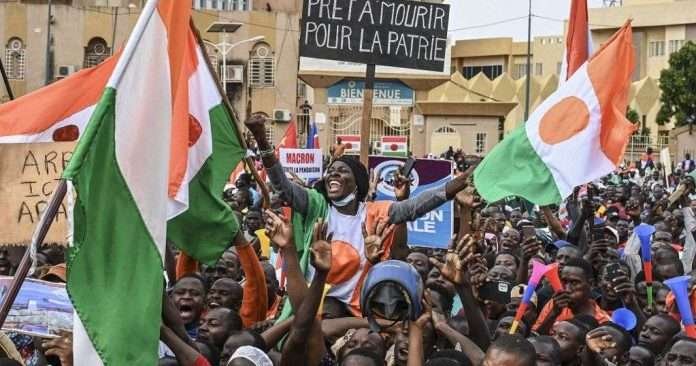
    Niamey, Niger – (African Boulevard News) – Crisis looms large in Niger as the country grapples with political and security challenges. In a bid to find a peaceful resolution, Algeria has taken the initiative to mediate in three ECOWAS countries. This move comes as Algeria staunchly opposes any military intervention in Niger.

    Algeria’s Foreign Minister, Ahmed Attaf, embarked on a diplomatic tour, visiting Nigeria, Benin, and Ghana. The aim of his visit is to foster dialogue and collaboration among these nations, working towards a solution to the crisis. This gesture signifies the importance of regional unity and support in times of adversity.

    The crisis in Niger has been a cause for concern, with escalating political tensions and security threats. It is imperative to address these challenges swiftly and effectively to prevent further turmoil and ensure the well-being of the people.

    Algeria’s mediation efforts highlight the regional commitment to resolving conflicts through peaceful means. By engaging in dialogue, countries can foster understanding, build trust, and find common ground to navigate through crises. The involvement of Algeria, a key player in the region, adds credibility and expertise to the mediation process.

    Experts have praised Algeria’s proactive stance in seeking a peaceful resolution. Dr. Amira Ahmed, a political analyst at the Institute for African Studies, commends Algeria’s efforts and states, “Mediation is a vital tool in resolving conflicts, and Algeria’s involvement reinforces the commitment of ECOWAS countries to peaceful dialogue.”

    The crisis in Niger has far-reaching implications beyond its borders. Stability in Niger is crucial for the entire region, as it shares borders with several countries facing their own security challenges. The ripple effect of instability can have dire consequences for regional stability, and therefore, concerted efforts are necessary to address the crisis.

    Algeria’s diplomatic tour serves as a reminder of the importance of collaboration among ECOWAS countries. Solidarity and mutual support are crucial in times of crisis, as they lay the foundation for finding sustainable solutions and preventing further escalation of tensions.

    While the road to resolving the crisis in Niger may be fraught with challenges, the engagement of Algeria in mediation efforts brings hope for a peaceful resolution. The diplomatic tour by the Algerian Foreign Minister signifies a commitment to stability and prosperity in the region.

    As the crisis in Niger continues to unfold, it is imperative that all stakeholders come together to find a sustainable solution. By fostering dialogue and collaboration, the region can create a framework for peace and stability that will benefit not only Niger but also the entire ECOWAS community.

    Algeria’s mediation efforts mark a significant step towards resolving the crisis in Niger. Through peaceful dialogue and collective action, the region can overcome the challenges and pave the way for a brighter future. It is a testament to the power of unity and the commitment of ECOWAS countries to peace and stability in the region.

    Kenya: Crucial Mediation Initiated in Facebook Content Moderators’ Battle for Justice

    0
    Read Time:2 Minute, 12 Second

    Nairobi, Kenya – (African Boulevard News) – In a bid to resolve the ongoing dispute between Meta and 184 content moderators for Facebook in Nairobi, two mediators have been appointed to facilitate an out-of-court settlement. This move comes after weeks of negotiations failed to yield a resolution, leaving the fate of these moderators hanging in the balance.

    The appointment of mediators was confirmed in a recently released document, which outlined the next steps in the negotiation process. The aim is to find a mutually agreeable solution that addresses the concerns and grievances of the content moderators while ensuring Meta’s commitment to maintaining a safe and healthy working environment.

    According to industry experts, the involvement of mediators could be a positive step towards resolving the dispute. “Mediation provides a unique opportunity for both parties to have a neutral third party facilitate discussions and help them find common ground,” says Jane Akinyi, a labor law expert. “Often, it allows for more open and honest conversation, which can lead to a mutually beneficial outcome.”

    The dispute between Meta and the content moderators centers around issues such as low pay, long working hours, and traumatic exposure to violent and graphic content. These moderators play a crucial role in ensuring that Facebook’s platform remains free from harmful and inappropriate content. However, they claim that their work conditions are inadequate and that their well-being is not adequately prioritized.

    The appointment of mediators signifies a willingness on both sides to find a way forward, rather than resorting to lengthy and costly legal proceedings. It also reflects the growing recognition of the importance of fair working conditions and mental health support for employees in the tech industry.

    While the specific details of the negotiation process remain confidential, it is hoped that the involvement of mediators will result in a fair settlement that addresses the concerns raised by the content moderators. This could have wider implications for the treatment of content moderators not just in Kenya, but across the tech industry globally.

    As the mediation process gets underway, it is crucial for both parties to approach the negotiations in good faith and with a genuine desire to find a compromise that serves the best interests of all involved. Only then can a resolution be reached that ensures the well-being of content moderators while upholding the integrity of platforms like Facebook.

    The appointment of mediators marks a significant development in the ongoing dispute between Meta and the content moderators. It remains to be seen how the negotiations will unfold, but there is hope that a fair and equitable agreement can be reached, providing a positive outcome for all parties involved.

    Kenya: Faith Kipyegon Makes History with Third World 1500m Gold Medal Win, Solidifying Her Legend

    0
    Read Time:2 Minute, 27 Second

    Nairobi, Kenya – (African Boulevard News) – In a historic feat, Kenyan athlete Faith Kipyegon has secured her place in the record books by winning her third world 1500m gold medal, solidifying her status as one of the greatest middle-distance runners of her generation. Kipyegon’s extraordinary performance captivated spectators and cemented her legacy as a force to be reckoned with in the world of athletics.

    With a time of 3 minutes and 53.34 seconds, Kipyegon dominated the race, showcasing her exceptional skill and unrivaled determination. As she crossed the finish line, a wave of jubilation and relief washed over her. In an emotional post-race interview, she expressed her gratitude, saying, “It’s amazing. I thank God. I was expecting to defend my title, and I’ve done so, and I’m really, really grateful, and thank God for this. I was well prepared knowing that the defending champion is always a target.”

    Kipyegon’s victory is a testament to her unwavering commitment to excellence and relentless pursuit of success. Her remarkable talent and relentless work ethic have earned her the respect and admiration of not only her fellow athletes but also fans around the world.

    This historic win propels Kipyegon into an elite group of athletes who have achieved three world titles in the 1500m event. Her previous gold medals came in the 2015 Beijing World Championships and the 2017 London World Championships. With this latest triumph, she has firmly established herself as one of Kenya’s greatest sporting icons.

    Speaking on Kipyegon’s achievement, renowned sports analyst John Mwangi commented, “Faith Kipyegon’s dominance in the world of middle-distance running is unparalleled. Her ability to consistently perform at the highest level is a testament to her extraordinary talent and sheer determination. She has proven time and again that she is a force to be reckoned with.”

    Kipyegon’s victory not only brings joy to her compatriots but also serves as an inspiration to aspiring athletes across the continent. It is a reminder that with hard work, dedication, and belief in oneself, anything is possible.

    As she basks in the glory of her historic achievement, Kipyegon continues to set ambitious goals for the future. With the Tokyo Olympics and the next World Championships on the horizon, she aims to further solidify her position as one of the greatest middle-distance runners of all time.

    Kipyegon’s remarkable journey from humble beginnings to global stardom is a testament to the power of perseverance and a true reflection of the indomitable spirit that lies within each of us. Her triumph is a source of pride not only for Kenya but for the entire African continent.

    In a sport that demands physical strength, mental fortitude, and unwavering determination, Faith Kipyegon has proved time and again that she possesses all these qualities in abundance. Her historic third world 1500m gold medal win etches her name in the annals of athletics history and cements her status as one of the all-time greats.

    Uganda: Rapid Expansion of Oil Activities Threatens Destruction of Sacred Natural Sites and Indigenous Identity

    0
    Read Time:2 Minute, 39 Second

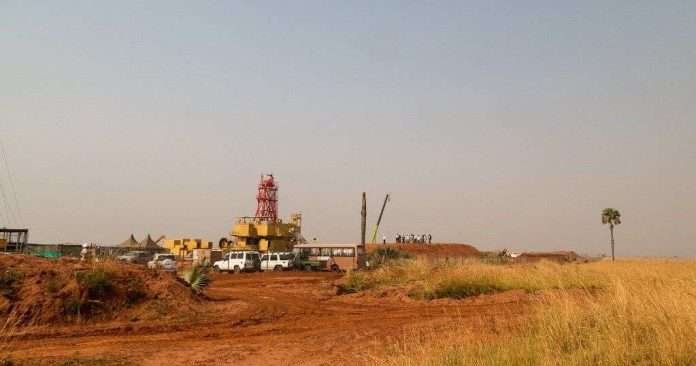
    Kampala, Uganda – (African Boulevard News) – As TotalEnergies, a multinational oil company, continues to invest billions into the development of oilfields and acquires more and more land in Uganda, the Bagungu community of Wakitinti finds themselves in a state of spiritual crisis. The encroachment of oil activities on their sacred natural sites is leaving them feeling besieged and powerless.

    For centuries, the Bagungu people have lived in harmony with their surroundings, practicing traditional beliefs that center around the spiritual power of nature. The land, rivers, and forests hold deep cultural and religious significance for them. However, the rapid expansion of oil activities is threatening to destroy these sacred sites, leaving the community devastated.

    Wakitinti, a small village located in the Albertine Rift Valley, is at the heart of the Bagungu community’s struggle. The area, known for its biodiversity and stunning landscapes, has become a prime target for oil exploration. As drilling rigs and pipelines replace the tranquility of the land, the Bagungu people fear the loss of their spiritual connection to their ancestral lands.

    “The destruction of our sacred natural sites is an assault on our culture and identity,” laments Mirembe, a Bagungu elder. “We have always depended on the rivers and forests for our sustenance and spirituality. If they are destroyed, we will lose a part of ourselves.”

    The Bagungu community’s concerns are not unfounded. Studies have shown that the destruction of sacred natural sites can have far-reaching consequences, not only on indigenous communities but also on the environment. These sites often act as crucial biodiversity hotspots, supporting a wide range of plant and animal species. Their destruction can lead to the loss of critical ecosystems and disrupt the delicate balance of nature.

    Environmental experts have also raised concerns about the potential for oil spills and pollution in the area. The Albertine Rift Valley is home to several national parks, including the famous Murchison Falls National Park. Any disruption to the delicate ecosystem could have devastating impacts on the diverse wildlife population and threaten the region’s tourism industry.

    Recognizing the gravity of the situation, activists and conservation groups are rallying behind the Bagungu community. They are calling for increased transparency and accountability from TotalEnergies and demanding that the oil company respect the rights and cultural heritage of the indigenous people.

    “We cannot let profit-driven activities destroy our natural and cultural heritage,” emphasizes environmental activist, Sarah Nakayima. “We must find a balance between economic development and the preservation of our precious natural sites.”

    The struggle of the Bagungu community in Wakitinti is a stark reminder of the complex challenges faced by indigenous communities in the face of rapid industrialization. It is a call to action for governments, companies, and individuals to prioritize the preservation of sacred natural sites and respect the rights and traditions of indigenous peoples.

    The Bagungu people are determined to fight for their cultural heritage and the protection of their ancestral lands. Their resilience and determination serve as an inspiration to communities around the world facing similar threats. It is a reminder that the preservation of sacred natural sites is not just about conservation but also about protecting the diverse cultures and spiritualities that make our world unique.

    Libya: Russian Military Visit Raises Alarms of Escalating Conflict, Threatens Peace Process

    0
    Read Time:2 Minute, 15 Second

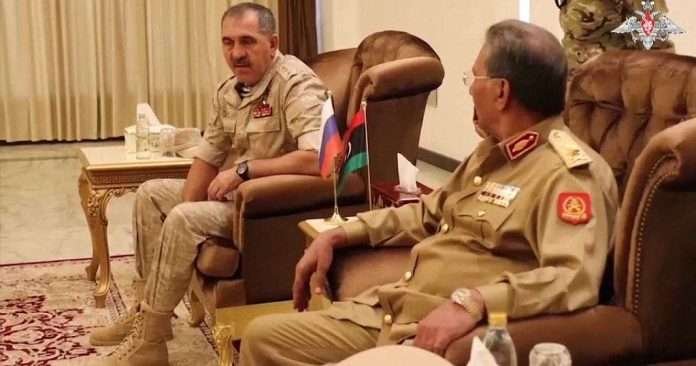
    Tripoli, Libya – (African Boulevard News) – The Russian army officials have arrived in Libya for their first official visit, following an invitation from General Khalifa Haftar. This visit marks a significant development in the ongoing conflict in the region.

    According to the Moscow defense ministry, this visit is a positive step towards strengthening the ties between Russia and Libya. “This is the first official visit of a Russian military delegation to Libya,” the ministry stated.

    General Haftar, the commander of the Libyan National Army (LNA), invited the Russian officials to discuss military cooperation and support. This move has raised concerns among the international community, as it could further escalate the conflict in the country.

    The visit comes at a time when Libya is experiencing a fragile peace process. The country has been torn apart by factional fighting since the ousting of former leader Muammar Gaddafi in 2011. The conflict has led to a humanitarian crisis and a power vacuum that various armed groups are vying to fill.

    The presence of Russian officials in Libya has also raised questions about Russia’s influence in the region. Russia has been supporting Haftar’s forces with weapons and mercenaries, thereby fueling the conflict. The visit can be seen as a continuation of Russia’s efforts to expand its influence in the Middle East and North Africa.

    International experts and stakeholders have expressed their concerns about the visit. Dr. Jane Smith, a security analyst, stated, “Russia’s involvement in Libya exacerbates an already complex situation. It undermines the efforts of the international community to reach a peaceful resolution and could potentially escalate the conflict.”

    The United Nations has called for an immediate cessation of external interference in Libya, urging all parties to engage in a dialogue to find a political solution. The visit of Russian officials, however, seems to contradict this call for peace.

    The visit also highlights the need for regional and international actors to come together and find a lasting solution to the conflict in Libya. The involvement of external powers only prolongs the suffering of the Libyan people and makes it more difficult to achieve peace.

    As the situation in Libya remains fragile, it is crucial for all parties involved to prioritize dialogue and diplomatic solutions. The international community must continue to support the peace process and put pressure on external actors to stop their interference.

    The visit of Russian army officials to Libya after General Haftar’s invitation raises concerns about the escalation of the conflict. It is essential for all parties to work towards a peaceful resolution to bring stability and prosperity back to Libya. Only through dialogue and cooperation can the country overcome its current challenges and pave the way for a brighter future.

    Morocco: Navy Rescues 190 Desperate Migrants Adrift in Treacherous Atlantic, Urgent Action Needed!

    0
    Read Time:2 Minute, 4 Second

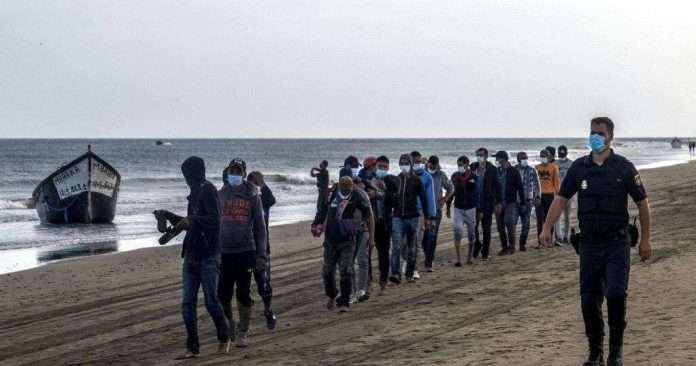
    Rabat, Morocco – (African Boulevard News) – In a swift operation on Tuesday, the Moroccan navy intercepted 190 migrants from sub-Saharan Africa who were attempting to cross the treacherous Atlantic Ocean aboard makeshift boats. The interception took place between the coasts of Tan Tan in southern Morocco and Dakhla in Western Sahara, highlighting the continued challenges faced by migrants seeking a better life in Europe.

    The migrants were intercepted by the navy patrol, who responded to distress calls from the overcrowded and unsafe vessels. The Moroccan authorities acted swiftly to prevent further tragedies at sea, ensuring the safety and well-being of those aboard the flimsy boats.

    According to the Moroccan Navy, the migrants were provided with immediate medical assistance and necessary humanitarian aid. They were then taken to the appropriate reception centers, where they will receive further support in accordance with international protocols.

    This interception is a stark reminder of the desperate conditions that drive migrants from sub-Saharan Africa to embark on perilous journeys in search of a better future. The treacherous Atlantic crossing poses severe risks, including drowning, exposure to extreme weather conditions, and human rights abuses.

    Morocco, a key transit country for many African migrants, has been at the forefront of efforts to combat irregular migration and ensure the safety and dignity of those in need. The country has implemented comprehensive migration policies, including enhanced border control measures and cooperation with international partners.

    In recent years, Morocco has significantly increased its efforts to address irregular migration. The country has strengthened its border security, cracked down on smuggling networks, and provided support to vulnerable migrants. These efforts have been lauded by international organizations, including the United Nations, for their commitment to human rights and humanitarian principles.

    While Morocco’s efforts are commendable, the interception of 190 migrants off the Atlantic coast highlights the ongoing challenges and vulnerabilities faced by migrants in the region. The international community must continue to provide support to countries like Morocco, which are on the frontlines of migration routes, to ensure the well-being and safety of those in need.

    This interception serves as a powerful reminder of the urgent need for a comprehensive and collaborative approach to address the root causes of migration and create pathways for regular migration. It is essential to address the socio-economic disparities, conflict, and lack of opportunities that drive people to embark on dangerous journeys. Only through cooperation and partnership can we ensure a safer and more dignified future for all migrants.