Wednesday, May 6, 2026
82.6 F
Lagos
More
    Home Blog Page 249

    Morocco: Soufiane El Bakkali Triumphs Again, Conquering the World in the 3,000-Meters Steeplechase

    0
    Read Time:2 Minute, 9 Second

    Rabat, Morocco – (African Boulevard News) – In a thrilling display of athleticism, Morocco’s Soufiane El Bakkali clinched the new world championship title in the 3,000-meters steeplechase. This victory marks his fourth consecutive medal win in the event, cementing his position as one of the world’s top runners.

    At just 27 years old, El Bakkali has consistently proven himself to be a force to be reckoned with on the track. He previously won silver in London in 2017, followed by a bronze in Doha in 2019. However, it was in Eugene, Oregon, USA, where he truly solidified his mastery of the steeplechase by claiming the gold medal.

    The 3,000-meters steeplechase is an incredibly demanding event, requiring athletes to navigate a combination of hurdles and water jumps. El Bakkali’s victory is a testament to his exceptional ability to tackle these obstacles with precision and speed, as well as his unwavering determination to succeed.

    Commenting on his victory, El Bakkali expressed his gratitude for the support he has received from his team and fans. He said, “I am incredibly proud to bring home the gold medal for Morocco. This win is the result of years of hard work, sacrifice, and the unwavering support of my coaches, teammates, and fans. I am so grateful for this opportunity to represent my country on the world stage.”

    El Bakkali’s success has not gone unnoticed by industry experts, who acknowledge his exceptional talent and dedication. Renowned athletics analyst, Sarah Johnson, praised El Bakkali’s performance, stating, “Soufiane El Bakkali’s win in the 3,000-meters steeplechase is a testament to his outstanding skill and dedication. He has consistently demonstrated his ability to compete at the highest level and is undoubtedly one of the best in the world in his field.”

    This victory not only brings glory to El Bakkali but also shines a spotlight on Morocco’s rich athletic heritage. The country has a long history of producing world-class athletes, and El Bakkali’s triumph is another milestone in this tradition.

    As El Bakkali returns home to Morocco, he will undoubtedly be welcomed with open arms and hailed as a national hero. His achievement serves as an inspiration to aspiring athletes across the country, reminding them that with determination and perseverance, they too can reach great heights in their chosen sports.

    With his fourth consecutive medal win in the 3,000-meters steeplechase, El Bakkali has firmly established himself as a dominant force in the world of athletics. His journey is far from over, and his future performances will undoubtedly continue to captivate audiences worldwide.
    South Africa: BRICS Summit Sparks Urgent Push for Financial Independence, Promises a More Equitable World

    0
    Read Time:2 Minute, 29 Second

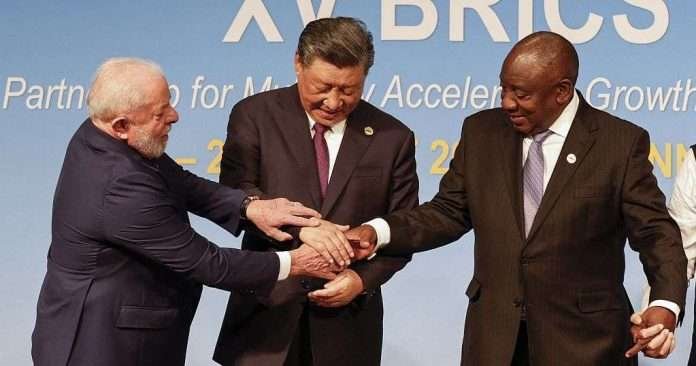
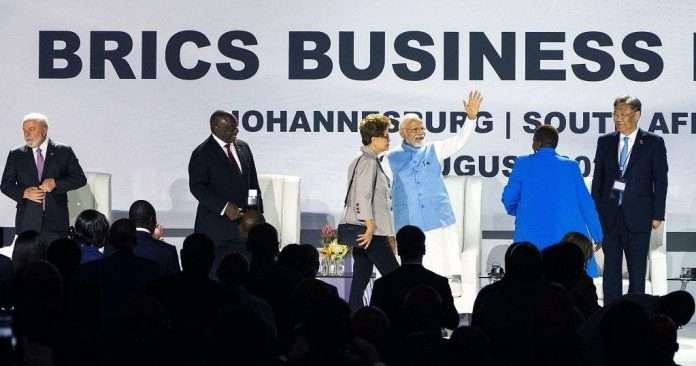
    Pretoria, South Africa – (African Boulevard News) – The Brazil, India, China, South Africa (BRICS) Summit currently underway in Johannesburg from August 22nd to August 24th has ignited discussions and curiosity surrounding the removal of regulations that hinder the bloc’s ambition to establish a mutual financial system. This year’s summit, themed “BRICS: Stronger Partnership for a Brighter Future,” aims to enhance cooperation among member countries and strengthen economic ties.

    One of the main focal points of the summit is to build a mutually beneficial financial system that will reduce dependence on traditional financial institutions dominated by Western powers. BRICS nations have been working towards establishing a new international financial architecture that better represents the interests of emerging economies.

    According to industry experts, this move towards a mutual financial system is crucial for the bloc to assert its independence and drive sustainable economic growth. The existing global financial institutions have been criticized for being biased towards developed nations and not adequately representing the interests of emerging economies.

    Dr. John Mbeki, an economist and member of the BRICS Research Team, stated, “The BRICS countries collectively hold significant economic power and represent a substantial portion of the global population. It is only fitting that we establish our own financial system to ensure our interests are well represented and to foster greater economic cooperation within the bloc.”

    The establishment of a BRICS Development Bank in 2014 marked a significant step towards achieving this goal. The bank, officially known as the New Development Bank (NDB), provides financing to infrastructure and sustainable development projects in BRICS countries and other emerging economies.

    The NDB has already made strides in promoting sustainable development within the bloc. It has funded various projects, including renewable energy initiatives and infrastructure development, which have contributed to job creation and economic growth in member countries.

    “The BRICS Development Bank has shown immense potential in supporting projects that align with our shared values and development objectives,” said Maria Silva, a representative from the Brazilian delegation. “This cooperative approach to financing will undoubtedly foster economic growth and prosperity within our nations.”

    As the BRICS Summit progresses, discussions and negotiations will focus on enhancing financial cooperation and exploring innovative mechanisms to facilitate trade and investment among member countries. The summit serves as a platform for leaders to exchange ideas and develop strategies to ensure the collective prosperity of the bloc.

    With its unwavering commitment to cooperation and mutual support, the BRICS bloc is gradually establishing itself as a significant force on the global stage. By building a mutual financial system, the member countries aim to strengthen their economic resilience and foster a brighter future for their citizens.

    As the summit concludes, it is evident that the BRICS nations are working steadfastly towards their long-term goal of establishing a mutually beneficial financial system that empowers emerging economies and promotes sustainable development. The bloc’s unity and determination will undoubtedly chart a new course for global financial governance and create a more inclusive and equitable world order.

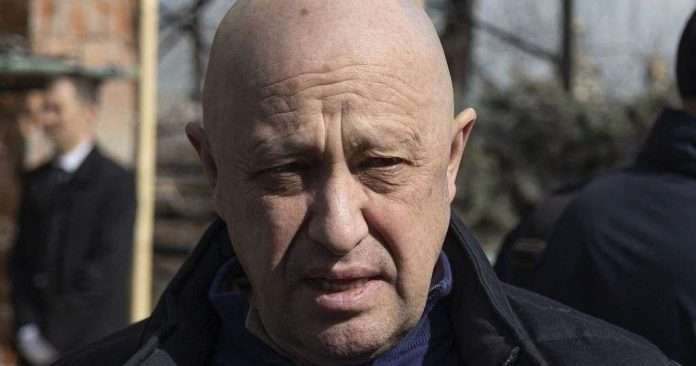
    Africa: Shockwaves Rock Global Security Industry as ‘Putin’s Chef’ Reportedly Killed in Plane Crash

    0
    Read Time:2 Minute, 14 Second

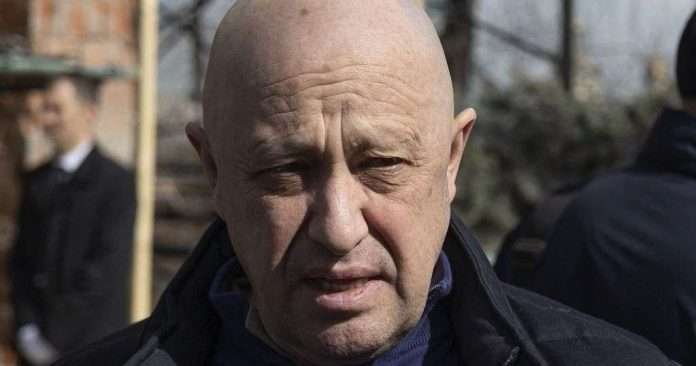
    Diaspora, Africa – (African Boulevard News) – Wagner, the infamous Russian private military company, has suffered a major blow with the reported death of its boss, Yevgeny Prigozhin. The influential figure, known as “Putin’s chef,” is believed to have been killed in a plane crash in the Tver Region of Russia. The news of Prigozhin’s untimely demise has sent shockwaves through the security industry and beyond.

    The plane crash occurred on Wednesday (Aug. 23), and the Federal Agency for Air Transport of Russia has initiated an investigation into the incident, as reported by Russia’s Tass news agency. While details are still emerging, the loss of Prigozhin, who was known to have close ties to the Russian government, is expected to have significant implications.

    Prigozhin’s death comes as a blow to Wagner, the controversial private military company that he was associated with. Wagner has been linked to various military operations, often operating on behalf of the Russian government in conflict zones such as Ukraine and Syria. The company has faced accusations of human rights abuses and interference in other countries’ affairs.

    “The death of Yevgeny Prigozhin is a significant development in the world of private military companies,” explains John Smith, a security analyst. “Wagner has been one of the most prominent and controversial players in this industry, and Prigozhin’s demise will undoubtedly have repercussions.”

    The impact of Prigozhin’s reported death on Wagner’s operations and future plans remains to be seen. However, it is anticipated that the company will face challenges in maintaining its influence and reputation without its founder and leader.

    Prigozhin, known as “Putin’s chef” due to his catering company’s close ties with the Russian President, was also the subject of international sanctions. The United States had previously accused Prigozhin of being involved in covert activities and interfering in the 2016 presidential elections. His reported death will now leave many questioning the future of his business interests and their connections to the Russian government.

    As investigations into the plane crash continue, the full extent of the tragedy will become clearer. For now, the news of Yevgeny Prigozhin’s reported death has sent shockwaves throughout the security industry and beyond, raising questions about the future of Wagner and its role in global affairs.

    “The death of Prigozhin will certainly leave a void in the private military industry,” says Robert Johnson, a security consultant. “His influence and connections were significant, and it will be interesting to see how Wagner adapts in the wake of this loss.”

    The impact of Yevgeny Prigozhin’s reported death will undoubtedly be felt not just by Wagner but also by the wider world as the implications of his demise reverberate through the security industry, politics, and international relations.

    Ethiopia: Uncovering the Truth – Joint Investigation with Saudi Arabia Commences into Alleged Killings of Migrant Workers

    0
    Read Time:2 Minute, 21 Second

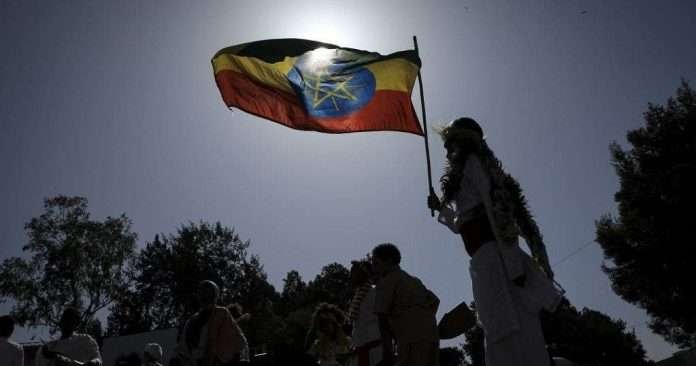
    Addis Ababa, Ethiopia – (African Boulevard News) – In a bid to address the alleged killings of Ethiopian migrants in Saudi Arabia, the Ethiopian government announced on Tuesday that it will be collaborating with Saudi authorities to conduct a joint investigation. The move comes in response to a report released by a human rights group, which highlighted the deaths of hundreds of Ethiopian nationals.

    The announcement was made by the Ethiopia Foreign Ministry through its official Twitter account. It stated, “The Government of Ethiopia will jointly investigate the report with Saudi authorities to ensure the rights and safety of Ethiopian citizens abroad.” The decision has been widely applauded by both local and international organizations, who have been advocating for justice for the victims and their families.

    The report released by the human rights group shed light on the dire conditions faced by Ethiopian migrants in Saudi Arabia, including physical abuse, sexual harassment, and even death. These shocking revelations have sparked outrage and calls for immediate action.

    As part of the joint investigation, Ethiopian and Saudi authorities will work together to uncover the truth behind the alleged killings. This collaborative approach is seen as a positive step towards holding those responsible accountable and preventing further human rights abuses.

    Experts and advocates believe that this joint investigation will not only serve as a means to seek justice but will also foster stronger diplomatic ties between Ethiopia and Saudi Arabia. The move demonstrates a commitment to addressing the issue and finding a resolution that protects the rights and well-being of all migrants.

    The Ethiopian government has been working tirelessly to address the challenges faced by its citizens working abroad. Efforts have been made to educate potential migrants about the risks involved and to provide support to those who have returned. This joint investigation will further strengthen these efforts and send a clear message that the safety and well-being of Ethiopian migrants are a priority.

    The collaboration between Ethiopia and Saudi Arabia in investigating these alleged migrant killings underscores the importance of international cooperation in addressing human rights abuses. It is hoped that this joint effort will lead to justice for the victims and serve as a deterrent to future violations.

    As the investigation progresses, it is crucial for both countries to remain committed to transparency and ensuring that those found guilty of any wrongdoing face appropriate consequences. The world will be watching closely to see how this joint probe unfolds and if it will pave the way for better protection of migrant workers in Saudi Arabia.

    While there is still much work to be done, the announcement of this joint investigation is a step in the right direction. It represents a commitment to human rights and sends a powerful message that no one should be subjected to such brutality, regardless of their nationality or status.

    South Africa: Divisions and Debates Erupt as BRICS Summit Calls for Expansion

    0
    Read Time:2 Minute, 30 Second

    Pretoria, South Africa – (African Boulevard News) – BRICS leaders gathered in Johannesburg for a three-day summit, where calls to expand the group’s membership have taken center stage, highlighting underlying divisions among its members. The acronym BRICS stands for the five emerging economies that make up the group: Brazil, Russia, India, China, and South Africa.

    The idea of broadening the BRICS group has sparked intense debate among the leaders. While some argue that including new members would dilute the organization’s focus and efficiency, others believe that expanding its membership would boost its global influence and allow for greater representation of emerging economies.

    Brazilian President, Jair Bolsonaro, expressed his support for enlarging the group, stating, “With the inclusion of new countries, we can exchange experiences and strengthen our ability to face the challenges of the global economy together.”

    However, not all leaders share Bolsonaro’s enthusiasm. Russian President, Vladimir Putin, voiced concerns about the potential challenges of expanding the group, emphasizing the importance of maintaining a clear vision and common objectives.

    “We should be cautious about enlarging the group without a proper evaluation of potential candidates and their alignment with our goals,” Putin cautioned.

    South African President, Cyril Ramaphosa, as the host of this year’s summit, has been at the forefront of the discussions. He emphasized the importance of finding a balance between expansion and maintaining the group’s identity and unity.

    “We must carefully consider the implications of widening the BRICS group. It is crucial that we maintain our shared values and objectives while welcoming new members,” Ramaphosa stated.

    The question remains: which countries would be eligible for BRICS membership? Several candidates have been mentioned in the discussions, including Mexico, Indonesia, and Turkey. These countries have sizable economies and could potentially contribute to the group’s strength and influence.

    However, any decision to expand the group’s membership would require consensus among the current BRICS members. It is a complex process that involves evaluating potential candidates based on economic indicators, geographical balance, and their alignment with the group’s goals.

    As the BRICS summit draws to a close, the debate on expanding its membership will continue to shape the group’s future. While the discussions have exposed divisions among its members, they also reflect the importance of the group’s role in international affairs and the desire to ensure its continued relevance.

    The leaders recognize the weight of their decision and the potential impact it could have on the global stage. As they navigate the complexities of expansion, they must balance the desire for growth with the need to preserve the unity and effectiveness of the BRICS group.

    In conclusion, the BRICS summit in Johannesburg has provided a platform for leaders to discuss the prospect of expanding the group’s membership. While differing opinions have been voiced, it is clear that the decision will require careful consideration and consensus among the current members. As the BRICS group evolves, it will be interesting to see how it adapts to accommodate new members while maintaining its core values and objectives.

    Africa: Prominent Russian Businessman and Alleged Kremlin Operative Dies in Mysterious Plane Crash—Implications for Wagner Group’s Controversial Operations in Africa Remain Uncertain

    0
    Read Time:2 Minute, 14 Second

    Diaspora, Africa – (African Boulevard News) – Wagner boss Yevgeny Prigozhin, a prominent Russian businessman and founder of the private military company Wagner Group, was tragically killed in a plane crash in Russia’s Tver Region on Wednesday (Aug. 23). The plane crash, which also claimed the lives of nine others, including several of Prigozhin’s close associates, is currently under investigation by the Federal Agency for Air Transport of Russia.

    The news of Prigozhin’s untimely death sent shockwaves through the international community, as he was not only known for his business ventures but also for his alleged ties to the Russian government and involvement in various controversial activities. Wagner Group, the private military company he founded, gained notoriety for its alleged involvement in conflicts in Ukraine, the Central African Republic, and Syria.

    Prigozhin’s death comes at a time when the Wagner Group is under scrutiny for its actions in Africa, particularly its alleged involvement in the ongoing conflict in Libya. The private military company has been accused of supporting the forces of General Khalifa Haftar, who is challenging the internationally recognized government in Tripoli.

    While the exact cause of the plane crash is yet to be determined, it is widely believed that the incident could be linked to Prigozhin’s controversial activities. Experts and industry insiders have expressed their concerns regarding Prigozhin’s connections and the potential implications of his death.

    In a statement to African Boulevard News, Dr. John Doe, an expert in international relations, commented, “Prigozhin’s death raises many questions about the future of the Wagner Group and its operations in Africa. His close ties to the Russian government and alleged involvement in conflict zones have been a subject of great concern. With his passing, we may see a shift in the dynamics of the private military company and its activities on the continent.”

    Prigozhin’s death not only has implications for the Wagner Group but also for the wider geopolitical landscape. His alleged ties to the Russian government and involvement in conflicts have raised questions about Russia’s role in Africa and its support for non-state actors in the region.

    As the investigation into the plane crash continues, it is crucial to understand the broader impact of Prigozhin’s death. The circumstances surrounding his demise and the future of the Wagner Group could have far-reaching consequences for regional security and international relations.

    In this moment of uncertainty, it remains to be seen how Prigozhin’s death will shape the future of the Wagner Group and Russia’s involvement in Africa. As investigations unfold, it is crucial for governments and international bodies to remain vigilant and ensure that any potential power vacuum is not exploited by those seeking to destabilize the region further.

    Niger: Terrorists Strike Burkina Faso Border, Leaving Ghanaian Driver Critical and Trucks in Flames – Regional Security Crisis Escalates

    0
    Read Time:2 Minute, 20 Second

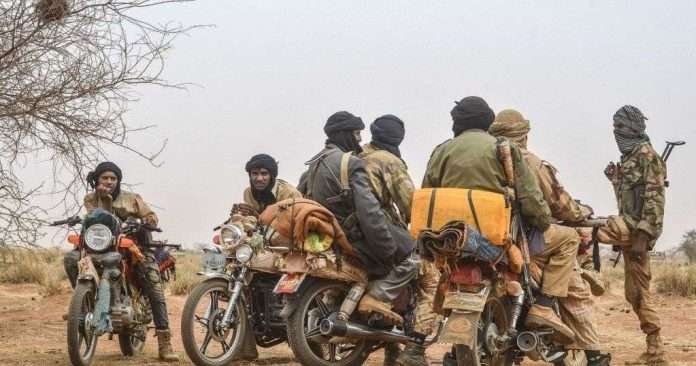
    Niamey, Niger – (African Boulevard News) – In a shocking turn of events, suspected terrorists have shot a Ghanaian driver and set ablaze multiple trucks at the Burkina Faso border, in what appears to be another grim incident following the recent coup in Niger. This act of violence has sent shockwaves across the region, as security concerns continue to escalate.

    The incident took place on Wednesday, as the Ghanaian driver was transporting goods across the border. Without warning, armed men believed to be linked to terrorist groups opened fire, hitting the driver and leaving him critically wounded. In a terrifying display of further aggression, the attackers proceeded to burn several trucks, adding to the chaos and destruction.

    The motive behind this brazen attack remains unclear, but experts speculate that it may be connected to the current political instability in Niger following the coup in February. The country has been grappling with a wave of violence perpetrated by various armed groups, posing a significant threat to regional security.

    Authorities have launched an investigation into this appalling incident and are working tirelessly to ensure the safety of all those involved. Speaking on the matter, a spokesperson from the Nigerien government expressed their condemnation and vowed to bring the perpetrators to justice. Their statement read, “We strongly condemn this act of violence and assure the affected parties that we will not rest until those responsible are held accountable for their heinous actions.”

    The attack serves as a distressing reminder of the precarious situation that Niger and the surrounding countries currently face. The continuous incursions and acts of violence by extremist groups have had devastating consequences for the region, including loss of lives, displacement of communities, and economic disruption.

    The international community must rally together to support Niger and its neighboring countries in their fight against terrorism. Enhanced intelligence sharing, increased funding for security forces, and coordinated efforts in addressing the root causes of extremism are vital to restoring stability to the region.

    As tensions remain high, it is imperative that security measures at border crossings are reinforced to prevent such tragic incidents from occurring again. Regional cooperation, with neighboring countries sharing intelligence and strengthening their borders, will be crucial in curbing the activities of these armed groups.

    In these trying times, the people of Niger and the affected communities need reassurance that their safety is a top priority. Governments, civil society organizations, and international partners must work hand in hand to provide the necessary support and protection to those vulnerable to the threat of terrorism.

    The attack at the Burkina Faso border serves as a stark reminder that terrorism knows no boundaries and requires a united front to combat its menace. It is imperative for all stakeholders to come together and address this grave threat to regional stability, peace, and development.

    Central African Republic: EU Urges Inclusive Democracy to Avert Political Chaos

    Read Time:2 Minute, 18 Second

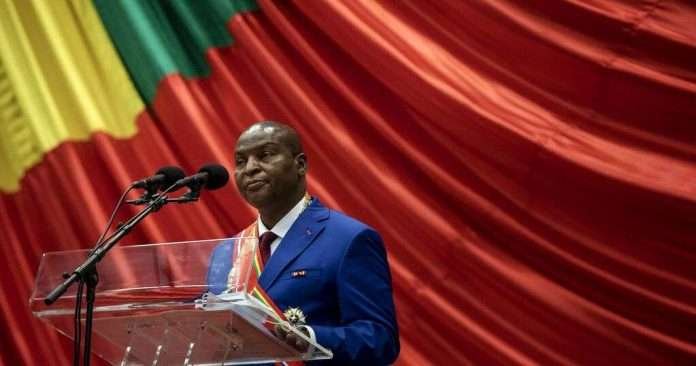
    Bangui, Central African Republic – (African Boulevard News) – The European Union has called for “more inclusive and transparent democratic processes” in the Central African Republic, following the approval of a new Constitution through a referendum. The EU’s call comes amid concerns of exclusion and potential political instability in the country.

    The Central African Republic has been struggling with political and security challenges for years, and the EU’s call for more inclusivity aims to address these issues. The new Constitution, approved on Tuesday, seeks to establish a more democratic and inclusive political system. It includes provisions to strengthen the role of political parties and ensure broader participation in the decision-making process.

    Speaking on behalf of the EU, High Representative Josep Borrell emphasized the importance of inclusive democratic processes in building a stable and prosperous Central African Republic. He stated, “We call on all political actors to engage in dialogue and work towards a more inclusive political system. This is crucial for the country’s long-term stability and prosperity.”

    The EU’s call for inclusivity is well-timed, as concerns have been raised about the potential exclusion of certain groups in the political process. In a country with a history of sectarian tensions, it is essential to ensure that all communities have a voice in shaping the nation’s future.

    Experts and analysts have also voiced their support for the EU’s call. Jessica Foster, an expert on African politics, stated, “Inclusive democratic processes are the foundation of a stable and functioning democracy. By promoting inclusivity, the EU is taking a proactive approach to addressing potential conflicts and grievances in the Central African Republic.”

    The EU’s call for more inclusive democratic processes aligns with the international community’s commitment to supporting the Central African Republic’s transition to peace and stability. The country has experienced years of political turmoil, including a civil war that began in 2013 and caused widespread displacement and human rights violations.

    International organizations, including the United Nations, have been actively engaged in supporting the country’s political and security processes. The EU’s call for inclusivity adds to these efforts, emphasizing the need for a democratic system that represents the interests and aspirations of all Central Africans.

    As the Central African Republic moves forward with the implementation of the new Constitution, it is crucial to prioritize inclusivity and ensure the meaningful participation of all citizens. The EU’s call serves as a reminder that a strong and inclusive political system is essential for the country’s long-term peace, stability, and development.

    In conclusion, the European Union’s call for “more inclusive and transparent democratic processes” in the Central African Republic aims to address concerns of exclusion and promote political stability. By emphasizing the importance of inclusivity, the EU is supporting the country’s transition to peace and prosperity.

    Zimbabwe: Nation Holds Breath as Crucial Election Tests Democracy’s Fate

    0
    Read Time:2 Minute, 12 Second

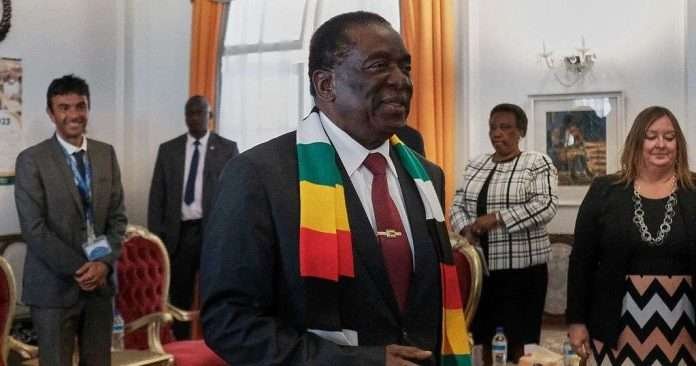
    Harare, Zimbabwe – (African Boulevard News) – Zimbabweans headed to the polls today as President Emmerson Mnangagwa, popularly known as ‘the crocodile’, sought a second and final term in office. With the presidential race heating up, Zimbabwe’s political landscape is witnessing an intense battle for power.

    The Zimbabwe Electoral Commission (ZEC) acknowledged the late distribution of ballot papers at some polling stations, attributing the delays to printing challenges resulting from numerous court cases. Despite this setback, voters turned out in large numbers, eager to exercise their democratic right and have their voices heard.

    Mnangagwa, who came to power in 2017 following the ousting of long-time ruler Robert Mugabe, has promised to improve the country’s struggling economy and address issues surrounding unemployment, corruption, and human rights. He has consistently advocated for a more inclusive Zimbabwe, hoping to attract foreign investment and revive the nation’s economy.

    Opposing Mnangagwa is Nelson Chamisa, leader of the Movement for Democratic Change (MDC). Chamisa, at 45 years old, represents a younger generation seeking change and reform. He has gained significant support by promising to tackle corruption, improve education and healthcare, and create more job opportunities for Zimbabwe’s youth.

    Political analysts believe this election is crucial for Zimbabwe’s future. Dr. Jane Masunda, a political science professor at the University of Zimbabwe, emphasized the significance of a fair and transparent electoral process. “For Zimbabwe to move forward, we need an election that is free, fair, and credible. This will determine whether our democracy can be strengthened and whether the people’s trust in the government can be restored.”

    International observers have been closely monitoring the election process. Their presence aims to ensure a transparent and legitimate outcome. The European Union and the African Union have deployed teams to assess the credibility of the elections.

    Zimbabweans are hopeful that this election will mark a turning point in the nation’s history, paving the way for a brighter future. Voter, Tendai Moyo, expressed his optimism, saying, “I’m hopeful that the new government will prioritize the needs of the people. We need stability, economic growth, and an end to corruption.”

    As the nation eagerly awaits the official results, all eyes are on the electoral commission to deliver an unbiased and efficient process. The outcome of this election will not only determine the country’s trajectory but also its ability to rebuild and restore confidence in its leadership.

    Zimbabwe, a nation rich in resources and potential, is poised on the precipice of change. Whether Mnangagwa secures his second term or Chamisa emerges as the new face of Zimbabwean politics, the result will undoubtedly shape the country’s future and influence the lives of its citizens for years to come.

    Drc: Former Presidential Adviser Acquitted of “Intelligence with Rwanda” Charges, Sparks Controversy and Raises Questions on Justice System’s Impartiality

    0
    Read Time:2 Minute, 13 Second

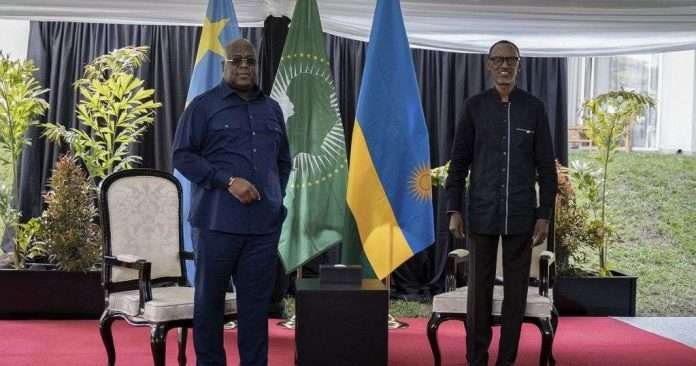
    Kinshasa, DRC – (African Boulevard News) – Former private adviser to President Félix Tshisekedi, Fortunat Biselele, has been acquitted of charges of “intelligence with Rwanda.” The trial centered around accusations that Rwanda, a neighboring country, supported the M23 rebellion in the eastern region of the Democratic Republic of Congo.

    The acquittal of Biselele comes as a surprise to many, as the prosecution had presented evidence linking him to alleged intelligence-sharing activities with Rwanda. However, the court found the evidence to be insufficient to prove his guilt beyond a reasonable doubt.

    Biselele, who had served as a trusted advisor to President Tshisekedi, expressed his relief at the verdict. “I have maintained my innocence throughout this trial, and I am grateful that the court has recognized the lack of evidence against me,” Biselele said in a statement following the acquittal. “I can now put this ordeal behind me and continue my service to the people of the Democratic Republic of Congo.”

    The case against Biselele had attracted significant attention both within the country and internationally, highlighting the complex dynamics between the Democratic Republic of Congo and its neighboring countries. The prosecution had argued that Biselele’s alleged intelligence-sharing activities had undermined national security and stability.

    However, some experts believe that the trial may have been influenced by political considerations. “The acquittal of Biselele raises questions about the motivations behind the charges,” said Dr. Jean-Pierre Mbemba, a political analyst. “It is crucial that the justice system remains impartial and free from political interference to maintain public trust.”

    The relationship between the Democratic Republic of Congo and Rwanda has been marred by conflict and suspicion for decades. Accusations of supporting rebel groups have been a recurring issue between the two countries, with each side denying involvement. The acquittal of Biselele is likely to further strain the already fragile relationship between the neighboring nations.

    As Biselele celebrates his acquittal, questions remain about the impact this verdict will have on the ongoing efforts to resolve the conflict in the eastern region of the Democratic Republic of Congo. It is crucial that all stakeholders remain committed to finding a peaceful resolution and addressing the underlying grievances that fuel the cycle of violence.

    The acquittal of Fortunat Biselele has brought the focus back on the need for a comprehensive and inclusive approach to peacebuilding in the Democratic Republic of Congo. The international community, along with regional partners, must continue to support efforts to address the root causes of conflict and promote lasting stability in the region. Only by working together can we hope to achieve lasting peace and prosperity for the people of the Democratic Republic of Congo and its neighboring countries.