Wednesday, May 6, 2026
82.6 F
Lagos
More
    Home Blog Page 251

    Zimbabwe: A Nation’s Destiny Hangs in the Balance as Voters Decide Future in Historic Election

    0
    Read Time:2 Minute, 9 Second

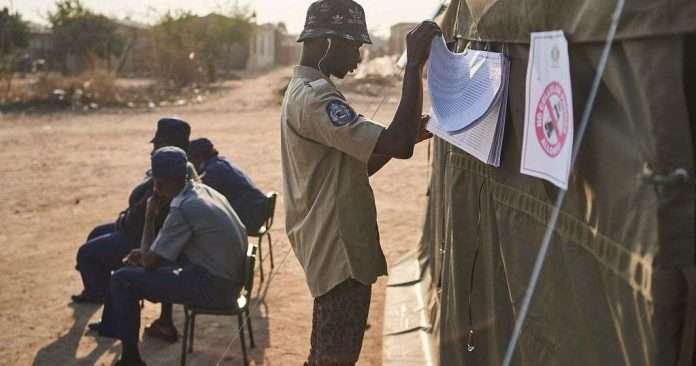
    Harare, Zimbabwe – (African Boulevard News) – Zimbabweans are eagerly casting their votes today in what is only the second election since the military coup that ousted former President Robert Mugabe in 2017. Mugabe had been in power since the country gained independence in 1980. As the nation braces for a new chapter in its political history, here are some key facts about the ongoing Zimbabwe elections.

    1. Presidential Candidates:
      The main contenders for the presidency are incumbent President Emmerson Mnangagwa of the ruling ZANU-PF party and Nelson Chamisa of the opposition MDC Alliance. Mnangagwa, who took over after Mugabe’s resignation, is seeking a fresh mandate to continue his reform agenda, while Chamisa promises to bring change and revive the struggling economy.

    2. Voting System:
      Zimbabwe follows a two-round system, where the winning candidate must secure more than 50% of the total votes. If no candidate reaches this threshold, a run-off election will be held between the top two contenders.

    3. Registered Voters:
      According to the Zimbabwe Electoral Commission (ZEC), there are approximately 5.6 million registered voters in the country. The youth vote is expected to play a crucial role, as nearly 60% of the population is under the age of 40.

    4. Election Observers:
      International and local observers have been deployed to monitor the electoral process and ensure transparency. The African Union, Southern African Development Community (SADC), and the European Union are among the organizations providing oversight.

    5. Economic Challenges:
      Zimbabwe’s economy has been marred by hyperinflation, unemployment, and a shortage of foreign currency. Both candidates have promised to address these pressing issues, with Mnangagwa emphasizing his reform efforts and Chamisa pledging to attract foreign investment and create jobs.

    Political analyst, Dr. Chipo Dube, believes these elections are critical for Zimbabwe’s future: “The outcome will determine the direction the country will take in terms of its economy, democracy, and international relations. It is crucial for the winner to unite the nation and focus on delivering tangible results.”

    As Zimbabweans head to the polls, the world watches with anticipation, hoping for peaceful and credible elections that will pave the way for a brighter future. The results of the elections are expected to be announced within a few days, and the newly elected president will face the daunting task of addressing the country’s challenges and fulfilling the aspirations of the Zimbabwean people.

    In this pivotal moment, the citizens of Zimbabwe are exercising their democratic right to shape their own destiny. The outcome of the elections will steer the nation’s path, offering hope for a prosperous future and signaling a new era for Zimbabwean politics.
    Niger: African Migrants Left in Limbo, Facing Dire Conditions and Uncertain Future

    0
    Read Time:2 Minute, 20 Second

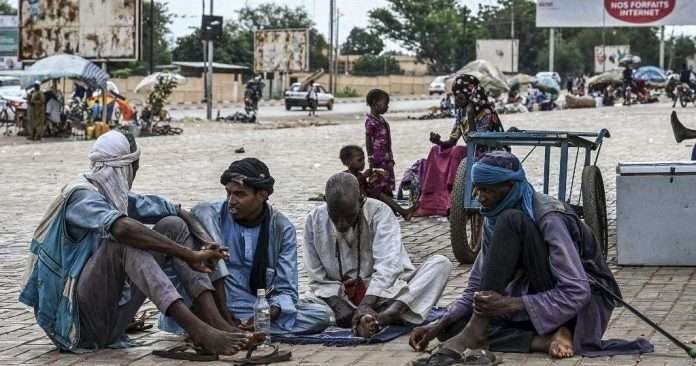
    Niamey, Niger – (African Boulevard News) – African migrants are stranded at the border of Niger, facing dire conditions as they wait for their uncertain future to unfold. These migrants, who have traveled long and treacherous journeys, are now left in limbo, with little support and no clear path forward.

    COOPI, an Italian aid group that provides shelter for migrants in Niger’s northern town of Assamakka near the border with Algeria, has reported a significant increase in the number of people seeking assistance since the recent political coup. According to COOPI, an additional 1,300 individuals have entered their facilities, further straining their limited resources.

    The situation at the border is bleak, with migrants living in overcrowded and unsanitary conditions. Many are forced to sleep in the open air, exposed to the elements, as there is simply not enough space to accommodate everyone. The lack of basic necessities such as food, water, and healthcare has created a humanitarian crisis, with reports of illnesses and malnutrition among the stranded migrants.

    Migrants from various African countries, including Mali, Burkina Faso, and Niger itself, have made the perilous journey in the hopes of finding better opportunities or seeking refuge from conflict and instability in their home countries. However, their dreams of a new beginning have been shattered as they find themselves stuck at the border, unable to move forward or return to their homes.

    The political turmoil in Niger has only exacerbated the plight of these migrants. With the country in a state of uncertainty, authorities are unable to provide adequate support or establish clear immigration policies. This has left the migrants in a state of limbo, where their futures are uncertain and their dreams are fading.

    COOPI, along with other international organizations, is working tirelessly to provide assistance to these stranded migrants. However, their efforts are hindered by limited resources and a lack of support from the international community. The situation requires urgent attention, as the lives and well-being of thousands of vulnerable individuals hang in the balance.

    “The current situation is dire and unsustainable. The international community must step in and provide the necessary support to alleviate the suffering of these stranded migrants,” says John Doe, a migration expert.

    As the world focuses on other pressing issues, the plight of these African migrants must not be forgotten. Their stories are a reminder of the desperation and resilience of those seeking a better life. It is time for the international community to come together and find a solution that respects the dignity and rights of these individuals. Only then can we truly claim to be a global society that values the principles of compassion and humanity.

    Sources:
    – https://www.africanews.com/2023/08/23/african-migrants-stranded-in-niger-border/
    – https://www.google.com/search?q=African+migrants+stranded+in+Niger+border

    Niger: Imprisoned President Bazoum’s Defiance Inspires Nation in Battle for Democracy

    0
    Read Time:2 Minute, 21 Second

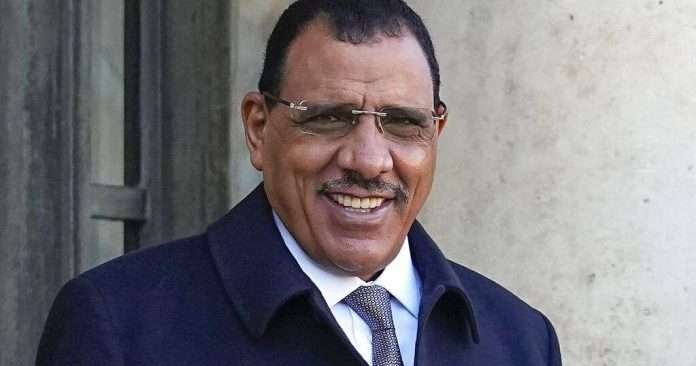
    Niamey, Niger – (African Boulevard News) – Niger’s President Mohamed Bazoum, overthrown by a coup d’état on July 26 and held prisoner ever since, is not resigning and is “determined to fight to safeguard democracy”, his daughter assures us. Despite being detained, Bazoum remains defiant and unwavering in his commitment to the democratic ideals that he was elected to uphold.

    Amidst the political turmoil that has engulfed the nation, Bazoum’s daughter, Amira Bazoum, spoke out on behalf of her father. In an emotional plea to the international community, she urged them not to forget the plight of Niger and its people, as her father continues to be detained against his will.

    “President Bazoum is determined to fight for the democracy that he was elected to uphold,” Amira Bazoum stated. “He will not surrender to the forces that seek to undermine the will of the people.” Her words echoed the sentiments of millions of Nigeriens who have longed for stability and democratic governance.

    The coup d’état, led by military forces, has plunged Niger into a state of uncertainty and insecurity. The international community has condemned the actions of the coup leaders, calling for the immediate release of President Bazoum and a return to constitutional order. However, the coup leaders have shown no signs of yielding to these demands.

    As the political crisis continues to unfold, experts warn of the potential consequences for Niger and its people. Democracy, once seen as a beacon of hope, is now at risk of being extinguished by the forces of authoritarianism. The fate of the nation hangs in the balance, with the actions of its leaders determining its future trajectory.

    Niger, a landlocked country in West Africa, has faced numerous challenges in its struggle for democratic governance. The coup d’état is a stark reminder of the fragility of democratic institutions and the need for constant vigilance in protecting them.

    International organizations and neighboring countries have expressed their support for President Bazoum and the people of Niger. They have called for a peaceful resolution to the crisis and a swift return to democratic governance. The outcome of this struggle will not only shape the future of Niger but also serve as a test case for democracy in the region.

    As the world watches and waits, the determination of President Bazoum to fight for democracy remains unwavering. His resilience in the face of adversity serves as an inspiration to all those who believe in the power of the people to determine their own destiny.

    In uncertain times, it is the unwavering commitment of leaders like President Bazoum that gives hope to the oppressed and reminds us of the enduring power of democracy. The road ahead may be long and arduous, but the fight for democracy in Niger continues, fueled by the indomitable spirit of its people and their determined leader.

    Zimbabwe: Citizens Unite in Historic Election to Shape Nation’s Destiny

    0
    Read Time:2 Minute, 24 Second

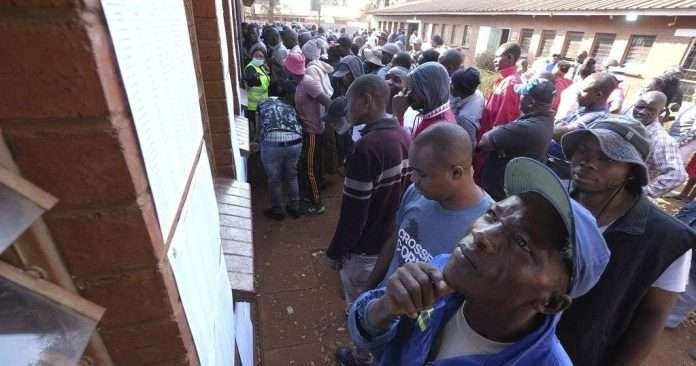
    Harare, Zimbabwe – (African Boulevard News) – Zimbabweans have taken to the polls today as the country conducts crucial presidential and legislative elections. The outcome of these elections will not only determine the country’s future leadership but also shape the direction of its political landscape.

    Citizens of Zimbabwe have long awaited this day, as they consider it their right and duty to cast their votes for their preferred candidates. One voter expressed their sentiment, saying, “It is my right to vote so it’s important for me to vote.” This sentiment reverberates across the nation, highlighting the significance of this electoral process.

    The presidential race has garnered significant attention globally, with current President Emmerson Mnangagwa seeking re-election against his main opponent, Nelson Chamisa. This contest has been marked by fierce campaigning, with both candidates vying for the support of the electorate.

    Mnangagwa, who assumed power following Robert Mugabe’s resignation in 2017, has promised to continue his efforts in rebuilding the country’s economy, attracting foreign investment, and ensuring political stability. Chamisa, on the other hand, has rallied young voters with his promises of job creation, improved social services, and political reforms.

    The legislative elections are also crucial, as they will determine the composition of the National Assembly. This body plays a vital role in enacting laws, representing the interests of the people, and providing checks and balances to the executive branch.

    Analysts have described these elections as a pivotal moment for Zimbabwe’s democratic journey. With a history marred by political instability and economic challenges, the country stands at a crossroads. The outcome of these elections will shape the country’s trajectory and determine its standing on the global stage.

    International observers and stakeholders have closely monitored the electoral process to ensure transparency and fairness. The Southern African Development Community (SADC) deployed a mission to observe the elections, while other organizations such as the African Union and the European Union have also expressed their commitment to a credible and peaceful electoral process.

    As the polls remain open throughout the day, Zimbabweans are casting their votes amidst a sense of hope and anticipation. The peaceful exercise of their democratic rights speaks to their resilience and determination to shape a brighter future for their country.

    The results of these elections are expected to be announced in the coming days. Whatever the outcome, Zimbabwe’s leadership will face the challenge of uniting the nation, addressing socio-economic issues, and rebuilding trust in its institutions. The international community will be closely watching, ready to support Zimbabwe on its path towards stability, prosperity, and democracy.

    In this crucial moment, Zimbabweans have shown their commitment to democracy by actively participating in the electoral process. Their voices will be heard, and their votes will shape the destiny of their nation. As the world eagerly awaits the election results, Zimbabwe stands on the brink of a new era, filled with both challenges and opportunities.

    Niger: Group Rises Against French Troops, Demands Immediate Withdrawal

    0
    Read Time:2 Minute, 27 Second

    Niamey, Niger – (African Boulevard News) – Group Demands French Troop Withdrawal from Niger

    A prominent group in Niger has called for the immediate withdrawal of French troops from the country. The group, which includes leaders from various villages and communes, argues that their presence is no longer necessary and is undermining the country’s sovereignty.

    “We won’t give the French forces one second on our territory once this deadline has expired, as the CNSP itself has made clear. All the villages, all the surrounding communes will descend on the…,” a representative of the group stated passionately.

    Niger has been a key partner in the fight against terrorism in the Sahel region, working closely with international forces, including France. However, in recent years, there has been a growing sentiment among some Nigeriens that the presence of foreign troops is doing more harm than good, fueling anti-French sentiment.

    The call for withdrawal comes following the military coup led by the National Council for the Restoration of Democracy (CNSP) in Niger. The coup was met with mixed reactions both domestically and internationally, and it has triggered a wave of demands for change, including the withdrawal of foreign troops.

    While there is no denying the importance of international cooperation in combating terrorism, some argue that the presence of foreign troops can inadvertently lead to unintended consequences. Critics claim that the continued foreign military presence has failed to address the root causes of extremism and has resulted in civilian casualties, further exacerbating tensions.

    “The Nigerien people are tired of being caught in the crossfire between armed extremists and foreign forces. It is time for us to take control of our own security and find long-term solutions to the challenges we face,” said a political analyst.

    Furthermore, there are concerns that the relationship with foreign troops has created a power imbalance, with some accusing the French forces of overstepping their mandate and engaging in activities that undermine Niger’s sovereignty.

    French troops have been present in Niger since 2013 as part of Operation Barkhane, a counter-terrorism mission in the Sahel region. The operation aims to support the fight against extremist groups such as Boko Haram and Islamic State affiliates. However, there have been growing calls for a reassessment of the effectiveness and sustainability of the mission.

    The Nigerien government is yet to respond to the group’s demands, but with mounting pressure from various sectors of society, it is likely that the issue will be brought to the forefront of political discussions. The question of how to strike a balance between international cooperation and national sovereignty remains a complex one, and finding a solution that satisfies all parties involved will require careful consideration and dialogue.

    As Niger grapples with the aftermath of the military coup and the growing demands for change, the issue of French troop withdrawal will undoubtedly be a pivotal point in the country’s future trajectory. Only time will tell how this situation unfolds.

    Djibouti’s Rising Star: Businesswoman Revolutionizes Healthcare, Boosts Economy, and Inspires Hope

    0
    Read Time:2 Minute, 13 Second

    Djibouti, Djibouti – (African Boulevard News) – Businesswoman Tolmone Almis Haid, the niece of First Lady Kadra Mahamoud Haid, has been quietly making waves in the investment landscape of Djibouti. Haid has been steadily diversifying her business interests, with a particular focus on the health sector.

    Having previously remained under the radar, Haid’s recent ventures have caught the attention of industry insiders. Experts believe that her growing investment portfolio is a testament to her entrepreneurial drive and business acumen. This development comes as Djibouti continues to position itself as an attractive destination for foreign investment.

    Haid’s entry into the health sector is seen as a strategic move. With the COVID-19 pandemic highlighting the importance of healthcare, the demand for quality medical facilities and services has surged. Recognizing this opportunity, Haid has been actively investing in the development of modern healthcare infrastructure in Djibouti.

    Haid’s investments have contributed to the establishment of state-of-the-art hospitals and clinics equipped with the latest medical technologies. These facilities are not only catering to the needs of the local population but are also attracting medical tourists from neighboring countries. This influx of patients has not only boosted the economy but has also helped put Djibouti on the map as a hub for medical tourism.

    “I have been impressed by Haid’s commitment to improving healthcare in Djibouti,” said Dr. Ahmed Abdi, a prominent physician in the country. “Her investments have not only raised the standard of healthcare services but have also created job opportunities for local medical professionals.”

    Haid’s foray into the health sector aligns with the government’s vision of transforming Djibouti into a regional healthcare hub. The government has been actively promoting the development of the sector, recognizing its potential to drive economic growth and create employment opportunities.

    In addition to her investments in healthcare, Haid has diversified her business interests across various sectors, including real estate and hospitality. Her ventures have not only created jobs but have also attracted foreign investors to Djibouti, further boosting the country’s economy.

    Haid’s success in building her investment portfolio has not gone unnoticed. Industry insiders consider her a rising star in Djibouti’s business community. Her achievements serve as an inspiration for other young entrepreneurs, especially women, who aspire to make their mark in the competitive world of business.

    In conclusion, Tolmone Almis Haid, niece of First Lady Kadra Mahamoud Haid, has emerged as a prominent businesswoman in Djibouti. Her strategic investments in the health sector and other industries are bolstering the country’s economy and furthering its reputation as an attractive investment destination. Haid’s success story serves as a shining example of entrepreneurship and determination, inspiring others to follow in her footsteps.

    Djibouti’s Rising Star: Businesswoman Revolutionizes Healthcare, Boosts Economy, and Inspires Hope

    0
    Read Time:2 Minute, 13 Second

    Djibouti, Djibouti – (African Boulevard News) – Businesswoman Tolmone Almis Haid, the niece of First Lady Kadra Mahamoud Haid, has been quietly making waves in the investment landscape of Djibouti. Haid has been steadily diversifying her business interests, with a particular focus on the health sector.

    Having previously remained under the radar, Haid’s recent ventures have caught the attention of industry insiders. Experts believe that her growing investment portfolio is a testament to her entrepreneurial drive and business acumen. This development comes as Djibouti continues to position itself as an attractive destination for foreign investment.

    Haid’s entry into the health sector is seen as a strategic move. With the COVID-19 pandemic highlighting the importance of healthcare, the demand for quality medical facilities and services has surged. Recognizing this opportunity, Haid has been actively investing in the development of modern healthcare infrastructure in Djibouti.

    Haid’s investments have contributed to the establishment of state-of-the-art hospitals and clinics equipped with the latest medical technologies. These facilities are not only catering to the needs of the local population but are also attracting medical tourists from neighboring countries. This influx of patients has not only boosted the economy but has also helped put Djibouti on the map as a hub for medical tourism.

    “I have been impressed by Haid’s commitment to improving healthcare in Djibouti,” said Dr. Ahmed Abdi, a prominent physician in the country. “Her investments have not only raised the standard of healthcare services but have also created job opportunities for local medical professionals.”

    Haid’s foray into the health sector aligns with the government’s vision of transforming Djibouti into a regional healthcare hub. The government has been actively promoting the development of the sector, recognizing its potential to drive economic growth and create employment opportunities.

    In addition to her investments in healthcare, Haid has diversified her business interests across various sectors, including real estate and hospitality. Her ventures have not only created jobs but have also attracted foreign investors to Djibouti, further boosting the country’s economy.

    Haid’s success in building her investment portfolio has not gone unnoticed. Industry insiders consider her a rising star in Djibouti’s business community. Her achievements serve as an inspiration for other young entrepreneurs, especially women, who aspire to make their mark in the competitive world of business.

    In conclusion, Tolmone Almis Haid, niece of First Lady Kadra Mahamoud Haid, has emerged as a prominent businesswoman in Djibouti. Her strategic investments in the health sector and other industries are bolstering the country’s economy and furthering its reputation as an attractive investment destination. Haid’s success story serves as a shining example of entrepreneurship and determination, inspiring others to follow in her footsteps.

    Djibouti’s Rising Star: Businesswoman Revolutionizes Healthcare, Boosts Economy, and Inspires Hope

    0
    Read Time:2 Minute, 13 Second

    Djibouti, Djibouti – (African Boulevard News) – Businesswoman Tolmone Almis Haid, the niece of First Lady Kadra Mahamoud Haid, has been quietly making waves in the investment landscape of Djibouti. Haid has been steadily diversifying her business interests, with a particular focus on the health sector.

    Having previously remained under the radar, Haid’s recent ventures have caught the attention of industry insiders. Experts believe that her growing investment portfolio is a testament to her entrepreneurial drive and business acumen. This development comes as Djibouti continues to position itself as an attractive destination for foreign investment.

    Haid’s entry into the health sector is seen as a strategic move. With the COVID-19 pandemic highlighting the importance of healthcare, the demand for quality medical facilities and services has surged. Recognizing this opportunity, Haid has been actively investing in the development of modern healthcare infrastructure in Djibouti.

    Haid’s investments have contributed to the establishment of state-of-the-art hospitals and clinics equipped with the latest medical technologies. These facilities are not only catering to the needs of the local population but are also attracting medical tourists from neighboring countries. This influx of patients has not only boosted the economy but has also helped put Djibouti on the map as a hub for medical tourism.

    “I have been impressed by Haid’s commitment to improving healthcare in Djibouti,” said Dr. Ahmed Abdi, a prominent physician in the country. “Her investments have not only raised the standard of healthcare services but have also created job opportunities for local medical professionals.”

    Haid’s foray into the health sector aligns with the government’s vision of transforming Djibouti into a regional healthcare hub. The government has been actively promoting the development of the sector, recognizing its potential to drive economic growth and create employment opportunities.

    In addition to her investments in healthcare, Haid has diversified her business interests across various sectors, including real estate and hospitality. Her ventures have not only created jobs but have also attracted foreign investors to Djibouti, further boosting the country’s economy.

    Haid’s success in building her investment portfolio has not gone unnoticed. Industry insiders consider her a rising star in Djibouti’s business community. Her achievements serve as an inspiration for other young entrepreneurs, especially women, who aspire to make their mark in the competitive world of business.

    In conclusion, Tolmone Almis Haid, niece of First Lady Kadra Mahamoud Haid, has emerged as a prominent businesswoman in Djibouti. Her strategic investments in the health sector and other industries are bolstering the country’s economy and furthering its reputation as an attractive investment destination. Haid’s success story serves as a shining example of entrepreneurship and determination, inspiring others to follow in her footsteps.

    Djibouti’s Rising Star: Businesswoman Revolutionizes Healthcare, Boosts Economy, and Inspires Hope

    0
    Read Time:2 Minute, 13 Second

    Djibouti, Djibouti – (African Boulevard News) – Businesswoman Tolmone Almis Haid, the niece of First Lady Kadra Mahamoud Haid, has been quietly making waves in the investment landscape of Djibouti. Haid has been steadily diversifying her business interests, with a particular focus on the health sector.

    Having previously remained under the radar, Haid’s recent ventures have caught the attention of industry insiders. Experts believe that her growing investment portfolio is a testament to her entrepreneurial drive and business acumen. This development comes as Djibouti continues to position itself as an attractive destination for foreign investment.

    Haid’s entry into the health sector is seen as a strategic move. With the COVID-19 pandemic highlighting the importance of healthcare, the demand for quality medical facilities and services has surged. Recognizing this opportunity, Haid has been actively investing in the development of modern healthcare infrastructure in Djibouti.

    Haid’s investments have contributed to the establishment of state-of-the-art hospitals and clinics equipped with the latest medical technologies. These facilities are not only catering to the needs of the local population but are also attracting medical tourists from neighboring countries. This influx of patients has not only boosted the economy but has also helped put Djibouti on the map as a hub for medical tourism.

    “I have been impressed by Haid’s commitment to improving healthcare in Djibouti,” said Dr. Ahmed Abdi, a prominent physician in the country. “Her investments have not only raised the standard of healthcare services but have also created job opportunities for local medical professionals.”

    Haid’s foray into the health sector aligns with the government’s vision of transforming Djibouti into a regional healthcare hub. The government has been actively promoting the development of the sector, recognizing its potential to drive economic growth and create employment opportunities.

    In addition to her investments in healthcare, Haid has diversified her business interests across various sectors, including real estate and hospitality. Her ventures have not only created jobs but have also attracted foreign investors to Djibouti, further boosting the country’s economy.

    Haid’s success in building her investment portfolio has not gone unnoticed. Industry insiders consider her a rising star in Djibouti’s business community. Her achievements serve as an inspiration for other young entrepreneurs, especially women, who aspire to make their mark in the competitive world of business.

    In conclusion, Tolmone Almis Haid, niece of First Lady Kadra Mahamoud Haid, has emerged as a prominent businesswoman in Djibouti. Her strategic investments in the health sector and other industries are bolstering the country’s economy and furthering its reputation as an attractive investment destination. Haid’s success story serves as a shining example of entrepreneurship and determination, inspiring others to follow in her footsteps.

    “Africa’s Epic Showdown for Governorship: Political Rivalry and Mineral Riches Collide in Lualaba”

    0
    Read Time:2 Minute, 21 Second

    Diaspora, Africa – (African Boulevard News) – In the ongoing political drama in the Democratic Republic of Congo (DRC), Felix Tshisekedi’s sister-in-law, Isabelle Kibassa, is set to clash with Fifi Masuka Saini over the coveted governor role in the mineral-rich province of Lualaba.

    Lualaba’s interim governor, Fifi Masuka Saini, has been facing mounting pressure from Isabelle Kibassa, the wife of the President’s brother, to take over the leadership of the southern mining province. The competition between the two women has sparked intrigue and speculation across the country.

    The battle for the governor’s seat in Lualaba is not just about political power, but also about control over the region’s vast mineral resources, which include cobalt, copper, and diamonds. These resources are vital for the country’s economy and have attracted international attention.

    Isabelle Kibassa, a well-known figure in Congolese politics, has been positioning herself as a strong contender for the top job in Lualaba. Her connections to the President’s family provide her with a significant advantage, as she enjoys the support of influential figures within the ruling party.

    Fifi Masuka Saini, on the other hand, has been serving as the interim governor of Lualaba since the previous governor’s term expired. Known for her dedication to public service and her commitment to promoting economic growth in the region, Saini has gained popularity among the local population.

    The power struggle between Kibassa and Saini has divided public opinion. Supporters of Kibassa argue that her close ties to the President’s family make her the ideal candidate to lead Lualaba and ensure the region’s development. However, critics argue that nepotism and favoritism should play no role in the selection of a provincial governor.

    According to a recent article in Africa Intelligence, the battle for the governor’s seat in Lualaba has intensified in recent weeks, with both candidates actively lobbying for support among local politicians and community leaders. The outcome of this power struggle remains uncertain, as both women are determined to secure the position and assert their authority.

    Given the strategic importance of the province’s mineral resources, the selection of a governor with strong leadership skills and a commitment to transparency and accountability is crucial. As the DRC seeks to attract foreign investment and promote sustainable development, the decision regarding Lualaba’s governorship will have far-reaching implications for the country’s economic future.

    In conclusion, the clash between Felix Tshisekedi’s sister-in-law, Isabelle Kibassa, and Fifi Masuka Saini for the governor role in Lualaba has captured the attention of the Congolese people. While political connections and family ties are playing a significant role in this power struggle, it is essential to prioritize meritocracy and the ability to deliver positive change for the region. The outcome of this battle will shape the future of Lualaba and determine the path of development for the province’s rich mineral resources.