Tuesday, April 21, 2026
82.6 F
Lagos
More
    Home Blog Page 25

    Uganda: Torn from Trade Lifeline – Will Economy Survive Without US Partnership?

    0
    Read Time:2 Minute, 21 Second

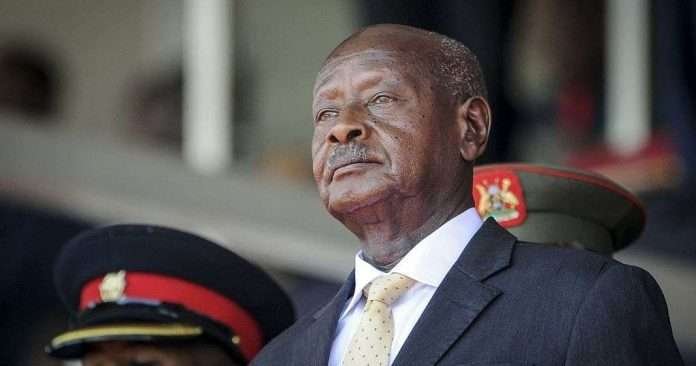
    Kampala, Uganda – (African Boulevard News) – President Yoweri Museveni of Uganda has downplayed the country’s recent expulsion from the African Growth and Opportunities Act (AGOA), a tariff-free trade programme initiated by the United States. Uganda was one of four countries cut from the programme, which aims to promote economic growth and development in Africa.

    The decision to remove Uganda from AGOA came as a result of concerns over the country’s human rights record and the government’s crackdown on political dissent. Despite this setback, President Museveni remains optimistic and confident in Uganda’s ability to withstand the consequences.

    In a recent statement, President Museveni emphasized that Uganda’s economy relies on its vast domestic market, which is driven by agriculture and local consumption. He expressed his belief that the country would not be greatly affected by the expulsion from AGOA, stating, “We don’t need AGOA; we have the biggest market here.”

    While it is true that Uganda has a strong domestic market, the expulsion from AGOA will undoubtedly have an impact on the country’s exporters and foreign investors. AGOA provides Ugandan businesses with a competitive advantage in accessing the lucrative American market by eliminating tariffs on goods such as textiles, apparel, and agricultural products.

    Industry experts and economists have expressed concern about the potential negative effects of Uganda’s expulsion from AGOA. Dr. Ebunoluwa Olawale, an economist at the University of Kampala, warns that the loss of preferential access to the US market could lead to a decline in foreign direct investment and a decrease in export revenues.

    Olawale explains, “AGOA provided Ugandan exporters with a significant advantage over competitors from non-AGOA countries. Without this preferential treatment, Uganda’s exporters will face higher trade barriers and increased competition.”

    Ugandan exporters will now have to compete on an equal playing field with countries that still enjoy AGOA benefits. This shift poses a significant challenge for Uganda’s export sector, which heavily relies on the US market for its growth and profitability.

    To mitigate the impact of its exclusion from AGOA, the Ugandan government has pledged to diversify its export markets and strengthen regional trade partnerships. President Museveni has also highlighted the need for investment in value-addition industries and local manufacturing, to reduce Uganda’s dependence on raw material exports.

    However, it remains to be seen whether these measures will be sufficient to offset the consequences of Uganda’s expulsion from AGOA. The government will need to address the underlying concerns regarding human rights and political freedoms if it hopes to regain access to this crucial trade programme.

    In the meantime, Ugandan exporters will have to work harder to explore new trade opportunities, both regionally and globally, in order to sustain and grow their businesses. The impact of Uganda’s expulsion from AGOA serves as a reminder of the importance of maintaining international trade relations while addressing domestic challenges.
    Somalia: Deadly Floods Claim Lives and Leave 113,000 Displaced, Urgent Help Needed to Rebuild and Restore

    0
    Read Time:2 Minute, 27 Second

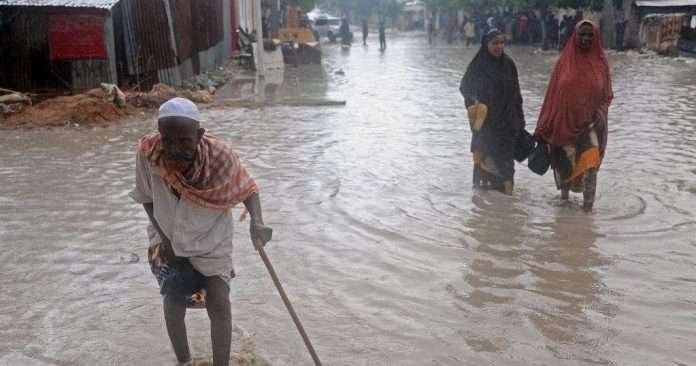
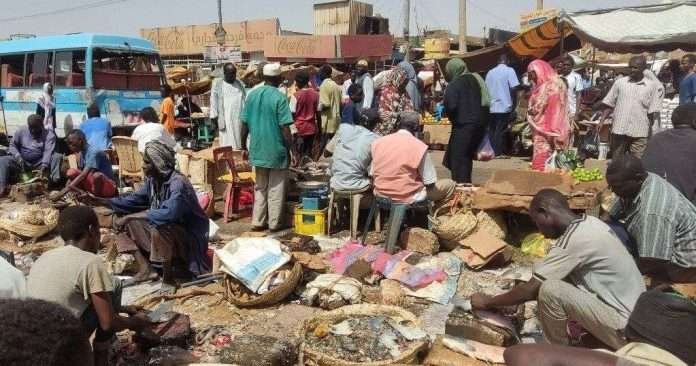
    Mogadishu, Somalia – (African Boulevard News) – Somalia is no stranger to the devastating effects of both drought and floods. A year after the country suffered from a severe drought, heavy rains have now triggered deadly floods, claiming the lives of 10 people and displacing over 113,000, leaving communities in despair.

    The United Nations Office for the Coordination of Humanitarian Affairs (OCHA) reported that the recent floods have not only displaced thousands of people but have also affected hundreds of thousands more. Homes have been destroyed, farms have been washed away, and livelihoods have been shattered.

    “These floods have once again exposed the vulnerability of our people and the challenges they face in recovering from years of conflict and recurring natural disasters,” said Ahmed Abdi, a local resident who lost his home in the floods.

    The devastation caused by the floods is a stark reminder of the interconnectedness of climate change and humanitarian crises. In a country already grappling with political instability, poverty, and food insecurity, the floods have added another layer of misery to the lives of the Somali people.

    “We are witnessing the tragic consequences of climate change in Somalia. The combination of droughts and floods is pushing vulnerable communities to the brink, making them even more reliant on humanitarian assistance,” warned Mariam Abdullahi, an environmental advocate.

    Efforts are underway to provide immediate relief to those affected by the floods. Humanitarian organizations are working tirelessly to distribute emergency supplies, including food, clean water, and shelter materials. However, the scale of the crisis is overwhelming, and resources are stretched thin.

    The Somali government, in collaboration with international partners, is also stepping up its response. “We are committed to supporting our people during this difficult time. We will work hand in hand with humanitarian organizations to provide the necessary assistance to those affected,” stated Hassan Ali Khaire, the Prime Minister of Somalia.

    While the immediate response is crucial, experts and stakeholders emphasize the need for long-term solutions. Building resilient infrastructure, improving water management systems, and implementing climate change adaptation strategies are critical to mitigate the impact of future disasters.

    “Our focus should not only be on responding to crises but also on building the resilience of communities to withstand the challenges posed by climate change. This requires sustained investments in infrastructure, agriculture, and education,” advised Amina Mohamed, a climate change expert.

    As Somalia continues to grapple with the aftermath of the floods, the international community must rally together to support the Somali people. Whether it is through financial assistance, technical expertise, or capacity-building initiatives, every contribution counts in helping Somalia recover and build a more resilient future.

    The floods in Somalia serve as a stark reminder that climate change is not a distant threat but an immediate reality for vulnerable communities around the world. It is a call to action for governments, organizations, and individuals to prioritize climate adaptation and mitigation efforts and work collectively toward a sustainable future for all.

    Senegal: Urgent Plea to Stop African Migrants’ Last Desperate Journeys – Spain’s Canary Islands Overwhelmed

    0
    Read Time:2 Minute, 18 Second

    Dakar, Senegal – (African Boulevard News) – Record Number of African Migrants Land in Spain’s Canary Islands

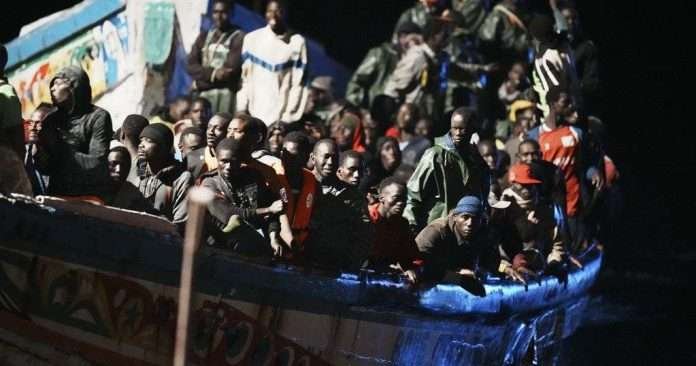
    Spain’s Canary Islands are facing an unprecedented wave of African migrants, with a record number of arrivals in recent weeks. The surge in migration has put immense pressure on the Spanish government to find a solution to this growing humanitarian crisis.

    According to recent reports, over 5,000 migrants have landed on the shores of the Canary Islands in the past month alone. These individuals, mainly from West Africa, are risking their lives in overcrowded and unsafe boats to reach European soil in search of better opportunities.

    The Spanish interior minister, who recently visited Senegal, has urged the African government to do more to prevent migrant boats from leaving their shores. This diplomatic effort highlights the urgency of the situation and the need for international cooperation in tackling illegal migration.

    The influx of migrants has overwhelmed the reception centers on the Canary Islands, leading to dire conditions for those who manage to make it ashore. These facilities are struggling to accommodate the sheer number of arrivals, leaving migrants without adequate food, shelter, and medical assistance.

    The Canary Islands have long been a destination for migrants seeking to reach Europe, but the recent surge in numbers has stretched their resources to the limit. The Spanish government is now taking steps to address the crisis and provide support to both the migrants and the local communities affected by the influx.

    Experts warn that the current situation in the Canary Islands is a direct consequence of the economic instability and political unrest in several African countries. The lack of opportunities and the desire for a better life drive many individuals to take such risky journeys. It is crucial for governments to address the root causes of migration and work towards creating stable and prosperous societies in Africa.

    As the international community grapples with this ongoing crisis, there is a pressing need for increased collaboration and support. Non-governmental organizations, civil society groups, and humanitarian agencies must come together to provide aid and protection to these vulnerable migrants.

    In the words of the Spanish interior minister, “We cannot turn a blind eye to the suffering of these individuals. We must work together to find ways to prevent more tragedies like these from happening.” This sentiment echoes the calls for urgent action that have been voiced by experts and stakeholders across the globe.

    The record number of African migrants landing in Spain’s Canary Islands is a stark reminder of the ongoing migration challenges faced by the continent. It is a call for governments to address the underlying issues and work towards long-term solutions that prioritize the well-being and dignity of all individuals, regardless of their place of birth.

    Somalia: Thousands Trapped and Desperate as Catastrophic Floods Devastate Nation

    0
    Read Time:2 Minute, 8 Second

    Mogadishu, Somalia – (African Boulevard News) – Thousands of people in Somalia are currently trapped and displaced by severe flooding, warns the United Nations. Heavy rains have caused the water levels on the Juba river to rise, resulting in widespread flooding in the riverine areas of the country.

    According to the Office for the Coordination of Humanitarian Affairs, the flooding has caused havoc, displacing families and destroying homes and infrastructure. Many people are stranded, unable to access basic necessities such as food, clean water, and healthcare.

    The floods have particularly impacted the regions of Middle Shabelle, Lower Shabelle, and Gedo, where communities have been cut off from the rest of the country. Aid agencies and humanitarian organizations are working tirelessly to provide relief to those affected, but the scale of the disaster has overwhelmed their capacity.

    “The situation is dire. Thousands of people are in urgent need of assistance. We are working around the clock to reach those affected and provide them with the necessary support,” said Ali Hussein, a representative from a local aid agency.

    The flooding has also disrupted education, with many schools being forced to close temporarily. Children are unable to attend classes, adding to the hardships faced by communities already struggling to cope with the aftermath of the floods.

    Furthermore, the increased water levels have raised concerns about the potential spread of waterborne diseases. The lack of clean water and sanitation facilities in the affected areas puts people at risk of illnesses such as cholera and diarrhea.

    Local authorities are collaborating with international organizations to provide emergency aid, including food, clean water, and medical supplies. However, the extent of the flooding has made it challenging to reach everyone in need.

    The United Nations is appealing to the international community for additional financial resources to support the ongoing relief efforts. The situation requires a coordinated response to ensure that those affected receive the assistance they urgently need.

    As the rains continue, the situation is expected to worsen, exacerbating the already dire conditions faced by the affected communities. Urgent action is required to provide life-saving support and help rebuild the lives of those impacted by the floods.

    In this time of crisis, it is vital that the international community rallies together to support Somalia and its people. Every effort must be made to ensure that those trapped by the floods are rescued and provided with the necessary assistance to rebuild their lives. The challenges are immense, but with collective action and support, Somalia can recover from this natural disaster and build a resilient future for its citizens.

    Kenya: Devastating Floods Claim 15 Lives, Leave Countless Families Displaced and Struggling to Survive. Urgent Action Needed Now!

    0
    Read Time:2 Minute, 22 Second

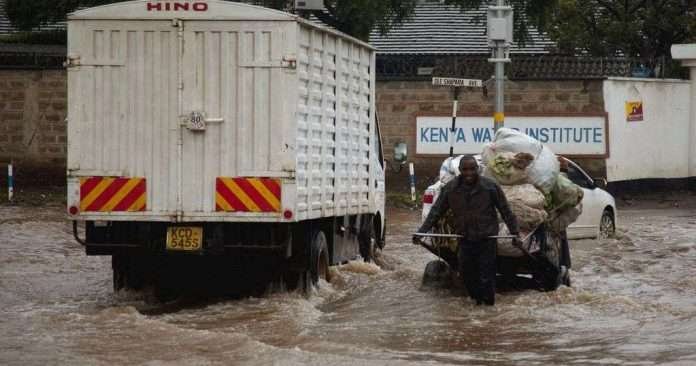
    Nairobi, Kenya – (African Boulevard News) – Torrential rains have wreaked havoc in Kenya, resulting in devastating floods that have claimed the lives of at least 15 people. The heavy downpour has caused widespread damage, with roads being cut off, houses being washed away, and livestock being lost in the deluge. The Kenyan Red Cross has been working tirelessly to provide aid and support to affected communities.

    The floods have left a trail of destruction in their wake, displacing countless families and disrupting daily life in several regions of the country. The torrential rains have caused rivers to overflow, turning them into raging torrents that have swept away everything in their path. Remote villages have been particularly hard hit, as access to these areas has been cut off, making it difficult for emergency services to reach those in need.

    According to the Kenyan Red Cross, search and rescue operations are currently underway to find any survivors and provide assistance to affected communities. Efforts are also being made to restore communication lines and clear blocked roads to ensure the smooth flow of aid and relief supplies.

    “The situation is dire,” said John Kilonzo, a spokesperson for the Kenyan Red Cross. “The floods have caused extensive damage, and people are in urgent need of assistance. We are doing everything we can to provide relief and support to affected families.”

    The government has also stepped in to provide assistance to those affected by the floods. Disaster management teams have been mobilized to help with rescue operations and provide relief supplies. Additionally, temporary shelters have been set up to accommodate displaced families.

    The impact of the floods goes beyond the loss of life and damage to infrastructure. The agricultural sector has also been severely affected, with farmland being submerged and crops being destroyed. This poses a threat to food security in the country, as farmers face significant losses.

    As the rains continue to pour, authorities have issued warnings and urged residents to take necessary precautions to stay safe. The importance of early warning systems and disaster preparedness has once again come into sharp focus, as the need to mitigate the impact of such natural disasters becomes increasingly evident.

    While the immediate focus is on providing relief and support to affected communities, it is crucial that long-term solutions are put in place to prevent a recurrence of such devastating floods. This includes investment in infrastructure, such as improved drainage systems and flood defenses, as well as raising awareness about climate change and its impact on weather patterns.

    As Kenya grapples with the aftermath of these floods, it is a stark reminder of the vulnerability of communities to extreme weather events. The need for proactive measures to mitigate the impact of climate change is more pressing than ever, as we strive to build a more resilient and sustainable future for all.

    Africa: French Navy’s Epic 885kg Cocaine Seizure Deals Crushing Blow to Traffickers – Sparking Hope for West Africa’s Fight Against Drug Trade

    0
    Read Time:2 Minute, 4 Second

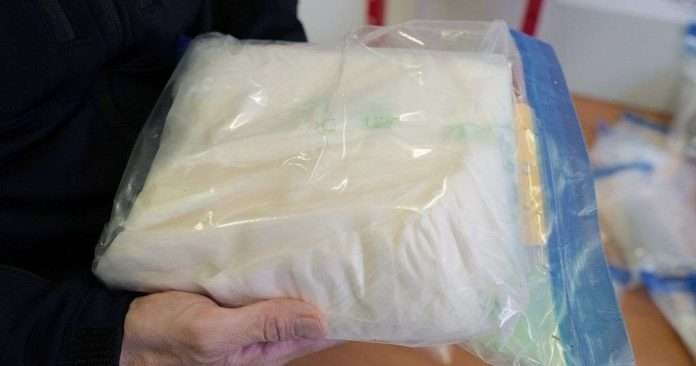
    Diaspora, Africa – (African Boulevard News) – In a major drug bust, the French Navy intercepted and seized a staggering 885 kilograms of cocaine off the coast of West Africa. The cocaine was discovered on a fishing boat that had originated from Latin America. The Atlantic maritime prefecture made the announcement in a press release on Saturday morning, highlighting the successful operation.

    According to the press release, the French Navy’s interception took place on the high seas, several miles off the West African coast. The fishing boat, suspected of being involved in drug trafficking, was boarded and thoroughly searched. The search led to the discovery of 885 kilograms of cocaine, which had been hidden on the vessel.

    This seizure represents a significant blow to drug traffickers who attempt to use West Africa as a transit point for illegal drug shipments. West Africa has become a popular route for drug smuggling due to its proximity to Latin America, where the majority of cocaine originates.

    The Atlantic maritime prefecture praised the French Navy for their successful operation, emphasizing the importance of international cooperation in combating drug trafficking. They stated, “This seizure once again demonstrates the resolve and effectiveness of our joint efforts in the fight against drug trafficking. We will not tolerate these criminal activities and will continue to work together to disrupt the illegal drug trade.”

    Drug trafficking is a serious issue in West Africa, with criminal organizations taking advantage of weak governance, corruption, and porous borders. The region has become a lucrative market for drug traffickers, who exploit the poverty and vulnerability of local communities.

    “This seizure underscores the need for stronger collaboration between countries in combating drug trafficking,” said Dr. Kwame Amoah, an expert in transnational organized crime. “It is encouraging to see the French Navy taking proactive measures to intercept these illegal drugs and disrupt the operations of drug cartels. However, the fight against drug trafficking requires a comprehensive approach that addresses the root causes and provides support to affected communities.”

    The seized cocaine has an estimated street value of several millions of dollars, underscoring the massive profits generated by drug trafficking. The authorities are now conducting further investigations to identify those involved in the smuggling operation and dismantling the criminal network.

    This successful drug seizure serves as a reminder of the ongoing battle against drug trafficking in West Africa. It highlights the importance of continued international cooperation, law enforcement efforts, and addressing the underlying socio-economic issues that fuel the illicit drug trade.

    Ethiopia: Desperate Battle for Peace and Survival Rages On in Ahmara Region

    0
    Read Time:2 Minute, 24 Second

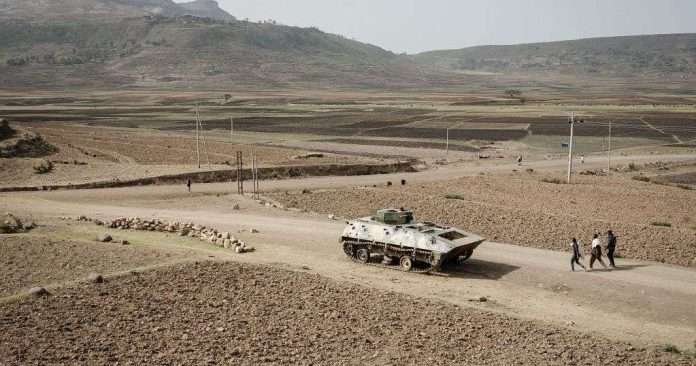
    Addis Ababa, Ethiopia – (African Boulevard News) – The Ahmara region in Ethiopia remains engulfed in intense conflict as federal troops clash with local militias, according to reports. The fighting, which has been ongoing for several weeks, has raised concerns about the deteriorating security situation in the region.

    Ahmara, one of Ethiopia’s nine regional states, has been a hotspot of violence since the outbreak of the conflict between the federal government and the Tigray People’s Liberation Front (TPLF) in 2020. While the federal government has managed to regain control over most of the Tigray region, the fighting has spread to neighboring regions, including Ahmara.

    The clashes in Ahmara have been fueled by multiple factors, including political tensions and long-standing rivalries between different ethnic groups. The Amhara region, which is predominantly inhabited by ethnic Amharas, has historical claims over territories that are currently under the control of TPLF forces. This has led to a complex web of grievances and power struggles, resulting in increased violence in the region.

    Local militias have emerged as powerful players in the conflict, with reports suggesting that they are receiving support from political actors who have vested interests in the region. As a result, the fighting has intensified, and the civilian population is caught in the crossfire, facing displacement, loss of livelihoods, and a dire humanitarian situation.

    Human rights organizations have expressed concerns over the escalating violence and its impact on innocent civilians. According to the United Nations, thousands of people have been forced to flee their homes, seeking refuge in overcrowded camps with limited access to essential services. The lack of humanitarian access to affected areas further exacerbates the suffering of those in need.

    “While the attention has largely been on the Tigray region, we cannot ignore the devastating impact of the conflict in Ahmara,” said a spokesperson for a leading human rights organization. “The international community must prioritize efforts to bring an end to the violence and provide much-needed assistance to those affected.”

    The Ethiopian government has deployed additional troops to the region in an attempt to quell the violence. However, achieving lasting peace and stability in Ahmara will require addressing the root causes of the conflict, including historical grievances and ethnic tensions. A comprehensive and inclusive peace process involving all relevant stakeholders is crucial for the long-term resolution of the crisis.

    As the fighting continues, there is an urgent need for swift action to protect civilians, ensure unhindered humanitarian access, and facilitate a peaceful resolution to the conflict. The international community, regional organizations, and local stakeholders must work together to find sustainable solutions that will bring an end to the bloodshed and restore peace to the Ahmara region. The people of Ethiopia deserve nothing less.

    Sources:
    – https://www.africanews.com/2023/11/06/fighting-continues-in-ethiopias-amhara-region/
    – https://www.google.com/search?q=Fighting+continues+in+Ethiopia+s+Amhara+region

    Uganda: Devastating Blow as US Removes Country from Major Trade Agreement, Threatening Economy and Jobs

    0
    Read Time:2 Minute, 15 Second

    Kampala, Uganda – (African Boulevard News) – Ugandan President Yoweri Museveni has hit back at the United States, accusing Washington of “overestimating” its importance following its decision to exclude Uganda from a major trade agreement. The announcement by the US has caused a stir in Uganda, with many expressing their disappointment and concern over the potential impact on the country’s economy.

    The trade agreement in question is the African Growth and Opportunity Act (AGOA), which provides duty-free access to the US market for certain African countries. Uganda has been a beneficiary of AGOA since 2000, allowing its exports such as textiles, agricultural products, and handicrafts to enter the US market without facing heavy tariffs. However, in a move that has taken the Ugandan government by surprise, the US has decided to remove Uganda from the list of eligible countries.

    President Museveni, in a speech delivered on Sunday, played down the significance of this exclusion. He argued that Uganda has the potential to find alternative markets and that the US is not the only trading partner available. He stated, “We have been trading with many countries before AGOA came into existence and we will continue to do so after.” Museveni also highlighted that Uganda has been successful in diversifying its export destinations and reducing its reliance on a single market.

    While the President’s words may be aimed at boosting national morale, experts have expressed concerns over the potential impact of the US’s decision on Uganda’s economy. According to data from the Uganda Bureau of Statistics, exports to the US under AGOA have accounted for a significant portion of the country’s total exports. The removal of Uganda from the agreement could lead to job losses and a decline in export revenues.

    Stakeholders in the textile and agricultural sectors, which have benefited greatly from AGOA, have voiced their worries about the future. Jane Kembabazi, a textile entrepreneur, said, “AGOA has been a lifeline for our industry. Losing this opportunity will have a devastating effect on businesses like mine and the countless workers we employ.”

    The government has acknowledged the concerns and assured its citizens that it is actively exploring alternative trade opportunities. Trade Minister Amelia Kyambadde stated, “We are working to strengthen regional and bilateral trade agreements to compensate for the loss of AGOA benefits. Our focus is on diversifying our export markets and promoting value addition in our products.”

    As Uganda grapples with the fallout from the US’s decision, it remains to be seen how the country will navigate this new trade landscape. The government’s efforts to find alternative trading partners and expand existing markets will be crucial in mitigating the potential impact on the economy and ensuring continued growth and stability for Uganda.

    Guinea: Chaos and Betrayal Unleashed as Former Junta Leader Escapes Prison – Government Strikes Back, Demands Justice

    0
    Read Time:2 Minute, 12 Second

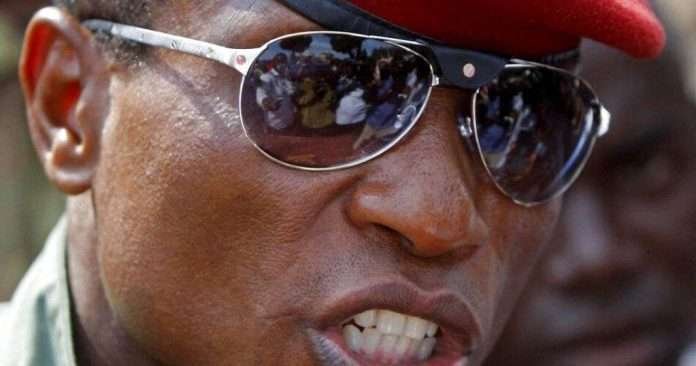
    Conakry, Guinea – (African Boulevard News) – Chaos erupted in Guinea on Saturday as heavily armed men orchestrated a daring jailbreak, freeing former junta leader Moussa Dadis Camara. However, the aftermath of the incident has led to a swift response from the authorities, resulting in the sackings of soldiers and prison officers.

    The dramatic jailbreak took place at Macenta Prison, where Camara, the former military leader who ruled Guinea from 2008 to 2009, was being held on charges of human rights abuses. Armed assailants stormed the facility, overpowering guards and facilitating Camara’s escape. The incident has raised serious concerns about the country’s security apparatus and exposed vulnerabilities within the prison system.

    In response to the audacious prison break, the Guinean government swiftly took action, announcing the immediate dismissal of several soldiers and prison officers. This decision was sparked by an investigation into the jailbreak, which revealed lapses in security protocols and possible collusion between the perpetrators and insiders. The government’s aim is to restore confidence in the country’s security forces and send a clear message that such actions will not be tolerated.

    “The sackings of soldiers and prison officers involved in the jailbreak is a necessary step to hold accountable those responsible for this security breach,” stated Mamadi Doumbouya, a security analyst. “It is crucial for the government to demonstrate its commitment to maintaining law and order, while also ensuring the safety and protection of the public.”

    The incident has further exposed the challenges Guinea faces in maintaining robust security measures, particularly in its correctional facilities. The sudden jailbreak has raised questions about the adequacy of infrastructure, training, and supervision within the prison system. There is a pressing need for the Guinean government to address these gaps and implement effective reforms to prevent future incidents.

    While the investigation into the jailbreak is underway, President Alpha Condé has called for increased vigilance and cooperation among security agencies to bring the culprits to justice. The government has assured the public that all necessary resources will be allocated to ensure the successful recapture of Camara and his accomplices.

    The incident has sent shockwaves through Guinea, prompting a nationwide discussion on the importance of strong security structures and the need to address vulnerabilities within the correctional system. It serves as a stark reminder of the ongoing challenges the country faces in its journey towards stability and the rule of law.

    As the authorities intensify their efforts to re-arrest Camara and restore order, the nation waits anxiously for developments in this unfolding crisis. The repercussions of the jailbreak will undoubtedly shape the trajectory of Guinea’s security landscape and test the government’s ability to maintain control.

    Africa: Hope Fades as Blinken’s Middle East Tour Falls Short in Easing Gaza’s Humanitarian Crisis

    0
    Read Time:2 Minute, 9 Second

    Diaspora, Africa – (African Boulevard News) – In a region marred by conflict, Turkey played host to the United States’ Secretary of State Antony Blinken as he concluded his Middle East tour aimed at brokering a consensus to alleviate civilian suffering in war-torn Gaza. However, the outcome of his visit left many observers underwhelmed, with little to no tangible support for a pause in the Gaza war.

    Blinken’s visit to Turkey came at a critical juncture as violence continued to escalate in Gaza, resulting in immense human suffering and loss of life. With the United States proposing to ease the ongoing crisis, Blinken’s tour sought to secure regional support for a ceasefire and a pause in the hostilities. However, the outcome fell short of expectations.

    During his time in Turkey, Blinken met with the country’s Foreign Minister, Mevlut Cavusoglu, to discuss the situation in Gaza. While both diplomats affirmed their commitment to finding a peaceful resolution, their remarks remained largely tepid, lacking a clear endorsement for a pause in the conflict.

    Experts and analysts have expressed disappointment over the lukewarm response from Blinken and the United States. The lack of robust support for a ceasefire raises questions about the international community’s commitment to ending the suffering of innocent civilians caught in the crossfire.

    Mustafa Al-Turk, a Middle East analyst, highlighted the urgency of the situation, stating, “The situation in Gaza is dire. Innocent lives are being lost daily, and the world cannot afford to sit back and watch while the conflict rages on. Blinken’s visit was an opportunity to rally support for a pause in the fighting, but the outcome fell short.”

    Critics argue that without strong international pressure, the Gaza war will continue to devastate the lives of Palestinians and perpetuate a cycle of violence. They call for the United States and other influential players to take a more assertive stance and actively work towards a meaningful resolution.

    As tensions remain high in the region, the lack of significant progress during Blinken’s tour raises concerns about the effectiveness of diplomatic efforts in facilitating an end to the conflict. The international community is anxiously awaiting a breakthrough that can provide relief for the people of Gaza and pave the way for a lasting peace.

    In the coming days, it will become increasingly crucial for world leaders to unite, putting aside political differences, and work towards a resolution that prioritizes the well-being of innocent civilians. Time is of the essence, and the world is watching with bated breath, hoping for a glimmer of hope in the midst of the Gaza war.