Tuesday, April 21, 2026
91.8 F
Lagos
More
    Home Blog Page 24

    Guinea Bissau’s Lifeline: France’s Gift of Hope to Combat Illegal Activity in Bissagos Islands

    0
    Read Time:2 Minute, 19 Second

    Bissau, Guinea Bissau – (African Boulevard News) – In a remarkable show of solidarity, France has stepped in to support the Guinea-Bissau navy by donating a Zodiac-type speedboat. This much-needed assistance is set to boost the capacity of the navy, enabling it to conduct missions in the Bissagos Islands. The vessel is expected to be operational by January, marking a significant milestone in the maritime capabilities of this West African nation.

    The donation from France comes at a critical time for Guinea-Bissau, as it seeks to enhance its naval capabilities to combat maritime security threats in the region. The Bissagos Islands, known for their rich biodiversity and stunning natural beauty, have unfortunately become a hotspot for illegal fishing, drug trafficking, and piracy. The arrival of the Zodiac speedboat will allow the Guinea-Bissau navy to effectively patrol these waters, safeguarding the nation’s marine resources and ensuring the security of its territorial waters.

    “This generous donation from France demonstrates the strong partnership between our two nations. It will greatly enhance our ability to protect our waters and combat illegal activities in the Bissagos Islands,” stated Rear Admiral Carlos Alberto Robalo Silva, Chief of Staff of the Guinea-Bissau navy. “We are grateful to France for their support and solidarity.”

    The Zodiac-type speedboat is renowned for its speed, agility, and reliability, making it an ideal choice for maritime operations. With its impressive maneuverability and shallow-draft capabilities, the vessel is perfectly suited for navigating the challenging waters around the Bissagos Islands. Equipped with advanced navigation and communication systems, it will enable the navy to respond swiftly and effectively to any security threats or emergencies.

    The donation from France not only reinforces bilateral relations but also underscores the commitment of the international community to supporting Guinea-Bissau’s efforts in strengthening its security apparatus. This collaboration will undoubtedly contribute to the long-term stability and development of the country.

    As January approaches, anticipation builds among the Guinea-Bissau navy personnel, who eagerly await the arrival of the Zodiac speedboat. With this new addition to their fleet, they will be better equipped to protect their waters, deter illegal activities, and foster sustainable maritime practices. The partnership between France and Guinea-Bissau serves as a beacon of hope, signaling a brighter and more secure future for this West African nation.

    In conclusion, the donation of a Zodiac-type speedboat from France to the Guinea-Bissau navy is a significant milestone in the country’s maritime capabilities. It symbolizes the strong partnership between the two nations and reinforces the commitment to combatting maritime security threats in the Bissagos Islands. The arrival of the speedboat in January will empower the navy to effectively patrol and protect the waters, ensuring the security of Guinea-Bissau’s rich marine resources and promoting sustainable development.
    Eritrea’s Football Future on the Brink: Battle Between Asylum and Ambition Threatens World Cup Dreams

    0
    Read Time:2 Minute, 5 Second

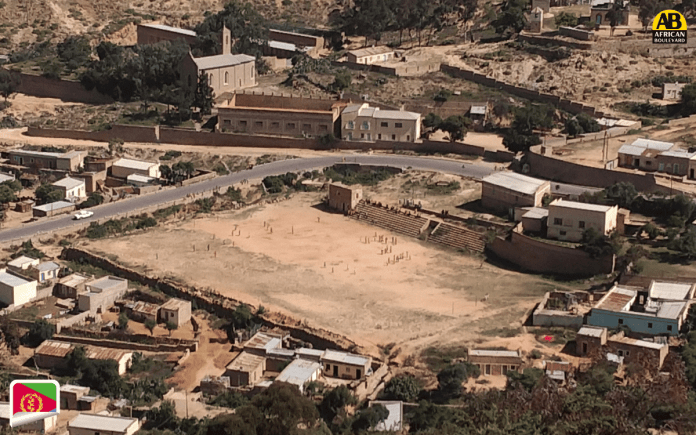
    Asmara, Eritrea – (African Boulevard News) – Eritrea’s Football Association and government are at odds over the country’s participation in the 2026 World Cup qualifiers. The government fears that allowing Eritrean players to travel for these matches could provide them with an opportunity to seek asylum abroad. This clash has raised concerns about the future of Eritrean football and its international standing.

    The Eritrean Football Association (EFA) is eager to showcase the talent of its players on the global stage, but the government’s reluctance to grant permission for their participation has put the team’s involvement in the qualifiers in jeopardy. The EFA argues that this decision hinders the development of football in the country and denies Eritrean players the chance to gain valuable international experience.

    According to officials, the government’s concerns stem from previous instances where Eritrean athletes have used international competitions as an opportunity to flee. These cases have prompted the government to impose strict regulations on the participation of Eritrean athletes in overseas events. However, critics argue that this approach limits Eritrea’s sporting potential and isolates the country from the international community.

    “This conflict between the Eritrean Football Association and the government highlights the challenges faced by athletes in the country. It’s important to strike a balance between protecting national interests and providing opportunities for our players to compete internationally,” said sports analyst Michael Assefa.

    The clash between the EFA and the government has raised concerns among football enthusiasts and stakeholders in Eritrea. The country’s football infrastructure has already faced significant challenges, including limited resources, lack of facilities, and inadequate funding. The government’s decision to potentially withdraw from the World Cup qualifiers further exacerbates these issues.

    “What we need is collaboration between the EFA and the government to find a middle ground. The international exposure and experience gained from participating in the World Cup qualifiers can contribute to the growth of football in Eritrea and benefit our players in the long run,” said football coach Sara Tadesse.

    The EFA and government must find a resolution that balances the protection of national interests with the development of Eritrean football. It is crucial to address concerns about potential player defections while also creating an environment that allows the country’s athletes to compete internationally.

    As the EFA and the government continue their discussions, the fate of Eritrean football hangs in the balance. The outcome of these negotiations will determine whether Eritrea’s football team will participate in the World Cup qualifiers or face further isolation from the global football community.

    South Africa’s Democracy Held Hostage: Parliament Restoration Delayed by Infighting

    0
    Read Time:2 Minute, 21 Second

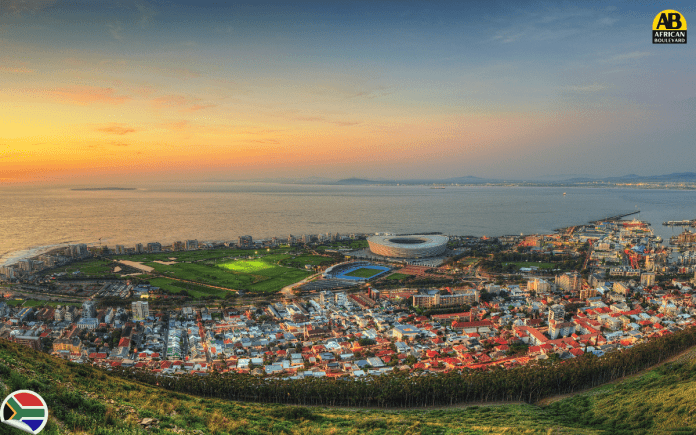
    Pretoria, South Africa – (African Boulevard News) – The restoration of the South African Parliament has become a bone of contention between the Ministry of Public Works and the Development Bank of South Africa (DBSA), leading to months of delays. As MPs struggle to continue their work in a temporary setting, the rivalry between these two entities threatens to further prolong the completion of this vital project.

    According to insider reports, the Ministry of Public Works and the DBSA have been at odds over the scope and funding of the parliament’s restoration. While the ministry is responsible for overseeing the project, the DBSA was brought on board to provide the necessary financing. However, differing opinions and a lack of cooperation have caused significant setbacks.

    “The restoration of the South African Parliament is a crucial project that requires the full commitment and collaboration of all involved parties,” says political analyst, Sarah Botha. “Unfortunately, the rivalry between the Ministry of Public Works and the DBSA has stalled progress and compromised the efficiency of our democratic processes.”

    The parliament’s restoration, which was initially scheduled for completion earlier this year, remains far from finished. Despite promises from both the ministry and the DBSA to expedite the process, the lack of consensus and cooperation has hindered any significant advancements.

    As a result of the ongoing delays, Members of Parliament (MPs) have been forced to continue their work in subpar temporary accommodations. This poses several challenges, including a lack of adequate facilities for meetings and a disruption to the normal legislative processes.

    “The current situation is not ideal for our parliamentarians,” laments civil rights activist, Thabo Nkosi. “The delays in the restoration project not only inconvenience our MPs but also hinder the effective functioning of our democracy. It is disheartening to see this project being held hostage by political infighting.”

    The South African public has expressed growing frustration with the lack of progress on the parliament restoration. Many citizens argue that the government’s focus should be on the efficient functioning of democratic institutions rather than internal disputes.

    In response to the mounting pressure, President Zuma has called for an immediate resolution to the rivalry between the Ministry of Public Works and the DBSA. He emphasized the importance of completing the parliament’s restoration as soon as possible to ensure the smooth functioning of the country’s legislative processes.

    As the nation eagerly awaits a resolution to the ongoing rivalry, it is evident that the restoration of the South African Parliament must remain a priority. The government must prioritize cooperation and consensus-building to ensure the timely completion of this critical project. The efficient functioning of democratic processes relies on a fully operational and functional parliament, and it is essential that all parties recognize the urgency of this matter. Only then can South Africa boast a parliament worthy of its democratic aspirations.

    Ivory Coast’s Power Shift: President Takes Control, Sparks Debate on Future Growth and Stability

    0
    Read Time:2 Minute, 16 Second

    Yamoussoukro, Ivory Coast – (African Boulevard News) – In a strategic move, President Alassane Ouattara of Ivory Coast has taken back control of several key public organizations that were previously under the purview of the prime minister’s office. This includes the highly influential Ivory Coast Strategic Supervisory Bodies.

    This decision marks a significant shift in power dynamics within the country and consolidates Ouattara’s authority over crucial government entities. By bringing these organizations under the presidency’s control, Ouattara aims to streamline decision-making and enhance the government’s ability to execute policies effectively.

    The move has drawn attention and speculation from political analysts, who highlight the implications it may have on the balance of power in Ivory Coast. Critics argue that concentrating power in the presidency could undermine the principle of checks and balances, potentially stifling dissent and opposition.

    However, supporters of Ouattara’s decision argue that it will help promote efficiency and coordination within the government. By centralizing control, the president can ensure greater alignment between strategic priorities and the activities of these significant bodies.

    One of the key organizations now under the president’s direct control is the Ivory Coast Strategic Supervisory Bodies. These bodies oversee critical sectors such as finance, energy, and security, playing a vital role in shaping the future of the country.

    “The decision to bring these strategic bodies under the presidency’s control is a bold move by President Ouattara,” says political analyst Emma Nyarko. “It demonstrates his commitment to driving the nation’s development agenda and ensuring effective governance.”

    This development comes at a crucial time for Ivory Coast, which is currently grappling with various challenges, including economic recovery post-COVID-19 and security concerns. By taking direct control of these bodies, Ouattara aims to accelerate progress and address these pressing issues head-on.

    While the move has been met with mixed reactions, it is clear that President Ouattara is determined to assert his authority and steer the country towards a brighter future. The consolidation of power within the presidency may bring both benefits and risks, and only time will reveal the long-term implications of this decision.

    As Ivory Coast moves forward, it is crucial for the government to strike a delicate balance between concentrated power and inclusive governance. The responsible and transparent exercise of authority will be essential in ensuring the country’s continued growth and stability.

    In conclusion, President Alassane Ouattara’s decision to bring key public organizations under the presidency’s control marks a significant shift in power dynamics within Ivory Coast. While there are concerns about the concentration of power, supporters argue that this move will enhance coordination and efficiency in governance. As the country faces various challenges, the responsible exercise of authority will be crucial in steering Ivory Coast towards a brighter future.

    Africa: Congo Faces Financial Crisis as Paris Court Rejects President’s Appeal, Orders $1.5 Billion Payment

    0
    Read Time:2 Minute, 11 Second

    Diaspora, Africa – (African Boulevard News) – In a major setback for Congo: Brazzaville, an arbitration court in Paris has rejected Congolese President Denis Sassou Nguesso’s latest appeal to overturn a tribunal ruling. The ruling ordered Congo to pay over $1.5 billion to Mohsen Hojeij’s company, Commisimpex. This development is likely to have significant implications for the Congolese economy and further strain relations between the government and the private sector.

    The arbitration case, which has been ongoing for several years, revolves around a dispute between Congo and Commisimpex over a contract relating to the transportation of oil products. The tribunal initially ruled in favor of Commisimpex, stating that the Congolese government had unlawfully terminated the contract. Despite the ruling, President Nguesso has continuously appealed the decision in an attempt to avoid paying the hefty sum.

    The rejection of President Nguesso’s latest appeal means that Congo: Brazzaville will now be legally obligated to pay the $1.5 billion to Commisimpex. This will undoubtedly put a strain on the country’s already fragile financial situation and could have further ramifications for its economy, which heavily relies on oil exports.

    Industry experts believe that this ruling could have wider implications for foreign investment in Congo. Fredrik Modin, an analyst at African Risk Consulting, explains, “This case sends a clear message to international investors that the Congolese government cannot simply disregard contracts and expect to get away with it. It will make potential investors think twice before entering into business agreements with the government.”

    The rejection of the appeal also highlights the growing tensions between the government and the private sector in Congo. Many companies operating in the country have faced challenges in recent years, including arbitrary contract terminations, corruption, and bureaucratic hurdles. This has created a sense of uncertainty and discouragement for potential investors, hindering economic growth and development.

    President Nguesso’s persistent attempts to overturn the tribunal ruling have drawn criticism from civil society organizations and opposition groups. They argue that the government’s actions undermine the rule of law and erode confidence in the country’s legal system. The rejection of the appeal further fuels these concerns and raises questions about the government’s commitment to transparency and accountability.

    As Congo: Brazzaville grapples with the aftermath of this major setback in the Commisimpex arbitration case, it is clear that the ruling will have far-reaching implications for the country’s economy and foreign investment climate. The government must take steps to rebuild trust with the private sector and demonstrate its commitment to upholding contracts and the rule of law. Failure to do so may have long-term consequences for Congo’s economic prospects and stability.

    Libya: Deportation of 600 Undocumented Egyptians Sparks Concerns for Migrants’ Safety and Wellbeing

    0
    Read Time:2 Minute, 15 Second

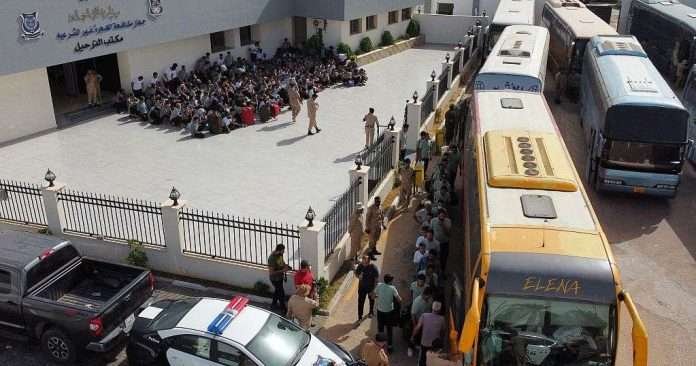
    Tripoli, Libya – (African Boulevard News) – In a move that has raised concerns about the treatment of migrants and refugees in Libya, the country has deported 600 undocumented Egyptians. This comes after a recent agreement between Libya’s two administrations, which transferred the responsibility of repatriation from United Nations agencies to the Directorate for Combatting Illegal Migration (DCIM).

    The deportation of these individuals highlights the ongoing challenges faced by migrants and refugees in Libya. Until recently, the United Nations agencies were responsible for assisting and repatriating those who found themselves in vulnerable situations. However, with this new agreement, the DCIM has taken over these duties, leading to questions about their capacity to effectively handle such cases.

    The decision to deport the 600 undocumented Egyptians has sparked concerns from human rights organizations, who argue that the migrants and refugees may face further hardship upon their return to Egypt. According to reports, the individuals were rounded up during raids in Tripoli and other parts of Libya. They were then sent to detention centers where they awaited deportation.

    Many migrants and refugees in Libya face dire conditions, including overcrowded detention centers, limited access to food and healthcare, and the risk of abuse and exploitation. This recent deportation raises concerns about the safety and wellbeing of those who are being sent back to their home countries.

    According to a statement from the DCIM, the deportation of the undocumented Egyptians is part of their efforts to combat irregular migration and ensure security and stability in the country. However, critics argue that more needs to be done to address the root causes of migration and provide support to those who are in desperate need.

    While some migrants and refugees may choose to return voluntarily, it is crucial that they are given the option to do so in a safe and dignified manner. Forced deportations can put individuals at risk and violate their rights. It is essential for governments and international organizations to work together to find sustainable solutions that prioritize the safety and wellbeing of migrants and refugees.

    As the situation in Libya continues to evolve, it is imperative for stakeholders to address the root causes of migration and work towards creating safe and dignified alternatives for those in need of assistance. This includes addressing issues such as conflict, poverty, and lack of opportunities that force individuals to embark on dangerous journeys in search of a better life.

    The deportation of 600 undocumented Egyptians highlights the complexities and challenges faced by migrants and refugees in Libya. It is crucial for governments and international organizations to prioritize the protection and well-being of these individuals, and work towards finding long-term solutions to address the root causes of migration.

    Cameroon: Horrific Overnight Attack Leaves Villagers Dead and Village Reduced to Ashes – Urgent Action Needed to Stop the Cycle of Violence

    0
    Read Time:2 Minute, 8 Second

    Yaounde, Cameroon – (African Boulevard News) – In a horrific attack that left a trail of devastation, more than 20 villagers have been brutally killed in an overnight assault at Egbekaw village in western Cameroon. This area has been a hotspot for deadly clashes between rebels and government forces for the past seven years.

    The assault, which took place under the cover of darkness, has sent shockwaves through the community. Local residents woke up to the horrifying scene of their loved ones brutally murdered and their village reduced to ashes. The attackers, who remain unidentified, launched a relentless and indiscriminate attack, leaving no stone unturned.

    The victims, including women and children, had no chance to defend themselves against this senseless violence. It is a tragedy that innocent lives have been extinguished in such a brutal and callous manner. The heart-wrenching accounts from survivors paint a gruesome picture of the horrors they witnessed.

    “This attack is a stark reminder of the ongoing violence and instability that has plagued this region for far too long,” said Mark Johnson, a researcher at the Institute for Conflict Studies. “It is crucial that the international community takes decisive action to bring an end to this cycle of violence and ensure the safety and security of the people living in this area.”

    The government of Cameroon has vowed to intensify security operations in the region to bring the perpetrators to justice and to prevent further attacks. However, it is evident that more needs to be done to address the root causes of this conflict and to protect the innocent civilians who are caught in the crossfire.

    Human rights organizations have called for an immediate investigation into the attack and for those responsible to be held accountable for their heinous crimes. The international community must come together to support the government of Cameroon in its efforts to restore peace and stability in the region.

    The aftermath of this attack serves as a chilling reminder of the urgent need for a comprehensive and lasting solution to the conflict in western Cameroon. The loss of innocent lives is a tragedy that should not be forgotten. It is our collective responsibility to ensure that this senseless violence is brought to an end and that the villagers in this region can live in peace and security.

    As the community mourns the loss of their loved ones, it is imperative that we continue to shed light on the atrocities being committed in Cameroon and urge for immediate action to protect the lives of innocent civilians. The time for change is now.

    South Sudan: Over 1.6 Million Children Face Imminent Malnutrition Crisis – Their Future Hangs in the Balance

    0
    Read Time:2 Minute, 18 Second

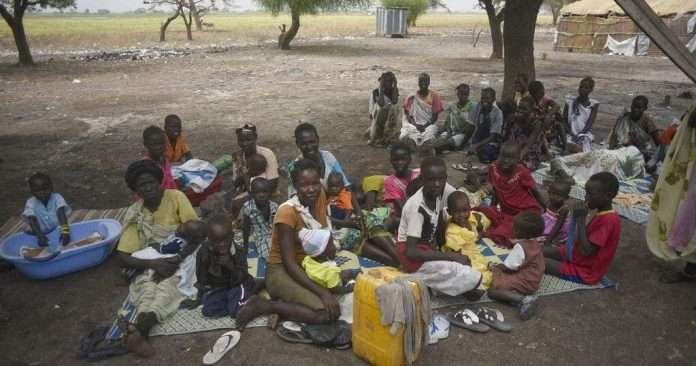
    Juba, South Sudan – (African Boulevard News) – An alarming report by the UN World Food Programme (WFP) has revealed that over 1.6 million children under the age of five in South Sudan are at risk of malnutrition in 2024. This shocking revelation comes as a result of the devastating impact of flooding, which has wreaked havoc on the country.

    Flooding has become a recurring nightmare for the people of South Sudan, and its aftermath is causing significant harm to the already vulnerable population. The destruction of homes, displacement, and loss of livelihoods have created dire conditions, particularly for young children who are more susceptible to malnutrition.

    According to the WFP, the flooding has severely affected the availability and accessibility of food, clean water, and proper sanitation facilities. These factors, combined with limited healthcare services, have created a perfect storm for malnutrition to thrive.

    The situation is deeply concerning, as malnutrition not only affects the physical development of children but also has long-term consequences on their cognitive abilities and overall well-being. Malnourished children are more prone to infections, diseases, and stunted growth, which can have life-long implications.

    David Beasley, the Executive Director of the WFP, expressed his grave concerns about the future of South Sudan’s children, stating, “The numbers are staggering. We cannot allow a whole generation of children to be lost to malnutrition.” His words echo the urgent need for action to address this crisis and protect the most vulnerable members of society.

    The WFP is working tirelessly to provide essential nutritional support to the affected children and their families. However, their efforts are hindered by a lack of funding, which threatens the scale and effectiveness of the response.

    The international community must step up and provide the necessary resources to combat this looming catastrophe. Humanitarian organizations, governments, and individuals can all play a vital role in ensuring that South Sudan’s children receive the assistance they desperately need. This crisis requires urgent action to prevent further suffering and save lives.

    As the world grapples with various crises and emergencies, it is crucial not to overlook the plight of South Sudan’s children. The international community must prioritize their needs and work together to address the root causes of malnutrition in the country.

    The situation in South Sudan is a stark reminder of the vulnerability faced by millions of children around the world. It serves as a call to action for governments, organizations, and individuals to invest in long-term solutions that can break the cycle of poverty and malnutrition.

    Let us not wait for more alarming reports and devastating consequences. The time to act is now, for the sake of South Sudan’s future generation. Together, we can make a difference and ensure a brighter future for all.

    South Africa: Taking a Stand – Recalling Ambassador in Response to Israeli Genocide Accusations

    0
    Read Time:2 Minute, 10 Second

    Pretoria, South Africa – (African Boulevard News) – South Africa has accused Israel of committing genocide in Gaza and has made the decision to recall its ambassador in response to recent comments made by the Israeli ambassador regarding the African country’s stance on Israel’s war on Gaza.

    The South African government has strongly condemned the ongoing violence in Gaza and has accused Israel of committing acts of genocide against the Palestinian people. This accusation comes after weeks of intense conflict and bloodshed in the region.

    The decision to recall the ambassador was made as a direct response to remarks made by the Israeli ambassador to South Africa. The government deemed these comments as disrespectful and offensive to the country’s position on the situation in Gaza.

    In a statement, the South African Ministry of Foreign Affairs said, “We will not tolerate any form of disrespect or disregard for our position on the current crisis in Gaza. The comments made by the Israeli ambassador are not only offensive but also serve to undermine the seriousness of the situation and the suffering of the Palestinian people.”

    The South African government has also threatened to take further actions against the Israeli ambassador, should he not issue a public apology for his remarks. The government intends to send a strong message to Israel that their actions in Gaza are unacceptable and will not be tolerated.

    The decision to recall the ambassador and the strong condemnation of Israel’s actions in Gaza have received support from various stakeholders and industry experts. Human rights organizations have praised South Africa for taking a firm stance against the violence and for standing up for the rights of the Palestinian people.

    Simon Adams, Executive Director of the Global Centre for the Responsibility to Protect, stated, “South Africa’s decision to recall its ambassador is a powerful statement of solidarity with the Palestinian people. It sends a clear message that the international community will not turn a blind eye to the atrocities being committed in Gaza.”

    The recall of the ambassador is expected to strain relations between South Africa and Israel. However, the South African government remains committed to promoting peace and stability in the region and hopes that this action will encourage dialogue and a peaceful resolution to the conflict in Gaza.

    As the situation in Gaza continues to unfold, South Africa’s strong condemnation and recall of its ambassador serve as a reminder of the international community’s commitment to upholding human rights and justice. The government’s actions aim to bring attention to the suffering of the Palestinian people and to hold those responsible for the violence accountable.

    Niger: Former President’s Battle for Justice and Democracy Intensifies as Legal Team Takes Case to Regional Court

    0
    Read Time:2 Minute, 1 Second

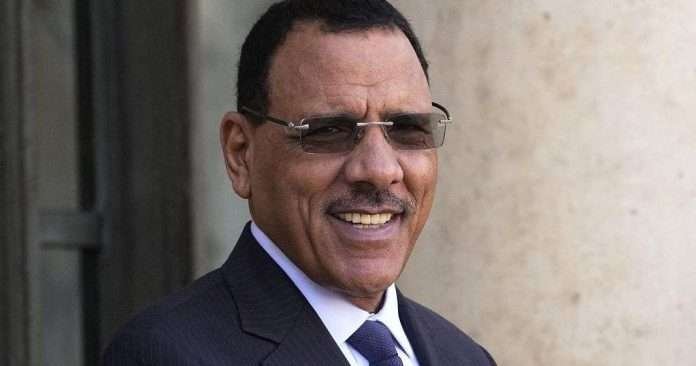
    Niamey, Niger – (African Boulevard News) – Lawyers representing Niger’s ousted president, Mohamed Bazoum, have taken their case to the regional court in West Africa, calling for his reinstatement. The legal team argues that Bazoum’s detention and removal from power were in violation of his political rights, and are seeking redress through the court system.

    The former president’s lawyers have filed a petition with the regional court, outlining their arguments for his reinstatement. They claim that Bazoum’s ouster was not only a violation of his rights but also a threat to the country’s democratic process. According to the legal team, the removal of Bazoum from power was based on unfounded allegations and lacked proper legal procedures.

    Speaking on behalf of the legal team, one of Bazoum’s lawyers stated, “We firmly believe that the actions taken against President Bazoum were politically motivated and aimed at undermining his leadership. We are seeking justice for our client and for the democratic values that should govern our nation.”

    The lawyers argue that the removal of Bazoum has not only disrupted the political stability of Niger but has also shaken the confidence of the people in their democratic institutions. They further assert that the actions taken against Bazoum set a dangerous precedent for the future of democratic governance in the country.

    The move to approach the regional court comes after several unsuccessful attempts to resolve the issue within Niger’s domestic legal system. The legal team believes that the regional court, with its impartiality and expertise in regional human rights law, will provide a fair and just hearing for their client.

    The case has garnered significant attention both domestically and internationally, with many experts closely watching the proceedings. Political analysts view this as a critical moment for Niger’s democracy, as the court’s ruling will have far-reaching implications for the future of the country’s political landscape.

    While no specific timeline has been set for the court’s decision, legal experts anticipate that the process may take several months. In the meantime, the legal team continues to gather evidence and build their case, ensuring that no stone is left unturned in their pursuit of justice for Bazoum.

    The outcome of this case will undoubtedly shape the future of Niger’s political landscape. As the legal battle unfolds, the eyes of the nation and the international community remain fixed on the regional court and its role in upholding democratic principles and ensuring justice for all.