Tuesday, April 21, 2026
80.3 F
Lagos
More
    Home Blog Page 26

    Cameroon: 41 Years of Power – Hope or Despair? The Battle for Democracy Rages On

    0
    Read Time:2 Minute, 13 Second

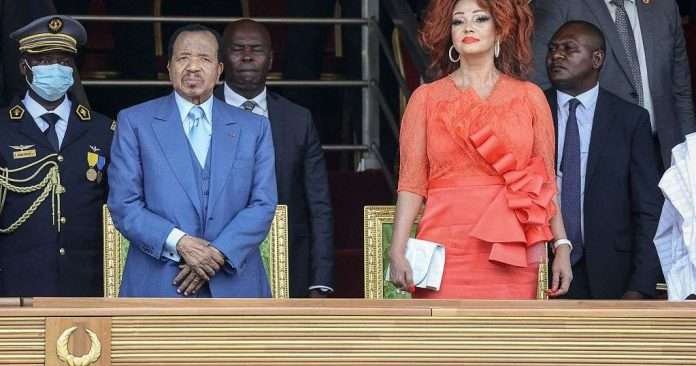
    Yaounde, Cameroon – (African Boulevard News) – Paul Biya, the President of Cameroon, has marked 41 years in power, making him one of the longest-serving leaders in Africa. Since assuming office on November 6, 1982, Biya has navigated through political challenges and maintained a firm grip on power, much to the admiration and criticism of his supporters and opponents.

    The ruling Democratic Rally of the Cameroonian People (RDPC) has already voiced its support for Biya to run for another term in the 2025 presidential election, calling for his continued leadership to bring stability and progress to the country. However, critics of his regime argue that his 41-year tenure is a clear indication of a lack of democratic transition and a stifling of political freedoms.

    “The fact that President Biya has been in power for over four decades raises concerns about the state of democracy in Cameroon. It is important for leaders to give room for fresh ideas and new leadership,” said John Nkengasong, a political analyst.

    Throughout his time in office, Biya has faced numerous challenges, including separatist movements in the anglophone regions of the country, Boko Haram insurgency in the north, and a struggling economy. Despite these challenges, his ability to maintain stability and preserve Cameroon’s territorial integrity has garnered both praise and criticism.

    Under Biya’s leadership, Cameroon has made some progress in economic development, with sectors such as agriculture, infrastructure, and telecommunications seeing growth. However, critics argue that much of this progress has been overshadowed by allegations of corruption, human rights abuses, and a widening wealth gap.

    “President Biya has had the opportunity to steer Cameroon towards prosperity, but his legacy will be marred by the persistence of corruption and the marginalization of certain regions,” said Alice Nkom, a human rights lawyer.

    As Biya embarks on his 41st year in power, there are growing calls for him to prioritize issues such as youth unemployment, healthcare, and education, which remain major challenges for the country. Many young Cameroonians are hopeful for a change in leadership that will bring fresh perspectives and address their pressing concerns.

    It remains to be seen whether Biya will respond to these calls and open up the political space for a more inclusive leadership. In the meantime, Cameroonians are closely watching the political landscape, hoping for a brighter future for their country.

    In conclusion, President Paul Biya’s 41-year tenure in power has been marked by both praise and criticism. Supporters argue that he has brought stability and progress to Cameroon, while critics accuse him of stifling democracy and failing to address pressing issues. As calls for democratic transition grow louder, the future of Cameroon and its leadership remains uncertain.

    Sudan: Tragedy Strikes as Shells Rain Down on Bustling Market, Leaving Death and Destruction in Their Wake

    0
    Read Time:2 Minute, 12 Second

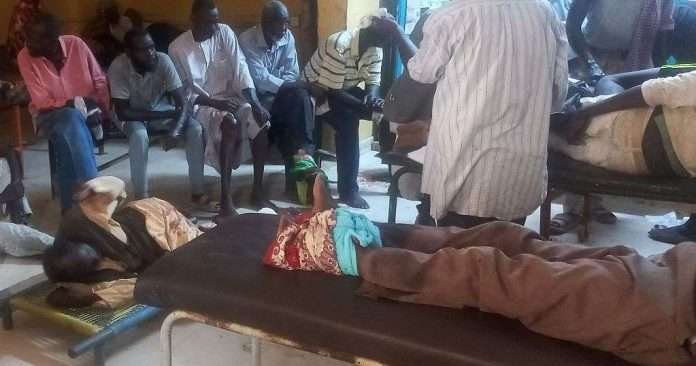
    Khartoum, Sudan – (African Boulevard News) – Tragedy struck in Sudan as more than 20 people were killed on Sunday (Nov. 5) when a shell hit a bustling market in Omdurman, according to a statement from the committee for pro-democracy lawyers. The incident occurred during a fierce exchange of fire between Sudan’s warring factions.

    The market in Omdurman, just across the Nile River from the capital city of Khartoum, is known for its vibrant energy and lively atmosphere. It attracts thousands of locals and visitors alike, who come to buy fresh produce, clothing, and other goods. However, this peaceful scene was shattered by the sound of explosions and the sight of chaos when shells began raining down on the unsuspecting market-goers.

    Eyewitnesses described a horrifying scene of panic and confusion as people ran for cover, seeking safety wherever they could find it. The shells caused widespread destruction, including damage to buildings and stalls. Many innocent civilians were caught in the crossfire, with some losing their lives and others sustaining serious injuries.

    The committee for pro-democracy lawyers, a non-governmental organization (NGO), condemned the attack and expressed their deep concern for the safety and security of civilians in Sudan. They called for an immediate end to the violence and urged all parties involved to engage in peaceful dialogue to resolve their differences.

    The incident serves as a stark reminder of the ongoing instability and insecurity that plagues Sudan. The country has been grappling with political unrest and armed conflicts for years, leading to the loss of countless lives and the displacement of communities. Despite recent efforts towards a democratic transition, clashes between government forces and rebel groups continue to disrupt the lives of ordinary Sudanese people.

    International organizations and governments around the world have condemned the attack and expressed their condolences to the victims’ families. The United Nations has called for an independent investigation into the incident to ensure accountability and justice.

    As Sudan mourns the loss of innocent lives, the need for a peaceful resolution to the conflicts becomes increasingly urgent. It is crucial for all parties to lay down their weapons and come together in good faith to find a lasting solution that protects the lives and rights of the Sudanese people.

    In the wake of this tragic incident, Sudan faces a critical moment in its quest for stability and peace. The international community must continue to support Sudan in its efforts to build a democratic society where all individuals can live without fear of violence or oppression. Only through collective action and unwavering commitment can Sudan overcome its challenges and create a better future for its people.

    Gabon Takes Charge of Its Destiny, Seizes Control of Oil Assets in Bold Move Towards Economic Sovereignty

    0
    Read Time:2 Minute, 24 Second

    Libreville, Gabon – (African Boulevard News) – In a move that has sent shockwaves through the oil industry, the new regime in Gabon is preparing to pre-empt Carlyle’s oil assets, potentially disrupting the plans of Maurel & Prom, the frontrunner for the acquisition. This unexpected twist comes as the government in Libreville works towards an all-Gabonese alternative for the country’s oil interests.

    For months, Maurel & Prom had been considered the leading contender to acquire Carlyle’s Gabonese oil assets. However, the new regime’s determination to prioritize national interests has thrown a curveball into the mix. While details regarding the all-Gabonese alternative remain scarce, sources indicate that the government is actively exploring options to ensure its control over the country’s oil resources.

    The decision to pre-empt Carlyle’s oil assets aligns with the new regime’s vision of economic sovereignty and self-sufficiency. Recognizing the importance of the oil sector to Gabon’s economy, the government aims to have a greater say in the management and distribution of the country’s valuable resources. By taking control of these assets, the Gabonese government hopes to steer the nation towards a more prosperous and sustainable future.

    Industry experts have weighed in on the significance of this move. Eric Ekoume, an oil analyst, stated, “The new regime’s decision to pre-empt Carlyle’s oil assets signals its commitment to assert Gabon’s control over its oil industry. This move represents a significant shift in the country’s approach to foreign investments, with a clear focus on prioritizing national interests.”

    While the government’s intentions are commendable, concerns have been raised about the potential impact on foreign investments and investor confidence. However, the new regime remains optimistic about striking a balance between national interests and attracting foreign capital.

    In recent years, Gabon has been taking steps towards diversifying its economy, reducing its reliance on oil revenue. The move to pre-empt Carlyle’s oil assets falls in line with this broader strategy, allowing for greater control and investment in other sectors. It presents an opportunity for Gabon to showcase its potential for growth and development beyond oil.

    As Gabon’s new regime works towards pre-empting Carlyle’s oil assets, the nation’s future hangs in the balance. The government’s commitment to asserting control over its oil industry reflects a bold and ambitious vision for economic sovereignty. While the impact on foreign investments remains uncertain, Gabon’s determination to shape its own destiny sets the stage for a new era of growth and prosperity.

    In conclusion, the pre-emption of Carlyle’s oil assets by Gabon’s new regime represents a significant shift in the country’s approach to foreign investments. By prioritizing national interests, the government aims to assert control over the oil sector and steer the nation towards economic sovereignty. While the impact on foreign investors remains uncertain, this move presents an opportunity for Gabon to diversify its economy and showcase its potential for growth beyond oil.

    Africa on the Brink: Will French Courts Hold Congolese Authorities Accountable for Laundering Oil Money?

    0
    Read Time:2 Minute, 17 Second

    Diaspora, Africa – (African Boulevard News) – The courts in Congo have yet to take action on charges filed against Congolese authorities for their alleged involvement in laundering oil money. Frustrated by the lack of progress, the association acting as the plaintiff in the case is now considering taking the matter to the French courts.

    The allegations stem from a scandal in the oil-rich nation involving high-ranking government officials who are accused of embezzling funds from oil revenues. The case has attracted international attention and raised concerns about corruption in the country.

    According to a recent report by Africa Intelligence, the case over laundered oil money may soon find its way to the French courts. The association filing the charges believes that the French judicial system will provide a fair and impartial venue for pursuing justice in this matter.

    The association’s decision to approach the French courts comes after months of frustration and delays in the Congolese legal system. Despite the seriousness of the allegations, no significant progress has been made in holding the accused authorities accountable.

    This latest development highlights the growing trend of seeking justice outside national borders when domestic legal systems fail to deliver. The global community has become increasingly aware of the need for stronger international cooperation in dealing with corruption and financial crimes.

    In response to the potential involvement of the French courts, legal experts have expressed cautious optimism. They believe that the French judicial system, known for its rigorous approach to financial crimes, could play a crucial role in uncovering the truth and bringing the perpetrators to justice.

    “It is encouraging to see the association exploring alternative avenues for justice. The French courts have a reputation for tackling complex financial crimes, and their involvement could provide a much-needed breakthrough in this case,” said an industry expert familiar with the matter.

    The allegations surrounding the laundering of oil money represent a significant challenge for Congo. The country relies heavily on revenues from its oil sector to fund vital social and economic development projects. If proven true, the embezzlement of these funds could have devastating consequences for the people and the future of the nation.

    As the case over laundered oil money teeters on the brink of reaching the French courts, the eyes of the international community will be watching closely. The outcome of this legal battle could have far-reaching implications, not only for Congo but also for tackling corruption and financial crimes across the continent.

    In an era where the fight against corruption is gaining momentum, it is essential for countries to demonstrate their commitment to transparency and accountability. Only by holding those responsible for financial crimes accountable can Africa move towards a future of inclusive growth and prosperity.

    “Morocco’s Manufacturing Triumph Unveiled: ‘Made in Morocco’ Event To Protect and Promote Local Innovation”

    0
    Read Time:2 Minute, 15 Second

    Rabat, Morocco – (African Boulevard News) – Afrique Advisors and Consensus Public Relations, two prominent firms specializing in legal protection, are set to organize a groundbreaking event in Morocco called ‘Made in Morocco.’ Under the auspices of Industry Minister Ryad Mezzour, this event aims to showcase the country’s thriving manufacturing sector and promote the protection of Moroccan-made products.

    With Morocco’s manufacturing industry experiencing significant growth in recent years, Afrique Advisors and Consensus Public Relations have recognized the importance of raising awareness about the legal protection of Moroccan products. The ‘Made in Morocco’ event is their latest endeavor to create a platform for local manufacturers and entrepreneurs to showcase their products and discuss the challenges they face in terms of intellectual property rights.

    This event will serve as a catalyst for promoting Moroccan-made products, both domestically and internationally. It will bring together key industry players, entrepreneurs, government officials, and experts to share their knowledge and experiences in protecting intellectual property rights. The event will also provide a networking opportunity for local manufacturers, enabling them to strengthen their business connections and explore potential collaborations.

    Commenting on the significance of this event, Industry Minister Ryad Mezzour stated, “The ‘Made in Morocco’ event is an excellent opportunity to showcase the diversity and quality of Moroccan products. It will also serve as a platform for discussing effective strategies to protect our intellectual property rights, which are crucial for the growth and sustainability of our manufacturing industry.”

    Afrique Advisors and Consensus Public Relations have been at the forefront of promoting legal protection for Moroccan businesses. Their expertise in intellectual property rights has helped numerous manufacturers safeguard their innovations and creations, preventing unauthorized use and counterfeiting.

    Through their collaborative efforts, these firms aim to not only enhance the reputation and competitiveness of Moroccan products, but also reinforce the country’s position as a reliable and innovative manufacturing hub in Africa.

    The ‘Made in Morocco’ event is expected to generate significant attention, both domestically and internationally. It will showcase the diverse range of Moroccan products, including textiles, handicrafts, ceramics, and food items, highlighting their uniqueness and authenticity.

    With the support of Industry Minister Ryad Mezzour and the expertise of Afrique Advisors and Consensus Public Relations, the ‘Made in Morocco’ event promises to be an enlightening and fruitful gathering. It will undoubtedly contribute to the growth and protection of Moroccan-made products, fostering a favorable environment for local manufacturers to thrive in an increasingly competitive global market.

    Rabat, Morocco – (African Boulevard News) – Afrique Advisors and Consensus Public Relations are set to organize a groundbreaking event in Morocco called ‘Made in Morocco.’ This event aims to showcase the country’s thriving manufacturing sector and promote the protection of Moroccan-made products.

    Guinea’s Bauxite Industry on Trial: Explosive Legal Battle Threatens Hope for Transparency and Economic Stability

    0
    Read Time:2 Minute, 8 Second

    Conakry, Guinea – (African Boulevard News) – Bel Air Mining, a subsidiary of Alufer Mining, is currently facing financial challenges following a hefty fine imposed on them for the sinking of a bauxite barge. The company now finds itself entangled in a bitter legal battle with its former deputy CEO, marking a new chapter in the ongoing struggles within Guinea’s bauxite industry.

    The legal dispute between Bel Air Mining and its former deputy CEO centers around allegations of misconduct and mismanagement. The former executive claims that he was wrongfully dismissed from his position and is seeking compensation for damages allegedly suffered during his tenure.

    Bel Air Mining has appointed a legal team to defend itself against these allegations, vowing to vigorously fight the claims. The company insists that it adhered to all necessary safety protocols and regulations, and that the sinking of the bauxite barge was an unfortunate accident with no direct fault on their part.

    The outcome of this legal battle could have far-reaching implications for both Bel Air Mining and the bauxite industry as a whole in Guinea. Bauxite is a key resource for the country’s economy, with Guinea being the world’s largest exporter of the mineral. Any disruptions or controversies in the industry can have significant economic consequences.

    Experts in the mining sector are closely watching this case, as it raises questions about corporate governance and accountability within the bauxite industry. Many believe that transparent and fair legal proceedings are essential for maintaining investor confidence and ensuring the sustainable development of Guinea’s mineral resources.

    In a recent interview, mining analyst, Dr. Fatoumata Diallo, shared her insights on the matter, stating, “This legal battle highlights the need for effective mechanisms to resolve disputes in the mining sector. It is crucial that both parties are given a fair chance to present their arguments, and that the outcome of the case adheres to the principles of justice and transparency.”

    As the legal battle unfolds, all eyes will be on the judiciary system in Guinea to ensure a fair and impartial resolution. The outcome of this case will undoubtedly shape the future of Bel Air Mining and the bauxite industry in Guinea, impacting stakeholders ranging from employees and investors to the broader national economy.

    In conclusion, the bitter legal battle between Bel Air Mining and its former deputy CEO highlights the challenges and complexities within Guinea’s bauxite industry. As the case progresses, it is essential for all parties involved to prioritize transparency, accountability, and fair legal proceedings to foster a sustainable and thriving mining sector in the country.

    Kenya’s Deputy President Shocks Nation by Abandoning Bid to Control Struggling Media Giant, Leaving Industry in Turmoil

    0
    Read Time:2 Minute, 16 Second

    Nairobi, Kenya – (African Boulevard News) – In a surprising turn of events, Kenyan Deputy President William Ruto has announced that he is putting his bid to control troubled media company Standard Group on hold. This decision comes after months of speculation surrounding Ruto’s interest in acquiring stakes in the company, which has been marred by a difficult relationship between him and the Kenyan president.

    The Standard Group, one of Kenya’s largest media conglomerates, has been facing financial challenges and a declining readership in recent years. Ruto’s entourage had been actively pursuing the acquisition of stakes in the company, with hopes of turning its fortunes around. However, it seems that the strained relationship between the Deputy President and the President has put a halt to these plans.

    Industry experts believe that Ruto’s decision to step back from the bid could have significant implications for both him and the media industry in Kenya. “The Standard Group is a key player in the media landscape, and its control would have given Ruto substantial influence over the country’s media narrative,” said John Njoroge, a media analyst at Nairobi University. “Without this acquisition, Ruto may have to find alternative means to shape public opinion in his favor.”

    The decision to put the bid on hold also highlights the ongoing power struggle within Kenya’s political landscape. Ruto, a prominent figure in Kenyan politics, has been positioning himself for a presidential run in the upcoming elections. However, his ambitions have been met with resistance from within his own party, as well as from the current administration.

    While Ruto did not provide specific reasons for his decision, insiders speculate that the strained relationship between him and the President played a significant role. The two leaders have been at odds over various issues, including the handling of corruption scandals and the direction of the ruling party.

    As news of Ruto’s decision broke, shares of the Standard Group experienced a slight dip in the stock market, reflecting investors’ uncertainty about the future of the company. However, industry experts believe that this setback could be temporary. “The media industry is resilient, and the Standard Group has a long history of adapting to changing times,” said Jane Mwangi, a media consultant. “While Ruto’s bid may be off the table for now, the company still has the potential to recover and thrive under new leadership.”

    As the dust settles on Ruto’s surprising announcement, all eyes will be on the Standard Group and its future. With the media landscape in Kenya undergoing significant transformations, the company will need to navigate these changes and find innovative ways to remain relevant in the digital age. Only time will tell what lies ahead for one of Kenya’s most prominent media institutions.

    Angola: Ukraine Seeks to Forge New Alliances with Portuguese-Speaking Africa, Countering Russian Influence

    0
    Read Time:2 Minute, 6 Second

    Luanda, Angola – (African Boulevard News) – Ukraine is making a strategic move to strengthen its ties with Portuguese-speaking countries in Africa. As part of its effort to counter Russian influence, the country has expressed its desire to become an observer of the Community of Portuguese Language Countries (CPLP). This move aims to revive its relations with African nations and establish new partnerships in the region.

    The CPLP is an international organization that promotes cultural, political, and economic cooperation among Portuguese-speaking countries. With its 9 member states, including Angola and Mozambique, the CPLP provides a platform for collaboration and dialogue. Ukraine’s bid to join as an observer reflects its ambitions to tap into the potential of these Portuguese-speaking nations.

    According to sources, Kyiv sees the CPLP as an avenue to expand its influence in Africa and strengthen its ties with countries that share a similar history and language. By gaining observer status, Ukraine hopes to participate in CPLP meetings, conferences, and events, enabling it to engage directly with member states and explore new avenues for cooperation.

    This strategic move aligns with Ukraine’s broader efforts to diversify its international partnerships and reduce its dependence on Russia. By forging closer ties with Portuguese-speaking countries in Africa, Ukraine aims to expand its political, economic, and cultural influence in the region.

    Industry experts believe that Ukraine’s bid to win over Portuguese-speaking countries could be mutually beneficial. Dr. Patrick Smith, Africa analyst, stated, “For African nations, engaging with Ukraine offers an opportunity to diversify their partnerships and explore new areas of cooperation in sectors such as energy, agriculture, and technology.”

    Furthermore, Ukraine’s interest in Africa is not limited to Portuguese-speaking countries. The country has been actively pursuing closer ties with several African nations, including Angola and Mozambique. This bid reflects Kyiv’s recognition of the continent’s growing economic potential and its desire to establish mutually beneficial partnerships.

    While some may question Ukraine’s motivations for targeting Portuguese-speaking countries, it is clear that the country is actively pursuing new avenues for collaboration and expanding its global reach. By engaging with the CPLP and establishing closer ties with African nations, Ukraine hopes to strengthen its position in the region and counter Russian influence.

    As Ukraine’s bid to become an observer of the CPLP gains momentum, it remains to be seen how this strategic move will shape the country’s relations with Portuguese-speaking countries in Africa. However, the potential for increased cooperation and mutual benefits is apparent, offering new opportunities for both Ukraine and its African partners.

    Chad’s Political Maverick: Abakar Manany’s Extraordinary Journey to Redemption

    0
    Read Time:2 Minute, 30 Second

    N’Djamena, Chad – (African Boulevard News) – Abakar Manany, a fascinating figure in Chad’s political realm for more than twenty years, has led a life that can only be described as a rollercoaster ride. From being a trusted advisor to President Idriss Déby to becoming one of his staunchest rivals, Manany’s journey is a testament to the turbulent nature of Chadian politics.

    Manany first rose to prominence as a successful businessman, making a name for himself in various industries. But it was his close association with President Déby that catapulted him into the political limelight. As one of Déby’s closest advisors, Manany had access to the inner workings of the Chadian government, wielding considerable influence behind the scenes.

    However, as the years went by, Manany grew disillusioned with Déby’s leadership. He began to openly criticize the President’s policies, particularly regarding the management of the country’s resources. This marked the beginning of a bitter rivalry that would define their relationship for years to come.

    In an interview with African Intelligence, Manany revealed the extent of his conflict with Déby, stating, “I could no longer remain silent while the people of Chad suffered. I had to take a stand and fight for their rights.” This statement exemplifies Manany’s determination to challenge the status quo and fight for what he believes is right.

    Manany’s opposition to Déby’s regime eventually led to his exile from Chad. However, this did not deter him. He continued to be an influential voice in the diaspora, rallying support and advocating for political change in his homeland. His unwavering commitment to the cause earned him the respect and admiration of many Chadians who saw him as a symbol of hope.

    Despite facing numerous challenges and setbacks, Manany’s passion for his country remained unwavering. He tirelessly campaigned for democratic reforms, urging the Chadian people to demand their rights and freedoms. His efforts played a significant role in galvanizing a new generation of activists and inspiring a wave of political awakening in Chad.

    Today, Abakar Manany is seen as a key player in Chadian politics, with many viewing him as a potential leader who could bring about much-needed change. While the road ahead may be uncertain, one thing is clear – his story is far from over. The 1,001 lives of Abakar Manany continue to unfold as he navigates the complex landscape of Chadian politics.

    In conclusion, Abakar Manany’s journey from trusted advisor to fierce opponent of President Idriss Déby showcases the intricacies and challenges of Chadian politics. His unwavering commitment to fighting for the rights of the Chadian people has made him a beacon of hope and a symbol of change. As Chadians look towards the future, they will undoubtedly keep a close eye on the next chapter in the ever-evolving story of Abakar Manany.

    Sources:
    – African Intelligence: [https://www.africaintelligence.com/central-africa/2023/11/06/the-1001-lives-of-abakar-manany,110084631-ge0]
    – Google: [https://www.google.com/search?q=chad+the+1001+lives+of+abakar+manany]

    Guinea Takes Bold Action Against Gulf of Guinea Piracy – 30 Vessels to Challenge Maritime Criminals

    0
    Read Time:2 Minute, 20 Second

    Conakry, Guinea – (African Boulevard News) – The European Union (EU) is stepping up efforts to combat piracy in the Gulf of Guinea with its ambitious anti-piracy program. The EU-funded Support to the West African Integrated Maritime Strategy is set to receive a significant boost with the recent contract awarded to provide 30 vessels. This development has attracted the attention of various fast rescue boat manufacturers, who are keen to contribute to the region’s maritime security.

    The Gulf of Guinea has become a hotbed for piracy, with a sharp increase in attacks on commercial vessels in recent years. These attacks not only affect the region’s economy but also pose a significant threat to global trade and security. The EU’s anti-piracy program aims to enhance the maritime capabilities of West African countries and strengthen their ability to combat piracy effectively.

    According to industry experts, the procurement of these 30 vessels marks a major milestone in the fight against piracy in the Gulf of Guinea. Maritime security analyst, John Smith, stated, “Having additional vessels dedicated to patrolling the Gulf of Guinea will undoubtedly enhance the region’s ability to detect and deter pirate activity. This is a crucial step in ensuring the safety of commercial shipping and protecting the interests of the countries in the region.”

    The contract has sparked interest among fast rescue boat manufacturers, who are eager to contribute their expertise and technology to support the program. These manufacturers have recognized the importance of maritime security in the Gulf of Guinea and are keen to collaborate with the EU and West African countries to combat piracy effectively.

    The EU’s anti-piracy program is not only focused on providing vessels but also includes capacity building initiatives and training programs for West African maritime forces. It aims to strengthen the legal framework and operational capabilities of these countries, enabling them to respond swiftly and effectively to piracy incidents.

    The significance of this program cannot be understated. It represents a commitment from the EU to address the growing threat of piracy in the Gulf of Guinea and provides the necessary resources to ensure the success of anti-piracy efforts. By working together with West African countries and industry experts, the EU is taking a proactive approach to safeguarding maritime security in the region.

    In conclusion, the EU’s recent contract award to provide 30 vessels is a significant step forward in the fight against piracy in the Gulf of Guinea. This program not only demonstrates the EU’s commitment to combating piracy but also highlights the importance of international cooperation in addressing maritime security challenges. With the support of fast rescue boat manufacturers and industry experts, the program is poised to make a real difference in ensuring the safety of commercial shipping and protecting the interests of countries in the region.