Wednesday, May 6, 2026
90.7 F
Lagos
More
    Home Blog Page 248

    Africa Demands Justice: Gaps in Evidence Threaten Credibility of Investigation into Brutal Murder of DRC Minister

    0
    Read Time:2 Minute, 10 Second

    Diaspora, Africa – (African Boulevard News) – Gaps in evidence are hindering the investigation into the murder of Chérubin Okende, a former minister in the Democratic Republic of Congo (DRC). The inquiry has been marred by multiple oversights, including contamination of the crime scene and a failure to collect crucial DNA evidence. These shortcomings have raised concerns about the effectiveness and credibility of the investigation.

    The ex-minister was brutally murdered in his car, leaving the nation in shock and demanding justice for Okende. However, the handling of the investigation has left much to be desired. Crime scene contamination, a basic mistake that could have been avoided, has seriously compromised the integrity of the evidence. Such oversight undermines the foundation of a thorough and unbiased investigation.

    Additionally, the failure to collect DNA evidence from the crime scene is a significant setback. DNA analysis could provide crucial leads and possibly identify the perpetrator. This lapse in procedure calls into question the competence and professionalism of those responsible for the investigation.

    Critics argue that these lapses in evidence collection indicate a lack of commitment to solving the case. The murder of a prominent figure demands unwavering dedication and meticulous attention to detail. By failing to meet these standards, the investigators risk perpetuating a culture of impunity and eroding public trust in the justice system.

    Experts and stakeholders within the country have expressed their concerns about the handling of this case. Jeanne Mokolo, a human rights activist, voiced her disappointment, stating, “These blunders cast a shadow of doubt over the entire investigation. It is disheartening to see such negligence in a case that demands the highest level of professionalism.”

    Despite these setbacks, it is crucial that the investigation continues without delay or prejudice. The DRC government must take immediate action to rectify the mistakes made so far and ensure that justice is served for Chérubin Okende and his grieving family.

    Moving forward, it is imperative that the investigation into Okende’s murder is conducted with the utmost care and adherence to best practices. This includes securing the crime scene, preventing any further contamination, and collecting any remaining evidence that could assist in identifying the perpetrator.

    In conclusion, the gaps in evidence have severely hampered the investigation into the murder of Chérubin Okende. These oversights, such as crime scene contamination and failure to collect DNA evidence, have raised serious concerns about the credibility and competence of the inquiry. It is crucial that the DRC government takes immediate action to rectify these errors and ensure justice is served in this high-profile case. The nation deserves answers, and Okende’s family deserves closure.

    Senegal’s Macky Sall: A Trailblazer for Africa at G20 Summit?

    0
    Read Time:2 Minute, 27 Second

    Dakar, Senegal – (African Boulevard News) – As the February 2024 election approaches, speculation is rife about the future of Macky Sall, the current President of Senegal. One intriguing possibility being discussed is his potential representation of the African Union (AU) at the upcoming G20 summit. This development has raised eyebrows and sparked a flurry of debates among political analysts and experts.

    According to an article published in Africa Intelligence, there are strong indications that Macky Sall is being considered for this prestigious role. The report suggests that his extensive experience as the leader of Senegal, coupled with his deep knowledge of African affairs, make him a strong candidate to represent the interests of the AU at the G20 summit.

    The G20 summit is a crucial gathering of the world’s leading economies, where pressing global issues are discussed and important decisions are made. It provides a platform for leaders to address challenges such as economic growth, sustainable development, and international cooperation. Therefore, having a representative from the African continent who can effectively articulate the concerns and aspirations of the AU is of immense significance.

    Experts believe that Macky Sall’s potential appointment to this role would not only be a testament to his leadership skills but also a recognition of Senegal’s growing influence on the international stage. Senegal, known for its democratic governance and stable economy, has emerged as a regional power in West Africa. This development could further enhance the country’s reputation and position as a key player in regional and global affairs.

    However, amidst the excitement surrounding this speculation, there are also voices of caution. Some analysts argue that Macky Sall’s potential role at the G20 could distract from the pressing issues facing Senegal, particularly the need for a smooth and peaceful transition of power after the 2024 election. They argue that the attention and energy focused on the G20 may divert resources and attention away from domestic concerns.

    Nonetheless, proponents of Macky Sall’s potential appointment view it as an opportunity for him to demonstrate his diplomatic skills and showcase Africa’s potential on the world stage. They believe that his involvement at the G20 could open doors for closer collaboration between Africa and the rest of the world, leading to increased investment, trade, and development opportunities.

    As the discussions continue, it remains to be seen whether Macky Sall will indeed take on this role as the AU’s representative at the G20 summit. Nevertheless, the mere prospect of such an appointment reflects both his standing as a respected statesman and Senegal’s rising prominence in global affairs.

    In conclusion, Macky Sall’s potential representation of the AU at the G20 summit has sparked much speculation and debate. While some see it as an opportunity for Senegal to shine on the world stage, others express concerns about potential distractions from domestic issues. Only time will tell if Macky Sall will indeed assume this role and showcase Africa’s potential as a significant player in global affairs.

    Algeria’s Cevital Poised for a Game-Changing Transformation: CEO’s Vision Sparks Excitement and Hope

    0
    Read Time:2 Minute, 12 Second

    Algiers, Algeria – (African Boulevard News) – Cevital, the Algerian agri-food giant, is set to undergo a significant transformation under the leadership of its new CEO, Malik Rebrab. Rebrab, who assumed the position following the passing of his father, Issad Rebrab, plans to revamp the company’s development strategy and steer it in a new direction.

    In a bid to break away from the centralized approach implemented by his father, Malik Rebrab is determined to bring about a profound restructuring of Cevital. The young CEO believes that a more decentralized approach will allow the company to adapt better to the rapidly changing market dynamics.

    Rebrab’s vision is to empower the various divisions within Cevital to operate autonomously, thus fostering innovation and agility. This move is expected to improve the company’s ability to respond to market demands and capitalize on emerging opportunities. With a decentralized structure, decision-making processes will be streamlined, enabling the company to be more nimble in its operations.

    Furthermore, under Malik Rebrab’s leadership, Cevital will focus on expanding its footprint internationally. The company plans to leverage its existing expertise and resources to enter new markets across Africa and beyond. This expansion strategy aligns with Rebrab’s vision of positioning Cevital as a global player in the agri-food industry.

    Industry experts have expressed their support for Malik Rebrab’s approach. Fadi Chehab, an analyst at Africa Intelligence, stated, “Malik Rebrab’s emphasis on decentralization and international expansion reflects a forward-thinking mindset. It is crucial for Cevital to adapt to changing market dynamics and explore new growth opportunities.”

    Rebrab’s decision to shake up Cevital’s development strategy comes at a critical time for the company. The agri-food industry has been evolving rapidly, driven by changing consumer preferences and technological advancements. As competition intensifies, it is essential for Cevital to stay ahead of the curve and remain relevant in the market.

    The restructuring process will involve realigning Cevital’s operations and streamlining its supply chain. This will require careful planning and execution to ensure a seamless transition. However, Rebrab is confident that these changes will position Cevital for long-term success and sustainability.

    With Malik Rebrab at the helm, Cevital is embarking on a new era. The company’s refocused strategy and decentralized structure lay the groundwork for future growth and expansion. As Cevital explores new horizons, it remains committed to upholding its reputation as a leading agri-food player in Algeria and beyond.

    As Rebrab takes the reins, the industry will be watching closely to see how his vision unfolds. Will his restructuring efforts pay off? Only time will tell, but one thing is certain – Cevital is in for a transformation under Malik Rebrab’s leadership.

    Angola Bolsters Global Presence, Hires Top US Cybersecurity Expert to Champion Its Interests in Washington D.C.

    0
    Read Time:2 Minute, 5 Second

    Luanda, Angola – (African Boulevard News) – Angola has hired James Whitehead, a renowned US cybersecurity expert, as its lobbyist in Washington D.C. Whitehead’s appointment comes as Luanda seeks to enhance its presence and promote its national interests in the United States.

    With extensive experience in cybersecurity and international relations, Whitehead is poised to serve as an advocate for Angola’s government and private sector. His role will involve building strategic partnerships, fostering diplomatic relations, and promoting investment opportunities in Angola.

    Angola’s decision to hire a US lobbyist signals its commitment to strengthening ties with the United States. The move comes at a crucial time as Angola seeks to diversify its economy and attract foreign investment in sectors such as oil and gas, agriculture, and infrastructure development.

    According to sources, Whitehead’s appointment is part of a broader initiative by Angola to improve its global standing and attract foreign direct investment. The government aims to present the country as an attractive destination for businesses and investors, highlighting its vast natural resources, emerging markets, and strategic location in Southern Africa.

    While Angola has historically relied on its oil reserves as the backbone of its economy, the government recognizes the need to diversify and adapt to the changing global landscape. Whitehead’s expertise in cybersecurity will also play a crucial role in safeguarding Angola’s digital infrastructure and protecting it from cyber threats.

    In a statement, Angola’s Minister of Foreign Affairs, said, “We are delighted to have James Whitehead on board as our lobbyist in the United States. His knowledge and experience will be instrumental in advancing our national interests and attracting investment to Angola. We look forward to working closely with him.”

    Whitehead’s appointment has been met with optimism among industry experts and stakeholders. They believe that his reputation and expertise will provide Angola with valuable insights and connections necessary to navigate the complex world of international diplomacy and business.

    John Smith, a political analyst, stated, “Angola’s decision to hire James Whitehead showcases the government’s determination to strengthen its ties with the United States. His appointment reflects Angola’s aspirations to diversify its economy and attract foreign investment. With his vast experience in cybersecurity, Whitehead is well-equipped to promote Angola’s interests and protect its digital assets.”

    As Angola embarks on a new chapter of economic development and global engagement, the hiring of James Whitehead as its US lobbyist is a significant step. It demonstrates Angola’s commitment to establishing fruitful relationships with international partners and ensuring its voice is heard on the global stage.

    Gabon-Ivory Coast Relations on Edge as Leaked Audio Threatens Diplomatic Trust and Economic Collaboration

    0
    Read Time:2 Minute, 26 Second

    Libreville, Gabon – (African Boulevard News) – Tensions between Gabon and Ivory Coast have escalated as the Gabonese presidential campaign ruffles feathers in the Abidjan-Libreville relationship. The strain comes following the leak of an audio recording, allegedly featuring a discussion between Gabonese opposition politicians Albert Ondo Ossa and Alexandre Barro-Chambrier. This development has left many questioning the stability and mutual trust between the two nations.

    The leaked audio recording has caused significant concern in Libreville, leading to Gabon’s foreign minister reaching out to his Ivorian counterpart for an explanation. The contents of the discussion allegedly touched on sensitive political matters, which could have far-reaching implications for both countries. The Gabonese government fears that this incident could negatively impact the bilateral relations that have been carefully cultivated over the years.

    This recent strain further complicates an already delicate situation. The two countries have had their fair share of disagreements in the past, primarily over economic and diplomatic issues. However, their partnership has generally been characterized by cooperation and mutual respect.

    Gabon and Ivory Coast have traditionally enjoyed a strong diplomatic relationship, with regular economic and cultural exchanges. The countries have collaborated on various regional initiatives and established several bilateral agreements. The consequence of these agreements has been increased trade and investment between the nations, benefitting both their economies.

    However, the leaked audio recording threatens to disrupt this delicate balance. If the content of the discussion is confirmed as authentic, it could strain the trust and confidence that Gabon and Ivory Coast have built over the years. This incident could have far-reaching consequences for both countries, impacting their ability to work together on shared interests.

    Industry experts and analysts are closely monitoring the situation, highlighting the potential risks it poses to stability in the region. According to political analyst Mark Thompson, “This incident could unravel years of diplomatic efforts and put strain on the economic ties between Gabon and Ivory Coast. It is crucial for both countries to address the issue promptly and transparently to mitigate any further damage.”

    As tensions rise, all eyes are on Gabon and Ivory Coast to see how they navigate this latest challenge. The road ahead remains uncertain. Both governments must prioritize open communication, trust-building, and cooperation to protect the diplomatic ties that have served their countries and citizens well. The actions taken in response to this incident will undoubtedly shape the trajectory of the Abidjan-Libreville relationship for years to come.

    In conclusion, the release of the audio recording featuring Gabonese opposition politicians has strained the relations between Gabon and Ivory Coast. This incident threatens the stability and trust that both countries have developed over the years. The consequences of this strain could have far-reaching impacts, affecting not only diplomatic ties but also economic cooperation. It is imperative that both nations address this issue transparently and promptly to mitigate any potential damage and restore confidence in their relationship.

    Guinea’s Future Hangs in the Balance: Will Russia Pay its Debt, Ignite Economic Crisis or Sink Mining Industry?

    0
    Read Time:2 Minute, 21 Second

    Conakry, Guinea – (African Boulevard News) – Tensions have escalated between Guinea’s junta government and Russia’s Nordgold over the state’s 15% stake in Societe Miniere de Dinguiraye (SMD). The dispute centers on the payment of a debt dating back to 2006, when the state’s shares in SMD were sold to Crew Gold, the former owner of the mine that subsequently sold it to Alexei.

    The junta is now demanding payment for the debt, prompting a clash with Nordgold, which has refused to comply with Conakry’s demands. This disagreement has raised concerns about the future of the mining industry in Guinea and foreign investment in the country.

    According to sources, the junta government is seeking to assert its control and maximize revenues from the mining sector, which is crucial to Guinea’s economy. The state’s 15% stake in SMD represents a significant asset and a source of potential income. However, Nordgold argues that the debt should not be its responsibility, as it acquired SMD from Crew Gold, who had already sold the mine.

    The standoff between the junta and Nordgold highlights the complexities and challenges of dealing with foreign investors in the mining industry. It underscores the need for clear contractual agreements and effective dispute resolution mechanisms to avoid such conflicts. The outcome could have significant implications for future investments in Guinea, as it may deter other companies from engaging in business deals with the junta.

    Industry experts have expressed concerns about the impact of this dispute on Guinea’s mining sector. Alexei, a local mining analyst, warned, “If the junta continues to pursue this debt, it could deter foreign investors who are already wary of the political instability in Guinea. This may hinder the country’s economic growth and development.”

    While the junta may argue that it is acting in the interest of the state and seeking to maximize revenues, it is essential to find a balance that ensures a favorable investment climate while protecting the rights and interests of all parties involved.

    As the dispute unfolds, all eyes are on the junta and Nordgold, awaiting a resolution that will determine the future of the state’s stake in SMD. Guinea’s ability to attract foreign investment and maintain stability in the mining sector hangs in the balance, with the outcome of this clash having far-reaching implications for the country’s economic prospects.

    In conclusion, the clash between Guinea’s junta government and Russia’s Nordgold over the state’s 15% stake in SMD has exposed the challenges faced in the mining industry and highlighted the need for clear contractual agreements and effective dispute resolution mechanisms. The outcome of this dispute will have significant implications for foreign investment in Guinea and the country’s economic growth. It remains to be seen how the junta and Nordgold will navigate this conflict and find a resolution that serves the interests of all stakeholders involved.

    Kenya: Raila Odinga Fights Uphill Battle to Sway Global Support in Campaign Against William Ruto’s Troubling Reign

    0
    Read Time:2 Minute, 15 Second

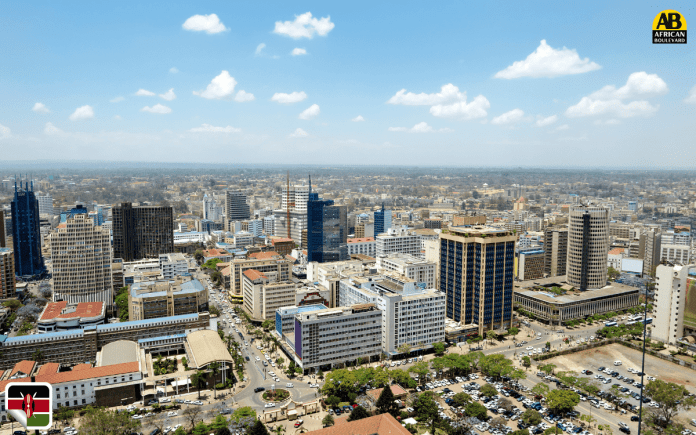
    Nairobi, Kenya – (African Boulevard News) – Raila Odinga, the unsuccessful candidate in Kenya’s recent presidential election, is facing challenges in his efforts to internationalize his campaign against Deputy President William Ruto. Despite his impressive address book with high-profile names such as Bobi Wine, Samia Suluhu, Olusegun Obasanjo, and Chris Coons, Odinga is struggling to gain the desired traction on the international stage.

    Odinga, a veteran politician and former Prime Minister of Kenya, has been vocal about his opposition to Ruto’s political ambitions. He believes that Ruto’s leadership would be detrimental to Kenya’s development and democratic progress. In his quest to rally international support, Odinga has reached out to influential figures across Africa and beyond.

    However, according to sources, Odinga’s international campaign has not gained the momentum he had hoped for. Despite his contacts and efforts to garner support, he has struggled to effectively communicate his message to the international community. This has left some questioning his ability to rally global backing for his cause.

    Experts suggest that one of the reasons Odinga is facing difficulties is the lack of a cohesive narrative that resonates with international audiences. While his domestic campaign against Ruto focused on issues of corruption, inequality, and democratic reform, his international messaging has been less clear and compelling.

    “Odinga needs to develop a strong narrative that captures the attention and empathy of the international community,” says political analyst John Kipchumba. “He needs to clearly articulate why Ruto’s leadership would be a threat not only to Kenya but also to regional stability and the values that the international community holds dear.”

    Another factor hindering Odinga’s international campaign is Ruto’s own efforts to bolster his image abroad. The Deputy President has been actively engaged in international diplomacy, building relationships with global leaders and positioning himself as a potential future leader of Kenya. This has made it harder for Odinga to paint Ruto as an unfit candidate on the international stage.

    Despite these challenges, Odinga remains determined to gain international support for his cause. He continues to engage with policymakers, advocacy groups, and influential individuals to broaden his network and rally support.

    Odinga’s struggle to internationalize his campaign against Ruto underscores the complexities of engaging with global audiences in pursuit of political objectives. As the political landscape in Kenya continues to evolve, it remains to be seen whether Odinga can successfully navigate these challenges and gain the desired international support.

    In the meantime, he must refine his messaging and leverage his connections to articulate a compelling narrative that resonates with the international community. Only then can he effectively mobilize global backing for his campaign against Ruto and make a significant impact on the political landscape in Kenya and beyond.

    “Niger Coup Shatters Germany’s Sahel Strategy: Uncertainty and Instability Threaten Regional Stability”

    0
    Read Time:2 Minute, 16 Second

    Niamey, Niger – (African Boulevard News) – Germany’s Sahel strategy has been thrown into disarray following the recent coup in Niger, which has left Berlin anxiously monitoring the situation in the country. The coup, which took place on July 26th, has disrupted Germany’s plans to use Niger as a central hub for its activities in the Sahel region.

    Germany had strategically chosen Niger as its base of operations in the Sahel due to its geographical location and proximity to other countries facing security challenges in the region. This move was part of Berlin’s larger goal to enhance stability and security in the Sahel, where Islamist extremist groups have been wreaking havoc for years.

    However, the recent military coup, led by Colonel Salou Djibo, has thrown a wrench into Germany’s plans. The coup has created a power vacuum in Niger, leading to political instability and uncertainty. This, in turn, has raised concerns about Germany’s ability to effectively implement its Sahel strategy.

    According to experts, this coup has highlighted the fragility of the political landscape in the Sahel region. Widespread corruption, weak institutions, and a lack of effective governance have created an environment conducive to political instability and military takeovers.

    In an interview with African Boulevard News, Dr. Karin von Hippel, Director-General of the Royal United Services Institute (RUSI), expressed her concerns about the impact of the coup on Germany’s Sahel strategy. She stated, “The recent coup in Niger is a setback for Germany’s efforts in the Sahel. It raises questions about the country’s stability and the effectiveness of its government. This instability will undoubtedly impact Germany’s ability to carry out its plans in the region.”

    The German government is closely monitoring the situation in Niger, with officials expressing their hope for a quick return to civilian governance. However, the future of Germany’s Sahel strategy remains uncertain in light of the recent events.

    Germany’s Sahel strategy aimed to contribute to stability and development in the region through various means, including providing financial and technical support to Niger and other Sahel countries, and enhancing security cooperation through joint military exercises and training programs.

    The recent coup serves as a stark reminder of the challenges facing the Sahel region and the need for a comprehensive and integrated approach to address the root causes of instability. Germany, along with its international partners, will need to reassess its Sahel strategy and adapt to the evolving political situation in Niger to achieve its desired objectives.

    As the situation in Niger unfolds, the world watches with bated breath, hoping for a swift resolution and a return to stability. The outcome will not only impact Niger but will also have significant implications for Germany’s Sahel strategy and the broader security landscape in the region.

    Tunisia’s Battle for Justice and Democracy: Landmark Court Decision to Determine Fate of Human Rights

    0
    Read Time:2 Minute, 13 Second

    Tunis, Tunisia – (African Boulevard News) – In an ongoing battle for justice and human rights, Tunisian lawyer Brahim Belghith eagerly awaits a crucial ruling by the African Court on Human Rights in September. Belghith has challenged the legality of certain political decisions made by Tunisian President Kais Saied, raising concerns about the state of democracy in the country.

    Belghith’s case has captured the attention of the African Court, which is known for its commitment to upholding human rights across the continent. Tunis, the bustling capital of Tunisia, remains in the sights of this prestigious court as it examines the implications of President Saied’s actions.

    The court’s ruling in September will have far-reaching consequences not only for Tunisia but also for the broader African continent. It will set a precedent for how political decisions impacting fundamental rights and democracy are judged, ensuring that leaders are held accountable for their actions.

    Speaking about his case, Belghith stated, “I am fighting for the rights of Tunisians and the principles of democracy. The African Court’s decision will determine whether we can trust our leaders to uphold the values we hold dear.”

    Experts and activists are closely following this development, acknowledging the significance of the court’s decision. Human rights organizations have stressed the importance of ensuring that democratic principles are upheld and respected.

    “Tunisia has been seen as a beacon of hope in the region, with its successful transition to democracy after the Arab Spring. The African Court’s ruling will test the government’s commitment to upholding the rights and freedoms of its citizens,” said an expert from a Tunisian think tank.

    The case has reignited a national conversation about the separation of powers and the role of the judiciary in safeguarding democratic processes. It highlights the delicate balance between executive authority and individual liberties that all democratic societies must navigate.

    However, President Saied and his supporters argue that his actions were necessary to counter corruption and protect Tunisia’s fragile democracy from further erosion. They believe that the African Court’s intervention undermines Tunisia’s sovereignty and interferes in its domestic affairs.

    As the court prepares to deliver its ruling, Tunisians eagerly await the outcome. The decision will not only shape the future of democracy in Tunisia but also resonate across the continent, demonstrating the importance of upholding human rights and safeguarding democratic principles.

    In a world where accountability and transparency are crucial, the African Court on Human Rights plays a vital role in ensuring that leaders are held responsible for their actions. As the case of Tunis unfolds, the court’s decision will send a clear message: the fight for human rights and democracy continues, and no one is above the law.

    Zimbabwe: Delays in Delivery of Ballot Papers Spark Frustration and Deeper Distrust, Threaten Democracy

    0
    Read Time:2 Minute, 7 Second

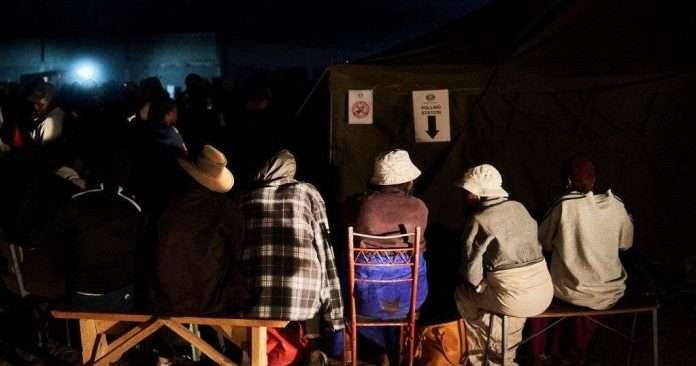
    Harare, Zimbabwe – (African Boulevard News) – Voters in opposition strongholds in Zimbabwe are expressing their frustration and disappointment as delays in the delivery of ballot papers disrupt the election process. The situation has left many citizens feeling disenfranchised and concerned about the integrity of the electoral process.

    “It’s a surprise because we came here expecting to cast our votes but surprisingly to be told that the ballot papers are not here. As far as we know, Zec is concerned they say that they were more than prepared for this election,” one resident of the opposition stronghold said.

    The delays have raised questions about the transparency and fairness of the elections, with some alleging that it is an intentional tactic to suppress the opposition’s chances of winning. The Zimbabwe Electoral Commission (Zec) has assured voters that the delays are due to logistical challenges and not a deliberate attempt to manipulate the outcome.

    However, critics argue that the delays disproportionately affect areas where opposition support is strong, suggesting a targeted effort to undermine opposition candidates. This has further eroded trust in the electoral process and fueled tensions in an already polarized political environment.

    The opposition party, Movement for Democratic Change – Alliance (MDC-A), has called for an urgent investigation into the matter and has accused Zec of deliberately sabotaging the election process. They argue that the delays in opposition strongholds are part of a larger pattern of voter suppression tactics employed by the ruling party.

    In response, the Chairperson of Zec, Sydney Chisi, stated that the delays were not politically motivated and that the commission is working strenuously to rectify the situation. He reassured voters that their voices will be heard and their rights protected.

    The delays in delivering ballot papers have also raised concerns among international observers, who are closely monitoring the electoral process. The Southern African Development Community (SADC) has urged Zec to address the logistical challenges promptly and ensure a smooth voting process for all citizens.

    As the country eagerly awaits the resolution of these delays, it is crucial for stakeholders to come together and find a solution that will restore confidence in the electoral process. Transparency and fairness are essential for a functioning democracy, and it is the responsibility of Zec and other relevant authorities to ensure that every eligible voter can exercise their democratic rights without hindrance or bias.

    In the meantime, voters in opposition strongholds continue to wait anxiously for the arrival of the much-awaited ballot papers, hoping that their voices will not be silenced in these crucial elections.