Wednesday, May 6, 2026
90.7 F
Lagos
More
    Home Blog Page 247

    “Niger Coup Shatters Germany’s Sahel Strategy: Uncertainty and Instability Threaten Regional Stability”

    0
    Read Time:2 Minute, 16 Second

    Niamey, Niger – (African Boulevard News) – Germany’s Sahel strategy has been thrown into disarray following the recent coup in Niger, which has left Berlin anxiously monitoring the situation in the country. The coup, which took place on July 26th, has disrupted Germany’s plans to use Niger as a central hub for its activities in the Sahel region.

    Germany had strategically chosen Niger as its base of operations in the Sahel due to its geographical location and proximity to other countries facing security challenges in the region. This move was part of Berlin’s larger goal to enhance stability and security in the Sahel, where Islamist extremist groups have been wreaking havoc for years.

    However, the recent military coup, led by Colonel Salou Djibo, has thrown a wrench into Germany’s plans. The coup has created a power vacuum in Niger, leading to political instability and uncertainty. This, in turn, has raised concerns about Germany’s ability to effectively implement its Sahel strategy.

    According to experts, this coup has highlighted the fragility of the political landscape in the Sahel region. Widespread corruption, weak institutions, and a lack of effective governance have created an environment conducive to political instability and military takeovers.

    In an interview with African Boulevard News, Dr. Karin von Hippel, Director-General of the Royal United Services Institute (RUSI), expressed her concerns about the impact of the coup on Germany’s Sahel strategy. She stated, “The recent coup in Niger is a setback for Germany’s efforts in the Sahel. It raises questions about the country’s stability and the effectiveness of its government. This instability will undoubtedly impact Germany’s ability to carry out its plans in the region.”

    The German government is closely monitoring the situation in Niger, with officials expressing their hope for a quick return to civilian governance. However, the future of Germany’s Sahel strategy remains uncertain in light of the recent events.

    Germany’s Sahel strategy aimed to contribute to stability and development in the region through various means, including providing financial and technical support to Niger and other Sahel countries, and enhancing security cooperation through joint military exercises and training programs.

    The recent coup serves as a stark reminder of the challenges facing the Sahel region and the need for a comprehensive and integrated approach to address the root causes of instability. Germany, along with its international partners, will need to reassess its Sahel strategy and adapt to the evolving political situation in Niger to achieve its desired objectives.

    As the situation in Niger unfolds, the world watches with bated breath, hoping for a swift resolution and a return to stability. The outcome will not only impact Niger but will also have significant implications for Germany’s Sahel strategy and the broader security landscape in the region.
    Guinea’s Future Hangs in the Balance: Will Russia Pay its Debt, Ignite Economic Crisis or Sink Mining Industry?

    0
    Read Time:2 Minute, 21 Second

    Conakry, Guinea – (African Boulevard News) – Tensions have escalated between Guinea’s junta government and Russia’s Nordgold over the state’s 15% stake in Societe Miniere de Dinguiraye (SMD). The dispute centers on the payment of a debt dating back to 2006, when the state’s shares in SMD were sold to Crew Gold, the former owner of the mine that subsequently sold it to Alexei.

    The junta is now demanding payment for the debt, prompting a clash with Nordgold, which has refused to comply with Conakry’s demands. This disagreement has raised concerns about the future of the mining industry in Guinea and foreign investment in the country.

    According to sources, the junta government is seeking to assert its control and maximize revenues from the mining sector, which is crucial to Guinea’s economy. The state’s 15% stake in SMD represents a significant asset and a source of potential income. However, Nordgold argues that the debt should not be its responsibility, as it acquired SMD from Crew Gold, who had already sold the mine.

    The standoff between the junta and Nordgold highlights the complexities and challenges of dealing with foreign investors in the mining industry. It underscores the need for clear contractual agreements and effective dispute resolution mechanisms to avoid such conflicts. The outcome could have significant implications for future investments in Guinea, as it may deter other companies from engaging in business deals with the junta.

    Industry experts have expressed concerns about the impact of this dispute on Guinea’s mining sector. Alexei, a local mining analyst, warned, “If the junta continues to pursue this debt, it could deter foreign investors who are already wary of the political instability in Guinea. This may hinder the country’s economic growth and development.”

    While the junta may argue that it is acting in the interest of the state and seeking to maximize revenues, it is essential to find a balance that ensures a favorable investment climate while protecting the rights and interests of all parties involved.

    As the dispute unfolds, all eyes are on the junta and Nordgold, awaiting a resolution that will determine the future of the state’s stake in SMD. Guinea’s ability to attract foreign investment and maintain stability in the mining sector hangs in the balance, with the outcome of this clash having far-reaching implications for the country’s economic prospects.

    In conclusion, the clash between Guinea’s junta government and Russia’s Nordgold over the state’s 15% stake in SMD has exposed the challenges faced in the mining industry and highlighted the need for clear contractual agreements and effective dispute resolution mechanisms. The outcome of this dispute will have significant implications for foreign investment in Guinea and the country’s economic growth. It remains to be seen how the junta and Nordgold will navigate this conflict and find a resolution that serves the interests of all stakeholders involved.

    “Niger Coup Shatters Germany’s Sahel Strategy: Uncertainty and Instability Threaten Regional Stability”

    0
    Read Time:2 Minute, 16 Second

    Niamey, Niger – (African Boulevard News) – Germany’s Sahel strategy has been thrown into disarray following the recent coup in Niger, which has left Berlin anxiously monitoring the situation in the country. The coup, which took place on July 26th, has disrupted Germany’s plans to use Niger as a central hub for its activities in the Sahel region.

    Germany had strategically chosen Niger as its base of operations in the Sahel due to its geographical location and proximity to other countries facing security challenges in the region. This move was part of Berlin’s larger goal to enhance stability and security in the Sahel, where Islamist extremist groups have been wreaking havoc for years.

    However, the recent military coup, led by Colonel Salou Djibo, has thrown a wrench into Germany’s plans. The coup has created a power vacuum in Niger, leading to political instability and uncertainty. This, in turn, has raised concerns about Germany’s ability to effectively implement its Sahel strategy.

    According to experts, this coup has highlighted the fragility of the political landscape in the Sahel region. Widespread corruption, weak institutions, and a lack of effective governance have created an environment conducive to political instability and military takeovers.

    In an interview with African Boulevard News, Dr. Karin von Hippel, Director-General of the Royal United Services Institute (RUSI), expressed her concerns about the impact of the coup on Germany’s Sahel strategy. She stated, “The recent coup in Niger is a setback for Germany’s efforts in the Sahel. It raises questions about the country’s stability and the effectiveness of its government. This instability will undoubtedly impact Germany’s ability to carry out its plans in the region.”

    The German government is closely monitoring the situation in Niger, with officials expressing their hope for a quick return to civilian governance. However, the future of Germany’s Sahel strategy remains uncertain in light of the recent events.

    Germany’s Sahel strategy aimed to contribute to stability and development in the region through various means, including providing financial and technical support to Niger and other Sahel countries, and enhancing security cooperation through joint military exercises and training programs.

    The recent coup serves as a stark reminder of the challenges facing the Sahel region and the need for a comprehensive and integrated approach to address the root causes of instability. Germany, along with its international partners, will need to reassess its Sahel strategy and adapt to the evolving political situation in Niger to achieve its desired objectives.

    As the situation in Niger unfolds, the world watches with bated breath, hoping for a swift resolution and a return to stability. The outcome will not only impact Niger but will also have significant implications for Germany’s Sahel strategy and the broader security landscape in the region.

    Guinea’s Future Hangs in the Balance: Will Russia Pay its Debt, Ignite Economic Crisis or Sink Mining Industry?

    0
    Read Time:2 Minute, 21 Second

    Conakry, Guinea – (African Boulevard News) – Tensions have escalated between Guinea’s junta government and Russia’s Nordgold over the state’s 15% stake in Societe Miniere de Dinguiraye (SMD). The dispute centers on the payment of a debt dating back to 2006, when the state’s shares in SMD were sold to Crew Gold, the former owner of the mine that subsequently sold it to Alexei.

    The junta is now demanding payment for the debt, prompting a clash with Nordgold, which has refused to comply with Conakry’s demands. This disagreement has raised concerns about the future of the mining industry in Guinea and foreign investment in the country.

    According to sources, the junta government is seeking to assert its control and maximize revenues from the mining sector, which is crucial to Guinea’s economy. The state’s 15% stake in SMD represents a significant asset and a source of potential income. However, Nordgold argues that the debt should not be its responsibility, as it acquired SMD from Crew Gold, who had already sold the mine.

    The standoff between the junta and Nordgold highlights the complexities and challenges of dealing with foreign investors in the mining industry. It underscores the need for clear contractual agreements and effective dispute resolution mechanisms to avoid such conflicts. The outcome could have significant implications for future investments in Guinea, as it may deter other companies from engaging in business deals with the junta.

    Industry experts have expressed concerns about the impact of this dispute on Guinea’s mining sector. Alexei, a local mining analyst, warned, “If the junta continues to pursue this debt, it could deter foreign investors who are already wary of the political instability in Guinea. This may hinder the country’s economic growth and development.”

    While the junta may argue that it is acting in the interest of the state and seeking to maximize revenues, it is essential to find a balance that ensures a favorable investment climate while protecting the rights and interests of all parties involved.

    As the dispute unfolds, all eyes are on the junta and Nordgold, awaiting a resolution that will determine the future of the state’s stake in SMD. Guinea’s ability to attract foreign investment and maintain stability in the mining sector hangs in the balance, with the outcome of this clash having far-reaching implications for the country’s economic prospects.

    In conclusion, the clash between Guinea’s junta government and Russia’s Nordgold over the state’s 15% stake in SMD has exposed the challenges faced in the mining industry and highlighted the need for clear contractual agreements and effective dispute resolution mechanisms. The outcome of this dispute will have significant implications for foreign investment in Guinea and the country’s economic growth. It remains to be seen how the junta and Nordgold will navigate this conflict and find a resolution that serves the interests of all stakeholders involved.

    “Niger Coup Shatters Germany’s Sahel Strategy: Uncertainty and Instability Threaten Regional Stability”

    0
    Read Time:2 Minute, 16 Second

    Niamey, Niger – (African Boulevard News) – Germany’s Sahel strategy has been thrown into disarray following the recent coup in Niger, which has left Berlin anxiously monitoring the situation in the country. The coup, which took place on July 26th, has disrupted Germany’s plans to use Niger as a central hub for its activities in the Sahel region.

    Germany had strategically chosen Niger as its base of operations in the Sahel due to its geographical location and proximity to other countries facing security challenges in the region. This move was part of Berlin’s larger goal to enhance stability and security in the Sahel, where Islamist extremist groups have been wreaking havoc for years.

    However, the recent military coup, led by Colonel Salou Djibo, has thrown a wrench into Germany’s plans. The coup has created a power vacuum in Niger, leading to political instability and uncertainty. This, in turn, has raised concerns about Germany’s ability to effectively implement its Sahel strategy.

    According to experts, this coup has highlighted the fragility of the political landscape in the Sahel region. Widespread corruption, weak institutions, and a lack of effective governance have created an environment conducive to political instability and military takeovers.

    In an interview with African Boulevard News, Dr. Karin von Hippel, Director-General of the Royal United Services Institute (RUSI), expressed her concerns about the impact of the coup on Germany’s Sahel strategy. She stated, “The recent coup in Niger is a setback for Germany’s efforts in the Sahel. It raises questions about the country’s stability and the effectiveness of its government. This instability will undoubtedly impact Germany’s ability to carry out its plans in the region.”

    The German government is closely monitoring the situation in Niger, with officials expressing their hope for a quick return to civilian governance. However, the future of Germany’s Sahel strategy remains uncertain in light of the recent events.

    Germany’s Sahel strategy aimed to contribute to stability and development in the region through various means, including providing financial and technical support to Niger and other Sahel countries, and enhancing security cooperation through joint military exercises and training programs.

    The recent coup serves as a stark reminder of the challenges facing the Sahel region and the need for a comprehensive and integrated approach to address the root causes of instability. Germany, along with its international partners, will need to reassess its Sahel strategy and adapt to the evolving political situation in Niger to achieve its desired objectives.

    As the situation in Niger unfolds, the world watches with bated breath, hoping for a swift resolution and a return to stability. The outcome will not only impact Niger but will also have significant implications for Germany’s Sahel strategy and the broader security landscape in the region.

    Guinea’s Future Hangs in the Balance: Will Russia Pay its Debt, Ignite Economic Crisis or Sink Mining Industry?

    0
    Read Time:2 Minute, 21 Second

    Conakry, Guinea – (African Boulevard News) – Tensions have escalated between Guinea’s junta government and Russia’s Nordgold over the state’s 15% stake in Societe Miniere de Dinguiraye (SMD). The dispute centers on the payment of a debt dating back to 2006, when the state’s shares in SMD were sold to Crew Gold, the former owner of the mine that subsequently sold it to Alexei.

    The junta is now demanding payment for the debt, prompting a clash with Nordgold, which has refused to comply with Conakry’s demands. This disagreement has raised concerns about the future of the mining industry in Guinea and foreign investment in the country.

    According to sources, the junta government is seeking to assert its control and maximize revenues from the mining sector, which is crucial to Guinea’s economy. The state’s 15% stake in SMD represents a significant asset and a source of potential income. However, Nordgold argues that the debt should not be its responsibility, as it acquired SMD from Crew Gold, who had already sold the mine.

    The standoff between the junta and Nordgold highlights the complexities and challenges of dealing with foreign investors in the mining industry. It underscores the need for clear contractual agreements and effective dispute resolution mechanisms to avoid such conflicts. The outcome could have significant implications for future investments in Guinea, as it may deter other companies from engaging in business deals with the junta.

    Industry experts have expressed concerns about the impact of this dispute on Guinea’s mining sector. Alexei, a local mining analyst, warned, “If the junta continues to pursue this debt, it could deter foreign investors who are already wary of the political instability in Guinea. This may hinder the country’s economic growth and development.”

    While the junta may argue that it is acting in the interest of the state and seeking to maximize revenues, it is essential to find a balance that ensures a favorable investment climate while protecting the rights and interests of all parties involved.

    As the dispute unfolds, all eyes are on the junta and Nordgold, awaiting a resolution that will determine the future of the state’s stake in SMD. Guinea’s ability to attract foreign investment and maintain stability in the mining sector hangs in the balance, with the outcome of this clash having far-reaching implications for the country’s economic prospects.

    In conclusion, the clash between Guinea’s junta government and Russia’s Nordgold over the state’s 15% stake in SMD has exposed the challenges faced in the mining industry and highlighted the need for clear contractual agreements and effective dispute resolution mechanisms. The outcome of this dispute will have significant implications for foreign investment in Guinea and the country’s economic growth. It remains to be seen how the junta and Nordgold will navigate this conflict and find a resolution that serves the interests of all stakeholders involved.

    “Niger Coup Shatters Germany’s Sahel Strategy: Uncertainty and Instability Threaten Regional Stability”

    0
    Read Time:2 Minute, 16 Second

    Niamey, Niger – (African Boulevard News) – Germany’s Sahel strategy has been thrown into disarray following the recent coup in Niger, which has left Berlin anxiously monitoring the situation in the country. The coup, which took place on July 26th, has disrupted Germany’s plans to use Niger as a central hub for its activities in the Sahel region.

    Germany had strategically chosen Niger as its base of operations in the Sahel due to its geographical location and proximity to other countries facing security challenges in the region. This move was part of Berlin’s larger goal to enhance stability and security in the Sahel, where Islamist extremist groups have been wreaking havoc for years.

    However, the recent military coup, led by Colonel Salou Djibo, has thrown a wrench into Germany’s plans. The coup has created a power vacuum in Niger, leading to political instability and uncertainty. This, in turn, has raised concerns about Germany’s ability to effectively implement its Sahel strategy.

    According to experts, this coup has highlighted the fragility of the political landscape in the Sahel region. Widespread corruption, weak institutions, and a lack of effective governance have created an environment conducive to political instability and military takeovers.

    In an interview with African Boulevard News, Dr. Karin von Hippel, Director-General of the Royal United Services Institute (RUSI), expressed her concerns about the impact of the coup on Germany’s Sahel strategy. She stated, “The recent coup in Niger is a setback for Germany’s efforts in the Sahel. It raises questions about the country’s stability and the effectiveness of its government. This instability will undoubtedly impact Germany’s ability to carry out its plans in the region.”

    The German government is closely monitoring the situation in Niger, with officials expressing their hope for a quick return to civilian governance. However, the future of Germany’s Sahel strategy remains uncertain in light of the recent events.

    Germany’s Sahel strategy aimed to contribute to stability and development in the region through various means, including providing financial and technical support to Niger and other Sahel countries, and enhancing security cooperation through joint military exercises and training programs.

    The recent coup serves as a stark reminder of the challenges facing the Sahel region and the need for a comprehensive and integrated approach to address the root causes of instability. Germany, along with its international partners, will need to reassess its Sahel strategy and adapt to the evolving political situation in Niger to achieve its desired objectives.

    As the situation in Niger unfolds, the world watches with bated breath, hoping for a swift resolution and a return to stability. The outcome will not only impact Niger but will also have significant implications for Germany’s Sahel strategy and the broader security landscape in the region.

    Guinea’s Future Hangs in the Balance: Will Russia Pay its Debt, Ignite Economic Crisis or Sink Mining Industry?

    0
    Read Time:2 Minute, 21 Second

    Conakry, Guinea – (African Boulevard News) – Tensions have escalated between Guinea’s junta government and Russia’s Nordgold over the state’s 15% stake in Societe Miniere de Dinguiraye (SMD). The dispute centers on the payment of a debt dating back to 2006, when the state’s shares in SMD were sold to Crew Gold, the former owner of the mine that subsequently sold it to Alexei.

    The junta is now demanding payment for the debt, prompting a clash with Nordgold, which has refused to comply with Conakry’s demands. This disagreement has raised concerns about the future of the mining industry in Guinea and foreign investment in the country.

    According to sources, the junta government is seeking to assert its control and maximize revenues from the mining sector, which is crucial to Guinea’s economy. The state’s 15% stake in SMD represents a significant asset and a source of potential income. However, Nordgold argues that the debt should not be its responsibility, as it acquired SMD from Crew Gold, who had already sold the mine.

    The standoff between the junta and Nordgold highlights the complexities and challenges of dealing with foreign investors in the mining industry. It underscores the need for clear contractual agreements and effective dispute resolution mechanisms to avoid such conflicts. The outcome could have significant implications for future investments in Guinea, as it may deter other companies from engaging in business deals with the junta.

    Industry experts have expressed concerns about the impact of this dispute on Guinea’s mining sector. Alexei, a local mining analyst, warned, “If the junta continues to pursue this debt, it could deter foreign investors who are already wary of the political instability in Guinea. This may hinder the country’s economic growth and development.”

    While the junta may argue that it is acting in the interest of the state and seeking to maximize revenues, it is essential to find a balance that ensures a favorable investment climate while protecting the rights and interests of all parties involved.

    As the dispute unfolds, all eyes are on the junta and Nordgold, awaiting a resolution that will determine the future of the state’s stake in SMD. Guinea’s ability to attract foreign investment and maintain stability in the mining sector hangs in the balance, with the outcome of this clash having far-reaching implications for the country’s economic prospects.

    In conclusion, the clash between Guinea’s junta government and Russia’s Nordgold over the state’s 15% stake in SMD has exposed the challenges faced in the mining industry and highlighted the need for clear contractual agreements and effective dispute resolution mechanisms. The outcome of this dispute will have significant implications for foreign investment in Guinea and the country’s economic growth. It remains to be seen how the junta and Nordgold will navigate this conflict and find a resolution that serves the interests of all stakeholders involved.

    “Niger Coup Shatters Germany’s Sahel Strategy: Uncertainty and Instability Threaten Regional Stability”

    0
    Read Time:2 Minute, 16 Second

    Niamey, Niger – (African Boulevard News) – Germany’s Sahel strategy has been thrown into disarray following the recent coup in Niger, which has left Berlin anxiously monitoring the situation in the country. The coup, which took place on July 26th, has disrupted Germany’s plans to use Niger as a central hub for its activities in the Sahel region.

    Germany had strategically chosen Niger as its base of operations in the Sahel due to its geographical location and proximity to other countries facing security challenges in the region. This move was part of Berlin’s larger goal to enhance stability and security in the Sahel, where Islamist extremist groups have been wreaking havoc for years.

    However, the recent military coup, led by Colonel Salou Djibo, has thrown a wrench into Germany’s plans. The coup has created a power vacuum in Niger, leading to political instability and uncertainty. This, in turn, has raised concerns about Germany’s ability to effectively implement its Sahel strategy.

    According to experts, this coup has highlighted the fragility of the political landscape in the Sahel region. Widespread corruption, weak institutions, and a lack of effective governance have created an environment conducive to political instability and military takeovers.

    In an interview with African Boulevard News, Dr. Karin von Hippel, Director-General of the Royal United Services Institute (RUSI), expressed her concerns about the impact of the coup on Germany’s Sahel strategy. She stated, “The recent coup in Niger is a setback for Germany’s efforts in the Sahel. It raises questions about the country’s stability and the effectiveness of its government. This instability will undoubtedly impact Germany’s ability to carry out its plans in the region.”

    The German government is closely monitoring the situation in Niger, with officials expressing their hope for a quick return to civilian governance. However, the future of Germany’s Sahel strategy remains uncertain in light of the recent events.

    Germany’s Sahel strategy aimed to contribute to stability and development in the region through various means, including providing financial and technical support to Niger and other Sahel countries, and enhancing security cooperation through joint military exercises and training programs.

    The recent coup serves as a stark reminder of the challenges facing the Sahel region and the need for a comprehensive and integrated approach to address the root causes of instability. Germany, along with its international partners, will need to reassess its Sahel strategy and adapt to the evolving political situation in Niger to achieve its desired objectives.

    As the situation in Niger unfolds, the world watches with bated breath, hoping for a swift resolution and a return to stability. The outcome will not only impact Niger but will also have significant implications for Germany’s Sahel strategy and the broader security landscape in the region.

    Eritrea Embraces Sun’s Power: Launches Tender for Groundbreaking Solar Plant to Transform Nation’s Future

    0
    Read Time:2 Minute, 18 Second

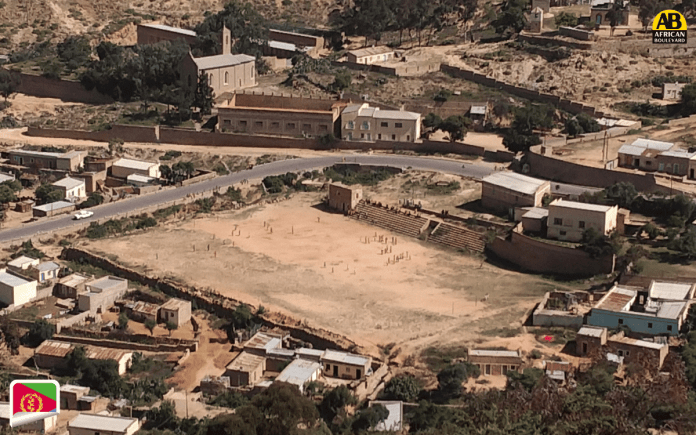
    Asmara, Eritrea – (African Boulevard News) – Eritrea is set to embark on a groundbreaking project as it seeks a designer for its first-ever solar power plant, with a capacity of 30MW. The government of Eritrea has recently launched a tender for this ambitious renewable energy initiative, aiming to harness the power of the sun to meet the country’s increasing energy demands and reduce its dependence on fossil fuels.

    The solar power plant, once completed, will be a significant milestone for Eritrea’s energy sector. With its favorable climate and abundant sunlight, the country has the potential to become a regional powerhouse in solar energy. This project aligns with Eritrea’s commitment to sustainable development and its aspirations to become a leader in renewable energy on the African continent.

    Eritrea’s government, through the Ministry of Energy and Mines, has invited local and international companies with expertise in solar energy to submit their proposals for the design and construction of the solar power plant. The tender process will ensure a fair and transparent selection of the most qualified and competent designer to undertake this crucial project.

    Numerous global companies specializing in renewable energy have already expressed their interest in participating in the tender. This demonstrates the growing recognition of Eritrea’s untapped potential in the renewable energy sector and the optimism surrounding the country’s investment climate.

    Eng. Abraham Yohannes, a leading expert in renewable energy and Sustainable Development Goals (SDGs), emphasized the significance of this solar power plant for Eritrea. He stated, “The implementation of this project will not only contribute to our energy needs but also create employment opportunities and reduce our carbon footprint. It will undoubtedly have a positive impact on the environment and the well-being of our citizens.”

    The establishment of a solar power plant of this magnitude will also attract foreign direct investment, promoting economic growth and enhancing Eritrea’s self-sufficiency in meeting its energy demands. Additionally, it will pave the way for future solar energy projects and further strengthen Eritrea’s commitment to a greener and more sustainable future.

    As the tender process progresses, it is expected that Eritrea will select a designer with a proven track record in solar energy projects and a commitment to delivering high-quality, reliable infrastructure. The chosen designer will work closely with the Eritrean government to construct the solar power plant efficiently and effectively.

    Eritrea’s venture into solar energy is a testament to its determination to embrace renewable sources of power. The construction of the 30MW solar power plant will undoubtedly propel Eritrea forward towards a greener, more sustainable future. With the potential to become a regional leader in renewable energy, Eritrea is showcasing its commitment to addressing climate change and meeting its energy needs while contributing to the global shift towards a low-carbon economy.