Tuesday, April 21, 2026
91.8 F
Lagos
More
    Home Blog Page 23

    Nigeria: Heartbroken Villagers Bid Farewell to Slain Farmers in Boko Haram Horror, Urging for an End to Bloodshed

    0
    Read Time:2 Minute, 4 Second

    Abuja, Nigeria – (African Boulevard News) – Villagers in Nigeria’s northeast Borno State gathered in sorrow on Monday (Nov. 06) to attend the funerals of at least 11 farmers who fell victim to a suspected Boko Haram attack. The devastating incident took place in Zabarmari, a village located outside the regional capital of Maiduguri.

    The funerals were held at the central mosque in Zabarmari, where family members and friends came together to pay their last respects to the fallen farmers. The atmosphere was somber as the community mourned the loss of their loved ones.

    The suspected jihadists carried out the attack, targeting farmers who were working in their fields. The motive behind the attack remains unclear, as the farming community has traditionally been a vital source of food and livelihood for the region.

    The Nigerian security forces have been fighting against Boko Haram insurgency for over a decade. Despite ongoing efforts, the Islamist extremist group continues to carry out deadly attacks, causing immense suffering and displacing thousands of people from their homes.

    The Nigerian government has been under mounting pressure to find a lasting solution to the Boko Haram menace and bring peace to the region. However, the challenges in tackling the insurgency have proven to be complex and multifaceted.

    In recent years, Boko Haram has expanded its operations, conducting attacks not only in Nigeria but also in neighboring countries such as Cameroon, Niger, and Chad. This has further strained the efforts of the regional forces to combat the insurgency.

    International organizations and stakeholders have condemned the attack, calling for increased support to Nigeria in its fight against terrorism. Mohammed Yusuf, a security analyst, expressed his concern over the situation, stating, “The attack in Zabarmari is a stark reminder of the persistent threat posed by Boko Haram. It is crucial that the Nigerian government and its partners redouble their efforts to neutralize this threat and provide security for the affected communities.”

    The funerals in Zabarmari serve as a painful reminder of the ongoing violence inflicted upon innocent civilians by Boko Haram. While the Nigerian government continues its efforts to address the insurgency, it is clear that more needs to be done to protect the lives and well-being of its citizens.

    As the nation mourns the loss of the 11 farmers, it is hoped that this tragic incident will serve as a catalyst for renewed determination and a united front against Boko Haram, ultimately leading to lasting peace and security in Nigeria’s troubled northeast region.

    “Algeria’s Foreign Ministry undergoes transformation, paving the way for global influence and diplomatic excellence”

    0
    Read Time:2 Minute, 30 Second

    Algiers, Algeria – (African Boulevard News) – The Algerian foreign ministry is undergoing a significant reshuffle under the leadership of Ahmed Attaf. These changes mark a new era for the ministry as Algeria seeks to strengthen its global presence and enhance diplomatic relations with other nations.

    One of the key changes implemented by Attaf is the appointment of several high-ranking officials to important positions within the ministry. This move aims to bring fresh perspectives and expertise to the table, ensuring that Algeria’s foreign policy objectives are met effectively. The reshuffle includes the appointment of new ambassadors to key countries, such as China, France, and the United States.

    “The reshuffle at Algeria’s foreign ministry is a strategic step in the right direction,” said political analyst Samira Hamza. “By appointing experienced diplomats to key positions, Algeria is signaling its commitment to engaging with the international community and pursuing its national interests effectively.”

    Another notable aspect of the reshuffle is the emphasis on youth and gender diversity. Attaf has appointed several young diplomats and women to significant roles within the ministry. This move not only promotes inclusivity but also recognizes the invaluable contributions that young professionals and women can bring to the table.

    “The inclusion of young diplomats and women in the reshuffle reflects Algeria’s commitment to fostering a new generation of leaders in the diplomatic arena,” noted international relations expert, Mohamed Salah. “This signals a progressive approach towards diplomacy and acknowledges the importance of diverse perspectives in shaping Algeria’s foreign policy.”

    In addition to personnel changes, the reshuffle also aims to streamline the ministry’s operations and enhance its efficiency. Attaf has emphasized the need for effective coordination and communication within the ministry to ensure that Algeria’s foreign policy goals are achieved.

    “The restructuring of Algeria’s foreign ministry is a positive step towards improving its effectiveness and professionalism,” stated political analyst, Fatima Amiri. “By implementing streamlined processes and fostering clear communication channels, Algeria can better navigate global affairs and promote its national interests.”

    As Algeria looks to the future, the reshuffle at the foreign ministry sets a promising tone for the nation’s international engagements. With a focus on fresh perspectives, inclusivity, and efficiency, Algeria is positioning itself as an influential player on the global stage. These changes illustrate the government’s commitment to strengthening diplomatic ties and advancing Algeria’s national interests in an ever-evolving world.

    Algiers, Algeria – (African Boulevard News) – Changes are afoot at Algeria’s foreign ministry under Ahmed Attaf. The reshuffle includes the appointment of high-ranking officials, emphasizing youth and gender diversity, and streamlining operations. This strategic step signifies Algeria’s commitment to engaging with the international community and pursuing its national interests effectively. The inclusion of young diplomats and women reflects a progressive approach towards diplomacy and acknowledges the importance of diverse perspectives. Streamlining processes and fostering clear communication channels will enhance the ministry’s effectiveness and professionalism. These changes position Algeria as an influential player on the global stage, strengthening diplomatic ties and advancing national interests in an ever-evolving world.

    Morocco: Waste Management Giant Pizzorno Chooses Expert Arbitrator to Settle Dispute – Industry Reputation Hangs in the Balance

    0
    Read Time:2 Minute, 19 Second

    Rabat, Morocco – (African Boulevard News) – In a recent development, French waste management group Pizzorno has selected Nassib Ziadé, the Chilean-Lebanese chief executive of the Bahrain Chamber for Dispute Resolution, as its arbitrator in a dispute with Morocco. This decision comes after Pizzorno filed a case against the North African country on October 29th.

    Pizzorno, one of France’s leading players in the waste management industry, has chosen Ziadé for his expertise and experience in handling complex disputes. As the CEO of the Bahrain Chamber for Dispute Resolution, Ziadé has a track record of successfully resolving conflicts in various industries. His appointment is expected to bring a fair and impartial perspective to the dispute.

    The dispute between Pizzorno and Morocco revolves around undisclosed issues. However, it is likely related to a business contract or an alleged breach of agreement. The details of the case have not been made public, but Pizzorno’s decision to pursue arbitration suggests that the company feels its claims are valid and warrants a legal resolution.

    The selection of Ziadé as the arbitrator underscores the commitment of both parties to finding a just and equitable solution. By opting for an experienced and respected professional like Ziadé, Pizzorno demonstrates its confidence in the arbitration process and its determination to achieve a fair outcome.

    Industry experts believe that Ziadé’s appointment will enhance the credibility of the arbitration proceedings. His extensive knowledge of international commercial law and experience in resolving disputes involving multinational corporations make him a suitable candidate for this role.

    Morocco’s waste management sector has made significant progress in recent years. With the government’s focus on sustainable development and environmental preservation, the country has implemented various initiatives to improve waste management practices. This case could potentially impact the reputation of both Pizzorno and Morocco’s waste management industry.

    While the details surrounding the dispute remain undisclosed, it is essential for both parties to engage in constructive dialogue and ensure a fair resolution. The selection of an arbitrator is one step towards a peaceful resolution, and it is now up to the respective parties to provide evidence and present their cases.

    The outcome of the arbitration will be closely watched by industry observers and stakeholders who are eager to see how the issue unfolds. The appointment of Nassib Ziadé brings expertise and credibility to the proceedings, which will likely contribute to a fair resolution.

    As the arbitration process proceeds, both Pizzorno and Morocco have an opportunity to address the underlying issues and work towards a mutually beneficial outcome. The final decision will undoubtedly have implications for the waste management industry and set a precedent for future disputes.

    In the end, the parties involved must remember the importance of maintaining a sustainable waste management system for the benefit of both the environment and the communities they serve.

    “Kenya’s Maritime Potential: France Paves the Way for Game-Changing Cooperation Deal”

    0
    Read Time:2 Minute, 22 Second

    Nairobi, Kenya – (African Boulevard News) – France is working towards strengthening maritime cooperation with Kenya. Hervé Berville, the French state secretary for the sea, recently visited the Kenyan coast in late October to lay the groundwork for a potential cooperation deal between the two countries.

    Berville’s visit was aimed at fostering greater collaboration between France and Kenya in the maritime sector. With Kenya’s strategic location along the Indian Ocean, the potential for joint ventures and partnerships in maritime activities is significant.

    The proposed maritime cooperation deal is expected to cover a range of areas, including maritime security, port infrastructure development, maritime transport, and blue economy initiatives. By sharing knowledge and expertise, both France and Kenya can benefit from improved maritime security, increased trade opportunities, and sustainable economic growth.

    According to a report by Africa Intelligence, the French government has been actively seeking to expand its influence in Eastern Africa and the Horn of Africa region. Strengthening maritime cooperation with Kenya is part of this broader strategy, as the country plays a crucial role in regional stability and economic development.

    In recent years, Kenya has made significant investments in port infrastructure, including the expansion of the Mombasa port and the development of the Lamu Port-South Sudan-Ethiopia Transport (LAPSSET) corridor. These initiatives have positioned Kenya as a key player in regional trade and transportation, attracting interest from international partners like France.

    The potential benefits of a maritime cooperation deal with France are not limited to economic gains. Enhanced maritime security measures, such as joint surveillance operations and information sharing, could help combat illegal activities such as piracy and drug trafficking in the region.

    The French state secretary for the sea, Hervé Berville, emphasized the importance of building strong partnerships during his visit to the Kenyan coast. He stated, “We believe that strong maritime cooperation between France and Kenya will not only bring economic benefits to both countries but also contribute to regional stability and security.”

    Industry experts have welcomed the prospect of increased collaboration between France and Kenya in the maritime sector. They believe that such a partnership could lead to the transfer of knowledge and technology, ultimately benefiting Kenya’s blue economy initiatives and contributing to sustainable development.

    As negotiations for the maritime cooperation deal continue, both France and Kenya look forward to deepening their ties in the maritime sector. The potential for joint ventures, knowledge exchange, and increased trade opportunities make this collaboration a promising endeavor for both countries and the wider region.

    In conclusion, France is taking steps to strengthen maritime cooperation with Kenya, recognizing the country’s strategic location and potential for economic growth. A potential cooperation deal between the two countries is expected to cover a range of areas, including maritime security, infrastructure development, and blue economy initiatives. The partnership holds promise for regional stability, improved trade opportunities, and sustainable development.

    Eritrea’s Football Future on the Brink: Battle Between Asylum and Ambition Threatens World Cup Dreams

    0
    Read Time:2 Minute, 5 Second

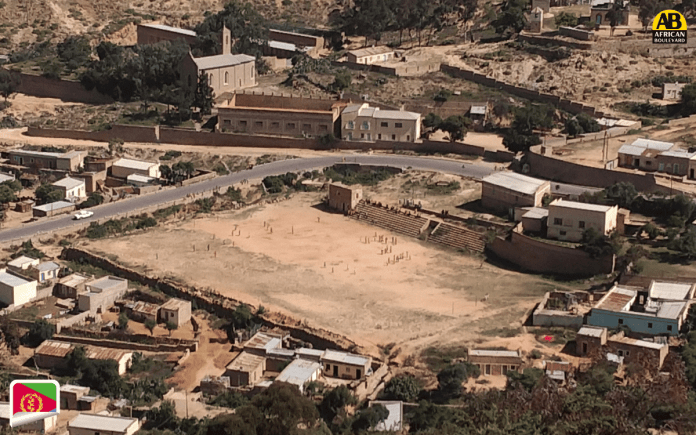
    Asmara, Eritrea – (African Boulevard News) – Eritrea’s Football Association and government are at odds over the country’s participation in the 2026 World Cup qualifiers. The government fears that allowing Eritrean players to travel for these matches could provide them with an opportunity to seek asylum abroad. This clash has raised concerns about the future of Eritrean football and its international standing.

    The Eritrean Football Association (EFA) is eager to showcase the talent of its players on the global stage, but the government’s reluctance to grant permission for their participation has put the team’s involvement in the qualifiers in jeopardy. The EFA argues that this decision hinders the development of football in the country and denies Eritrean players the chance to gain valuable international experience.

    According to officials, the government’s concerns stem from previous instances where Eritrean athletes have used international competitions as an opportunity to flee. These cases have prompted the government to impose strict regulations on the participation of Eritrean athletes in overseas events. However, critics argue that this approach limits Eritrea’s sporting potential and isolates the country from the international community.

    “This conflict between the Eritrean Football Association and the government highlights the challenges faced by athletes in the country. It’s important to strike a balance between protecting national interests and providing opportunities for our players to compete internationally,” said sports analyst Michael Assefa.

    The clash between the EFA and the government has raised concerns among football enthusiasts and stakeholders in Eritrea. The country’s football infrastructure has already faced significant challenges, including limited resources, lack of facilities, and inadequate funding. The government’s decision to potentially withdraw from the World Cup qualifiers further exacerbates these issues.

    “What we need is collaboration between the EFA and the government to find a middle ground. The international exposure and experience gained from participating in the World Cup qualifiers can contribute to the growth of football in Eritrea and benefit our players in the long run,” said football coach Sara Tadesse.

    The EFA and government must find a resolution that balances the protection of national interests with the development of Eritrean football. It is crucial to address concerns about potential player defections while also creating an environment that allows the country’s athletes to compete internationally.

    As the EFA and the government continue their discussions, the fate of Eritrean football hangs in the balance. The outcome of these negotiations will determine whether Eritrea’s football team will participate in the World Cup qualifiers or face further isolation from the global football community.

    Africa: Congo Faces Financial Crisis as Paris Court Rejects President’s Appeal, Orders $1.5 Billion Payment

    0
    Read Time:2 Minute, 11 Second

    Diaspora, Africa – (African Boulevard News) – In a major setback for Congo: Brazzaville, an arbitration court in Paris has rejected Congolese President Denis Sassou Nguesso’s latest appeal to overturn a tribunal ruling. The ruling ordered Congo to pay over $1.5 billion to Mohsen Hojeij’s company, Commisimpex. This development is likely to have significant implications for the Congolese economy and further strain relations between the government and the private sector.

    The arbitration case, which has been ongoing for several years, revolves around a dispute between Congo and Commisimpex over a contract relating to the transportation of oil products. The tribunal initially ruled in favor of Commisimpex, stating that the Congolese government had unlawfully terminated the contract. Despite the ruling, President Nguesso has continuously appealed the decision in an attempt to avoid paying the hefty sum.

    The rejection of President Nguesso’s latest appeal means that Congo: Brazzaville will now be legally obligated to pay the $1.5 billion to Commisimpex. This will undoubtedly put a strain on the country’s already fragile financial situation and could have further ramifications for its economy, which heavily relies on oil exports.

    Industry experts believe that this ruling could have wider implications for foreign investment in Congo. Fredrik Modin, an analyst at African Risk Consulting, explains, “This case sends a clear message to international investors that the Congolese government cannot simply disregard contracts and expect to get away with it. It will make potential investors think twice before entering into business agreements with the government.”

    The rejection of the appeal also highlights the growing tensions between the government and the private sector in Congo. Many companies operating in the country have faced challenges in recent years, including arbitrary contract terminations, corruption, and bureaucratic hurdles. This has created a sense of uncertainty and discouragement for potential investors, hindering economic growth and development.

    President Nguesso’s persistent attempts to overturn the tribunal ruling have drawn criticism from civil society organizations and opposition groups. They argue that the government’s actions undermine the rule of law and erode confidence in the country’s legal system. The rejection of the appeal further fuels these concerns and raises questions about the government’s commitment to transparency and accountability.

    As Congo: Brazzaville grapples with the aftermath of this major setback in the Commisimpex arbitration case, it is clear that the ruling will have far-reaching implications for the country’s economy and foreign investment climate. The government must take steps to rebuild trust with the private sector and demonstrate its commitment to upholding contracts and the rule of law. Failure to do so may have long-term consequences for Congo’s economic prospects and stability.

    “Kenya’s Maritime Potential: France Paves the Way for Game-Changing Cooperation Deal”

    0
    Read Time:2 Minute, 22 Second

    Nairobi, Kenya – (African Boulevard News) – France is working towards strengthening maritime cooperation with Kenya. Hervé Berville, the French state secretary for the sea, recently visited the Kenyan coast in late October to lay the groundwork for a potential cooperation deal between the two countries.

    Berville’s visit was aimed at fostering greater collaboration between France and Kenya in the maritime sector. With Kenya’s strategic location along the Indian Ocean, the potential for joint ventures and partnerships in maritime activities is significant.

    The proposed maritime cooperation deal is expected to cover a range of areas, including maritime security, port infrastructure development, maritime transport, and blue economy initiatives. By sharing knowledge and expertise, both France and Kenya can benefit from improved maritime security, increased trade opportunities, and sustainable economic growth.

    According to a report by Africa Intelligence, the French government has been actively seeking to expand its influence in Eastern Africa and the Horn of Africa region. Strengthening maritime cooperation with Kenya is part of this broader strategy, as the country plays a crucial role in regional stability and economic development.

    In recent years, Kenya has made significant investments in port infrastructure, including the expansion of the Mombasa port and the development of the Lamu Port-South Sudan-Ethiopia Transport (LAPSSET) corridor. These initiatives have positioned Kenya as a key player in regional trade and transportation, attracting interest from international partners like France.

    The potential benefits of a maritime cooperation deal with France are not limited to economic gains. Enhanced maritime security measures, such as joint surveillance operations and information sharing, could help combat illegal activities such as piracy and drug trafficking in the region.

    The French state secretary for the sea, Hervé Berville, emphasized the importance of building strong partnerships during his visit to the Kenyan coast. He stated, “We believe that strong maritime cooperation between France and Kenya will not only bring economic benefits to both countries but also contribute to regional stability and security.”

    Industry experts have welcomed the prospect of increased collaboration between France and Kenya in the maritime sector. They believe that such a partnership could lead to the transfer of knowledge and technology, ultimately benefiting Kenya’s blue economy initiatives and contributing to sustainable development.

    As negotiations for the maritime cooperation deal continue, both France and Kenya look forward to deepening their ties in the maritime sector. The potential for joint ventures, knowledge exchange, and increased trade opportunities make this collaboration a promising endeavor for both countries and the wider region.

    In conclusion, France is taking steps to strengthen maritime cooperation with Kenya, recognizing the country’s strategic location and potential for economic growth. A potential cooperation deal between the two countries is expected to cover a range of areas, including maritime security, infrastructure development, and blue economy initiatives. The partnership holds promise for regional stability, improved trade opportunities, and sustainable development.

    Gabon: A Desperate Search for Stolen Wealth – Will Justice Prevail for a Nation in Crisis?

    0
    Read Time:2 Minute, 24 Second

    Libreville, Gabon – (African Boulevard News) – In the aftermath of the 30 August coup in Gabon, the government has been diligently working to untangle the web of assets held by Noureddin Bongo, son of former president Ali Bongo, in an attempt to recover and repatriate them. The focus has turned to London, where it is believed that a significant number of these assets are located. The junta led by transition president Brice Clotaire Oligui Nguema is determined to track down these London assets, which could provide critical financial support for the struggling economy.

    According to sources within the administration, the junta’s efforts are motivated by the urgent need to stabilize the country’s financial situation. The economic impact of the coup has been severe, with the country experiencing a decline in foreign direct investment, a currency crisis, and a rise in unemployment. Recovering these assets would not only alleviate some of the financial strain but also send a strong message that corruption will not be tolerated.

    The process of tracking down Noureddin Bongo’s assets in London is expected to be complex, given the need for cooperation from international authorities and adherence to legal protocols. The government is reportedly working closely with relevant international agencies, including Interpol and financial crime units, to ensure a thorough investigation.

    Industry experts believe that the recovery of these assets could have a significant positive impact on the Gabonese economy. “If successful, this operation could potentially inject much-needed funds back into the economy, allowing the government to invest in key sectors such as infrastructure development, healthcare, and education,” said Jean-Claude Ngoué, an economist at the Gabonese Institute for Economic Analysis.

    However, there are concerns that the process may face challenges, particularly due to the complexity of international financial transactions. “Tracking offshore assets requires extensive collaboration between countries and financial institutions. While it is a challenging endeavor, it is not impossible,” said Sophie Mboumba, a financial crime specialist.

    Despite the hurdles, the government remains resolute in its pursuit of justice and recovery. The administration is committed to ensuring transparency and accountability throughout the process. “We will leave no stone unturned in our efforts to track down and recover these assets. The people of Gabon deserve a government that works in their best interests,” reiterated President Nguema.

    As the investigations unfold and cooperation with international authorities progresses, the Gabonese people eagerly await the outcome, hoping that the recovery of these assets will mark a new chapter for their country’s economy. The path to stability and prosperity may be long, but the determination of the junta to hold alleged corrupt individuals accountable provides a glimmer of hope for a brighter future.

    While the journey to recover Noureddin Bongo’s London assets is far from over, the Gabonese government’s resolve to track them down signals a turning point in the fight against corruption and a renewed commitment to rebuilding the nation.

    Morocco: Waste Management Giant Pizzorno Chooses Expert Arbitrator to Settle Dispute – Industry Reputation Hangs in the Balance

    0
    Read Time:2 Minute, 19 Second

    Rabat, Morocco – (African Boulevard News) – In a recent development, French waste management group Pizzorno has selected Nassib Ziadé, the Chilean-Lebanese chief executive of the Bahrain Chamber for Dispute Resolution, as its arbitrator in a dispute with Morocco. This decision comes after Pizzorno filed a case against the North African country on October 29th.

    Pizzorno, one of France’s leading players in the waste management industry, has chosen Ziadé for his expertise and experience in handling complex disputes. As the CEO of the Bahrain Chamber for Dispute Resolution, Ziadé has a track record of successfully resolving conflicts in various industries. His appointment is expected to bring a fair and impartial perspective to the dispute.

    The dispute between Pizzorno and Morocco revolves around undisclosed issues. However, it is likely related to a business contract or an alleged breach of agreement. The details of the case have not been made public, but Pizzorno’s decision to pursue arbitration suggests that the company feels its claims are valid and warrants a legal resolution.

    The selection of Ziadé as the arbitrator underscores the commitment of both parties to finding a just and equitable solution. By opting for an experienced and respected professional like Ziadé, Pizzorno demonstrates its confidence in the arbitration process and its determination to achieve a fair outcome.

    Industry experts believe that Ziadé’s appointment will enhance the credibility of the arbitration proceedings. His extensive knowledge of international commercial law and experience in resolving disputes involving multinational corporations make him a suitable candidate for this role.

    Morocco’s waste management sector has made significant progress in recent years. With the government’s focus on sustainable development and environmental preservation, the country has implemented various initiatives to improve waste management practices. This case could potentially impact the reputation of both Pizzorno and Morocco’s waste management industry.

    While the details surrounding the dispute remain undisclosed, it is essential for both parties to engage in constructive dialogue and ensure a fair resolution. The selection of an arbitrator is one step towards a peaceful resolution, and it is now up to the respective parties to provide evidence and present their cases.

    The outcome of the arbitration will be closely watched by industry observers and stakeholders who are eager to see how the issue unfolds. The appointment of Nassib Ziadé brings expertise and credibility to the proceedings, which will likely contribute to a fair resolution.

    As the arbitration process proceeds, both Pizzorno and Morocco have an opportunity to address the underlying issues and work towards a mutually beneficial outcome. The final decision will undoubtedly have implications for the waste management industry and set a precedent for future disputes.

    In the end, the parties involved must remember the importance of maintaining a sustainable waste management system for the benefit of both the environment and the communities they serve.

    “Algeria’s Foreign Ministry undergoes transformation, paving the way for global influence and diplomatic excellence”

    0
    Read Time:2 Minute, 30 Second

    Algiers, Algeria – (African Boulevard News) – The Algerian foreign ministry is undergoing a significant reshuffle under the leadership of Ahmed Attaf. These changes mark a new era for the ministry as Algeria seeks to strengthen its global presence and enhance diplomatic relations with other nations.

    One of the key changes implemented by Attaf is the appointment of several high-ranking officials to important positions within the ministry. This move aims to bring fresh perspectives and expertise to the table, ensuring that Algeria’s foreign policy objectives are met effectively. The reshuffle includes the appointment of new ambassadors to key countries, such as China, France, and the United States.

    “The reshuffle at Algeria’s foreign ministry is a strategic step in the right direction,” said political analyst Samira Hamza. “By appointing experienced diplomats to key positions, Algeria is signaling its commitment to engaging with the international community and pursuing its national interests effectively.”

    Another notable aspect of the reshuffle is the emphasis on youth and gender diversity. Attaf has appointed several young diplomats and women to significant roles within the ministry. This move not only promotes inclusivity but also recognizes the invaluable contributions that young professionals and women can bring to the table.

    “The inclusion of young diplomats and women in the reshuffle reflects Algeria’s commitment to fostering a new generation of leaders in the diplomatic arena,” noted international relations expert, Mohamed Salah. “This signals a progressive approach towards diplomacy and acknowledges the importance of diverse perspectives in shaping Algeria’s foreign policy.”

    In addition to personnel changes, the reshuffle also aims to streamline the ministry’s operations and enhance its efficiency. Attaf has emphasized the need for effective coordination and communication within the ministry to ensure that Algeria’s foreign policy goals are achieved.

    “The restructuring of Algeria’s foreign ministry is a positive step towards improving its effectiveness and professionalism,” stated political analyst, Fatima Amiri. “By implementing streamlined processes and fostering clear communication channels, Algeria can better navigate global affairs and promote its national interests.”

    As Algeria looks to the future, the reshuffle at the foreign ministry sets a promising tone for the nation’s international engagements. With a focus on fresh perspectives, inclusivity, and efficiency, Algeria is positioning itself as an influential player on the global stage. These changes illustrate the government’s commitment to strengthening diplomatic ties and advancing Algeria’s national interests in an ever-evolving world.

    Algiers, Algeria – (African Boulevard News) – Changes are afoot at Algeria’s foreign ministry under Ahmed Attaf. The reshuffle includes the appointment of high-ranking officials, emphasizing youth and gender diversity, and streamlining operations. This strategic step signifies Algeria’s commitment to engaging with the international community and pursuing its national interests effectively. The inclusion of young diplomats and women reflects a progressive approach towards diplomacy and acknowledges the importance of diverse perspectives. Streamlining processes and fostering clear communication channels will enhance the ministry’s effectiveness and professionalism. These changes position Algeria as an influential player on the global stage, strengthening diplomatic ties and advancing national interests in an ever-evolving world.