Friday, May 1, 2026
89.2 F
Lagos
More
    Home Blog Page 125

    Gabon: Neighbouring Republic of Congo Shows Unwavering Support Amidst Turmoil, Igniting Hope For Stability

    0
    Read Time:2 Minute, 14 Second

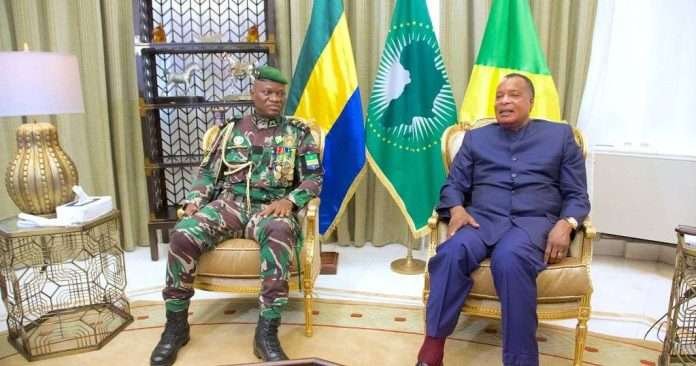
    Libreville, Gabon – (African Boulevard News) – Gabon’s transitional president, received a show of support from neighbouring Republic of Congo on Sunday (Oct. 1) after holding talks with President Denis Sassou Nguesso in central Congo. The visit marked an important step towards strengthening ties between the two countries and ensuring stability in the region.

    During the meeting, President Ali Bongo Ondimba and President Denis Sassou Nguesso discussed various issues of mutual interest, including regional security, economic cooperation, and the ongoing political situation in Gabon. The talks were held in a friendly atmosphere, highlighting the amicable relationship between the two leaders.

    The meeting between the two presidents comes at a crucial time for Gabon, which has been undergoing a transitional period since President Ali Bongo Ondimba fell ill in 2018. His absence from the political scene led to a power vacuum and sparked a wave of uncertainty in the country.

    President Ali Bongo Ondimba, who has been recovering from a stroke, expressed his gratitude for the support he has received from President Denis Sassou Nguesso and the people of Congo during this challenging time. He acknowledged the importance of regional cooperation and unity in addressing the socio-political challenges faced by Gabon.

    Both leaders emphasized the need for stability and development in the region, as well as the importance of maintaining peace and security. They reaffirmed their commitment to enhancing bilateral relations and promoting economic cooperation between their respective countries.

    The visit also served as an opportunity for President Ali Bongo Ondimba to update President Denis Sassou Nguesso on the progress made in Gabon’s transitional process. The two leaders discussed measures taken to ensure a smooth transition of power and the implementation of reforms aimed at strengthening governance and promoting inclusivity.

    The talks between Gabon’s transitional leader and President Denis Sassou Nguesso underline the significance of regional partnerships in addressing complex political challenges. The support from the Republic of Congo sends a clear message of solidarity and unity, as Gabon strives to overcome its transitional period and maintain stability.

    As the two leaders concluded their meeting, President Ali Bongo Ondimba expressed his appreciation for the warm reception and vowed to continue working towards a better future for Gabon. President Denis Sassou Nguesso, on the other hand, reaffirmed his commitment to supporting his Gabonese counterpart in achieving stability and progress.

    The talks between Gabon’s transitional leader and President Denis Sassou Nguesso have not only strengthened bilateral ties but also highlighted the importance of regional cooperation in addressing political challenges. As Gabon moves forward on its path of transition, the support and solidarity from its neighbors will play a crucial role in ensuring a stable and prosperous future for the country.

    Sources:
    Libya: Determination Amidst Devastation – Authorities Delay Reconstruction Conference to Chart a Resilient Path for Flood-Hit Derna

    0
    Read Time:2 Minute, 11 Second

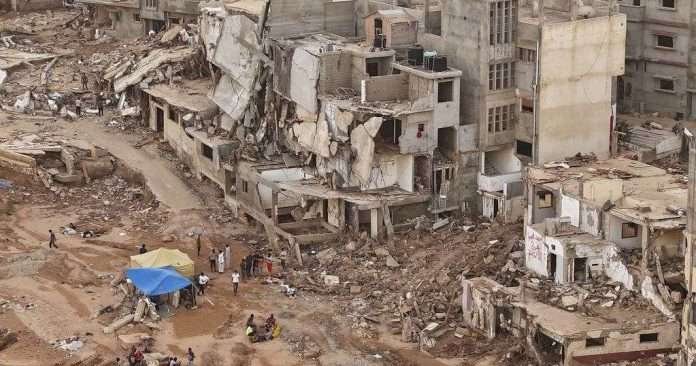
    Tripoli, Libya – (African Boulevard News) – Libya’s eastern authorities have announced the postponement of a highly anticipated reconstruction conference for Derna, a city devastated by floods. The decision comes as officials seek to provide additional time for the submission of comprehensive studies and projects to ensure the success of the reconstruction efforts.

    The conference, which was originally scheduled to take place in the immediate aftermath of the floods, aimed to bring together government officials, international organizations, and local stakeholders to discuss and strategize the recovery process. The delay will allow experts and researchers to further evaluate the situation and propose effective solutions that address the specific needs of Derna.

    “The postponement of the reconstruction conference demonstrates the commitment of the eastern authorities to ensure a comprehensive and well-informed approach to rebuilding Derna,” remarked Ahmed Al-Mismari, the spokesperson for the Libyan National Army (LNA), which controls the eastern part of the country.

    The decision to reschedule the event was made after careful consideration of the challenges involved in the reconstruction process. The floods, triggered by heavy rainfall and inadequate infrastructure, caused extensive damage to homes, businesses, and public infrastructure, leaving many residents displaced and in desperate need of assistance.

    “We want to make sure that we have all the necessary information and proposals before moving forward with the reconstruction efforts,” said Faraj Al-Barasi, the Governor of Derna. “This postponement will allow experts to conduct detailed assessments and propose effective projects that address the needs of our community.”

    The importance of thorough planning and preparation in post-disaster reconstruction cannot be understated. By allowing for more time, authorities can ensure that the conference will result in actionable plans and projects that will expedite and optimize the recovery process for the flood-hit city.

    It is crucial for the conference to involve all relevant stakeholders, including representatives from local communities, international organizations, and various government bodies. This collaborative effort will ensure that the reconstruction of Derna is inclusive, accountable, and tailored to the specific requirements of the affected population.

    While the postponement may cause some disappointment among those eager to begin the reconstruction process, it is a necessary step to guarantee a successful outcome. By prioritizing thorough studies and comprehensive proposals, Libya’s eastern authorities are demonstrating their commitment to rebuilding Derna in a sustainable and resilient manner.

    Trials and tribulations may have befallen Derna, but this postponement is a testament to the determination to rebuild and restore hope to the citizens who have endured unimaginable hardships. Through collective efforts and careful planning, Derna will rise from the rubble and once again flourish as a vibrant and thriving city.

    Eswatini: Fear and Vulnerability – Human Rights Lawyer Lives on the Edge, Fights for Justice Amid Rising Violence

    0
    Read Time:2 Minute, 21 Second

    Mbabane, Eswatini – (African Boulevard News) – Sibusiso Nhlabatsi, a prominent human rights lawyer in Eswatini, has spoken out about the constant fear he lives in since the tragic murder of his colleague and mentor, Thulani Maseko, in January. Nhlabatsi, who has dedicated his life to fighting injustice and defending the vulnerable, now finds himself in the crosshairs of those who seek to silence him.

    The murder of Maseko sent shockwaves through the human rights community in Eswatini. Maseko was known for his relentless advocacy for freedom of expression, often challenging the government’s repressive policies. His killing remains unsolved, further chilling activism and dissent in the country.

    Nhlabatsi, who has continued to champion human rights causes, is well aware that he could be the next target. In an interview with African Boulevard News, he expressed his feelings of fear and vulnerability, saying, “Every day I wake up, not knowing if it will be my last. I live in constant fear that I might be silenced like my dear friend and mentor.”

    Despite the risks, Nhlabatsi remains determined to fight for justice and uphold the rule of law. He believes that the work he does is crucial for the protection of basic human rights and the advancement of democracy in Eswatini. However, this commitment comes at a high personal cost.

    Human rights organizations and activists around the world have condemned the escalating violence and intimidation against lawyers and activists in Eswatini. They call for an end to the culture of fear that permeates the country’s legal system and demand justice for those who have been targeted.

    Nhlabatsi’s struggle mirrors the wider plight of human rights defenders in Eswatini, who face various forms of harassment, including surveillance, threats, and physical violence. The government’s failure to adequately address these issues has created an environment of impunity, leaving lawyers and activists vulnerable and unprotected.

    As the international community continues to shine a spotlight on Eswatini, pressure is mounting on the government to take action. Human rights experts and organizations are calling for a thorough and independent investigation into Maseko’s murder, as well as providing comprehensive protection for those working on similar cases.

    In a statement, a spokesperson from Amnesty International said, “The government of Eswatini must take immediate steps to ensure the safety and security of human rights lawyers and activists. The rule of law and the protection of fundamental freedoms are essential for a just and inclusive society.”

    Nhlabatsi’s courage and determination in the face of adversity serve as an inspiration to others who are fighting for justice and human rights. Until significant action is taken to address the culture of fear and ensure the safety of those working in the legal profession, Nhlabatsi and his colleagues will continue to live in constant fear, sacrificing their own well-being for the sake of justice in Eswatini.

    Niger: Triumph of Independence – Thousands Revel in French Ambassador’s Departure, but It’s Only the Beginning

    0
    Read Time:2 Minute, 6 Second

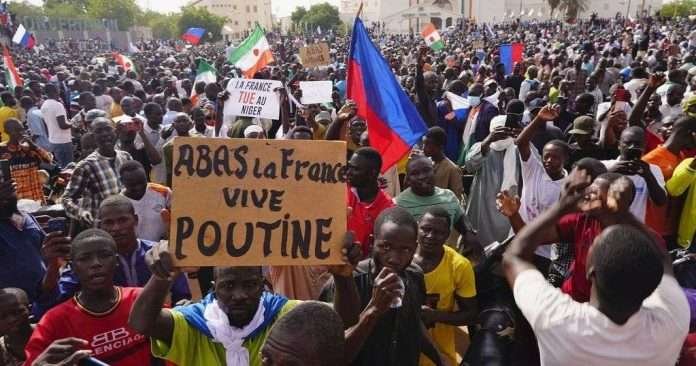
    Niamey, Niger – (African Boulevard News) – Thousands of Nigerians took to the streets of Niamey on Tuesday to celebrate the departure of the French ambassador, Michel Auzenne. The event marked a significant moment for the nation, as the people expressed their sentiments towards France’s perceived interference in Niger’s affairs.

    Under the scorching sun, jubilant crowds waved flags and chanted slogans in support of Niger’s sovereignty. This demonstration came after weeks of growing discontent culminating in the expulsion of the French ambassador by the government. The move was met with widespread approval from the public, who saw it as a bold step towards reclaiming their independence.

    One protester, Aisha Ibrahim, expressed her joy, stating, “Today, we have shown the world that we will not tolerate any form of interference in our country. This is just the beginning. We want true sovereignty and control over our resources.”

    Niger, a former French colony, gained independence in 1960, but many believe that France has continued to exert influence over its political, economic, and military affairs. Critics argue that this has hindered the nation’s development and prevented it from reaching its full potential.

    International relations expert, Dr. Abdul Karim, explained, “The departure of the French ambassador signifies a turning point in Niger-France relations. It signals a growing sentiment among Nigerians that they want to determine their own destiny without external interference.”

    While the celebration was primarily a reaction to France’s influence, it also served as a platform for Nigerians to voice their grievances against the government. Many protestors criticized the lack of progress in socio-economic development, the high levels of corruption, and the widening gap between the rich and the poor.

    Activist Ibrahim Musa remarked, “We are not only celebrating the departure of the French ambassador, but we are also demanding change from our own leaders. It is time for them to prioritize the needs of the people and address the pressing issues facing our nation.”

    The departure of the French ambassador marks a new chapter for Niger, one filled with promise and hope for a better future. As the celebrations continue, it is crucial for the government to listen to the concerns of its people and work towards building a stronger, more independent nation.

    In the years to come, Nigerians will be looking to their leaders to deliver on their promises of progress, transparency, and accountability. The departure of the French ambassador is just the beginning of a journey towards self-determination and the pursuit of a brighter future for all Nigerians.

    Nigeria: President’s Last-Minute Wage Boost Offers Hope but Raises Concerns for Low-Income Workers

    0
    Read Time:2 Minute, 7 Second

    Abuja, Nigeria – (African Boulevard News) – In a surprising move, Nigeria’s President has offered low-income workers a temporary minimum wage increase, just two days before a planned indefinite strike. This decision has been met with mixed reactions from workers and experts alike.

    The temporary minimum wage increase comes as a response to the growing demands for higher wages and better working conditions from Nigeria’s labor unions. The President hopes that this move will alleviate the immediate concerns of low-income workers and create a more conducive environment for negotiations.

    Under the temporary wage increase plan, low-income workers will receive a 20% raise in their minimum wage for a period of six months. This raise will provide some relief to workers struggling to make ends meet in a country grappling with rising inflation and an unstable economy.

    Civil society organizations and labor unions have cautiously welcomed the President’s decision, seeing it as a step in the right direction. However, they also emphasize the need for a permanent, sustainable solution to address the long-standing issue of low wages.

    One labor union representative commented, “While we appreciate the temporary relief that this minimum wage increase brings, it is crucial that we continue to advocate for a permanent solution. Our workers deserve dignified wages that can support their families and allow them to live a decent life.”

    Experts argue that a temporary wage increase may not be enough to tackle the underlying issues of income inequality and poverty. They believe that sustained economic growth, job creation, and improved productivity are necessary to secure long-term improvements to workers’ living conditions.

    Economist Dr. Akinwole Abayomi remarked, “While the temporary minimum wage increase is a positive step, it is imperative that we prioritize sustainable economic reforms. Only through addressing structural issues and promoting inclusive growth can we achieve meaningful change for low-income workers.”

    The President’s decision comes at a critical time when Nigeria is facing multiple economic challenges, including high unemployment rates and inflation. The success of this temporary measure will largely depend on the government’s ability to control inflation and create an enabling environment for businesses to thrive.

    In conclusion, the President’s offer of a temporary minimum wage increase to low-income workers in Nigeria has sparked both hope and skepticism. While it provides immediate relief, there is a need for sustained efforts to address the root causes of low wages and income inequality. As negotiations continue, it is crucial that all stakeholders focus on finding a long-term solution that can bring prosperity to Nigeria’s workforce.

    Zimbabwe: Tragedy Strikes as Gold Mine Shaft Collapses, Claiming Nine Lives and Igniting Urgent Safety Concerns

    0
    Read Time:2 Minute, 13 Second

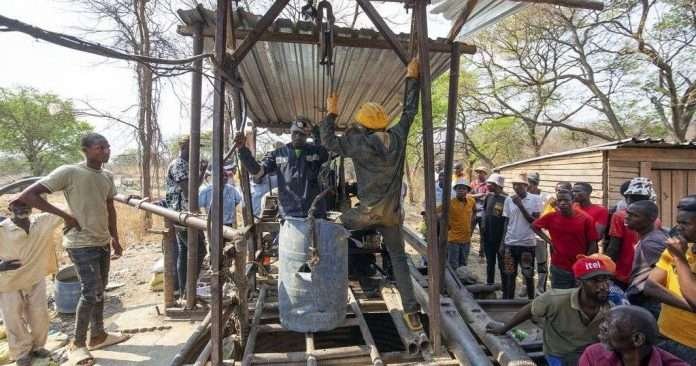
    Harare, Zimbabwe – (African Boulevard News) – Tragedy struck in Zimbabwe as at least nine individuals lost their lives when a shaft collapsed at a gold mine located approximately 120 kilometers west of the capital city, Harare. The incident has left the community in mourning and raised concerns about the safety of mining operations in the country.

    The collapse occurred at a gold mine in the town of Kadoma, a region known for its thriving mining industry. Reports indicate that the shaft caved in during excavation, trapping several miners underground. Rescue efforts were immediately initiated, but sadly, the operation was hindered by the unstable conditions of the mine.

    “Unfortunately, we have retrieved nine bodies from the collapsed shaft,” confirmed Charles Mudondo, spokesperson for the Zimbabwean Mining Federation. “Rescue teams are working tirelessly to reach any potential survivors or bodies that may still be trapped.”

    The incident has once again highlighted the dangers faced by miners who work under hazardous conditions and often with limited safety measures in place. It underscores the urgent need for stricter regulations to guarantee the safety of workers in the mining sector.

    Lamenting the loss of life, Richard Nkala, a mining expert and advocate for improved safety standards, said, “This unfortunate incident emphasizes the need for the government to boost its oversight and enforcement of safety protocols within the mining industry. Miners should never have to risk their lives in the pursuit of livelihood.”

    The Zimbabwean government has long acknowledged the need to improve safety standards in its mining sector. However, effective implementation remains a challenge. The incident has prompted renewed calls for authorities to prioritize the well-being of miners and address the root causes of such accidents.

    Mining accidents are not uncommon in Zimbabwe, where small-scale mining operations often lack the necessary resources and expertise to ensure safe practices. These operations play a crucial role in the country’s economy, contributing significantly to gold production. Yet, the high number of accidents raises concerns about the trade-off between economic growth and human safety.

    As investigations into the cause of the shaft collapse continue, it is crucial that comprehensive measures are put in place to prevent similar incidents from occurring in the future. Enhanced training, regular inspections, and stricter enforcement of safety regulations are essential to safeguard the lives of miners and protect the industry as a whole.

    The loss of life in the Kadoma gold mine collapse serves as a painful reminder of the risks faced by those working in the mining sector. It is a stark call to action for stakeholders, including the government, mining companies, and industry experts, to collaborate and prioritize the safety and well-being of miners.

    Libya: Skybound after a Decade of Isolation – Airline Resumes Flights to Italy, Igniting Hope and Reconnection

    0
    Read Time:2 Minute, 26 Second

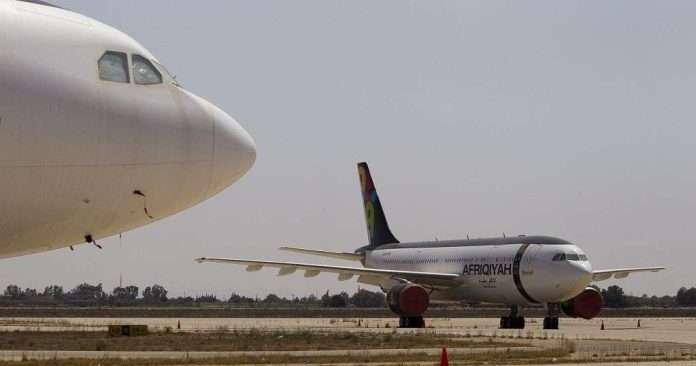
    Tripoli, Libya – (African Boulevard News) – In a momentous development, a Libyan airline has resumed flights to Italy after a nearly decade-long suspension. This marks a significant milestone for both countries and heralds a new era of connectivity and cooperation.

    The resumption of flights comes after a European Union (EU) ban imposed on Libya, which had forced airlines to halt their services to Italy. However, with the ban now lifted, Libyan travellers can once again embark on their journeys to the beautiful cities of Italy.

    The first flight, operated by Libyan Wings, departed from Tripoli International Airport to Rome’s Leonardo da Vinci-Fiumicino Airport. The atmosphere at the airport was filled with anticipation and excitement as passengers boarded the plane, eager to reconnect with loved ones, embark on business endeavors, or explore the rich cultural heritage of Italy.

    The resumption of these flights is a significant step towards improving bilateral relations between Libya and Italy. It will not only strengthen economic ties but also foster cultural exchange and people-to-people connections. This move is expected to unleash a wave of opportunities for trade, tourism, and investment between the two nations.

    Industry experts are optimistic about the impact this development will have on the Libyan economy. According to Ahmed Al-Hajji, an aviation analyst, “The resumption of flights to Italy will provide a much-needed boost to Libyan tourism and trade sectors. It will also attract foreign investment, contributing to the overall growth and development of the country.”

    Libyan Wings, the airline responsible for the first flight to Italy, aims to expand its services to other European destinations in the near future. This strategic move aligns with the government’s efforts to revive the aviation industry and restore Libya’s status as a key player in global air travel.

    Passengers on the inaugural flight expressed their joy and gratitude for the opportunity to reconnect with Italy. “After nearly a decade, we can finally visit our friends and family in Italy. This resumption of flights is a symbol of hope and progress for our country,” said Fatima Ahmed, one of the passengers.

    As the first flight touched down in Rome, it was met with a warm welcome from Italian officials, who expressed their eagerness to strengthen ties with Libya. Italian Foreign Minister, Luigi Di Maio, stated, “The resumption of flights between our nations reflects our commitment to deepening our relationship and fostering stronger bonds. We look forward to welcoming more Libyan visitors to Italy.”

    With the resumption of flights between Libya and Italy, both countries are on a path towards renewed cooperation, economic growth, and cultural exchange. This pivotal moment signifies a turning point for Libya, as it emerges from a challenging period and embraces a brighter future filled with possibilities.

    In this new era of connectivity, Libyans can now embark on journeys of exploration, reunion, and opportunity, while also contributing to the growth and development of their country.

    DRC: Martin Fayulu Revives Hope for a Brighter Future, Promising Change and Stability

    0
    Read Time:2 Minute, 18 Second

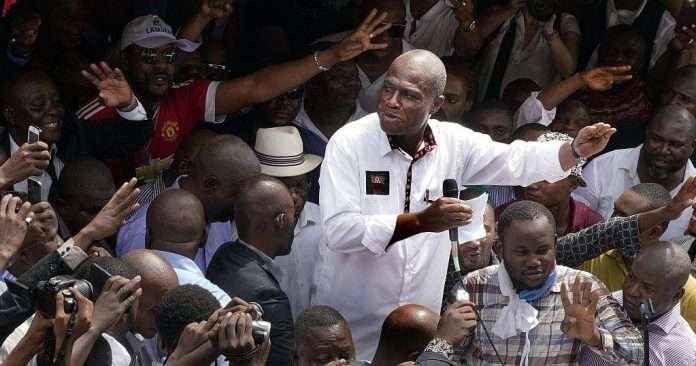
    Kinshasa, DRC – (African Boulevard News) – After weeks of anticipation and speculation, political opponent Martin Fayulu has officially declared his candidacy for the upcoming presidential election in the Democratic Republic of Congo (DRC). With this announcement, Fayulu joins a growing list of prominent figures vying for the country’s top position.

    Fayulu’s confirmation comes as no surprise to political observers, who have been closely monitoring his movements and public statements. The seasoned politician and former businessman, known for his strong stance against corruption and commitment to democratic values, has garnered significant support over the years.

    In a recent press conference, Fayulu expressed his determination to bring about meaningful change in the war-torn nation. He emphasized the urgent need for political stability, economic development, and improved living conditions for all Congolese citizens. “I am fully aware of the challenges ahead, but I am ready to lead our country towards a brighter future,” Fayulu stated.

    As Fayulu embarks on his campaign, his supporters have expressed optimism about his chances of success. They argue that his integrity, extensive experience, and dedication to serving the people make him the ideal candidate to lead the DRC out of its longstanding crisis.

    In response to Fayulu’s announcement, political analyst Jean-Baptiste Nkongolo welcomed the news, describing Fayulu as a credible alternative to the current leadership. Nkongolo emphasized the importance of a transparent and fair election process, stating, “The Congolese people deserve the opportunity to choose their leaders freely, without any form of coercion or manipulation.”

    However, Fayulu’s candidacy is not without challenges. He faces tough competition from other candidates, including Emmanuel Shadary, the ruling party’s nominee, and Felix Tshisekedi, leader of the Union for Democracy and Social Progress. The upcoming election, scheduled for later this year, is expected to be highly contested.

    The international community is closely monitoring developments in the DRC, given its strategic importance and the historical concerns surrounding election integrity. In recent years, the country has experienced political turmoil, civil unrest, and armed conflicts, exacerbating its already dire humanitarian situation.

    With Fayulu’s confirmation, the DRC’s political landscape becomes even more intriguing. As the election draws near, all eyes will be on the candidates as they present their visions for the country’s future and engage in vigorous campaigns to win the hearts and minds of the Congolese people.

    In conclusion, Martin Fayulu’s official confirmation as a presidential candidate in the DRC has energized the political scene and set the stage for a highly competitive election. His candidacy brings hope for change and a fresh start for a nation in desperate need of stability and progress. The upcoming election will undoubtedly shape the future of the DRC, and the world will be watching as the Congolese people exercise their democratic right to choose their next leader.

    Madagascar: 11 Presidential Candidates Silenced, Democracy at Stake as Pre-Campaign Launch Rally Denied

    0
    Read Time:2 Minute, 11 Second

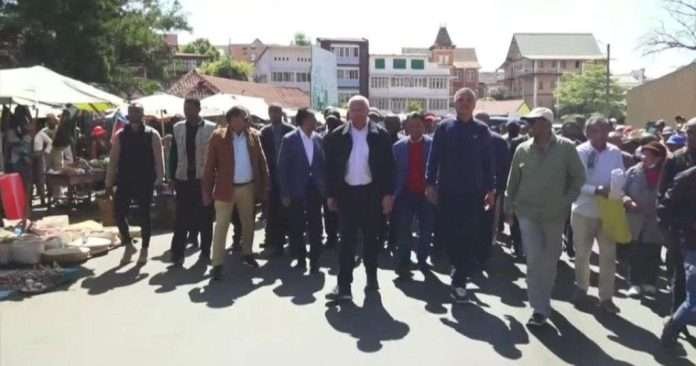
    Antananarivo, Madagascar – (African Boulevard News) – In a move that has sparked controversy and raised concerns over democratic freedom, a collective of 11 presidential candidates in Madagascar have been denied permission to hold a pre-campaign launch rally at the Palais des Sports in the capital city of Antananarivo.

    The decision, which came as a surprise to many, has led to accusations of political interference and suppression of opposition voices. The collective, made up of candidates from various political parties, hoped to use the rally as an opportunity to present their vision for the future of Madagascar and garner support from the public.

    According to sources, the candidates had followed all the necessary procedures and had obtained the required permits for the event. However, just days before the scheduled rally, they were informed that their request had been denied due to “security concerns.”

    “This decision is deeply troubling and raises serious questions about the state of democracy in Madagascar,” said political analyst Jean-Luc Rajaonary. “It is essential that all candidates are given equal opportunities to express their views and engage with the public. Denying them the right to hold a rally sends a worrying message about the state of political freedom in the country.”

    The denial of the pre-campaign launch rally has also sparked concerns among civil society organizations and human rights activists, who fear that it sets a dangerous precedent for the upcoming presidential elections.

    “We have been monitoring the political situation in Madagascar closely, and this denial is a clear violation of the candidates’ right to freedom of assembly and expression,” said Amnesty International representative, Sophie Ravoninjatovo. “It is crucial that the authorities uphold democratic principles and ensure a level playing field for all candidates.”

    The candidates themselves have expressed disappointment and frustration over the decision. They have vowed to continue their campaign efforts in alternative ways, such as holding smaller-scale events and engaging with voters through social media platforms.

    The denial of the pre-campaign launch rally has ignited a renewed debate about the importance of democratic freedoms and fair electoral processes in Madagascar. It remains to be seen how this incident will impact the upcoming presidential elections and whether the authorities will reconsider their decision in the interest of a transparent and inclusive electoral process.

    As the campaign season progresses, it is crucial for all stakeholders, including the international community, to closely monitor the situation in Madagascar and ensure that democratic principles are upheld. The denial of a pre-campaign launch rally may be just the beginning of a larger challenge to ensure a fair and transparent election process in the country.

    Gabon: Residents Navigate Nightmarish Reality as Post-Coup Chaos Threatens Future

    0
    Read Time:2 Minute, 18 Second

    Libreville, Gabon – (African Boulevard News) – The aftermath of a military coup in Gabon has left residents of Libreville, the capital city, grappling with the political and economic challenges that still persist a month after the incident. Local residents have shared their thoughts and emotions about the situation, shedding light on the current state of affairs in the country.

    Political instability and economic uncertainty continue to loom over Gabon as its leaders grapple to find a way forward. The military coup led by Oligui has left many Gabonese citizens anxious about the future of their country. While some expressed hope for change, others voiced concerns about the potential consequences of the coup on their daily lives.

    One resident, Pauline Mabika, admitted feeling a mix of emotions. She stated, “The coup has left us all on edge; there is fear and uncertainty in the air. We are trying to remain positive, hoping for a better future, but the instability is taking a toll on our daily lives.”

    The impact of the military coup on the economy has been significant, with businesses suffering and job security becoming precarious. Residents expressed frustration over the lack of progress in addressing these issues and the potential long-term consequences for the country’s economic stability.

    Another resident, Emmanuel Ngoy, emphasized the need for a swift resolution to the political crisis, stating, “We cannot afford to remain in a state of limbo. Our economy is suffering, and the longer this uncertainty persists, the harder it will be for us to recover.”

    Experts and analysts are closely monitoring the situation in Gabon, highlighting the importance of stability for the country’s growth and development. Jean-Pierre Mbenga, a political analyst, emphasized the need for a unified approach to resolve the crisis. He stated, “Gabon needs a clear roadmap to restore stability and regain the trust of its people and international partners.”

    As the country grapples with the aftermath of the coup, the international community is closely watching the situation. Regional bodies such as the African Union and Economic Community of Central African States have called for a peaceful and democratic transition, urging all stakeholders to engage in dialogue to find a solution.

    The road to recovery for Gabon remains uncertain, with challenges in both the political and economic realms. The resilience and determination of the Gabonese people, along with the support of the international community, will play a vital role in determining the country’s future.

    Gabonese citizens are hopeful for a brighter future, but it will require collective effort and commitment from all stakeholders to overcome the challenges that lie ahead. As the nation continues to navigate through this period of upheaval, the world watches with anticipation, hoping that stability will prevail and lead Gabon towards a path of progress and prosperity.