Friday, May 1, 2026
89.2 F
Lagos
More
    Home Blog Page 126

    Burkina Faso: Thousands Rally in Defiant Display of Support for Captain Traore, while Nation Grapples with Uncertain Future

    0
    Read Time:2 Minute, 28 Second

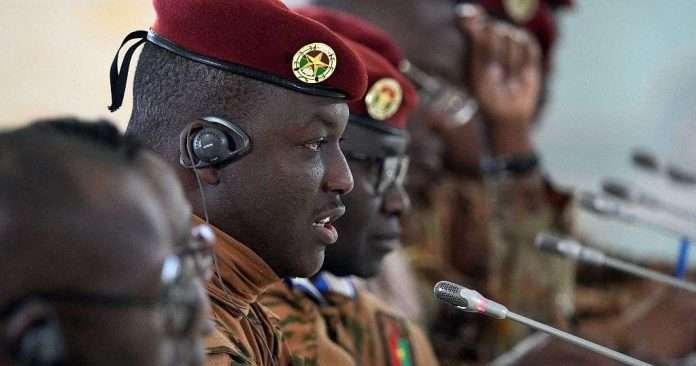
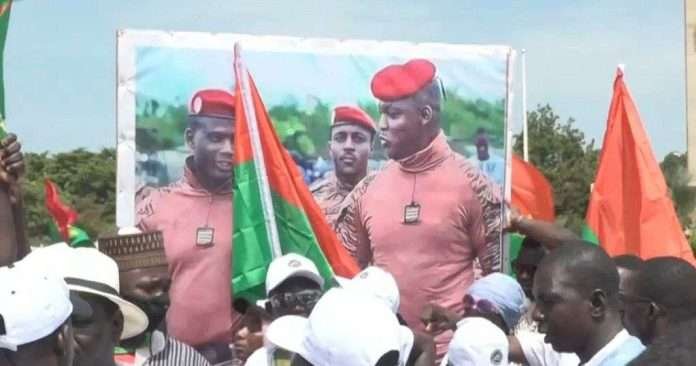
    Ouagadougou, Burkina Faso – (African Boulevard News) – One year after the coup that ushered in Captain Ibrahim Traore as the military leader of Burkina Faso, supporters of the junta took to the streets of Ouagadougou to demonstrate their unwavering support. The passionate crowd, waving flags and chanting slogans, expressed their solidarity with the current leadership amidst a backdrop of political turmoil and uncertainty.

    Under the scorching sun, thousands of partisans flooded the streets, creating a vibrant display of unity and strength. The demonstration aimed to send a clear message to both domestic and international audiences – the people of Burkina Faso stand firmly behind Captain Ibrahim Traore and his vision for a better future.

    Amidst the sea of fervent supporters, one demonstrator, Fatoumata Sankara, spoke passionately about her support for the junta. She exclaimed, “We are here today to show our appreciation for Captain Traore and the changes he has brought to our beloved country. We believe in his leadership and his commitment to restoring stability and prosperity to Burkina Faso.”

    Captain Ibrahim Traore, who assumed power after the coup, has been actively working to address the numerous challenges facing the nation. From combating corruption to fostering economic growth and ensuring national security, Traore has been tirelessly working to rebuild Burkina Faso and improve the lives of its citizens.

    The demonstration also served as a show of defiance against those who question the legitimacy of the junta’s rule. Some critics argue that the coup has undermined the democratic process and raised concerns about the concentration of power. However, supporters argue that the coup was a necessary measure to halt the country’s descent into chaos and bring about the change that was desperately needed.

    The political situation in Burkina Faso remains complex, with deep divisions among the population. While some view the junta as a beacon of hope, there are others who yearn for a return to civilian rule and a more inclusive political system. The demonstration offered a platform for both sides to express their opinions, although tensions were high, with occasional clashes reported between opposing groups.

    As Burkina Faso continues to navigate this delicate period of transition, the international community closely observes the developments. The African Union and regional partners have called for a peaceful resolution and a return to constitutional order. The upcoming months will be critical in determining the future trajectory of the country.

    The demonstration highlighted the ongoing debate surrounding the junta’s legitimacy and the deeply divided sentiment within the Burkinabe society. While Captain Ibrahim Traore enjoys significant support, there are undoubtedly challenges that lie ahead in reconciling the country’s diverse political interests.

    As the sun set over the streets of Ouagadougou, the passionate voices of the demonstrators continued to reverberate throughout the city. The outcome of this struggle for power and legitimacy remains uncertain, leaving the future of Burkina Faso hanging in the balance. Only time will tell which path the country will ultimately choose, and what lies ahead for its people.
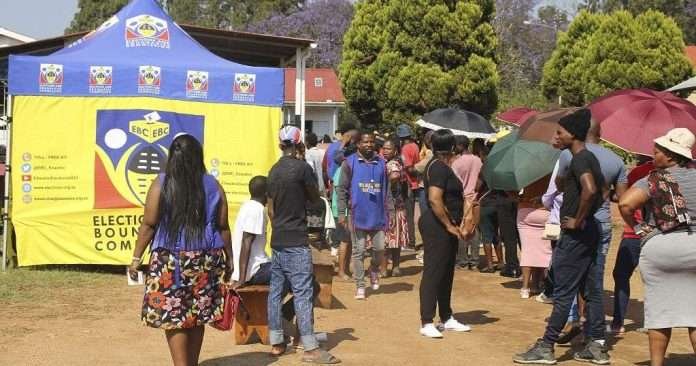

    Eswatini: Voices of Change Demand End to Absolute Monarchy in Historic Elections

    0
    Read Time:2 Minute, 18 Second

    Mbabane, Eswatini – (African Boulevard News) – Eswatini’s legislative elections, held on Friday, have come to a close, and the opposition is calling for change in Africa’s last absolute monarchy. As the results start to trickle in, rival political parties are voicing their concerns and urging the government to listen to the voices of the people.

    The elections in Eswatini are always closely watched, as the country has been under the rule of King Mswati III for over three decades. However, this year, the opposition parties have been particularly vocal, demanding a shift towards a more democratic system.

    One of the main opposition parties, the People’s United Democratic Movement (PUDEMO), has been at the forefront of the calls for change. They argue that the current system is stifling democratic progress and failing to address the needs of the people.

    According to PUDEMO spokesperson Phumelele Motsa, “It is time for Eswatini to embrace true democracy and open up the political space for all voices to be heard. The people of Eswatini are ready for change, and the government must listen to their demands.”

    The opposition has also criticized the electoral process, claiming that it is not free and fair. They allege voter intimidation and the manipulation of electoral boundaries to favor the ruling party. These allegations have been denied by the government, which insists that the elections were conducted transparently.

    However, independent observers have raised concerns about the lack of transparency and the limited role of civil society in the electoral process. The Southern African Development Community (SADC) has called for an investigation into the allegations of electoral irregularities.

    In response to the opposition’s demands, the government has emphasized its commitment to democracy and has called for unity and dialogue. Prime Minister Themba Masuku stated, “We are open to engaging with all stakeholders and addressing their concerns. Our priority is to ensure a peaceful and prosperous future for all Eswatini citizens.”

    As the election results continue to be tallied, it remains to be seen how the opposition’s calls for change will be addressed. The international community will be closely monitoring the situation and urging all parties to work towards a peaceful and democratic resolution.

    Eswatini stands at a crossroads, with the potential for significant political transformation. The voices of the opposition and the demands of the people cannot be ignored. The outcome of these elections will shape the future of Eswatini and determine whether the country can move towards a more inclusive and democratic society.

    With the opposition calling for change and the government emphasizing its commitment to dialogue, the stage is set for a crucial period of negotiations and political maneuvering in Eswatini. The international community will be watching closely, hoping for a peaceful and democratic resolution to the current impasse.

    Uganda: Young Entrepreneur’s App Revolutionizes Blood Donation, Saving Lives Across Africa

    0
    Read Time:2 Minute, 18 Second

    Kampala, Uganda – (African Boulevard News) – In the bustling streets of Gabon, Alvine Yeno has developed an app that aims to revolutionize blood donation in Africa. The innovative app, aptly named “Donate Blood, Save Lives,” is set to inspire a new wave of generosity and help overcome the persistent blood shortages experienced across the continent.

    Yeno, a young entrepreneur and computer science graduate, recognized the urgent need for a streamlined, user-friendly platform to connect blood donors with those in need. Inspired by her own personal experience with a blood transfusion, Yeno embarked on a mission to make a difference.

    The “Donate Blood, Save Lives” app employs cutting-edge technology to bridge the gap between blood donors and recipients. It enables users to easily locate nearby blood donation centers, check their eligibility to donate, and schedule appointments. Additionally, the app includes a feature that sends alerts to registered donors when their blood type is urgently required, ensuring a fast and efficient response.

    Yeno believes that by harnessing the power of technology, the app can help alleviate the chronic shortage of blood donations in Africa. She states, “I wanted to create something that would inspire people to donate blood regularly and make a lasting impact on the healthcare system. With this app, we can save lives together.”

    The app not only benefits those in need of blood but also rewards donors for their generosity. By accumulating points through regular donations, users can unlock various perks, such as discounts at partnering businesses, exclusive merchandise, or tickets to events. This gamification element serves as an incentive for people to become repeat donors, contributing to a sustainable blood supply.

    Health experts have applauded Yeno’s initiative, acknowledging the potential impact of the app on Africa’s healthcare landscape. Dr. Sarah Mukasa, a prominent hematologist, stated, “This app has the potential to revolutionize how blood donation is approached in Africa. By making the process efficient and rewarding, it encourages a culture of regular donations, ultimately saving countless lives.”

    As blood shortages continue to plague healthcare systems across Africa, “Donate Blood, Save Lives” offers a glimmer of hope. With its user-friendly interface, gamification features, and efficient donor-recipient matching, the app has the power to inspire a new generation of blood donors and ensure a stable blood supply for those in need.

    Yeno’s creation exemplifies the transformative impact that technology can have on Africa’s social challenges. From animation series in Uganda to female rally drivers in Rwanda, the continent continues to showcase its resilience and innovation.

    To learn more about the “Donate Blood, Save Lives” app and how it is transforming blood donation in Africa, visit the official website at [insert URL here]. Together, we can make a difference and save lives one donation at a time.

    Burkina Faso: Mixed Reactions as Military Leader Delays Elections for Security, Threatening Democracy

    0
    Read Time:2 Minute, 6 Second

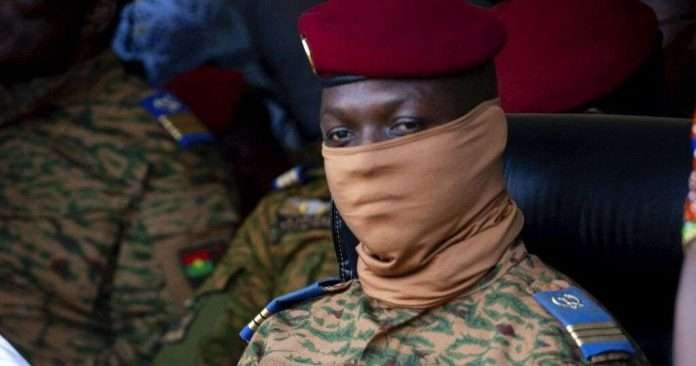
    Ouagadougou, Burkina Faso – (African Boulevard News) – Almost a year after seizing power in a coup, Captain Ibrahim Traore, who had promised a return to presidential elections by July 2024, has announced planned changes to the constitution, sparking controversy and concern among citizens.

    The military leader, whose rule has been marked by security challenges and political instability, made the announcement during a press conference in the capital city of Ouagadougou. Captain Traore stated that the country’s security situation remains precarious and that addressing this issue takes precedence over holding elections.

    During his speech, Traore said, “We have to prioritize the security of our nation over political processes. Burkina Faso remains a vulnerable country facing numerous threats, including terrorism and armed rebellion. We cannot risk the lives of our citizens by rushing into elections without ensuring their safety.”

    The announcement has sparked mixed reactions from citizens and political analysts. While some argue that security should indeed be the top priority, others express concern over the prolonged military rule and the potential erosion of democratic institutions.

    Political analyst, Dr. Aissatou Toure, commented, “While it is important to address security challenges in Burkina Faso, we must also ensure that democratic processes are respected. The military should work towards stabilizing the country and creating an environment conducive to free and fair elections.”

    Burkina Faso, located in West Africa, has been plagued by insecurity in recent years, with frequent attacks by extremist groups such as Al-Qaeda and the Islamic State. These attacks have resulted in the displacement of thousands of people and loss of life.

    Captain Traore’s announcement comes as the country continues to grapple with these security challenges. The military leader has vowed to strengthen security forces and intensify efforts to combat terrorism and other forms of violence.

    However, critics argue that a prolonged delay in returning to democratic governance could further exacerbate the political and social tensions already present in Burkina Faso.

    It remains to be seen how the international community will respond to Captain Traore’s announcement and the planned changes to the constitution. The African Union and other regional bodies have previously expressed their support for a swift return to civilian rule in Burkina Faso.

    As the country awaits further developments, many citizens are hopeful that a balance can be struck between addressing security concerns and upholding democratic principles.

    In the meantime, the fate of Burkina Faso’s political future hangs in the balance, with Captain Traore’s decision to prioritize security over elections leaving many wondering about the trajectory of the nation.

    Gabon: Former First Lady Charged with Money Laundering, Ignites Outrage and Demands for Justice

    0
    Read Time:2 Minute, 20 Second

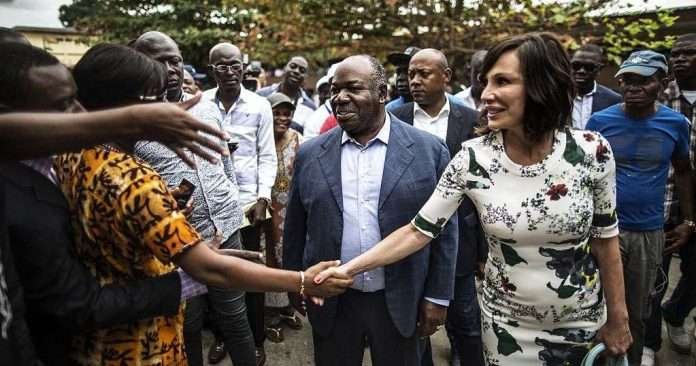
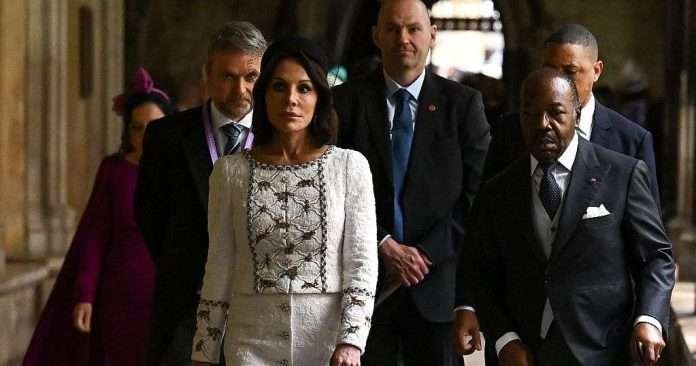
    Libreville, Gabon – (African Boulevard News) – Shockwaves reverberate throughout Gabon as Sylvia Bongo Ondimba Valentin, the wife of former president Ali Bongo Ondimba, faces serious charges of money laundering and other offenses. The news has sparked a flurry of reaction from the Gabonese people, who are grappling with the implications of these allegations.

    The Gabonese are no strangers to political scandals, but the involvement of the first lady has left many in disbelief. With the charges of money laundering, a crime that undermines the economy and erodes public trust, the stakes are high. The news has ignited a firestorm on social media platforms, with citizens expressing their outrage and demanding justice.

    One concerned citizen, Pierre Nzengue, expressed his disappointment, saying, “This is a betrayal of our trust. We put our faith in our leaders to act in the best interest of the country, and when they engage in corrupt practices, it undermines our hope for a better future.”

    Gabonese legal expert, Prof. Jean-Michel Ntoutoume, weighed in on the gravity of the charges, stating, “Money laundering is a serious crime that tarnishes the reputation of a nation. It is imperative that we investigate these allegations thoroughly and ensure justice is served.”

    The charges against Sylvia Bongo Ondimba Valentin come at a critical juncture for Gabon, as the country is still recovering from a contentious presidential election. The allegations further fuel public discontent with the ruling elite and are likely to exacerbate existing political tensions.

    Notably, this is not the first time the former first lady has faced legal troubles. In 2020, she was accused of embezzling public funds, but the case was ultimately dropped due to lack of evidence. However, this time around, the money laundering charges carry significant weight and have struck a nerve with the Gabonese people.

    Gabonese opposition leader, Jean Ping, sees the allegations as a striking example of systemic corruption within the ruling party. He asserts, “These charges further expose the deep-rooted corruption that has plagued our country for far too long. It is time for the Gabonese people to rise up against these injustices and demand accountability.”

    As the legal proceedings unfold, Gabonese citizens eagerly await the outcome, hoping for a fair and transparent trial that will restore their faith in the justice system. The charges against the former first lady serve as a reminder that no one is above the law, and Gabon must strive for a more transparent and accountable government.

    The Gabonese people’s reaction reflects their ongoing struggle for a just and equitable society. They are adamant that corruption and impunity have no place in their country’s future. The outcome of these charges will undoubtedly shape the trajectory of Gabon’s political landscape and determine if the nation can overcome its dark history of corruption and move towards a brighter future.

    Burkina Faso: Struggling to Break Free from the Grip of Terror – One Year After Traoré Putsch

    0
    Read Time:2 Minute, 43 Second

    Ouagadougou, Burkina Faso – (African Boulevard News) – After taking power on September 30, 2022, Captain Ibrahim Traoré gave himself “two to three months” to improve the security situation in Burkina Faso. However, a year later, the country is still the target of escalating security challenges.

    In the aftermath of the Traoré putsch, Burkina Faso has been grappling with a surge in terrorism, leaving the government and its citizens concerned about the future. The country has become a hotbed for extremist groups, with attacks on civilians and security forces becoming distressingly frequent.

    The Traoré administration has acknowledged the failure to adequately address the security challenge within the promised timeframe. The country continues to face a daunting task of reestablishing stability and ensuring the safety of its citizens.

    One year on, Burkina Faso finds itself trapped in a vicious cycle of violence and insecurity. The northern regions, especially, have experienced a significant increase in terrorist activities. Communities have been forced to abandon their homes, seeking refuge in neighboring countries or crowded displacement camps, creating a humanitarian crisis that shows no signs of abating.

    The situation is further exacerbated by the fact that Burkina Faso shares its borders with countries that are also grappling with similar security challenges. This has allowed extremist groups to move freely and carry out cross-border attacks, making it even more difficult for the government to contain the situation.

    Security forces in Burkina Faso are stretched thin, battling an elusive enemy that seems to have the upper hand. The government has taken steps to address the issue, including increasing military presence in the affected regions and collaborating with international partners to build capacity. However, these efforts have not been enough to stem the tide of violence.

    Experts and analysts have expressed concern over the persistent security challenges in Burkina Faso. Ibrahim Diallo, a security analyst, warns that “without a comprehensive strategy that addresses the root causes of terrorism, the country will continue to struggle with insecurity.”

    The government must focus not only on military operations but also on addressing the socio-economic factors that contribute to the rise of extremism. Jobs, education, and social services must be prioritized to provide viable alternatives to vulnerable populations, thereby reducing the appeal of extremist ideologies.

    The international community also has a role to play in supporting Burkina Faso’s security efforts. Increased assistance in terms of training, intelligence sharing, and development aid will be crucial in helping the country overcome this grave challenge.

    As Burkina Faso marks the one-year anniversary of the Traoré putsch, it is clear that the security challenge persists. The government, in collaboration with its partners, must redouble its efforts to tackle the root causes of extremism and ensure the safety and well-being of its citizens. Only then can Burkina Faso move towards a future of stability and prosperity.

    Sources:
    – Africanews (2023, September 29). Burkina Faso: 1 year after the Traoré putsch, the security challenge persists. Retrieved from https://www.africanews.com/2023/09/29/burkina-faso-1-year-after-the-traore-putsch-the-security-challenge-persists/.
    – Google Search (n.d.). Burkina Faso: 1 year after the Traoré putsch, the security challenge persists. Retrieved from https://www.google.com/search?q=Burkina+Faso++1+year+after+the+Traor++putsch++the+security+challenge+persists.

    Africa: Mediterranean’s Devastating Toll on Migrants Triples, 2,500 Lives Lost or Missing, UN Warns

    0
    Read Time:2 Minute, 18 Second

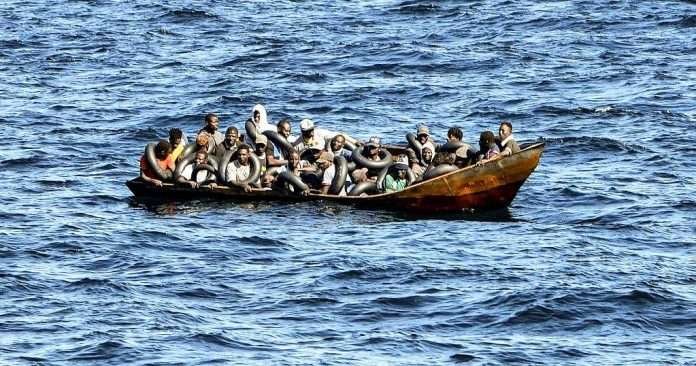
    Diaspora, Africa – (African Boulevard News) – Tragedy continues to unfold in the Mediterranean as the number of dead and missing migrants has tripled this summer, according to the UN High Commissioner for Refugees. The harsh reality of their perilous journey has come to light, with 2,500 migrants reported dead or missing between January 1 and September 24. This figure is a staggering 50 percent increase compared to the same period last year.

    The Mediterranean Sea, once a symbol of hope and opportunity for desperate migrants seeking a better life in Europe, has now become a graveyard. The treacherous waters claim lives and dreams, leaving families devastated and communities torn apart. The dangers faced by these migrants are unimaginable, as they navigate overcrowded and unseaworthy vessels in their pursuit of safety and stability.

    According to the UNHCR, the spike in fatalities is attributable to a combination of factors including increased sea crossings and the alarming rise in the use of dangerous smuggling routes. Moreover, the ongoing conflicts, economic hardships, and political instability in their countries of origin leave these individuals with no option but to risk their lives in search of a brighter future.

    Melissa Fleming, the UNHCR spokesperson, voiced her concerns about the current situation. She emphasized the urgent need for a comprehensive and cooperative response to address this humanitarian crisis. Fleming stated, “We need to strengthen search and rescue operations, provide safer alternatives to these dangerous sea crossings, and ensure access to asylum and legal migration channels.”

    The alarming statistics paint a grim picture of the increasing dangers faced by migrants. The Mediterranean has turned into a graveyard for those who dare to dream of a better life. It is a stark reminder of the human cost of political unrest, poverty, and conflict that continues to plague several African countries.

    The United Nations has called upon European nations to work together to combat this crisis and provide safer alternatives for migrants. The issue of migration requires a collective effort, as no country can tackle it alone. The international community must come together to address the root causes, provide humanitarian aid, and develop sustainable solutions.

    In the face of this tragedy, it is essential to remember that these migrants are individuals with hopes, dreams, and families. They deserve compassion, empathy, and support. This crisis should serve as a wake-up call to the world, reminding us of the urgent need for action to prevent further loss of life in the Mediterranean.

    The Mediterranean Sea, once a gateway to freedom, has transformed into a haunting symbol of loss and despair. It is incumbent upon us all to ensure that no more lives are lost and that the Mediterranean does not become a tomb for those in search of a better future.

    Gabon: Former First Lady Charged with Money Laundering – A Shocking Blow to Corruption Fight

    0
    Read Time:2 Minute, 0 Second

    Libreville, Gabon – (African Boulevard News) – In a shocking turn of events, Sylvia Bongo Ondimba Valentin, the wife of Gabon’s ousted president, has been charged with money laundering. The announcement was made by Gabon’s public prosecutor on state TV channels on Friday (Sep. 29), sending shockwaves across the nation.

    The former first lady has been under investigation for her alleged involvement in money laundering activities. An investigating judge officially charged her on Thursday, marking a significant development in the case. The charges against Sylvia Bongo Ondimba Valentin highlight the ongoing efforts to tackle corruption and illicit financial activities in Gabon.

    Money laundering is a serious offense that involves disguising the origins of illegally obtained funds to make them appear legitimate. It is often associated with organized crime and corruption. The charges against Sylvia Bongo Ondimba Valentin suggest that authorities believe she played a role in facilitating the movement of illicit funds.

    As news of the charges broke, citizens expressed their concerns about the impact of such actions on the country’s reputation and governance. Many believe that addressing corruption is essential for building a fair and transparent society.

    In recent years, Gabon has been making efforts to fight corruption and improve transparency. This ongoing investigation and the subsequent charges against Sylvia Bongo Ondimba Valentin demonstrate the government’s commitment to holding those involved in financial crimes accountable.

    The case has attracted significant attention from both domestic and international observers. Africanews reported that the charges against the former first lady are a critical step towards combating corruption in Gabon. Experts believe that this case will serve as a test of the country’s judicial system and its ability to prosecute high-profile individuals involved in financial crimes.

    Speaking about the charges, a legal expert noted, “This marks a significant milestone in the fight against corruption in Gabon. It sends a clear message that no one is above the law, regardless of their political affiliations or social status.”

    The investigation into Sylvia Bongo Ondimba Valentin’s alleged money laundering activities is ongoing. The charges against her highlight the government’s determination to combat corruption and ensure accountability at all levels. As citizens await further developments, it is clear that Gabon’s fight against corruption is far from over.

    URLs:
    1. https://www.africanews.com/2023/09/29/gabon-charges-wife-of-ousted-president-with-money-laundering/
    2. https://www.google.com/search?q=Gabon+charges+wife+of+ousted+president+with++money+laundering

    Tunisia: New Visa Regulations Aim to Save Lives and Secure Borders

    0
    Read Time:2 Minute, 1 Second

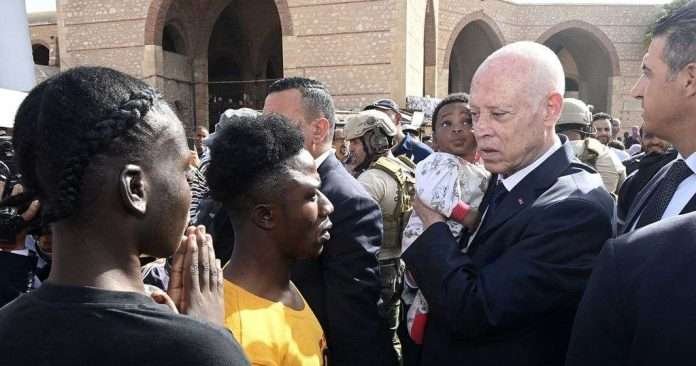
    Tunis, Tunisia – (African Boulevard News) – The Ivorian government has initiated the process of implementing a visa requirement for travelers from Côte d’Ivoire to Tunisia. This move comes as Tunisia is often used as a departure point by thousands of sub-Saharan migrants who are seeking to reach Europe.

    The introduction of this visa aims to regulate the flow of migrants and ensure better management of immigration processes. It also serves as a response to the increasing number of irregular migration attempts from Côte d’Ivoire to Tunisia, which has put a strain on both countries’ resources and security.

    Government spokesman, Amadou Coulibaly, explained the significance of this decision, stating, “We believe that the introduction of a visa system will help control migration and prevent potential risks associated with irregular migration, such as human trafficking and security threats.”

    The move has drawn mixed reactions from the public. While some argue that a visa requirement will deter irregular migration and enhance security, others express concerns about the impact it may have on legitimate travelers, particularly those who are seeking opportunities for work and education in Tunisia.

    Mamadou Kone, a migration expert, voiced his opinion, saying, “It is crucial to strike a balance between controlling irregular migration and facilitating legal movement between countries. The authorities should ensure that the visa application process is clear, transparent, and accessible to those who genuinely need to travel.”

    Tunisian authorities are working closely with their Ivorian counterparts to streamline the visa application process and establish clear regulatory frameworks. The aim is to ensure that the new system is effective in addressing migration challenges while still enabling legitimate travelers to access educational, economic, and cultural opportunities in Tunisia.

    It is worth noting that several African countries have already implemented visa requirements for travel within the continent. This move is in line with the African Union’s agenda to promote regional integration while maintaining secure borders.

    In conclusion, the introduction of a visa requirement for travelers from Côte d’Ivoire to Tunisia aims to regulate migration, enhance security, and ensure better management of immigration processes. While this decision has received mixed responses, it is essential to strike a balance between controlling irregular migration and facilitating legal movement for legitimate purposes. Tunisian and Ivorian authorities are working together to establish clear regulations and streamline the visa application process. This move aligns with the broader trend of African countries implementing visa requirements to promote regional integration and secure borders.

    Libya: Strongman Haftar Seeks Putin’s Backing Amidst Ongoing Conflict, Threatening Peaceful Resolution

    0
    Read Time:2 Minute, 11 Second

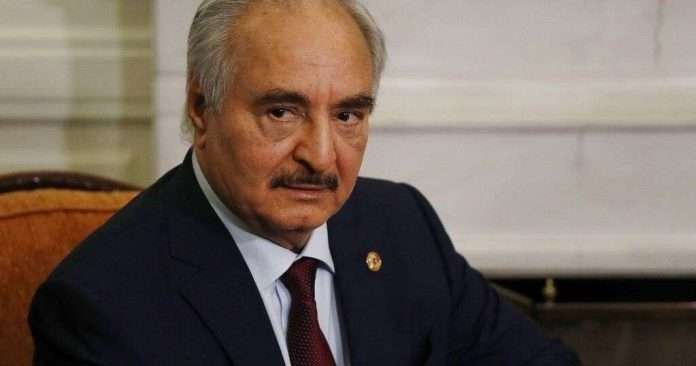
    Tripoli, Libya – (African Boulevard News) – In a significant diplomatic move, the strongman of eastern Libya, Marshal Khalifa Haftar, held talks with Russian President Vladimir Putin in Moscow on Thursday. This meeting between Haftar and Putin has sparked speculation and raised eyebrows in the international community.

    The Libyan Arab Armed Forces (LAAF) and the Kremlin jointly announced the meeting, which comes amidst the ongoing power struggle in Libya and the push for a political solution to the long-standing conflict. The meeting signifies Russia’s continued involvement in the region and its efforts to maintain influence.

    The talks between Haftar and Putin are seen as a strategic move by the eastern Libyan commander to secure Russian backing and support. Russia has been known to provide military aid and support to Haftar’s forces in the past. The meeting comes at a crucial time when Haftar’s forces have lost ground against the Government of National Unity (GNU) in recent months.

    The Kremlin has been a key player in the Libyan conflict, with its support for Haftar often at odds with other countries such as Turkey. Russia has been accused of providing mercenaries and weapons to the LAAF, which has prolonged the conflict and hindered efforts for a peaceful resolution.

    Experts believe that Haftar’s meeting with Putin is not only aimed at gaining political and military support but also at countering the influence of Turkey in the region. Haftar’s forces have been at odds with the GNU, which is backed by Turkey and has received military assistance from Ankara.

    The meeting in Moscow could potentially have wider implications for the stability and future of Libya. It could further complicate ongoing peace negotiations and hinder efforts to establish a unified government in the war-torn country. The international community has called for a peaceful and inclusive political process to end the conflict in Libya, but the involvement of external actors has complicated the situation.

    As the meeting between Haftar and Putin took place behind closed doors, the exact details of their discussions remain undisclosed. However, the outcome of these talks and any potential agreements reached could have far-reaching consequences for the trajectory of the Libyan conflict.

    The meeting between Marshal Haftar and President Putin in Moscow highlights the continued involvement of foreign powers in Libya’s internal affairs. It underscores the complexity of the conflict and the challenges faced in finding a lasting solution. The international community must remain vigilant and actively engage in efforts to bring about a peaceful and inclusive political settlement in Libya. Only through dialogue and cooperation can the country achieve stability and pave the way for a brighter future.