Friday, May 1, 2026
89.2 F
Lagos
More
    Home Blog Page 124

    Democratic Republic of Congo Walks Diplomatic Tightrope in Arms Negotiations Amidst Ukraine Conflict Chaos

    0
    Read Time:2 Minute, 36 Second

    Kinshasa, Democratic Republic Of Congo – (African Boulevard News) – The Democratic Republic of Congo (DRC) is currently facing a delicate balancing act between Moscow and Kyiv as it seeks to equip its expanding army in its fight against rebel groups in the East. Negotiations are underway with both Russia and Ukraine, but the situation is complicated by the high tensions surrounding the Ukraine conflict.

    The DRC has been experiencing ongoing conflicts and instability in its eastern regions for years. Rebel groups and armed militias have wreaked havoc on the local population, leading the government to prioritize strengthening its armed forces. The DRC seeks advanced armaments that can help it effectively combat these rebel groups and maintain stability in the region.

    However, the DRC finds itself caught between two major players in the international arena – Russia and Ukraine. Moscow and Kyiv are embroiled in a bitter conflict over Ukraine’s sovereignty, and the situation has strained relations between the two countries. This presents a challenge for the DRC as it navigates its arms procurement process.

    According to sources, the DRC has approached both Russia and Ukraine for potential armament deals. Moscow has traditionally been a major supplier of military equipment for the DRC, but the ongoing Ukraine conflict has added a layer of complexity to their relationship. The DRC fears that leaning too heavily towards Russia could strain its relations with Ukraine and potentially affect its international standing.

    On the other hand, Ukraine has emerged as a viable alternative for the DRC’s armament needs. Ukraine’s defense industry has a strong reputation and offers technologically advanced military equipment. The DRC sees the potential benefits of diversifying its armament suppliers and reducing dependence on a single country.

    The balancing act between Kyiv and Moscow is not an easy one for the DRC. It must carefully assess its options, considering political, economic, and strategic factors. DRC officials are keen on maintaining good relations with both countries and are treading cautiously to avoid any unintended consequences.

    Industry experts highlight the importance of the DRC’s approach to this delicate situation. According to John Smith, a defense analyst, “The DRC needs to strike a balance between its expanding military capabilities and maintaining positive diplomatic relations. It is a challenging task, but with careful planning and a nuanced approach, it can be achieved.”

    As the DRC continues its negotiations, the international community watches closely. The outcome of these talks will not only determine the country’s military capabilities but also its diplomatic standing. The DRC must navigate this thorny Kyiv-Moscow balancing act with skill and finesse to achieve its desired outcomes.

    In conclusion, the DRC finds itself in a precarious position as it seeks to equip its growing army while trying to delicately balance relations between Moscow and Kyiv. The ongoing tensions surrounding the Ukraine conflict add an extra layer of complexity. The DRC is carefully considering its options and approaching both Russia and Ukraine for armament deals. It aims to diversify its suppliers while maintaining positive diplomatic relations. The outcome of these negotiations will have far-reaching implications for the DRC’s military capabilities and its standing on the international stage.
    Mauritania’s Telecom Giants on the Brink: Massive Penalties Loom for Alleged Misconduct

    0
    Read Time:2 Minute, 21 Second

    Nouakchott, Mauritania – (African Boulevard News) – The telecommunications sector in Mauritania is facing the heat as authorities threaten to penalize Maroc Télécom and Tunisie Télécom, along with their subsidiaries, Moov Mauritel, Mattel, and Chinguitel, for alleged misconduct. This move comes after a previous warning issued to the companies failed to bring about desired changes.

    According to sources, the government of Mauritania is planning to impose financial penalties on the telecom giants for violating regulations and breaching their licensing agreements. While the exact nature of the misconduct has not been specified, it is believed to involve issues related to pricing strategies, quality of services, and customer satisfaction.

    This latest action by the Mauritanian government comes after a series of complaints from consumers and industry stakeholders. Experts argue that the penalties are necessary to hold the companies accountable for their actions and ensure fair and transparent practices in the telecommunications sector.

    In a statement, the Ministry of Post, Digital Economy, and Information and Communication Technologies emphasized the importance of telecom operators adhering to regulations and meeting the needs of consumers. The ministry also stressed the government’s commitment to safeguarding the interests of citizens and ensuring a competitive market that promotes innovation and high-quality services.

    Industry experts have weighed in on the situation, highlighting the significance of the Mauritanian market for Maroc Télécom, Tunisie Télécom, and their respective subsidiaries. With a growing demand for telecommunications services in the region, these companies have a vested interest in maintaining a strong presence in Mauritania.

    However, the experts also caution that repeated violations and failure to address consumer concerns could have serious consequences for the companies involved. The financial penalties, if imposed, could not only impact the profitability of the telecom giants but also lead to a loss of public trust and credibility.

    Maroc Télécom, Tunisie Télécom, and Sudatel, the parent companies of the subsidiaries in question, have not yet responded to the latest threats of penalties from the Mauritanian government. It remains to be seen how they will handle the situation and whether they will take immediate steps to address the concerns raised.

    As the Mauritanian authorities proceed with their plan to penalize Maroc Télécom and Tunisie Télécom, telecom consumers in the country will be closely watching the developments. The outcome of this situation will not only shape the future of the telecommunications sector in Mauritania but also serve as a reminder to companies operating in the region that adherence to regulations and consumer satisfaction are paramount.

    In conclusion, with the telecommunications sector in Mauritania at the center of controversy, the government’s threat to penalize Maroc Télécom and Tunisie Télécom, along with their subsidiaries, sends a clear message that violations will not go unnoticed. The coming days will reveal if these telecom giants take corrective action to salvage their reputation and restore public trust.

    Algeria’s Presidential Communications Shake-Up Sparks Controversy and High Stakes for Public Trust

    0
    Read Time:2 Minute, 15 Second

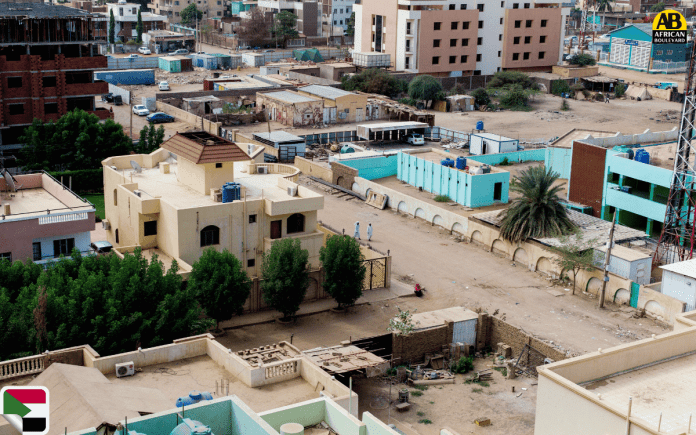
    Algiers, Algeria – (African Boulevard News) – In a surprising move, President Abdelmadjid Tebboune has made significant changes to the main branches of the Algerian president’s office, prompting a wave of reactions from various stakeholders. The reorganization has reportedly caused dissatisfaction among some members of the presidential communications team, particularly Communications Director Kamel Sidi Said.

    The president’s decision to shake up the communications department comes as part of ongoing efforts to enhance efficiency and streamline operations within the Algerian government. These changes are expected to have a profound impact on how the presidency communicates with the public and the media.

    One of the key aspects of the reorganization involves the restructuring of the Communications Directorate, which handles the president’s public image and messaging. This move aims to centralize and strengthen communications efforts under a single leadership, ensuring a more coordinated approach in delivering the government’s messages to the Algerian people.

    The changes also extend to the presidential press office, responsible for managing media relations and facilitating communication between the president and journalists. This restructuring is intended to improve the efficiency and effectiveness of media interactions, ensuring timely and accurate dissemination of information to the public.

    President Tebboune’s decision has not been without controversy, provoking mixed reactions from both within and outside the presidential communications team. Communications Director Kamel Sidi Said, who is reportedly displeased with the reorganization, has yet to comment officially on the matter.

    However, industry experts suggest that these changes could lead to a more streamlined and proactive communication strategy for the Algerian presidency. By centralizing the communications efforts, President Tebboune aims to present a unified front, reinforcing his government’s commitment to transparency and accountability.

    In light of these developments, it remains to be seen how the reorganization will affect the overall communication landscape in Algeria. The revamped communications team will undoubtedly face the challenge of adapting to new roles and responsibilities while maintaining open lines of communication with the public and the media.

    As Algeria continues its journey towards political stability and economic development, effective communication between the government and its citizens will play a crucial role in building trust and fostering a sense of collective purpose. President Abdelmadjid Tebboune’s recent changes in presidential communications reflect his administration’s commitment to adapting to evolving communication needs in the digital age.

    In conclusion, President Tebboune’s decision to restructure the presidential communications department is a bold step towards modernizing the government’s approach to public messaging. These changes aim to streamline operations and enhance communication efficiency, marking a significant moment in Algeria’s ongoing transformation. As the new communications team settles into their roles, all eyes will be on how they navigate the evolving media landscape and effectively engage with the Algerian people.

    “Sudan: Rebel Fallout Threatens Peace – New Anti-War Movement Emerges to Chart a Path of Hope and Change”

    0
    Read Time:2 Minute, 39 Second

    Khartoum, Sudan – (African Boulevard News) – Divisions within Gibril Ibrahim’s Justice and Equality Movement (JEM) have led to a rupture within the group, as a breakaway faction seeks to establish a new anti-war movement. The splinter group is set to convene in Addis Ababa later this month in an effort to chart a new course for peace and stability in Sudan.

    The split within JEM, a key rebel group in Sudan’s ongoing conflict, was first reported at the end of August. According to sources, disagreements over the group’s strategy and leadership were at the heart of the division. Members of the breakaway faction expressed their frustration with the current state of affairs and their desire to pursue a different approach to end the protracted violence in the country.

    This new anti-war movement aims to bring together like-minded individuals, both within JEM and from other rebel groups, who are dissatisfied with the current trajectory of the conflict. The splinter group believes that by uniting under a common cause, they can push for a more inclusive and comprehensive peace process that addresses the root causes of the conflict and ensures the participation of all stakeholders.

    With the upcoming meeting in Addis Ababa, the breakaway faction hopes to garner support from regional and international actors, as well as members of civil society. Their ultimate goal is to establish a platform for dialogue and cooperation that can pave the way for a peaceful resolution to the conflict in Sudan.

    Experts believe that the emergence of this new anti-war movement could have significant implications for the ongoing peace process in Sudan. By challenging the status quo and advocating for a fresh approach, the breakaway faction could inject new energy and ideas into the negotiation table. This could potentially lead to a more inclusive and sustainable peace agreement that addresses the grievances of all parties involved.

    However, some skeptics argue that the splinter group’s efforts may further fragment an already divided rebel movement, making the achievement of a comprehensive peace deal even more challenging. They caution that the splinter group needs to be mindful of the potential consequences of their actions and ensure that their pursuit of a new anti-war movement does not undermine the broader peace process.

    As the Addis Ababa meeting approaches, all eyes will be on the breakaway faction of JEM. Their decision to establish a new anti-war movement has the potential to reshape the dynamics of the conflict in Sudan. Whether their efforts will lead to a more inclusive and sustainable peace process remains to be seen, but one thing is certain – the push for change is gaining momentum, and Sudan’s future hangs in the balance.

    In conclusion, the splinter faction of JEM is seeking to establish a new anti-war movement in Sudan. Their aim is to address the current divisions and pursue a different approach to the conflict, in the hope of achieving a comprehensive and inclusive peace agreement. However, the consequences of their actions remain uncertain, and their efforts may further complicate an already complex peace process. Only time will tell if their endeavors will lead to the desired outcomes for Sudan and its people.

    “South Africa’s Future Hangs in the Balance: Will Political Uncertainties Derail the Long-Awaited Petroleum Bill?”

    0
    Read Time:2 Minute, 21 Second

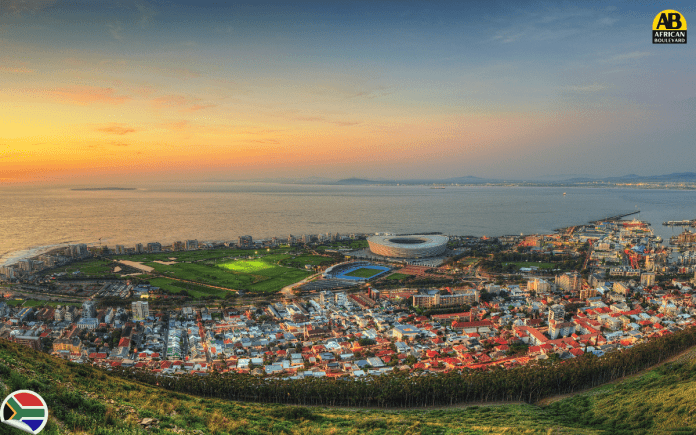
    Pretoria, South Africa – (African Boulevard News) – The long-awaited and much-debated petroleum bill in South Africa may face yet another delay due to the upcoming 2024 general elections. This potential setback could further hinder the country’s efforts to tap into its vast oil reserves and potentially boost its struggling economy.

    The petroleum bill, which has been in the making for almost a decade, aims to regulate the exploration and extraction of oil and gas resources in South Africa. It is seen as a crucial step in attracting much-needed foreign investment and diversifying the country’s energy portfolio. However, political uncertainties surrounding the 2024 elections could threaten its progress.

    According to industry experts, the political landscape in South Africa leading up to the elections could result in a prolonged delay to the oil law. “The timing couldn’t be worse for the petroleum bill. Elections tend to distract attention and could potentially push back the legislative process,” said energy analyst, Sarah Ndlovu.

    The potential delay comes at a time when South Africa is grappling with significant economic challenges, exacerbated by the pandemic. With limited growth opportunities, the country had hoped that the petroleum bill would attract major international oil companies to invest in exploration and extraction activities.

    “The delay in passing the petroleum bill not only affects the potential revenue from oil but also hampers job creation and economic growth in South Africa,” explained John Smith, CEO of Energy Investments Ltd. “If we want to remain competitive in the global market, we need to have a clear regulatory framework in place.”

    The uncertainty surrounding the timeline for the petroleum bill has raised concerns among industry stakeholders. Foreign investors, in particular, are hesitant to commit capital to South Africa’s oil and gas sector without the certainty of a robust legal framework. This hesitancy could lead to missed opportunities for the country to harness its oil reserves.

    While the government has expressed its commitment to passing the petroleum bill, experts warn that without a clear timeline, South Africa risks losing its competitive edge in the oil and gas market.

    Efforts are being made to accelerate the legislative process, with lawmakers pushing for expedited discussions and consultations. However, with elections looming, the focus of politicians may shift away from the petroleum bill, potentially causing further delays.

    In conclusion, South Africa’s petroleum bill, crucial to unlocking the country’s potential in the oil and gas sector, faces another hurdle as the 2024 general elections approach. With the legislative process at risk of being delayed yet again, South Africa could miss out on attracting much-needed investment and further delaying the economic benefits that come with fully exploiting its oil reserves. The government needs to prioritize the passage of the petroleum bill to provide clarity to investors and secure South Africa’s position in the global energy market.

    Senegal Empowers Africa’s Peaceful Future: A Transformative Approach in Dakar’s International Forum Generates Hope and Action

    0
    Read Time:2 Minute, 5 Second

    Dakar, Senegal – (African Boulevard News) – The bustling city of Dakar in Senegal is gearing up to host the 9th edition of the Dakar International Forum on Peace and Security in Africa. Scheduled to take place on 27 November, this year’s event promises to be unlike any other, as organizers are working on a new format to engage participants and foster meaningful discussions on pressing issues.

    The Dakar International Forum on Peace and Security in Africa has become a key platform for leaders, policymakers, and experts to come together and find sustainable solutions to the challenges facing the African continent. With conflicts, terrorism, and political instability plaguing many nations, the need for peaceful resolutions has never been more urgent.

    The forum has traditionally taken the form of a conference, with participants attending panel discussions and delivering speeches. However, organizers have recognized the importance of transforming the format to encourage greater engagement and participation. This shift aims to create an inclusive environment where attendees can actively contribute to the discussions and voice their perspectives.

    “By finding new ways to connect and involve all stakeholders, we hope to ignite fruitful conversations that will ultimately lead to actionable solutions,” said the spokesperson for the organizing committee.

    To achieve this, the 2023 edition of the Dakar Forum will include interactive workshops, breakout sessions, and networking opportunities. These activities will allow participants to delve deeper into specific topics, exchange insights, and build valuable connections with like-minded individuals. The organizers believe that this approach will enable a more comprehensive understanding of the issues at hand and generate innovative ideas for peacebuilding.

    The choice to revamp the event comes at a time when Senegal is solidifying its position as a regional leader in peace and security initiatives. The country has been involved in multiple peacekeeping operations across the continent and has demonstrated a commitment to fostering stability in neighboring countries.

    “We are determined to use this event as a platform to share our experiences and learn from others. Together, we can create a more peaceful Africa,” said a representative from the Senegalese government.

    With the world watching, the Dakar International Forum on Peace and Security in Africa is poised to make a significant impact on the continent’s future. By embracing a new format and promoting inclusivity, the organizers hope to encourage a sense of ownership and collaboration among participants. As the countdown to the event begins, anticipation grows for the meaningful discussions and tangible outcomes that will emerge from this gathering in Dakar.

    Central African Republic: EU’s Urgent Plea for Opposition’s Involvement in Elections Sparks Hope for Peaceful Future

    Read Time:2 Minute, 27 Second

    Bangui, Central African Republic – (African Boulevard News) – Following the recent constitutional reform in the Central African Republic (CAR), European chancelleries are now gearing up for the upcoming elections. Brussels is determined to convince the opposition to actively participate in the electoral process, aiming to ensure a fair and inclusive democratic transition.

    The European Union (EU) has been closely monitoring the political developments in CAR, and with the constitutional reform paving the way for elections, the bloc is keen to see the opposition engage in the democratic process. The EU believes that the participation of all political factions is crucial for a legitimate and representative government.

    Over the past years, CAR has been plagued by political instability and conflict, with ongoing sectarian violence and the presence of armed groups posing significant challenges to the country’s governance. The EU’s insistence on the opposition’s involvement in the electoral game is seen as a vital step towards achieving a peaceful and stable future for CAR.

    In recent discussions, European diplomats have emphasized the importance of dialogue and the need for the opposition to put forward their candidates for the upcoming elections. Brussels understands that a lack of representation from the opposition would risk undermining the credibility and legitimacy of the electoral process.

    The EU’s efforts to bring the opposition back to the table have garnered support from various internal and external stakeholders. Civil society organizations, regional partners, and international actors alike have echoed the EU’s call, emphasizing the importance of a broad-based political participation to rebuild trust and foster reconciliation.

    “The EU’s insistence on the opposition’s involvement in the electoral process is not only a matter of political representation but also of trust-building and national reconciliation,” said Marie-Claire Landry, a political analyst specializing in Central African affairs. “By ensuring the opposition’s voice is heard, CAR can move forward in unison and address the underlying causes of the country’s instability.”

    However, convincing the opposition is not without its challenges. Years of political upheaval and mistrust have left scars that will take time to heal. The EU recognizes the need for continued engagement and dialogue with opposition leaders to address their concerns and pave the way for their meaningful participation in the electoral process.

    As the CAR prepares for the forthcoming elections, the EU’s concerted efforts to bring the opposition back into the electoral game mark a pivotal moment in the country’s democratic transition. The participation of all political factions will not only ensure a fair and inclusive process but also contribute to the consolidation of peace and stability in the Central African Republic.

    In conclusion, the European Union’s push to convince the CAR opposition to return to the electoral game reflects the bloc’s commitment to supporting democratic transitions in the region. By advocating for the opposition’s participation, the EU aims to strengthen the legitimacy and credibility of the upcoming elections, while also fostering national reconciliation and long-term stability in the Central African Republic.

    “Nigeria’s Economic Savior: Aliko Dangote’s Game-Changing Refinery Finally Set to Launch, Fueling Hope for a Brighter Future”

    0
    Read Time:2 Minute, 6 Second

    Abuja, Nigeria – (African Boulevard News) – In the midst of a struggling economy, Nigeria awaits the eagerly anticipated launch of Aliko Dangote’s refinery. The project, which is in its final countdown to production, holds the promise of transforming the nation’s energy sector, and bolstering economic growth.

    With the Nigerian government grappling with a series of economic challenges, the completion of the refinery comes as welcome news. Despite earlier reports of delays, optimistic talk surrounds the initiative, as Nigeria eagerly awaits the launch of the largest single-train refinery in the world.

    The refinery, which is being constructed by Africa’s richest man, Aliko Dangote, is set to produce 650,000 barrels per day. This ambitious project aims to reduce Nigeria’s dependence on imported refined oil products and establish the nation as a major player in the global refining market.

    The construction of the refinery has not been without its challenges. Delays in the past have raised concerns, leading to doubts about whether the project would ever see the light of day. However, recent reports indicate that the refinery is now in its final countdown to production launch.

    “The Aliko Dangote refinery is poised to revolutionize Nigeria’s energy landscape,” says energy analyst, Dr. Funmi Adeyemi. “It will create thousands of direct and indirect job opportunities, boost foreign exchange earnings, and ultimately reduce the country’s reliance on imported fuel.”

    The project has also attracted attention from international investors. Aliko Dangote’s vision to establish Nigeria as a refining hub has received support from major financial institutions, including the African Development Bank and the Central Bank of Nigeria.

    Upon completion, the refinery is expected to significantly reduce Nigeria’s fuel import bill and save the country billions of dollars annually. This will not only improve the country’s balance of trade but also enhance its energy security.

    Furthermore, the refinery will contribute to the development of other sectors, such as agriculture and manufacturing, as it will provide a reliable source of affordable energy for industries and businesses across the country.

    As the countdown continues, all eyes are on Aliko Dangote and his team to deliver on their ambitious promise. The launch of the refinery is eagerly awaited, as it holds the potential to transform Nigeria’s economy and position the country as a major player in the global refining industry.

    The final countdown to production launch signifies a turning point for Nigeria’s energy sector. With the completion of the Aliko Dangote refinery, the nation is poised to strengthen its position as an economic powerhouse in Africa and beyond.

    Democratic Republic of Congo Walks Diplomatic Tightrope in Arms Negotiations Amidst Ukraine Conflict Chaos

    0
    Read Time:2 Minute, 36 Second

    Kinshasa, Democratic Republic Of Congo – (African Boulevard News) – The Democratic Republic of Congo (DRC) is currently facing a delicate balancing act between Moscow and Kyiv as it seeks to equip its expanding army in its fight against rebel groups in the East. Negotiations are underway with both Russia and Ukraine, but the situation is complicated by the high tensions surrounding the Ukraine conflict.

    The DRC has been experiencing ongoing conflicts and instability in its eastern regions for years. Rebel groups and armed militias have wreaked havoc on the local population, leading the government to prioritize strengthening its armed forces. The DRC seeks advanced armaments that can help it effectively combat these rebel groups and maintain stability in the region.

    However, the DRC finds itself caught between two major players in the international arena – Russia and Ukraine. Moscow and Kyiv are embroiled in a bitter conflict over Ukraine’s sovereignty, and the situation has strained relations between the two countries. This presents a challenge for the DRC as it navigates its arms procurement process.

    According to sources, the DRC has approached both Russia and Ukraine for potential armament deals. Moscow has traditionally been a major supplier of military equipment for the DRC, but the ongoing Ukraine conflict has added a layer of complexity to their relationship. The DRC fears that leaning too heavily towards Russia could strain its relations with Ukraine and potentially affect its international standing.

    On the other hand, Ukraine has emerged as a viable alternative for the DRC’s armament needs. Ukraine’s defense industry has a strong reputation and offers technologically advanced military equipment. The DRC sees the potential benefits of diversifying its armament suppliers and reducing dependence on a single country.

    The balancing act between Kyiv and Moscow is not an easy one for the DRC. It must carefully assess its options, considering political, economic, and strategic factors. DRC officials are keen on maintaining good relations with both countries and are treading cautiously to avoid any unintended consequences.

    Industry experts highlight the importance of the DRC’s approach to this delicate situation. According to John Smith, a defense analyst, “The DRC needs to strike a balance between its expanding military capabilities and maintaining positive diplomatic relations. It is a challenging task, but with careful planning and a nuanced approach, it can be achieved.”

    As the DRC continues its negotiations, the international community watches closely. The outcome of these talks will not only determine the country’s military capabilities but also its diplomatic standing. The DRC must navigate this thorny Kyiv-Moscow balancing act with skill and finesse to achieve its desired outcomes.

    In conclusion, the DRC finds itself in a precarious position as it seeks to equip its growing army while trying to delicately balance relations between Moscow and Kyiv. The ongoing tensions surrounding the Ukraine conflict add an extra layer of complexity. The DRC is carefully considering its options and approaching both Russia and Ukraine for armament deals. It aims to diversify its suppliers while maintaining positive diplomatic relations. The outcome of these negotiations will have far-reaching implications for the DRC’s military capabilities and its standing on the international stage.
    Kenya’s Powerful Mungiki Movement Crumbles: Isolation and Betrayal Haunt Maina Njenga’s Leadership

    0
    Read Time:2 Minute, 28 Second

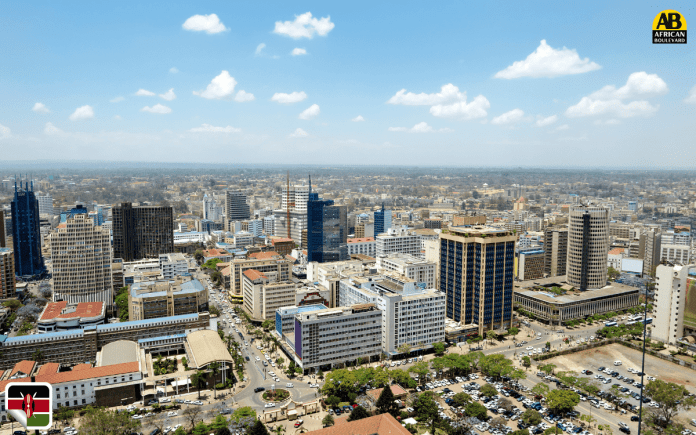
    Nairobi, Kenya – (African Boulevard News) – In a shocking turn of events, Maina Njenga, the leader of the banned Mungiki movement, finds himself isolated and losing credibility with his former allies in the opposition. The government’s relentless attempts to win him over or silence him have taken a toll on Njenga’s reputation and influence within his own group.

    Since the Mungiki movement’s formation in the early 1990s, they have been a powerful force in Kenya, known for their involvement in organized crime and violent activities. Njenga, once revered as a champion for the rights of Kenya’s marginalized communities, now faces a lonely battle for relevance and survival.

    According to an article published on Africa Intelligence, the government’s strategy to either co-opt or neutralize Njenga has been partially successful. The publication reports that Njenga’s willingness to engage in dialogue with the government has led to doubts about his true intentions among his former allies in the opposition.

    The government’s efforts to marginalize Njenga have included offering him financial incentives and promises of protection. However, these tactics have not only eroded his credibility but also sparked suspicion among his followers. They question whether Njenga has sold out to the government and abandoned the Mungiki movement’s original goals.

    The Mungiki movement, originally advocating for the rights of the Kikuyu ethnic group, has a complex history. It emerged as a response to the perceived marginalization of the Kikuyu community and quickly gained a reputation for its violent tactics. Njenga’s leadership provided a unifying force for the movement, but as his relationship with the government evolves, so does the perception of his leadership within Mungiki.

    In an interview with a local journalist, political analyst Jane Kamau expressed her concerns about Njenga’s wavering stance. She said, “Njenga’s willingness to negotiate with the government might have been seen as a wise move initially, but it has damaged his credibility among his supporters. They view his actions as a betrayal of the movement’s principles.”

    The fall from grace of Njenga, once a powerful figure in Kenyan politics, is a testament to the government’s determination to control dissent and dismantle movements like Mungiki. By targeting the leader and sowing seeds of doubt among his followers, the government has successfully weakened the movement’s influence and destabilized its ranks.

    As Njenga’s credibility wanes and his isolation grows, the future of the Mungiki movement hangs in the balance. Will it be able to regroup under new leadership, or will it dissipate into obscurity? Only time will tell the fate of this once formidable force in Kenyan politics.

    In conclusion, Maina Njenga, the leader of the banned Mungiki movement, finds himself in a lonely and precarious position. The government’s efforts to win him over or silence him have damaged his credibility and raised doubts among his former allies in the opposition. As the future of the Mungiki movement remains uncertain, Kenya watches closely to see how it will evolve without its once powerful and charismatic leader.