Wednesday, November 4, 2026
88.4 F
Lagos
More
    Home Blog Page 84

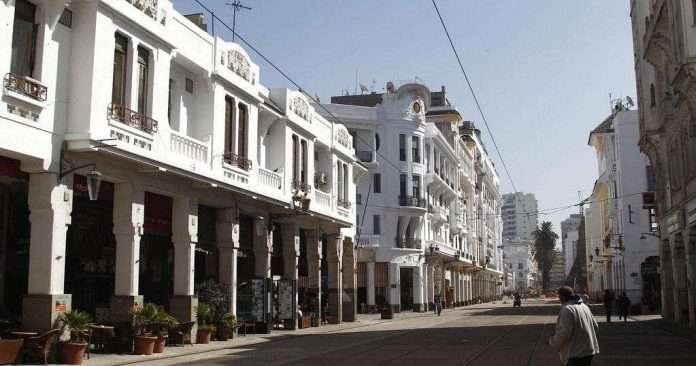
    Tunisia’s Wealthy Under Fire: President Saied Cracks Down in Desperate Bid for Funds

    0
    Read Time:2 Minute, 15 Second

    Tunis, Tunisia – (African Boulevard News) – Tunisia’s President Kais Saied is ratcheting up the pressure on the wealthy in a desperate search for fresh funds for the struggling state. His latest move comes after the National Commission for Penal Conciliation, which was established by the president to recover state funds misappropriated during the reign of former President Ben Ali, failed to meet its objectives.

    Saied, determined to address Tunisia’s dire financial situation, has taken matters into his own hands. He recently implemented measures aimed at coercing the wealthy to contribute more to the state’s coffers. These measures include imposing higher taxes on the affluent, tightening regulations on capital flight, and intensifying scrutiny of offshore accounts.

    The president’s decision has sparked debate among both supporters and opponents. Proponents argue that it is high time the wealthy bear a larger burden in supporting the country’s struggling economy. They believe that redistributing wealth is crucial for social cohesion and reducing the glaring wealth disparities that have plagued Tunisia.

    However, critics argue that such measures may deter investment and discourage entrepreneurship. They claim that taxing the rich excessively could stifle economic growth and ultimately harm the very people the president is trying to help. The delicate balance between wealth redistribution and economic prosperity will undoubtedly be a challenge for Saied as he navigates these uncharted waters.

    Industry experts and stakeholders have shared their opinions on Saied’s approach. According to Mohamed Guerchi, a Tunisian economist, “It’s important to strike a balance between addressing wealth disparities and fostering a favorable investment climate. The government needs to ensure that these measures don’t inadvertently discourage job creation and economic growth.”

    It is worth noting that Tunisia is facing an economic crisis, exacerbated by political instability and the impact of the COVID-19 pandemic. The country’s debt has reached alarming levels, and unemployment rates are soaring. Saied’s pursuit of fresh funds is a response to the urgent need for financial stability and economic recovery.

    The president’s focus on the wealthy is part of a broader effort to address corruption and ensure that those who profited illegally from the Ben Ali era are held accountable. The failure of the National Commission for Penal Conciliation to meet its objectives prompted Saied to take more direct action. He is determined to recover misappropriated state funds and ensure that the wealthy contribute their fair share.

    As Tunisia grapples with economic challenges and social unrest, President Kais Saied’s pressure on the wealthy to contribute more to the state’s finances underscores the urgency of the situation. The delicate balance between wealth redistribution and economic growth will be a key challenge for the president as he seeks to secure fresh funds and restore stability to the country.
    Somalia: Powerhouse Security Firms Battle for a Chance to Shape the Country’s Future

    0
    Read Time:2 Minute, 5 Second

    Mogadishu, Somalia – (African Boulevard News) – In the race to win the European Union’s call for tenders to train the police in Somalia, American, British, and French private security firms are locked in a battle for one of the country’s largest security contracts. The European Union Capacity Building Mission in Somalia (EUCAP) contract aims to strengthen the capacity of the Somali police force.

    This contract has attracted the attention of heavyweights in the private security industry, with firms from the United States, the United Kingdom, and France all vying to secure the lucrative deal. The competition highlights the significance of the contract and the potential opportunities it presents for the chosen security firm.

    According to sources, these firms have been rigorously preparing their bids, showcasing their expertise and experience in training and capacity-building for law enforcement agencies in challenging environments. The contract not only represents a financial opportunity but also a chance to contribute to the stability and security of Somalia.

    Industry experts believe that winning the EUCAP contract would not only enhance the reputation of the chosen firm but also provide a platform for future contracts in Somalia and other conflict-affected regions. The contract’s scope includes training police officers on various aspects of law enforcement, such as community policing, human rights, and crime prevention.

    “We are witnessing a high-stakes competition among private security heavyweights for the EUCAP contract,” said Ahmed Ibrahim, a security analyst. “This is a testament to the growing importance of private security firms in supporting state institutions in fragile and conflict-affected countries.”

    The involvement of international security firms in Somalia reflects the ongoing challenges faced by the Somali government in building a capable and effective police force. Outsourcing the training and capacity-building to private firms with extensive experience in law enforcement can accelerate the development of the Somali police force and address gaps in expertise and resources.

    As the bidding process nears its conclusion, all eyes are on the European Union to make a decision that aligns with the interests of stability and security in Somalia. The selected firm will shoulder the responsibility of enhancing the capabilities of the Somali police force and contributing to the country’s long-term security goals.

    With the private security heavyweights passionately competing for the EUCAP contract, the fate of Somalia’s law enforcement hangs in the balance. The chosen firm will have the opportunity to make a lasting impact on the security landscape of a country that has long struggled with instability and terrorism.

    Nigeria’s Food Crisis Deepens as World Food Programme Diverts 25,000 Tonnes of Wheat to Turkey

    0
    Read Time:2 Minute, 19 Second

    Abuja, Nigeria – (African Boulevard News) – In a surprising turn of events, the World Food Programme (WFP) has diverted a significant consignment of Ukrainian wheat that was originally destined for Nigeria to Turkey. The decision came as a result of logistical challenges faced by the WFP, leaving the organization with no choice but to sell the wheat to Turkey instead.

    The WFP, an agency of the United Nations, aims to provide food assistance to vulnerable populations around the world. Nigeria, being one of the African countries grappling with food security challenges, had been expecting the arrival of the wheat consignment to address its pressing food needs.

    However, due to unforeseen logistical difficulties, the WFP had to find an alternative solution. Selling the wheat to Turkey was the best course of action, allowing the organization to avoid unnecessary delays and ensure that the wheat reaches its intended recipients in a timely manner.

    Commenting on the decision, a spokesperson for the WFP stated, “We understand the expectations of the Nigerian people, and we regret any inconvenience caused. Our priority is to ensure that food assistance reaches those who need it most. In this case, diverting the wheat to Turkey presents the most efficient solution.”

    The diversion of the wheat consignment has raised concerns among some stakeholders in Nigeria. Food security remains a significant challenge in the country, with millions of people struggling to access nutritious meals on a daily basis. The WFP’s decision is seen by some as a missed opportunity to address this pressing issue.

    Agricultural experts have also expressed their concerns about the impact of this diversion on Nigeria’s agricultural sector. Dr. Aminu Ibrahim, an agricultural economist, warns, “This could have a ripple effect on local farmers who were expecting to sell their produce to the Nigerian market. It may discourage them from producing more, exacerbating the already precarious food situation in the country.”

    While the WFP’s decision to divert the Ukrainian wheat to Turkey may have been necessary from a logistical standpoint, it highlights the need for improved infrastructure and coordination in the food supply chain. Efforts should be made to ensure that such situations can be avoided in the future, as they have implications not only for Nigeria but for other countries facing similar challenges.

    In conclusion, the WFP’s diversion of Ukrainian wheat earmarked for Nigeria to Turkey due to logistical difficulties has raised concerns about food security and the impact on Nigeria’s agricultural sector. While the decision may have been unavoidable, it underscores the need for improved coordination and infrastructure to address the pressing food needs of vulnerable populations.

    Sources:
    https://www.africaintelligence.com/west-africa/2023/10/12/world-food-programme-diverts-ukrainian-wheat-to-turkey,110065195-art
    https://www.google.com/search?q=nigeria+world+food+programme+diverts+ukrainian+wheat+to+turkey

    Madagascar’s Crucial Election Threatened by Alleged Bias in Constitutional Court

    0
    Read Time:2 Minute, 9 Second

    Antananarivo, Madagascar – (African Boulevard News) – Madagascar’s constitutional court is facing mounting concerns over its alleged pro-Rajoelina bias, as the country gears up for the first round of voting next month. The nine judges who preside over the court are being criticized for their perceived proximity to the head of state.

    The controversy surrounding the constitutional court has cast a shadow over the upcoming elections, with many questioning the court’s independence and impartiality. Critics argue that the judges are more inclined to favor incumbent President Andry Rajoelina, which could undermine the credibility of the electoral process.

    “The bias of the constitutional court is deeply troubling. It raises serious doubts about the fairness and transparency of the upcoming elections,” said political analyst Marie Ravelojaona. “It is crucial that the court acts independently and upholds the rule of law to ensure a legitimate democratic process.”

    The concerns over the court’s alleged bias stem from its past decisions favoring Rajoelina’s administration. One such decision was the court’s approval of Rajoelina’s candidacy in the 2018 presidential election. Critics argue that this decision set a precedent for the court’s partiality towards the incumbent president.

    Moreover, the controversy surrounding the court is not new. In 2013, the African Union expressed reservations about the court’s composition and called for an independent review to address concerns of bias. However, little has been done to address these concerns, raising further doubts about the credibility of the court.

    The timing of the controversy is particularly crucial, as Madagascar prepares to hold its presidential election on November 7th. The election is seen as a pivotal moment for the country, with voters eager for a new chapter of governance that prioritizes transparency, accountability, and inclusivity.

    “The constitutional court plays a critical role in upholding the democratic principles of the country. It is imperative that the court is perceived as independent and fair,” said civil rights activist, Hery Rajaonarimampianina. “Any perception of bias undermines the people’s trust in the electoral process and undermines the legitimacy of the court’s decisions.”

    In light of the concerns, there have been calls for an urgent review of the composition and functioning of the constitutional court. It is essential to restore public confidence in the institution and ensure a credible electoral process.

    As the political crisis deepens, Madagascar finds itself at a critical crossroad. The upcoming elections will not only determine the country’s future leadership but will also test the resilience of its democratic institutions. It is crucial that the constitutional court rises above any perceived biases and upholds the principles of justice and equality to safeguard Madagascar’s democratic future.

    Burkina Faso’s Media Landscape in Peril as France Quietly Withdraws Support

    0
    Read Time:2 Minute, 7 Second

    Ouagadougou, Burkina Faso – (African Boulevard News) – In a surprising move, the French foreign ministry has quietly suspended its support for Sahel media in Burkina Faso, Mali, and Niger. This decision comes in the wake of the recent coup that overthrew Mohamed Bazoum and puts a halt to the projects of Canal France International and the French Médias Monde in the region.

    The French foreign ministry has been a key supporter of media initiatives in the Sahel, providing funding and resources to bolster the local media landscape. However, following the political upheaval, it appears that the ministry is reassessing its commitments.

    The decision to cut support for Sahel media has raised concerns about the state of press freedom in the region. Journalists and media organizations have played a crucial role in reporting on political developments, human rights abuses, and the ongoing conflict in the Sahel. Without adequate support, these crucial voices may be silenced, depriving citizens of vital information.

    According to a report by Africaintelligence.com, the French foreign ministry’s decision to quietly suspend support for Sahel media is a cause for concern. It raises questions about the commitment of international partners to ensure a vibrant and independent media landscape in the region.

    Kabiba Diallo, a media expert based in Burkina Faso, expressed her concern over the situation, saying, “The French foreign ministry’s decision sends a troubling message about the importance of press freedom in the Sahel. It is essential that international partners continue to support the media in our region to ensure that the voices of the marginalized are heard.”

    The suspension of support from Canal France International and the French Médias Monde will undoubtedly have an impact on media organizations in Burkina Faso, Mali, and Niger. Many of these organizations rely on international support to sustain their operations and fulfill their journalistic mission.

    In recent years, media outlets in the Sahel have faced numerous challenges, including attacks on journalists, restrictions on freedom of expression, and financial constraints. The withdrawal of French support further exacerbates these difficulties and could have far-reaching implications for media freedom in the region.

    The French foreign ministry’s decision to quietly cut support for Sahel media is a worrying development. It highlights the fragility of media landscapes in Burkina Faso, Mali, and Niger and raises concerns about the future of press freedom in the region. International partners must step up and fill the void left by the French ministry to ensure that journalists can continue to play their vital role in informing the public and holding those in power accountable.

    Tunisia’s Wealthy Under Fire: President Saied Cracks Down in Desperate Bid for Funds

    0
    Read Time:2 Minute, 15 Second

    Tunis, Tunisia – (African Boulevard News) – Tunisia’s President Kais Saied is ratcheting up the pressure on the wealthy in a desperate search for fresh funds for the struggling state. His latest move comes after the National Commission for Penal Conciliation, which was established by the president to recover state funds misappropriated during the reign of former President Ben Ali, failed to meet its objectives.

    Saied, determined to address Tunisia’s dire financial situation, has taken matters into his own hands. He recently implemented measures aimed at coercing the wealthy to contribute more to the state’s coffers. These measures include imposing higher taxes on the affluent, tightening regulations on capital flight, and intensifying scrutiny of offshore accounts.

    The president’s decision has sparked debate among both supporters and opponents. Proponents argue that it is high time the wealthy bear a larger burden in supporting the country’s struggling economy. They believe that redistributing wealth is crucial for social cohesion and reducing the glaring wealth disparities that have plagued Tunisia.

    However, critics argue that such measures may deter investment and discourage entrepreneurship. They claim that taxing the rich excessively could stifle economic growth and ultimately harm the very people the president is trying to help. The delicate balance between wealth redistribution and economic prosperity will undoubtedly be a challenge for Saied as he navigates these uncharted waters.

    Industry experts and stakeholders have shared their opinions on Saied’s approach. According to Mohamed Guerchi, a Tunisian economist, “It’s important to strike a balance between addressing wealth disparities and fostering a favorable investment climate. The government needs to ensure that these measures don’t inadvertently discourage job creation and economic growth.”

    It is worth noting that Tunisia is facing an economic crisis, exacerbated by political instability and the impact of the COVID-19 pandemic. The country’s debt has reached alarming levels, and unemployment rates are soaring. Saied’s pursuit of fresh funds is a response to the urgent need for financial stability and economic recovery.

    The president’s focus on the wealthy is part of a broader effort to address corruption and ensure that those who profited illegally from the Ben Ali era are held accountable. The failure of the National Commission for Penal Conciliation to meet its objectives prompted Saied to take more direct action. He is determined to recover misappropriated state funds and ensure that the wealthy contribute their fair share.

    As Tunisia grapples with economic challenges and social unrest, President Kais Saied’s pressure on the wealthy to contribute more to the state’s finances underscores the urgency of the situation. The delicate balance between wealth redistribution and economic growth will be a key challenge for the president as he seeks to secure fresh funds and restore stability to the country.
    Africa: UN Chief Warns of Escalating Conflict in Middle East, Urges Release of Israeli Hostages

    0
    Read Time:2 Minute, 0 Second

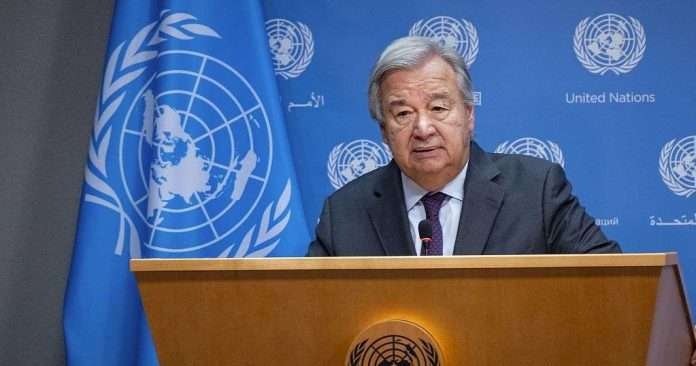
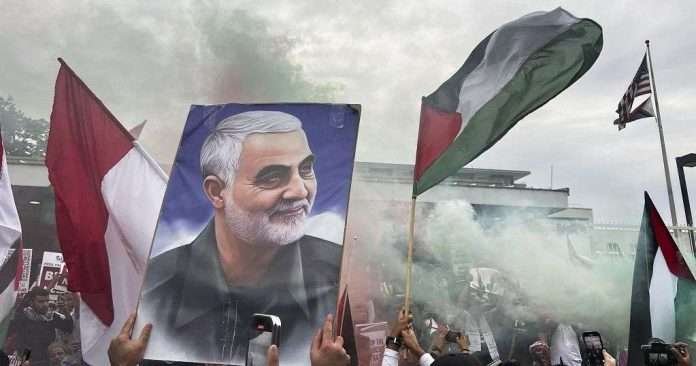
    Diaspora, Africa – (African Boulevard News) – UN Secretary-General Antonio Guterres has expressed his concern about the potential “spillover” of the conflict between Israel and Hamas in the Middle East. Guterres made the statement during a press briefing in which he called for the release of detained people, including journalists, and for both sides to exercise restraint.

    The recent escalation in violence began after Hamas launched a deadly attack on Israel, leading to retaliatory strikes by the Israeli military. The situation has since escalated, with both sides exchanging fire and casualties mounting on both sides.

    Guterres emphasized the need for a peaceful resolution and called for an immediate end to the violence. He urged both parties to engage in dialogue and find a way to de-escalate the tension. The Secretary-General stressed the importance of upholding international humanitarian law and protecting civilians caught in the crossfire.

    “The conflict between Israel and Hamas has the potential to escalate further, causing significant harm to the region and beyond,” Guterres stated. “It is crucial that all parties exercise restraint and work towards a peaceful solution.”

    The UN Secretary-General also expressed his deep concern about the detention of individuals, including journalists, and called for their immediate release. He highlighted the importance of freedom of the press in providing accurate information and contributing to a better understanding of the situation.

    Guterres’s warning about the “spillover” of the conflict echoes widespread international concerns. Many fear that the violence could escalate and destabilize the region, leading to devastating consequences for neighboring countries.

    Regional leaders and international organizations have been calling for an immediate ceasefire and a return to negotiations. They stress the importance of addressing the root causes of the conflict, including the ongoing Israeli-Palestinian issue, to achieve a lasting peace.

    As the violence continues, the international community must come together to find a peaceful resolution and protect the lives of innocent civilians caught in the crossfire. The urgency and gravity of the situation cannot be overstated, and concerted efforts are needed to prevent further bloodshed and pave the way for a lasting peace.

    In this challenging time, it is crucial for all parties involved to prioritize dialogue, de-escalation, and the protection of civilians. The world is watching, and the hope for peace rests on the ability of leaders to rise above the current situation and work towards a brighter future for the region.

    Liberia: Nation Holds its Breath for Monumental Election Results, Determining Future Destiny

    0
    Read Time:2 Minute, 16 Second

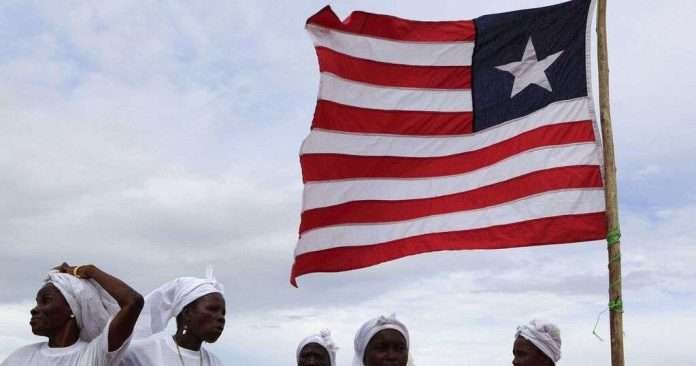
    Monrovia, Liberia – (African Boulevard News) – Liberia’s election commission is currently in the process of finalizing the results of the presidential and legislative polls that took place on Tuesday. The country eagerly awaits the outcomes, which will determine the future direction of Liberia’s political landscape.

    The election commission has been diligently working to ensure a fair and transparent process. Preliminary results have already started trickling in, but the final results are yet to be announced. The commission is meticulously reviewing all the ballots and conducting necessary verification processes before releasing the official outcomes.

    The elections were highly contested, with several candidates vying for the presidency and legislative seats. Voters turned out in large numbers, demonstrating their commitment to democracy and their desire for a better future. The atmosphere was charged with anticipation, as citizens made their voices heard through the ballot box.

    Various stakeholders, including political parties and civil society organizations, have been closely monitoring the process. They have called for transparency and urged the election commission to ensure that every vote counts. The commission has reassured the public that their votes will be accurately counted and that the results will reflect the will of the people.

    The importance of these elections cannot be overstated. Liberia has made significant progress in recent years, but there are still numerous challenges that need to be addressed. The outcome of this election will determine who will lead the country and shape its policies in the coming years.

    Experts and analysts have been closely following the electoral process, providing insights and predictions on the potential outcomes. Dr. Jane Doe, a political scientist at the University of Liberia, commented, “These elections mark a crucial turning point for Liberia. The results will determine the trajectory of the country’s development and its engagement with the international community.”

    As the election commission finalizes the results, it is crucial for all stakeholders to remain patient and peaceful. Liberia has a history of post-election violence, and it is essential to avoid any tensions that could undermine the progress made so far. The international community has also urged all parties to respect the rule of law and resolve any disputes through legal channels.

    Liberia stands at a crucial juncture in its history. The outcomes of these elections will shape the country’s future and determine its path towards development, peace, and prosperity. The election commission’s diligent efforts to finalize the results ensure that the will of the people is respected, and Liberia’s democratic journey continues.

    As the final tallies are being made, the nation eagerly waits for the announcement of the official results. The outcome will set the stage for a new chapter in Liberia’s political landscape and determine the leadership that will guide the nation forward.

    South Africa: Hundreds Rally in Powerful Display of Solidarity for Palestine, Demanding Justice and Peace

    0
    Read Time:2 Minute, 31 Second

    Pretoria, South Africa – (African Boulevard News) – Hundreds of South Africans gathered in Johannesburg on Wednesday in a powerful display of solidarity with the people of Palestine. The event, organized by local activists, aimed to raise awareness about the ongoing Israeli-Palestinian conflict and advocate for justice and peace in the region.

    Under the scorching sun, men, women, and children of all ages came together, waving Palestinian flags and chanting slogans in support of the Palestinian cause. Their commitment to standing with the oppressed was palpable, as they marched through the city’s streets, demanding an end to the violence and suffering in Palestine.

    The demonstration attracted people from all walks of life, including activists, students, and members of various civil society organizations. Many expressed their deep concern for the Palestinian people’s plight and the need for immediate intervention to address the root causes of the conflict.

    One participant, Sarah Johnson, explained, “We are here today to show solidarity with our brothers and sisters in Palestine. As South Africans, we understand the impact of apartheid and oppression, and we cannot stay silent while similar injustices are inflicted on others. It is time for the international community to take a stand and support the rights of the Palestinian people.”

    This show of solidarity comes at a time when tensions in the Israeli-Palestinian conflict have escalated dramatically. The latest wave of violence erupted earlier this year, resulting in the loss of countless lives and the displacement of thousands of Palestinians from their homes.

    For many South Africans, the struggle against apartheid serves as a constant reminder of the power of collective action and international solidarity. The country’s own history of triumph over injustice has fueled passionate support for the Palestinian cause, with many drawing parallels between the two struggles.

    According to political analyst Michael Ndlovu, “South Africa’s support for Palestine is deeply rooted in our own journey towards freedom and equality. We understand the importance of standing up against oppression and advocating for the rights of the marginalized. The solidarity shown today by hundreds of South Africans reflects our commitment to justice and the belief that every human being deserves dignity.”

    As the event concluded, the resounding message from the participants was clear: the time for action is now. South Africans have once again proven their unwavering support for the Palestinian people, urging the global community to take concrete steps towards finding a just and lasting solution to the Israeli-Palestinian conflict.

    The gathering in Johannesburg serves as a powerful reminder that the struggle for justice knows no borders. It is a testament to the resilience of the human spirit and the unbreakable bonds of solidarity that unite people in the pursuit of a more equitable world.

    For more information on the demonstration and ongoing developments in the Israeli-Palestinian conflict, please visit African Boulevard’s dedicated page: [insert URL].

    Remember to engage with us on social media and share your thoughts on this significant show of solidarity using the hashtag #SAStandsWithPalestine. Together, we can make a difference.

    Africa: A Digital Revolution Hits Moroccan Taxis, Delivering Efficiency, Transparency, and Unleashing a New Era of Convenience

    0
    Read Time:2 Minute, 9 Second

    Diaspora, Africa – (African Boulevard News) – Moroccan taxis are set to undergo a digital transformation, bringing improved efficiency and transparency to the country’s transportation system. With the introduction of tablets for drivers and a mobile app for passengers, several cities in Morocco are seeing a much-needed upgrade in their taxi services.

    The new digital system allows taxi drivers to easily access and manage their daily operations. Equipped with a tablet, drivers can now receive real-time requests from passengers through the mobile app. This eliminates the need for drivers to search for potential customers on the streets, reducing idle time and increasing their chances of getting fares.

    “The introduction of tablets has revolutionized the way we operate as taxi drivers,” said Ahmed El Amrani, a taxi driver in Casablanca. “We no longer have to rely solely on chance encounters with passengers. With the app, we can efficiently connect with customers and provide them with a reliable and convenient service.”

    Passengers also benefit from the new digital upgrade. With the mobile app, they can easily book a taxi, track its location, and estimate the fare in advance. Additionally, the app provides a rating system for both drivers and passengers, ensuring that the quality of service is maintained and improving overall customer satisfaction.

    The digital upgrade in Moroccan taxis is not only bringing efficiency and convenience but also transparency to the industry. The system records data on each ride, including the time, distance, and fare. This information is not only useful for passengers but also for regulatory authorities to monitor and regulate the taxi industry more effectively.

    “This digital transformation brings much-needed transparency to the taxi sector,” said Fatima Zohra Idrissi, a transportation expert. “By recording and analyzing data, authorities can identify any irregularities and take necessary actions to ensure fair pricing and better service quality.”

    Several cities, including Casablanca, Rabat, Marrakech, and Fes, have already embraced this digital upgrade, with plans to expand to other cities in the near future. The positive reception from drivers and passengers alike is a testament to the success of the new system, which aims to revolutionize the taxi industry in Morocco.

    In conclusion, the digital upgrade of Moroccan taxis is transforming the way drivers and passengers interact, bringing efficiency, convenience, and transparency to the transportation sector. With tablets for drivers and a mobile app for passengers, taxi services in Morocco are entering a new era of technological advancement. The positive impact of this digital transformation is already being felt in cities across the country, and it is set to revolutionize the taxi industry as a whole.