Friday, April 24, 2026
79.3 F
Lagos
More
    Home Blog Page 82

    Africa: Captivating Images Capture Unity, Innovation, and Resilience Across the Continent

    0
    Read Time:2 Minute, 19 Second

    Diaspora, Africa – (African Boulevard News) – Africanews brings you a captivating compilation of the best pictures from yesterday’s newsworthy events. These snapshots shed light on the remarkable stories that unfolded across the continent on October 11, 2023.

    1. Celebrating African Unity
      In a powerful display of unity, African leaders gathered at the African Union headquarters in Addis Ababa to commemorate the Day of African Unity. The image captures the leaders standing hand in hand, symbolizing their commitment to fostering collaboration and progress across the continent.

    2. Empowering Women in Tech
      The tech industry in Africa continues to witness inspiring developments, with women playing a significant role in the sector’s growth. A snapshot showcases an all-female team of engineers working passionately on cutting-edge innovations. This image serves as a reminder that gender should never be a barrier to success and that women have an equal place in the tech world.

    3. Preserving Cultural Heritage
      Africa’s rich cultural heritage remains a source of pride for its people. An image captures a traditional dance performance in a vibrant village, showcasing the preservation of indigenous customs and traditions. This serves as a reminder of the importance of safeguarding cultural diversity in a rapidly globalizing world.

    4. Promoting Sustainable Agriculture
      With climate change posing significant challenges to African agriculture, finding sustainable solutions has become crucial. The photograph highlights a group of farmers embracing innovative techniques, such as vertical farming, to maximize yield while minimizing environmental impact. This image illustrates the resilience of African farmers and their commitment to feeding the continent sustainably.

    5. Uniting Against Wildlife Crime
      The fight against wildlife poaching and trafficking continues to gain momentum across Africa. A powerful snapshot captures law enforcement officers and wildlife conservationists standing side by side, determined to protect Africa’s incredible wildlife. The image reflects the collective effort of communities, government agencies, and NGOs in combating this illegal and destructive trade.

    6. Empowering Youth through Education
      Investing in the education and development of Africa’s youth is vital for the continent’s future. An image showcases a group of enthusiastic students engaging in a science experiment. This visual representation celebrates the power of education to unlock the potential of Africa’s young minds and foster innovation and progress.

    Incorporating these diverse and impactful visuals, Africanews offers a glimpse into the key events that unfolded on October 11, 2023. These pictures capture the beauty, resilience, and determination of the African people and serve as a reminder of the continent’s limitless potential for growth and progress.

    As we reflect on these moments, let us continue to celebrate Africa’s achievements, address its challenges, and work collectively towards a brighter future for all its inhabitants. Together, we can build a prosperous and united Africa.

    Source: Africanews.com (URL: https://www.africanews.com/2023/10/12/pics-of-the-day-october-11-2023/)

    Africa: Gaza’s Hospitals Teeter on the Brink of Catastrophe as Medical Supplies Run Dry

    0
    Read Time:2 Minute, 28 Second

    Diaspora, Africa – (African Boulevard News) – Israel-Hamas War: A Catastrophic Situation in Gaza’s Hospitals

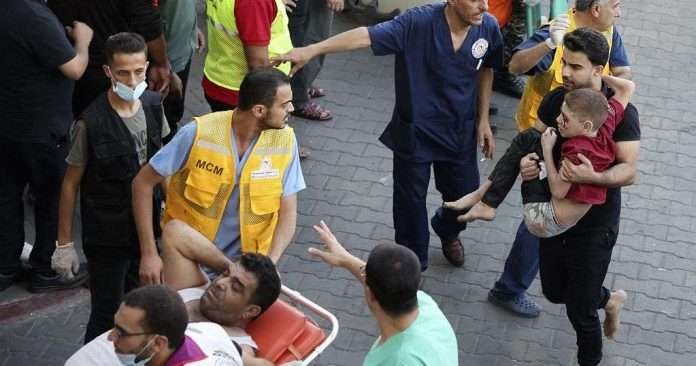
    Gaza’s hospitals are facing a dire situation as the Israel-Hamas war continues to escalate, leading to a shortage of critical medical supplies and medications. The Gaza Strip’s health ministry has issued a warning, stating that this shortage could result in a “catastrophic situation” for the already overwhelmed healthcare system.

    The ongoing conflict has severely disrupted normal life in Gaza, including the transportation of essential medical supplies. Hospitals are struggling to cope with the increasing number of casualties, many of whom require urgent medical attention. However, without the necessary resources, doctors and healthcare workers are finding it increasingly challenging to provide adequate care.

    Dr. Ahmed Jamal, a leading medical expert, expressed his concerns, stating, “The lack of medical supplies and medications in Gaza’s hospitals is reaching a critical point, putting the lives of patients at risk. We need immediate international assistance to prevent a humanitarian disaster.”

    The shortage of medical supplies and medications is not only impacting the treatment of war-related injuries but also affecting patients with pre-existing conditions. Chronic disease patients, including those with diabetes, heart disease, and cancer, are now at a greater risk of complications due to the lack of necessary medications and limited access to healthcare facilities.

    Furthermore, the strain on Gaza’s hospitals is exacerbated by the increasing number of displaced individuals seeking refuge. The conflict has forced thousands of families to flee their homes, seeking safety in overcrowded shelters and makeshift camps. These displaced individuals are also in need of health services, adding additional pressure to an already overwhelmed healthcare system.

    The international community has a crucial role to play in addressing this humanitarian crisis. Immediate action is required to ensure the delivery of vital medical supplies and medications to Gaza’s hospitals. The United Nations and other international organizations must step in to provide the necessary support to prevent further loss of life and alleviate the suffering of innocent civilians.

    As the Israel-Hamas war rages on, the catastrophic situation in Gaza’s hospitals highlights the urgent and desperate need for assistance. Lives are at stake, and every effort must be made to provide the necessary resources to ensure the delivery of quality healthcare to the people of Gaza.

    It is crucial for the international community to prioritize the humanitarian needs of the affected population and work towards a peaceful resolution to prevent further devastation. Only then can the people of Gaza have hope for a better future, free from the constant fear and suffering that they are currently enduring.

    In this time of crisis, we must stand in solidarity with the people of Gaza and call upon world leaders to take immediate action to alleviate the suffering and prevent a catastrophic situation in the hospitals. The time to act is now.

    Sources:
    – Africanews: Israel-Hamas War: A catastrophic situation in Gaza’s hospitals
    – Google Search: Israel-Hamas war: A catastrophic situation in Gaza’s hospitals

    Libya’s Culinary Delight: Éric Kayser Brings Authentic French Bakery to Tripoli, Igniting Hope and Tastebuds

    0
    Read Time:2 Minute, 18 Second

    Tripoli, Libya – (African Boulevard News) – The renowned French bakery chain, Éric Kayser, is set to make its mark in Tripoli, as it teams up with the AlSahl Group to open a brand-new bakery in the heart of the city. This exciting venture aims to bring the authentic flavors of French pastries and breads to the people of Libya.

    The partnership between Éric Kayser and the AlSahl Group is expected to elevate Tripoli’s culinary scene and provide locals and tourists alike with a delightful bakery experience. With its emphasis on high-quality ingredients and traditional techniques, Éric Kayser has gained a reputation for its delectable offerings around the world.

    “We are thrilled to be collaborating with the AlSahl Group to bring Éric Kayser’s renowned bakery expertise to Tripoli,” said a spokesperson from Éric Kayser. “Our mission is to provide residents and visitors with a taste of authentic French baking, while also creating job opportunities and supporting the local economy.”

    The bakery, located in a vibrant neighborhood in Tripoli, will offer a wide range of freshly baked goods, including croissants, baguettes, pastries, and cakes. Each product will be crafted with care using the finest ingredients and traditional artisanal techniques, ensuring a truly exceptional culinary experience.

    The AlSahl Group, a leading Libyan company with a strong presence in the hospitality sector, shares Éric Kayser’s commitment to excellence. Together, they aim to create a warm and inviting atmosphere where customers can gather, savor delicious treats, and experience the artistry behind every creation.

    “We are delighted to partner with Éric Kayser and bring their world-class bakery to Tripoli,” said a representative from the AlSahl Group. “This collaboration reflects our dedication to offering the best culinary experiences to our valued customers, as well as our belief in the potential of the Libyan market.”

    The new bakery is not only expected to become a popular destination for locals, but it is also anticipated to attract tourists who are eager to indulge in the flavors of France. This development aligns with Libya’s efforts to revive its tourism industry and promote cultural exchange.

    As construction begins on the new bakery, the anticipation and excitement can be felt throughout Tripoli. The partnership between Éric Kayser and the AlSahl Group signals a positive step forward for the city’s culinary landscape, offering both job opportunities and a delightful addition to the local food scene.

    With Tripoli becoming an increasingly cosmopolitan city, the arrival of an established French bakery chain is yet another testament to its growth and potential. As the aroma of freshly baked bread fills the air, residents eagerly await the opening of Éric Kayser’s bakery, which is sure to satisfy even the most discerning of palates and add a touch of French gastronomy to the vibrant city of Tripoli.

    Africa’s Cultural Voices Ignored: Underrepresentation of Diplomats in UNESCO’s Upper Management Sparks Outcry

    0
    Read Time:2 Minute, 18 Second

    Diaspora, Africa – (African Boulevard News) – African diplomats have expressed their deep concern and frustration over the lack of representation and isolation they face within the upper management of UNESCO. This issue of underrepresentation was highlighted by several reports and diplomatic sources, shedding light on the growing discontent within the African diplomatic community.

    The African continent, with its rich cultural heritage and diverse population, is glaringly underrepresented in key decision-making positions at UNESCO. Diplomats from various African countries have decried the lack of African representation in the executive board and other influential bodies within the organization. This neglect is seen as a blatant disregard for the voices and perspectives of Africa on matters of global importance.

    One of the main concerns raised by African diplomats is the absence of African representation in the top management positions at UNESCO. Despite Africa being home to 54 countries, only a handful of African diplomats hold key managerial roles within the organization. This gap in representation not only undermines Africa’s contributions but also perpetuates a cycle of marginalization and exclusion.

    According to a report published by Africa Intelligence, African diplomats are increasingly frustrated by the lack of opportunities for meaningful participation in decision-making processes. The report highlights the growing discontent within the African diplomatic community, as they witness the sidelining of their voices and concerns on crucial matters such as cultural preservation, heritage protection, and sustainable development.

    Speaking on the issue, Ambassador Amina Mohammed, Nigeria’s Permanent Delegate to UNESCO, emphasized the need for greater African representation at all levels within the organization. She stated, “Africa has a wealth of knowledge, expertise, and perspectives that deserve to be heard and taken into account. It is imperative for UNESCO to address this underrepresentation and ensure that Africa’s voices are not only heard but also given due importance.”

    The lack of African representation at UNESCO is not only a matter of fairness but also has far-reaching consequences. Africa’s unique cultural heritage and diverse perspectives are invaluable assets that can contribute significantly to the global dialogue on important issues. By isolating African diplomats, UNESCO is missing out on the richness and depth that African voices can bring to the table.

    In conclusion, the deeply-rooted underrepresentation of African diplomats within UNESCO’s upper management is a cause for concern. The lack of African voices not only undermines the organization’s commitment to inclusivity but also hinders the global dialogue on cultural preservation, heritage protection, and sustainable development. It is high time for UNESCO to address this issue and take concrete steps towards ensuring equitable representation for Africa within its ranks. Africa’s diplomats deserve to be recognized and valued for the knowledge and expertise they bring to the table, and their voices must be heard on matters of global significance.

    Kenya’s Economic Future Hangs in the Balance as France Challenges China’s Influence in High-Stakes Infrastructure Battle

    0
    Read Time:2 Minute, 36 Second

    Nairobi, Kenya – (African Boulevard News) – French President Emmanuel Macron is set to engage in discussions with his Kenyan counterpart, Deputy President William Ruto, regarding the future of the Nakuru-Mau Summit highway project. With French companies Vinci and Meridiam overseeing the construction, Macron aims to outmaneuver Chinese influence in Kenya’s infrastructure development.

    The Nakuru-Mau Summit highway project is a crucial undertaking for Kenya, expected to enhance transportation efficiency and connectivity between the key towns of Nakuru and Mau Summit. The French-led initiative holds great promise for the country’s economic growth and development.

    The involvement of Vinci and Meridiam, major players in the global infrastructure industry, underscores the magnitude of the undertaking and the potential benefits it could bring. The French companies’ expertise and resources make them well-suited to tackle such a project, offering state-of-the-art technology and high-quality construction methods.

    Macron’s decision to personally engage in discussions with Deputy President Ruto demonstrates France’s commitment to the project’s success and its determination to compete with China in Africa’s infrastructure sector. China has been a major player in Kenya’s infrastructure development, but France is now keen to challenge China’s dominance and strengthen its economic influence in the region.

    Kenya has been a key focus for China’s Belt and Road Initiative, providing the country with considerable funding for various infrastructure projects. However, the French president’s visit signals a shift in the dynamics, as France seeks to secure its position in Kenya’s burgeoning construction sector.

    According to industry experts, Macron’s diplomatic efforts could have significant implications for Kenya’s economy. French expertise, combined with Vinci and Meridiam’s track record, could potentially deliver a world-class transportation artery that would spur economic growth and attract foreign investment.

    “Investing in infrastructure is critical for the development and competitiveness of any nation. Macron’s visit and commitment to the Nakuru-Mau Summit highway project signal France’s recognition of Kenya’s potential in the African infrastructure market,” commented Dr. Jane Kamau, a Nairobi-based economist.

    As Macron engages with Deputy President Ruto, the discussions will likely focus on securing funding and enhancing cooperation between the two countries. The French president’s visit is seen as a demonstration of the strategic value France places in nurturing economic ties with Kenya, with the highway project serving as a crucial starting point for greater collaboration.

    With the stakes high and both France and China vying for influence, the outcome of these discussions could shape the future of Kenya’s infrastructure development. As the talks progress, all eyes are on the potential partnership between France and Kenya, and the impact it could have on Africa’s largest economy.

    In conclusion, Emmanuel Macron’s visit to Kenya and his discussions with Deputy President William Ruto on the Nakuru-Mau Summit highway project highlight France’s ambition to challenge China’s influence in the country’s infrastructure development. With the involvement of Vinci and Meridiam, the project holds great promise for Kenya’s economic growth and development. The outcome of these discussions will not only determine the fate of the highway but also shape the future of France-Kenya relations and the broader dynamics of infrastructure development in Africa.

    Africa Unites for Conservation: Government of Brazzaville Collaborates with NGOs to Save Congo Basin

    0
    Read Time:2 Minute, 18 Second

    Diaspora, Africa – (African Boulevard News) – In anticipation of the upcoming Three Basins Summit scheduled for the end of October, the government of Brazzaville has taken the initiative to consult with non-governmental organizations (NGOs) involved in forest conservation. As part of these consultations, the World Wildlife Fund (WWF) has been approached to provide their expertise and insights on the matter.

    The decision to involve NGOs in these consultations showcases the commitment of the government of Brazzaville to prioritize sustainable forest management and environmental conservation in the Congo Basin. The Three Basins Summit aims to address various issues concerning the preservation and protection of the Congo, Ubangi, and Sangha river basins, which are vital ecosystems in the region.

    According to officials, the consultations with the WWF have been constructive and productive thus far. The WWF brings decades of experience in conservation efforts in the Congo Basin region and has been an instrumental force in promoting sustainable development practices.

    A spokesperson from the government of Brazzaville expressed their gratitude towards the WWF for their invaluable contributions, stating, “We are pleased to have the WWF’s expertise and knowledge to guide us in our efforts to safeguard the natural heritage of the Congo Basin. Their involvement in our consultations ensures that we have a comprehensive understanding of the challenges and opportunities we face in achieving a sustainable future.”

    The Three Basins Summit is expected to bring together government officials, NGOs, and other stakeholders to discuss various topics, including the preservation of biodiversity, sustainable resource management, and climate change mitigation strategies. The event aims to foster collaboration and develop concrete action plans to address the pressing environmental issues in the Congo Basin.

    The consultations with the WWF not only demonstrate the government’s commitment to engaging with key stakeholders but also emphasize the importance of collaboration in achieving long-term environmental sustainability. By involving NGOs with their vast knowledge and experience, the government of Brazzaville is taking a comprehensive approach to address the challenges at hand.

    As the consultations continue, it is anticipated that further partnerships and collaborations will be forged, strengthening the collective efforts towards conservation in the Congo Basin. The Three Basins Summit holds significant potential for shaping the future of environmental protection in the region and ensuring the preservation of its unique biodiversity.

    In conclusion, the consultations between the government of Brazzaville and the WWF highlight the importance of involving NGOs in discussions concerning forest conservation. By leveraging the expertise and insights of organizations like the WWF, the government is demonstrating its commitment to sustainable development and environmental conservation in the Congo Basin. The upcoming Three Basins Summit provides an opportunity for all stakeholders to come together, exchange ideas, and develop practical solutions to safeguard the region’s natural resources for generations to come.

    Libya’s Culinary Delight: Éric Kayser Brings Authentic French Bakery to Tripoli, Igniting Hope and Tastebuds

    0
    Read Time:2 Minute, 18 Second

    Tripoli, Libya – (African Boulevard News) – The renowned French bakery chain, Éric Kayser, is set to make its mark in Tripoli, as it teams up with the AlSahl Group to open a brand-new bakery in the heart of the city. This exciting venture aims to bring the authentic flavors of French pastries and breads to the people of Libya.

    The partnership between Éric Kayser and the AlSahl Group is expected to elevate Tripoli’s culinary scene and provide locals and tourists alike with a delightful bakery experience. With its emphasis on high-quality ingredients and traditional techniques, Éric Kayser has gained a reputation for its delectable offerings around the world.

    “We are thrilled to be collaborating with the AlSahl Group to bring Éric Kayser’s renowned bakery expertise to Tripoli,” said a spokesperson from Éric Kayser. “Our mission is to provide residents and visitors with a taste of authentic French baking, while also creating job opportunities and supporting the local economy.”

    The bakery, located in a vibrant neighborhood in Tripoli, will offer a wide range of freshly baked goods, including croissants, baguettes, pastries, and cakes. Each product will be crafted with care using the finest ingredients and traditional artisanal techniques, ensuring a truly exceptional culinary experience.

    The AlSahl Group, a leading Libyan company with a strong presence in the hospitality sector, shares Éric Kayser’s commitment to excellence. Together, they aim to create a warm and inviting atmosphere where customers can gather, savor delicious treats, and experience the artistry behind every creation.

    “We are delighted to partner with Éric Kayser and bring their world-class bakery to Tripoli,” said a representative from the AlSahl Group. “This collaboration reflects our dedication to offering the best culinary experiences to our valued customers, as well as our belief in the potential of the Libyan market.”

    The new bakery is not only expected to become a popular destination for locals, but it is also anticipated to attract tourists who are eager to indulge in the flavors of France. This development aligns with Libya’s efforts to revive its tourism industry and promote cultural exchange.

    As construction begins on the new bakery, the anticipation and excitement can be felt throughout Tripoli. The partnership between Éric Kayser and the AlSahl Group signals a positive step forward for the city’s culinary landscape, offering both job opportunities and a delightful addition to the local food scene.

    With Tripoli becoming an increasingly cosmopolitan city, the arrival of an established French bakery chain is yet another testament to its growth and potential. As the aroma of freshly baked bread fills the air, residents eagerly await the opening of Éric Kayser’s bakery, which is sure to satisfy even the most discerning of palates and add a touch of French gastronomy to the vibrant city of Tripoli.

    Africa’s Cultural Voices Ignored: Underrepresentation of Diplomats in UNESCO’s Upper Management Sparks Outcry

    0
    Read Time:2 Minute, 18 Second

    Diaspora, Africa – (African Boulevard News) – African diplomats have expressed their deep concern and frustration over the lack of representation and isolation they face within the upper management of UNESCO. This issue of underrepresentation was highlighted by several reports and diplomatic sources, shedding light on the growing discontent within the African diplomatic community.

    The African continent, with its rich cultural heritage and diverse population, is glaringly underrepresented in key decision-making positions at UNESCO. Diplomats from various African countries have decried the lack of African representation in the executive board and other influential bodies within the organization. This neglect is seen as a blatant disregard for the voices and perspectives of Africa on matters of global importance.

    One of the main concerns raised by African diplomats is the absence of African representation in the top management positions at UNESCO. Despite Africa being home to 54 countries, only a handful of African diplomats hold key managerial roles within the organization. This gap in representation not only undermines Africa’s contributions but also perpetuates a cycle of marginalization and exclusion.

    According to a report published by Africa Intelligence, African diplomats are increasingly frustrated by the lack of opportunities for meaningful participation in decision-making processes. The report highlights the growing discontent within the African diplomatic community, as they witness the sidelining of their voices and concerns on crucial matters such as cultural preservation, heritage protection, and sustainable development.

    Speaking on the issue, Ambassador Amina Mohammed, Nigeria’s Permanent Delegate to UNESCO, emphasized the need for greater African representation at all levels within the organization. She stated, “Africa has a wealth of knowledge, expertise, and perspectives that deserve to be heard and taken into account. It is imperative for UNESCO to address this underrepresentation and ensure that Africa’s voices are not only heard but also given due importance.”

    The lack of African representation at UNESCO is not only a matter of fairness but also has far-reaching consequences. Africa’s unique cultural heritage and diverse perspectives are invaluable assets that can contribute significantly to the global dialogue on important issues. By isolating African diplomats, UNESCO is missing out on the richness and depth that African voices can bring to the table.

    In conclusion, the deeply-rooted underrepresentation of African diplomats within UNESCO’s upper management is a cause for concern. The lack of African voices not only undermines the organization’s commitment to inclusivity but also hinders the global dialogue on cultural preservation, heritage protection, and sustainable development. It is high time for UNESCO to address this issue and take concrete steps towards ensuring equitable representation for Africa within its ranks. Africa’s diplomats deserve to be recognized and valued for the knowledge and expertise they bring to the table, and their voices must be heard on matters of global significance.

    Nigeria’s Food Crisis Deepens as World Food Programme Diverts 25,000 Tonnes of Wheat to Turkey

    0
    Read Time:2 Minute, 19 Second

    Abuja, Nigeria – (African Boulevard News) – In a surprising turn of events, the World Food Programme (WFP) has diverted a significant consignment of Ukrainian wheat that was originally destined for Nigeria to Turkey. The decision came as a result of logistical challenges faced by the WFP, leaving the organization with no choice but to sell the wheat to Turkey instead.

    The WFP, an agency of the United Nations, aims to provide food assistance to vulnerable populations around the world. Nigeria, being one of the African countries grappling with food security challenges, had been expecting the arrival of the wheat consignment to address its pressing food needs.

    However, due to unforeseen logistical difficulties, the WFP had to find an alternative solution. Selling the wheat to Turkey was the best course of action, allowing the organization to avoid unnecessary delays and ensure that the wheat reaches its intended recipients in a timely manner.

    Commenting on the decision, a spokesperson for the WFP stated, “We understand the expectations of the Nigerian people, and we regret any inconvenience caused. Our priority is to ensure that food assistance reaches those who need it most. In this case, diverting the wheat to Turkey presents the most efficient solution.”

    The diversion of the wheat consignment has raised concerns among some stakeholders in Nigeria. Food security remains a significant challenge in the country, with millions of people struggling to access nutritious meals on a daily basis. The WFP’s decision is seen by some as a missed opportunity to address this pressing issue.

    Agricultural experts have also expressed their concerns about the impact of this diversion on Nigeria’s agricultural sector. Dr. Aminu Ibrahim, an agricultural economist, warns, “This could have a ripple effect on local farmers who were expecting to sell their produce to the Nigerian market. It may discourage them from producing more, exacerbating the already precarious food situation in the country.”

    While the WFP’s decision to divert the Ukrainian wheat to Turkey may have been necessary from a logistical standpoint, it highlights the need for improved infrastructure and coordination in the food supply chain. Efforts should be made to ensure that such situations can be avoided in the future, as they have implications not only for Nigeria but for other countries facing similar challenges.

    In conclusion, the WFP’s diversion of Ukrainian wheat earmarked for Nigeria to Turkey due to logistical difficulties has raised concerns about food security and the impact on Nigeria’s agricultural sector. While the decision may have been unavoidable, it underscores the need for improved coordination and infrastructure to address the pressing food needs of vulnerable populations.

    Sources:
    https://www.africaintelligence.com/west-africa/2023/10/12/world-food-programme-diverts-ukrainian-wheat-to-turkey,110065195-art
    https://www.google.com/search?q=nigeria+world+food+programme+diverts+ukrainian+wheat+to+turkey

    Tunisia’s Wealthy Under Fire: President Saied Cracks Down in Desperate Bid for Funds

    0
    Read Time:2 Minute, 15 Second

    Tunis, Tunisia – (African Boulevard News) – Tunisia’s President Kais Saied is ratcheting up the pressure on the wealthy in a desperate search for fresh funds for the struggling state. His latest move comes after the National Commission for Penal Conciliation, which was established by the president to recover state funds misappropriated during the reign of former President Ben Ali, failed to meet its objectives.

    Saied, determined to address Tunisia’s dire financial situation, has taken matters into his own hands. He recently implemented measures aimed at coercing the wealthy to contribute more to the state’s coffers. These measures include imposing higher taxes on the affluent, tightening regulations on capital flight, and intensifying scrutiny of offshore accounts.

    The president’s decision has sparked debate among both supporters and opponents. Proponents argue that it is high time the wealthy bear a larger burden in supporting the country’s struggling economy. They believe that redistributing wealth is crucial for social cohesion and reducing the glaring wealth disparities that have plagued Tunisia.

    However, critics argue that such measures may deter investment and discourage entrepreneurship. They claim that taxing the rich excessively could stifle economic growth and ultimately harm the very people the president is trying to help. The delicate balance between wealth redistribution and economic prosperity will undoubtedly be a challenge for Saied as he navigates these uncharted waters.

    Industry experts and stakeholders have shared their opinions on Saied’s approach. According to Mohamed Guerchi, a Tunisian economist, “It’s important to strike a balance between addressing wealth disparities and fostering a favorable investment climate. The government needs to ensure that these measures don’t inadvertently discourage job creation and economic growth.”

    It is worth noting that Tunisia is facing an economic crisis, exacerbated by political instability and the impact of the COVID-19 pandemic. The country’s debt has reached alarming levels, and unemployment rates are soaring. Saied’s pursuit of fresh funds is a response to the urgent need for financial stability and economic recovery.

    The president’s focus on the wealthy is part of a broader effort to address corruption and ensure that those who profited illegally from the Ben Ali era are held accountable. The failure of the National Commission for Penal Conciliation to meet its objectives prompted Saied to take more direct action. He is determined to recover misappropriated state funds and ensure that the wealthy contribute their fair share.

    As Tunisia grapples with economic challenges and social unrest, President Kais Saied’s pressure on the wealthy to contribute more to the state’s finances underscores the urgency of the situation. The delicate balance between wealth redistribution and economic growth will be a key challenge for the president as he seeks to secure fresh funds and restore stability to the country.