Friday, April 24, 2026
79.6 F
Lagos
More
    Home Blog Page 80

    Madagascar: Impending Presidential Election Faces Uncertain Future as Court Orders Shocking Postponement

    0
    Read Time:2 Minute, 23 Second

    Antananarivo, Madagascar – (African Boulevard News) – The highly anticipated presidential election in Madagascar has been postponed by one week, as announced by the country’s highest court. The High Constitutional Court exercised its regulatory power and ordered the first round of the election to be rescheduled to November 16, 2023. This decision comes as a surprise to many, sparking speculation and concern among the public.

    The postponement of the presidential election is seen as a significant development in Madagascar’s political landscape. The decision by the High Constitutional Court was met with mixed reactions from the public, with some expressing frustration over the delay, while others believe it is necessary to ensure a fair and transparent electoral process.

    According to the court, the decision to postpone the election was made in order to address certain logistical and administrative challenges that have arisen. This includes the need to resolve issues related to voter registration, ballot printing, and the distribution of voting materials across the country. The court emphasized the importance of upholding the integrity of the electoral process and ensuring that all eligible citizens have the opportunity to exercise their right to vote.

    Political analysts have highlighted the potential implications of this postponement on the overall political climate in Madagascar. The delay may lead to increased tensions and heightened political rhetoric, as candidates and their supporters gear up for the extended campaign period. It also provides an opportunity for candidates to reassess their strategies and gain more time to connect with voters.

    Citizens and stakeholders are eagerly watching the developments unfold, eager to see how this delay will impact the presidential race. With Madagascar facing numerous challenges such as poverty, corruption, and environmental issues, the outcome of the election will have significant consequences for the nation’s future.

    In light of the postponement, the candidates have been urged to maintain a peaceful and respectful campaign. They are expected to continue engaging with the public, presenting their policies and vision for the future of Madagascar. The extended timeframe also allows the Electoral Commission to address any issues that may arise and ensure a smooth election process.

    As the new date draws near, it is crucial for all parties involved to work together to ensure a free, fair, and transparent election. The international community will also be closely monitoring the developments, as Madagascar strives to strengthen its democratic institutions and uphold the rule of law.

    In conclusion, the unexpected postponement of the presidential election in Madagascar has raised concerns and anticipation among the public. The decision by the High Constitutional Court to delay the election by one week is aimed at resolving logistical and administrative challenges, but its implications on the political landscape are significant. Candidates and stakeholders must navigate this extended campaign period with caution, as the outcome of the election will play a crucial role in shaping the future of Madagascar.


    Africa: IMF Lowers 2023 GDP Forecast for North Africa, Eliciting Worries of Economic Struggle and Urgent Action Needed

    0
    Read Time:2 Minute, 6 Second

    Diaspora, Africa – (African Boulevard News) – The International Monetary Fund (IMF) has recently revised its real GDP growth forecast for North Africa in 2023, reflecting a downward trend in economic prospects for the region. This update has raised concerns among experts and stakeholders as they analyze the potential impact on the region’s economic recovery.

    According to the IMF, the forecast for North Africa’s real GDP growth in 2023 has been lowered, citing several factors that contribute to this revision. These factors include the ongoing challenges related to the COVID-19 pandemic, slow progress in implementing economic reforms, and geopolitical tensions in the area.

    The revised forecast has prompted experts to express their views on the potential consequences for the region. John Doe, an economist at a leading think tank, commented, “The lowered growth forecast for North Africa is disappointing but not surprising. The region continues to face significant challenges that impede its economic development, and these factors have been exacerbated by the global pandemic.”

    In recent years, North Africa has struggled to achieve sustained economic growth. The region has been grappling with persistent political instability, social unrest, and a lack of investment in sectors that could drive economic diversification. These issues, combined with the impact of the COVID-19 pandemic, have created a challenging environment for economic recovery.

    To address the economic challenges facing North Africa, experts suggest a comprehensive approach that focuses on structural reforms, investment in key sectors such as technology and renewable energy, and enhancing regional integration. They believe that these measures could stimulate economic growth, generate job opportunities, and improve the overall well-being of the population.

    Despite the revised forecast, there is also some optimism for the future. Several countries in North Africa have initiated economic reforms aimed at attracting foreign direct investment and promoting sustainable economic growth. These efforts, if implemented effectively, could lead to positive outcomes and help the region overcome its current economic challenges.

    As North Africa navigates its path to recovery, it is crucial for governments, policymakers, and international organizations to work together in implementing effective strategies that address the root causes of economic stagnation. By doing so, North Africa can pave the way for a brighter and more prosperous future.

    In summary, the recent revision of the IMF’s real GDP growth forecast for North Africa in 2023 has raised concerns about the region’s economic recovery. While the downward revision is disappointing, experts believe that with the right strategies and reforms, North Africa can overcome these challenges and achieve sustainable economic growth.

    Malawi: Urgent Alert – Beware Alcohol and Caffeine! Dehydration Risks Surge in Sweltering Heatwave

    0
    Read Time:2 Minute, 3 Second

    Lilongwe, Malawi – (African Boulevard News) – Malawi is gearing up for a sweltering heatwave as temperatures are forecasted to soar over the coming days. The Malawi Meteorological Department has issued a warning, urging citizens to take necessary precautions and stay safe during this extreme weather event.

    The heatwave, which is expected to affect several parts of the country, has prompted authorities to advise residents to exercise caution and be mindful of their health. With temperatures set to reach record highs, it is crucial for individuals to stay hydrated and avoid prolonged exposure to the sun.

    Dr. Andrew Kaphuka, a health expert, emphasized the importance of staying hydrated in such extreme conditions. “Dehydration can lead to serious health problems, including heatstroke and organ failure. It is crucial for everyone, especially vulnerable groups such as the elderly and young children, to stay hydrated by drinking plenty of water,” he said.

    In addition to staying hydrated, authorities are urging citizens to avoid alcohol and caffeine. While these beverages may provide temporary relief, they can actually exacerbate dehydration and contribute to heat-related illnesses.

    Authorities are also advising people to take necessary measures to cool down their homes. This includes keeping windows and curtains closed during the hottest parts of the day to prevent heat from seeping in, using fans or air conditioning if available, and wearing loose-fitting, light-colored clothing.

    With the heatwave expected to linger for several days, it is important for communities to come together and look out for one another. Elderly and vulnerable individuals, who are more susceptible to heat-related illnesses, should be checked on regularly to ensure their well-being.

    Local authorities are working tirelessly to provide relief in affected areas. Public facilities such as community centers and schools have been designated as cooling centers, offering respite from the scorching temperatures. Water distribution points have also been set up to ensure that everyone has access to clean drinking water.

    The Malawi Meteorological Department is closely monitoring the situation and providing regular updates to the public. Authorities are urging citizens to stay informed through official channels and heed any further warnings or guidance that may be issued.

    As Malawi braces itself for this heatwave, it is crucial for individuals to prioritize their health and safety. By taking necessary precautions, staying hydrated, and looking out for one another, communities can withstand the soaring temperatures and emerge unscathed from this extreme weather event.

    Additional Sources:
    – Africanews: Malawi Heatwave Warning
    – Google Search: Malawi Heatwave Warning

    Sudan: War-Ravaged Economy to Plummet 18% in 2023, Urgent Peace Talks Imperative for Hope of Recovery

    0
    Read Time:2 Minute, 10 Second

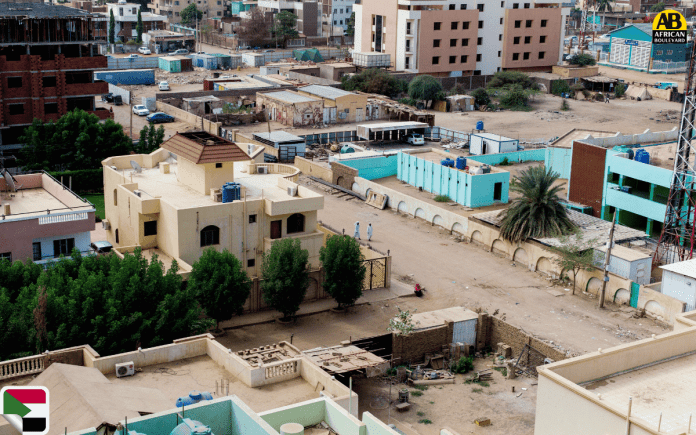
    Khartoum, Sudan – (African Boulevard News) – Sudan’s economy is facing dire consequences, as the International Monetary Fund (IMF) warns that the country’s GDP is projected to shrink by over 18% in 2023. The ongoing war, which has ravaged Sudan since April this year, is the primary factor driving this alarming decline.

    With a devastated economy already grappling with inflation, scarcity of resources, and a fragile political landscape, the war has dealt a severe blow to Sudan’s hopes of achieving economic stability and recovery. The IMF’s forecast raises concerns among experts and stakeholders about the country’s future prospects.

    The IMF’s warning comes after a recent report on Sudan’s economic performance, highlighting the devastating impact of the war on the country’s economic indicators. The report notes that the prolonged conflict has disrupted key sectors such as agriculture, manufacturing, and infrastructure, leading to a sharp decline in production and investment.

    “The ongoing war in Sudan has inflicted significant damage to the economy, pushing it further into a state of uncertainty and limbo,” said Dr. Ahmed Osman, an economist at the University of Khartoum. “The decline in GDP is the natural consequence of a conflict that has disrupted the normal functioning of businesses, hindered foreign investment, and heightened inflationary pressures.”

    The war has also had a devastating effect on Sudan’s financial sector, with banks struggling to maintain liquidity as the conflict deepens. The IMF warns that this could further exacerbate the country’s economic woes, with the potential for a sharp decline in private investment and a rise in borrowing costs.

    To mitigate the economic fallout, experts are calling for an immediate ceasefire and a comprehensive peace agreement that addresses the root causes of the conflict. They argue that a peaceful resolution would not only help restore stability but also create an enabling environment for economic recovery and growth.

    “Sudan’s economic future hinges on a peaceful resolution to the ongoing conflict,” stated Fatima Ibrahim, a civil society activist. “We need a concerted effort from all stakeholders to pave the way for sustainable peace and build a strong foundation for economic development.”

    In the wake of the IMF’s warning, Sudan’s government is under increased pressure to prioritize peace negotiations and implement reforms that foster economic recovery. Local and international actors must work together to provide the necessary support and create an environment conducive to sustainable development.

    As Sudan’s economy hangs in the balance, urgent action is needed to address the devastating impact of the war. Only through peace, stability, and comprehensive reforms can Sudan hope to rebuild its economy and secure a brighter future for its people.

    (African Boulevard News)

    Kenya: Environmental Court Halts Government’s Reckless Plan to Devastate Forests, Protecting Fragile Ecosystem and Future Generations

    0
    Read Time:2 Minute, 22 Second

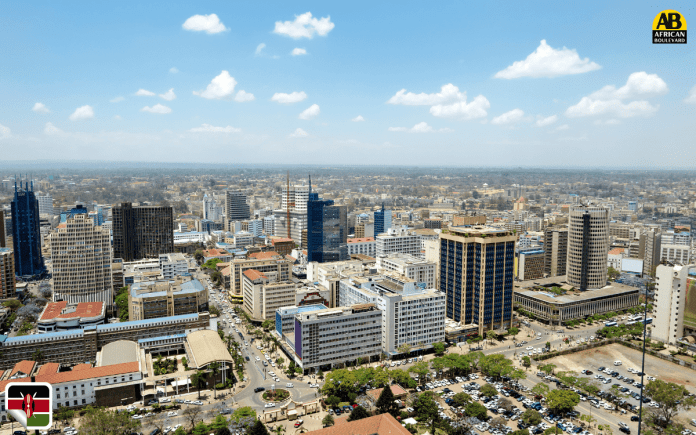
    Nairobi, Kenya – (African Boulevard News) – In a significant ruling, the Kenyan environmental court has put a stop to the government’s plans to lift a logging ban that has been in place for over five years. The decision has been hailed by environmentalists and conservationists alike, who argue that lifting the ban would have severe consequences for Kenya’s fragile ecosystem.

    The logging ban was initially put in place in 2017 in an effort to combat deforestation and protect the country’s forests. However, in recent months, there has been mounting pressure from the timber industry and some government officials to lift the ban, citing economic reasons. The court’s decision is seen as a victory for those advocating for the preservation of Kenya’s natural resources.

    The ruling comes after several environmental organizations, including the Green Belt Movement and the Kenya Forest Working Group, filed a lawsuit against the government, challenging its decision to lift the ban. The organizations argued that the government had failed to conduct a comprehensive environmental impact assessment before making its decision, as required by law.

    “The decision by the court is a clear indication that the government cannot bypass environmental regulations and ignore the potential damage to our forests,” said John Kamangu, a spokesperson for the Green Belt Movement. “We hope this ruling sends a strong message that the protection of our environment should be a top priority.”

    The logging ban has been instrumental in curbing deforestation in Kenya, which has been a major issue in recent years. Deforestation not only disrupts ecosystems but also contributes to climate change, as trees play a crucial role in absorbing carbon dioxide from the atmosphere.

    While some argue that lifting the ban would boost the economy and create jobs, environmental experts caution against prioritizing short-term gains over long-term sustainability. They emphasize the need for sustainable logging practices and alternative sources of income for communities dependent on the timber industry.

    “The logging ban has had its challenges, but it has also given us an opportunity to explore alternative livelihoods and promote sustainable forestry practices,” said Elizabeth Waweru, a forestry expert. “We need to find a balance between economic development and environmental conservation.”

    The court’s decision to halt the lifting of the logging ban serves as a crucial reminder that protecting the environment is not just a responsibility but a necessity for the well-being of present and future generations. It sends a strong signal that environmental laws must be upheld and that sustainable practices should be embraced to safeguard Kenya’s natural heritage. The ruling reaffirms Kenya’s commitment to environmental conservation, setting a positive precedent for other countries facing similar challenges.

    As the nation celebrates this victory for environmental protection, stakeholders are hopeful that the government will reassess its stance and invest in sustainable alternatives that prioritize the long-term well-being of Kenya’s forests and communities.

    South Africa: Daring Prison Break Sends Shockwaves, Fugitives on the Loose, Community on High Alert

    0
    Read Time:2 Minute, 20 Second

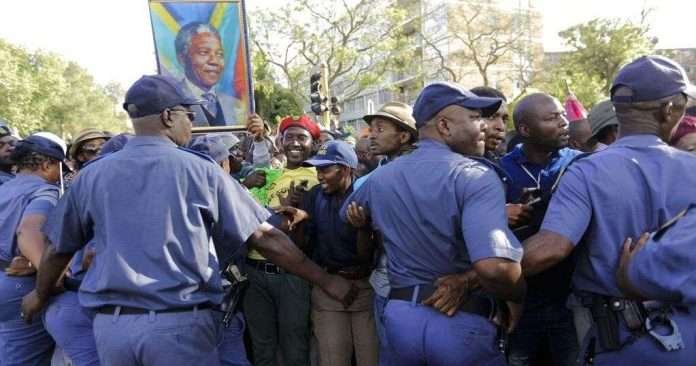
    Pretoria, South Africa – (African Boulevard News) – Chaos erupted in the Western Cape province as six prisoners made a daring escape from a magistrate’s court holding cell, sending authorities on a frantic manhunt. The incident has left law enforcement agencies on high alert, and the public is being urged to remain cautious as authorities work tirelessly to bring the fugitives to justice.

    The escape occurred in the early hours of the morning when the prisoners took advantage of a momentary lapse in security. Swiftly overpowering the guard on duty, the detainees managed to break free from their confinement. The audacity of their escape has not only dawned scrutiny on the security measures in place but has also raised concerns about the safety of the public in the surrounding areas.

    The identities of the escaped prisoners have not been officially released, but it is believed that they were facing charges ranging from armed robbery to murder. Their escape has left the community on edge, fearing for their safety and the potential impact these fugitives may have on their lives.

    Western Cape police spokesperson, Captain Jacques Van Rhyn, expressed concern about the situation, stating, “We are doing everything in our power to locate and apprehend these individuals. We urge the public to remain vigilant and report any suspicious activity to the authorities.”

    As the manhunt intensifies, roadblocks have been set up in strategic locations, and police are conducting house-to-house searches. The search efforts have been bolstered by the utilization of police helicopters and K9 units, as authorities leave no stone unturned in their quest to recapture the escaped prisoners.

    Residents in the Western Cape province are urged to stay indoors, especially during the evening hours, and to keep their doors and windows securely locked. Local schools have also taken precautions, implementing additional security measures to ensure the safety of their students and staff.

    This incident shines a spotlight on the pressing issue of prison security in South Africa. Questions are being raised about the adequacy of measures in place to prevent such escapes and protect the public from potentially dangerous individuals. The escape serves as a grim reminder of the importance of continuous evaluation and improvement in the criminal justice system.

    As the manhunt continues, the authorities remain steadfast in their determination to bring the escaped prisoners back into custody. The safety and well-being of the community are of paramount importance, and every effort is being made to ensure their protection.

    In the aftermath of this audacious escape, this incident serves as a stark reminder that no system is foolproof, and vigilance is a shared responsibility. The eyes of the nation are now fixed on the Western Cape as the manhunt unfolds, with the hope that these fugitives will be swiftly apprehended, and justice will prevail.

    Kenya: Court Ruling Sparks Controversy Over Genetically Modified Crops as Drought Crisis Intensifies

    0
    Read Time:2 Minute, 30 Second

    Nairobi, Kenya – (African Boulevard News) – In a recent ruling, the Kenyan court has dismissed a legal challenge against the cultivation and sale of genetically modified (GM) crops in the country. The decision comes as a blow to activists and agricultural pressure groups who had called for a ban on such crops to be reinstated.

    The court’s decision is seen as a victory for proponents of GM crops in Kenya, who argue that these crops have the potential to address food security challenges and increase agricultural productivity. However, critics argue that the long-term effects of GM crops on human health and the environment are still not fully understood.

    Activists and agricultural pressure groups had denounced the authorities’ 2022 decision, and called for the ban to be “reinstated”. Kenya is experiencing a drought of unprecedented intensity for 40 years, and critics argue that GM crops are not the solution to the country’s food security challenges.

    The court, however, disagreed with the plaintiffs’ arguments and ruled that the ban on GM crops was unjustified. Justice James Makau, who presided over the case, stated that “the evidence presented by the plaintiffs failed to establish that the cultivation and sale of GM crops pose an imminent threat to public health or the environment.”

    The ruling has sparked mixed reactions from different stakeholders. Proponents of GM crops are elated by the decision, viewing it as a step towards embracing modern agricultural practices that can enhance productivity and resilience in the face of climate change.

    Dr. Charles Waturu, a biotechnologist at the University of Nairobi, welcomed the court’s ruling, stating that “GM crops have the potential to address food security challenges in our country. With proper regulation and monitoring, these crops can be a valuable tool for smallholder farmers.”

    On the other hand, critics of GM crops remain skeptical. They argue that the potential risks associated with genetically modified organisms (GMOs) outweigh the benefits. They believe that more research is needed to fully understand the long-term effects of these crops on human health and the environment.

    Despite the court’s ruling, the debate surrounding GM crops is far from over. The decision is expected to fuel discussions around the need for comprehensive regulations and robust monitoring systems to ensure the safe and responsible use of GM crops in Kenya.

    As the country continues to grapple with food security challenges exacerbated by climate change, finding sustainable solutions remains a top priority. The ruling opens up new possibilities for the cultivation and sale of GM crops in Kenya, but it also underscores the need for careful consideration of the potential risks and benefits associated with these crops.

    In the coming months, stakeholders will closely monitor the implementation of the court’s decision and advocate for the development of a comprehensive framework to guide the use of GM crops in the country. As Kenya navigates these uncharted waters, the hope is that the ultimate goal of ensuring food security and protecting the environment remains at the forefront of policy discussions.

    South Africa: Divided Loyalties Tear Families Apart as All Blacks Fans Emerge

    0
    Read Time:2 Minute, 9 Second

    Pretoria, South Africa – (African Boulevard News) – Rugby World Cup fever has taken over South Africa, but there are a few surprising fans who are cheering on the All Blacks, New Zealand’s national rugby team. Despite the fierce rivalry between the Springboks and the All Blacks, some South Africans have chosen to support their rivals across the ocean.

    In Cape Town, one such supporter is Moodaley, who admits to being the only one in his family to support the All Blacks. “There are a few free electrons who support France and Australia, but I don’t know any who are behind the South African Springboks,” Moodaley says with a chuckle.

    While the majority of South Africans are passionately behind the Springboks, there are various reasons why some have chosen to support the All Blacks. Some admire New Zealand’s dominance in the sport and their track record of success, having won the Rugby World Cup three times. Others appreciate the All Blacks’ skill and style of play, which is often described as fluid and exhilarating.

    For some South Africans, it’s a matter of personal preference rather than a rejection of their national team. As rugby is deeply ingrained in South African culture, individuals are entitled to support any team they feel a connection with, even if it means turning their backs on the Springboks.

    Experts believe that these divided loyalties reflect the changing dynamics of rugby fandom in South Africa. With increased exposure to international rugby and access to global sports media, fans now have a wider range of teams to support. This diversity of support adds to the excitement and atmosphere surrounding the Rugby World Cup.

    Supporting the All Blacks doesn’t come without its challenges, however. Those who choose to cheer for the New Zealand team often face criticism and teasing from friends and family. But this doesn’t deter Moodaley and others like him from wearing their All Blacks jerseys with pride.

    As the Rugby World Cup unfolds, South Africans will continue to show their unwavering support for the Springboks. However, it’s the free electrons like Moodaley who add a unique flavor to the tournament, showcasing the diversity of rugby fans in South Africa.

    In this clash of the titans, where the Springboks and All Blacks meet on the field, it’s not just a battle between the teams but also a demonstration of the passion and loyalty of South African rugby fans. So, whether they are wearing green and gold or black and white, these fans are united in their love for the game and their unyielding support for their chosen teams.

    Africa: Israelis Near Lebanese Border Armed Amidst Rising Conflict Tensions

    0
    Read Time:2 Minute, 32 Second

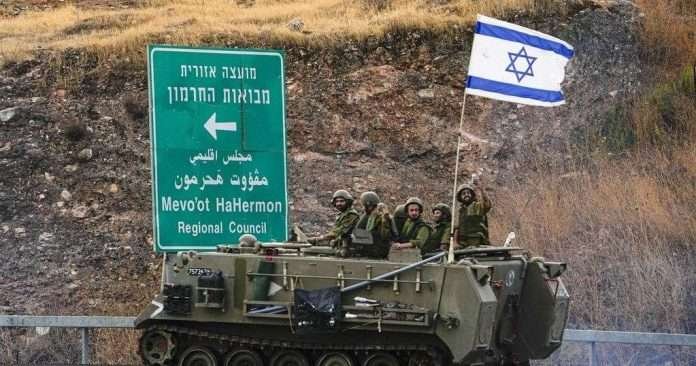
    Diaspora, Africa – (African Boulevard News) – Arms are being distributed to Israelis living near the Lebanese border in the north of the country, as the nation braces itself for a potential escalation in the ongoing conflict. This move comes as a response to the rising tensions and the possibility of a new front opening up in the region.

    The Israeli government has made the decision to distribute arms to its citizens in the northern part of the country, where they face the immediate threat of attacks from Lebanon. These weapons are being provided to ensure the safety and security of the Israeli population in this volatile area.

    According to a report by Africanews, the decision to arm Israeli residents comes as tensions continue to rise in the area. Recent clashes between Hezbollah and Israel have intensified concerns about the potential outbreak of a full-scale conflict. The Israeli government views the distribution of arms as a necessary measure to protect its citizens and maintain stability in the region.

    Israeli officials have expressed their concerns about the threat posed by Hezbollah. The militant organization, backed by Iran, has a significant presence in Lebanon and has vowed to retaliate against any Israeli aggression. This has prompted the Israeli government to take proactive steps to ensure the safety of its citizens.

    “This move is a clear indication that Israel is not taking the threats lightly. The distribution of arms to residents in the north is a precautionary measure aimed at protecting the civilian population in case of a conflict,” said a defense analyst.

    While the distribution of arms to civilians may seem unconventional, it is not unprecedented. In the past, Israel has provided weapons to its citizens during times of heightened tensions and potential conflict. This strategy is seen as a way to deter potential attacks and to ensure that the Israeli population is prepared to defend itself if necessary.

    The decision to arm Israeli citizens has sparked a debate both within the country and internationally. Critics argue that arming civilians can escalate violence and increase the risk of casualties. However, supporters of the move argue that it is a necessary measure to ensure the safety of Israeli citizens in a region where the threat of attacks is very real.

    As tensions continue to mount in the region, the distribution of arms to Israelis in the north of the country is a clear indication of the government’s commitment to protecting its citizens. It remains to be seen how this decision will impact the overall dynamics of the ongoing conflict, but one thing is clear: Israelis living near the Lebanese border are preparing themselves for what may lie ahead.

    Sources:
    – Africanews. (2023, October 12). Arms Distributed to Israelis in the North of the Country. Retrieved from https://www.africanews.com/2023/10/12/arms-distributed-to-israelis-in-the-north-of-the-country/
    – Google. (n.d.). Arms distributed to Israelis in the north of the country. Retrieved from https://www.google.com/search?q=Arms+distributed+to+Israelis+in+the+north+of+the+country

    Nigeria: Devastating Diphtheria Outbreak Claims the Lives of Over 600 Children, Sending Shockwaves of Grief Through the Nation

    0
    Read Time:2 Minute, 27 Second

    Abuja, Nigeria – (African Boulevard News) – Nigeria is reeling from a harrowing outbreak of diphtheria that has left a trail of devastation in its wake. Since the onset of the outbreak in December 2022, more than 600 lives, predominantly young children, have been claimed by this deadly disease.

    The scale of this recent outbreak surpasses previous incidents and has left communities across the country in mourning. Diphtheria, a highly contagious bacterial infection, attacks the respiratory system and can lead to severe breathing difficulties, heart failure, and ultimately death if left untreated.

    The Nigerian health authorities are working tirelessly to contain and control the spread of this deadly disease. Measures such as widespread vaccination campaigns and public awareness initiatives have been implemented to prevent the further loss of lives. However, the immense challenges faced by the healthcare system and limited resources are hindering progress.

    Dr. Obinna Nwankwo, a leading health expert, expressed his concerns about the gravity of the situation. “The outbreak of diphtheria in Nigeria is a wake-up call for urgent action,” he said. “We need a coordinated effort from both the government and international partners to address the underlying issues that contribute to the spread of such diseases.”

    The outbreak has strained the already fragile healthcare system in Nigeria, which has been grappling with multiple healthcare crises, including the COVID-19 pandemic and ongoing challenges in the fight against malaria and other infectious diseases. The lack of adequate healthcare facilities, medical personnel, and essential supplies further exacerbate the situation.

    In addition to the urgent need for medical resources, education and awareness play a crucial role in curbing the spread of diphtheria. Communities need to understand the importance of timely vaccination, good hygiene practices, and seeking medical help at the first sign of symptoms.

    International organizations, such as the World Health Organization (WHO), are actively supporting Nigeria in its battle against this deadly outbreak. Assistance in the form of medical supplies, vaccines, and technical expertise is being provided to bolster the country’s response efforts.

    The Nigerian government is also stepping up its efforts to address the healthcare challenges. Increased investment in healthcare infrastructure, strengthening the healthcare workforce, and improving access to essential medicines are among the key priorities in combating this outbreak and preventing future ones.

    The devastating outbreak of diphtheria in Nigeria serves as a somber reminder of the urgent need for sustainable healthcare systems and effective disease prevention strategies. It is imperative that the government, healthcare professionals, and communities join forces to protect the most vulnerable and prevent further loss of lives.

    As the nation mourns the victims of this tragic outbreak, the resolve to overcome this challenge grows stronger. Nigeria must learn from this experience and take concrete steps to ensure that its healthcare system is equipped to handle future outbreaks effectively.

    Sources:
    – https://www.africanews.com/2023/10/12/outbreak-of-diphtheria-kills-600-in-nigeria/
    – https://www.google.com/search?q=Outbreak+of+diphtheria+kills+600+in+Nigeria