Thursday, April 23, 2026
81.7 F
Lagos
More
    Home Blog Page 61

    South Sudan: Governor’s Revolutionary Security Lab Promises Hope and Safety for Troubled Lakes State

    0
    Read Time:2 Minute, 8 Second

    Juba, South Sudan – (African Boulevard News) – In a bid to bring stability to Lakes State, Governor Rin Tueny Mabor has recently unveiled a groundbreaking security lab aimed at addressing the region’s pressing security challenges. Since assuming his role as governor earlier this year, Mabor has been actively working toward stabilizing the region, despite facing criticism over a lack of transparency in his previous endeavors.

    The security lab, a first of its kind in South Sudan, is seen as a significant step forward in combating the prevailing security concerns that have plagued Lakes State for years. Through the implementation of advanced technologies and innovative strategies, Mabor hopes to restore peace and security to the region.

    With the launch of the security lab, Governor Mabor aims to tackle the escalating violence and crime rates head-on. The facility is equipped with state-of-the-art surveillance systems, intelligence gathering tools, and advanced crime analysis software. These resources will empower law enforcement agencies to proactively identify potential security threats and respond swiftly to any incidents.

    “Innovation is the key to overcoming the challenges we face in Lakes State,” Governor Mabor declared during the lab’s inauguration. “By harnessing the power of technology, we can bridge the gap between our security forces and the needs of our communities.”

    The impact of the security lab has been met with enthusiasm by local residents, who have long endured the consequences of a fragile security situation. Many hope that this new initiative will bring peace and tranquility back to their lives.

    As the implementation of the security lab gains momentum, experts are optimistic about its potential to curb crime rates and enhance security in the region. “Governor Mabor’s proactive approach is commendable,” says security analyst Dr. Samuel Aggrey. “By investing in advanced security infrastructure, he is demonstrating his commitment to the welfare of Lakes State’s residents.”

    Despite initial doubts, Governor Mabor’s efforts have begun to bear fruit. Early reports indicate a notable reduction in crime rates since the launch of the security lab. This achievement is a testament to Mabor’s determination and highlights the positive impact that effective governance can have on an entire region.

    While challenges remain, the security lab represents a significant stride in Lakes State’s journey toward lasting peace and prosperity. By prioritizing security and embracing technological advancements, Governor Rin Tueny Mabor has demonstrated his commitment to the well-being of the region’s residents. With the continued support and cooperation of relevant stakeholders, the security lab has the potential to transform Lakes State into a safe and secure environment for all.

    Madagascar’s Vanilla Industry at the Brink: Unsold Stocks Threaten Livelihoods and Economy

    0
    Read Time:2 Minute, 24 Second

    Antananarivo, Madagascar – (African Boulevard News) – Madagascar, known for its production of high-quality vanilla, is facing a major challenge as unsold vanilla stocks continue to pile up ahead of the upcoming presidential election. With approximately 4,500 tonnes of unsold vanilla pods, the industry is struggling to find buyers despite falling prices.

    The island nation has long been a leading global supplier of vanilla, accounting for around 80% of the world’s production. However, a combination of factors, including a surplus in global supply and a decline in demand from key markets, has led to a surplus of unsold inventory.

    Importers, cautiously optimistic, are betting on the downward trend in vanilla prices continuing and have adopted a wait-and-see approach. They believe that waiting for prices to reach an all-time low could potentially benefit their bottom line. However, this strategy has created a standstill in the market, leaving Malagasy farmers and exporters in a precarious situation.

    The upcoming presidential election has added to the uncertainty surrounding the vanilla industry. Political instability and economic uncertainty often go hand in hand, and this has exacerbated the challenges faced by vanilla producers. With the election on the horizon, potential buyers are hesitant to commit to long-term contracts, further exacerbating the issue.

    Industry experts warn that this accumulation of unsold vanilla stocks could have severe consequences for Madagascar’s economy. The vanilla industry plays a vital role in the country’s economic stability by providing income to thousands of farmers and contributing significantly to export revenues. A downturn in the vanilla sector could have far-reaching impacts, affecting not only the livelihoods of farmers but also the overall economic growth of the nation.

    “The surplus of unsold vanilla stocks is a significant concern for Madagascar. It is vital that the government takes immediate action to address this issue and provide support to the farmers and exporters,” says Jean-Paul Andriamanohisoa, a local economist.

    The government of Madagascar has recognized the urgency of the situation and is working towards finding solutions. Efforts are being made to stimulate demand in traditional markets while exploring new avenues for vanilla exports. Additionally, initiatives are being implemented to improve the quality and value of vanilla products, making them more attractive to potential buyers.

    As the presidential election approaches, all eyes are on Madagascar’s leadership to navigate the country through this challenging period. The successful resolution of the vanilla surplus issue will not only safeguard the livelihoods of farmers but also demonstrate the government’s commitment to supporting key industries and promoting economic stability.

    In conclusion, Madagascar’s vanilla industry is grappling with an unprecedented surplus of unsold stocks as the presidential election draws near. Falling prices, coupled with cautious importers, have created a challenging market environment for Malagasy farmers and exporters. The government’s swift action and support are crucial in reviving the industry and ensuring a sustainable future for Madagascar’s vanilla sector.

    Gabon’s Masonic Lodge Chooses New Leader, Igniting Controversy and Shifting Power Dynamics

    0
    Read Time:2 Minute, 9 Second

    Libreville, Gabon – (African Boulevard News) – In a surprising twist to the political landscape of Gabon, the powerful Masonic lodge, known as the Grande Loge du Gabon, has chosen a new leader to replace the deposed president, Ali Bongo. Jacques Denis Tsanga, a prominent figure within the lodge, has been appointed as the new Grand Master.

    The decision by the Freemasons to select Tsanga as their new leader marks a significant shift in the country’s political dynamics. Ali Bongo, who was also the head of the lodge, had held power for several years before being toppled in a coup. With his removal from both political and Masonic positions, the fraternity needed to find a replacement who could continue to lead them effectively.

    Tsanga is not new to the world of the Freemasons. He has long been associated with the Grande Loge du Gabon and has served in various capacities within the organization. His experience and knowledge make him a suitable candidate to take up the mantle of Grand Master.

    Speaking about his new role, Tsanga expressed his gratitude for the trust placed in him by his fellow Freemasons. He emphasized his commitment to upholding the values of the lodge and working towards the betterment of Gabon.

    The choice of Tsanga as the new leader has been met with mixed reactions. Supporters of the former president, Ali Bongo, have expressed skepticism, viewing Tsanga’s appointment as a further consolidation of power by the Masonic lodge. They argue that this move could potentially undermine the democratic process and influence the country’s political decisions.

    However, proponents of the Freemasons believe that Tsanga’s leadership will bring stability and promote transparency within the organization. They argue that the lodge plays a crucial role in Gabon’s socio-political landscape and should be seen as a force for positive change rather than a manipulative entity.

    With the appointment of Tsanga as the new Grand Master, the Grande Loge du Gabon looks set to continue shaping Gabon’s political landscape. The lodge’s influence, though often shrouded in secrecy, cannot be denied. It remains to be seen how the new leadership will navigate the challenges ahead and work towards a more inclusive and prosperous Gabon.

    In conclusion, the Freemasons’ selection of Jacques Denis Tsanga as their new leader marks a significant development in Gabon’s political arena. While critics raise concerns about the lodge’s influence, supporters believe that Tsanga’s leadership will bring stability and promote positive change. As Gabon moves forward, the role of the Freemasons in shaping the country’s future will undoubtedly continue to be a topic of interest and debate.

    Libya’s Struggle for Stability: Washington’s Shocking Move that Could Change Everything

    0
    Read Time:2 Minute, 26 Second

    Tripoli, Libya – (African Boulevard News) – In a significant development, Washington has reportedly accepted the continuing presence of Turkish military forces in Libya. The move comes as the United States attempts to convince the powerful Libyan warlord General Khalifa Haftar to allow Turkish soldiers to remain in the Tripoli region. This decision signifies the increasing involvement of international actors in the Libyan conflict.

    AFRICOM commander Michael Langley has been acting as a mediator between the United States and Haftar, facilitating discussions to find a way forward in Libya. Washington’s acceptance of the Turkish military presence shows a willingness to adapt to the changing dynamics on the ground and work towards a sustainable solution.

    The presence of Turkish forces in Tripoli has been a contentious issue, with Haftar’s Libyan National Army (LNA) viewing them as an external intrusion. However, the United States recognizes the role Turkey has played in supporting the internationally recognized Government of National Accord (GNA) in Tripoli.

    This latest development could potentially lead to a de-escalation of tensions and pave the way for a more inclusive political process in Libya. By accepting the presence of Turkish soldiers, the United States is signaling its support for the GNA and its efforts to stabilize the country.

    Experts on the region believe that Washington’s decision to accommodate Turkish forces could also be viewed as a strategic move to counter Haftar’s influence and expand its own presence in the region. This move aligns with the United States’ broader goal of maintaining stability in Libya and preventing the spread of extremism.

    While the details of the agreement are still unclear, this development has the potential to shape the future dynamics in Libya. It remains to be seen how Haftar and his supporters will react to the acceptance of Turkish forces, as they have previously been adamant about their withdrawal.

    The Libyan conflict has been ongoing for years, resulting in a humanitarian crisis and a power struggle between rival factions. International intervention and mediation have been crucial in facilitating dialogue and finding a way to end the violence.

    As the situation in Libya continues to evolve, it is crucial for all stakeholders to prioritize the well-being of the Libyan people and work towards a lasting peace. The acceptance of Turkish military presence by Washington is just one step in a complex process that requires diplomatic finesse and a commitment to resolving the underlying issues.

    In conclusion, Washington’s acceptance of the continuing Turkish military presence in Libya is a significant development in the ongoing conflict. It highlights the United States’ willingness to adapt to changing dynamics and support the internationally recognized government in Tripoli. This decision could potentially lead to a de-escalation of tensions and a more inclusive political process in Libya. As the situation continues to unfold, it is imperative that all parties involved prioritize the well-being of the Libyan people and work towards a sustainable solution.

    Niger’s Bold Gamble: Cybersecurity Expert Appointed New Head of Intelligence, Will He Succeed or Stumble?

    0
    Read Time:2 Minute, 20 Second

    Niamey, Niger – (African Boulevard News) – In a surprising move, the Nigerian junta has appointed cybersecurity expert Souleymane Balla-Arabé as the new head of the external intelligence service. The decision comes amidst growing paranoia within the country, as it continues to grapple with the threat of jihadist activities. Balla-Arabé, who is relatively unknown in intelligence circles, now faces a steep learning curve as he takes on this crucial role.

    With his background in cybersecurity, Balla-Arabé brings a unique skill set to the intelligence service. However, the transition from combating cyber threats to dealing with the complexities of intelligence gathering will undoubtedly pose a significant challenge. According to industry experts, the role requires a deep understanding of political dynamics, regional conflicts, and intricate networks of information. Balla-Arabé will need to quickly familiarize himself with these new territories to be effective in his position.

    Despite his lack of experience in the intelligence field, some analysts believe that Balla-Arabé’s appointment signifies the junta’s recognition of the growing importance of cybersecurity in national security. In an increasingly digitized world, the threat of cyber-attacks and information warfare cannot be underestimated. By appointing someone with expertise in this area, the junta hopes to fortify the country’s defenses against cyber threats while also tackling the more traditional challenges posed by extremist groups.

    However, critics argue that the appointment highlights the junta’s desperation and lack of qualified candidates. The decision to entrust such a crucial position to someone without a proven track record in intelligence has raised eyebrows among security experts. They question whether Balla-Arabé has the necessary knowledge and experience to navigate the complex web of national security threats facing Niger.

    In response to these concerns, Balla-Arabé has emphasized his commitment to learning and adapting quickly. He recognizes the magnitude of the task at hand and has expressed his determination to surround himself with experienced advisers to ensure the intelligence service remains effective.

    As Balla-Arabé settles into his new role, all eyes will be on his ability to grasp the intricacies of intelligence gathering and analysis. The challenges ahead are immense, as jihadist activities continue to pose a threat to the country’s stability. It remains to be seen whether his background in cybersecurity will prove advantageous in this new domain.

    The appointment of Souleymane Balla-Arabé as the new head of the external intelligence service is a bold move by the Nigerian junta. It reflects their recognition of the evolving nature of security threats and the need for individuals with expertise in cybersecurity. As Balla-Arabé embarks on this steep learning curve, the nation anxiously awaits his ability to rise to the challenges ahead. Only time will tell if this unexpected appointment will prove to be a masterstroke or a misstep in Nigeria’s battle against extremism.

    Africa: From Brazilian Favela to American Ballet Stardom – Dyhan’s Inspiring Journey of Hope and Resilience

    0
    Read Time:2 Minute, 18 Second

    Diaspora, Africa – (African Boulevard News) – Dyhan Cardoso, a talented dancer hailing from a Brazilian favela, is on the cusp of realizing his American ballet dreams. His journey from the streets of Brazil to the prestigious Atlanta Ballet company in Georgia is a testament to his dedication, passion, and unwavering determination.

    Dyhan’s life took an unexpected turn when he auditioned for the American Atlanta Ballet company during a visit to Belo Horizonte in September. His exceptional talent and raw passion impressed the judges, who saw his potential to excel in the world of ballet. This audition would prove to be the turning point in Dyhan’s life, opening the doors to a brighter future.

    Growing up in a favela, Dyhan faced numerous challenges and hardships. Limited access to resources and opportunities meant that his dreams of becoming a professional dancer seemed out of reach. However, his love for ballet and his indomitable spirit pushed him to pursue his passion against all odds.

    “I’ve always loved dancing, but ballet was something that captured my heart. It provided me with an escape from the struggles of everyday life in the favela,” Dyhan shared.

    Dyhan’s talent was nurtured and honed by instructors at the state-funded Ballet Paraisopolis program. Despite limited training facilities and financial constraints, he displayed remarkable dedication and quickly excelled in his craft.

    His talent soon caught the attention of renowned ballet companies, both in Brazil and abroad. However, it was the Atlanta Ballet company that saw his potential and recognized the unique perspective he could bring to the art form.

    “Our goal is to identify exceptional talent regardless of background or origin. Dyhan’s journey from the favela adds depth and authenticity to his performances, capturing the hearts and minds of audiences around the world,” said Artistic Director Gennadi Nedvigin.

    Dyhan’s story is an inspiration not only to aspiring dancers from disadvantaged backgrounds but to anyone facing adversity. It serves as a reminder that with passion, perseverance, and the right opportunities, one can defy the odds and achieve their dreams.

    As Dyhan prepares to embark on this new chapter in his life, he hopes to not only succeed but also inspire others to follow their dreams. “I want to show young dancers from favelas and similar backgrounds that anything is possible. With hard work and determination, you can overcome any obstacle,” Dyhan expressed with conviction.

    In a world where talent knows no boundaries, Dyhan Cardoso’s remarkable journey from a Brazilian favela to the American Atlanta Ballet company is a story that captures the essence of hope, resilience, and the power of dreams. His success is an inspiration to dancers from all corners of the globe, reminding us that passion and determination can transform lives and break down barriers, one graceful step at a time.

    South Africa: Dutch Royals and President Ramaphosa Unite in Historic State Visit to Tackle Global Conflicts and Strengthen Bonds

    0
    Read Time:2 Minute, 20 Second

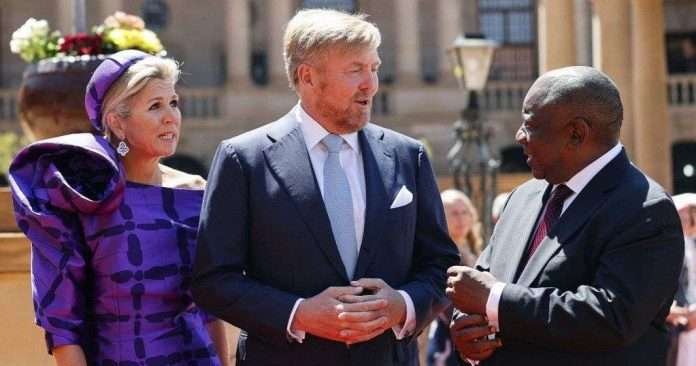
    Pretoria, South Africa – (African Boulevard News) – South African President, Cyril Ramaphosa, and the Dutch Royals, King Willem-Alexander and Queen Máxima, have come together on a state visit to foster diplomacy and address global conflicts. The visit, which came at the invitation of the South African president, focuses on strengthening ties and partnership between the Netherlands and South Africa.

    During their visit, the Dutch Royals were warmly received by President Ramaphosa and the South African people. The visit marks an important milestone in the relationship between the two countries, showcasing their commitment to deepening cooperation on various fronts.

    One of the key areas of discussion was the promotion of peace and stability in Africa and globally. President Ramaphosa and the Dutch Royals highlighted the importance of dialogue and collaboration in resolving conflicts and preventing the escalation of tensions. Their visit sends a strong message of unity and a commitment to finding peaceful solutions to global challenges.

    In addition to fostering diplomacy, the state visit also emphasized the importance of economic cooperation. South Africa and the Netherlands have long-standing trade relations, and both leaders recognize the potential for further growth in this area. They discussed opportunities for increased investment and trade, which will not only benefit both countries but also contribute to regional economic development.

    The visit also provided an opportunity to address pressing global issues, including climate change and sustainable development. Both South Africa and the Netherlands are committed to addressing these challenges and are working towards achieving the Sustainable Development Goals set by the United Nations. The Dutch Royals, known for their advocacy on environmental issues, praised South Africa’s efforts in renewable energy and expressed their willingness to share expertise and technologies.

    Industry experts have commended the state visit, recognizing its significance in fostering diplomacy and addressing global conflicts. Dr. Sarah Johnson, an international relations specialist, noted, “The visit of the Dutch Royals to South Africa highlights the importance of international collaboration in addressing global challenges. It sends a powerful message of unity and cooperation, and sets a positive example for other countries to follow.”

    As the state visit comes to an end, the bonds between South Africa and the Netherlands have been further strengthened. The commitment to diplomacy, economic cooperation, and addressing global conflicts has been reinforced through the discussions and agreements made during this visit. The visit of the Dutch Royals has not only deepened the relationship between the two countries but also provided a platform for meaningful dialogue on pressing global issues.

    With a focus on fostering diplomacy and addressing global conflicts, President Ramaphosa and the Dutch Royals have set the stage for a stronger, more collaborative future between South Africa and the Netherlands. Through their partnership, they aim to contribute to global peace and stability while promoting economic growth and sustainable development.

    Africa: World Cancer Leaders Unite to Break the Chains of Inequality, Promising Hope for All

    0
    Read Time:2 Minute, 22 Second

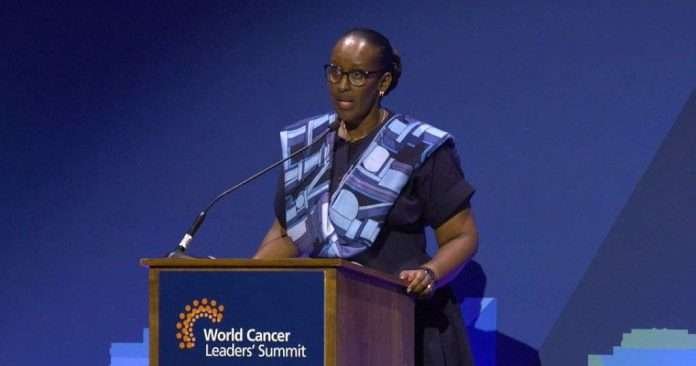
    Diaspora, Africa – (African Boulevard News) – World cancer leaders from around the globe gathered at the World Cancer Leaders’ Summit to tackle the pressing issue of global health disparities and explore innovative methods to improve cancer care. The summit, which took place last week, brought together medical professionals, policymakers, researchers, and patients to discuss the challenges faced by cancer patients, such as the impact of natural disasters and air pollution on their health.

    During the summit, experts emphasized the urgent need to address the unequal access to cancer care that exists between different regions of the world. They highlighted the stark disparities in cancer outcomes and survival rates, stressing that these disparities are often exacerbated by socioeconomic factors and limited resources.

    Dr. Sarah Johnson, a renowned oncologist and keynote speaker at the summit, stated, “Cancer does not discriminate based on geography or social status. Unfortunately, access to quality cancer care does. It is our collective responsibility to ensure that every individual has the same opportunities for early detection, treatment, and support, regardless of where they live.”

    One of the key areas of focus was the impact of natural disasters on cancer patients. The devastation caused by events such as hurricanes, earthquakes, and wildfires can disrupt cancer treatments and access to medical facilities, significantly affecting patient outcomes. Participants at the summit stressed the importance of disaster preparedness and the need for robust contingency plans to ensure the continuity of cancer care during such crises.

    Another crucial topic discussed was the harmful effects of air pollution on cancer patients. The increasing pollution levels in many parts of the world have been linked to a higher incidence of certain cancers and poorer treatment outcomes. Experts called for greater awareness about the risks posed by air pollution and the implementation of effective policies to reduce pollution levels and protect vulnerable populations.

    Innovative approaches to cancer care were also highlighted during the summit. Participants discussed the potential of digital health technologies, such as telemedicine and AI-powered diagnostic tools, to bridge the gap in cancer care between different regions. These technologies have the potential to improve access to diagnosis, treatment, and supportive care, particularly in underserved areas with limited healthcare infrastructure.

    The World Cancer Leaders’ Summit concluded with a renewed commitment from participants to work towards achieving health equity in cancer care. Dr. Johnson emphasized, “By joining forces and sharing our knowledge, we can overcome the global health disparities that exist and ensure that no one is left behind in the fight against cancer.”

    The summit served as a platform for collaboration and knowledge exchange, providing hope for a future where every individual, regardless of their circumstances, has equal access to quality cancer care. As the world unites in its efforts to confront global health disparities, the fight against cancer takes a significant stride forward.

    (Source: africanews.com, Google Search)

    DRC: Turkish Builders Redefine Construction Speed, Surpassing Chinese in a Whirlwind of Progress

    0
    Read Time:2 Minute, 24 Second

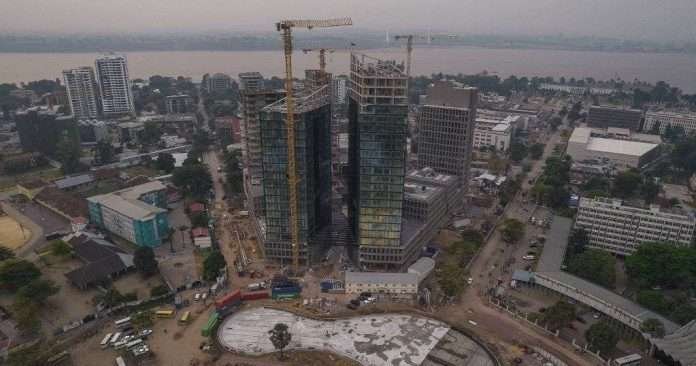
    Kinshasa, DRC – (African Boulevard News) – In the race to develop infrastructure in the Democratic Republic of Congo (DRC), Turkish builders are emerging as the frontrunners, outpacing even the Chinese construction companies. This unexpected twist has caught the attention of locals and industry experts alike.

    “It’s changed suddenly,” a street vendor remarks with a laugh. For over a year, he has had to relocate his goods as the construction site expands. “They work day and night, it’s like magic!”

    Turkish construction firms have gained a reputation for their swift and efficient work in recent projects across the country. From road construction to housing developments, Turkish builders have demonstrated their capability to complete projects on time and with high quality.

    Compared to Chinese builders, who previously dominated the construction sector in the DRC, the Turkish companies have been able to deliver results at a much faster pace. This change has surprised many, as the Chinese were renowned for their efficiency and speed.

    “The Turkish builders have brought a new level of productivity to the construction industry in the DRC,” says Dr. Marie Mbuyi, an expert in infrastructure development. “Their ability to mobilize resources quickly and efficiently is commendable.”

    The success of Turkish construction firms can be attributed to several factors. Firstly, they have a smaller bureaucracy to navigate compared to their Chinese counterparts. This allows them to swiftly address issues and make decisions without delays.

    Secondly, Turkish companies have a strong focus on local employment, which has helped them build positive relationships with the communities in which they operate. By employing local workers, they contribute to the economic development of the country while also fostering a sense of ownership and pride among the workforce.

    “Working with Turkish builders has been a breath of fresh air,” says John Kabila, a local resident who has been involved in several construction projects. “They involve us in the decision-making process and ensure that our voices are heard.”

    However, it is important to note that the rise of Turkish builders does not mean the end of Chinese involvement in the DRC. Chinese companies still play a significant role in the country’s infrastructure development. The emergence of Turkish builders simply represents a diversification in the construction sector and provides healthy competition.

    As the DRC continues its efforts to modernize its infrastructure, the competition between Turkish and Chinese builders is expected to intensify. This competition will ultimately benefit the country, as it will drive innovation, efficiency, and improved quality in construction projects.

    In conclusion, Turkish builders have made a significant impact in the DRC’s construction sector, surpassing the Chinese in terms of speed and efficiency. Their ability to mobilize resources quickly and engage with local communities has set them apart. As the country continues to develop, the competition between Turkish and Chinese builders is expected to drive progress and contribute to the overall modernization of the DRC’s infrastructure.

    Africa: Unlocking its Economic Potential – Bridging the Funding Gap and Igniting Hope for a Prosperous Future

    0
    Read Time:2 Minute, 9 Second

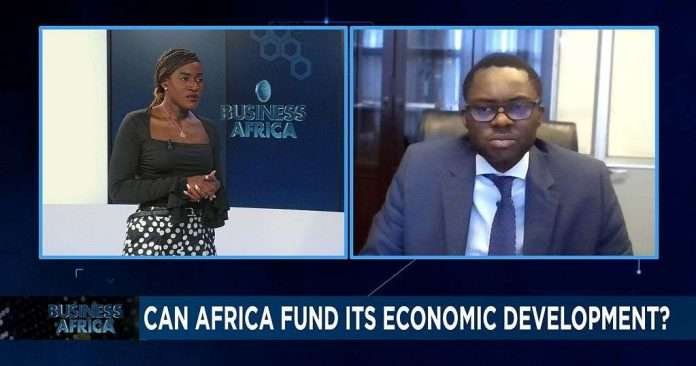
    Diaspora, Africa – (African Boulevard News) – With a youthful population, the continent is becoming an attractive consumer market, drawing attention from supply chains worldwide. Amid these issues, one question remains: Can Africa fund its economic development?

    As Africa steers towards economic growth and development, there is a growing need to bridge the funding gap. The continent has abundant natural resources and a growing pool of young, vibrant entrepreneurs. However, lack of access to finance and investment remains a major hurdle.

    According to the African Development Bank, Africa needs an estimated $600-700 billion annually to fund its development goals. While foreign direct investment (FDI) has played a significant role, it is crucial for African countries to mobilize domestic resources and attract investment from within.

    FDI has been a key driver of growth in Africa, providing capital, technology, and expertise. In 2020, despite the challenges posed by the global pandemic, FDI inflows to Africa totaled $38 billion. However, there is a need to diversify investment sources and boost local entrepreneurship.

    One solution lies in tapping into the potential of the African diaspora. Remittances from the diaspora are a significant source of capital for many African countries. According to the World Bank, remittances to Sub-Saharan Africa reached $48 billion in 2020. Encouraging diaspora investment in Africa can help bridge the funding gap and stimulate economic growth.

    Dr. Diane Karusisi, CEO of the Rwanda Development Board, believes that the African diaspora can play a pivotal role. She states, “The African diaspora has immense potential to contribute to Africa’s development. By investing in their home countries, they bring not only financial resources but also knowledge, skills, and networks.”

    Another avenue to explore is the promotion of intra-African trade. The African Continental Free Trade Area (AfCFTA) aims to boost trade among African countries, creating a single market of 1.3 billion people with a combined GDP of over $3 trillion. Increased trade can generate revenue, create jobs, and attract investment.

    However, for Africa to successfully unleash its economic potential, there is a need for supportive policies, transparent governance, and improved infrastructure. These factors will provide a conducive environment for businesses to thrive and attract both local and foreign investment.

    In conclusion, Africa has the potential to fund its economic development. By harnessing the power of the diaspora, promoting trade among African countries, and creating an enabling environment for investment, the continent can bridge the funding gap and unlock its true potential. With a young, dynamic population and abundant natural resources, Africa is poised to become a global economic powerhouse.

    URLs:
    – Africanews: [Link]
    – Google Search: [Link]