Monday, April 20, 2026
78.7 F
Lagos
More
    Home Blog Page 484

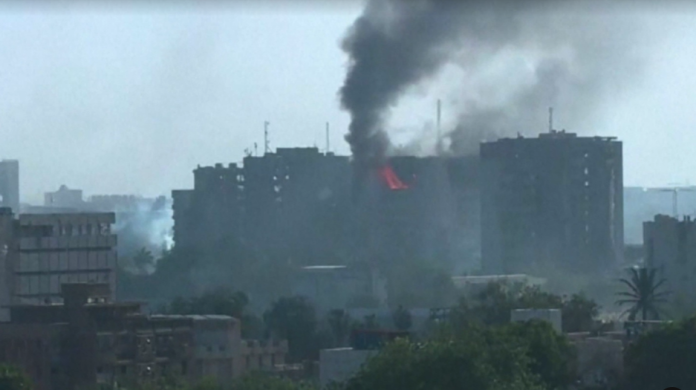
    Kenya Offers to Host Sudan Peace Talks: President Ruto’s Announcement on Kenya’s Commitment to Promoting Stability & Dialogue in the Region

    0
    Read Time:2 Minute, 35 Second

    Kenya Ready to Host Sudan Peace Talks, President Ruto Says

    President Ruto’s Announcement

    Nairobi, Kenya – (African Boulevard News) – President William Ruto has announced that Kenya is ready “to host a process of mediation” between the warring parties in Sudan. He made this announcement on Friday, emphasizing Kenya’s commitment to promoting peace and stability in the region.

    Background

    Sudan has been in a state of political turmoil since a popular uprising led to the ousting of long-time dictator Omar al-Bashir in April 2019. The country remains deeply divided, with different factions vying for power and violence continuing in some areas.

    In recent months, there have been renewed efforts to bring about a peaceful resolution to the conflict. The African Union and the United Nations have been involved in these efforts, and there have been talks between the different groups.

    Kenya’s Role

    Kenya has a long history of involvement in efforts to promote peace and stability in Africa. The country is seen as a trusted mediator and has played a role in the resolution of conflicts in Somalia, South Sudan, and Burundi, among others.

    President Ruto’s statement on Friday demonstrates Kenya’s commitment to continuing this role. He highlighted the importance of dialogue and compromise in resolving conflicts, and stated that Kenya is ready to host talks between the different groups in Sudan.

    The Importance of Peace in Sudan

    The ongoing conflict in Sudan has had a devastating impact on the country’s people. Thousands have been killed or injured, and millions have been displaced from their homes. The instability has also had wider implications for the region, with the flow of refugees and the spread of violence causing concern for neighboring countries.

    The resolution of the conflict could bring about much-needed stability to Sudan and the wider region. It could also provide an opportunity for the country to address many of the underlying issues that have contributed to the conflict, such as corruption, inequality, and lack of access to basic services.

    Reaction to President Ruto’s Announcement

    President Ruto’s announcement has been widely welcomed by those involved in the peace process. The African Union has praised Kenya’s commitment to promoting peace in the region, and there have been calls for all parties to engage in constructive dialogue.

    Some, however, have expressed caution about the role of external mediators in the process. There are concerns that countries such as Kenya may have their own interests in the conflict and that their involvement could complicate efforts to reach a peaceful resolution.

    The Way Forward

    Despite these concerns, the announcement by President Ruto is a positive development in the ongoing efforts to bring about peace in Sudan. The involvement of trusted mediators such as Kenya could help to build trust between the different groups and provide a platform for constructive dialogue.

    The road ahead is a long one, and there are many challenges to be overcome. However, with the commitment of all parties involved, there is hope that a peaceful resolution to the conflict in Sudan can be achieved. Kenya’s readiness to host talks is just one step in the right direction.
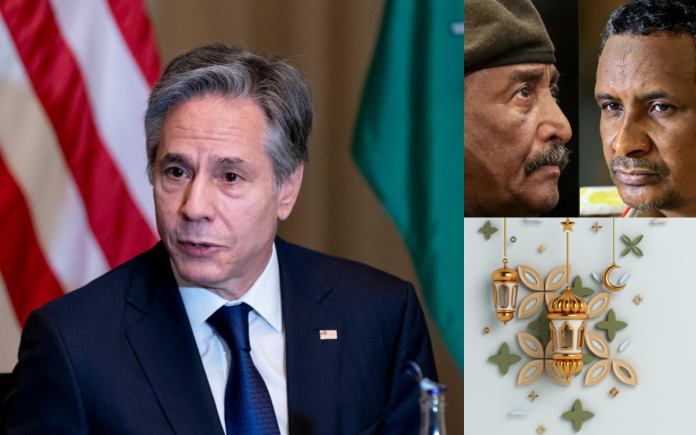
    Secretary Blinken Works Towards a Peaceful Eid al-Fitr in Sudan: State Department Confirms Diplomacy Efforts and Growing Optimism.

    0
    Blinken and Sudanese
    State Secretary Anthony Blinken calls for end to violence in Sudan
    Read Time:2 Minute, 19 Second

    Khartoum, Sudan – (African Boulevard News) Secretary Blinken’s Diplomacy to Arrange an Eid al-Fitr Ceasefire in Sudan

    State Department Speaks Up

    The State Department has confirmed that Secretary Blinken is actively engaged in diplomatic efforts to arrange an Eid al-Fitr ceasefire in Sudan. According to Vedant Patel, Principal Deputy Spokesperson, the goal of this diplomatic push is to ensure that the people of Sudan can enjoy a peaceful and joyous Eid al-Fitr holiday without fear of violence or unrest. This is an important moment for the people of Sudan, who have endured years of conflict and upheaval.

    The AllAfrica Report

    According to a recent report in AllAfrica, there is a growing sense of optimism among many Sudanese that a ceasefire will indeed be achieved in time for Eid al-Fitr. The report cites a number of factors contributing to this optimism, including an increase in dialogue between government and rebel groups, the formation of a new transitional government, and a general desire on the part of all parties to see an end to the violence that has plagued Sudan for so long.

    The Importance of Eid al-Fitr

    Eid al-Fitr is one of the most important holidays in the Islamic calendar, marking the end of the holy month of Ramadan. It is a time of celebration, prayer, and community, and is traditionally marked with feasting and gift-giving. However, in recent years, the holiday has been marred by violence in many parts of the world, including Sudan. This has prevented many Sudanese from being able to fully enjoy the holiday, and has created a sense of fear and insecurity throughout the country.

    Hopes for the Future

    Despite the challenges that remain, there is reason for hope that Sudan can move past its history of conflict and toward a more peaceful and prosperous future. The efforts of Secretary Blinken and others in the international community to broker a ceasefire for Eid al-Fitr are a critical step in this direction. If successful, this ceasefire could provide a foundation for further progress in Sudan, including the establishment of a lasting peace, the rebuilding of the country’s infrastructure, and the promotion of economic development for all Sudanese.

    A Call to Action

    As the world watches and waits to see if a ceasefire will indeed be achieved in Sudan in time for Eid al-Fitr, there is a growing sense that this is a moment of opportunity for the country and its people. This is a time for all Sudanese to come together and work toward a brighter future, and for the international community to provide support and assistance where it is needed most. Let us all do our part to help Sudan move past its troubled past and toward a more peaceful and prosperous future.

    Indian tycoon secures untapped iron ore reserve in Guinea’s Simandou Mountains, boosting economy and investment hopes

    0
    Guinea-Iron-Mountain
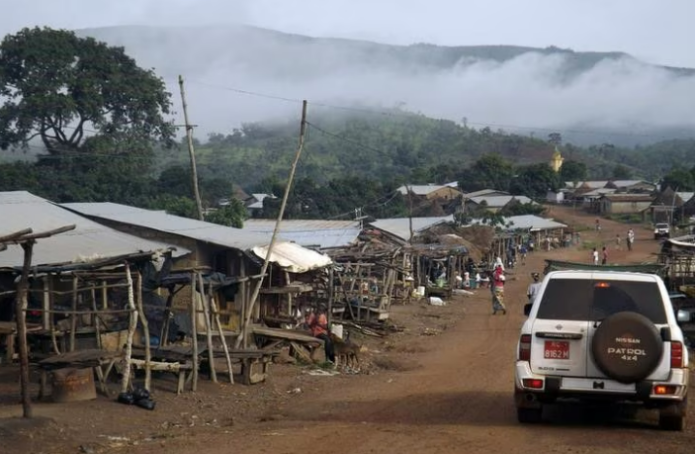
    Guinea's Simandou iron ore project mountain site
    Read Time:1 Minute, 48 Second

    Conakry, Guinea – (African Boulevard News) – Guinea’s military junta leader, Colonel Mamady Doumbouya, has decided to hand over the Zogota iron ore concession to Indian tycoon Naveen Jindal’s Jindal Steel & Power Ltd (JSPL). Reports reveal that the company will manage the mines located in the Simandou Mountains in southeastern Guinea.

    JSPL had initially signed a $2.1 billion agreement with Guinea’s previous government to develop and operate the Zogota mine, but the project was abandoned due to disputes with its former partner, the local Guinean company Guinea Mining Group (GMG).

    Colonel Doumbouya’s decision appears to be an attempt to reassure foreign mining investors that Guinea remains open for business despite the forced ousting of President Alpha Conde in September last year, and the subsequent negative events that have followed.

    The Simandou Mountains, recognized as one of the world’s largest untapped iron ore reserves, have seen a lot of recent attention. Many large mining companies have tried to get a piece of the action in the past, but were held back by bureaucratic delays.

    The previous government had been in talks with a consortium of investors to develop half of the Simandou deposit. But this project also fell apart due to disagreements over terms and the management of the project. The cancellation of the consortium’s license has now paved the way for JSPL to become the leading investor and operator of the iron ore mine in the region.

    Jindal’s move has been welcomed by Guinea’s new government, which is eager to attract more foreign investment, particularly in the mining sector. The government hopes that this will help to create more jobs for Guineans and promote economic growth in the country.

    Jindal Steel and Power Ltd is not new to Guinea: The firm already has several mining operations in the country, and their investment in the Zogota mine will be a significant boost to the country’s economy.

    Jindal’s move to take control of the Zogota iron ore concession in Guinea’s Simandou Mountains is seen as a positive development. Many hope that the company’s venture will encourage other foreign investors and bring much-needed employment and economic growth to the country.

    East Africa — Top News: Comoros Protests France’s Repatriation of Migrants, Graves Found in Kenya Pastor’s Farm, and Poll Shows Majority Want Kenyatta to Stay Away from Politics.

    0
    East Africa
    Read Time:1 Minute, 6 Second

    Comoros Slams France For Plan to Repatriate Undocumented Migrants From Mayotte

    Comoros is protesting against the French government’s plan to repatriate undocumented migrants from the French-owned Mayotte island. The Indian Ocean Island nation has called on France to cease the forced reconstitution of its citizens and allow them the right to return to their homes naturally. Comorian government officials noted that the repatriation order breaches international laws underscoring refugees’ rights, including the principle of non-refoulement. Moreover, the act further shows how the Western powers treat African migrants and refugees inhumanely.


    Detectives Discover 15 Graves in Embattled ‘Pastor’ Paul Makenzi’s Farm

    Homicide detectives found 12 graves believed to be of followers of embattled preacher Paul Nthenge Makenzi from the Good News International Church. The detectives also discovered the remains of a child who is said to have died at birth. Makenzi has been unraveling after reports of sexual misconduct and exploitation have been emerging in recent weeks. The self-proclaimed prophet cum politician and his establishment at Kanyonyoo Village in Kitui County have been accused of using religion to manipulate, control people, and amass wealth through dirty tricks. The government has stepped up its efforts to hold Makenzi accountable and end his criminal enterprise.


    70% Kenya Kwanza Supporters Want Kenyatta to Stay Away From Politics, Tifa Poll Shows

    Sudanese Paramilitary Forces Declare 72-Hour Truce for Eid, Army Yet to Respond: Crisis Deepens with 350 Dead and Thousands Injured.

    0
    Sudan crisis
    Sudan paramilitary forces agree to 72-hour Eid truce
    Read Time:2 Minute, 7 Second

    Paramilitary Forces Agree to 72-Hour Eid Truce, No Response From Army

    Background

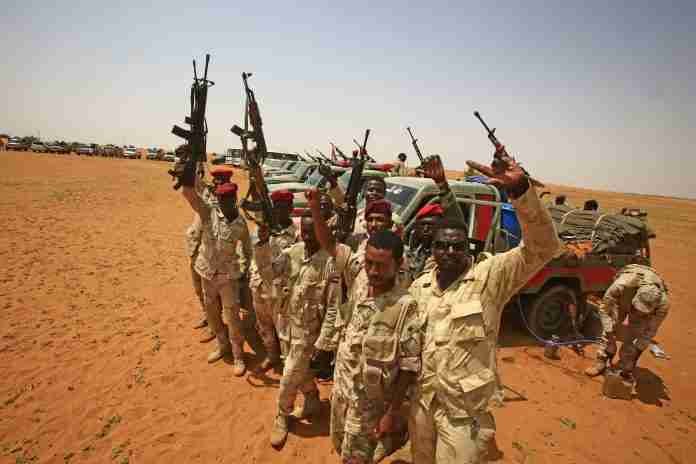
    At least 350 people have died and thousands have been wounded since fighting erupted between the Sudanese army and the paramilitary Rapid Support Forces (RSF) on the weekend. The unrest came after months of tensions between the two groups, which were once allies in the ousting of former President Omar al-Bashir but have since become rivals.

    Agreement to Truce

    In a surprise move, the RSF announced that they would be observing a 72-hour ceasefire in honor of Eid al-Fitr, which marks the end of Ramadan. The announcement came as a relief to many Sudanese civilians who have been caught in the crossfire between the two armed groups.

    The RSF stated that they hoped the ceasefire would lead to negotiations with the army to end the conflict. However, there was no immediate response from the army to the announcement.

    Reaction from Civilians

    Many Sudanese civilians are cautiously optimistic about the truce. “We hope that the ceasefire will be respected by both sides and we also hope that they will extend it or make it permanent,” said Ahmed Amin, a resident of Khartoum.

    However, others remain skeptical. “We have been through this before, and they always promise to stop the fighting during holidays, but it never lasts,” said Khadija Ahmed, a resident of Darfur.

    International Community’s Response

    The international community has welcomed the truce announcement and called for an end to the violence. The European Union’s foreign policy chief, Josep Borrell, released a statement saying, “The escalation of violence in Sudan’s Darfur region is particularly worrying, and all parties must take immediate steps to halt the fighting.”

    The United Nations also expressed concern about the situation in Sudan and called for a peaceful resolution to the conflict. “It is imperative that all parties cease hostilities and prioritize the protection of civilians,” said UN spokesman Stephane Dujarric.

    The announcement of a 72-hour ceasefire by the RSF is a positive development in the ongoing conflict with the Sudanese army. However, it remains to be seen if the army will respond to the truce, and if it will be extended beyond the Eid holiday.

    For the sake of the Sudanese people, who have suffered enough during years of conflict, both armed groups must come to the negotiating table and find a peaceful solution to their differences. The international community must continue to exert pressure on both sides to ensure that the ceasefire holds and that a lasting peace can be achieved.

    Pentagon Prepares to Evacuate U.S. Embassy Staff in Sudan Amid Surging Violence: Diplomats Working With Military Forces on the Ground.

    0
    U.S. Embassy Compound - Khartoum, Sudan
    U.S. Embassy Compound - Khartoum, Sudan
    Read Time:2 Minute, 45 Second

    Pentagon Prepares to Evacuate U.S. Embassy Staff in Sudan Amid Violent Conflict

    The Pentagon has positioned military forces near Sudan to assist in the evacuation of U.S. Embassy personnel in Khartoum if needed. This comes amid a surge in violent conflict between the two warring factions in the African country, prompting concern for the safety of U.S. embassy staff.

    Explosion of Violence in Sudan

    Sudan has been experiencing a surge of violence over the last few weeks, as tensions between the military and civilian groups continue to rise. The violence erupted in Khartoum earlier this year following the overthrow of former President Omar al-Bashir after months of protests.

    Now, various factions are vying for power in Sudan, leading to a dangerous situation for those living and working in the country. In particular, the U.S. Embassy in Khartoum has expressed concern for the safety of their staff, prompting the Pentagon to take action.

    The Pentagon Prepares to Assist

    According to a statement from the Pentagon, military forces are being positioned near Sudan to provide support for the evacuation of U.S. Embassy personnel if needed. While the situation in Sudan is currently stable, tensions between the warring factions are high, and violence could erupt at any moment.

    The Pentagon’s focus is on ensuring the safety and security of U.S. embassy staff in Khartoum, and they are working closely with U.S. diplomats on the ground to assess the situation and prepare for any potential evacuations.

    Working with U.S. Diplomats on the Ground

    U.S. diplomats on the ground in Sudan have been monitoring the situation closely and have been working alongside the Pentagon to prepare for any potential evacuations. They have been in contact with embassy staff and have been assessing the security situation to determine the best course of action.

    U.S. Ambassador to Sudan, Brian Shukan, issued a statement to all personnel at the embassy, urging them to be cautious and vigilant. He emphasized that the embassy’s top priority is the safety and security of their staff and their families.

    Concern for the Safety of U.S. Citizens

    The situation in Sudan is not only concerning for U.S. embassy staff, but also for U.S. citizens living and working in the country. The U.S. Department of State has issued a travel advisory, warning U.S. citizens to reconsider travel to Sudan due to the ongoing violence.

    Additionally, the U.S. Embassy in Khartoum has issued a warning to U.S. citizens in the country, informing them of the potential for violence and urging them to avoid large gatherings and areas of unrest.

    As tensions mount between the warring factions in Sudan, the safety and security of U.S. embassy staff and U.S. citizens in the country are of utmost concern. The Pentagon’s positioning of military forces near Sudan is a necessary precaution to ensure the safety of U.S. personnel and to prepare for any potential evacuations.

    U.S. diplomats on the ground in Sudan are closely monitoring the unfolding situation and taking action to keep their staff and citizens safe. While the situation remains fluid, the U.S. government is committed to doing everything in their power to protect their citizens and to support the stability of Sudan.

    Boko Haram’s Large-Scale Attacks Leave Thousands Homeless in Cameroon; Government and Global Community Respond to Ongoing Threat.

    0
    BIR Cameroon
    Cameroon Large-Scale Boko Haram Attacks Leave Thousands Homeless
    Read Time:2 Minute, 14 Second

    Large-Scale Boko Haram Attacks Leave Thousands Homeless in Cameroon

    Overview of Attacks

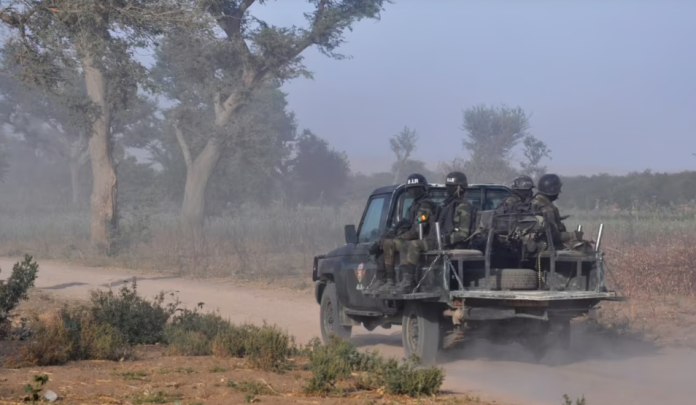
    In the past week, Boko Haram militants have destroyed hundreds of homes and displaced thousands of people in Cameroon’s northern border with Nigeria. These large-scale attacks have reportedly killed at least six villagers and two soldiers, with many more injured.

    According to All Africa, the militants launched multiple attacks on several villages, including Sagme, Sagme Gashua, and Sagme Bagale. The militants traveled on foot and horseback and set fire to homes and other buildings, leaving many residents with nowhere to go.

    Government Response

    Cameroon’s government has responded to the attacks by sending troops to the area. On Wednesday morning, these troops reportedly retaliated and killed at least 12 militants.

    Despite the government’s efforts, however, many residents remain displaced and in need of shelter and other resources.

    Boko Haram’s Continued Threat

    Boko Haram has been a persistent threat in the region for years, and attacks like these demonstrate the ongoing danger the group poses to civilians.

    The group, which has been active since 2002, aims to establish an Islamic state in Nigeria and has carried out numerous attacks on civilians and government targets. The group has also been responsible for the kidnapping of hundreds of schoolgirls in Nigeria, which garnered international attention and outrage.

    While Boko Haram has been weakened by military efforts in recent years, it remains a significant threat to security and stability in the region.

    The Impact on Civilians

    The attacks have had a devastating impact on civilians in the region. Many residents have been left homeless, with their homes and other possessions destroyed by the militants.

    In addition to losing their homes, many residents are also dealing with injuries sustained during the attacks. The lack of resources in the area has made it difficult for people to access medical care or other necessary aid.

    International organizations, such as the United Nations, have called for increased support for those affected by the attacks. They have also called on governments to take action to prevent further violence and instability in the region.

    The Future of the Region

    The recent attacks have underscored the need for increased efforts to address the ongoing threat of Boko Haram in the region.

    In addition to military efforts, there is a need for more effective governance and development initiatives that can address the root causes of the conflict. This includes addressing issues of poverty, inequality, and lack of access to education and other basic services.

    Without these efforts, it is unlikely that the threat of Boko Haram will be fully addressed, and civilians in the region will continue to suffer the consequences of ongoing violence and instability.

    Sudan’s Rapid Support Forces Morph From Protector to Menace Amid Power Struggle: What’s Next?

    0
    Rapid Support Forces Sudan
    The RSF is commanded by General Mohamed Hamdan Dagalo, who currently holds the position of deputy head of Sudan's ruling Sovereign Council, and who is commonly known as Hemedti
    Read Time:3 Minute, 1 Second

    Sudanese Paramilitary Force Created to Eliminate Threats Turns into a Menace

    Khartoum, Sudan – (African Boulevard News) – Sudan is undergoing a severe crisis. The power struggle between Abdelfattah Al-Burhan, the military leader, and his deputy General Mohamed Hamdan Dagolo, who commands the notorious Rapid Support Forces, has escalated into a conflict that jeopardizes the country’s stability.

    Rapid Support Forces transformed into a threat

    The Sudanese government established the Rapid Support Forces (RSF) in February 2013 as an official paramilitary force to fight insurgency and eliminate the threat of the Sudan Liberation Movement/Army (SLM/A) in Darfur. The RSF initially consisted of a group of former Janjaweed militias known for their involvement in the Darfur conflict. The government appointed General Dagolo, popularly called Hemeti, as the leader of the new force.

    Although the RSF succeeded in quelling insurgency in Darfur, the group soon transformed into a formidable power in the country, with Hemeti exerting influence over government decisions. The RSF became notorious for its involvement in various crimes, including ethnic cleansing, killings, and mass rapes, among other human rights violations.

    Hemeti’s ambition for power

    By 2018, Hemeti had become one of Sudan’s most influential men and key players in the country’s shifting politics. In December 2018, when the Sudanese people started protesting against the 30-year-rule of President Omar al-Bashir, Hemeti was among the military leaders who staged a coup that ousted Bashir from power.

    After Bashir’s removal, the military and the people agreed to establish a transitional government that would run the country until 2022, when free and fair elections were scheduled to occur. Hemeti and his RSF played a significant role in the negotiations that led to the establishment of the transitional government.

    However, Hemeti’s political ambitions were beyond serving in the transitional government, and he started to assert his authority over his superior, General Al-Burhan. This power struggle has further polarized the country and begs the question: who indeed is in charge in Sudan?

    The impact on the civilian population

    The RSF’s violation of human rights, killing, and rape of civilians in Darfur and Khartoum have attracted worldwide condemnation. The Sudanese government has repeatedly denied the allegations, but testimonies from survivors and eyewitnesses prove otherwise.

    The RSF’s brutality continues unabated. Recent clashes between the military and RSF in Khartoum have left scores dead and injured. The RSF takes no prisoners and uses excessive force against a helpless and unarmed civilian population.

    A call for outside intervention

    As the Sudanese people continue to suffer under the yoke of Hemeti’s RSF, of grave concern is whether the international community is doing enough to address the crisis as it unfolds. While some have imposed sanctions on individuals and entities affiliated with the RSF, much still needs to be done to stop the violations and prevent atrocities.

    It is vital that the African Union and the United Nations take appropriate measures to address the crisis in Sudan. The civilian population needs protection from the RSF’s violence and human rights violations, and the government must be held to account for its complicity in these crimes.

    Conclusion

    While the RSF was initially created to eliminate threats to the government, it soon became a threat in itself. The RSF’s leader, Hemeti, has used his influence to gain power beyond the mandate of fighting insurgency, leading to a power struggle in the country. The impact on the civilian population has been devastating as the RSF continues to violate human rights and commit atrocities with impunity.

    The international community must act urgently to address the crisis in Sudan and protect the civilian population from further harm.

    Deadly Clashes in Sudan: Ethiopian Embassy Receives Information on Ethiopian Deaths and Injuries, Urges Caution and Cooperation.

    0
    Read Time:2 Minute, 47 Second

    Embassy in Sudan Says ‘Receiving Information’ of Ethiopians Killed in Ongoing Fighting

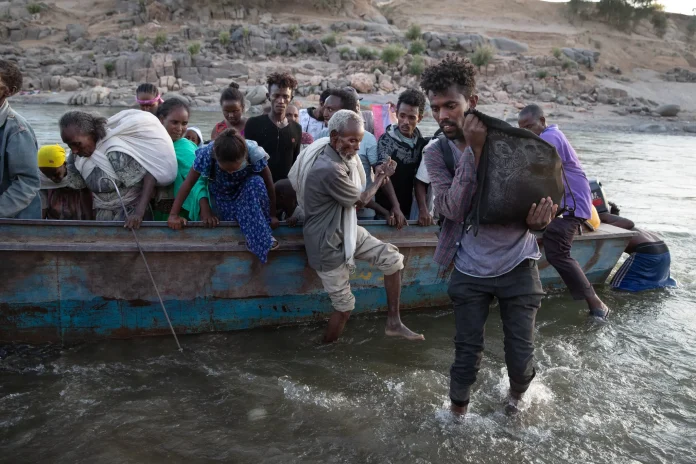
    The Ethiopian Embassy has announced that it is receiving information regarding the death and injury of Ethiopians in the ongoing fighting that has erupted in Sudan’s capital, Khartoum, since Saturday. The embassy has urged Ethiopians living in Khartoum to avoid any form of confrontation and to follow the security measures set in place by the Sudanese authorities.

    Background:

    Sudan faces political uncertainty and violence since former President Omar al-Bashir was ousted from power in April 2019 following a popular uprising. A military-civilian transitional government was formed in August 2019, but political tensions and protests continue.

    The recent wave of violence erupted last Saturday between the Rapid Support Forces (RSF), a paramilitary unit, and Sudanese troops. The RSF has been accused of being responsible for the killing of protesters during the 2019 protests. Reports indicate the RSF was attempting to take control of a nearby plot of land. The clashes have prompted authorities to impose a curfew and a state of emergency in the city.

    On Wednesday, the Ethiopian Embassy released a statement saying that it had received information regarding the death and injury of Ethiopians in the violence. The embassy did not provide any details regarding the number or identities of those affected.

    Embassy Appeal:

    The embassy has called on Ethiopians living in Khartoum to exercise caution and ensure their safety by avoiding any confrontation, sticking to the security measures set out by the Sudanese authorities, and staying in touch with the embassy.

    “The Ethiopian embassy appeals to all Ethiopians residing in Khartoum, Sudan, to stay calm and vigilant in the current situation and to co-operate with the Sudanese government,” the statement read.

    The embassy has also asked Ethiopian employers in Sudan to ensure the safety and security of their workers, especially those who are currently residing in areas affected by the violence.

    Response from Ethiopian Leaders:

    Following the announcement from the embassy, Ethiopian Prime Minister Abiy Ahmed expressed concerns about the situation in Sudan, calling for an end to the violence. In a tweet, the prime minister said, “Our thoughts and prayers are with innocent Ethiopians and other citizens affected by the sporadic violence in Khartoum. We call for an immediate end to the violence and a return to calm and stability.”

    The prime minister has also called for a delegation to be sent to Sudan to help in addressing the situation.

    “I have ordered a delegation composed of ministers and other high-level government officials to be dispatched to Khartoum immediately to support embassy efforts in assisting our citizens and engage with the Sudanese government,” he said in another tweet.

    Conclusion:

    The ongoing violence in Khartoum has raised concerns about the safety of Ethiopians living in Sudan. The Ethiopian Embassy has called for caution and urged those affected to cooperate with the Sudanese authorities. The government has taken immediate action, sending a delegation to Sudan and calling for an end to the violence. As the situation in Sudan remains uncertain, Ethiopians in the country must exercise caution and stay in contact with the embassy.

    As the Ethiopian community in Sudan anxiously waits to hear more information from the government officials, the international community hopes that the situation deescalates quickly, and peace and stability can prevail in the country.

    Sudan Crisis Escalates hours after US-led truce: Airstrikes Hit Khartoum Airport as Chaos Engulfs the Capital.

    0
    Read Time:2 Minute, 23 Second

    Juba, South Sudan (African Boulevard News) – Airstrikes Target Khartoum Airport

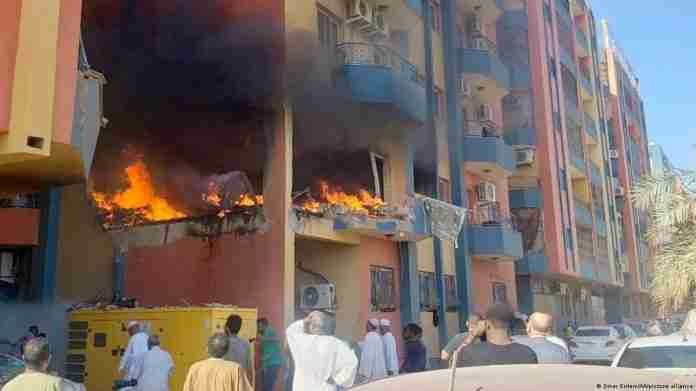
    In a dramatic escalation of the ongoing conflict in Sudan, airstrikes targeted Khartoum International Airport, causing extensive damage to the facility and leaving civilians in fear for their lives. The airport, already impacted by ongoing clashes, has now become a focal point of the conflict. Sources on the ground report numerous casualties, with many civilians caught in the crossfire. The situation remains fluid, with frequent updates coming in from various sources.

    Swift Descent into Chaos

    The fall of Khartoum into chaos has been dizzying, even by modern conflict standards. The rapid deterioration of the political and security situation has left the populace reeling, struggling to adapt to the ever-changing landscape. As violence continues to grip the city, basic services are being severely disrupted, and civilians are struggling to find safe havens amidst the fighting.

    Russia’s Role in Sudan’s Conflict

    As the situation in Sudan worsens, Russia has emerged as the chief beneficiary of the deadly conflict. According to a Fox News report, the attempted ceasefire has fallen apart, with various factions continuing their hostilities. Russia’s involvement in the country has raised concerns among international observers, who fear that the situation may deteriorate further, drawing in regional and international powers and prolonging the suffering of the Sudanese people.

    Hospitals Close Amidst Ongoing Fighting

    Khartoum hospitals are being forced to shut down due to the ongoing fighting, leaving the injured with limited access to medical care. Africanews reports that several medical facilities have ceased operations, further exacerbating the already dire humanitarian crisis. With the healthcare system struggling to cope with the influx of casualties and the lack of security, the people of Khartoum face a desperate situation.

    RSF Leader Hemedti Discusses “Pressing Issues” with Blinken

    In a surprising development, Sudan’s Rapid Support Forces (RSF) leader, Hemedti, revealed that he had discussed “pressing issues” with US Secretary of State Antony Blinken, as reported by Reuters. The nature of these discussions remains unclear, but their occurrence highlights the international community’s growing concern over the escalating crisis in Sudan.

    International Response to the Crisis

    As the situation in Sudan continues to deteriorate, the international community has been scrambling to respond. Humanitarian organizations are calling for immediate access to affected areas to provide much-needed aid to the civilian population. Meanwhile, diplomatic efforts are being ramped up to bring the warring factions to the negotiating table and establish a lasting ceasefire.
    In conclusion, the crisis in Sudan has taken a turn for the worse, with airstrikes hitting Khartoum Airport and civilians bearing the brunt of the violence. The swift descent into chaos has left the city’s residents reeling, and Russia’s role as the chief beneficiary of the conflict raises further concerns. As hospitals close amidst the fighting and international diplomatic efforts continue, the fate of the Sudanese people hangs in the balance.