Tuesday, April 21, 2026
78.7 F
Lagos
More
    Home Blog Page 483

    Violence and Chaos in Several African Countries: Evacuations, Suicides, and Bombings Wreak Havoc in Sudan, Kenya, and Mali.

    0
    Read Time:3 Minute, 32 Second

    African Boulevard News – (2023-04-23) –

    Sudan fighting prompts foreign embassy evacuations

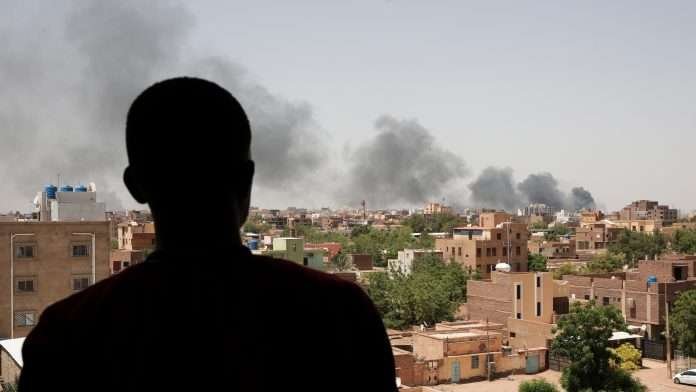
    The ongoing tensions in Sudan have resulted in many foreign embassy staff members being evacuated from the capital city of Khartoum. All US government personnel were evacuated from the US embassy in the city, along with a small number of diplomatic personnel from other countries. The evacuation comes as fighting continues to take place in the region, resulting in chaos and destruction.

    The Sudanese army has now agreed to help evacuate foreign nationals from the country, despite the fighting continuing. The government has declared a ceasefire, but violence in the region continues.

    Sudanese residents seek to escape fighting

    The recent violence in Sudan has resulted in residents attempting to flee the capital city of Khartoum in search of safety. With reports of fighting and violence throughout the city, many people have taken desperate measures to escape. This includes crossing the Nile, a dangerous journey that many are taking in order to reach what they hope will be a safer location.

    The fighting has disrupted everyday life in Sudan, causing many businesses to close and leaving people struggling to find the basics they need to survive. Food and water shortages have also become a major concern in the region.

    US military prepares for possible Sudan evacuation

    As the situation in Sudan continues to escalate, the US military has begun to prepare for a possible evacuation of US citizens from the country. This comes as fighting continues to take place throughout the region, leading to chaos and destruction.

    The US government has not yet made a decision as to whether or not to evacuate its personnel, but the military is preparing for the possibility. Other countries are also beginning to make arrangements to evacuate their citizens from Sudan.

    UN agency expects more Sudanese refugees

    The ongoing violence and fighting in Sudan are expected to result in an increase in the number of refugees fleeing the country. The UN agency responsible for refugees has stated that it expects more people to leave Sudan in the near future, seeking safety and security elsewhere.

    This is a worrying trend as refugee camps in the region are already overcrowded and struggling to provide basic necessities to those who have already fled the violence.

    Kenya police exhuming remains from suspected cult graves

    Kenyan police have begun exhuming the remains of suspected cult graves in the east of the country. The graves are believed to contain the remains of followers of a Christian cult who believed that they would go to heaven if they starved themselves to death.

    The police are marking out the locations of more than a dozen suspected graves and are expected to begin excavating them soon. The cult is believed to have been active in the region for some time, with reports of members starving themselves to death dating back several years.

    Mali hit by triple suicide bomb attack

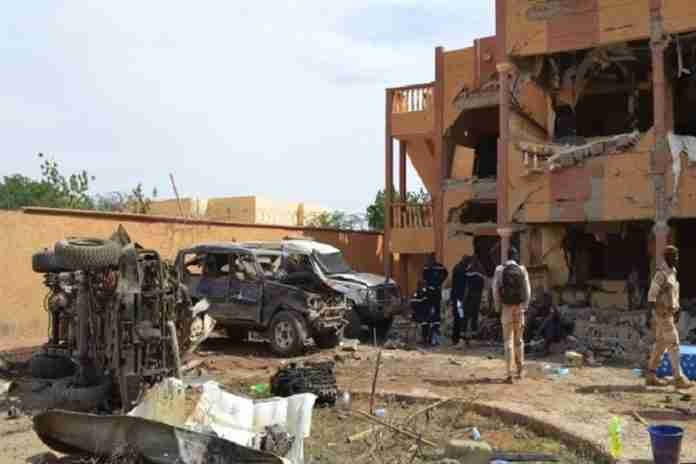
    Mali has been hit by a triple suicide bomb attack that destroyed around 20 buildings in the town of Sevare. At least nine people were killed in the attack, with more than 60 others being wounded.

    The attack has been blamed on extremist groups that have been active in the region for some time. It comes as many African countries struggle to control the rising tide of extremism and violence.

    British PM chairs emergency meeting on Sudan

    The British Prime Minister, Rishi Sunak, has chaired an emergency meeting on Sudan amid the ongoing violence in the country. The meeting was held to discuss the situation in Sudan and to determine what steps can be taken to help those affected by the violence.

    Other countries are also taking steps to address the situation in Sudan. Many are providing aid and support to those affected by the violence and are working to facilitate the evacuation of foreign nationals from the country.

    In conclusion, the situation in Sudan continues to escalate and has resulted in chaos and destruction. It is clear that more needs to be done to bring an end to the violence and to provide aid and support to those affected. The international community must work together to find solutions that will help to bring peace and stability to the region.
    West Africa — Top News: Ghanaian King Proposes LGBTQ+ Declaration Requirement for Political Candidates in 2024 Elections

    0
    West Africa News
    Read Time:40 Second

    Ghana Ghana: Declare Your Stance on LGBTQ+ Before Seeking Political Office in 2024 – Dormaahene Proposes
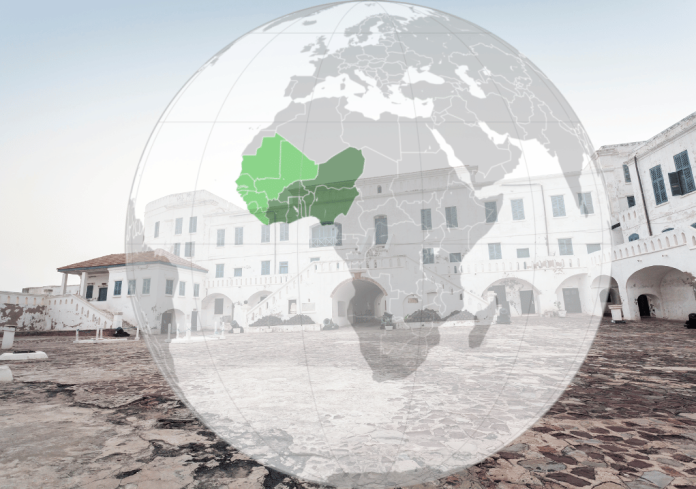
    The Dormaahene, Osagyefo Oseadeeyo Dr Agyemang Badu II, has proposed that all who intend to seek election to any political office during the 2024 general election should be made to declare their position on Lesbian, Gay, Bisexual, Transgender, and Queer (LGBTQ+) issues before officially launching their campaign. The Dormaahene stressed that it is important for politicians to publicly declare their stance on this issue because of its sensitivity and the need to know where public office aspirants stand. The proposal has generated divergent opinions from the public, with some believing it is necessary to take a strong stance against LGBTQ+ issues, while others believe it is a matter of personal choice and should not be made a political issue.

    Central Africa – Top News: Heavy Rains Kill 54 in Angola, Reconciliation Process Derailed, Manhunt for Burundi’s Former PM, Boko Haram Attacks Leave Thousands Homeless in Cameroon.

    0
    Central Africa News
    The Latest News from Central Africa
    Read Time:1 Minute, 36 Second

    Heavy rains kill 54 people in Angola

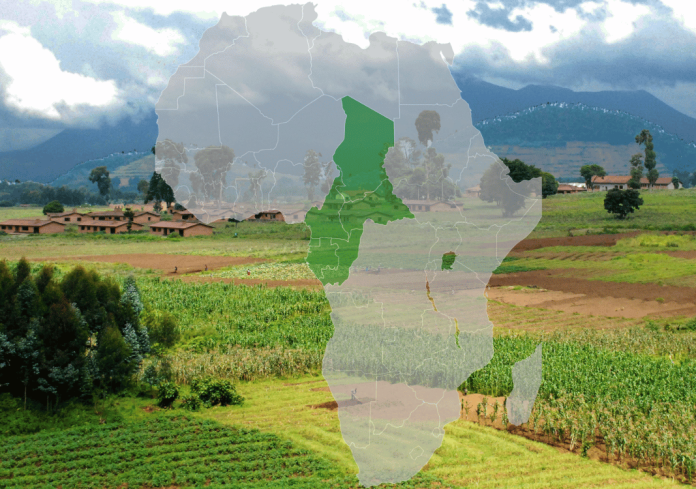
    At least 54 people died and over 450 were injured due to heavy rainfall across several regions in Angola. The President of Angola declared national mourning for three days to honor the victims. President João dos Santos Lourenço also urged the authorities to provide emergency assistance to those affected. Many roads were flooded, causing traffic disruptions and displacement of people from their homes. The government has set up a commission to assess the damage caused and provide aid to victims.

    Angola’s reconciliation process has derailed

    Angola’s “reconciliation plan,” initiated in 2019 to address the aftermath of the country’s civil war, has been criticized for devolving into a political tool for the ruling MPLA party. The plan, supported by transitional justice initiatives, has progressed slower than anticipated, with authorities incarcerating political opponents, ex-combatants of the Angolan resistance, and accused common criminals leading to violations of due process and human rights. Experts are calling for transparency in the process and the involvement of civil society to ensure justice and accountability.

    Government launches manhunt for former Prime Minister accused of plotting a coup

    Burundi’s government is conducting a manhunt for former Prime Minister Alain-Guillaume Bunyoni, who has been accused of plotting a coup. Following his dismissal in a political purge, Bunyoni was being observed by the government, which accuses him of trying to incite unrest in the country. His lawyer has denied the allegations, stating that Bunyoni is a peaceful man and an advocate for good governance. With political tensions remaining high in the country, the government’s actions raise concerns about human rights violations.

    Large-scale Boko Haram attacks leave thousands homeless
    Boko Haram militants have launched attacks that destroyed hundreds of homes and displaced thousands of people in Cameroon’s Far North region, according to VOA. The military response to contain the group has been hampered by insufficient funding, training, and equipment.

    East Africa — Top News: Rwanda’s Booming Coffee Industry Showcased at Major North American Event, Ethiopian PM Denies Sudan’s Allegations of Cross-Border Conflict, and Kenyan Court Rules in Favor of Workers Against Meta’s Unfair Layoffs.

    0
    East Africa
    Read Time:1 Minute, 17 Second


    Ethiopian Prime Minister Refutes Allegations of Cross-Border Conflict With Sudan

    Ethiopian Prime Minister Abiy Ahmed has denied allegations that Ethiopian troops have crossed into Sudan’s territorial waters. Sudan accused Ethiopian forces of penetrating its borders, engaging in military operations and occupying Farajalla in the Al Fashaqa region. PM Ahmed dismissed the accusations as baseless and misinformation that could cause tension between the neighbouring countries. The border dispute has been ongoing since November 2020, and it escalated after Sudan and Ethiopia held military exercises near the border.


    Kenyan Court Rules Meta Has Case to Answer Over Unfair Layoffs, Blacklisting

    A Kenyan court has ruled that Facebook’s parent company, Meta, has a case to answer over alleged unlawful layoffs and blacklisting of employees. The legal battle began when former Meta employees filed a case against the tech giant, claiming that they were wrongfully dismissed and blacklisted from the industry. The court found that Meta had unlawfully released confidential information and denied employees fair procedures before the termination of their employment contracts. The decision is significant for Kenyan workers, and it sets a precedent for workers’ rights in the African tech industry.


    Rwandan Coffee Industry Showcases Its Extensive Offerings at One of the Largest Coffee Events in North America

    Rwanda’s coffee industry actors are showcasing their products at the Specialty Coffee Expo in America to attract buyers. The three-day event is one of the largest coffee events in North America, with over 200 exhibitors from across the globe in attendance. Rwanda’s coffee sector is on the rise.

    Cameroon’s Prudy Publishes Groundbreaking Memoir Chronicling Life’s Struggles in La Hantise d’une Douleur: An Inspirational Must-Read #AfricanLiterature

    0
    Cameroon-news-2023-04-22T07:01:32.000Z
    Cameroon's Prudy Publishes Groundbreaking Memoir Chronicling Life's Struggles in La Hantise d'une Douleur: An Inspirational Must-Read #AfricanLiterature
    Read Time:2 Minute, 15 Second

    Yaoundé, Cameroon- (African Boulevard News) – Prudy, a Cameroonian author has published a groundbreaking book detailing the struggles and hardships she’s faced in life. The book, entitled La Hantise d’une Douleur, has been published by Éditions presses panafricaines and is part of their soleil d’hiver collection.

    The Breakthrough Book that Everyone is Talking About

    La Hantise d’une Douleur is a memoir that chronicles the life of Prudy, a woman who has faced numerous challenges throughout her life. From a young age, Prudy had to contend with poverty, illness, and hardship. Her struggles continued into adulthood, as she dealt with toxic relationships, mental health issues, and financial insecurity.

    Despite all of these obstacles, Prudy remained determined to overcome them. She found solace in writing and used it as a means of processing the pain and trauma she had experienced.

    A Personal Note from the Reviewer

    As an author and reviewer, Calvin Djouari had the opportunity to read La Hantise d’une Douleur and was deeply moved by Prudy’s story. In his review, Djouari notes that the book is a “raw and honest account of one woman’s journey through life.” He praises Prudy for her bravery in sharing her story and believes that the book will resonate with readers who have faced similar challenges.

    An Inspiration for Others

    Prudy’s story is a testament to the resilience of the human spirit. Despite facing numerous obstacles and setbacks, she remained determined to overcome them and find happiness in life. Her book serves as an inspiration for others who may be struggling with similar challenges.

    La Hantise d’une Douleur is a must-read for anyone who has faced adversity in their life. It is a powerful reminder of the importance of perseverance and the transformative power of storytelling. Prudy’s courage in sharing her story will undoubtedly touch the hearts of readers around the world.

    A New Voice in African Literature

    With the publication of La Hantise d’une Douleur, Prudy has established herself as a new voice in African literature. Her unique perspective and powerful voice offer a fresh take on the memoir genre and set her apart from other writers in the field.

    As her book gains traction, Prudy’s story will undoubtedly inspire others to share their own experiences and find healing through storytelling.

    The Future is Bright for Prudy

    Prudy’s debut book is just the beginning of what promises to be a bright future in African literature. Her talent as a writer and her resilience in the face of adversity are sure to make her an important voice in the years to come.

    We can’t wait to see what the future holds for Prudy and look forward to reading more of her work in the years to come.

    Power Struggle between RSF and National Army Plunges Sudan into Anarchy: Khartoum in Grave Danger, Reports Say.

    0
    Read Time:2 Minute, 31 Second

    Power Struggle Plunges Sudan Into Anarchy

    Reporter: Khartoum in Grave Danger

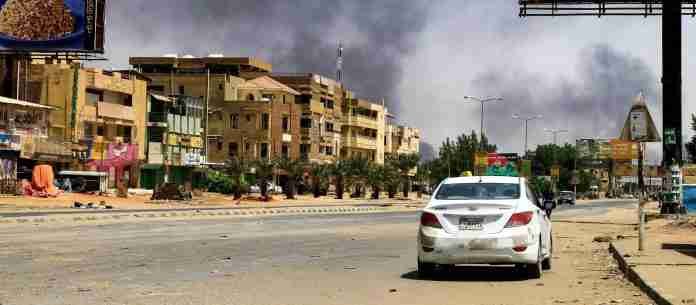
    Khartoum, the capital of Sudan, is in grave danger. The power struggle between Rapid Support Forces (RSF) and the national army has plunged the country into anarchy, and violence is intensifying with each passing day.

    RSF: A Militia Out of Control?

    The RSF is a paramilitary group created by ousted President Omar al-Bashir to crush the Darfur rebellion. However, the group, accused of committing atrocities against Darfuris, has grown out of control and is now a force to reckon with in the country’s politics.

    The leader of RSF, Mohamed Hamdan Dagalo, also known as Hemedti, has been accused of brutalizing pro-democracy protesters in 2019, leading to the deaths of over 100 people.

    National Army or a Puppet Front?

    The national army, on the other hand, is perceived by many as a front for the RSF. Its leader, Abdel Fattah al-Burhan, was also a key player in al-Bashir’s regime, raising questions about the army’s allegiance.

    The protests that led to al-Bashir’s ouster were led by the Sudanese Professionals Association (SPA), demanding a transition to a civilian government. However, the current power struggle has derailed any hope for a peaceful transfer of power.

    Violence and Fear Grips Khartoum

    Since the start of the power struggle, Khartoum has been a hotbed of violence. Gunfire and explosions have become commonplace, and the number of casualties is rising every day.

    Residents are living in constant fear, with many businesses and schools shut down. The recent killing of a protester by RSF forces has only exacerbated the tension in the city.

    The International Community Urges Calm

    The international community has expressed deep concern about the situation in Sudan. The United Nations has called for an immediate end to the violence and urged all parties to respect human rights and the rule of law.

    The African Union has also condemned the violence and called on Sudan’s leaders to engage in dialogue and find a peaceful resolution to the crisis.

    No End in Sight

    Despite calls for calm, the power struggle in Sudan shows no signs of ending. The RSF and the national army have dug in their heels, and both sides are unwilling to back down.

    The fate of Sudan hangs in the balance, and the world watches with bated breath as the country lurches towards an uncertain future.

    Conclusion

    The power struggle in Sudan has plunged the country into anarchy, and violence is only escalating. The RSF, accused of atrocities against Darfuris, is at the center of the crisis.

    The national army, perceived by many as a puppet front for the RSF, has failed to provide a stable transition to a civilian government. The protests that led to al-Bashir’s ouster have been derailed, and the fate of Sudan remains uncertain.

    The international community has urged calm, but the power struggle shows no signs of ending. The people of Sudan are living in fear, and the world watches as the country hangs in the balance.

    Foreign Diplomats and Nationals Flee Sudan in Face of Worsening Conflict as Eid Truce Fails, Pose Heightened Security Threat.

    0
    Read Time:3 Minute, 16 Second

    Scramble to Evacuate Foreign Diplomats and Nationals From Sudan As Fighting Mars Eid Truce

    Diplomatic Missions Mobilizing

    Dabanga Khartoum — As fighting continues to rock Khartoum, countries whose nationals reside in the nation are mobilizing their diplomatic missions to evacuate their citizens from Sudan. The conflict that has persisted for over a year has only been made worse with the Eid truce that was supposed to have ended hostilities. Countries like Jordan, Hungary, Saudi Arabia, Iraq, South Korea, and Greece, have all joined in the race to evacuate their citizens as soon as possible.

    Although some of the countries have advised their citizens to ‘shelter in place’ for their safety, others have carried out more urgent measures to evacuate their people. The Sudan Armed Forces (SAF) has also assured diplomats and nationals from the United Kingdom, the United States, China, and France that they will be flown out of the country “in the coming hours.” The assurance, however, does not cover other nationalities in the conflict-stricken country.

    Heightened Security Threats

    Following the Eid truce, there have been reports of increased security threats in the country, with some of these threats targeted at specific embassies. Reports from some of the embassies suggest that there is an imminent and specific threat, which is what has led some countries to evacuate their citizens as a precaution.

    Sudan had reached a peace agreement with the rebels in several areas, but hostilities broke out after the peace agreement was signed, prompting fears that the ceasefire may not hold.

    Evacuation Challenges Faced

    The evacuation process has not been without its challenges. The ongoing conflict, coupled with the global coronavirus pandemic, has made the evacuation of citizens much more difficult. Countries who have been successful in evacuating their citizens have had to overcome numerous logistical hurdles, such as securing flight slots and getting clearance from the Sudanese authorities.

    Civil unrest, attacks on vehicles, and the closure of borders by neighbouring countries have all been barriers to the evacuation process, making it all the more time-consuming and expensive.

    Humanitarian Crisis Worsens

    The conflict in Sudan has led to a severe humanitarian crisis, with over five million people affected by the conflict, according to Amnesty International. Over 200 people have also lost their lives in the recent clashes with many more injured. The fighting has led to the displacement of over 100,000 people, who are now seeking shelter in camps and makeshift housing.

    The conflict started in December 2018 when Sudanese citizens protested the high cost of living, a situation made worse by the country’s economic decline. Amid the protests, the military ousted the then-president, Omar al-Bashir. Since then, the country has been in a state of turmoil, with the current conflict worsening the already dire situation.

    The International Community’s Response

    The Sudanese conflict has drawn international attention and condemnation, with the United Nations and the African Union calling on all parties involved to put an end to the conflict. Despite these calls, the conflict has worsened, causing more suffering to the people of Sudan.

    The United States, the United Kingdom, and other European countries have condemned the violence, calling for an end to hostilities in the country. The countries that have evacuated their citizens from Sudan have also expressed concern over the deteriorating security situation.

    Conclusion

    As the conflict in Sudan continues, the international community is urging meaningful dialogue and an end to the hostilities. The scramble to evacuate foreign diplomats and nationals from Sudan is a clear indication that the situation is far from over. Nonetheless, the evacuation of nationals from the conflict zone is a welcome development, as it provides much-needed relief for those affected by the conflict. It is our hope that the conflict will come to a peaceful end, and that the people of Sudan will be able to rebuild their lives and move past this dark period in their history.

    Sudan Conflict Poses Regional Risks with External Sponsors & Neighboring Countries at Risk, Urgent Political Solution Needed – Experts Warn.

    0
    Read Time:3 Minute, 5 Second

    Conflict in Sudan Poses Regional Risks as Both Sides Have External Connections and Sponsors

    Khartoum – The continuing conflict between the two military factions in Sudan, led by Prime Minister Abdalla Hamdok and General Abdel Fattah al-Burhan, has raised concerns over the potential for regional destabilization. Both sides have external connections and sponsors, which could have significant consequences for neighboring countries.

    External Sponsors

    The two sides have different external sponsors, which complicates the situation further. Hamdok’s government has received support from regional and international partners such as the United States, European Union, and the Gulf States. Meanwhile, the military wing led by al-Burhan has gained support from countries such as Russia, China, and some Gulf States.

    The involvement of external sponsors in the Sudanese conflict raises the risk of regional tensions as these supporters have competing interests. The political and economic investments of these countries may be affected by the ongoing conflict in Sudan, and as such, they may have vested interests in how the situation unfolds.

    Repercussions on Neighboring Countries

    The risk of the conflict spilling into neighboring countries is high, given that both sides have connections to outside states. The political and economic stability of Sudan is closely linked to other countries in the region, and any instability could have significant regional ramifications.

    One of the primary concerns is that the conflict could lead to renewed tensions between Sudan and South Sudan. Both countries have a shared history of conflict and were involved in a bitter civil war, which only ended in 2005. Since then, there have been tensions between the two countries over border disputes and oil revenues. Any instability in Sudan could potentially exacerbate these tensions and reignite the conflict between the two countries.

    The conflict in Sudan could also have repercussions for neighboring countries such as Chad, Central African Republic, and Egypt, which are all situated along the Nile River. The Nile is a vital source of water for these countries, and any instability in Sudan could potentially disrupt the flow of water and have significant consequences for the region.

    The Urgent Need for a Political Solution

    There is an urgent need for a political solution to the conflict in Sudan to avoid the risk of regional destabilization. The international community has a significant role to play in helping to resolve the crisis in Sudan.

    The recent statement by the African Union Peace and Security Council calling for the need to resolve the crisis through peaceful dialogue and in conformity with constitutional legality is a step in the right direction. African states need to play their part in helping to find a peaceful resolution to the Sudanese conflict.

    The United Nations and other international organizations should also step up their efforts to support a political solution to the crisis. One way to do this could be to provide more mediation and technical assistance to help facilitate dialogue between the two sides.

    Conclusion

    The conflict in Sudan has the potential to destabilize the region due to the external connections and sponsors of both sides. Political and economic investments of countries supporting the opposing sides could be affected, raising the potential for regional tensions. Neighboring countries along the Nile River, such as Chad, Central African Republic, and Egypt, could also be vulnerable to the consequences of the conflict.

    Finding a political solution to the crisis in Sudan is critical to avoiding further destabilization in the region. The international community should step up efforts to support mediation, technical assistance, and peaceful dialogue between the two sides. It is time for all parties involved to prioritize the needs of the Sudanese people and work together towards finding a lasting solution to the ongoing conflict.

    Africa hit by waves of violence: Triple suicide bombing in Mali, influx of Sudanese refugees in Chad, UK takes action, and more #Africa #Conflict

    0
    Mali car bomb
    At least 10 people killed in complex attack in central Mali
    Read Time:2 Minute, 50 Second

    African Boulevard News – (2023-04-22) –

    Triple Suicide Bombing Rocks Central Mali, Killing Nine

    At least nine civilians were killed and over 60 injured in a triple suicide bomb attack in the central Mali town of Sevare early on Saturday. Regional governor spokesman Yacouba Maiga confirmed that three men detonated their explosives on the street of the busy town around 04:00 GMT. The Sahel region of Africa has seen an increase in violence from jihadi groups, with military coups and ethnic clashes in the area adding to instability in recent years.

    Chad Prepares for Influx of Refugees Fleeing Sudan

    The UN’s refugee agency (UNHCR) has warned that Chad is expecting a large influx of refugees from Sudan, where battles are raging in the nation’s capital. Chad shares a long border with Sudan and has seen previous waves of refugees as a result of violence in the country. The country is already hosting around 500,000 refugees, mainly from Sudan, the Central African Republic, and Nigeria. The UNHCR and its partners are preparing for the influx of refugees, including the provision of coronavirus vaccinations and the inclusion of new arrivals in existing aid programs.

    UK Takes Action Over Sudan Crisis

    British Prime Minister Sunak chaired an emergency meeting on Sudan, where fighting continues to rage, forcing many people to flee their homes in search of safety. The UK’s defense ministry has said it is “engaged in prudent planning” for the crisis, while the US military is preparing for possible evacuation of diplomats from the country. Despite a ceasefire being declared, there has been little let-up in fighting, with reports of a recent ambush on a family in a South African homestead which left 10 people dead.

    Sudan Army Agrees to Help Evacuate Foreigners as Violence Continues Despite Ceasefire

    Amid the ongoing unrest in Sudan, the army has agreed to assist in the evacuation of foreign nationals, including US diplomats. The US embassy is urging their staff to leave the country as soon as possible, as clashes between rival factions continue to destabilize the nation. The United Nations (UN) is calling for calm and the resumption of peace talks between the warring factions. In addition to the evacuation of foreign nationals, the UN is calling for “humanitarian corridors” to be established to deliver aid to those affected by the conflict.

    Congo Camp Receives Much-Needed Food Aid During Eid Celebrations

    Muslim residents of a camp in the Democratic Republic of Congo celebrated Eid al-Fitr with much-needed food aid delivered by humanitarian groups. Despite the ongoing conflict in the country, the humanitarian organizations were able to deliver the aid in time for the festivities, which mark the end of Ramadan. Practicing their religion and celebrating the holiday has been a challenge for many Muslim residents of Congo due to the violence in the country, and the food aid was a welcome relief.

    Overall, the situation in Africa remains tense and volatile, with violence in many areas causing uncertainty and instability. The ongoing conflict in Sudan and Mali, in particular, has been a source of concern for many nations, with the UN and other organizations calling for an end to the violence and a return to peace talks. Despite the challenges, humanitarian aid groups continue to work on the ground to deliver much-needed food, shelter, and medical aid to those affected by the conflict.

    Algerian Business Leaders Look to Strengthen Ties with African Counterparts Amid Economic Woes – Kamel Moula’s Efforts to Bring New Hope.

    0
    ALGERIA,:,Top,business,leader,Kamel,Moula,looks,to,revive,economy,of,post-Bouteflika,Algeria-News
    Algerian Business Leaders Look to Strengthen Ties with African Counterparts Amid Economic Woes - Kamel Moula's Efforts to Bring New Hope.
    Read Time:1 Minute, 42 Second

    Algeria’s economy has been struggling since the downfall of former President Abdelaziz Bouteflika, who was ousted in 2019 amid widespread protests. To address this issue, business leaders in the country are looking to strengthen their ties with counterparts in other African nations in order to revive the Algerian economy.

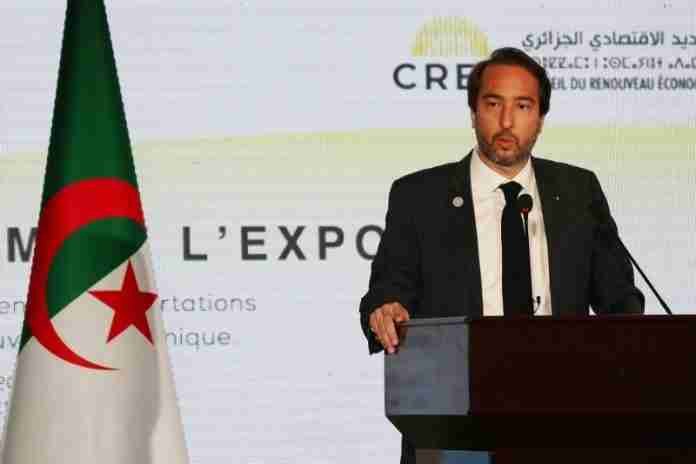
    One such leader is Kamel Moula, who was recently elected as the head of the Conseil du Renouveau Economique Algérien (CREA), a powerful employers’ association that is closely linked to President Abdelmajid Tebboune. Moula’s three-year term at the CREA has been marked by a push for greater economic diplomacy, as he aims to connect Algerian businesses with partners across the continent.

    Moula and a CREA delegation are scheduled to travel to Kampala in May to meet with their counterparts in Uganda. This will be just one of many trips that Moula is expected to make as he works to build new relationships and expand trade between Algeria and other African countries.

    This initiative comes at a crucial time for Algeria, as the country’s economic woes have been exacerbated by the COVID-19 pandemic. The Algerian government has struggled to provide adequate support for businesses and individuals affected by the pandemic, leading to widespread unemployment and financial insecurity.

    Many business leaders are hopeful that Kamel Moula’s efforts will provide a much-needed boost to the country’s economy. Moula himself has emphasized the importance of collaboration and cooperation between countries, noting that “Africa is a continent with enormous potential, and we need to work together to realize that potential.”

    Moula’s leadership at the CREA has also brought attention to the power of employers’ associations in shaping economic policy. By working closely with President Tebboune and other government officials, Moula has been able to make significant progress in advocating for policies that benefit Algerian businesses.

    Overall, Kamel Moula’s focus on economic diplomacy and collaboration with other African countries is a positive development for Algeria. If successful, his efforts could lead to increased trade, investment, and economic growth for the country and the wider region.