Tuesday, April 21, 2026
79.4 F
Lagos
More
    Home Blog Page 467

    Libya: Paris Summit to Bridge East-West Divide and End Conflict

    0
    Read Time:1 Minute, 42 Second

    Tripoli, Libya – (African Boulevard News) – In an effort to resolve the ongoing conflict in Libya, Paris is preparing to host a summit that will bring together the security forces from both the east and west of the country. This move is being made possible by the behind-the-scenes diplomatic efforts of French President Emmanuel Macron’s diplomats.

    The French capital is set to host a high-level meeting aimed at resolving the longstanding conflict in the North African nation. The gathering will bring representatives from the east and west of Libya to the negotiating table.

    According to our sources, the French diplomats have been working rigorously behind the scenes to organize the Libyan summit in Paris. The meeting will focus on security issues, including the integration of eastern and western security forces, which would help to end the prolonged conflict in the country.

    The summit is expected to take place in the coming weeks and will be a significant milestone in resolving the conflict in Libya. The French president has reportedly been working behind the scenes for months to persuade Libyan leaders to come to the negotiating table.

    “The French have been pushing for a meeting between the eastern and western forces for a while now. It’s a difficult process, but they are working hard to bring the parties together,” said one political analyst.

    This latest diplomatic move has been welcomed by various factions within the Libyan political landscape. The United Nations, which has been mediating peace talks between the rival factions, has also expressed its support for the French initiative.

    The French summit is hoped to build on the progress made at the recent UN-sponsored talks in Tunis, which saw the rival Libyan factions agree to hold elections in December.

    In conclusion, the upcoming summit in Paris is a crucial step towards resolving the Libyan conflict. The support of both local and international parties is crucial for the success of the meeting, and the French diplomats’ efforts have been crucial in bringing the parties to the negotiating table.
    Cameroon: Government Seeks to Fix Broken Peace in Eastern DRC with Overhaul of Regional Force Engagement

    0
    Read Time:1 Minute, 51 Second

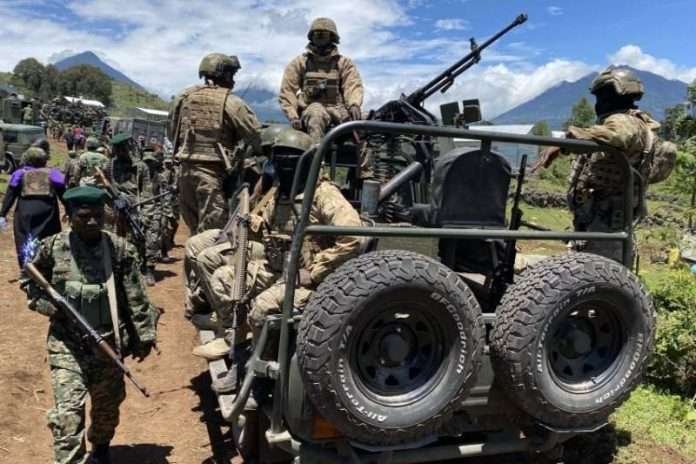
    Yaounde, Cameroon – (African Boulevard News) – Following the expiry of the original agreement governing the deployment of the East African Community (EAC) force in eastern DRC, the Congolese government is hoping to review the terms of engagement of the regional force. The government is reportedly unhappy with the performance of the current force, which was deployed in 2020 to quell the increasing violence in the eastern part of the country.

    According to sources within the Congolese government, Kinshasa is looking to revise the deployment of the EAC force by changing the rules of engagement and potentially extending its mandate. The force, which is made up of troops from Burundi, Kenya, Rwanda, South Sudan, Tanzania, and Uganda, has been operating in the DRC for over a year.

    The EAC force has been tasked with supporting the Congolese army in its fight against armed groups in the eastern DRC. However, the force has been accused of failing to effectively tackle the ongoing violence in the region, with reports of human rights abuses and the displacement of thousands of civilians.

    In a recent interview with African Boulevard News, an expert in regional security matters, Dr. James Mwenda, explained that the decision by the Kinshasa government to review the terms of engagement of the EAC force was not surprising given the challenges the force has faced.

    “The EAC force has been struggling to contain the violence in the eastern DRC. There have been reports of human rights abuses and other challenges, which have made it difficult for the government to continue its engagement with the force,” he said.

    The proposed changes to the deployment of the EAC force are still under discussion, but it is hoped that they will result in a more effective force that is better able to support the Congolese army in its efforts to bring peace and stability to the region.

    In conclusion, while the review of the engagement terms of the EAC regional force is ongoing, it is hoped that the outcome will lead to a more efficient and effective force. The situation in the eastern DRC remains fragile, and it is essential that the government and its partners work together to address the challenges faced by the region.

    Sudan: Internal Tensions Paralyze the UN Security Council, Leaving the Country in Limbo

    0
    Read Time:1 Minute, 58 Second

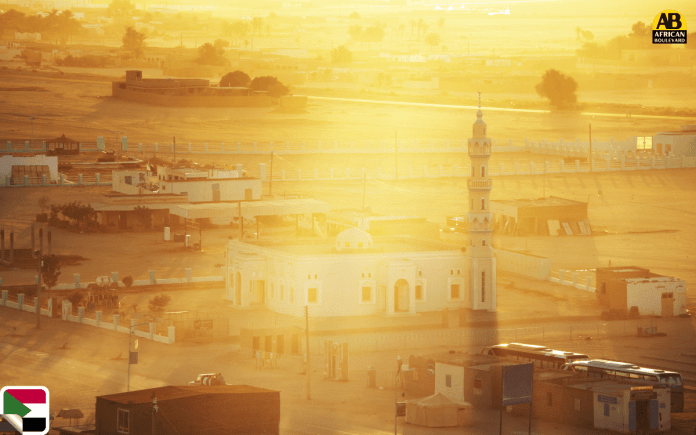
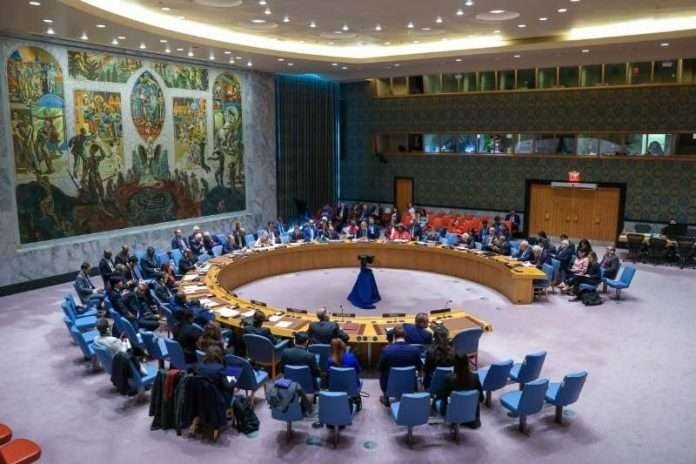
    Khartoum, Sudan – (African Boulevard News) – The United Nations Security Council has been grappling with internal tensions, leaving it paralysed and unable to address the political crisis that has rocked Sudan since 15 April. According to reports, the three African members of the Security Council are promoting the principle of ‘subsidiarity,’ which aims to put the Intergovernmental Authority on Development (IGAD) at the forefront of mediating the crisis.

    This paralysis has left Sudan in a state of uncertainty and instability. The country’s transitional government, which is made up of civil and military figures, has been unable to resolve the issues at the heart of the conflict, including the role of the military in government, the sharing of power, and the future of the peace agreement signed in 2020.

    The root cause of the crisis lies in the tensions between the civilian and military elements of the transitional government, which were supposed to work together to oversee Sudan’s transition to democracy, but have been at loggerheads for months. The military, which has dominated Sudanese politics for decades, has been accused of seeking to retain its grip on power, while the civilian elements have been pushing for greater democracy and civilian control over the government.

    The failure of the Security Council to take action has been criticised by many. “The paralysis of the Security Council is a tragedy for Sudan and a failure of the international community,” said Shabia Mantoo, spokesperson for the United Nations High Commissioner for Refugees in Sudan. “The people of Sudan need urgent help and support to resolve this crisis, and the Security Council must act.”

    Despite the internal tensions, there are signs that progress is being made. IGAD has been working to mediate the crisis, and there have been reports of negotiations between the civilian and military elements of the transitional government. Some analysts believe that a breakthrough may be imminent, while others caution that the crisis could drag on for months.

    In the meantime, the people of Sudan are suffering. The country is facing economic hardship and food shortages, and the uncertainty and instability are taking a toll on the population. The crisis in Sudan is a reminder of the need for strong and effective international institutions, and the urgent need for the Security Council to put aside its internal differences and take action to help resolve the crisis.

    Angola: Strengthening Military Ties with Global Appointment of Defence Attachés to Enhance National Security

    0
    Read Time:1 Minute, 42 Second

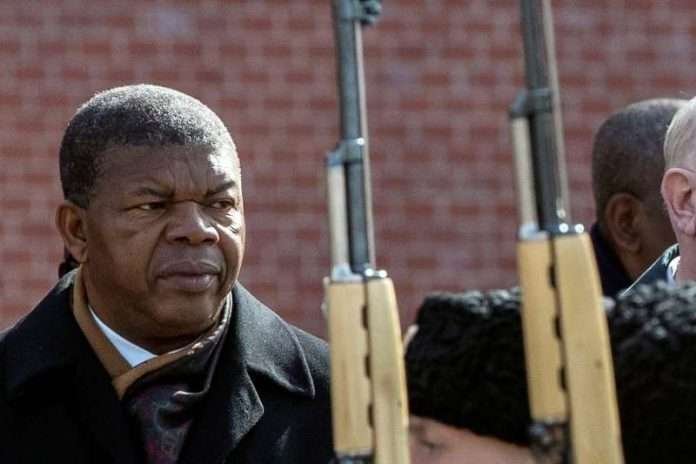
    Luanda, Angola – (African Boulevard News) – Angola’s President João Lourenço has been busy strengthening the country’s military ties around the globe, with the appointment of a top team of defence attachés. These attachés have taken up posts across major geopolitical regions, such as Russia, Brazil, China, and especially across African nations.

    According to a recent report from Africa Intelligence, Angola has the largest number of defence attachés in Africa, which serves to strengthen the country’s military intelligence-gathering capabilities. In addition, Angola has several defence attachés in Europe, with a presence in key countries such as France and Germany.

    The Angolan defence attachés stationed in Russia, Brazil and China are deemed the most significant and strategically important given the growing global influence of these nations. Such attachés play a vital role in tracking the military movements and activities of these nations, as well as keeping tabs on any regional security threats that may arise.

    The appointments of these defence attachés represent yet another step by Lourenço’s administration to strengthen and modernize Angola’s military capabilities. In addition, it highlights the country’s growing military presence and influence around the world.

    While some may view the appointments of defence attachés as a form of military expansionism, others argue that it is a necessary move to protect Angola’s interests and ensure national security. Lourenço’s administration has made significant strides in modernizing Angola’s military, including restructuring of the country’s security agencies to ensure a more streamlined and efficient system.

    According to an industry expert, “The appointment of defence attachés is a strategic move by Lourenço’s administration to ensure that Angola remains on top of regional and global security threats. It is a necessary step to protect the country’s interests and ensure stability, especially during times of increasing geopolitical tensions.”

    Overall, the appointment of defence attachés by Lourenço’s administration is a clear indication of Angola’s growing military presence and influence around the world. It highlights the importance the country places on national security and serves as a necessary measure to protect its interests in an ever-changing geopolitical landscape.

    Lesotho: Chef’s Mission to Save Disappearing Basotho Cuisine and Share it with the World

    0
    Read Time:2 Minute, 15 Second

    Maseru, Lesotho – (African Boulevard News) – Lesotho’s cuisine is one of Africa’s hidden treasures. Unlike other African cuisines, Basotho cuisine is not that well-known beyond the country’s borders. However, that might soon change with the rise of a young chef, who is undertaking the task of documenting and reviving Basotho cuisine.

    Sub-heading 1: Basotho cuisine – an undiscovered treasure

    Seen as food for the poor, traditional Basotho dishes aren’t as popular in Lesotho as their Italian or American counterparts. As a result, the country’s food culture is rapidly disappearing. How does one save a cuisine that is slowly disappearing? That’s where Chef Retšelisitsoe Sekamane comes in.

    Sub-heading 2: Meet Chef Retšelisitsoe Sekamane

    Chef Retšelisitsoe Sekamane is the first chef to have documented Basotho cuisine. Born and raised in Lesotho, Chef Sekamane grew up in a family that loves food. While his parents taught him how to cook, he later went on to study culinary arts in South Africa.

    After completing his studies, Chef Sekamane returned to Lesotho to start his own restaurant. However, he soon realized that Basotho cuisine wasn’t as popular as it should be. He then made it his mission to document Basotho cuisine and share it with the world.

    Sub-heading 3: Preserving Basotho cuisine for future generations

    Chef Sekamane’s goal is to preserve Basotho cuisine for future generations. To do this, he has been collecting recipes from his grandmothers, aunts, and other members of his community. He has also been experimenting with these recipes, adding his own twist to them.

    One of Chef Sekamane’s signature dishes is the Mophane worm. Mophane worms are a traditional Basotho dish that is rarely served in restaurants. Chef Sekamane’s version of the dish has a modern twist, making it more appealing to younger generations.

    Sub-heading 4: Promoting Basotho cuisine to the world

    Chef Sekamane’s work has not gone unnoticed. He has been featured in several publications, both locally and internationally. He has also participated in food festivals, showcasing Basotho cuisine to the world.

    According to Chef Sekamane, “Basotho cuisine is one of Africa’s hidden treasures. It’s my goal to share it with the world and make Basotho cuisine as popular as Italian or American cuisine.”

    Sub-heading 5: Conclusion

    Basotho cuisine is a hidden treasure that has been overlooked for too long. With the rise of chefs like Retšelisitsoe Sekamane, Basotho cuisine might soon become as popular as other cuisines. Chef Sekamane’s work is not only preserving Basotho cuisine but also promoting it to the world.

    As Chef Sekamane says, “Food is not just about nourishment; it’s about culture, identity, and heritage.” Through his work, he is preserving Basotho culture, identity, and heritage for generations to come.

    Global: High Inflation and Recession Fears Continue to Plague Global Economy

    0
    Read Time:4 Minute, 0 Second

    Kenya: Kenyan Shilling Stable as Traders Await Oil Import Deals

    The Kenyan shilling remained steady against the US dollar on Thursday ahead of expected oil imports from international markets. The stable performance of the shilling is believed to be a result of high demand for dollars from importers, coupled with decreased trading activity in the forex market. The Central Bank of Kenya is expected to play a key role in supporting the shilling by injecting liquidity in the market to mitigate the effects of high demand for dollars. Traders hope that the expected oil imports will help to reduce the pressure on the shilling and balance the demand for dollars in the market.

    Sudan: Conflicts Threaten Supply of Key Ingredient for Soft Drinks

    The ongoing conflicts in Sudan are threatening the supply of gum arabic, a key ingredient used in soft drinks and other consumer products. Sudan is one of the world’s top producers of gum arabic, with exports amounting to over $60 million per year. However, with the continued conflicts between the Sudanese government and rebel groups in Darfur and other regions of the country, the production and exports of gum arabic have been severely hampered. Experts warn that the shortage of gum arabic could lead to increased costs for manufacturers of consumer goods, which could ultimately result in higher prices for consumers.

    Sudan: Airstrikes and Tank Fire in Capital Region Defy Truce Pledge

    Despite a ceasefire agreement between the Sudanese government and the rebel Sudan Liberation Movement, airstrikes and tank fire have been reported in the capital, Khartoum, and its surrounding areas. The attacks have caused panic and displacement among civilians, with many residents fleeing their homes in search of safety. The leader of the Sudan Liberation Movement has accused the government of violating the ceasefire agreement and called for international intervention to protect civilians in the affected areas.

    Sudan: How the Military Factions Set Path to War as Mediation Stalled

    Tensions between the different factions in Sudan’s military have escalated in recent weeks, leading to outbreaks of violence that threaten to plunge the country into civil war. Observers say that the failure of mediation efforts by the international community has emboldened the different factions, who are now vying for control of the country’s resources and power. Experts warn that with the continued escalation of violence, Sudan could soon become a failed state, with dire consequences for the region and the world.

    Guinea: Book Festival Hopes to Turn the Page on Low Literacy Rate

    Guinea’s National Sports Stadium has been transformed into a literary hub, hosting the country’s second annual book festival. The event, which aims to promote literacy and reading culture in Guinea, has attracted thousands of visitors who are taking part in book readings, signings, and discussions. Guinea has one of the lowest literacy rates in Africa, with just over a quarter of the population being able to read and write. The book festival is seen as a step towards changing this trend and achieving a more literate society in Guinea.

    South Africa: Rand Weaker Ahead of Budget and Trade Data

    The South African rand has weakened against the US dollar ahead of the release of the country’s budget and trade data. The rand has been under pressure due to concerns about the state of the economy and political instability ahead of the upcoming general elections. Analysts predict that the budget will reveal a widening deficit, which could further weaken the rand. The trade data is also expected to show a decline in exports, which could put additional pressure on the currency.

    Global: High Inflation Still a Top Concern for Global Economy

    According to a recent Reuters poll of economists, high inflation remains a top concern for the global economy, despite central banks’ efforts to curb rising prices. The poll revealed that economists expect inflation to remain at high levels in the coming months, driven by increased demand due to the global economic recovery and supply chain disruptions caused by the COVID-19 pandemic. Economists also expressed concerns about the negative impact of inflation on low-income households and the potential for it to lead to social unrest.

    Global: Oil Set for Second Weekly Drop as Recession Fears Cloud Outlook

    Oil prices are set for a second consecutive weekly drop as fears of a global recession and rising supplies continue to cloud the outlook for demand. The benchmark Brent crude futures were down by 0.4% at $64.69 per barrel, while US West Texas Intermediate crude futures were down by 0.3% at $60.66 per barrel. The decline in oil prices has been attributed to rising US inventories, increased output from key producers, and concerns about the global economic recovery in the wake of the COVID-19 pandemic.
    African Boulevard News – (2023-04-28)

    Soudan : Des milliers de personnes fuient les combats qui provoquent une crise des réfugiés à la frontière égyptienne

    0
    Read Time:2 Minute, 7 Second

    Khartoum, Soudan – (African Boulevard News) – Face à la violence croissante dans leur pays, des milliers de familles soudanaises ont franchi la frontière égyptienne en quête de sécurité et de refuge. Les combats opposent l’armée soudanaise aux forces paramilitaires de soutien rapide et ont débuté à la mi-avril.

    Le conflit s’est intensifié ces dernières semaines, entraînant une augmentation des déplacements de civils. Selon les Nations unies, plus de 10 000 réfugiés soudanais ont trouvé refuge en Égypte depuis le début des combats.

    La crise des réfugiés soudanais est le dernier défi en date pour l’Égypte, qui a déjà du mal à faire face à l’afflux de réfugiés en provenance d’autres parties de la région. Les réfugiés soudanais viennent s’ajouter au nombre déjà élevé de réfugiés en provenance de Syrie, d’Irak et du Yémen.

    La situation au Soudan est tendue et les civils sont pris entre deux feux. Un grand nombre des personnes qui fuient sont des femmes et des enfants, qui sont particulièrement vulnérables en période de conflit. Leur voyage vers l’Égypte a été ardu, beaucoup d’entre eux l’ayant fait à pied. Certains voyagent depuis des jours sans eau ni nourriture.

    “Nous n’avions pas d’autre choix que de partir”, a déclaré Ahmed Abdel-Aziz, l’un des réfugiés. “La situation dans notre pays s’aggravait de jour en jour et nous craignions pour notre vie. Nous espérons pouvoir trouver la sécurité en Égypte et reconstruire nos vies”.

    Le gouvernement égyptien a fourni de l’aide et de l’assistance aux réfugiés, en établissant des camps et en fournissant des produits de première nécessité tels que de la nourriture, de l’eau et des soins médicaux. Toutefois, la viabilité à long terme des camps de réfugiés suscite des inquiétudes.

    “La situation au Soudan est très préoccupante”, a déclaré Simon Gomez, porte-parole de l’Agence des Nations unies pour les réfugiés. “Nous demandons instamment à la communauté internationale de fournir une assistance aux réfugiés soudanais et de soutenir le gouvernement égyptien dans ses efforts d’aide et d’assistance”.

    La crise des réfugiés au Soudan rappelle l’instabilité et le conflit qui sévissent dans la région. Elle rappelle également le coût humain de ces conflits, avec des civils innocents contraints de fuir leur foyer et de chercher refuge ailleurs.

    Avec la poursuite des combats au Soudan, le nombre de réfugiés risque d’augmenter. La communauté internationale doit intervenir et fournir le soutien et l’assistance nécessaires pour aider les personnes touchées par cette crise. Il est essentiel de répondre aux besoins humanitaires des réfugiés soudanais et de leur fournir l’assistance nécessaire pour reconstruire leur vie.

    Sudan: Thousands Flee as Fighting Sparks Refugee Crisis at Egypt Border

    0
    Read Time:2 Minute, 0 Second

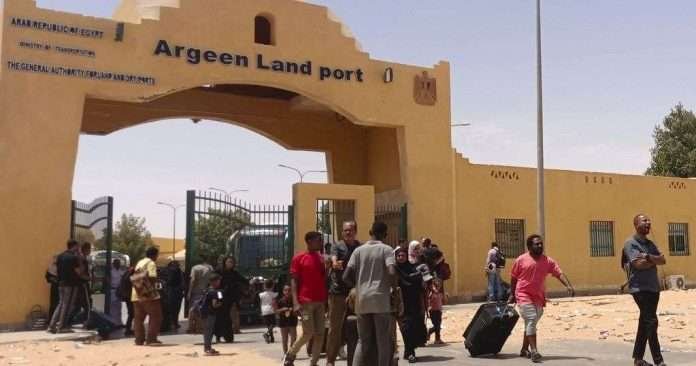
    Khartoum, Sudan – (African Boulevard News) – In the face of growing violence in their homeland, thousands of Sudanese families have been crossing the border into Egypt seeking safety and refuge. The fighting is between the Sudanese army and the paramilitary Rapid Support Forces, and it began in mid-April.

    The conflict has been escalating in recent weeks, leading to increased displacement of civilians. According to the United Nations, over 10,000 Sudanese refugees have sought sanctuary in Egypt since the fighting began.

    The Sudanese refugee crisis is the latest challenge for Egypt, which is already struggling to cope with the influx of refugees from other parts of the region. The Sudanese refugees are adding to the already high numbers of refugees from Syria, Iraq, and Yemen.

    The situation in Sudan is tense, and civilians are caught in the crossfire. Many of those fleeing are women and children, who are particularly vulnerable in times of conflict. Their journey to Egypt has been arduous, with many making the trip on foot. Some have been traveling for days without food or water.

    “We had no choice but to leave,” said Ahmed Abdel-Aziz, one of the refugees. “The situation back home was getting worse every day, and we feared for our lives. We hope that we can find safety in Egypt and rebuild our lives.”

    The Egyptian government has been providing aid and assistance to the refugees, setting up camps and providing basic necessities like food, water, and medical care. However, there are concerns about the long-term sustainability of the refugee camps.

    “The situation in Sudan is very concerning,” said UN Refugee Agency spokesperson Simon Gomez. “We are urging the international community to provide assistance to Sudanese refugees and help support the Egyptian government in its efforts to provide aid and assistance.”

    The refugee crisis in Sudan is a reminder of the ongoing instability and conflict in the region. It is also a reminder of the human cost of these conflicts, with innocent civilians forced to flee their homes and seek safety elsewhere.

    As the fighting in Sudan continues, the number of refugees is likely to grow. The international community must step up and provide the support and assistance needed to help those affected by this crisis. It is essential that the humanitarian needs of the Sudanese refugees are met, and that they are provided with the assistance needed to rebuild their lives.

    Mozambique Approves Resumption of $25 Billion Natural Gas Project After Jihadist Attack: A New Hope to Boost the Country’s Economy

    0
    Read Time:1 Minute, 57 Second

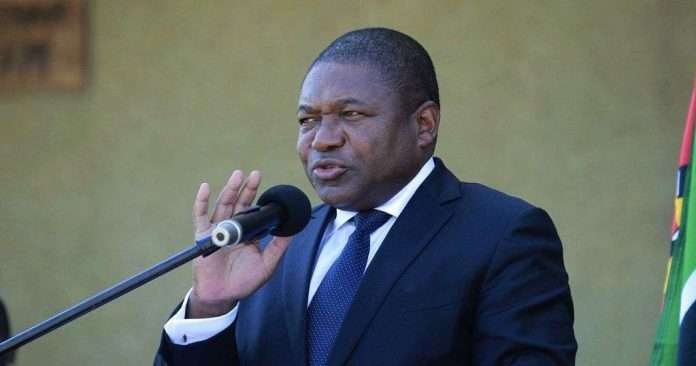
    Maputo, Mozambique – (African Boulevard News) – The Mozambican president, Filipe Nyusi, assured on Wednesday that the conditions are met to allow TotalEnergies to resume its huge natural gas exploitation project in the country, suspended since 2021. The recent announcement is good news for the oil and gas sector, which is a crucial revenue generator for Mozambique’s economy.

    TotalEnergies had to halt the project in 2021 due to increased violence in the northern regions of Mozambique. The company had invested over $25 billion in the project before its suspension. After long discussions and negotiations between the government and TotalEnergies, the company has been given the go-ahead to resume their project.

    According to Nyusi, the government has taken steps to improve the security situation in the region to avoid any similar incidents from happening again. TotalEnergies is now expected to resume its operations as soon as possible, providing jobs for thousands of Mozambicans and boosting the country’s economy.

    The natural gas reservoirs in Mozambique are among the largest in the world, and the government has been working hard to exploit them by partnering with international oil and gas companies. The country intends to export the natural gas to Europe and Asia, generating substantial revenue for the government.

    The announcement by the President was welcomed by industry experts, who hope that the resumption of the project will attract other investors to the region. The oil and gas sector in Mozambique has been growing in recent years, with more foreign companies showing interest in the area.

    “The resumption of the TotalEnergies project is a significant milestone for the country’s economy, and we hope that this will attract more investors to Mozambique,” said a spokesperson for the Mozambique Oil and Gas Association.

    The TotalEnergies project is expected to have a significant impact on the country, creating thousands of jobs and boosting the economy. The company has also promised to support the local community by investing in education and healthcare programs.

    In conclusion, the approval of the TotalEnergies project by the Mozambican government is good news for the country’s economy. The resumption of the project is expected to have a positive impact on the region, creating much-needed jobs and boosting the economy. With the right measures in place to ensure security in the region, the oil and gas sector in Mozambique has a bright future ahead.

    Kenyan Televangelist Arrested for Involvement in Cult Linked to Suspicious Deaths

    0
    Read Time:1 Minute, 48 Second

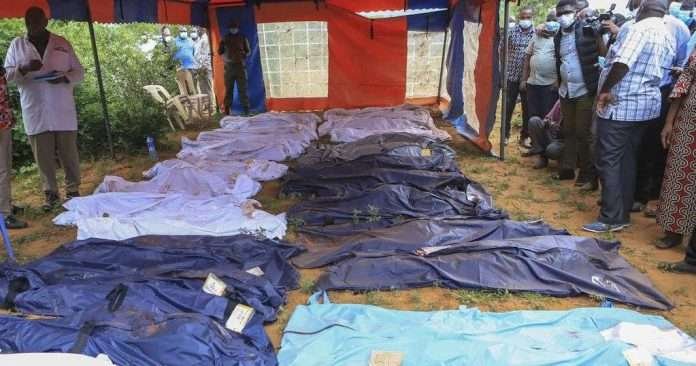
    Nairobi, Kenya – (African Boulevard News) – A popular Kenyan televangelist, Pastor John, has been arrested by the police over allegations of involvement in a cult-like group that has been linked to several suspicious deaths. The controversial preacher, who has a huge following across the country, was apprehended by a team of officers from the Directorate of Criminal Investigations (DCI) on Wednesday evening, in his church located on the coast.

    According to a statement released by the DCI, the pastor was arrested alongside several members of his church, who are believed to be part of the cult-like group. Some of the members were found with suspicious items, including knives, bibles with strange markings, and some unexplained substances.

    “The arrest follows credible intelligence linking the pastor and some of his followers to criminal activities, including the deaths of several people in the coastal region,” reads part of the statement.

    This is not the first time that the controversial preacher has been accused of wrongdoing. In 2021, Pastor John was at the center of a controversy after he was accused of promoting false doctrines and violating several laws, including tax evasion, money laundering, and contravening the Public Order Act.

    The pastor’s arrest has sent shockwaves across the country, with many of his followers expressing disbelief and shock at the news. Some have taken to social media to defend him, saying that he is innocent until proven guilty.

    However, others have welcomed the move, saying that it is long overdue, and that more needs to be done to expose and bring to justice people who use religion to perpetrate evil.

    The arrest of Pastor John comes just weeks after another controversial preacher, Pastor Jane, was arrested for similar allegations. The two pastors, who are said to have been close associates, have been under investigation for several months.

    In conclusion, the arrest of the Kenyan pastor has once again highlighted the need for religious leaders to adhere to the law and avoid engaging in activities that could bring their reputation and that of their followers into disrepute. The law enforcement agencies have promised to carry out a thorough investigation and ensure that justice is served.