Wednesday, April 22, 2026
79.7 F
Lagos
More
    Home Blog Page 465

    Sudan’s Security Council Paralyzed, Urgent Action Needed to End Deadly Conflict and Provide Aid

    0
    Read Time:1 Minute, 57 Second

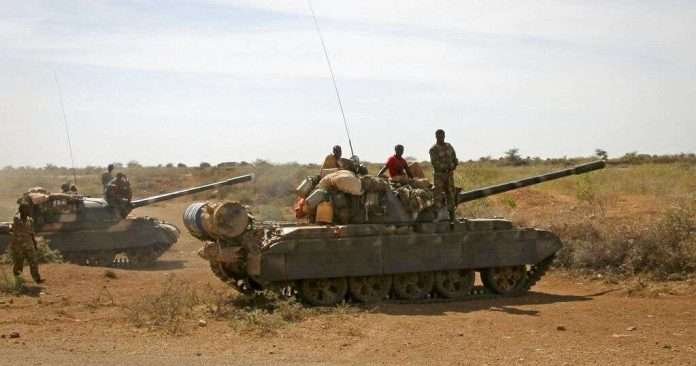
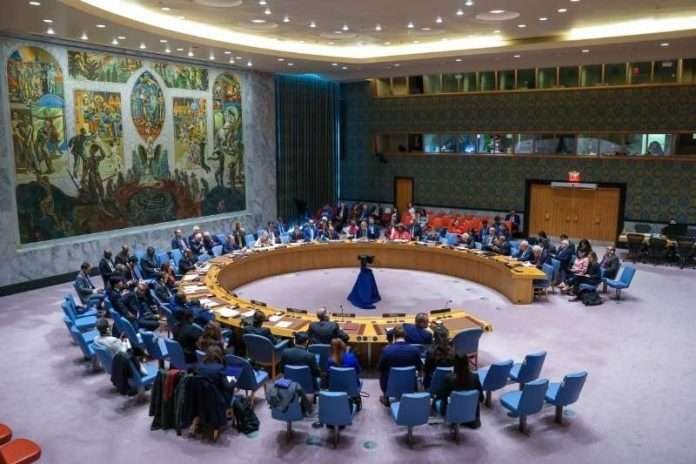
    Khartoum, Sudan – (African Boulevard News) – Tensions between Security Council members have left the council unable to find a solution for the ongoing conflict in Sudan. The African members of the council are advocating for the principle of ‘subsidiarity’ to be applied, which would put IGAD in charge of mediating the conflict.

    Since hostilities broke out on 15th April, there has been a deadlock in the Security Council. The internal tensions have left the council unable to take decisive action to end the conflict and provide humanitarian assistance to those affected. The African members of the council, including Kenya, Niger, and Tunisia, have been promoting the principle of ‘subsidiarity’ in a bid to break the impasse.

    ‘Subsidiarity’ refers to the idea that decisions should be made at the lowest level possible. In this case, it means that IGAD, the regional organization in East Africa, should take the lead in resolving the conflict in Sudan. The African members argue that IGAD is better placed to understand the local dynamics of the conflict and therefore more likely to find a sustainable solution.

    The internal tensions within the Security Council have also affected the delivery of humanitarian aid to those affected by the conflict. There are reports of widespread displacement, food shortages, and other humanitarian crises, but the council has been unable to agree on a plan of action.

    Industry experts and stakeholders have expressed concern about the Security Council’s inability to act. In an interview with African Boulevard News, a spokesperson for an international humanitarian organization said, “The situation in Sudan is dire, and the Security Council’s inaction is unacceptable. We urge all members to put aside their differences and work together to find a solution that will bring peace to the region.”

    The ongoing conflict in Sudan has already claimed hundreds of lives and displaced thousands of people. The longer the Security Council remains paralyzed, the greater the risk of further violence and suffering.

    In conclusion, the Security Council’s internal tensions have left it unable to take decisive action to end the conflict in Sudan. The African members of the council are advocating for ‘subsidiarity’ to be applied, giving IGAD the lead in resolving the conflict. However, the Security Council must find a way to work together to find a sustainable solution and provide humanitarian aid to those affected by the conflict.
    Uganda: Female Lawmakers Arrested During Protest Against Violation of Women’s Rights and Safety

    0
    Read Time:1 Minute, 56 Second

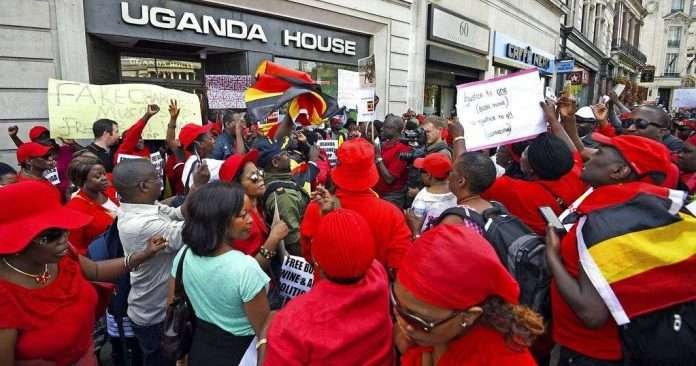
    Kampala, Uganda – (African Boulevard News) – A group of eleven female lawmakers in Uganda were arrested by police during a protest against alleged violations of women’s rights and threats to their safety. The legislators had taken to the streets on Thursday in protest.

    According to the lawmakers, the government’s failure to address issues of gender-based violence, including rape and sexual harassment, is a violation of women’s rights and a threat to their lives. The protest was also aimed at demanding accountability from authorities for the rising cases of violence against women in the country.

    The demonstration, which took place in the capital city of Kampala, attracted a large crowd of supporters, including civil society activists and members of the public. However, the peaceful protest soon turned violent when police arrived on the scene.

    Eyewitnesses report that the police used batons and tear gas to disperse the protesters, resulting in several injuries. The police also detained eleven female lawmakers, who were later released on bail.

    The incident has caused outrage among human rights activists and women’s rights advocates, who have accused the government of using excessive force to suppress dissent and silence voices of opposition.

    “The arrests of these female lawmakers is a blatant violation of their rights to peaceful assembly and free speech,” said a spokesperson for a local human rights organization. “It sends a chilling message to all those who dare to speak truth to power.”

    The government, however, has defended its actions, stating that the protesters had not obtained the necessary permits to hold the demonstration and that the police had acted within the law.

    The incident has once again drawn attention to the issue of gender-based violence in Uganda, where women continue to face widespread discrimination and violence. Human rights activists are calling on the government to take urgent action to address these issues and to ensure that the rights of women are protected.

    In conclusion, the arrest of the female lawmakers during the protest is a stark reminder of the challenges facing women in Uganda. It highlights the urgent need for the government to address the issue of gender-based violence and to ensure that the rights of women are protected. The incident has sparked a national conversation on the issue, and it is hoped that it will lead to action and change.

    Nigeria: Relief and Skepticism as Fuel Subsidy Removal Delayed

    0
    Read Time:2 Minute, 17 Second

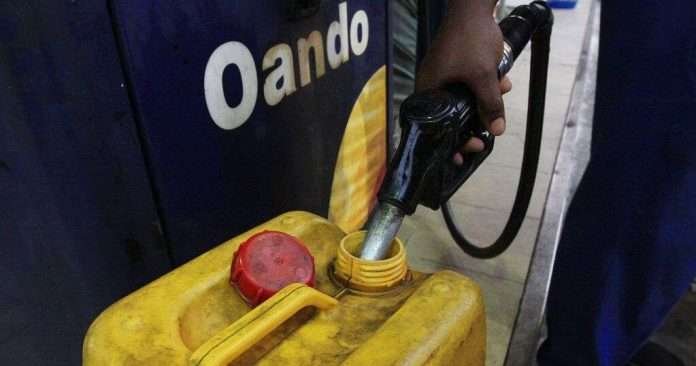
    Abuja, Nigeria – (African Boulevard News) – In a move that has been met with both relief and skepticism, the Nigerian government has suspended the removal of fuel subsidies. This comes after weeks of protests and outcry from citizens, who feared that the removal of subsidies would cause an increase in fuel prices and exacerbate the already dire economic situation in the country.

    According to government officials, the decision to delay the removal of subsidies was made in order to allow for further preparations and consultations with key stakeholders, including the incoming administration. The incoming administration, led by President-elect Mohammed Buhari, has expressed concern over the proposed removal of subsidies, and has promised to address the issue once in office.

    In a statement released by the Ministry of Petroleum Resources, the government assured citizens that the delay in subsidy removal would not affect the availability of fuel or cause any disruptions in the economy. The statement also emphasized the government’s commitment to reducing corruption and improving efficiency in the oil sector.

    Many experts and industry insiders have praised the government’s decision to delay the removal of subsidies, citing concerns over the potential impact on citizens and the economy as a whole. However, some are skeptical of the government’s motives, and fear that the delay is simply a political move designed to win favor with citizens ahead of the upcoming elections.

    Speaking to African Boulevard News, energy analyst Victor Okoye emphasized the need for transparency and accountability in the oil sector. “The suspension of the removal of fuel subsidies is a step in the right direction, but we need to see concrete plans and actions to address the underlying issues in the sector,” he said. “The government must work to improve efficiency, reduce corruption, and ensure that the benefits of the oil industry are shared with all Nigerians.”

    As the continent’s largest oil producer, Nigeria has long struggled with corruption and mismanagement in the sector. The proposed removal of fuel subsidies was seen by many as a crucial step towards addressing these issues, but the government’s decision to delay the move has left many uncertain about the future of the industry and the country as a whole.

    Despite the uncertainty, many citizens are hopeful that the government will continue to work towards improving the oil sector and addressing the challenges facing the country. “We are happy that the government has listened to our concerns, but we will continue to hold them accountable and demand transparency and efficiency in the oil industry,” said Eze Nwosu, a Lagos-based businessman.

    As Nigeria prepares for a new administration and a new era in its oil industry, the world watches closely to see how the country will address the challenges and opportunities ahead.

    Burkina Faso: Dozens of Soldiers Dead in Burkina Faso’s Escalating Insecurity Crisis

    0
    Read Time:1 Minute, 46 Second

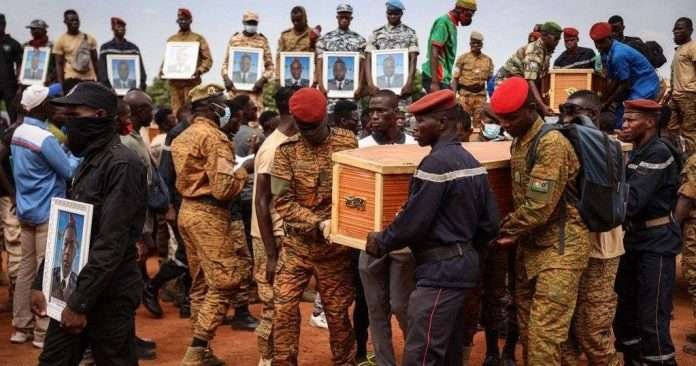
    Ouagadougou, Burkina Faso – (African Boulevard News) – Burkina Faso has recently witnessed another brutal attack, leaving 33 soldiers dead in the country’s eastern region. According to a statement by the military detachment of Ougarou, the army encountered a complex attack on Thursday morning, which resulted in the loss of these soldiers.

    This attack has not only left dozens of military families in mourning but has also sparked widespread fears across the West African nation. The exact identity of the perpetrators remains unknown, but it has been confirmed that the attack was part of a larger and more coordinated attempt to destabilize the country’s security.

    The recent violence points towards the escalating insecurity in Burkina Faso in recent years. The country has been grappling with various forms of violence from jihadist groups, ethnic militias, and criminal gangs. They have caused thousands of deaths and rendered millions homeless.

    This latest attack followed an earlier one on April 20 that also claimed the lives of 19 soldiers in the country’s northwestern region. The country’s President Roch Marc Christian Kaboré expressed his condolences to the families of the fallen soldiers and called for national unity in the fight against terrorism.

    The government has promised to pursue an aggressive military response to these attacks and has urged the international community to assist them in their efforts. While the army remains committed to defending the country, many experts believe that more needs to be done to foster political stability, reduce poverty, and address the root causes of the conflict.

    In the words of Dr. Cynthia Ohayon, a political analyst at the University of Ouagadougou, “The situation in Burkina Faso is not just a problem of insecurity; it is also a problem of governance. Until the government addresses the underlying issues such as poverty, exclusion, and marginalization, we may continue to witness these attacks in the future.”

    In conclusion, this latest attack underscores the urgent need for national unity and international cooperation in the fight against insecurity in Burkina Faso. The government must work towards improving governance, addressing poverty and marginalization, and strengthening security forces to restore peace and stability in the country.

    Cameroon: National Museum’s new exhibition celebrates the historical contributions of African women

    0
    Read Time:2 Minute, 6 Second

    Yaounde, Cameroon – (African Boulevard News) – African artists have been taking up the responsibility to rebuild the collective memory of the continent. Their efforts aim to show Africa’s rich cultural heritage to the world, and to showcase it in its best light. The move comes as a response to the negative, one-dimensional narratives typically associated with Africa by some western media outlets.

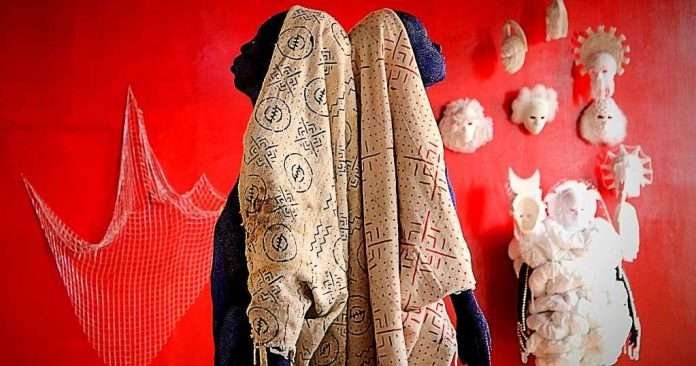
    One of the most significant efforts is a new exhibition at the National Museum of Cameroon in Yaoundé, which is dedicated to African women. The exhibition is the first of its kind in the country’s history, highlighting the diverse roles that African women have played throughout history. The exhibition features historical photographs, archival documents, and various artifacts, celebrating women’s contributions to the continent’s cultural and social life.

    According to the Museum Director, Oumarou Moussa, the exhibition aims to highlight the critical role that women play in African society. “It is important to recognize and celebrate the role of women in Africa’s history, culture and society because they have always been key players, whether they were queens or farmers, and they still are,” explained Moussa.

    Several other efforts are also underway to rebuild the collective memory of Africa. One such is the African Artists’ Collective, whose artists use their work as a medium to promote Africa’s unique cultural identity. The collective is comprised of a group of artists from across the continent who are working to challenge the stereotypical images of Africa portrayed in western media.

    Adama Diabe, one of the members of the collective said, “We want to tell the world that Africa is not just about war, poverty, and disease, but rather it is a continent of diverse cultures, rich histories, and vibrant contemporary life. We use our art to showcase the positive aspects of Africa that are often ignored.”

    These initiatives show how African artists are taking the lead in rebuilding Africa’s collective memory. Their efforts aim to challenge the negative narratives and stereotypes of Africa projected by the western world, creating new stories that celebrate the continent’s rich cultural heritage. By promoting a more accurate and positive narrative of Africa, these initiatives give the continent a stronger voice in shaping its own image.

    In conclusion, these endeavors would not only help to showcase the continent’s culture and history but also help to build cultural bridges between Africa and the rest of the world. It will go a long way in promoting African tourism while educating the world on the rich cultural heritage of the continent.

    Kenya: DR Congo President Ousts EAC Regional Force Commander, Sparking Debates on Mandate and Political Interests

    0
    Read Time:2 Minute, 11 Second

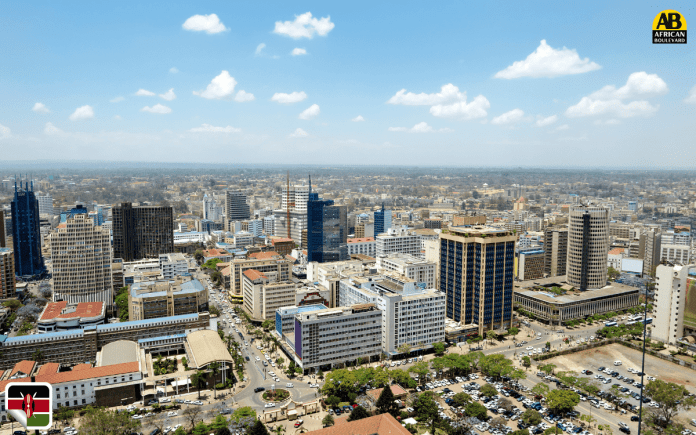
    Nairobi, Kenya – (African Boulevard News) – In a shocking turn of events, DR Congo President Félix Tshisekedi has ousted Maj. Gen. Jeff Nyagah, the East African Community (EAC) Regional Force Commander, due to his refusal to have the force he commands be deployed to the DRC. This breaking news was published on the 28th of April 2023, at 10:30 AM.

    The EAC Regional Force is a security force established by the EAC to maintain peace and stability within the member states. The force is composed of military, police and civilian components, and is mandated to undertake peace support operations. However, this was not the case for the DRC.

    According to sources, President Tshisekedi had requested the EAC Regional Force to be deployed to the troubled areas of the eastern DRC, where militia groups have been carrying out killings and kidnappings. The president was allegedly frustrated with the lack of progress by the national army in tackling the insecurity in the region.

    However, Maj. Gen. Nyagah refused the president’s request, citing that the EAC Regional Force was not mandated to operate within the DRC. This refusal ultimately led to his ousting from his position.

    The move has sparked debates across the continent, with some questioning the legality of the deployment of the EAC Regional Force in the DRC. Others have criticized President Tshisekedi for his attempt to use the regional force as a political tool.

    Speaking on the matter, Dr. Peter Kagwanja, a political analyst and founder of the Africa Policy Institute, stated, “The EAC Regional Force was established to offer support in cases of conflict, but it should not be used as a tool to advance political interests by individual member states. The move by President Tshisekedi is a clear indication of the lack of trust in the national army to maintain peace and security within the country.”

    The situation in the DRC remains tense, with the national army struggling to contain the insurgency in the eastern region. The ousting of Maj. Gen. Nyagah has added a new dimension to the conflict, and it remains to be seen how the situation will unfold in the coming days.

    In conclusion, the ousting of the EAC Regional Force Commander in the DRC has raised questions about the mandate of the regional force and the role of individual member states in its deployment. The move by President Tshisekedi has highlighted the challenges faced by the national army in maintaining peace and stability within the country. The situation remains fluid, and it is imperative for all parties involved to find a peaceful and lasting solution to the conflict in the region.

    South Africa: Captain South Africa Steals the Show at Comic Con Cape Town, Fans Buzzing with Excitement

    0
    Read Time:2 Minute, 4 Second

    Pretoria, South Africa – (African Boulevard News) – It’s finally here! The much-anticipated Comic Con Cape Town opened its doors to hundreds of fans and cosplayers, attracting both industry experts and the public to the convention center. With numerous interactive events, panel discussions, and merchandise booths, enthusiasts could not wait to immerse themselves in this four-day extravaganza that began on Thursday and will end on Sunday, April 30th.

    [Captain South Africa steals the show]

    The most attention-grabbing character that has fans talking is Captain South Africa. This fictional character debuted at Comic Con Cape Town three years ago at the very same convention center. This year, he was back in full force, and the buzz around this character is louder than ever. Fans were eager to catch a glimpse of the superhero that has become a symbol of resilience and hope for many South Africans, especially during the last year of uncertainty and challenges.

    [New outfits and costumes]

    Captain South Africa’s costume has undergone a transformation, and fans are excited to see the updated version of the character. The new suit is a mixture of traditional and modern African designs with an eye-catching shield that has the South African flag colors. The response on social media has been overwhelmingly positive, with fans commending the designers for incorporating the country’s culture into such a significant symbol of the comic world.

    [Expert opinion]

    Experts in the comic industry have expressed their admiration for the way Captain South Africa has represented the superhero world. They commend the creators for blending African culture, music, and art into a character that is authentically South African. In an interview, Zakariya Hoosain, a comic book writer and artist, said: “The creators have done an exceptional job of making Captain South Africa a true representative of the country’s rich heritage, and it’s great to see this character receive the recognition it deserves.”

    In conclusion, Comic Con Cape Town has once again provided an opportunity for South African comic enthusiasts to engage with experts and explore new creative ideas while enjoying a fun and exciting event. Captain South Africa’s return has generated excitement and has become an instant success. Fans are already counting the days until the next convention to see what the Captain South Africa team has in store.

    URLs:
    – https://www.africanews.com/2023/04/28/captain-south-africa-returns-to-comic-con-cape-town/
    – https://www.google.com/search?q=Captain+South+Africa+returns+to+Comic+Con+Cape+Town

    Libya: Locals Protest Against Militias for Exploiting Migrants and Increasing Human Trafficking

    0
    Read Time:2 Minute, 17 Second

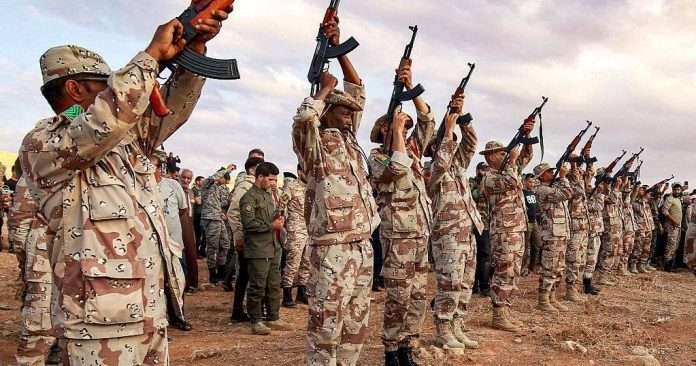
    Tripoli, Libya – (African Boulevard News) – In a protest rally held on Monday, Libyans took to the streets to express their discontent with the ongoing recruitment of migrants by local militias. The rally, which was held in the coastal city of Zawiya, some 45 kilometres west of the capital Tripoli, saw protesters carrying placards and chanting slogans demanding an end to the practice, which they claim has contributed to an increase in human trafficking and illegal migration.

    Many of the migrants seeking to cross the Mediterranean for Europe use Zawiya as a departure point. The city has become a hub for migrants seeking work while they wait for the opportunity to travel across the sea. However, according to protestors, local militias have been recruiting these migrants and forcing them to join their ranks. This has resulted in a situation where many migrants have been held against their will and exploited for the militias’ benefit.

    At the protest, local citizens expressed their frustration, saying that human trafficking and illegal migration have become rampant in the area. They accused the militias of exploiting migrants for their own benefit and failing to protect them from the dangers of the sea. Many protestors said they wanted the militias to be held accountable for their actions and demanded that the government take steps to end the practice.

    “Illegal migration and human trafficking have become a huge problem in this area,” said one protestor. “We want the militias to stop exploiting migrants and to be held accountable for their actions. We also want the government to take steps to protect migrants and prevent them from being forced into such dangerous situations.”

    The protest comes amidst growing concerns over the situation in Libya, which has become a major transit point for migrants seeking to travel to Europe. The country has been in turmoil since the overthrow of former dictator Muammar Gaddafi in 2011, with armed militias controlling different parts of the country. The lack of proper governance and security has allowed human trafficking to become a significant problem, with thousands of people risking their lives to make the perilous journey across the Mediterranean Sea.

    The United Nations has estimated that there are currently over 600,000 migrants in Libya, many of whom are living in dire conditions. The situation has been compounded by the COVID-19 pandemic, which has hit the country hard and made it even more challenging for migrants to access basic services.

    As the protest in Zawiya makes clear, there is a growing sense of frustration amongst Libyans over the situation in their country. It remains to be seen what steps the government will take to address the issues raised by the protestors and protect the rights of migrants in the country.

    Ethiopia: Senior Ruling Party Official Shot Dead in Shocking Ambush

    0
    Read Time:2 Minute, 0 Second

    Addis Ababa, Ethiopia – (African Boulevard News) – A senior official of Ethiopia’s Amhara ruling party has been shot dead by unknown gunmen while on his way back from an official visit to the region. The communications office of the region said the attack occurred approximately 250km (155 miles) north of the capital, Addis Ababa.

    According to a statement released by the communications office, Girma Yeshitla was ambushed on April 28th while returning from an official visit to the area. The identity of the gunmen and their motives remain unknown.

    Girma Yeshitla served as the head of the Amhara Democratic Party’s office in the Kemise area. His death comes as a shock to many and has sparked condemnation from political leaders in Ethiopia.

    The Amhara Democratic Party is one of the four regional parties that make up the ruling coalition in Ethiopia, the Ethiopian People’s Revolutionary Democratic Front (EPRDF). The ruling coalition has been challenged by protests and political unrest in recent years.

    The killing of Girma Yeshitla is the latest in a series of high-profile killings and assassinations that have taken place in Ethiopia in recent years. The Ethiopian government has been struggling to contain violence and unrest in various parts of the country since the resignation of former Prime Minister Hailemariam Desalegn in 2018.

    The Amhara region has been a particular hotbed of violence and unrest, with clashes between ethnic groups and government security forces resulting in numerous deaths and displacements.

    The killing of Girma Yeshitla has been condemned by various stakeholders within Ethiopia, with many calling for an immediate investigation into the circumstances surrounding his death. The Ethiopian government has promised to investigate the killing, with the Prime Minister Abiy Ahmed condemning the attack and promising to bring those responsible to justice.

    The killing of Girma Yeshitla has once again highlighted the need for Ethiopia to address its ongoing political and security challenges. It is crucial that the Ethiopian government takes steps to address the root causes of violence and instability in the country to prevent further loss of life and displacement of people.

    In conclusion, the killing of Girma Yeshitla has once again brought the issue of political violence and insecurity to the forefront in Ethiopia. It is important for the government to take swift and decisive action to address the underlying issues that are fueling unrest in various parts of the country.

    Sudan: African Union Urges Global Community to Assist Civilians Fleeing Deadly Conflict

    0
    Read Time:1 Minute, 54 Second

    Khartoum, Sudan – (African Boulevard News) – The African Union (AU) has issued an urgent appeal for help to Sudan’s neighbors and the global community, to assist the people fleeing from violent fighting in the country. The organization has once again called for a ceasefire to avoid further loss of lives on both sides of the conflict.

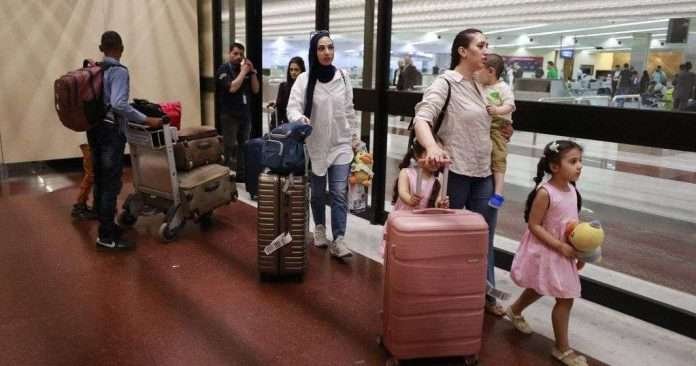
    According to the World Health Organization (WHO), since the beginning of the conflict in Sudan, thousands of people have been killed, and more than three million have been forced to flee their homes in search of safety. Despite international bodies’ previous calls for a ceasefire, violence continues to escalate, affecting vulnerable civilians who have nowhere else to turn.

    The AU has emphasized the urgent need for humanitarian assistance to those in need, including basic necessities such as water, food, and medical supplies. The organization has also called for the creation of safe zones to protect the displaced people and avoid any further displacement of innocent citizens.

    In a statement, the Chairman of the African Union Commission, Moussa Faki Mahamat, expressed his concern for the deteriorating situation, indicating that the conflict had assumed an alarming dimension, with the continued displacement of civilians and the threat of famine. He urged international actors to support Sudanese-driven initiatives to find a peaceful resolution to the conflict, which should include the immediate cessation of hostilities, addressing the root causes of the conflict, and promoting reconciliation processes.

    The AU’s appeal follows the recent announcement by the UN that the country is facing an alarming food shortage, with more than 9 million Sudanese experiencing acute hunger. The organization has also called for an immediate end to the conflict to facilitate humanitarian access to the affected areas and urged stakeholders to prioritize the people’s plight over their political interests.

    In conclusion, the African Union’s call for help is a testament to the urgent need for intervention in Sudan, where the conflict continues to threaten the lives and livelihoods of millions of innocent civilians. The global community must heed the AU’s call and take swift action to address the crisis, including the provision of humanitarian assistance and the creation of safe zones for vulnerable populations. Together, we can help the Sudanese people find peace and security and alleviate the suffering they are currently experiencing.