Thursday, April 23, 2026
89.7 F
Lagos
More
    Home Blog Page 441

    Somalia: Millions at risk of starvation and death due to acute food insecurity.

    0
    Read Time:2 Minute, 2 Second

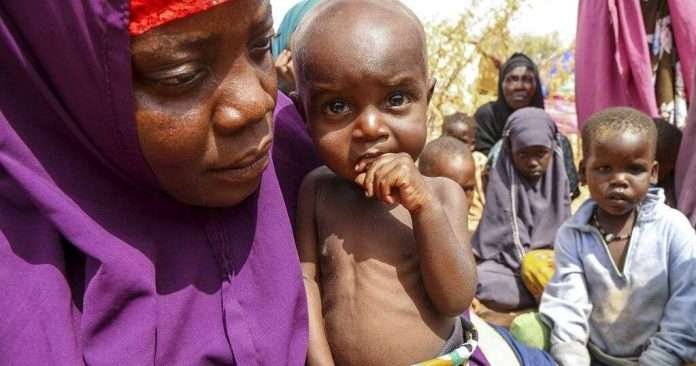
    Mogadishu, Somalia – (African Boulevard News) – The world has been hit hard by acute food insecurity as three percent of the global population struggled to access food last year. According to a new report, nearly 250 million people in 79 countries experienced acute food insecurity in 2022, a 20 percent increase from 2021. Seven countries faced an extreme situation that led to starvation and death – Somalia, Afghanistan, Burkina Faso, Haiti, Nigeria, South Sudan, and Yemen.

    The report, released by the United Nation’s Food and Agriculture Organization (FAO), the World Food Program (WFP), and other partners, warns that conflict, economic shocks, and climate-related disasters are the main drivers of food insecurity. In addition, the COVID-19 pandemic has further worsened the situation, with lockdowns and border closures disrupting food supply chains and exacerbating poverty.

    “Acute food insecurity is a complex and protracted crisis that requires urgent action from the international community,” said David Beasley, the WFP Executive Director. “We cannot stand by and watch millions of people suffer from hunger and malnutrition. We need to invest in long-term solutions that address the root causes of food insecurity and build resilience.”

    Somalia is among the countries where acute food insecurity has reached alarming levels. Years of conflict and recurrent droughts have left more than 5.9 million people in need of humanitarian assistance, with 815,000 children suffering from malnutrition. The situation has been further complicated by the COVID-19 pandemic, which has disrupted livelihoods and food supply chains.

    Mohamed Ahmed, a nutrition expert in Somalia, says urgent action is needed to prevent a humanitarian catastrophe. “The situation is dire, and without immediate assistance, many people, especially children, are at risk of dying from hunger and malnutrition,” he said.

    The report calls for coordinated international efforts to address the root causes of acute food insecurity and prevent future crises. It also recommends expanding social protection programs, investing in rural livelihoods, and implementing climate-smart agriculture practices to build resilience in vulnerable communities.

    In conclusion, the world is facing a humanitarian crisis as millions of people are struggling to access food due to conflict, economic shocks, and climate-related disasters. Urgent action is needed to prevent starvation and death, especially in the seven countries where acute food insecurity has reached alarming levels. The international community must work together to address the root causes of food insecurity and invest in long-term solutions to build resilience in vulnerable communities.

    Nigeria: Teen Fullback Named Man of the Match for Second Consecutive Game Despite Team Loss in TotalEnergies U-17 AFCON – A Rising Star in African Football

    0
    Read Time:1 Minute, 57 Second

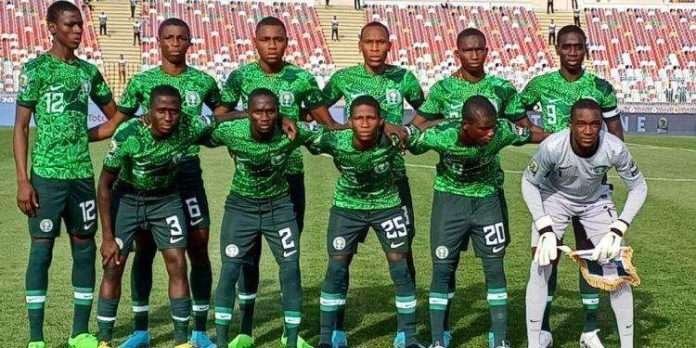
    Abuja, Nigeria – (African Boulevard News) – Yahaya Lawali, the fullback for Nigeria’s U-17 national team, was named the TotalEnergies Man of the Match yet again, despite his team’s narrow 1-0 loss to Morocco in the TotalEnergies U17 AFCON on Saturday.

    The 16-year-old defender put on another outstanding performance, demonstrating his rare talent in the game, even while playing in an unfamiliar position. Lawali put up a strong defense against Morocco’s attackers throughout the match, but Nigeria’s midfield and attack failed to create scoring chances.

    Despite Nigeria’s defeat, the talented youngster received praise for his impressive display of skill and his ability to contain Morocco’s attackers. Lawali, who has been pivotal in Nigeria’s U-17 team’s journey to the semifinals, has been named the TotalEnergies Man of the Match for the second time in a row.

    Lawali has been a standout player in the tournament, showcasing his versatility and technical abilities. He has been instrumental in Nigeria’s defense and has provided valuable support in the attack. In the group stage, Nigeria secured a spot in the semifinals with a hard-fought 1-0 win over Cote D’Ivoire, with Lawali named Man of the Match.

    Nigeria is eyeing a ticket to the final of the tournament, and Lawali’s excellent form will be crucial if they are to make it to the final. Lawali’s performance in the tournament has not gone unnoticed, with many football enthusiasts tipping him for a bright future, with some calling him the next big thing in African football.

    Speaking on Lawali’s performance, Coach of Nigeria’s U-17 national team, Retired Coach Fatai Amoo, praised the youngster’s talent. “Lawali is a rare talent, he has been excellent in the tournament, and we are proud of him. Despite being just 16 years old, he plays with the confidence of a seasoned professional. He has a bright future ahead of him, and we are lucky to have him in our team,” said Coach Amoo.

    In conclusion, Lawali’s performances in the tournament have been impressive, and despite Nigeria’s loss to Morocco, he has shown that he is a top-class talent. Fans of Nigeria’s U-17 national team will be hoping that he continues his excellent form in the semifinals and possibly the final, as they look to win their third TotalEnergies U17 AFCON title.

    Kenya: PM Kishida and President Ruto Unite to Condemn Russian Invasion and Address Sudan Crisis while Strengthening Economic Ties with Japan

    0
    Read Time:1 Minute, 52 Second

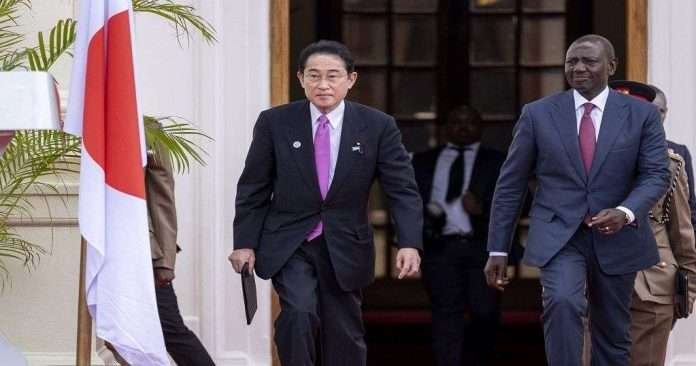
    Nairobi, Kenya – (African Boulevard News) – Japan’s Prime Minister Fumio Kishida arrived in Nairobi on Monday to start his four-day official visit in Kenya. During his visit, PM Kishida met President William Ruto to discuss bilateral issues affecting both countries.

    One of the main issues discussed during the meeting was the Russian invasion of Ukraine. The two leaders condemned the violence and agreed on the need for a peaceful resolution to the crisis. President Ruto commended Japan for its support towards achieving stability in Africa and urged PM Kishida to continue working with the Kenyan government.

    The two leaders also discussed the ongoing crisis in Sudan, where a political impasse has led to widespread violence and civilian deaths. PM Kishida reiterated Japan’s commitment to working with Kenya to address the crisis and to support the country in achieving stability and prosperity.

    In addition to political matters, PM Kishida and President Ruto discussed trade relations between Kenya and Japan. The two leaders agreed to strengthen economic ties to develop mutually beneficial economic partnerships. This move will help boost trade between the two countries, which currently stands at roughly USD 200 million annually.

    Speaking to reporters after the meeting, PM Kishida emphasized the need for Japan to increase its presence in Africa to help the continent achieve sustainable development. He also expressed his appreciation for Kenya’s leadership in the African Union, highlighting the country’s role in pushing for peace and regional integration.

    “Kenya plays a pivotal role in promoting regional peace and stability,” said PM Kishida. “Japan is committed to supporting Kenya’s efforts towards achieving economic development, and we look forward to seeing Kenya become a prominent player in the African economy.”

    President Ruto, on his part, thanked Japan for its support and commitment to Kenya’s development. He urged Japan to continue investing in Kenya’s infrastructure, particularly in the areas of energy, transportation, and ICT. He also highlighted the investment opportunities in agriculture and manufacturing, noting that the two sectors have the potential to create jobs and boost economic growth.

    In conclusion, the meeting between PM Kishida and President Ruto highlights the growing relationship between Kenya and Japan. With both countries committed to strengthening economic and political ties, it is a promising future for the two nations.

    Africa: Sahel region teeters on becoming ‘Africa’s biggest news blackout zone’ on World Press Freedom Day, Reporters Without Borders warns.

    0
    Read Time:1 Minute, 49 Second

    Diaspora, Africa – (African Boulevard News) – On this year’s World Press Freedom Day, Reporters Without Borders, an international non-profit organization, has raised the alarm about the Sahel region’s press freedom situation. In its report, the group has called the Sahel region “Africa’s biggest news blackout zone.”

    The Sahel countries include Burkina Faso, Chad, Mali, Mauritania, Niger, and parts of Sudan and the Horn of Africa. The region has been in a state of perpetual crisis for years, with armed Islamist groups and criminal gangs terrorizing the population. With this report, Reporters Without Borders has highlighted that in such volatile situations, independent journalism is crucial to inform the public, hold authorities accountable, and uphold democratic principles.

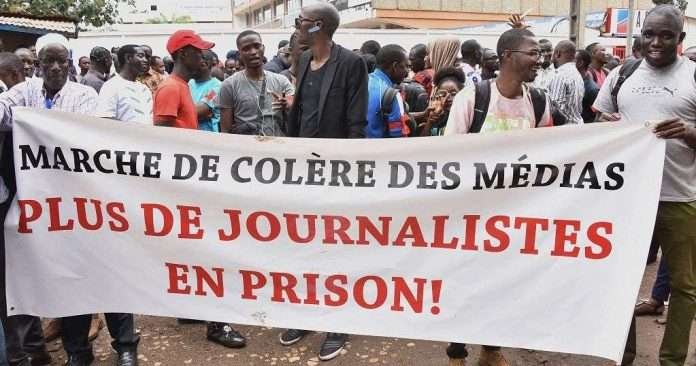
    According to the group, the Sahel region’s press freedom situation has worsened over the past year, and journalists face multiple threats from armed groups, government authorities, and non-state actors. “Journalists are targeted by all sides in this crisis, including by those who are supposed to protect them,” said Arnaud Froger, head of the Africa desk at Reporters Without Borders.

    The report has denounced government censorship, intimidation, and harassment of journalists in the region. It has also called on authorities to ensure the safety of journalists and to investigate attacks against the press. Moreover, the group has urged international organizations to provide support and resources to journalists operating in the Sahel.

    The Sahel region’s press freedom situation has far-reaching consequences not only for journalists but also for the wider population. As the report highlights, the lack of information and transparency in the region hinders development, democracy, and human rights. Without a free and vibrant press, people cannot make informed decisions, hold authorities accountable, or challenge disinformation and propaganda.

    In conclusion, the Sahel region’s press freedom situation is a matter of concern not only for journalists and media organizations but also for anyone who cares about democracy, human rights, and freedom of expression. The report by Reporters Without Borders draws attention to the urgent need for action to protect journalists and to uphold press freedom in the Sahel. It is essential to support independent journalism in the region to ensure that people have access to accurate and timely information.

    Sudan: Escalating Violence Leaves 800,000 Desperate to Flee and No End in Sight

    0
    Read Time:1 Minute, 46 Second

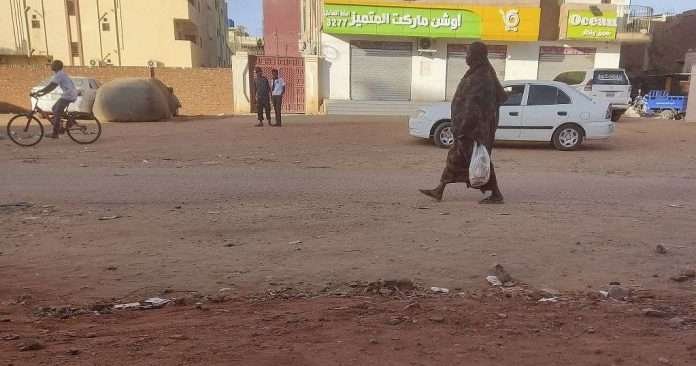
    Khartoum, Sudan – (African Boulevard News) – The escalating violence in Sudan has left hundreds of thousands of residents desperate to flee the country. The United Nations High Commissioner for Refugees (UNHCR) has estimated that up to 800,000 people could leave Sudan, and many more would want to but be unable to due to the ongoing violence.

    The crisis in Sudan escalated on May 2 when the military took over the government after months of unrest following the ousting of President Omar al-Bashir. The military promised to hold elections within two years, but the situation has quickly deteriorated into a full-blown conflict with violence between the military and opposition groups increasing.

    As fighting continues, many Sudanese are trying to flee the country to escape the violence, with neighboring countries receiving a large influx of refugees. Many refugees are heading to South Sudan, Ethiopia, and Chad, with over 30,000 already reaching these countries.

    The UNHCR has warned that many more will try to leave, but will be prevented from doing so by the ongoing violence and lack of resources to support them. Filippo Grandi, the UNHCR’s High Commissioner, stated that “The humanitarian situation is deteriorating rapidly, and we need more support to help those who are fleeing and those who are displaced within Sudan.”

    The situation in Sudan is dire with the violence showing no signs of slowing down. The Sudanese government has called on the international community to intervene, but action has been limited so far. The UN Security Council held an emergency meeting on May 3rd, where they called on all parties to respect human rights and to work towards peace.

    In conclusion, the escalating violence in Sudan has left hundreds of thousands of Sudanese desperate to flee the country, with neighboring countries receiving a large influx of refugees. The UNHCR has warned that many more will try to leave, but will not be able to due to the ongoing violence and lack of resources. The situation in Sudan is dire, and action needs to be taken to help those who are fleeing and those who are displaced within Sudan.

    Nigeria: Narrow loss to Morocco in U17 AFCON sparks disappointment and hope for future success.

    0
    Read Time:1 Minute, 53 Second

    Abuja, Nigeria – (African Boulevard News) – The U17 Africa Cup of Nations (AFCON) in Algeria served up another scintillating game between two African giants – Nigeria and Morocco. The match was played at the Stade Mustapha Tchaker in Blida on Day 3 of the tournament, and it promised to be a mouth-watering encounter between both sides.

    Nigeria came into this match after a dominant 3-0 victory over Zambia on Day 1 of the competition, and they were looking to consolidate their position in Group B with another win. Morocco, on the other hand, had drawn their first game against Senegal 1-1, and they needed a win to boost their chances of progressing to the knockout stage.

    The game kicked off, and it was an end-to-end affair, with both teams trying to impose their style of play on the other. Nigeria had the better chances in the first half, with Adebayo Abdulrahman coming closest to opening the scoring, but his effort was well-saved by the Moroccan goalkeeper.

    In the second half, Morocco came out stronger, and they were rewarded for their efforts in the 75th minute when substitute Ahmed El Mourabit scored the only goal of the match with a well-placed shot.

    Despite Nigeria’s best efforts to find an equalizer, Morocco held on to secure a vital win and maintain their hopes of qualifying for the knockout stage.

    Speaking after the match, Nigeria’s coach, Fatai Amoo, expressed his disappointment with the result but praised his team’s efforts, saying, “We played well, but we were not clinical enough in front of goal. Morocco took their chance, and that’s the difference between winning and losing.”

    On the other hand, Morocco’s coach, Jamal Sellami, was delighted with his team’s performance, saying, “We knew it was going to be a tough game, but we prepared well, and the players executed the game plan perfectly. We’re happy with the win, but we know we still have work to do.”

    In conclusion, this game was a classic encounter between two African giants, and it showed the quality of football that’s on display at the U17 AFCON. With both teams still in the running to qualify for the knockout stage, it promises to be an exciting end to Group B.

    Senegal: Among African Countries That Have Fallen the Most in Annual Press Freedom Ranking, Says Reporters Without Borders (RSF)

    0
    Read Time:2 Minute, 43 Second

    Dakar, Senegal – (African Boulevard News) – Press freedom is a fundamental right that is essential for a vibrant democracy. It is the freedom to access information and to express oneself without fear of retribution. Reporters Without Borders (RSF) recently published their annual ranking of press freedom, and it’s no surprise that many African countries still face challenges when it comes to press freedom.

    According to the report, Senegal and Tunisia are two of the countries that have fallen the most in this year’s rankings. However, there are still some African countries that performed well in the rankings. In this article, we will highlight the 10 best-ranked African countries by RSF.

    1. Namibia: Namibia is ranked as the best country in Africa for press freedom. The country enjoys a vibrant and diverse media landscape, with a high level of editorial independence.

    2. Cape Verde: Cape Verde has made significant progress in recent years when it comes to press freedom. The country has a free and independent media that is not subject to censorship.

    3. Ghana: Ghana is known for being one of the most stable democracies in Africa. The country has a free and independent media, and journalists are allowed to report on sensitive topics without fear of retribution.

    4. Burkina Faso: Burkina Faso has made significant progress in recent years when it comes to press freedom. The country has a vibrant and diverse media landscape, and journalists are allowed to report on sensitive topics without fear of retribution.

    5. South Africa: South Africa has a free and independent media that enjoys a high level of editorial independence. Journalists in the country are allowed to report on sensitive topics without fear of retribution.

    6. Botswana: Botswana is known for its political stability, and the country has a free and independent media. Journalists in the country are allowed to report on sensitive topics without fear of retribution.

    7. Cabo Verde: Cabo Verde is a small island nation that has made significant progress when it comes to press freedom. The country has a free and independent media that is not subject to censorship.

    8. Seychelles: Seychelles has a vibrant and diverse media landscape, and journalists enjoy a high level of editorial independence. The country is known for its political stability, and journalists are allowed to report on sensitive topics without fear of retribution.

    9. Mauritius: Mauritius has a free and independent media that is not subject to censorship. Journalists in the country are allowed to report on sensitive topics without fear of retribution.

    10. Niger: Niger has made significant progress in recent years when it comes to press freedom. The country has a free and independent media, and journalists are allowed to report on sensitive topics without fear of retribution.

    While these countries have made strides in press freedom, there is still work to be done. Governments must continue to protect the rights of journalists and ensure that they are not subject to censorship or intimidation. As we celebrate these countries’ progress, we must also continue to speak out against violations of press freedom in other African countries.

    As RSF’s annual ranking shows, press freedom is still a significant issue in Africa. It is essential that we continue to raise awareness of this issue and work towards a more transparent, accountable, and free media landscape in Africa.

    Rwanda: Severe Floods And Landslides Kill Over 100, Wreak Havoc On Vital Services And Risk Humanitarian Crisis

    0
    Read Time:1 Minute, 51 Second

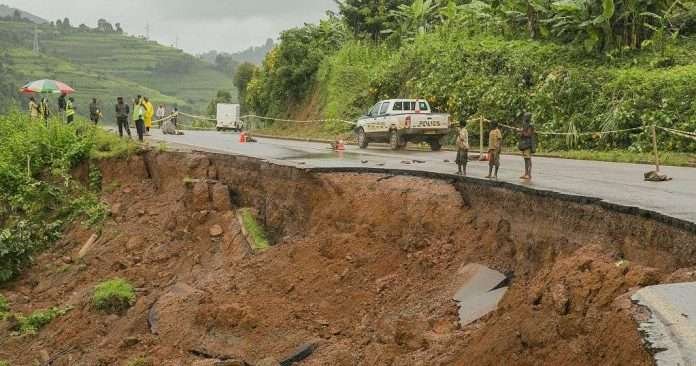
    Kigali, Rwanda – (African Boulevard News) – Rwanda’s Western and Northern Provinces have been hit hard by severe floods, killing at least 109 people. Heavy rainfall triggered flash flooding, leading to landslides, which swept away homes, bridges, and roads.

    Authorities have declared a state of emergency and set up temporary shelters for displaced families. Rescue operations are in full swing, with emergency services teams working round the clock to save lives and retrieve bodies. “The flooding has caused massive damage to infrastructure and buildings, and we are doing everything we can to support affected communities,” said a government spokesperson.

    The floods have disrupted essential services such as health care, electricity, and water supply, particularly in the districts of Rubavu, Nyabihu, Karongi, and Rutsiro. “We are experiencing a humanitarian crisis, and we urgently need aid and resources to provide assistance to those affected,” said Marie Claire Uwase, Governor of the Western Province.

    The heavy rain and flooding have also raised concerns about the spread of water-borne diseases, such as cholera and typhoid. “The risk of disease outbreaks is high, considering the displacement of people and the lack of clean water and sanitation facilities,” said Dr. Jean Baptiste Mazarati, Rwanda’s Minister of Health.

    The government has appealed to international organizations and donor agencies for assistance in providing food, shelter, and medical aid to affected communities. “We are working closely with our partners to coordinate relief efforts and ensure that help reaches those who need it the most,” said a spokesperson for the Rwanda National Emergency Management Agency.

    The flooding in Rwanda is a stark reminder of the devastating impact of climate change on vulnerable communities, particularly in Africa. The United Nations estimates that natural disasters in Africa have increased threefold over the past four decades, with climate change exacerbating the situation.

    The government has assured the public that it will take all necessary measures to prevent future flooding and landslides. “We must learn from this tragedy and take steps to build resilience in our communities and reduce the risk of disasters,” said a government official.

    As the recovery efforts continue, Rwanda’s Western and Northern Provinces face a long road to recovery, and the death toll is expected to rise as rescue operations progress.

    South Africa: Pretty Yende set to make history as first African singer to perform at King Charles III coronation

    0
    Read Time:1 Minute, 51 Second

    Pretoria, South Africa – (African Boulevard News) – In a historic moment, South African soprano, Pretty Yende, is set to become the first African singer to perform at the coronation of King Charles III on May 6. The highly-anticipated event is expected to draw tens of millions of television viewers from around the world.

    Yende is a renowned opera singer who has performed in some of the world’s most prestigious venues. Her talent has earned her numerous accolades, including the International Opera Awards’ Young Singer of the Year in 2017. She has also been featured in publications such as the New York Times, The Guardian, and Forbes.

    Speaking to African Boulevard News, Yende expressed her excitement and pride at being chosen to perform at the coronation. “It is an honor to represent Africa and bring our unique sound to such a global audience. I hope that my performance inspires others to pursue their dreams and showcases the immense talent that Africa has to offer,” she said.

    The coronation of King Charles III is a highly-anticipated event, with preparations underway for months. Experts predict that the ceremony will be a mix of traditional and modern elements, with the Royal Family keen to move with the times while maintaining its rich history.

    Commenting on Yende’s performance, royal commentator, Victoria Arbiter, said, “It is wonderful to see the Royal Family embracing diversity and inclusivity. Yende’s performance will not only showcase the beauty of opera but also the incredible talent from Africa.”

    Yende’s performance at the coronation is also expected to have a positive impact on the classical music industry in Africa. The industry has been historically underfunded and underdeveloped, with few opportunities available for aspiring musicians. However, with Yende’s success and rising profile, more attention is being paid to the potential of classical music in Africa.

    In conclusion, the inclusion of Pretty Yende at the coronation of King Charles III is a significant moment for both Africa and the classical music industry. Yende’s performance is a testament to the immense talent present in Africa and will inspire future generations of classical musicians. With millions of viewers around the world tuning in, Yende’s performance is sure to be a highlight of the ceremony.

    Rwanda Football in Crisis: Calls for Transparency as Political and Military Agendas Cause Unrest in the Sport

    0
    Read Time:2 Minute, 10 Second

    Kigali, Rwanda – (African Boulevard News) – The beautiful game of football in Rwanda has been rocked by political and military agendas, causing concern for fans and players alike. It appears that the government’s involvement in the sport is causing unrest, with military figures making it into senior positions in the country’s football governing body.

    According to Africa Intelligence, there are investigations ongoing in the country regarding the government’s potential influence in the sport. Some insiders suggest that the political and military figures have been using the sport as a means of furthering their own agendas, beyond the development of the sport.

    These suggestions come as the Rwandan national team struggles to perform on the field, with some fans and experts calling for an overhaul of the leadership and governance of the sport in the country. The team has seen a string of poor results in recent tournaments, despite high hopes and expectations from fans.

    Speaking to African Boulevard News, a football analyst in the country said, “The government’s involvement in football is not new, but what we are seeing now is a clear indication that certain military figures are using football to further their agendas. It’s not about the development of the sport or the success of the national team; it’s become something else entirely.”

    The situation has put the sport in an awkward position, with the country’s football governing body coming under scrutiny. Many are calling for an independent body to oversee the sport, free from political or military interference.

    “This is a critical time for Rwandan football,” said the analyst. “If we don’t take action now, it could be detrimental to the sport’s future in the country. We need an independent body that can ensure the sport is developed for the right reasons and with the best interests of the players and fans at heart.”

    The situation has sparked concern among football fans in Rwanda, many of whom are passionate supporters of the national team. They are calling for change and transparency from the country’s leaders, and for the sport to be allowed to develop naturally without interference from political or military figures.

    In conclusion, it is clear that the political and military agendas in Rwanda are causing unrest in the country’s football community. Fans and experts alike are calling for change and transparency in the sport’s governance, to ensure it is developed for the right reasons. Rwandan football needs an independent body that can oversee the sport free from political or military interference, and the government must put the development of the sport and the interests of the fans and players first.