Wednesday, April 22, 2026
82.4 F
Lagos
More
    Home Blog Page 41

    Morocco: Uniting Nations and Igniting Dreams – Joint Bid to Bring FIFA World Cup 2030 to Africa!

    0
    Read Time:2 Minute, 11 Second

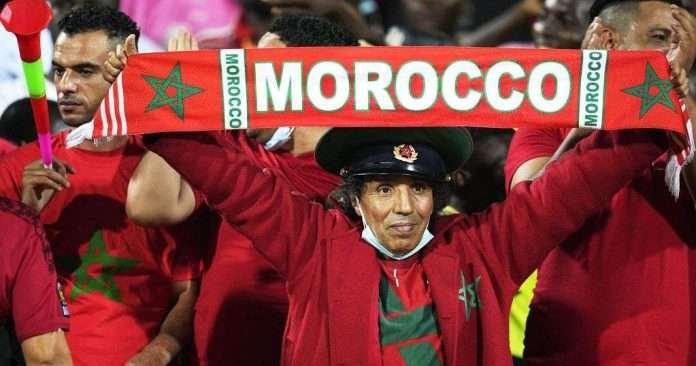
    Rabat, Morocco – (African Boulevard News) – In an exciting development, Morocco, Portugal, and Spain have joined forces to pursue a bid for the FIFA World Cup 2030. The collaboration between these three nations aims to bring the prestigious football tournament to the African continent once again.

    The next phase in FIFA’s bidding process for the 2030 World Cup will require these three federations to submit their bidding agreements to FIFA by the conclusion of November 2023. This joint bid is expected to create a strong case for hosting the tournament, as the three countries possess a rich footballing heritage and have the necessary infrastructure to host such a major event.

    Morocco, with its successful hosting of the 2018 African Nations Championship and previous bids for the World Cup in 1994, 1998, 2006, and 2010, is no stranger to the bidding process. Combining its experience with Portugal and Spain’s successful joint bid for the 2018 World Cup, which ultimately went to Russia, creates a formidable partnership.

    The collaboration between Morocco, Portugal, and Spain is seen as a strategic move to increase their chances of securing the 2030 World Cup hosting rights. By pooling their resources and expertise, the three nations aim to present a united front to FIFA, highlighting their commitment to organizing a memorable and successful tournament.

    Football enthusiasts worldwide are eagerly awaiting the outcome of this joint bid, as it represents an opportunity to bring the World Cup back to Africa, where it has only been held once before, in South Africa in 2010. The tournament has the potential to boost tourism, promote economic growth, and inspire a new generation of footballers across the African continent.

    According to sports analyst Carlos Rodriguez, “The collaboration between Morocco, Portugal, and Spain for the FIFA World Cup 2030 bid is a smart move. By combining their strengths, these three nations have a strong chance of securing the hosting rights. It would be fantastic to see the World Cup return to Africa, and I believe this joint bid has the potential to make that happen.”

    With the bidding period entering its crucial stage, Morocco, Portugal, and Spain will be working diligently to fine-tune their bid and showcase their ability to host a remarkable World Cup. The collaboration between these three nations marks a significant step forward in their quest to bring the tournament to the African continent once again.

    As football fans eagerly await the final decision, the joint bid by Morocco, Portugal, and Spain for the FIFA World Cup 2030 presents a unique opportunity to unite nations, celebrate the sport, and leave a lasting legacy for generations to come.
    Nigeria: A Promising Partnership for Prosperity and Growth Unveiled as Germany Seeks New Trade Frontiers

    0
    Read Time:2 Minute, 15 Second

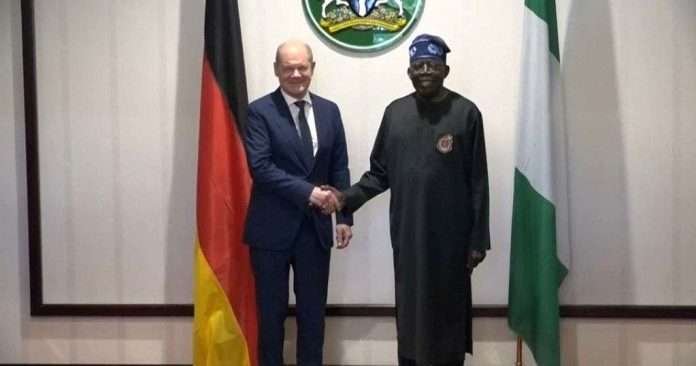
    Abuja, Nigeria – (African Boulevard News) – In a bid to boost trade and strengthen bilateral partnerships, Nigeria and Germany have engaged in discussions focused on enhancing economic cooperation and investment opportunities. German Chancellor Olaf Scholz held talks with Nigerian President Bola Tinubu during his West Africa tour, highlighting the shared commitment to foster closer ties between the two nations.

    During the meeting, Chancellor Scholz expressed Germany’s interest in diversifying its trade relations and investment portfolio in Africa, with Nigeria being a key focus for potential collaborations. Both countries recognized the immense potential for growth and development through increased trade and investment.

    Nigeria, as the largest economy in Africa, offers a promising market for German businesses seeking to expand their operations. The country’s vast natural resources, growing middle class, and strategic location make it an attractive investment destination. On the other hand, Germany brings its technological expertise, advanced manufacturing capabilities, and global market access, offering Nigeria numerous opportunities for industrial development and economic growth.

    One important aspect of the discussions centered around the need to address existing barriers and create a conducive environment for trade between the two countries. President Tinubu highlighted the importance of improving infrastructure, reducing bureaucratic obstacles, and enhancing the ease of doing business to attract more German investors to Nigeria.

    In response, Chancellor Scholz expressed his country’s commitment to supporting Nigeria in its development efforts. He emphasized the need for transparency, fair trade practices, and a level playing field to facilitate German businesses’ entry into the Nigerian market.

    The discussions also focused on exploring opportunities for collaboration in key sectors such as renewable energy, agriculture, manufacturing, and technology transfer. Both leaders recognized the potential for mutually beneficial partnerships in these areas, which could contribute to job creation, technology transfer, and sustainable development.

    Experts and industry stakeholders have welcomed the renewed focus on bilateral trade between Nigeria and Germany. Ahmed Musa, an economist at the University of Lagos, stated, “Enhancing trade relations between Nigeria and Germany could have significant positive impacts on our economy. We have valuable resources that can be harnessed to meet Germany’s demand for raw materials, while German technology and expertise can help boost our manufacturing and industrial sectors.”

    The outcomes of these discussions between Nigeria and Germany are expected to lead to increased trade volumes, improved business collaborations, and enhanced economic ties. As both countries prioritize economic diversification and seek to harness new opportunities, this partnership has the potential to drive inclusive growth, create employment opportunities, and foster sustainable development in Nigeria and Germany.

    In the pursuit of stronger trade relations, Nigeria and Germany are poised to unlock the opportunities that lie ahead, building a foundation for a long-lasting and mutually beneficial partnership.

    Africa: Global Leaders Unite to Save Our Planet – Urgent Action Required to Protect Tropical Forests and Combat Climate Change

    0
    Read Time:2 Minute, 39 Second

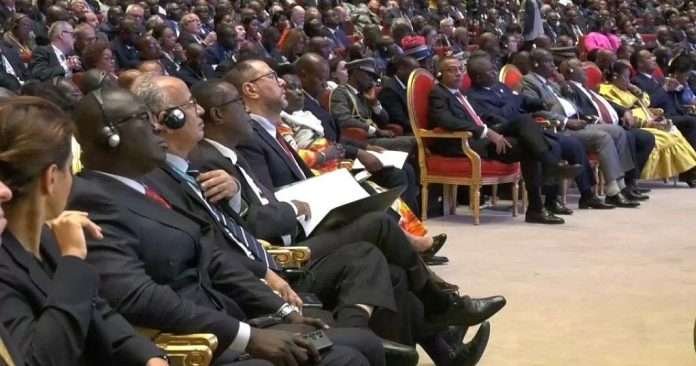
    Diaspora, Africa – (African Boulevard News) – Global leaders from around the world have gathered in the vibrant city of Brazzaville for a momentous summit aimed at protecting tropical forests and combating climate change. This groundbreaking event, held from October 28th to October 30th, saw leaders come together to discuss strategies, commitments, and collaborations to save our planet from the dire consequences of deforestation and global warming.

    The primary objectives of the summit included building a global coalition to accelerate the energy transition and strengthening collaboration between these basins. With the world facing the urgent need for sustainable development, participants engaged in fruitful discussions that emphasized the crucial role of preserving tropical forests and their ecosystems.

    During the summit, leaders highlighted the importance of safeguarding these lush green expanses, as they are vital in absorbing greenhouse gases and maintaining biodiversity. Forests act as a natural defense against climate change, and their degradation can exacerbate the global warming crisis, further jeopardizing the fragile balance of our planet.

    In his opening speech, President Denis Sassou Nguesso of the Republic of Congo emphasized the need for urgent action, stating, “We must act now to ensure the survival of our planet and the well-being of future generations. Protecting our tropical forests is not only a responsibility; it is a moral imperative.”

    The summit also witnessed the launch of the Congo Basin Climate Commission (CBCC), a remarkable initiative aimed at coordinating efforts to combat climate change in the region. This commission will facilitate dialogue, promote sustainable practices, and mobilize resources to protect the Congo Basin, one of the world’s largest tropical forests.

    Industry experts, environmentalists, and stakeholders participated in panel discussions, shedding light on the potential of renewable energy sources and innovative technologies in curbing deforestation. They underlined the significance of financial investments and inclusive policies to support the transition towards a greener future.

    Dr. Carlos Manuel Rodriguez, CEO of the Global Environment Facility, expressed his optimism, stating, “This summit showcases the commitment of African nations and global leaders to fight climate change. By joining forces, we can safeguard our tropical forests, mitigate global warming, and build a sustainable future for all.”

    As the summit drew to a close, leaders expressed their unwavering determination to translate discussions into concrete actions. Promising initiatives such as increased funding for forest conservation, sustainable agriculture practices, and the promotion of alternative energy sources were highlighted as key strategies to combat climate change.

    The Global Summit in Brazzaville has set the stage for a new era of collaboration and action. Leaders have reaffirmed their commitment to protecting tropical forests, recognizing their pivotal role in climate regulation and biodiversity preservation. With renewed determination, the collective efforts of these global leaders hold the promise of a brighter, greener future for our planet.

    Sources:
    – Africanews. “Global Summit in Brazzaville: Leaders convene to protect tropical forests and combat climate change.” (URL: https://www.africanews.com/2023/10/30/global-summit-in-brazzaville-leaders-convene-to-protect-tropical-forests-and-combat-climat/)
    – Google search. “Global Summit in Brazzaville: Leaders convene to protect tropical forests and combat climate change.” (URL: https://www.google.com/search?q=Global+Summit+in+Brazzaville++Leaders+convene+to+protect+tropical+forests+and+combat+climate+)

    Africa’s Mining Revolution: Unmasking Corruption and Securing a Prosperous Future

    0
    Read Time:2 Minute, 23 Second

    Diaspora, Africa – (African Boulevard News) – In a significant move to tighten control over the Democratic Republic of Congo’s (DRC) mining sector, Paul Mabolia Yenga, the new head of the country’s mining register authority CAMI, has launched a crackdown on private citizens holding mining permits. This bold move aims to streamline the industry and ensure that mining activities are conducted within the legal framework.

    The DRC, known for its rich mineral resources, has long struggled with issues of corruption and illegal mining. The new measures implemented by Yenga seek to address these challenges and promote transparency in a sector that plays a crucial role in the country’s economy.

    Yenga, who assumed his position on 3 August, has wasted no time taking a hardline stance against private individuals holding mining permits. The move comes as part of the government’s efforts to regain control over the sector and ensure that mining operations are carried out by authorized entities.

    The crackdown on private permits is expected to have a significant impact on the mining industry in the DRC. It will pave the way for the government to have a better oversight of the sector, reduce illegal mining activities, and increase revenue generation.

    Industry experts and stakeholders have expressed their support for Yenga’s bold measures. In an interview with African Boulevard News, mining analyst Laura Nsenga praised the new head of CAMI for his commitment to tackling corruption in the mining sector.

    Nsenga stated, “The crackdown on private permits is a step in the right direction. It will help eliminate the illegal activities that have plagued the industry for years. This move will provide a level playing field for all mining operators and ensure that the country’s mineral resources are managed sustainably.”

    While the crackdown on private permits is expected to face some resistance from those currently holding them, Yenga’s actions reflect the government’s determination to restore order and transparency in the DRC’s mining sector.

    The new measures will require private permit holders to provide detailed information regarding their operations and comply with strict regulations. This is an essential step towards ensuring responsible mining practices and safeguarding the country’s natural resources for future generations.

    With the implementation of these new measures, the DRC’s mining sector is poised for a transformation. The government’s commitment to cracking down on private permits signals a renewed focus on sustainable development and the promotion of a thriving and well-regulated mining industry.

    As the mining sector plays a pivotal role in the DRC’s economic growth, the actions of Paul Mabolia Yenga and the CAMI are crucial to unlocking the true potential of the country’s mineral resources while ensuring they benefit the nation as a whole. The crackdown on private permits is a significant step towards achieving these goals and setting the stage for a more transparent and accountable mining industry in the DRC.

    (Source: africaintelligence.com, Google search)

    Tunisia Takes a Bold Stand: President Rejects €60m Aid, Paving the Way for Technological Revolution and Economic Growth

    0
    Read Time:2 Minute, 28 Second

    Tunis, Tunisia – (African Boulevard News) – In a surprising move, President Kais Saied of Tunisia has sent back €60m in budgetary aid from the European Union (EU). Rather than letting the funds sit idly in the Tunisian state’s coffers, there’s an opportunity for this money to be used to support the growth of technologically innovative Tunisian businesses. This move could potentially have a positive impact on the country’s economy and create new opportunities for local entrepreneurs.

    The rejected aid package was intended to assist Tunisia in tackling its ongoing economic challenges. However, President Saied believed that the funds would only perpetuate the cycle of dependency on foreign aid and hinder the country’s ability to become self-sufficient. This decision has sparked discussions about alternative ways to utilize the funds for the benefit of Tunisian businesses.

    One possible solution is to redirect the €60m towards financing technologically advanced startups and small enterprises in Tunisia. By investing in innovation and supporting local businesses, these funds could foster economic growth and create job opportunities. This approach aligns with Tunisia’s vision of becoming a hub for technology and innovation in the region.

    Experts believe that directing the aid towards Tunisian businesses could positively impact the economy in several ways. First, it would encourage entrepreneurship and stimulate innovation across various sectors. Secondly, it would help bridge the funding gap that many startups and small businesses face, enabling them to scale their operations and contribute to the economy. Finally, it would attract foreign investors who are interested in supporting these promising Tunisian ventures.

    According to industry insiders, the rejection of the aid presents an opportunity for the Tunisian government to develop a comprehensive strategy for nurturing technology-driven businesses. By partnering with local and international organizations that specialize in entrepreneurship and innovation, Tunisia can leverage the funds to establish incubators, provide mentorship programs, and offer financial support to promising startups.

    Tunisia has already shown its potential in the technology sector, with several successful startups gaining recognition on a global scale. However, limited access to capital remains a significant obstacle for entrepreneurs in the country. By utilizing the rejected funds, Tunisian businesses can receive the boost they need to compete on an international level.

    As discussions continue on how to allocate the €60m, it is essential for the Tunisian government to involve stakeholders from the business community and seek their input. By engaging with entrepreneurs, investors, and industry experts, the government can ensure that the funds are used strategically to have the most significant impact.

    In conclusion, the rejection of €60m in EU aid by President Kais Saied presents an opportunity for Tunisia to support its own economy by redirecting the funds towards innovative Tunisian businesses. By investing in technology and entrepreneurship, Tunisia can pave the way for economic growth and create new opportunities for its citizens. With careful planning and collaboration with stakeholders, this decision has the potential to transform Tunisia into a regional hub for innovation and technology-driven ventures.

    Cameroon’s Visa Trafficking Investigation Hits a Dead End, Undermining Efforts to Combat Illegal Immigration

    0
    Read Time:2 Minute, 20 Second

    Yaounde, Cameroon – (African Boulevard News) – A high-profile investigation into visa trafficking at the French consulate in Cameroon seems to have hit a dead end, leaving many frustrated with the lack of progress. The inquiry, which gained significant attention following the untimely death of a French diplomat in August, has reportedly run out of steam, according to sources close to the investigation.

    The French foreign ministry initiated its own inquiry into the matter, shining a spotlight on the alleged visa trafficking that has plagued the consulate for years. The investigation aimed to shed light on the facilitation of illegal visas, a practice that has led to countless undocumented immigrants entering France.

    However, recent reports suggest that the investigation has hit a roadblock, with little advancement being made in identifying those responsible for the visa trafficking scheme. Critics argue that the lack of progress is a blow to efforts to tackle illegal immigration and ensure the integrity of the visa process.

    “The lack of progress in this investigation is deeply concerning. It undermines the credibility of the authorities and raises questions about their commitment to combatting visa fraud,” said immigration expert, Dr. Sophie Nkolo.

    The investigation’s apparent stalling has led to frustration among Cameroonian citizens and the French diplomatic community, who were hopeful of a swift resolution. Many believe that the inquiry has been hindered by political interference and corruption within the system.

    “It is disheartening to see that justice is not being served in this case. The illegal visa trade not only harms our country’s reputation but also allows criminals to exploit vulnerable individuals seeking a better life,” stated Jean-Paul Dupont, a member of the French expatriate community in Cameroon.

    Efforts to tackle visa trafficking are essential to protect the integrity of the immigration system and ensure the safety of both countries involved. The alleged visa smuggling activities not only undermine the legitimacy of the French consulate but also pose a significant security risk.

    It is crucial that the authorities redouble their efforts and address the allegations of visa trafficking head-on. Both the Cameroonian and French governments are urged to cooperate fully in the investigation to bring the culprits to justice and restore faith in the consulate’s operations.

    The failure to effectively deal with visa trafficking not only damages diplomatic relations but also perpetuates the cycle of illegal immigration. Swift and decisive action is required to address these allegations and restore trust in the visa application process.

    As both the Cameroonian and French authorities grapple with the challenges of investigating visa trafficking at the consulate, the need for transparency and accountability becomes paramount. The citizens of both nations, as well as the international community, will be closely watching to see how this investigation unfolds and what steps are taken to combat visa fraud in the future.

    Ivory Coast President Ouattara’s Game-Changing Meeting with France: A Paradigm Shift for Economic Growth and Regional Stability

    0
    Read Time:2 Minute, 16 Second

    Yamoussoukro, Ivory Coast – (African Boulevard News) – Ivorian President Alassane Ouattara is gearing up for an important meeting in France. On 3 November, President Ouattara is expected to travel to France, where he will meet with French President Emmanuel Macron at the prestigious Élysée Palace. This visit holds great significance for both leaders and their countries.

    President Ouattara’s trip to France will not only include a private stay at his home in Mougins, situated in the beautiful southeastern region of the country but will also feature an official meeting with President Macron. The purpose of this meeting is to discuss matters of mutual interest and strengthen the relationship between Ivory Coast and France.

    The meeting comes at a crucial time for Ivory Coast, as the country seeks to boost its economic ties with France and attract more foreign investment. Ivory Coast has long been regarded as an economic powerhouse in West Africa, and President Ouattara aims to further propel the nation’s growth through beneficial partnerships with other countries.

    President Ouattara and President Macron are expected to discuss a wide range of issues, including trade, infrastructure development, and security cooperation. Both leaders recognize the importance of fostering strong diplomatic relations to tackle shared challenges and seize opportunities for mutual growth.

    This meeting holds significance for France as well. Ivory Coast is an integral ally for France in the region, not only due to historical ties but also because of the country’s strategic location and economic potential. France has been a key player in supporting Ivory Coast’s economic growth and regional stability.

    Industry experts and analysts believe that this meeting will open doors for increased collaboration between the two countries. It is expected to result in new trade agreements and investment opportunities that will benefit both nations, as well as enhance cultural exchanges and people-to-people connections.

    Speaking about the upcoming meeting, Dr. Ngozi Okonjo-Iweala, Director-General of the World Trade Organization, emphasized the importance of strengthening partnerships between African nations and international allies. She stated, “Ivory Coast’s meeting with France is a step towards enhancing regional integration and creating opportunities for economic development. Such collaborations are crucial for Africa’s progress.”

    As President Ouattara prepares for his visit to France, expectations are high for fruitful discussions and positive outcomes. Both leaders are committed to fostering a strong and mutually beneficial relationship that will contribute to the growth and prosperity of their respective countries.

    In conclusion, President Alassane Ouattara’s upcoming meeting with French President Emmanuel Macron at the Élysée Palace marks an important milestone in the relationship between Ivory Coast and France. The meeting is expected to pave the way for enhanced cooperation in various sectors, benefiting both nations and further solidifying their bilateral ties.

    Namibia: Former Oil Company Director’s Fate Hangs in the Balance, Awaits Justice

    0
    Read Time:2 Minute, 19 Second

    Windhoek, Namibia – (African Boulevard News) – Immanuel Mulunga, the former managing director of Namibian national oil company Namcor, is anxiously awaiting news about whether he will be reinstated or not. Mulunga, who was unexpectedly sanctioned last April, has been in limbo ever since, unsure of his professional future.

    According to sources, Mulunga’s fate will soon be determined by a high-level committee appointed to review the circumstances surrounding his sudden departure. The committee, comprised of industry experts and stakeholders, will weigh the evidence and make a decision based on the findings.

    Mulunga’s sudden sanctioning last year sent shockwaves through the Namibian oil industry. The Namcor board of directors had suspended him pending investigations into alleged financial irregularities and misconduct. The accusations were met with disbelief by Mulunga and his supporters, who view him as a highly competent and dedicated leader.

    Throughout his tenure as managing director, Mulunga was praised for his efforts to streamline Namcor’s operations, improve transparency, and attract international investment. Under his leadership, the company experienced significant growth and achieved financial stability.

    Mulunga’s fate is of immense importance for the Namibian oil industry. His potential reinstatement could signal a return to stability and confidence in Namcor’s management. However, if the committee upholds the sanction, it may raise questions about the credibility of the allegations and the transparency of the investigation process.

    Industry experts have expressed their anticipation for the committee’s decision, highlighting the need for a fair and impartial assessment of the evidence. “Mulunga’s case is emblematic of the challenges faced by many professionals in Namibia. It is crucial that justice is served, and the truth prevails,” said a renowned oil industry analyst.

    As the committee prepares to announce its decision, stakeholders and industry observers are closely monitoring the situation. The outcome of this process will undoubtedly have significant implications for the future of Namcor and the broader Namibian oil industry.

    The decision, once made, will provide closure for Mulunga, who eagerly awaits the opportunity to clear his name and resume his professional duties. For now, he remains hopeful that justice will prevail, and his dedication and achievements will be recognized.

    In conclusion, the former managing director of Namcor, Immanuel Mulunga, is on the verge of discovering whether he will be reinstated or not. The decision will be made by a high-level committee appointed to review the circumstances surrounding his sudden departure. Mulunga’s potential reinstatement holds great importance for the Namibian oil industry as it could restore stability and confidence in Namcor’s management. However, concerns regarding the credibility of the allegations and transparency of the investigation process loom over the decision. Stakeholders and industry experts eagerly await the committee’s verdict, hoping for a fair and impartial assessment of the evidence. Mulunga remains hopeful that justice will prevail and his achievements will be recognized.

    Libya: Ambassador Calls Out French Investors for Holding Back, Urges Bold Action in Country’s Rebuilding

    0
    Read Time:2 Minute, 21 Second

    Tripoli, Libya – (African Boulevard News) – In a recent meeting organized by the Franco-Arabic Chamber of Commerce, the Libyan ambassador to Paris made some strong remarks that have rattled French investors. The ambassador criticized them for being too hesitant to invest in his country, calling their approach detrimental to Libya’s economic development.

    During the meeting, the ambassador expressed his disappointment with the lack of interest shown by French investors in the potential opportunities that Libya has to offer. He emphasized that foreign investment is crucial for the country’s reconstruction efforts and economic stability. However, he claimed that French investors have been cautious and reserved when it comes to committing their capital to Libyan projects.

    The Libyan ambassador’s comments have raised concerns among French investors, who believe that the unstable political situation in Libya has made it risky to invest in the country. They argue that without a secure and conducive business environment, it is difficult to justify substantial investments.

    Despite the reservations expressed by French investors, the ambassador urged them to reconsider their stance and take advantage of the numerous investment opportunities in Libya. He emphasized the country’s vast potential in various sectors, including oil and gas, renewable energy, construction, and infrastructure development.

    To support his position, the ambassador highlighted the recent improvements in security measures and the steps taken by the Libyan government to create a favorable investment climate. He also urged French investors to look beyond the short-term challenges and instead focus on the long-term benefits of investing in Libya.

    In response to the ambassador’s remarks, industry experts have weighed in on the debate. Some argue that while there are risks associated with investing in Libya, there are also significant rewards for those willing to take the plunge. They cite the country’s strategic location, rich natural resources, and its potential as an emerging market as reasons to consider investing.

    However, others maintain that the concerns raised by French investors are valid and caution against rushing into investments without a thorough assessment of the risks involved. They believe that stability and security should be the top priorities for Libyan authorities to attract foreign investors.

    The Libyan ambassador’s criticism of French investors has ignited a debate about the risks and rewards of investing in Libya. As the country continues to rebuild and revive its economy, the question remains whether French investors will seize the opportunities available or remain hesitant. Only time will tell if the ambassador’s remarks will have a lasting impact on investor sentiment towards Libya.

    In conclusion, the Libyan ambassador to Paris has lashed out at French investors for their reluctance to invest in his country, urging them to reconsider their caution. The debate surrounding the risks and rewards of investing in Libya continues, highlighting the need for a stable and secure business environment to attract foreign investments.

    Zambia’s Hidden Secrets Unveiled: Mystery Auction in Dubai Leaves Diamond Industry Intrigued

    0
    Read Time:2 Minute, 9 Second

    Lusaka, Zambia – (African Boulevard News) – In a mysterious turn of events, Senegalese billionaire Abdoulaye ‘Gounass’ Ndiaye recently hosted a discreet, four-day auction of Zambian diamonds in the glitzy city of Dubai. The nature of this auction has left industry experts and stakeholders scratching their heads, wondering what secrets lie behind the closed doors of this enigmatic event.

    The auction, which took place in the heart of Dubai, remains shrouded in secrecy. Very few details have emerged about the participants, the value of the diamonds in question, or the reasons behind the unconventional location. However, speculations are rife, and the mysterious nature of the event has only intensified curiosity among industry insiders.

    One theory suggests that Ndiaye, known for his business acumen and vast wealth, strategically chose Dubai as the location for this auction to attract high-profile buyers from across the globe. The city’s reputation as a luxury hub and international trading center could have played a significant role in drawing the attention of potential investors.

    The Zambian diamond industry, one of Africa’s most valuable assets, holds immense potential for economic growth and development. However, it has faced various challenges over the years, including illegal mining and smuggling. Therefore, the involvement of a prominent figure like Ndiaye in the sector raises hopes for increased transparency and accountability.

    Industry experts emphasize the need for transparency and regulation in diamond trading to ensure fair prices and prevent illegal activities. Sylvester Musonda, a diamond expert based in Lusaka, Zambia, weighed in on the situation, stating, “The mysterious nature of this auction raises concerns about the lack of transparency. We need more information to understand the motivations behind this event and its potential impact on the Zambian diamond industry.”

    While Ndiaye’s auction has left many with more questions than answers, it has undeniably sparked interest in the potential of Zambia’s diamond sector. With Zambian stones gaining global recognition for their exceptional quality and unique characteristics, the country has the opportunity to establish itself as a leading player in the diamond trade.

    As the dust settles on this mysterious Dubai auction, industry stakeholders eagerly await more information. The questions surrounding the event, such as the identities of the buyers, the total value of the diamonds sold, and the long-term implications for Zambia’s diamond industry, are yet to be answered.

    Only time will tell what the true intentions behind Abdoulaye ‘Gounass’ Ndiaye’s auction were. It is a story that continues to intrigue both industry professionals and diamond enthusiasts alike, capturing the attention of the world as Zambia’s diamond industry enters a new chapter.