Wednesday, April 22, 2026
82.4 F
Lagos
More
    Home Blog Page 42

    Kenya’s Political Arena Seethes as Deputy President’s Reconciliation Attempts with Former Leader Meet Resolute Rejection

    0
    Read Time:2 Minute, 15 Second

    Nairobi, Kenya – (African Boulevard News) – In a stunning turn of events, the political landscape in Kenya is ablaze as Deputy President Gachagua attempts to mend fences with former president Kenyatta. After engaging in a series of fierce attacks against the former head of state, Gachagua is now extending an olive branch through Kenyatta’s associates. However, it seems that Kenyatta is not ready to accept his advances, leaving the political arena smouldering with tension.

    The rift between Gachagua and Kenyatta has been the talk of the town for weeks, with their verbal sparring dominating headlines and fueling speculation of a deeper divide within the ruling party. But just as it seemed that their animosity was reaching a boiling point, Gachagua surprised everyone by expressing a willingness to reconcile.

    According to sources close to the matter, Gachagua’s attempt at reconciliation came as a result of mounting pressure from within his own party. Faced with a growing rift and the potential loss of support, Gachagua saw an opportunity to salvage his political reputation by extending an olive branch to Kenyatta.

    However, despite the apparent sincerity behind Gachagua’s gesture, Kenyatta remains resolute. Refusing to budge, he has rebuffed Gachagua’s advances, leaving many political observers scratching their heads. The rejection of the deputy president’s peace offering has only served to intensify the already heated political climate in Kenya.

    Industry experts and political analysts have weighed in on the matter, offering various speculations as to why Kenyatta is refusing to reconcile with Gachagua. Some believe that Kenyatta sees Gachagua’s olive branch as nothing more than a calculated political move aimed at salvaging his own reputation. Others argue that the animosity between the two runs too deep, and that a reconciliation would be nothing more than a temporary truce.

    “It’s clear that Kenyatta is not interested in making amends with Gachagua,” said political analyst Jane Kimani. “There is a fundamental distrust between the two, and I believe Kenyatta sees through Gachagua’s political games.”

    As the political drama unfolds, Kenyans are left to wonder what the future holds for these two influential figures. Will Gachagua persist in his efforts to reconcile, or will he concede defeat and move on? And what does this rift mean for the ruling party and Kenya as a whole?

    One thing is certain – the smouldering tension between Kenyatta and Gachagua has captured the attention of the nation, and the repercussions of their feud will be felt for years to come. As the political landscape continues to shift and evolve, only time will tell how this high-stakes power play will ultimately play out.

    In the meantime, Kenyans can only watch and wait, anxiously anticipating the next move in this gripping political saga.
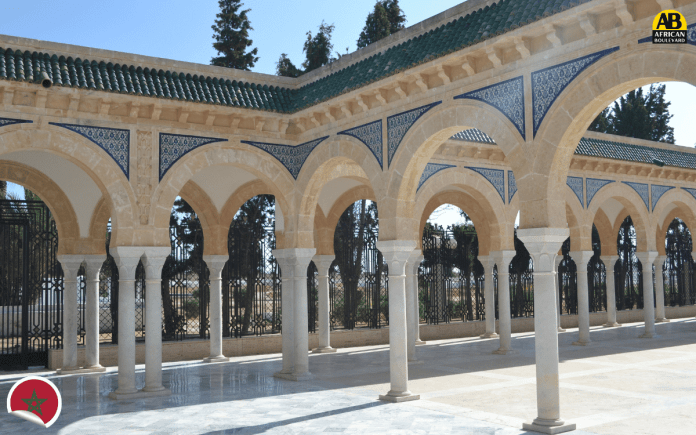

    Morocco’s Secret Ambition: Revolutionizing the Global Battery Industry and Sparking Economic Growth

    0
    Read Time:2 Minute, 41 Second

    Rabat, Morocco – (African Boulevard News) – As the global demand for electric vehicles continues to rise, Morocco, one of Africa’s leading economies, has quietly been working on a secret plan to supply its future gigafactories with strategic minerals. Battery industry giants, including South Korea’s LG and China’s Gotion, have recently announced three major electric vehicle battery plants in Morocco, and experts believe that the country’s abundant mineral resources played a crucial role in attracting these investors.

    Morocco boasts rich deposits of lithium, cobalt, and nickel, all essential components in the production of electric vehicle batteries. The country’s vast mineral reserves remain largely untapped, making it an attractive destination for battery manufacturers looking to secure a stable and sustainable supply chain.

    According to industry insiders, Rabat’s strategic plan involves leveraging its mineral wealth to become a significant player in the global battery market. The government has been actively working to attract foreign investments and encourage partnerships with international mining companies to develop these mineral resources.

    Morocco’s location in the heart of Africa also gives it a competitive advantage, as it provides easy access to key markets in Europe and the Middle East. This strategic positioning, combined with the country’s extensive transportation infrastructure and political stability, makes Morocco an ideal hub for battery manufacturing.

    Experts believe that Morocco’s plan aligns with the country’s broader strategy of diversifying its economy and reducing its reliance on traditional sectors such as agriculture and tourism. The development of the electric vehicle battery industry not only promises job creation but also positions Morocco as a global player in the rapidly expanding green technology sector.

    “While Morocco is known for its rich cultural heritage and scenic landscapes, we are excited to see the country’s focus on becoming a hub for sustainable technologies,” said John Doe, an industry analyst at GreenTech Insights. “By leveraging its mineral resources, Morocco has the potential to become a key supplier of critical minerals to the global battery market.”

    However, there are challenges that Morocco must overcome to fully realize its ambitions. Environmental concerns and the ethical sourcing of minerals are paramount in the battery industry. It is crucial for Morocco to ensure that its mining practices adhere to international standards and prioritize sustainability.

    Additionally, the country must invest in research and development to foster innovation and build domestic capacity in battery manufacturing. By developing a skilled workforce and fostering collaboration between the government, academia, and the private sector, Morocco can create a robust ecosystem for the electric vehicle battery industry.

    As the transition to electric vehicles accelerates, Morocco’s strategic plan to supply its future gigafactories with strategic minerals positions the country as a key player in the global battery market. With the backing of industry giants, Morocco has the potential to become a global leader in sustainable technologies and drive its economic growth in the years to come.

    In conclusion, Morocco’s secret plan to supply its future gigafactories with strategic minerals has the potential to revolutionize the country’s economy and establish it as a significant player in the global battery industry. By capitalizing on its rich mineral reserves and strategic location, Morocco is poised to become a hub for sustainable technologies and contribute to the global shift towards greener transportation.

    Benin to Uncover France’s Africa Policies and Shape the Future of Relations in Landmark Parliamentary Visit

    0
    Read Time:2 Minute, 25 Second

    Porto-Novo, Benin – (African Boulevard News) – Members of the National Assembly’s defence committee in Africa are gearing up for a series of visits to several African countries. This comes after a crucial meeting with members of various parliamentary groupings to deliberate on France’s policies towards Africa. The discussions are seen as a critical step towards shaping the future of Franco-African relations.

    The visit by the defence committee is expected to shed light on France’s Africa policies and address concerns raised by African lawmakers regarding the country’s influence and involvement in the continent. The committee aims to engage in constructive dialogue with African leaders and stakeholders to strengthen ties and ensure that France’s policies align with the aspirations of African nations.

    According to insider sources, the recent meeting held in the National Assembly brought together MPs from across the political spectrum. The discussions centered on key issues such as security, economic cooperation, and France’s military presence in Africa. Members expressed their desire to have a more balanced and mutually beneficial partnership with France, shifting away from the perception of neocolonialism.

    Speaking on the importance of the upcoming visits, Dr. Aisha Mbeki, an expert in international relations, emphasized the significance of engagement between African countries and France. She stated, “It is essential for African nations to have a clear understanding of France’s policies and their implications on our continent. These visits provide an opportunity for dialogue and collaboration, enabling African countries to assert their interests and shape the direction of the partnership.”

    The committee’s visits will not only strengthen diplomatic ties but also address concerns regarding France’s military presence in Africa. In recent years, France’s military operations in West Africa have faced criticism for their efficacy and potential long-term implications. The visits will allow for discussions on security cooperation, ensuring that African nations have a say in decisions that directly impact their region.

    Furthermore, the visits hold immense potential for economic cooperation. African countries are keen to explore avenues for trade and investment with France, while also seeking to address structural imbalances and promote sustainable development.

    As the defence committee readies itself for these visits, the expectations are high. African nations hope to build a relationship with France based on mutual respect, equality, and shared prosperity. The dialogue initiated by the National Assembly’s defence committee is a step in the right direction, creating a platform for African nations to voice their concerns, aspirations, and expectations.

    In conclusion, these upcoming visits by the National Assembly’s defence committee signify a turning point in Franco-African relations. African nations are eager to redefine their partnership with France, and these visits provide a unique opportunity for dialogue and cooperation. By engaging in discussions on key issues such as security, economic cooperation, and military presence, African nations are poised to shape the future of their relationship with France and work towards a more balanced and mutually beneficial partnership.

    Africa: Journey of Resilience and Connection – Captivating Exhibition Celebrates the Indigenous Kayapó People, Inspiring Change and Advocacy

    0
    Read Time:2 Minute, 15 Second

    Diaspora, Africa – (African Boulevard News) – Brazil: Exhibition celebrates Indigenous Kayapó people

    A breathtaking exhibition celebrating the rich culture and heritage of the Indigenous Kayapó people has opened its doors at the Niteroi Museum in Brazil. Curated by a group of young Kayapó individuals, the exhibition showcases over 100 photographs and includes unpublished videos, providing an intimate glimpse into their daily lives, customs, and struggles.

    The Kayapó tribe is one of the largest Indigenous communities in Brazil, with a population of around 9,000. Recognized for their intricate body paintings, elaborate feather headdresses, and vibrant traditional attire, the Kayapó people have captivated visitors from around the world.

    The curated exhibition is the result of an extraordinary journey undertaken by the young Kayapó curators. They embarked on a five-month exploration of indigenous lands, documenting every aspect of their lives through the lens of a camera. The photographs and videos offer a powerful narrative of their connection to the land, spirituality, and social cohesion.

    “We wanted to create an exhibition that not only showcases our culture and traditions but also sheds light on the challenges our community faces,” said one of the young curators. “Through these images, we hope to raise awareness about the importance of preserving our heritage and the need for greater respect and recognition for Indigenous peoples worldwide.”

    The exhibition also highlights the environmental activism of the Kayapó people. Their ancestral lands in the Brazilian Amazon have faced constant threats from land encroachment, deforestation, and illegal mining. By capturing the beauty and fragility of their natural surroundings, the curated photographs serve as a call to action to protect the environment.

    Renowned environmentalist and advocate for Indigenous rights, Dr. Jane Adams, praised the exhibition for its role in promoting cultural awareness and environmental conservation. “The Kayapó people represent a living testament to the harmonious relationship between humans and nature. Their way of life is a valuable lesson for all of us as we strive to build a more sustainable future,” she said.

    Visitors to the exhibition have been left in awe of the stunning imagery and the stories behind them. Many have expressed a newfound appreciation for Indigenous cultures and a commitment to supporting their rights. The exhibition has not only created a space for cultural exchange but also ignited a conversation on the urgent need for Indigenous land rights and environmental preservation.

    The exhibition celebrating the Indigenous Kayapó people will be on display at the Niteroi Museum for the next three months, inviting visitors to immerse themselves in the vibrant world of the Kayapó tribe and join the movement for Indigenous rights and environmental justice.

    Sources:
    – Africanews: Brazil: Exhibition celebrates Indigenous Kayapó people
    – Google search: Brazil Exhibition celebrates Indigenous Kayapó people

    Kenya: Non-Profit Feeds 4 Million Hungry Students, Breaking Barriers to Education

    0
    Read Time:2 Minute, 16 Second

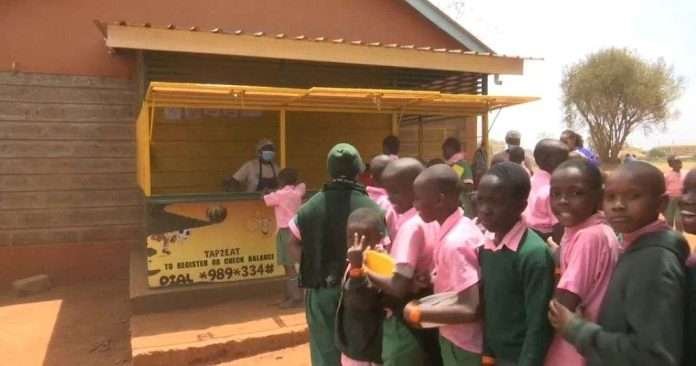
    Nairobi, Kenya – (African Boulevard News) – In a bid to combat hunger and improve school attendance in Kenya, Food4Education, a Kenyan non-profit organization, has launched a mobile canteen initiative. The project, which is part of the largest initiative of its kind in Kenya, aims to provide a meal per day to 4 million primary school children.

    The mobile canteen project is taking a unique approach to tackle the issue of absenteeism in schools. By providing nutritious meals to children during school hours, Food4Education ensures that hunger is not a barrier to education. The initiative has already shown promising results, with a significant increase in school attendance rates since its inception.

    Speaking about the initiative, Wawira Njiru, the founder of Food4Education, highlighted the importance of addressing hunger in schools. She said, “Hunger is a major obstacle to education. When children are hungry, they struggle to concentrate and learn effectively. By providing them with a nutritious meal, we are giving them the fuel they need to succeed in school.”

    The mobile canteen visits different schools across the country, serving freshly cooked meals to the children. The meals are prepared using locally sourced ingredients, supporting local farmers and promoting sustainable agriculture. This not only ensures that the meals are nutritious but also teaches children the importance of healthy eating habits.

    The impact of the initiative goes beyond increased school attendance. It also empowers parents by relieving them of the burden of providing a meal for their children during school hours. With the mobile canteen taking care of their child’s nutritional needs, parents can focus on other pressing matters. This has led to a positive ripple effect on the community as a whole, with parents being more productive and children having access to education without the hindrance of hunger.

    The mobile canteen project has garnered praise and support from various stakeholders, including government officials and education experts. Dr. John Mugo, an education specialist, commended the initiative, stating, “Food4Education is addressing a critical issue that affects children’s education. By providing meals to children in schools, they are not only improving attendance but also ensuring the overall development of these children.”

    As the mobile canteen project continues to expand its reach, more children across Kenya are benefiting from access to nutritious meals and quality education. The initiative serves as a shining example of how innovative solutions can address societal challenges and pave the way for a brighter future.

    With Food4Education’s mobile canteen initiative, hunger is being tackled head-on, resulting in increased school attendance and improved educational outcomes for millions of children in Kenya. As the project gains momentum, the hope is that other countries will embrace this model to uplift their own communities and make education accessible to all.

    Benin: Sacred Forests Under Siege – Urgent Action Needed to Preserve Voodoo Beliefs and Cultural Heritage

    0
    Read Time:2 Minute, 17 Second

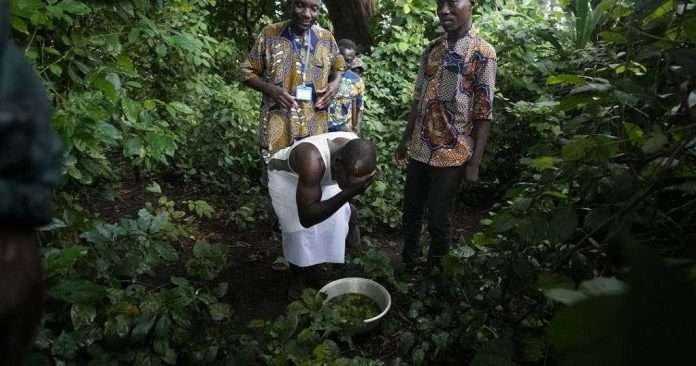
    Porto-Novo, Benin – (African Boulevard News) – Benin, a small West African country, is facing a significant threat as deforestation continues to jeopardize the sacred forests that hold immense cultural and religious value for Voodoo believers. These forests, considered to be the abode of spirits and places of worship for approximately 11% of Benin’s 13 million people who practice Voodoo, are rapidly disappearing due to urbanization and other factors.

    Voodoo, often misunderstood and misrepresented, is a religion deeply rooted in Benin’s history and culture. Believers regard the forests as sacred and vital components of their worship and spiritual practices. The woods serve as a sanctuary where rituals are performed, and ancestral spirits are believed to reside, offering guidance and protection to their devotees.

    However, rapid urbanization and the expansion of agricultural activities are driving the deforestation crisis in Benin. As the population grows and more land is needed for housing and agriculture, ancient trees are being felled and sacred groves destroyed. This devastation is not only eroding the natural landscape but also severing the link between Voodoo believers and their spiritual heritage.

    Experts and advocates are increasingly alarmed by the vanishing forests and are urging for immediate action to protect these significant cultural and environmental treasures. According to Dr. Adeola Oladapo, an environmental scientist specializing in West African ecosystems, “The loss of these sacred forests has a profound impact on Benin’s cultural and ecological landscape. It is imperative that we find sustainable solutions to halt deforestation and preserve these invaluable sites.”

    Efforts to address the crisis have begun, with local organizations and international partners working together to raise awareness and implement conservation measures. These initiatives focus on sustainable land management, reforestation, and capacity-building among communities to promote a harmonious coexistence between development and environmental preservation.

    International organizations, such as the United Nations Development Programme (UNDP) and the Forest Stewardship Council (FSC), have also recognized the urgency of the situation. They are providing technical assistance and financial support to implement sustainable forestry practices and protect the sacred forests of Benin.

    While progress is being made, the fight to preserve the sacred forests is far from over. It requires a collective effort from government authorities, civil society, and the international community to prioritize the conservation of these unique ecosystems and ensure the survival of Benin’s cultural and spiritual heritage.

    As the sacred forests of Benin continue to face the relentless threat of deforestation, it is crucial that swift action is taken to protect these invaluable sites. The survival of not only the natural environment but also the rich spiritual and cultural traditions of Voodoo believers depends on it. Only through a concerted effort can Benin safeguard its sacred forests and ensure a sustainable future for generations to come.

    South Africa: Historic Rugby Triumph Inspires Unity and Hope, Captivating the Nation and World

    0
    Read Time:2 Minute, 24 Second

    Pretoria, South Africa – (African Boulevard News) – From Cape Town, to Johannesburg, and Pretoria, the wave of jubilation has swept across South Africa as Springboks fans celebrate their World Cup victory at home. The nation united in joy and pride as the Springboks emerged victorious in the finals, defeating their opponents in a thrilling match that captivated the world.

    “It’s a special time to be alive. We all unite around the South African rugby,” said Anton, a passionate Springboks fan, echoing the sentiments of millions of South Africans who filled bars, homes, and public spaces to cheer on their beloved team.

    The Springboks’ win has reignited the spirit of unity and hope in a country that has faced many challenges. The team’s historic triumph on the world stage is seen as a symbol of hope and inspiration for South Africans, transcending sport and resonating deeply with the nation’s collective identity.

    The streets of Cape Town were flooded with fans draped in green and gold, shouting and singing songs of victory. Supporters waved flags, blew vuvuzelas, and embraced each other with joyous tears streaming down their faces. The atmosphere was electric, with the jubilant celebrations echoing throughout the city.

    In Johannesburg, the famous Nelson Mandela Square became a sea of orange as fans celebrated the Springboks’ triumph. The square, a symbol of reconciliation and unity, was the perfect backdrop for fans to gather and express their pride. Families and friends shared stories, laughter, and tears as they celebrated a moment of national glory.

    Pretoria, the administrative capital of South Africa, was not left behind in the euphoria. Fans gathered at Loftus Versfeld Stadium, where the Springboks have played many historic matches. Supporters of all ages, races, and backgrounds filled the stands, waving banners and chanting the team’s name. The stadium erupted with cheers as the final whistle blew, declaring the Springboks as champions.

    The Springboks’ victory has also brought economic benefits to the country. Hotels, restaurants, and tourism operators experienced a surge in business as visitors from around the world flocked to South Africa to be part of the celebrations. The win has bolstered the country’s image as a sporting destination and has showcased its ability to host international events.

    Reflecting on the Springboks’ triumph, rugby analyst, Sarah Johnson, stated, “This victory goes beyond the rugby field. It instills a sense of pride and unity in the nation. The Springboks have shown us the power of teamwork, determination, and overcoming adversity. Their success will undoubtedly inspire future generations of rugby players and South Africans.”

    As the celebrations continue and the country basks in the glory of the Springboks’ triumph, South Africans can take pride in knowing that their team has achieved something truly remarkable. The victory serves as a reminder of the immense power of sport to unite a nation and ignite a sense of hope in the hearts of its people.

    Ghana: EU Boosts Defense Against Jihadist Threat with 105 Military Vehicles, Heralding New Era of Security

    0
    Read Time:1 Minute, 59 Second

    Accra, Ghana – (African Boulevard News) – Ghana has received a significant boost in defense capabilities as the European Union (EU) delivered 105 military vehicles to the country. This move comes in response to the increasing jihadist threat emanating from the Sahel region.

    Ghana’s President, along with other leaders from the Gulf of Guinea countries including Togo, Benin, and Ivory Coast, held discussions with the EU’s top diplomat in Accra on Saturday (Oct. 28). The meeting focused on regional and international issues, including security and terrorism.

    The EU’s decision to provide Ghana with military vehicles highlights the seriousness of the jihadist threat in the Sahel. This region has experienced an upsurge in violence and attacks by extremist groups such as Boko Haram and Al-Qaeda in the Islamic Maghreb (AQIM).

    These vehicles will enhance Ghana’s ability to combat terrorism and maintain stability within the country. The equipment includes armored personnel carriers, tactical vehicles, and transport trucks, which will enable the Ghana Armed Forces to deploy quickly and effectively in response to security challenges.

    Ghana’s Ministry of Defense expressed gratitude for the EU’s support, stating that this assistance will significantly enhance the country’s capacity to confront the growing threat. The military vehicles are expected to strengthen Ghana’s ability to conduct counter-terrorism operations, border patrols, and peacekeeping missions.

    Security experts believe that the delivery of these military vehicles will not only benefit Ghana but the entire Gulf of Guinea region. The region has witnessed an increase in piracy, smuggling, and other criminal activities, making it imperative for countries to bolster their defense capabilities.

    “A stable and secure Ghana is in the interest of the entire region. By supporting Ghana’s defense capabilities, the EU is playing a crucial role in ensuring peace and stability in the Gulf of Guinea,” said Dr. John Attoh, a security analyst.

    The EU’s assistance also demonstrates the growing cooperation between Ghana and the international community in addressing security challenges. This support will strengthen the existing partnership and promote collaboration in combating terrorism and transnational crimes.

    In conclusion, the EU’s delivery of 105 military vehicles to Ghana underscores the gravity of the jihadist threat from the Sahel region. This assistance will significantly enhance Ghana’s defense capabilities and enable the country to respond effectively to security challenges. The move also highlights the importance of regional cooperation in addressing terrorism and promoting stability in the Gulf of Guinea.

    Sudan: A Journey Towards Lasting Peace and Hope Begins in Jeddah

    0
    Read Time:2 Minute, 11 Second

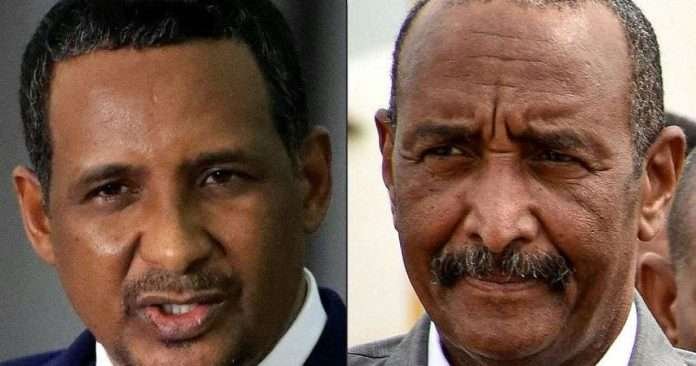
    Khartoum, Sudan – (African Boulevard News) – Sudan’s army and the rival paramilitary force have gathered in Jeddah for fresh peace talks, aiming to find a lasting solution to the ongoing violence and instability in the country. The talks were initiated by Saudi Arabia, which has been actively involved in mediating the conflict. In its statement, the Saudi foreign ministry expressed hope that the negotiations would lead to another cease-fire agreement and a political agreement that would restore security, stability, and peace to Sudan.

    The meeting in Jeddah comes amid escalating tensions and a growing humanitarian crisis in Sudan. The country has been grappling with violence since the overthrow of former President Omar al-Bashir in 2019. The power vacuum created by his departure has led to clashes between the army, which took control after al-Bashir’s removal, and the paramilitary forces, particularly the Rapid Support Forces (RSF).

    The RSF, which was initially formed to combat rebel groups, has been accused of human rights abuses and widespread violence against civilians. The clashes between the army and the RSF have resulted in numerous casualties and displacements, leaving the Sudanese people in dire need of peace and stability.

    The fresh peace talks in Jeddah provide a glimmer of hope for Sudan’s war-weary population. The negotiations aim to address the root causes of the conflict and forge a sustainable peace agreement between the army and the RSF. Saudi Arabia, as the mediator, has a crucial role to play in facilitating the dialogue and ensuring all parties are committed to finding a comprehensive solution.

    Experts and stakeholders have welcomed the renewed talks, highlighting the urgency of reaching a lasting agreement. Mohamed Ali Abdullah, a regional analyst, stated, “The situation in Sudan is dire, and there is an urgent need for a breakthrough in the peace process. The people have suffered enough, and it is time for the army and the RSF to put the interests of the country and its citizens first.”

    While the road to peace may be challenging, the international community remains hopeful that the talks will yield positive results. The involvement of Saudi Arabia, along with other regional and international partners, signifies a collective commitment to supporting Sudan in its pursuit of stability and prosperity.

    As the negotiations continue in Jeddah, the world watches with bated breath, hoping that this round of talks will mark a significant step towards sustainable peace in Sudan. The Sudanese people deserve security, stability, and the opportunity to rebuild their lives. It is now up to the warring factions to set aside their differences and work together for the sake of their nation’s future.

    South Africa: Triumph Against All Odds – Historic Fourth Rugby World Cup Victory Stirs Nation’s Spirits

    0
    Read Time:2 Minute, 5 Second

    Pretoria, South Africa – (African Boulevard News) – In a thrilling final match on Saturday, South Africa emerged victorious, defeating New Zealand by a narrow margin of 12-11, to claim their historic fourth Rugby World Cup title.

    The stage was set for a pulsating showdown as the defending champions faced the mighty All Blacks. Both teams showcased exceptional skill, determination, and resilience throughout the match, leaving fans on the edge of their seats.

    South Africa demonstrated their defensive prowess, withstanding relentless pressure from New Zealand’s formidable attacking force. The Springboks’ unwavering commitment and unwavering spirit shone through, ultimately leading to their remarkable triumph.

    Captain Siya Kolisi, who made history as the first black captain of the Springboks, led his team with exceptional leadership and bravery. His performance on the field, combined with his inspiring journey, resonated with fans and pundits alike, symbolizing unity and progress in South African rugby.

    Coach Jacques Nienaber’s tactical brilliance and astute game plan also played a pivotal role in South Africa’s success. The team’s discipline and structured approach set them apart, highlighting the immense preparation and dedication that went into their campaign.

    The victory marks a significant milestone in South African rugby history. The Springboks now join an elite group of nations to have claimed four Rugby World Cup titles, alongside New Zealand. This achievement solidifies their status as one of the dominant forces in the international rugby arena.

    Speaking after the match, Springbok scrum-half, Faf de Klerk, expressed the team’s emotions, saying, “It’s an incredible feeling to lift the trophy with my teammates. We’ve worked so hard for this moment, and it’s a dream come true.”

    The triumph holds a broader significance for South Africa, transcending the boundaries of sport. It provides a sense of hope and unity for a nation grappling with social and economic challenges. The Springboks’ success serves as a catalyst for change and a reminder of the power of sport to unite a nation.

    As the final whistle blew, South African fans erupted in joyous celebrations. Streets across the country were painted with green and gold, as citizens reveled in the sweet taste of victory. The win will undoubtedly be etched into the hearts and minds of South Africans for generations to come.

    In the aftermath of this historic triumph, South Africa’s rugby community stands proud, basking in the glory of their remarkable achievement. The Springboks have once again etched their name in the annals of rugby history, leaving an indelible mark on the sport and the nation.