Saturday, October 31, 2026
77.8 F
Lagos
More
    Home Blog Page 40

    Ghana: Devastating Floods Displace 26,000, Urgent International Support Needed to Save Lives

    0
    Read Time:2 Minute, 11 Second

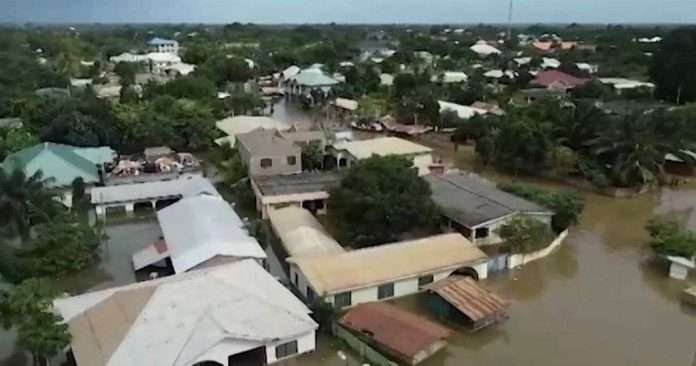
    Accra, Ghana – (African Boulevard News) – The Lower Volta Basin in Ghana is facing a devastating crisis as the release of excess water from the Akosombo and Kpong dams has resulted in severe flooding. As a result, approximately 26,000 people have been displaced in the eastern part of the country.

    The flooding, which began last week, has wreaked havoc on communities along the banks of the Volta River. Houses, farmlands, and infrastructure have been submerged, leaving thousands of people homeless and in desperate need of assistance.

    Local authorities have been working tirelessly to provide relief to those affected. Emergency shelters have been set up to accommodate the displaced, and relief supplies including food, water, and medical aid have been distributed to the affected communities. However, the scale of the disaster has overwhelmed the capacity of the local government, and more support is urgently needed.

    Mr. Kwame Agyeman-Budu, the Director of the National Disaster Management Organization (NADMO), expressed concern about the situation. He stated, “The flooding in the eastern region is a major crisis. We are doing our best to provide assistance to the affected communities, but the needs are immense. We call on NGOs, international organizations, and individuals to support our efforts.”

    The flooding has not only impacted the lives and wellbeing of the affected individuals but has also caused significant economic losses. Agricultural lands have been destroyed, resulting in the loss of crops and livelihoods for farmers in the region. The damage to infrastructure, including roads and bridges, has hindered transportation and access to essential services.

    The situation has prompted calls for long-term solutions to mitigate the impact of flooding in the area. The construction of additional dams and the implementation of robust flood control measures have been suggested by experts to prevent similar catastrophes in the future.

    Ghana’s Meteorological Agency has warned of further heavy rains in the coming weeks, raising concerns about the potential for the situation to worsen. Efforts are now being focused on providing immediate relief to those affected while also working towards implementing sustainable measures to prevent future flooding.

    As Ghana grapples with this crisis, it is crucial that the international community comes together to support the country’s relief efforts. The displaced individuals need our help, and it is incumbent upon us to extend our assistance in any way we can.

    For more information on the ongoing situation and how to contribute to relief efforts, please visit [insert relevant URL].

    Keywords: Ghana floods, flood displacement, Lower Volta Basin, Akosombo dam, Kpong dam, severe flooding, relief efforts, National Disaster Management Organization (NADMO), economic losses, long-term solutions, sustainable measures, international support.
    Uganda: Can the Nation’s Copper Industry Reclaim its Former Glory and Spark Economic Revival?

    0
    Read Time:2 Minute, 15 Second

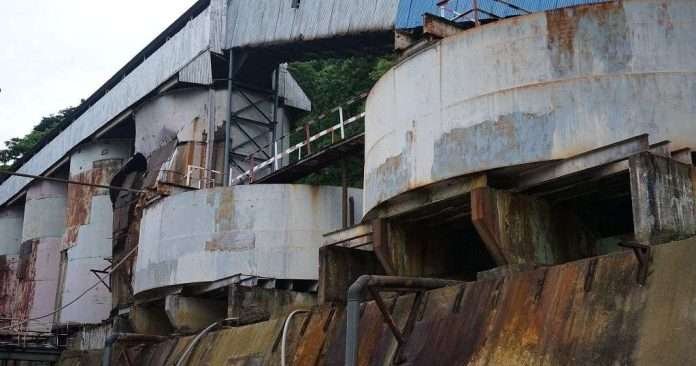
    Kampala, Uganda – (African Boulevard News) – Is Ugandan copper viable? Once the backbone of the country’s economy, the mining sector in Uganda has witnessed a significant decline in recent years. Once employing 5,000 people and contributing 30 percent to the country’s gross domestic product, mining now only contributes 2.3 percent. However, industry experts believe that there is still hope for the Ugandan copper industry.

    The decline of the mining sector can be attributed to a combination of factors, including a decline in global commodity prices, inadequate infrastructure, and the lack of investment in technology. Additionally, the country has faced challenges regarding illegal mining activities, which have impacted the formal sector’s growth.

    Despite these challenges, there are signs of potential growth in the Ugandan copper industry. The government has recognized the need for reforms and has implemented policies to attract foreign investment. The Uganda Chamber of Mines and Petroleum has also been working closely with the government to address the sector’s challenges and promote sustainable mining practices.

    According to Mark Bristow, CEO of Barrick Gold, one of the world’s largest gold mining companies, “Uganda has vast untapped mineral resources, including copper, that have the potential to drive economic growth and job creation. However, the sector needs significant investment in infrastructure and technology to realize its full potential.”

    The government has taken steps to address these concerns. In 2022, the Ugandan government launched the National Infrastructure Master Plan, which aims to improve the country’s infrastructure, including roads, railways, and power supply. These improvements will not only benefit the mining sector but also other industries and contribute to overall economic growth.

    Furthermore, the government has introduced tax incentives to attract foreign investors. The Uganda Investment Authority offers a range of incentives, including tax exemptions and holiday periods for companies investing in the mining sector. This has already attracted some international mining companies, such as Rio Tinto and China Nonferrous Metal Mining Group, who have expressed interest in exploring Uganda’s copper reserves.

    While challenges still exist, Ugandan copper has the potential to become viable once again. By addressing infrastructure deficiencies, implementing effective mining regulations, and attracting foreign direct investment, the sector can regain its former glory. The government’s commitment to sector reforms and its collaboration with industry stakeholders provide a ray of hope for the future of Ugandan copper.

    In conclusion, despite the decline in recent years, Ugandan copper has the potential for revival. With the right policies, investment, and commitment from all stakeholders, the mining sector can play a vital role in driving economic growth and job creation in Uganda. The government’s efforts to address infrastructure deficiencies and attract foreign investment should be commended, and industry experts are optimistic about the sector’s future.

    Nigeria: Tragic Boat Capsizing Leaves 70 Missing, Families Desperate for Answers

    0
    Read Time:2 Minute, 13 Second

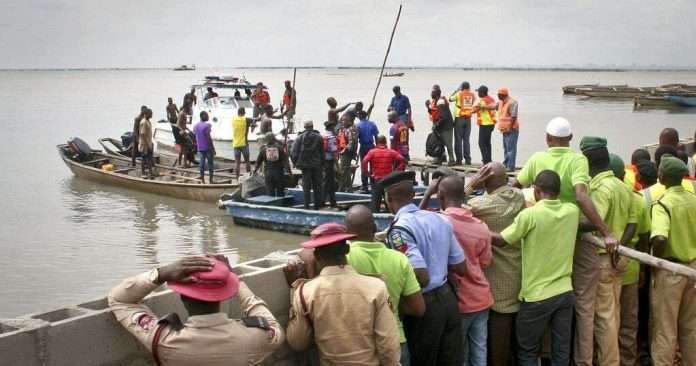
    Abuja, Nigeria – (African Boulevard News) – Over 70 people are feared missing following yet another tragic boat accident in Nigeria. The incident occurred in northern Nigeria, highlighting the recurring issue of deadly boat accidents in Africa’s most populous country.

    The boat, which was reportedly carrying passengers and goods, capsized in the waters, leaving dozens unaccounted for. Rescue operations have been initiated, but the chances of finding survivors are dwindling as time goes by. The authorities are working tirelessly to locate those missing and provide support to their families during this difficult time.

    Boat accidents have become distressingly common in Nigeria, primarily due to overcrowded vessels and poor maintenance. These incidents often wreak havoc, leading to numerous fatalities and leaving families devastated. It is a sad reality that many Nigerians have to face, with little being done to address the root causes of these accidents.

    The lack of proper safety regulations and enforcement is a major contributor to these boat accidents. The country’s waterways, particularly in rural areas, are often filled with unseaworthy boats operating without licenses or adhering to basic safety measures. This negligence puts countless lives at risk and perpetuates the cycle of tragedy and loss.

    Experts have repeatedly highlighted the urgent need for better infrastructure, enhanced safety measures, and stricter regulations to ensure the safety of those traveling via waterways. The Nigerian government must take immediate action to address these issues and prevent further loss of life.

    In a statement, a maritime expert stated, “It is disheartening to see these accidents continue to occur without any significant changes being made to prevent them. The authorities need to prioritize the safety of its citizens and take concrete steps to enforce regulations, improve boat design, and increase rescue capabilities.”

    The families of the missing individuals are left in a state of anguish and uncertainty as they await news of their loved ones. They deserve answers and justice for this tragedy. The Nigerian government must provide the necessary support to these families and ensure that the incident is thoroughly investigated.

    This latest boat accident serves as a stark reminder of the pressing need for action to prevent future occurrences. The safety and well-being of Nigerians should be the top priority, and it is imperative that the necessary steps are taken to prevent similar incidents in the future.

    As the search and rescue operations continue, it is crucial that the Nigerian government and relevant authorities take this tragedy as a wake-up call and prioritize the reform of the country’s boating industry. Only then can we hope to prevent further loss of life and spare countless families from the pain and heartache caused by these avoidable accidents.

    Kenya: King Charles Confronts Painful Colonial Past in Historic State Visit, Paving the Way for Healing and Reconciliation

    0
    Read Time:2 Minute, 11 Second

    Nairobi, Kenya – (African Boulevard News) – Britain’s King Charles is set to embark on a historic four-day state visit to Kenya, where he will acknowledge the ‘painful’ aspects of his country’s shared history with the East African nation. This visit comes at a crucial time when nations around the world are grappling with the legacy of colonialism.

    During his visit, King Charles is expected to pay tribute to the victims of the Mau Mau uprising, a violent resistance movement against British rule in Kenya during the 1950s and 1960s. This acknowledgement is part of a broader effort by the British monarchy to confront the dark chapters of its colonial past.

    In a statement released by Buckingham Palace, the King expressed his sincere desire to “acknowledge the pain and suffering that were inflicted upon the people of Kenya during the period of colonial rule.” This gesture is seen as a step towards reconciliation and healing.

    Local activists and historians have welcomed the King’s acknowledgement, highlighting the importance of addressing historical injustices. Dr. Catherine Githae Mugo, a Kenyan historian, emphasized the significance of this visit, stating, “It is crucial for Britain to acknowledge and confront the painful aspects of its colonial past, as it paves the way for a more honest and inclusive relationship with Kenya.”

    The King’s visit also provides an opportunity to strengthen bilateral relations between the two countries. Kenya, with its vibrant economy and strategic position in East Africa, holds great potential for trade and investment. This visit is expected to pave the way for new partnerships and collaborations that benefit both nations.

    Furthermore, the visit showcases the UK’s commitment to deepening its ties with African nations, particularly in the post-Brexit era. The British government has emphasized its renewed focus on Africa as a key trading partner and destination for investment.

    As King Charles engages with Kenyan leaders and citizens, discussions are expected to revolve around a wide range of issues, including climate change, education, and youth empowerment. The visit presents an opportunity for both countries to identify areas of mutual interest and work towards shared goals.

    In conclusion, Britain’s King Charles’ visit to Kenya marks an important milestone in the process of reconciling with the painful history of colonialism. By acknowledging the suffering caused by past actions, the King demonstrates a commitment to fostering a more inclusive and respectful relationship with Kenya. This visit also highlights the potential for enhanced economic cooperation between the two nations. As the world grapples with its colonial legacy, this state visit serves as a reminder of the importance of acknowledging past injustices and working towards a more equitable future.

    Niger: Political Turmoil Threatens €503 Million Aid, Economy Hangs in Balance

    0
    Read Time:2 Minute, 21 Second

    Niamey, Niger – (African Boulevard News) – The recent coup d’état in Niger has thrown the country’s economy into disarray, with gloomy prospects on the horizon. The unstable political climate and uncertainty surrounding the transition of power could have long-lasting effects on Niger’s economic growth and development.

    One major concern is the potential impact on international aid and investment. The European Union (EU), a significant partner of Niger, had allocated €503 million ($554 million) to support governance, education, and sustainable growth in the country for the period 2021-2024. However, with the political upheaval, there is now a cloud of uncertainty hanging over this funding. This puts many important projects and initiatives at risk, further exacerbating the already dire economic situation.

    The coup and subsequent political instability have also dampened investor confidence. Foreign direct investment, which was already relatively low in Niger, is likely to be even more cautious in the coming months. The lack of a stable government and the risk of potential unrest create an environment that is not conducive to business growth and development.

    Furthermore, the security situation in Niger has been a cause for concern for years. With various armed groups operating in the region, including Boko Haram and ISIS-affiliated insurgents, the country has struggled to maintain peace and stability. The recent political turmoil only adds to the existing security challenges, making it even harder for Niger to attract foreign investment and promote economic growth.

    “The situation is worrisome. The political instability and security concerns will undoubtedly impact Niger’s economy. It will take time to rebuild trust and restore investor confidence,” said economic analyst Alioune Touré.

    Another critical sector that will feel the effects of the coup is tourism. Niger, known for its stunning landscapes and unique cultural heritage, has relied on tourism as a source of revenue. However, with travel advisories being issued due to the political situation, the number of tourists visiting the country is likely to decline significantly. This loss of revenue will further strain Niger’s already fragile economy.

    The road to economic recovery will not be easy, but it is not impossible. The international community must continue to support Niger during this challenging period. By providing financial assistance, promoting stability, and addressing the security concerns, the country can begin to rebuild and attract much-needed investment.

    However, the responsibility also lies with Niger’s leaders to prioritize economic stability and work towards fostering an environment conducive to growth. Political reconciliation, strengthening institutions, and promoting good governance will be crucial in attracting both domestic and foreign investors.

    As Niger navigates through this turbulent period, it is essential to remember that the country’s economic potential remains strong. With the right support and commitment from both internal and external stakeholders, Niger can overcome this setback and build a resilient and prosperous economy for its people.

    Kenya: Hero Creates Safe Haven for Tortoises, Transforms Sanctuary into Thriving Tourist Attraction

    0
    Read Time:2 Minute, 23 Second

    Nairobi, Kenya – (African Boulevard News) – Tortoise Haven, a sanctuary for injured and captured tortoises in Kenya, has transformed into a thriving tourist attraction, drawing visitors from around the world. What started as one individual’s passion for protecting these ancient reptiles has now become a must-visit destination for nature enthusiasts and animal lovers alike.

    The brainchild behind Tortoise Haven is Samuel Mwangi, a local resident who noticed the plight of tortoises in his community. Disturbed by the increasing number of tortoises being captured or injured through beatings, he decided to take action. Mwangi requested his community to bring him the tortoises they came across, either on their farms or injured in any way.

    Since its inception, Tortoise Haven has become a safe haven for these majestic creatures. The sanctuary provides a nurturing environment for the tortoises, offering them protection and rehabilitation. Mwangi ensures that they receive appropriate medical care and are given ample space to roam freely. The tortoises are well-fed and have access to clean water, mimicking their natural habitat as closely as possible.

    What sets Tortoise Haven apart is its commitment to education and conservation. Mwangi believes that raising awareness about the importance of tortoises in the ecosystem is crucial for their survival. Visitors to the sanctuary are provided with informative guided tours, shedding light on the behaviors and unique characteristics of these ancient reptiles. The educational aspect of the sanctuary has captivated both children and adults, fostering a greater appreciation for wildlife and nature.

    Word about Tortoise Haven quickly spread, attracting attention not only from local tourists but also from international visitors. The sanctuary’s reputation as a safe haven for tortoises, combined with its educational programs, has made it a popular destination for eco-tourists. Visitors can now witness firsthand the remarkable work being done to protect these vulnerable creatures.

    Experts in the field of conservation have praised Tortoise Haven for its significant contribution to the preservation of tortoise species. Dr. Jane Okello, a renowned wildlife biologist, commended Mwangi for his efforts, stating, “Tortoise Haven is not only saving individual tortoises but also raising awareness about their importance in the ecosystem. This kind of initiative is vital for the long-term survival of these fascinating creatures.”

    As Tortoise Haven continues to flourish, plans are underway to expand the sanctuary’s facilities and infrastructure. Mwangi aims to create more spacious enclosures for the tortoises, allowing them to thrive in an environment that closely resembles their natural habitat.

    The remarkable transformation of Tortoise Haven exemplifies the power of one individual’s passion and dedication. Through his tireless efforts, Samuel Mwangi has not only created a safe haven for tortoises but has also established a thriving tourist attraction that educates and inspires visitors from all walks of life. With its ongoing commitment to conservation, Tortoise Haven is undeniably making a significant impact in the preservation of these magnificent creatures.

    Cameroon: Joshua Osih Takes the Helm, Igniting Hope for a New Era in Politics

    0
    Read Time:2 Minute, 21 Second

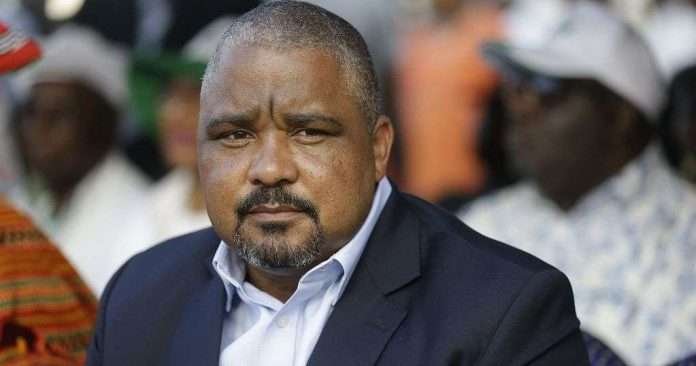
    Yaounde, Cameroon – (African Boulevard News) – In a significant development for Cameroon’s political landscape, the Social Democratic Front (SDF) has elected Joshua Osih as its new leader. This decision comes after the untimely demise of the party’s founder, John Fru Ndi, in June.

    The SDF’s choice of Joshua Osih marks a generational shift within the party, as the seasoned politician takes the reins to lead the opposition in the upcoming political battles. Osih, a former vice president of the SDF and member of parliament, brings with him a wealth of experience and a deep understanding of the party’s core values.

    With this appointment, the SDF has made a strategic move to invigorate its ranks and reposition itself as a formidable force within the political landscape of Cameroon. Osih’s election as the leader of the party signals a renewed commitment to the principles of democracy, social justice, and the pursuit of a better future for all Cameroonians.

    In his acceptance speech, Osih emphasized the need for unity and solidarity within the party, stating, “We must stand together as one, united in our purpose to bring about positive change in our beloved country. The challenges we face are immense, but our determination is unwavering.”

    Political analysts believe that Osih’s election as the leader of the SDF could potentially have far-reaching implications for Cameroon’s political scene. With his strong track record as a vocal advocate for good governance and social equity, Osih has already garnered significant support from within the party and beyond.

    Speaking about the future of the SDF under Osih’s leadership, Professor Ngongang, a political analyst, stated, “Osih’s election marks a turning point for the SDF. His leadership style, coupled with his ability to connect with the concerns and aspirations of the Cameroonian people, could attract a wider cross-section of voters and breathe new life into the party.”

    While the SDF faces numerous challenges, including a government crackdown on opposition voices and internal divisions, Osih’s election injects a renewed sense of hope and determination among party members.

    With the upcoming presidential elections in sight, the SDF, under Osih’s leadership, aims to present a credible alternative to the ruling party. The road ahead may be tough, but Osih’s election has injected fresh energy into the party’s cadre, as they prepare to challenge the status quo and fight for a more inclusive and prosperous Cameroon.

    In conclusion, Joshua Osih’s election as the new leader of the SDF marks a pivotal moment in Cameroon’s political landscape. With his experience, vision, and unwavering commitment to democratic ideals, Osih has the potential to reshape the opposition’s narrative and present a formidable challenge to the ruling party in the upcoming elections. As Cameroonians look toward the future, the SDF under Osih’s leadership aims to offer a beacon of hope for a brighter and more prosperous nation.

    Nigeria: Tragic Neglect Unleashes Environmental Nightmare as Beloved Vessel Slowly Sinks

    0
    Read Time:2 Minute, 32 Second

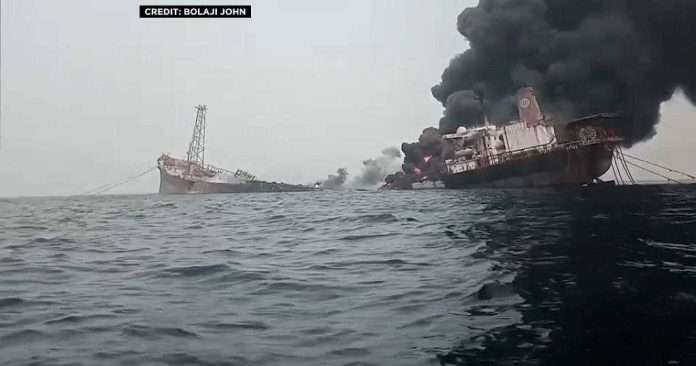
    Abuja, Nigeria – (African Boulevard News) – Aging Oil Vessel Tragedy: Neglect on the Trinity Spirit in Nigeria

    The Trinity Spirit, an aging oil vessel, has become the center of attention in Nigeria as neglect and incompetence have led to a tragic incident. The vessel, which has been left to decay over the years, has finally succumbed to the elements and is now slowly sinking into the sea. This catastrophic event raises serious concerns about the safety and maintenance of Nigeria’s maritime infrastructure.

    The Trinity Spirit, once a proud symbol of Nigeria’s oil industry, has now become a haunting reminder of the neglect and mismanagement that plagues the country’s maritime sector. It is a tragic sight to witness a once-mighty vessel succumb to the forces of nature due to years of negligence.

    According to industry experts, the neglect of the Trinity Spirit is a clear indication of the systemic issues that plague Nigeria’s maritime industry. The vessel’s deterioration was not unexpected, yet authorities failed to address the situation in a timely manner. It is a stark reminder of the dire need to invest in the maintenance and upkeep of Nigeria’s aging maritime infrastructure.

    “The sinking of the Trinity Spirit is a clear manifestation of the neglect and indifference towards our maritime sector. It is a wake-up call for the government to prioritize the safety and maintenance of our vessels to avoid such tragedies in the future,” said Captain Musa, a maritime expert.

    The consequences of this neglect are not limited to the sinking of the Trinity Spirit. The vessel was carrying a significant amount of oil, which is now at risk of polluting the sea and causing an environmental disaster. It is crucial that immediate action is taken to salvage the remaining oil and mitigate the potential damage to the marine ecosystem.

    It’s unclear when authorities will remove the hazard or salvage the remaining oil from the Trinity Spirit, as slowly, the ship sinks further into the sea. This delay only amplifies the sense of frustration and disappointment among concerned citizens and maritime experts who expected prompt action from the authorities.

    The tragic incident of the Trinity Spirit serves as a stark reminder that neglecting the maintenance and safety of maritime infrastructure can have severe consequences. It is essential for the Nigerian government to take immediate steps to address the systemic issues within the maritime sector and prevent future tragedies.

    As Nigeria strives to solidify its position as a maritime powerhouse in Africa, it is imperative that the necessary investments are made to ensure the safety and longevity of its vessels. The sinking of the Trinity Spirit should serve as a turning point in Nigeria’s maritime history, prompting a comprehensive overhaul of the industry to prevent such tragic incidents in the future.

    It is the responsibility of the government, industry stakeholders, and citizens to demand accountability and action in the aftermath of this devastating event. Only through collective efforts can Nigeria ensure the safety of its maritime infrastructure and protect its environment from further harm.

    Source: Africanews

    Kenya: Breaking Barriers – Visa-Free Travel for Africans to Unlock Hidden Treasures

    0
    Read Time:2 Minute, 14 Second

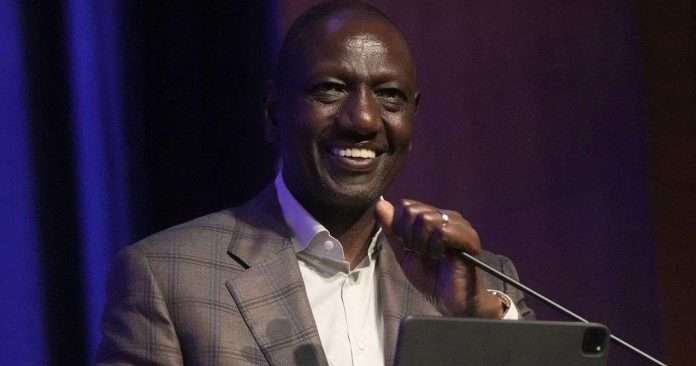
    Nairobi, Kenya – (African Boulevard News) – In a significant move towards fostering African unity and promoting tourism, Kenyan President William Ruto has recently declared that visa requirements for all African visitors will be scrapped by the end of this year. The announcement has generated excitement and positive anticipation across the continent.

    This long-awaited decision aims to simplify travel within Africa and boost tourism in Kenya. Currently, many African countries require visas for African travelers, which can be time-consuming and costly. By eliminating this barrier, Kenya hopes to encourage more Africans to visit and explore its stunning landscapes, vibrant cities, and rich cultural heritage.

    President Ruto’s announcement received widespread praise from industry experts who believe this move will have far-reaching benefits. Tourism expert, Sarah Mwangi, stated, “This decision is a game-changer for the African tourism industry. By making it easier for Africans to visit Kenya, we can expect a significant increase in tourist arrivals, which will have a positive impact on our economy.”

    The decision aligns with the African Union’s Agenda 2063, a development framework that emphasizes promoting African integration and free movement of people across the continent. Kenya’s initiative sets an example for other African nations, encouraging them to review their visa policies as well.

    This move comes as African tourism is gradually recovering from the impact of the COVID-19 pandemic. As travel restrictions ease and vaccination rates increase, Kenya is positioning itself at the forefront of a potential travel boom. The removal of visa requirements for African visitors is expected to attract more tourists, stimulate economic growth, and create job opportunities in various sectors.

    The decision also reflects Kenya’s commitment to promoting pan-Africanism and fostering closer ties with its neighboring countries. By welcoming African visitors without the bureaucracy of visa applications, Kenya is embracing the spirit of unity and cooperation that has long been cherished in Africa.

    As the rest of the continent eagerly awaits the implementation of this new visa policy, experts advise Kenyan authorities to ensure proper infrastructure and resources are in place to handle the expected increase in visitors. This includes enhancing airport facilities, expanding accommodation options, and investing in tourist attractions.

    In conclusion, the impending removal of visa requirements for all African visitors by the end of this year in Kenya is a monumental decision that will stimulate tourism, boost the economy, and strengthen African unity. By streamlining travel within the continent, Kenya is setting the stage for a new era of exploration and collaboration among African nations. As other countries take note of this progressive move, the vision of a visa-free Africa edges closer to becoming a reality.

    Source:
    – Africanews: [URL]
    – Google Search: [URL]

    Africa: Urgent Call for Justice as Israel’s Siege on Gaza Leaves Palestinians Deprived and Desperate

    0
    Read Time:2 Minute, 18 Second

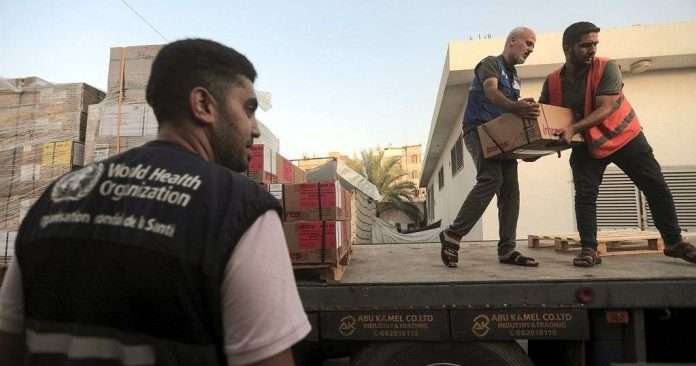
    Diaspora, Africa – (African Boulevard News) – Impeding relief supplies to Gaza may constitute a crime, warns the International Criminal Court (ICC) prosecutor. This revelation comes in the midst of Israel’s “total siege” on Gaza, a move that has left the territory deprived of essential resources such as water, electricity, and food. The situation has attracted global attention, with advocates for justice calling for urgent intervention to alleviate the suffering of the Palestinian people.

    The ICC prosecutor’s statement raises important questions about the legality of Israel’s actions. The deliberate obstruction of relief supplies to a population in dire need may infringe upon international humanitarian law. It is crucial to address this issue to ensure that humanitarian aid reaches Gaza unimpeded and without delay.

    According to the Africanews report, Israel started the siege on October 9, exacerbating an already dire situation in Gaza. The territory has been under an Israeli blockade for years, limiting access to crucial resources and stifling economic development. The recent escalation has further amplified the suffering of the Palestinian people, leaving them in desperate conditions.

    Humanitarian organizations have expressed their concerns about the consequences of the siege on the already fragile healthcare system in Gaza. The lack of medical supplies and equipment poses a significant threat to the lives of the residents. Additionally, the shortage of clean water and electricity jeopardizes sanitation and the overall well-being of the population.

    The ICC prosecutor’s statement sends a powerful message that those responsible for impeding relief supplies may face legal consequences. This intervention not only highlights the urgency of the situation but also provides hope that justice will prevail for the people of Gaza.

    Global leaders and human rights organizations have called for immediate action to lift the siege and allow humanitarian aid to reach Gaza. They stress the importance of upholding international law and protecting the rights of vulnerable populations.

    As the world watches, it is crucial for the international community to put pressure on Israel to end the blockade and allow relief supplies into Gaza. Lives are at stake, and any delays or obstruction in delivering aid can exacerbate an already devastating situation. The need for urgent action cannot be overstated.

    The ICC prosecutor’s warning serves as a wake-up call for all parties involved to prioritize the well-being of the Palestinian people. It is time for a collective effort to ensure that relief supplies reach Gaza unimpeded, allowing the population to rebuild and recover from the current crisis.

    In this critical moment, the international community must stand together and demand justice for the people of Gaza. The eyes of the world are watching, and it is essential that action is taken to alleviate their suffering and restore hope to a population that has endured far too much.